
Studies Confirm That Slow Blinking or Partial Eye Closure in Dogs Is a Recognized Calming Signal That Functions to Reduce Perceived Threat – Similar to How Cats Use the Slow Blink to Signal Trust
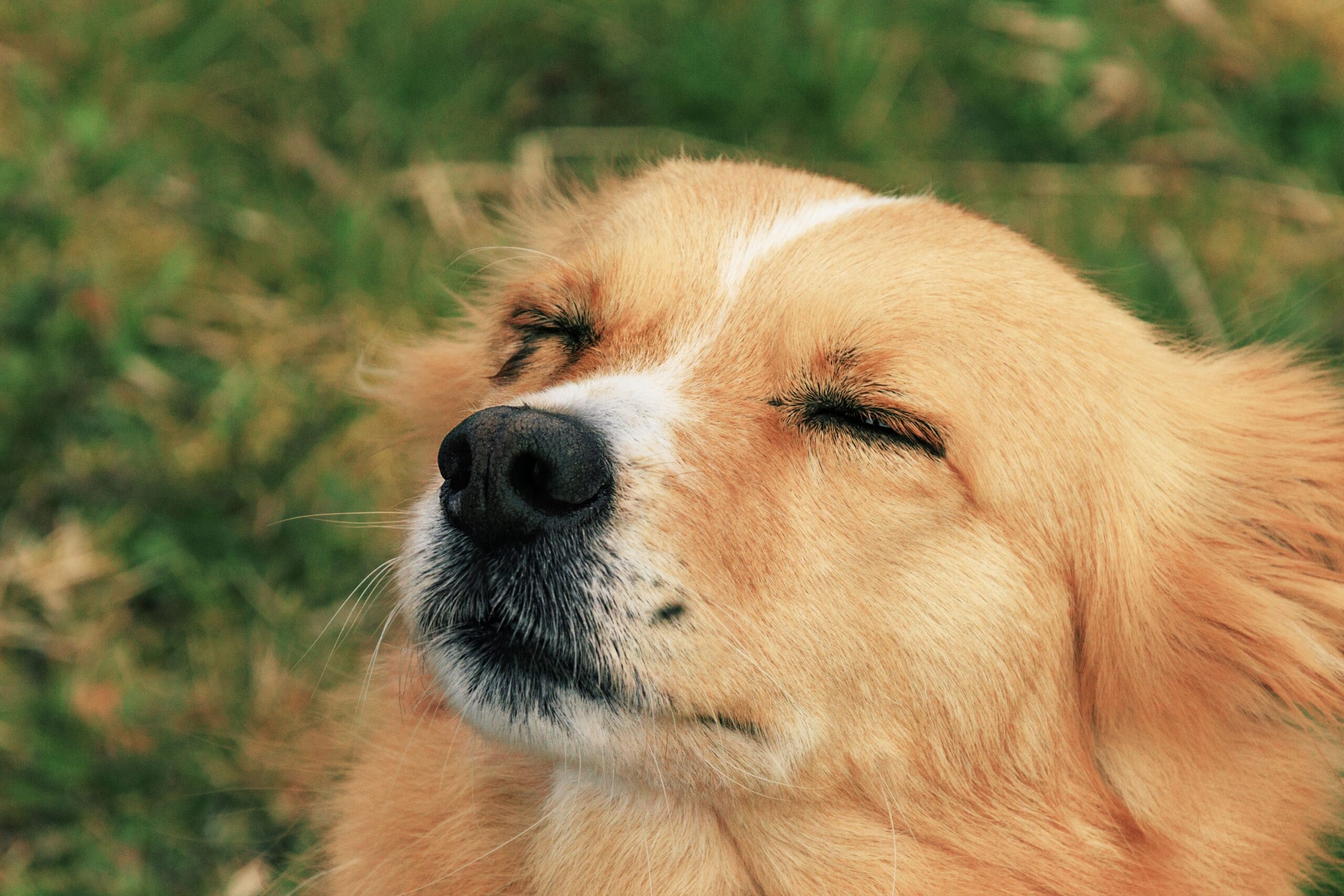
Have you ever caught your dog looking at you, eyes soft, lids drooping or blinking slowly, and wondered if they were trying to say something? For years, dog people swapped stories about “soft eyes” and “slow blinks,” while science quietly worked in the background to figure out if this was all in our heads or if something real was going on. The answer, it turns out, leans strongly toward the latter: those gentle blinks matter.
Modern canine behavior research now recognizes slow blinking and partial eye closure as part of a wider family of canine calming signals. These are subtle gestures dogs use to calm themselves, reduce tension, and show they’re not a threat. And just like cats use the famous slow blink to say “I trust you,” dogs seem to be doing a version of the same thing – one that, once you notice it, completely changes how you look at your dog’s face.
The Science Behind Canine Calming Signals
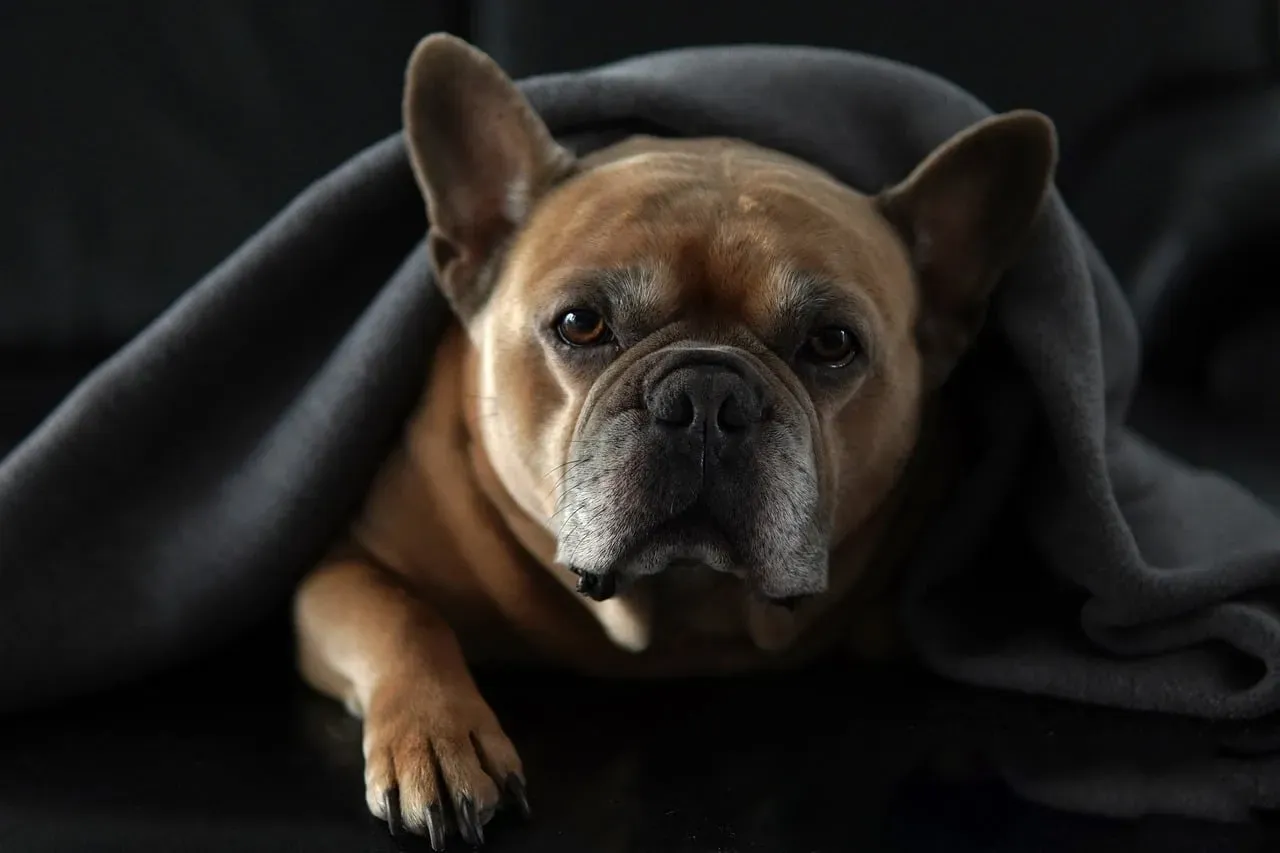
One of the clearest shifts in modern dog research is the move away from old dominance-based interpretations and toward a more nuanced understanding of canine body language. Instead of seeing every stare or posture as a power move, scientists and trainers now talk a lot about “calming signals” and “appeasement gestures,” small behaviors that help dogs navigate social tension. Soft eyes, slow blinking, and partial eye closure have joined lip licking, yawning, turning the head, and sniffing the ground as widely recognized examples.
Several observational and experimental studies have shown that dogs adjust their facial expressions and gaze when facing social pressure, such as a direct stare, an unfamiliar person approaching, or mild conflict with another dog. In these situations, they are more likely to avert their gaze, soften their eyes, or reduce the intensity of eye contact with small, slower blinks. The pattern is consistent with behaviors designed to dial down arousal and reduce perceived threat, rather than to escalate it.
Why Eye Contact Is So Loaded for Dogs
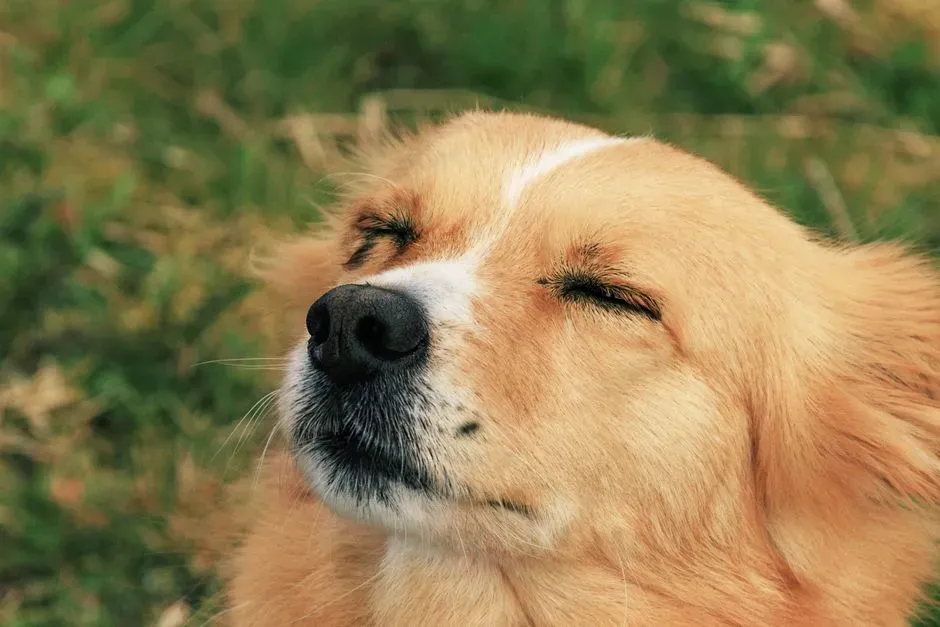
To understand why a slow blink matters, you have to appreciate how powerful eye contact is in the dog world. A hard, unblinking stare – especially between two unfamiliar dogs – can be interpreted as a challenge or threat. Even humans know the feeling of someone “staring you down,” and many dogs are much more sensitive to that than we are. They read our faces, and our eyes in particular, incredibly well, sometimes better than we read theirs.
This is where slow blinking and partial eye closure come in. By deliberately softening their eyes, briefly closing them, or blinking in a slow, exaggerated way, a dog reduces the intensity of that eye contact. It is a bit like saying, “I am not here to fight; I’m keeping things chill.” For nervous or conflict-averse dogs, this can be a quiet lifeline in a world they sometimes find overwhelming, especially around unfamiliar humans who might be staring without realizing how it feels from the dog’s perspective.
Parallels Between the Dog Slow Blink and the Famous Cat Slow Blink
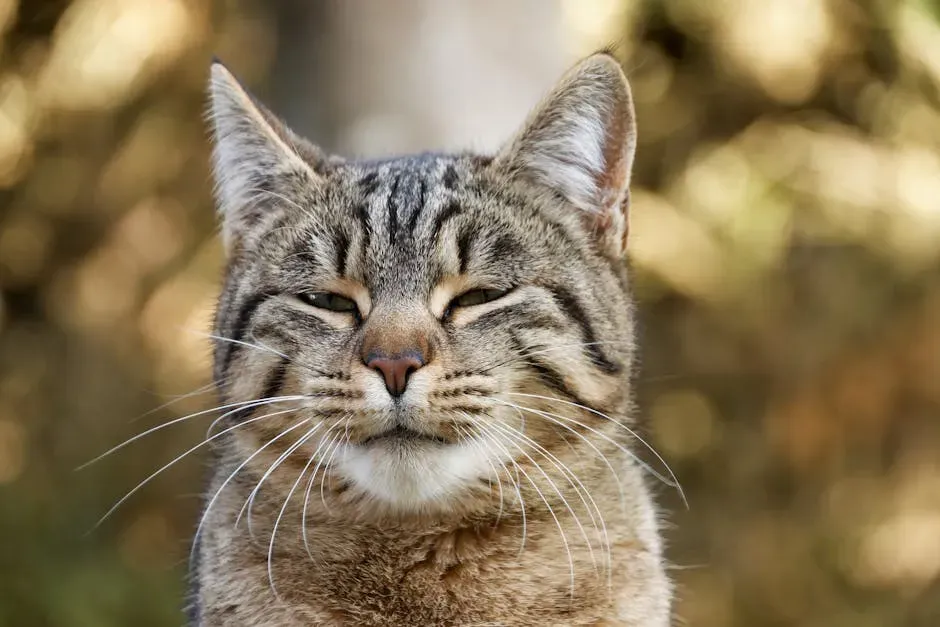
Cat people have been smugly ahead on this one for years. The “cat slow blink” is widely known: a cat looks at a person or another cat and closes its eyes in a long, relaxed movement, often holding them closed for a moment before opening again. Research has shown that when humans slow blink at cats, cats are more likely to approach and interact, suggesting that the slow blink signals safety and trust. Dogs, of course, are not cats – but the emotional logic behind the behavior appears strikingly similar.
In dogs, slow blinking and partial eye closure are not identical to the feline slow blink, but they seem to play a comparable role in reducing tension and indicating peaceful intentions. Rather than being some cute coincidence, it is more believable that both species independently evolved a way to use the vulnerable act of closing their eyes, even briefly, as a social signal. You simply do not soften your gaze around someone you think is about to hurt you – whether you are a cat, a dog, or a human.
What Studies Actually Show About Dogs’ Soft Eyes and Blinks
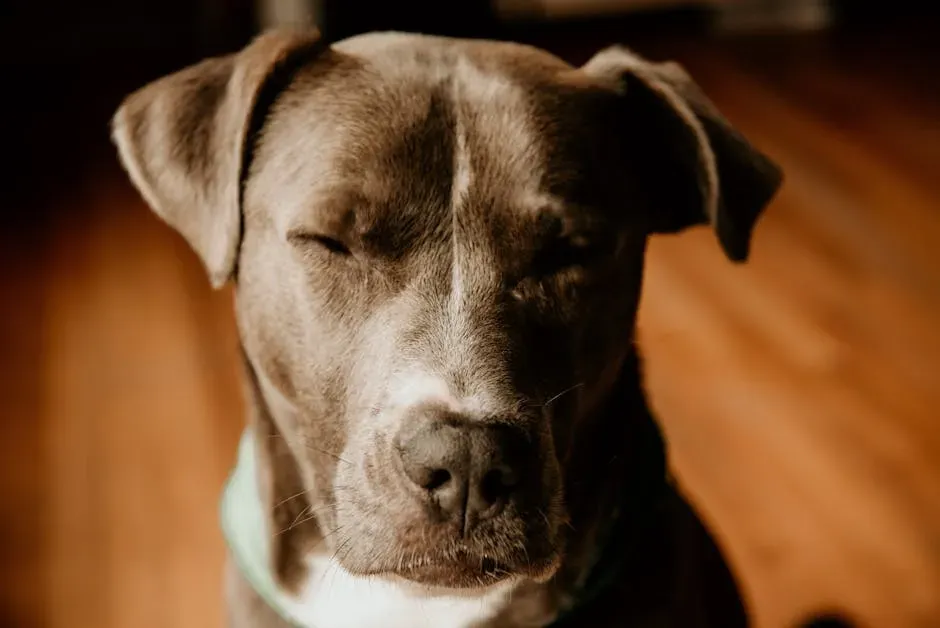
Scientific work in this area is still catching up with what many trainers and guardians have been informally observing for years. Studies using video analysis and structured interactions have found that dogs are more likely to display softer eyes, slower blinks, or partial eye closure in social contexts where they appear to be managing mild stress or ambiguity. For example, in situations involving unfamiliar humans, mildly tense greetings, or potentially conflicting cues, these eye movements appear more often as part of a package of calming signals.
There is also growing evidence that humans respond differently – often more positively – when dogs present a softer, less intense gaze. That matters, because our reaction feeds back into the dog’s experience. When a dog offers a calming signal and the human unconsciously responds by relaxing, speaking more softly, or leaning away slightly, the dog receives a kind of social confirmation that tension is dropping. The loop between dog signal and human response becomes part of how trust is built over time, even if both sides are only half aware of it.
How to Recognize a Calming Slow Blink in Your Own Dog
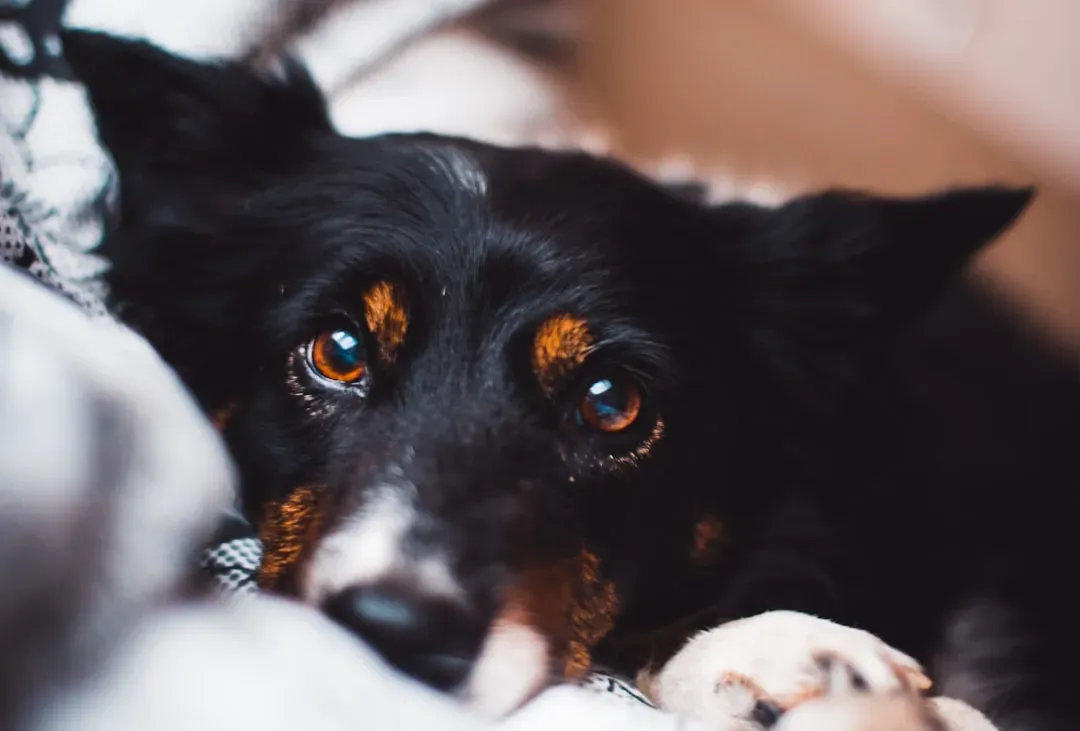
So how do you know whether your dog is giving you a calming slow blink or simply has dry eyes? Context is everything. A calming slow blink usually happens in a social moment: you are looking at each other, you might be close, and your dog’s overall body language is relaxed or gently cautious rather than distressed. You will see the eyes soften, the muscles around them loosen, and the blink itself can look slightly slower or more deliberate than a normal reflex blink.
Other signals often appear around the same time: a tiny head turn away, a subtle yawn, licking the lips, shifting weight, or even sniffing something invisible on the floor. When you put the whole scene together, a picture emerges of a dog saying, “Let’s keep this low-key, okay?” Once you start watching for these patterns, you may realize your dog has been quietly moderating your interactions for years while you were focused on the obvious stuff like wagging tails.
Should You Slow Blink Back at Your Dog?
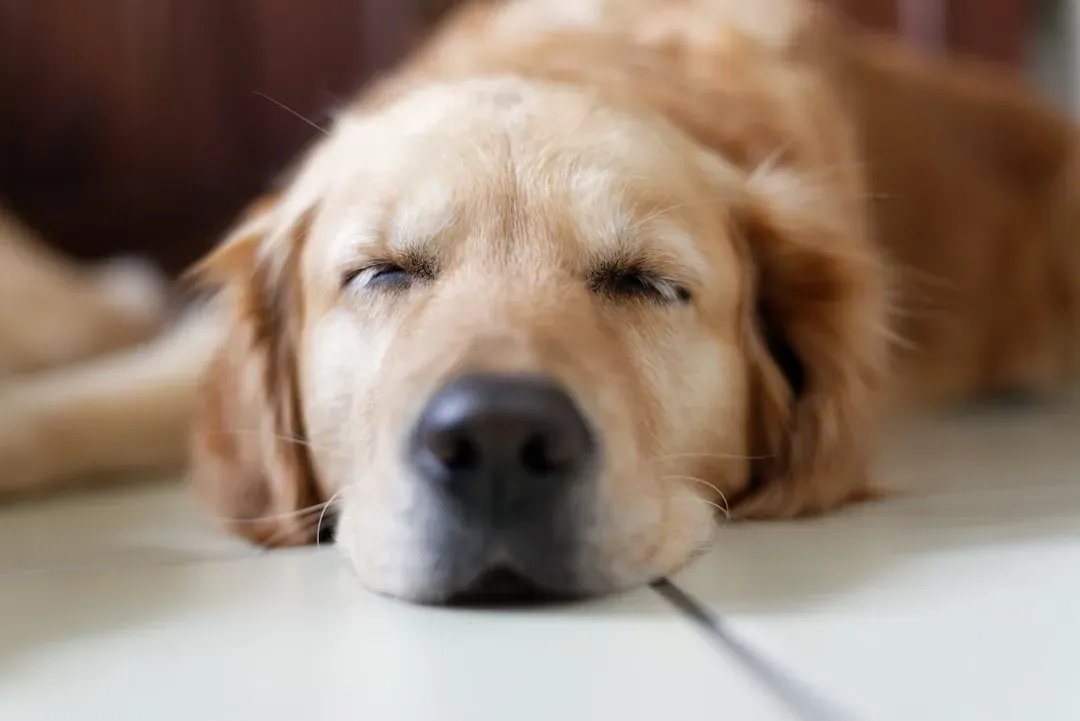
Here is where opinion and evidence meet in a pretty practical way. We know that exaggerated, friendly facial expressions, gentle eye contact, and relaxed body language from humans tend to help dogs feel safer. Many caregivers, myself very much included, have had the experience of slow blinking at a dog, softening our own eyes, and watching the dog visibly relax or even move closer. While research is more extensive in cats on this exact move, there is no good reason to think a gentle, non-threatening eye signal from a calm human would confuse or upset a dog.
The key is not to stare. Think of it more like a soft look, then a slow, comfortable blink, maybe even turning your head slightly or relaxing your shoulders. If the dog chooses to look away, that is not rejection; that is another calming signal. You are speaking a language of politeness, not trying to lock in a staring contest. In my view, if slow blinking back helps you be more aware of your own tension and encourages you to move more gently around your dog, it is already worth doing, even while scientists keep filling in the finer details.
When Slow Blinking Is Not Enough: Respecting Stress, Fear, and Pain
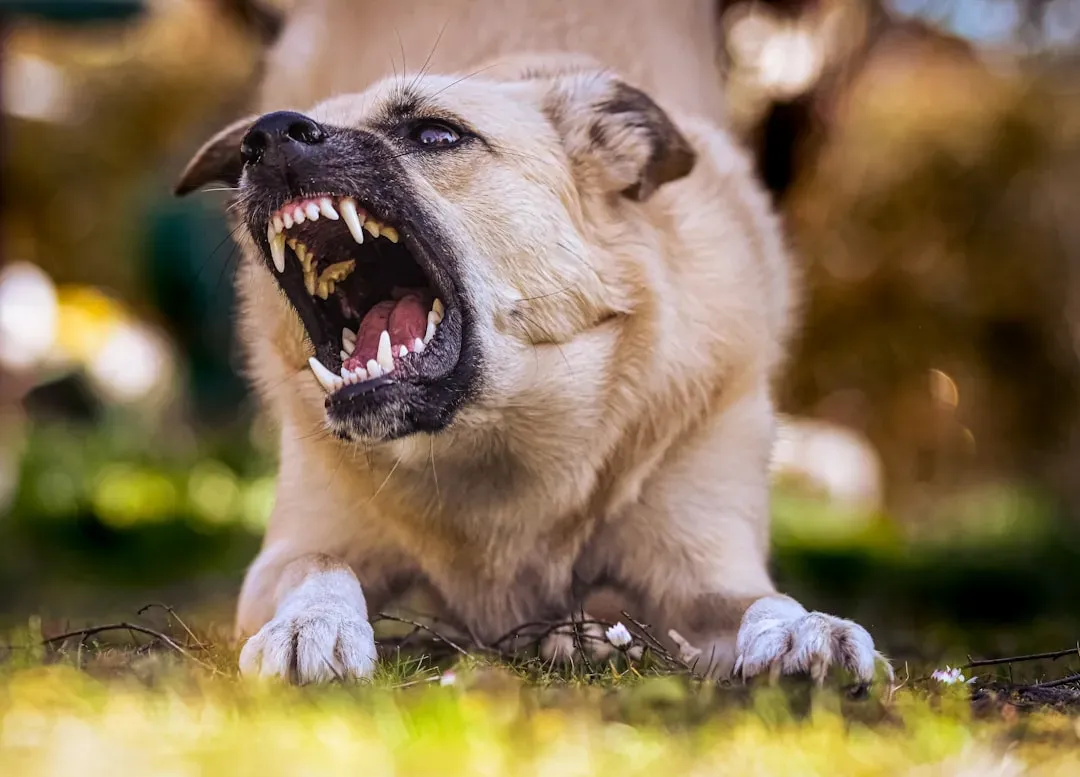
As lovely as it is to imagine slow blinking as a magical bridge between species, it is important not to romanticize it into something it is not. A dog who is deeply fearful, panicking, or in serious pain is not going to be soothed by eye games alone. In those cases, a slow blink from the dog might even be a fragile attempt to de-escalate in a situation that still feels overwhelming. If we respond with more pressure – moving closer, hugging tightly, forcing interaction – we risk pushing them beyond what their calming signals can handle.
That is why I think of slow blinks and partial eye closure as early, subtle clues rather than final answers. They tell you the dog is still trying to cope, still trying to steer the social ship toward safety. Our job is to listen – by creating more distance, lowering intensity, changing the environment, or seeking professional help if needed. Respecting those small signals is one of the most pro-dog, emotionally intelligent things we can do as guardians.
Conclusion: Why These Tiny Eye Movements Deserve Big Respect
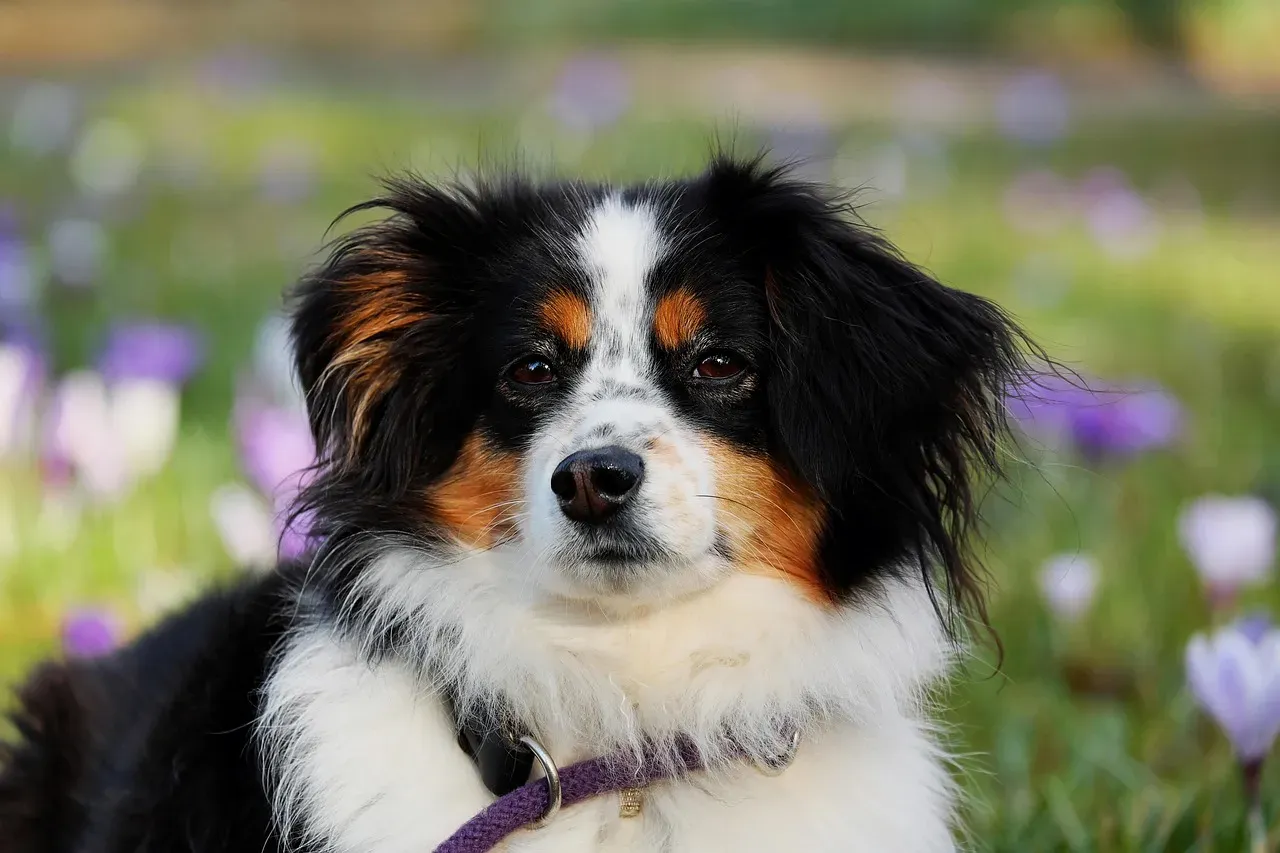
In the big picture of dog behavior, slow blinking and partial eye closure might seem like tiny details, almost trivial compared to barking, biting, or tail wagging. But I think that is exactly why they matter so much. They represent a quieter, more cooperative side of dogs that we often overlook: the part of them that is constantly trying to keep the peace, reduce tension, and maintain connection. When science backs up what thousands of dog people have long suspected – that these soft-eye moments are real calming signals, not random flukes – it feels like overdue validation.
My personal take is unapologetically biased in favor of paying obsessive attention to these small signs. If acknowledging a dog’s slow blink helps even a handful of people pause, soften their own energy, and treat their dogs with a bit more patience and respect, that is a massive win. These tiny movements are invitations to a kinder kind of relationship, one where we stop assuming dogs must shout to be heard. The question is not whether dogs are speaking; it is whether we are finally ready to listen to the language of their eyes – did you ever think something so small could matter this much?