
Why Your Dog Suddenly Rolls Onto Their Back (It Doesn’t Always Mean They Want a Belly Rub)
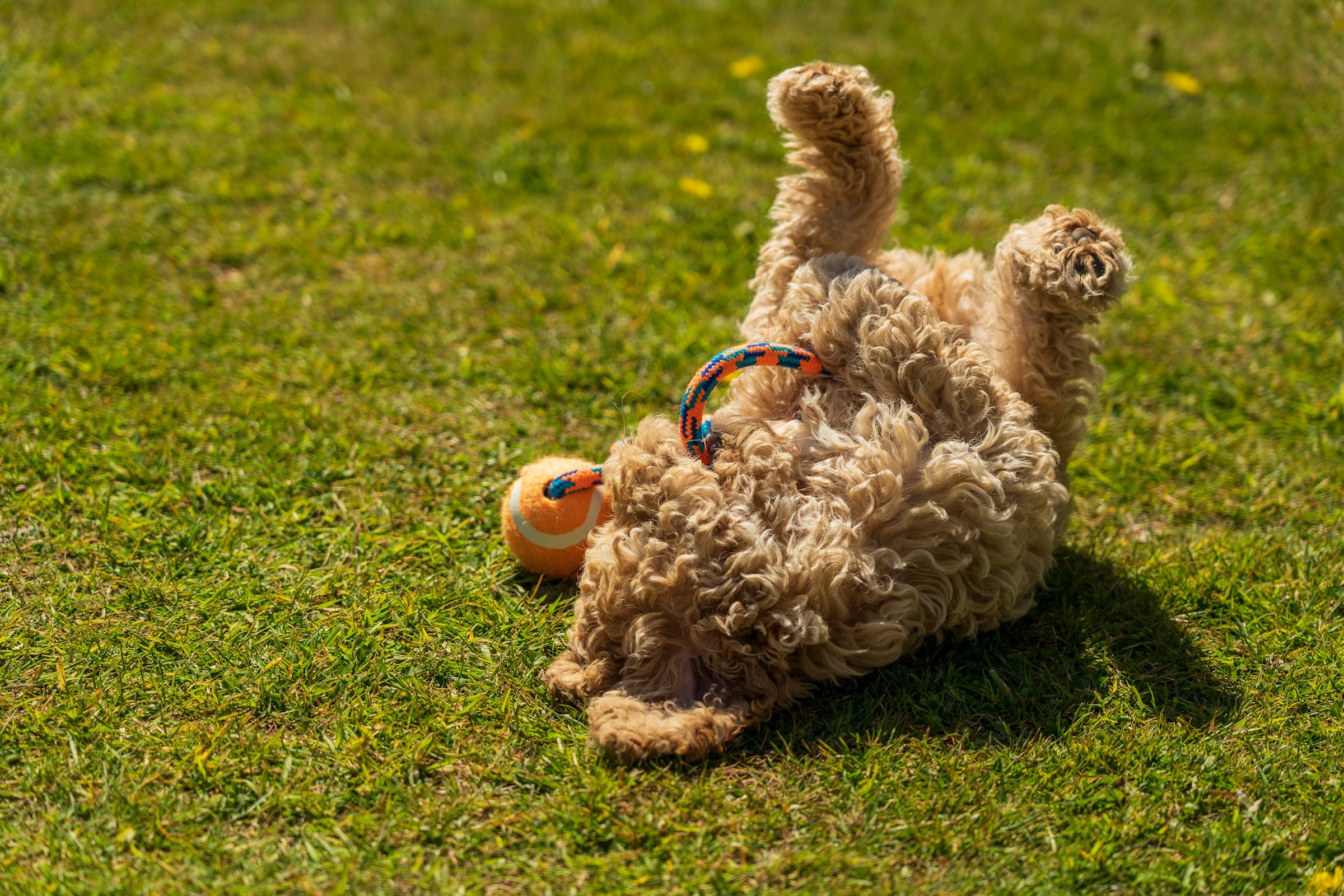
You’re sitting on the couch, your dog wanders over, makes eye contact… and then flops onto their back like a fainting goat. Legs in the air, eyes big, tail maybe giving a hopeful thump. Most of us are trained to think, “Belly rub time!” and dive in. But here’s the twist: that roll-over might be saying a lot more than “scratch me.” Sometimes it’s delight, sometimes it’s stress, and sometimes it’s your dog trying to defuse a situation you didn’t even realize felt tense to them.
Once I learned this, I had that awful “oh no” moment remembering all the times I’d leaned right over a stiff, wide-eyed dog thinking I was giving affection… and they were quietly begging for space. Understanding what that roll actually means can change how safe, seen, and relaxed your dog feels around you. Let’s unpack the real message behind that upside-down wiggle.
They’re Showing Trust and Relaxation (But Check the Rest of the Body)
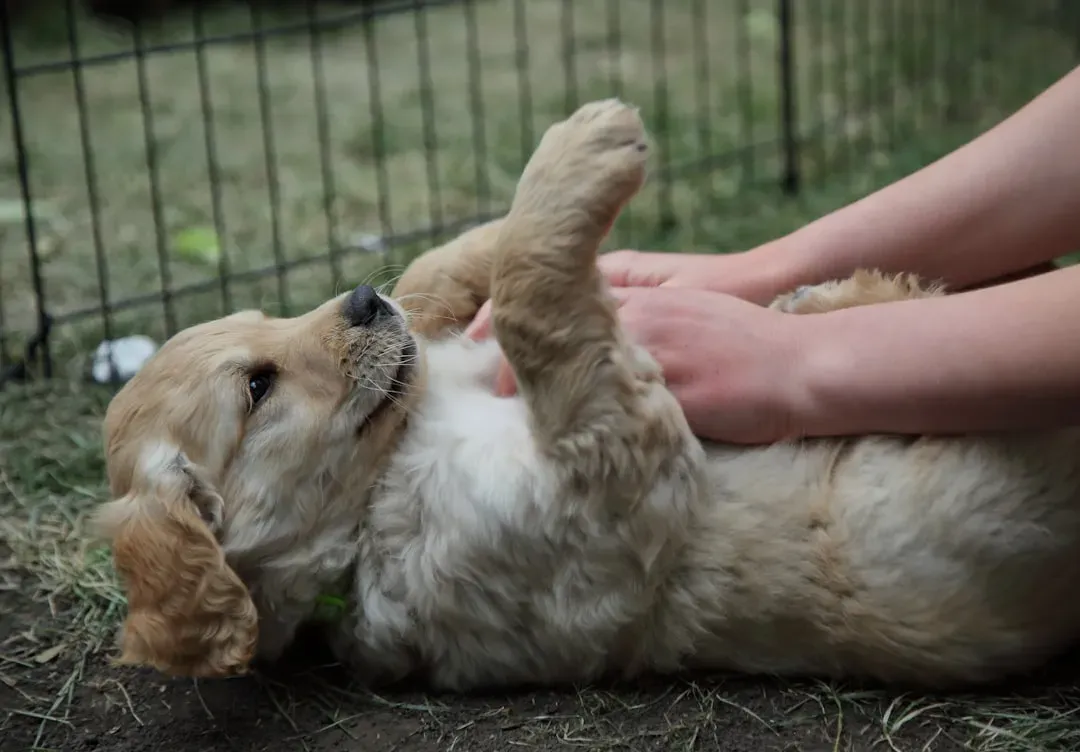
One of the sweetest reasons a dog rolls onto their back is simple: they feel safe. A dog exposing their belly is putting one of their most vulnerable areas on display, which they’re far more likely to do in a place, and with people, they trust. You’ll see this a lot when your dog is snoozing on the sofa or sprawled out on the floor, legs loose, mouth soft, sometimes even lightly snoring.
The key is the overall vibe: a relaxed dog usually has a loose body, floppy paws, soft or squinty eyes, and slow, easy breathing. If they roll over near you, glance up with calm eyes, and maybe give a lazy tail thump, that’s often an open invitation. In those moments, belly rubs can feel like the dog version of a spa treatment, and it’s no surprise many dogs actively seek it out and keep coming back for more.
They’re Appeasing or Submitting, Not Asking to Be Touched
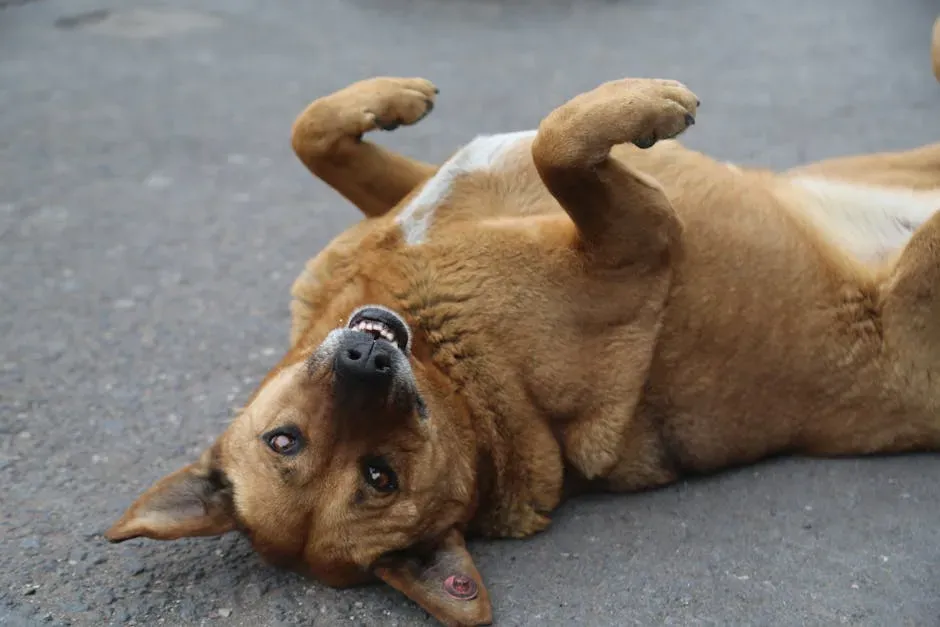
Here’s where a lot of humans misread the situation. Dogs sometimes roll onto their back as a way of saying, “I’m not a threat, please chill,” especially when they feel overwhelmed or unsure. This is often called appeasement or submissive behavior. You might see it if a dog is being scolded, cornered by a more confident dog, or approached too directly by a stranger bending over them.
Look for signs like a tense or tucked tail, lips pulled back slightly, ears pinned, eyes wide or darting, and maybe even a bit of submissive urination. That dog is not asking for belly rubs; they’re trying to avoid conflict and calm things down. Leaning over them with hands reaching straight for their stomach can actually feel scary and intrusive. In those moments, the kindest thing you can do is give them space, turn your body slightly to the side, soften your voice, and let them come to you when they’re ready.
They’re Playing and Trying to Get You (or Another Dog) Engaged
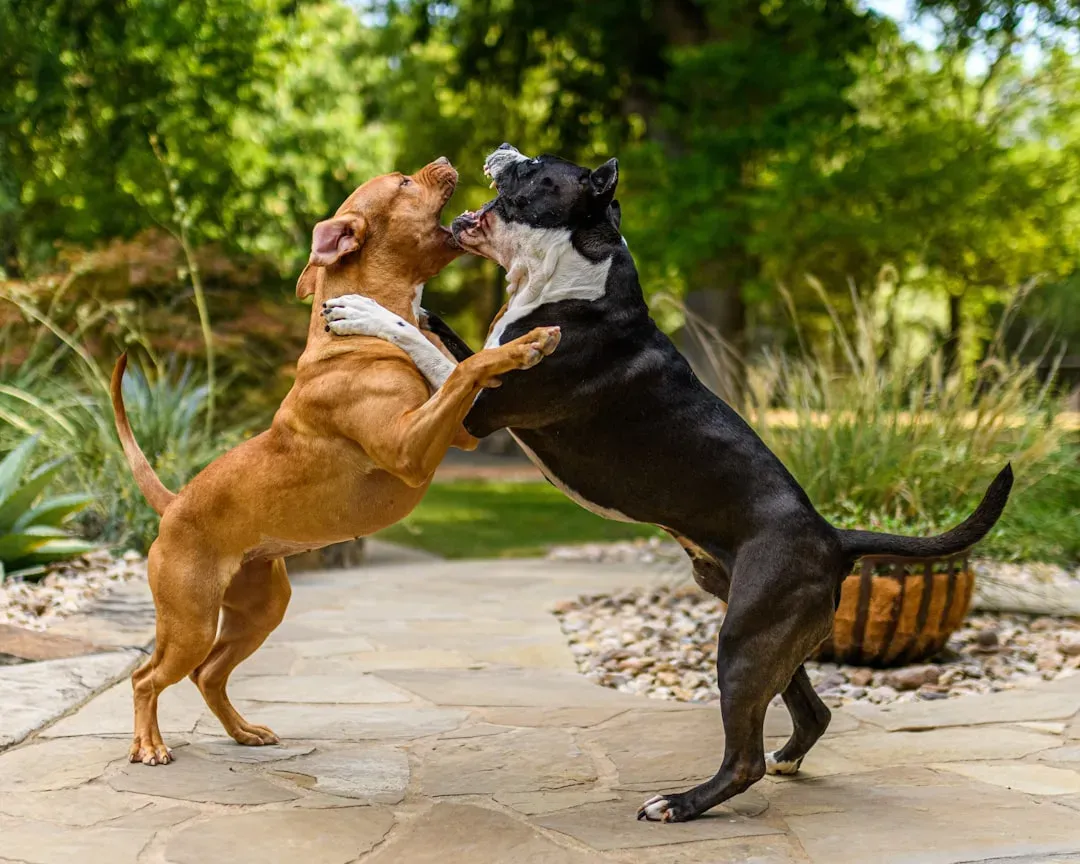
Sometimes a back roll is pure chaos and joy. During play, many dogs will suddenly flop onto their backs, thrash around, paw at the air, and invite wrestling or chase. You’ll see this especially with younger or more energetic dogs, or those who naturally like “wrestle style” games. In dog-dog play, the one on their back is not always the “weaker” dog; often they’re choosing the position because it’s fun and lets them bunny-kick or twist quickly.
Playful roll-overs usually come with loose, wiggly movements, open-mouth “play faces,” wagging tails, and quick popping back up to keep the game going. With people, a dog might roll over mid-zoomies, nip at a toy, or paw at your hands, clearly inviting interaction. In this case, belly rubs might be fine, but what they often want more is active play: tug, chase, flirt pole, or some silly back-and-forth where you match their playful energy without cranking them up into total mayhem.
They’re Trying to Avoid Conflict or Stop Unwanted Interaction
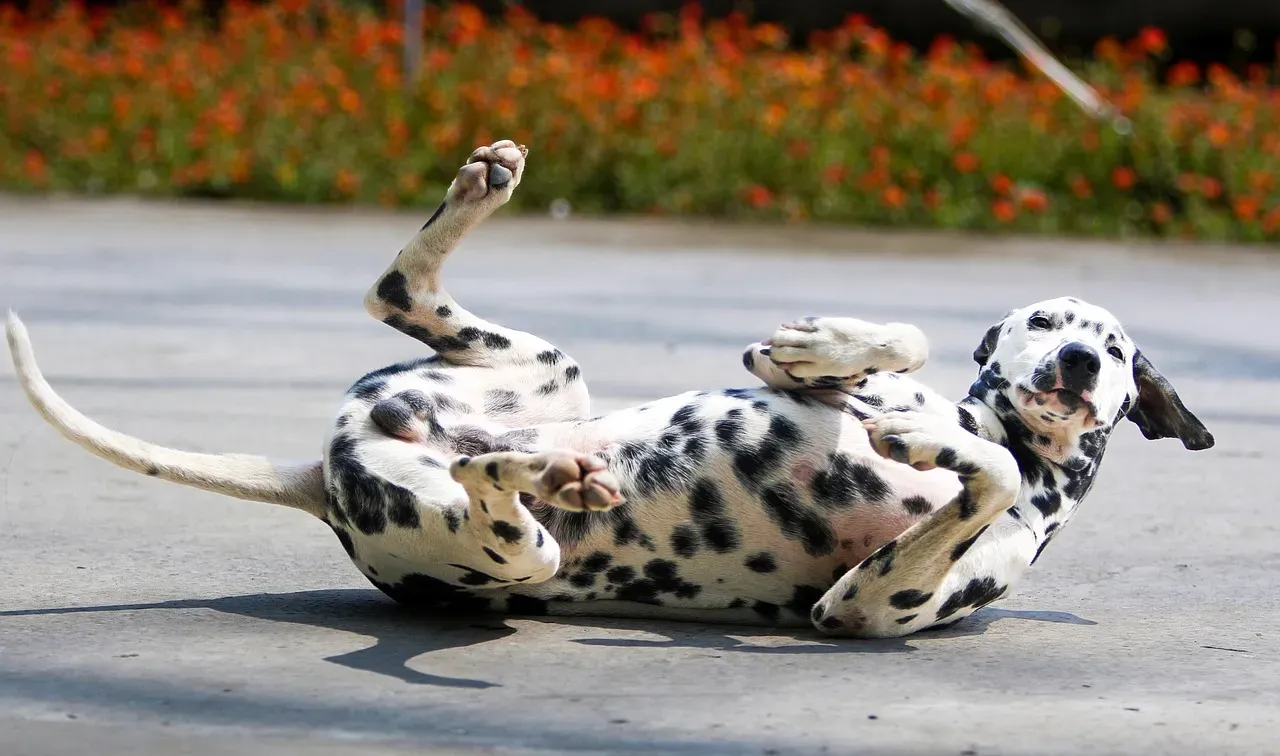
There’s a quieter, sadder version of the back roll that looks a lot like giving up. A dog who feels trapped or pressured – by a rough child, a persistent stranger, or even another dog – may flip onto their back as if to say, “I surrender, please stop.” This is similar to appeasement, but often more desperate. The dog may freeze, avoid eye contact, lick their lips, or even shut down completely while someone keeps petting or hovering over them.
From the outside, it can look like they “love” being handled because they’re not resisting. But a still, stiff, or frozen dog is not a happy dog. If you see this, particularly in situations where the dog was trying to move away beforehand, the most respectful move is to intervene: give the dog an exit, gently ask people (especially kids) to pause, and reward the dog for choosing to move away instead of snapping. The goal is to teach them they do not have to “surrender” to be safe.
They’re Scratching an Itch or Dealing With Physical Discomfort
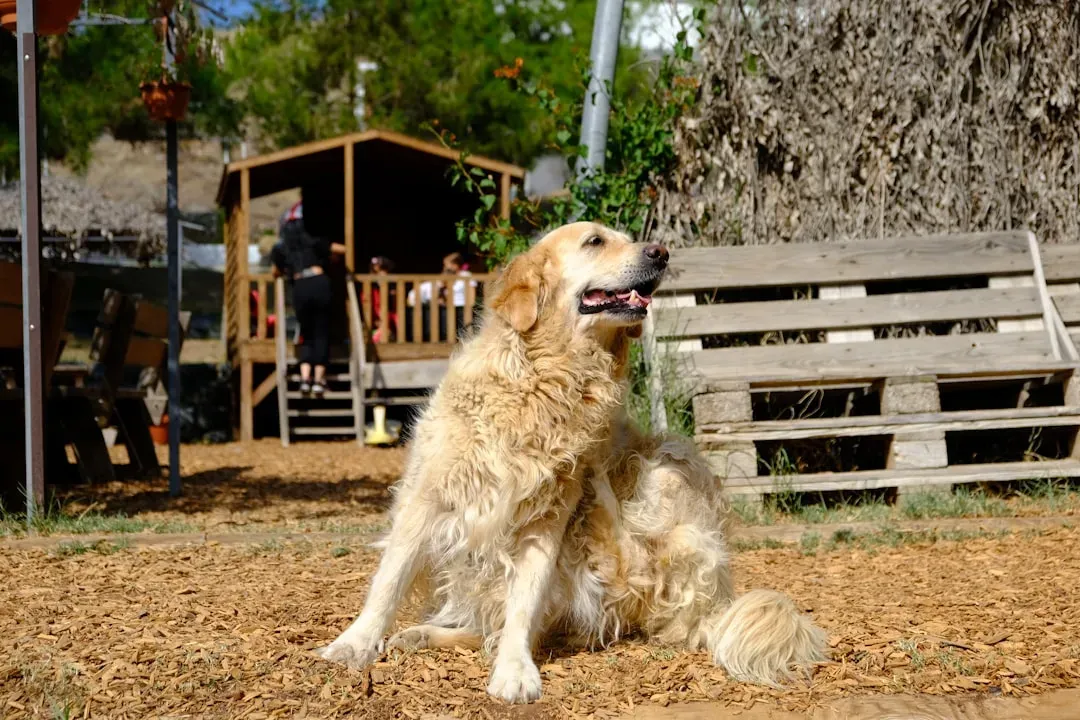
Not every back roll is emotional. Sometimes your dog is just itchy. Many dogs love to roll on their backs on grass, rugs, or even the sidewalk to scratch that one impossible-to-reach spot. A classic “itch roll” often involves lots of side-to-side wriggling, grunting, or snorting sounds, and rubbing the neck, shoulders, or back into the ground with obvious satisfaction.
But if you notice your dog rolling on their back excessively, chewing or licking at their skin, or rubbing the same areas obsessively, it might be worth a closer look. Allergies, fleas, dry skin, or even pain in the spine or hips can all make rolling feel soothing – or like a desperate attempt at relief. If the behavior looks intense, frequent, or paired with hair loss, redness, or soreness when touched, that’s a good time to check in with your vet rather than just assuming it’s cute or quirky.
They’re Cooling Off or Finding a Comfy Position
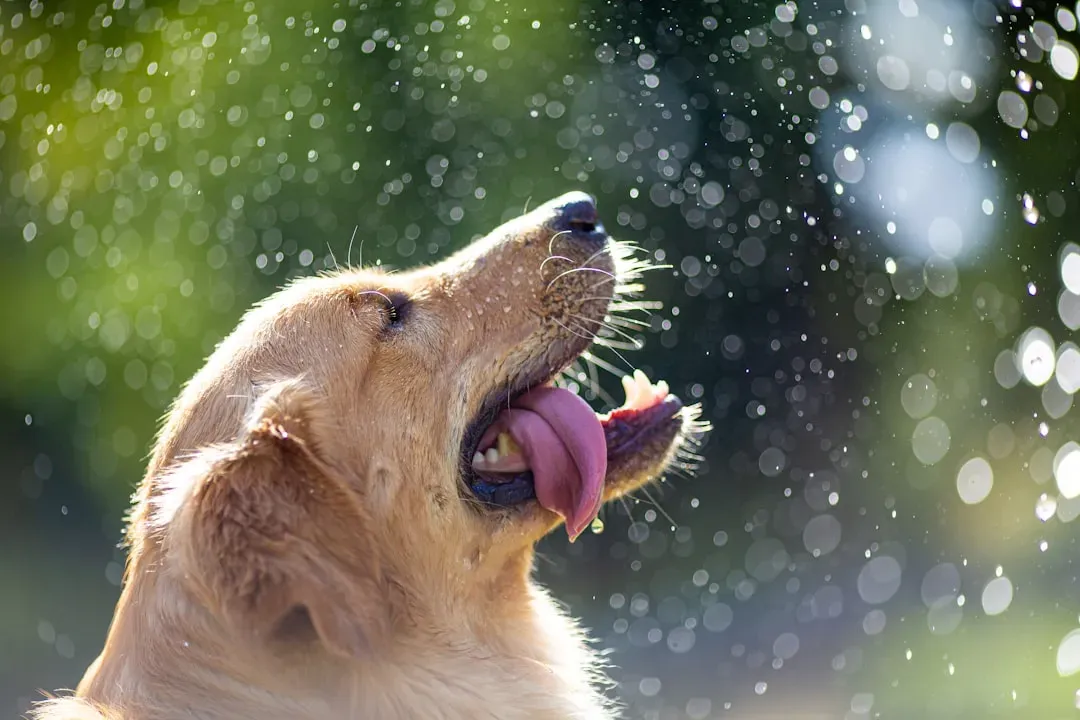
Sometimes your dog is basically just flipping the pillow. Dogs will roll onto their backs on cool surfaces – like tile floors or shady patches of grass – because it helps them regulate their body temperature. With their belly exposed, they can dump some heat through areas with less fur and more blood flow, a bit like humans sticking their feet out from under the covers at night.
Other times, it’s just about comfort. Some dogs naturally prefer sleeping like a dropped marionette, legs everywhere, spine twisted, looking like they’ve been unplugged from reality. If your dog regularly naps upside down in safe, quiet spots, and their body stays loose and floppy, that’s usually a sign of deep relaxation. It can look strange to us, but for many dogs, it’s just their version of curling up with a favorite blanket.
They’ve Learned That Rolling Over Gets a Big Reaction From You
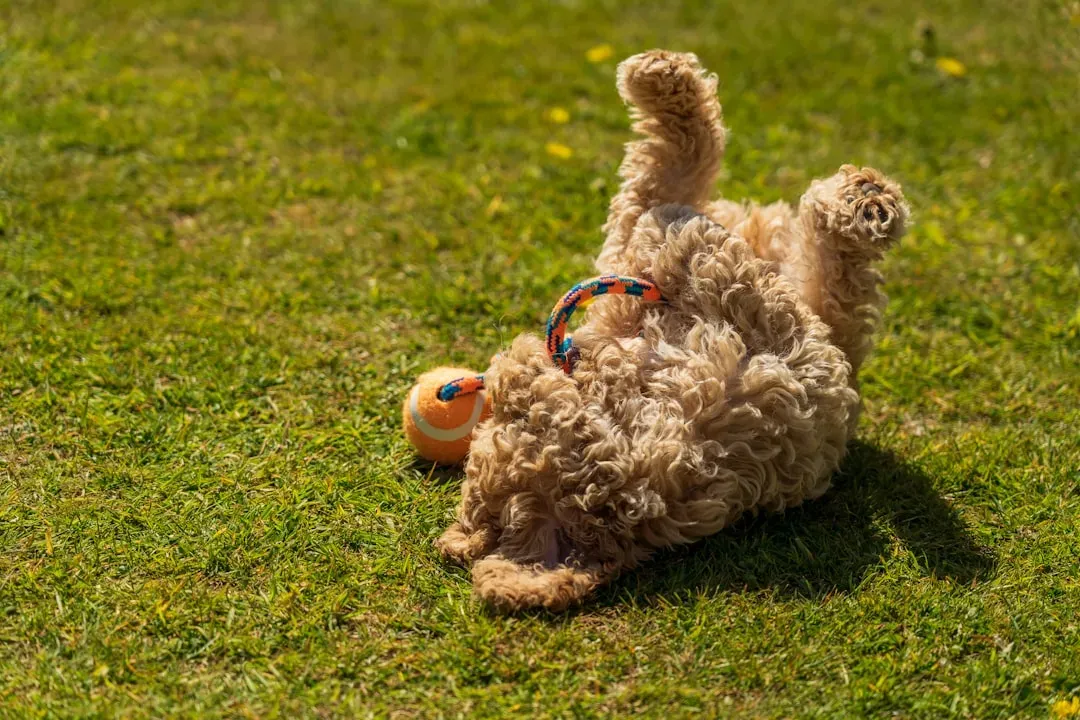
Dogs are sharp. If every time they flop onto their back you gasp, laugh, rush over, and shower them with attention, they’ll quickly realize that this move is a magic button that turns you on like a light. Rolling over is one of those behaviors that people unconsciously reward all the time – with pets, squeaky voices, treats, or play. Over time, your dog might start offering roll-overs as a default “hey, look at me” trick, especially in moments when they want connection or are not sure what else will work.
This learned piece is not bad in itself; it can actually tell you your dog has figured out you’re safe and predictable. But it does mean you should still pay attention to how they look in the moment. Are they wriggly and happy, or stiff and worried? Are you reaching in when they’re trying to opt out? The more you reward relaxed, voluntary contact – and respect their no thanks body language – the more honest their signals will be. In the long run, that honesty is worth way more than one more automatic belly rub.
Conclusion: Read the Dog, Not Just the Belly
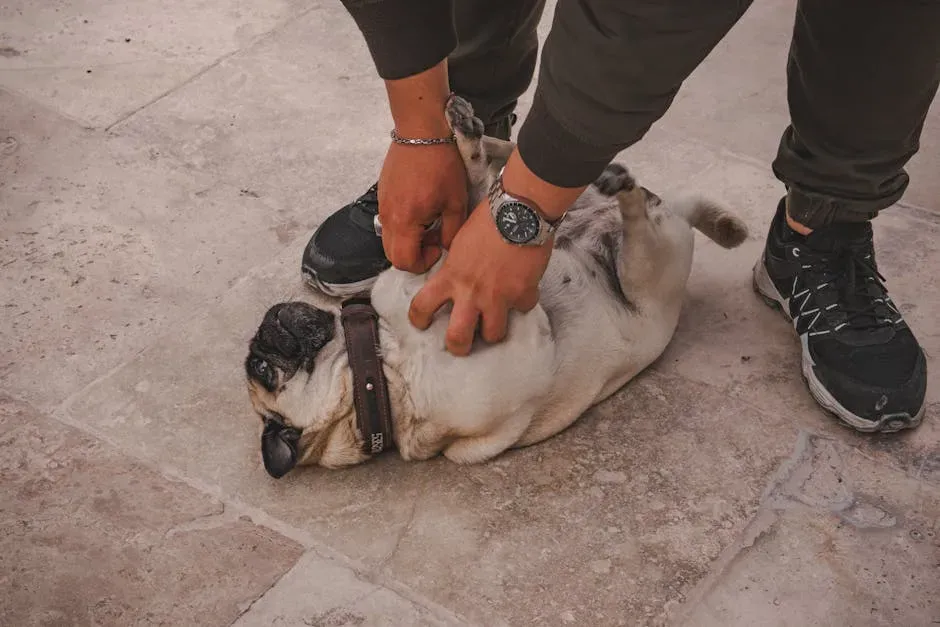
If there’s one big takeaway, it’s this: your dog’s back roll is not a single-language signal. It can mean trust, fear, playfulness, discomfort, or just an itch, and the only way to know which is to zoom out and read the whole picture. When you start paying attention to tails, eyes, muscles, and the situation around the roll, your dog’s behavior stops being mysterious and starts making a surprising amount of sense.
Personally, once I stopped assuming every exposed belly was an open invitation and started asking my dog for a “consent check” – pausing, offering my hand, seeing if they leaned in or wriggled away – our bond got noticeably easier and calmer. Being opinionated about this feels necessary: we owe dogs more than automatic petting; we owe them the courtesy of listening. Next time your dog suddenly flips onto their back, will you go straight for the rub, or will you pause for a second and ask what they’re really saying?