
Animal Psychology Says Say Dogs Who Stare at You While You Sleep Are Not Being Eerie – They Are Running a Continuous Threat Assessment to Ensure Nothing Approaches You While You Are Defenceless
You know that unsettling moment when you crack one eye open at 3 a.m. and your dog is just… staring? For a split second, it feels like a scene from a horror movie. Then the tail thumps, the ears twitch, and you remember this is the same goofball who is terrified of the vacuum cleaner. That contrast – eerie stare, gentle soul – is exactly what makes this behavior so fascinating.
Animal psychology paints a very different picture of that midnight gaze than most of us imagine. Instead of creeping on you, your dog is likely doing something far more profound and oddly moving: keeping watch while you are at your most vulnerable. And while the phrase “continuous threat assessment” sounds like military jargon, under the fur and the wag, that is surprisingly close to what is going on.
From Wolves to Bedrooms: Why Dogs Care About Sleeping Bodies
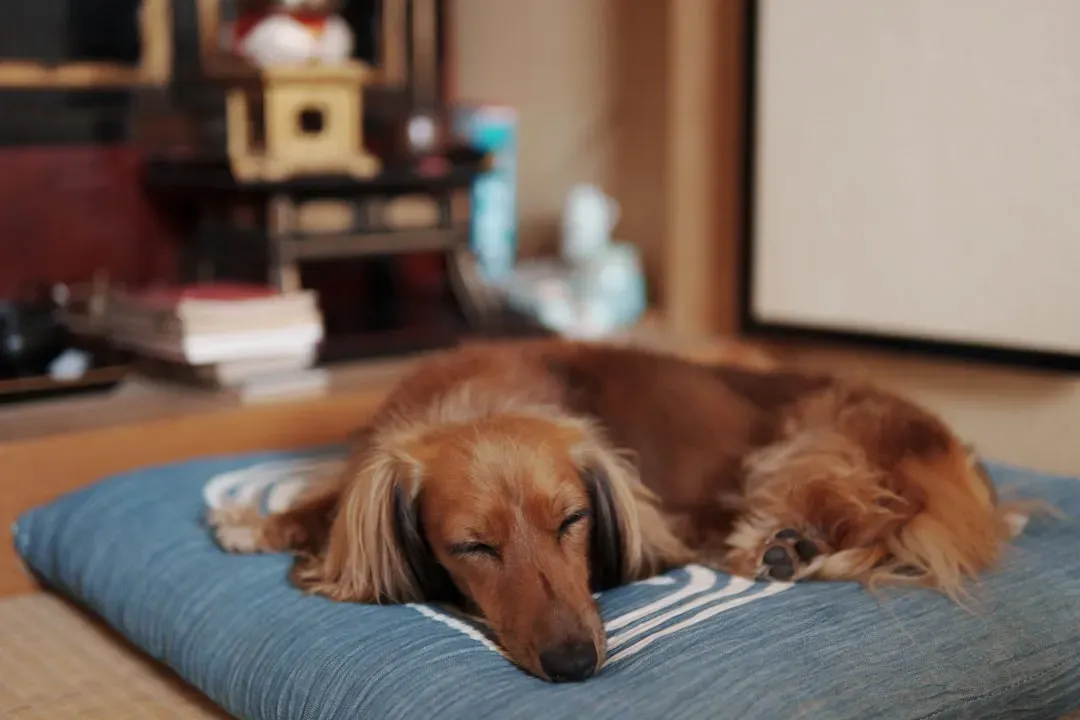
It helps to remember that dogs come from wolves, and in the wild, sleep is dangerous. A pack survives because someone is always alert enough to notice a snapping twig, a rustle in the bushes, or a stranger approaching. Even though your dog now lives in a world of door locks, Wi‑Fi, and grocery deliveries, those ancient instincts have not completely disappeared.
When you fall asleep, your breathing slows, your posture changes, and your reactions are sluggish or nonexistent. From a canine perspective, that looks like the weakest moment for a key member of their “pack” – you. A dog that chooses to stay near you, watch you, or sleep facing the door while you are out cold is behaving in a way that would once have been essential for group survival. What looks uselessly sentimental to us might feel deeply practical to them.
The Vigilant Gaze: What “Threat Assessment” Looks Like for a Dog

“Threat assessment” sounds technical, but for a dog, it is mostly about paying attention to patterns and changes. Your dog knows what the home sounds like when everything is normal – the fridge humming, the pipes knocking, maybe a car door outside at a certain time. They also know what your breathing, movements, and scent are like when you are peacefully asleep versus when you are restless or distressed.
So that still, unblinking stare is not mindless. Your dog is listening for unusual sounds, watching for sudden movement in the room, and tracking your body language even when you are unconscious. If something is off – a strange noise, a new smell, a person at the door – many dogs will get up, move closer to you, or position themselves between you and the perceived source of the disturbance. It is not a science‑lab kind of threat assessment, but it is a steady, real‑time scan of “Is everything okay? Is my human safe?”
Attachment, Not Obsession: Why Your Dog Chooses You as Their Focus
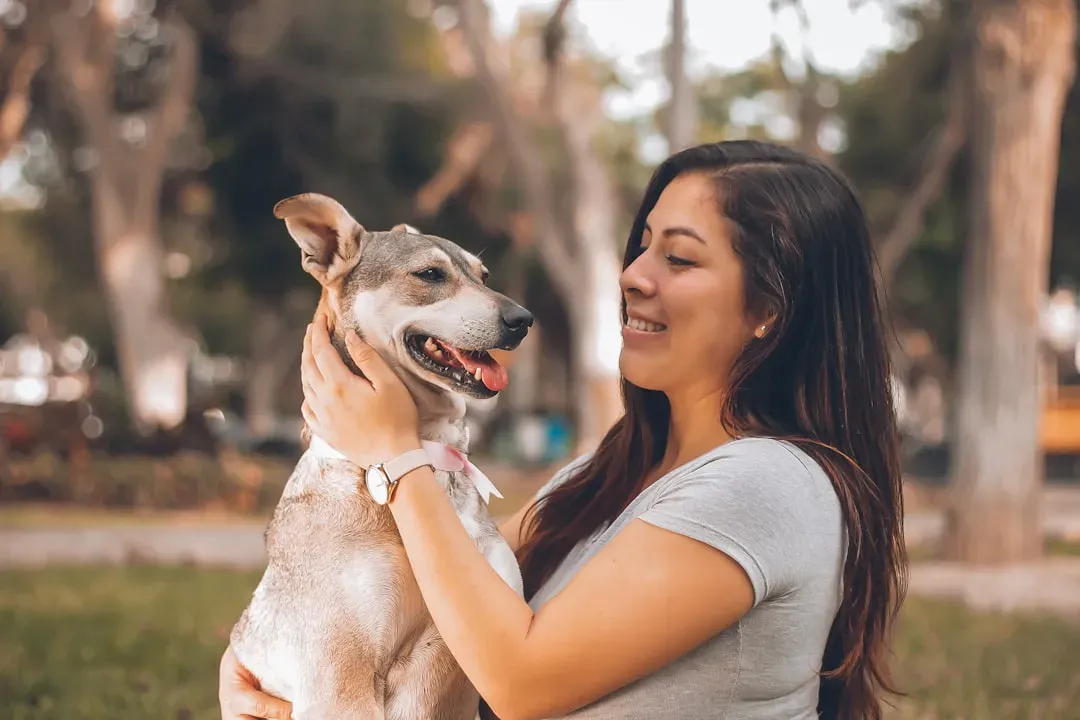
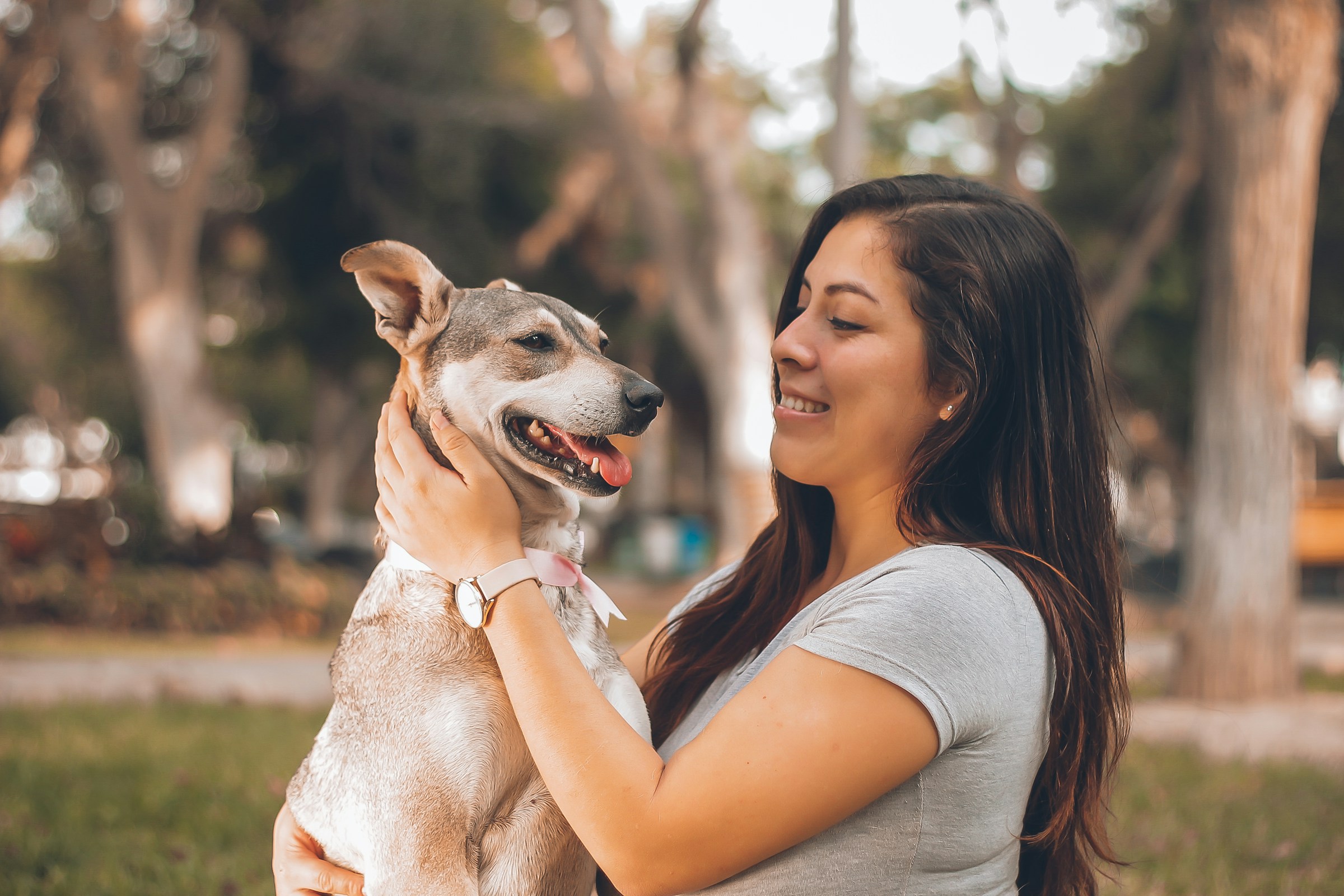
The idea that your dog is “creepily obsessed” with you makes for funny memes, but it misses the heart of the story. Animal behavior research consistently finds that dogs form deep attachment bonds to their primary caregivers – bonds that look eerily similar to the way toddlers attach to a trusted parent. That bond shapes where the dog rests, who they watch, and who they feel responsible for.
If you are the one who feeds, walks, plays, and comforts them, you also become the central reference point in their emotional world. Watching you sleep is like having their compass in view at all times. You are their anchor, their safe place, and in their mind, also someone worth guarding. That devoted stare might feel intense, but it is less “single white canine” and more “this is my person, and I am not taking my eyes off what matters most.”
Night Watch and Shared Safety: How Dogs and Humans Protect Each Other
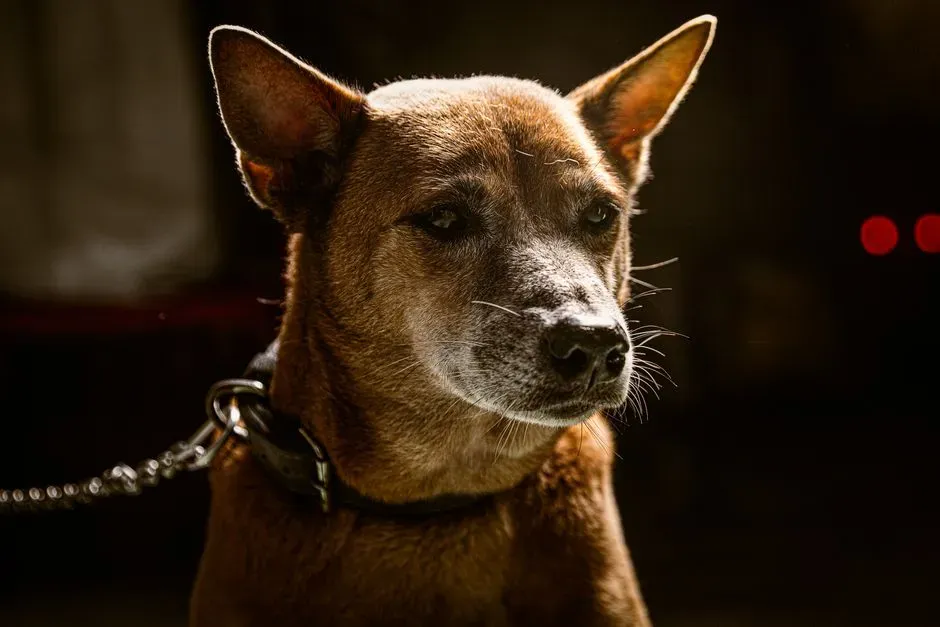
There is something almost ancient about the way humans and dogs share the night. For thousands of years, people have relied on dogs as an early warning system – not because they are unstoppable fighters, but because they hear and smell things long before we do. Even now, when the scariest intruder is often just a late package, dogs still respond to knocks, footsteps, and distant voices with an alertness we simply do not have at 2 a.m.
Interestingly, this protection is not one‑sided. Studies suggest humans also adjust their sleep around pets, waking more often but often feeling emotionally safer or less lonely. So while your dog is monitoring the environment, you may be subconsciously counting on the sense of security they bring. The arrangement is a quiet little contract: you give them shelter and care, they give you surveillance and presence when you are least able to look out for yourself.
When Protective Turns Anxious: Reading the Line Between Guarding and Stress
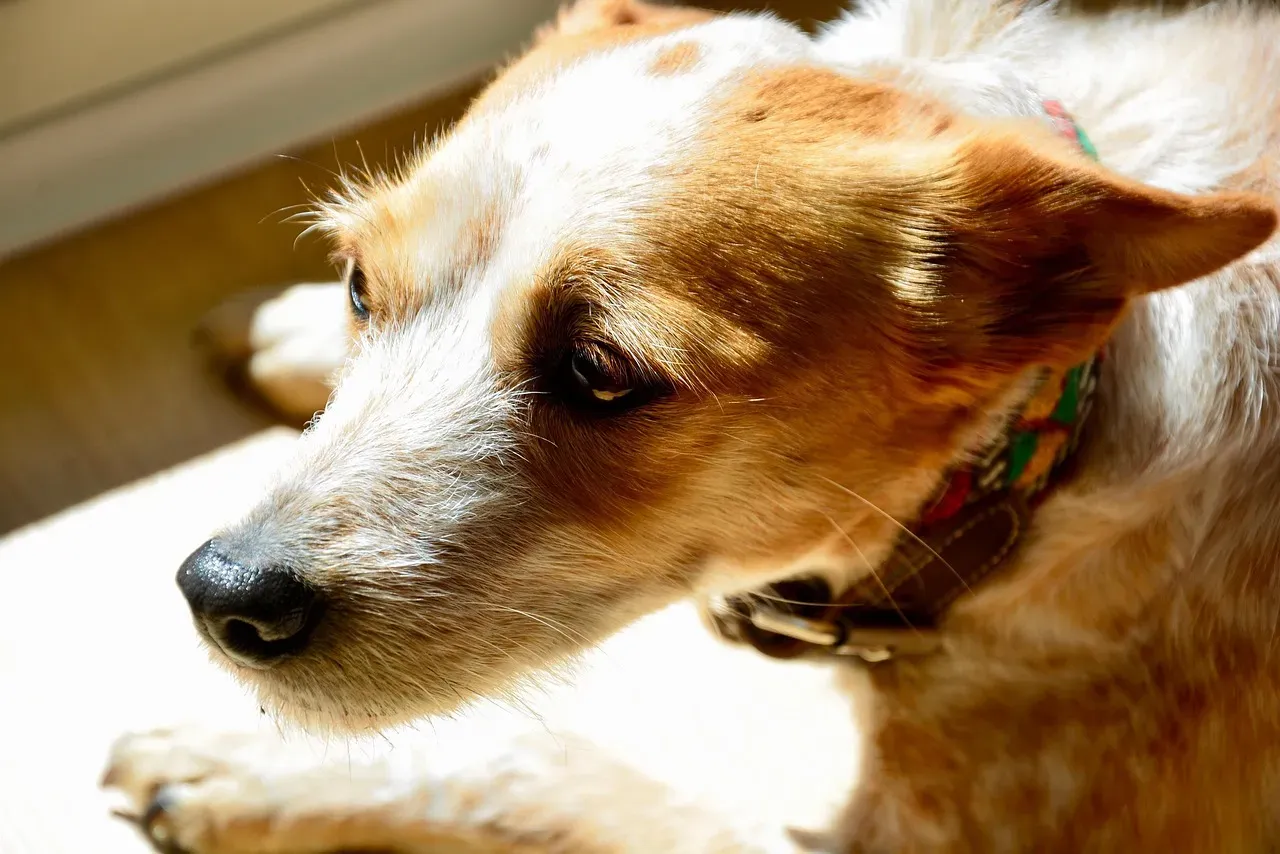
Not every staring dog is calmly running a healthy threat assessment. Sometimes, that gaze is fueled by anxiety rather than grounded confidence. If your dog seems constantly on edge, startles at every sound, or cannot settle unless they can see you, they may not be “protecting” you so much as panicking about losing you or failing in their self‑assigned job.
The difference usually shows up in the rest of their behavior. A dog who is comfortable in their role as quiet guardian can relax, stretch out, and drift in and out of sleep between quick checks. A very anxious dog, on the other hand, may pace, whine, lick you repeatedly, or jolt awake at the smallest noise. In those cases, the loving thing is not to glorify the behavior as super‑loyal, but to help them feel safer – with training, routine, maybe even a chat with a vet or behaviorist if it seems intense.
How to Respond When You Catch Your Dog Watching You Sleep
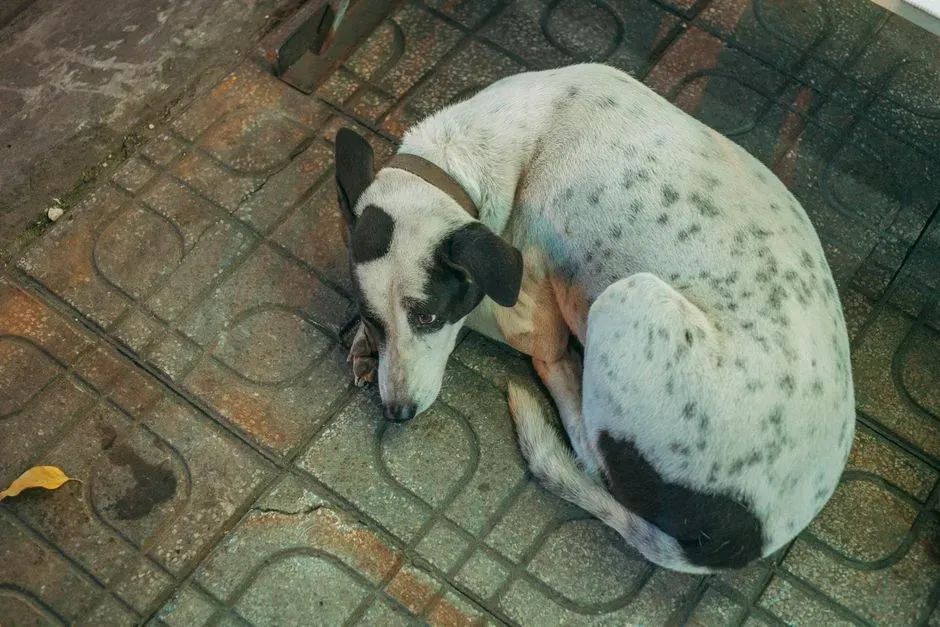
The next time you wake up to that unblinking gaze, you do not need to overthink it, but you also do not have to ignore it. A soft word, a gentle touch, or letting your dog know you are awake and okay can be enough. You are basically giving them feedback that their check‑in was successful and the situation is under control.
During the day, you can support this protective instinct in healthy ways. Teach solid cues like “settle,” give them a comfortable spot near where you sleep, and build predictable routines so they are not always bracing for something bad. Think of it like training a volunteer security guard: you appreciate the effort, but you also set limits so they understand that not every noise is a crisis and not every moment requires full red alert.
What This Says About Us: My Take on Why We Find It So Unnerving
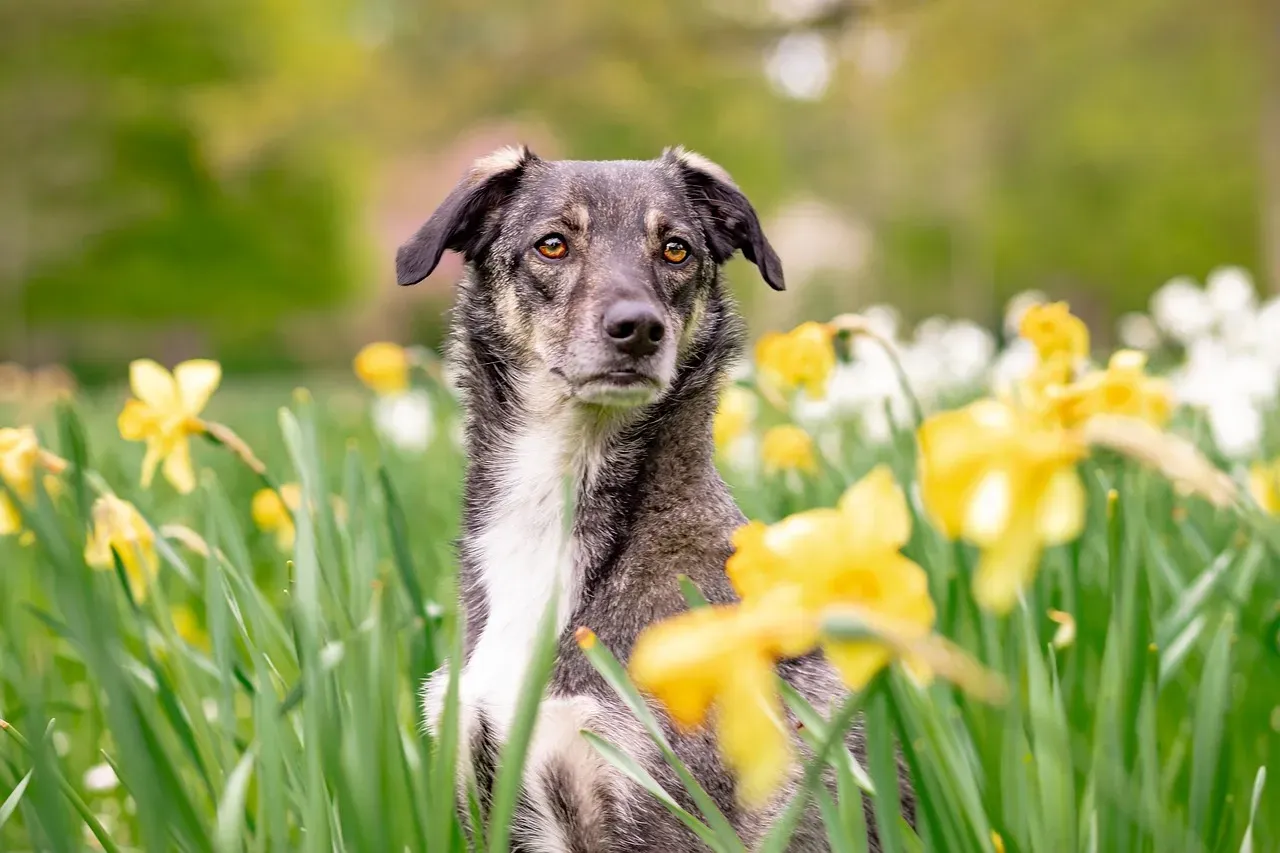
I think one of the reasons people find the staring so unsettling is that it flips the script on who is supposed to be in charge. We like to tell ourselves we are the rational protectors, the ones who “own” the dog, pay the bills, buy the food. Seeing that same dog silently watching over us while we drool into a pillow forces us to admit that sometimes, we are the vulnerable ones and they are the guardian.
To me, that is not eerie, it is humbling. There is something almost disarming about realizing a different species has decided you are worth staying up for, worth scanning the dark for. Sure, we should not romanticize every behavioral quirk as epic heroism, and we should stay honest about where anxiety is part of the picture. But when a calm, relaxed dog quietly keeps an eye on you as you sleep, I think it is fair to call that what it is: a small, everyday act of cross‑species loyalty. And honestly, knowing that kind of devotion is standing between me and the night? I find that more comforting than creepy – what about you?