
10 Things Your Dog Notices About You on the Days You’re Not Quite Yourself
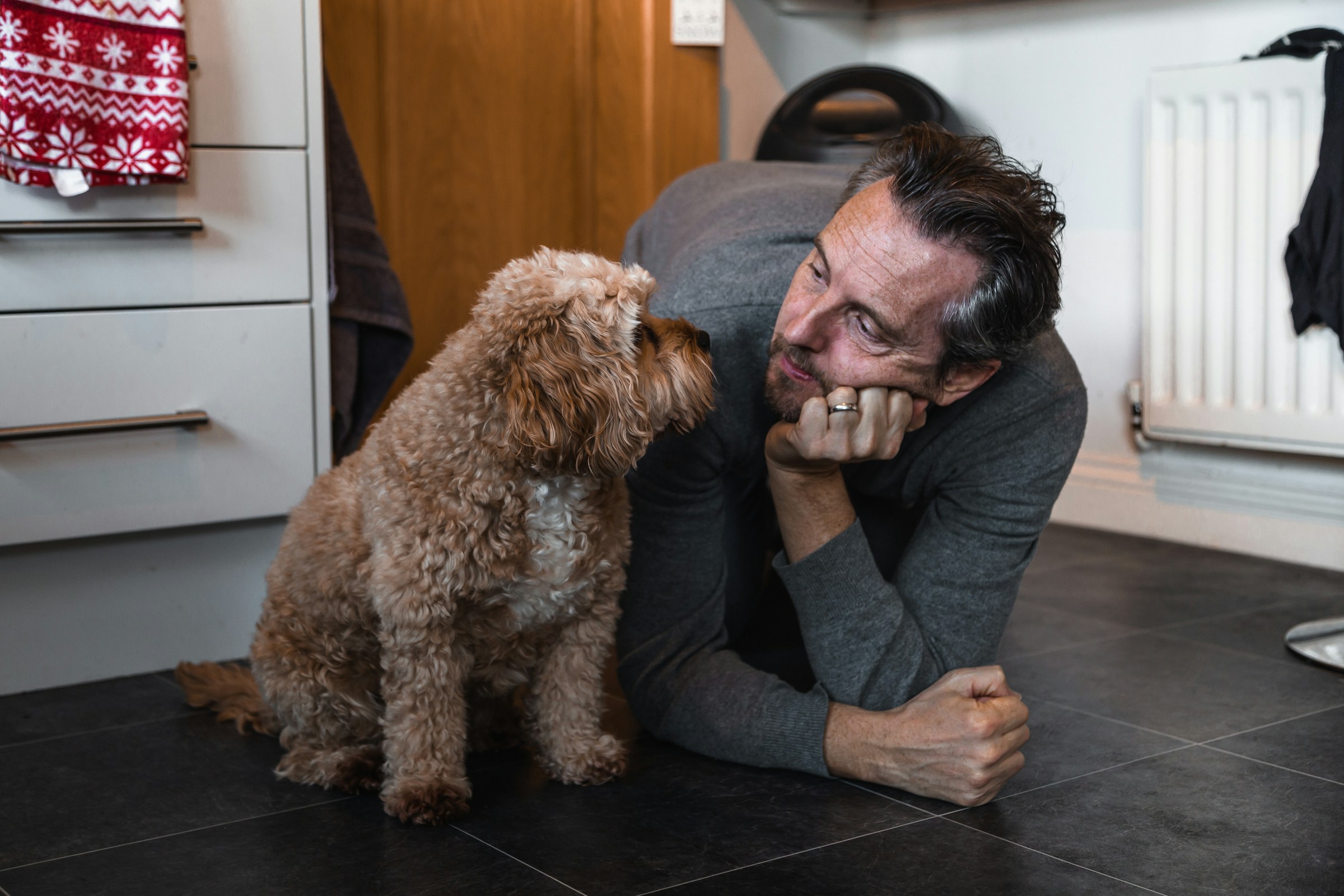
Some days you wake up and feel a little off. Maybe nothing is “wrong” on paper, but your mood is heavier, your thoughts are louder, and the world feels just a bit too sharp. On those days, you might do your best to act normal for everyone else. But there’s one creature in your home who’s not fooled for a second.
Your dog watches you like it’s their full‑time job. They may not understand emails, bills, or heartbreak, but they are experts in you. The way you walk, the rhythm of your voice, the way you sip your coffee or collapse on the couch – they log it all. When you’re not quite yourself, your dog already knows, often before you admit it to yourself. Here are ten things they’re quietly picking up on.
1. The Way Your Energy Feels the Moment You Walk In
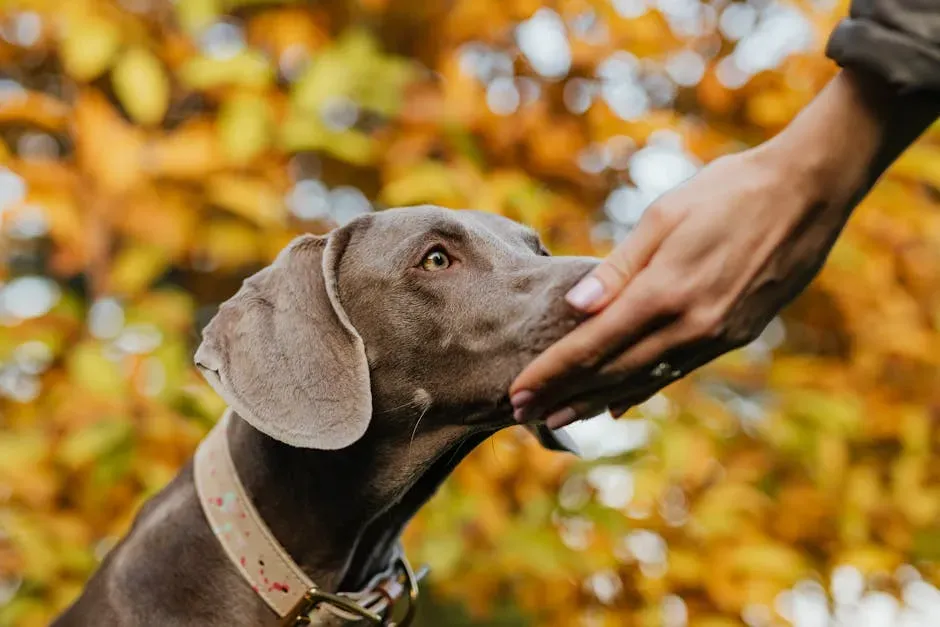
On your off days, your energy hits the room differently, and your dog picks it up almost instantly. Dogs are incredibly sensitive to body language, subtle facial expressions, and overall tension in your muscles. You might think you’re walking in the door the same way you always do, but your slower pace, lower shoulders, or lack of a cheerful greeting are like a flashing neon sign to them.
Maybe on a typical day you toss your bag down, sing out a hello, and immediately go in for cuddles. On a harder day, you drift in quietly, move on autopilot, or head straight for the bedroom. Your dog doesn’t need a language to read that difference – they just feel that your vibe has shifted. To them, your energy is like weather, and today it’s a little more overcast than usual.
2. The Subtle Changes in Your Scent and Stress Levels
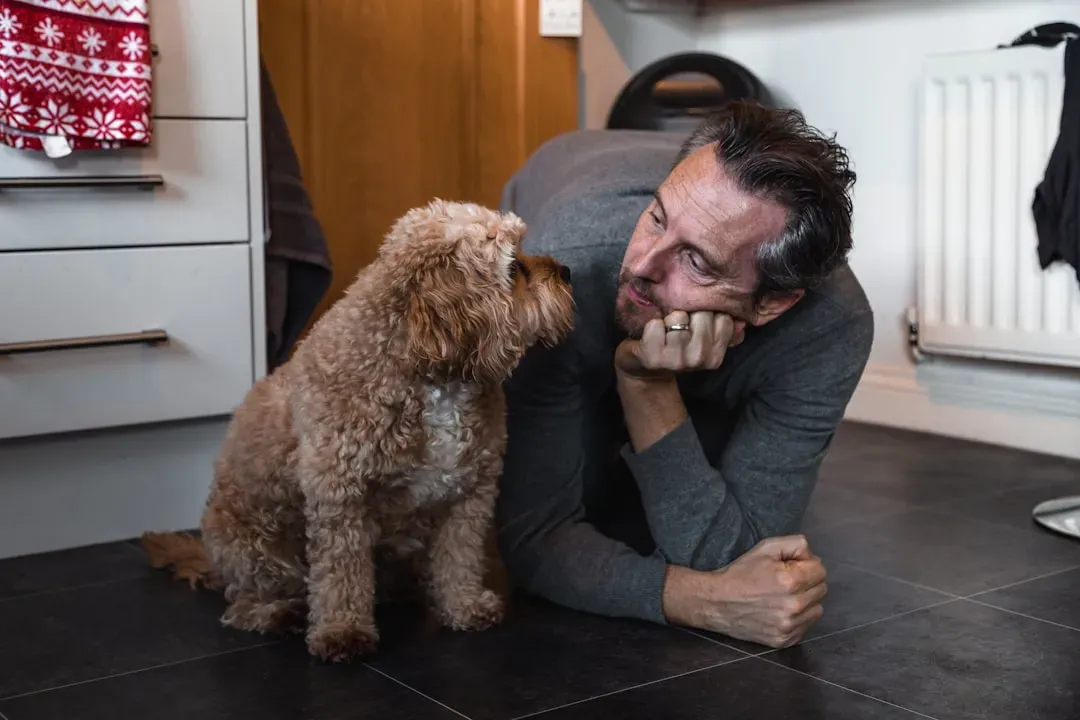
It sounds almost spooky, but your dog can literally smell when you’re stressed, anxious, or sad. When humans experience emotional shifts, our bodies release different combinations of hormones and chemicals, like stress hormones that subtly alter our natural scent. Your dog’s nose is built to notice microscopic changes like that, even if you showered, changed clothes, and tried to pull yourself together.
On the days you’re not quite yourself, your dog might sniff you more intensely, linger around you, or even press their nose into your hands or clothes. It’s not just cute; it’s data collection. They’re reading your emotional state through your scent, the same way you might read a text message tone. You may think you’re hiding it well, but your dog quite literally smells the truth.
3. Your Voice: Volume, Pitch, and the Silence in Between
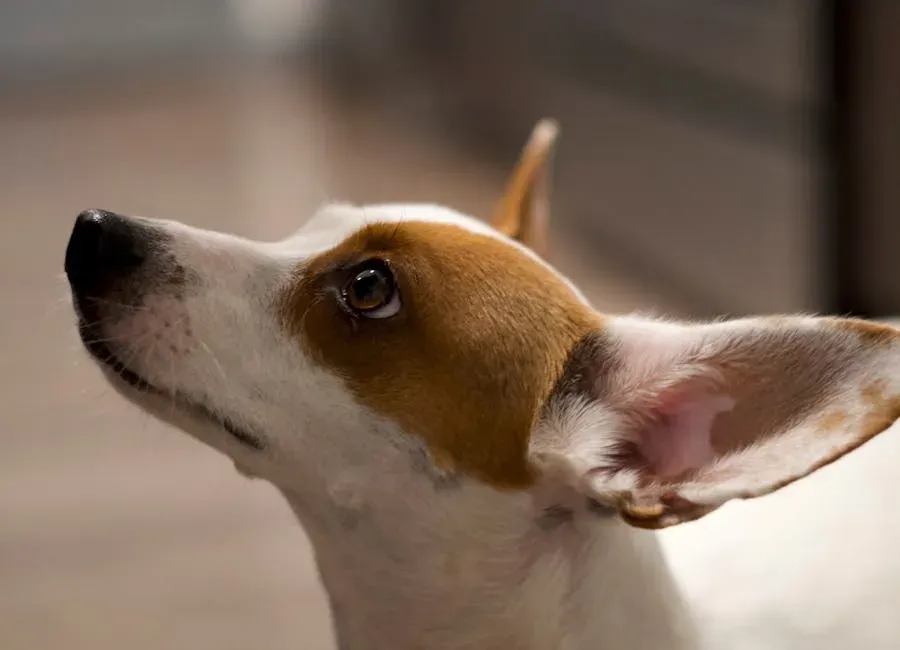
Dogs are tuned in to your voice like a favorite song on repeat. They notice if your usual brightness is replaced with a flat, tired tone, or if your words come out shorter and sharper than usual. Even when you say the exact same phrases, your dog hears the difference in pitch, speed, and rhythm that most humans would miss entirely.
Sometimes it’s not what you say, but how much you say. On an off day, you might talk less, stop narrating your morning routine, or drop the silly nicknames and baby talk. To your dog, that quiet is loud. They might tilt their head more, hover nearby, or respond more cautiously, trying to figure out how to match your new emotional volume.
4. Your Daily Routine Going Slightly Off Script
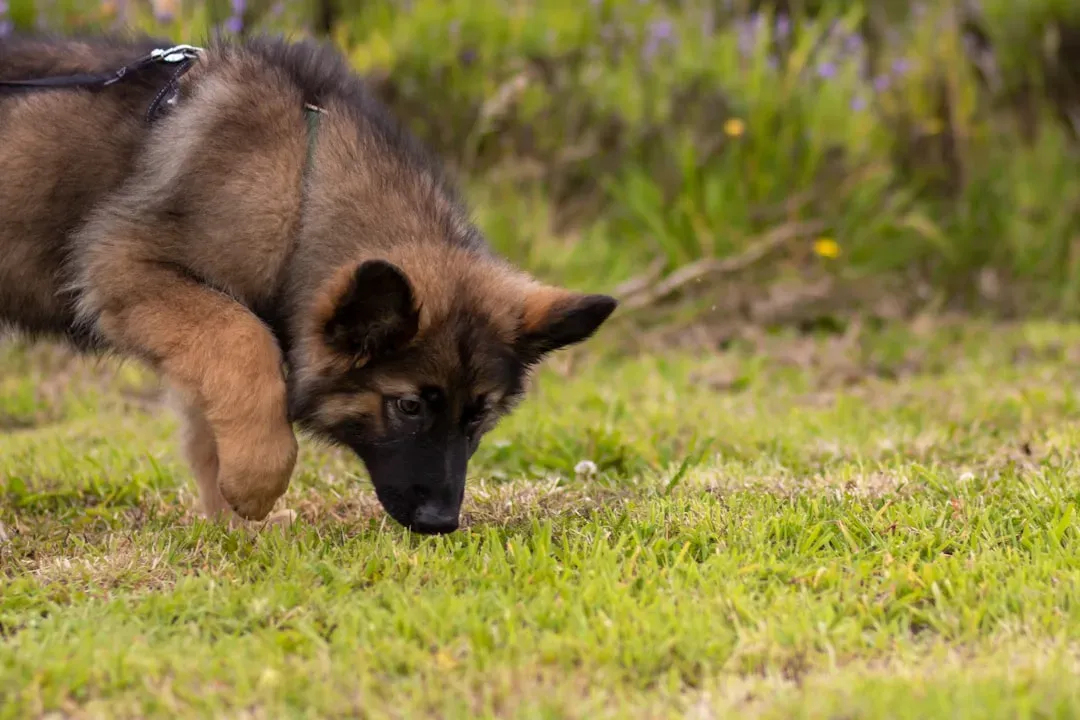
Dogs are creatures of routine, and they learn your patterns with almost alarming accuracy. They know when you usually get up, when coffee happens, when walks happen, and when the good snacks mysteriously appear. On the days you’re not yourself, even small disruptions – waking up later, skipping music, forgetting their usual game – signal that something is different.
Maybe you cancel the evening walk, linger on the couch, or sit scrolling on your phone far longer than usual. To another person, that might look like nothing. To your dog, it’s as if the script of their favorite show changed without warning. They may pace, check on you more often, or even bring you a toy, as if trying to nudge life back into its comforting rhythm.
5. How Your Body Moves and Holds Itself
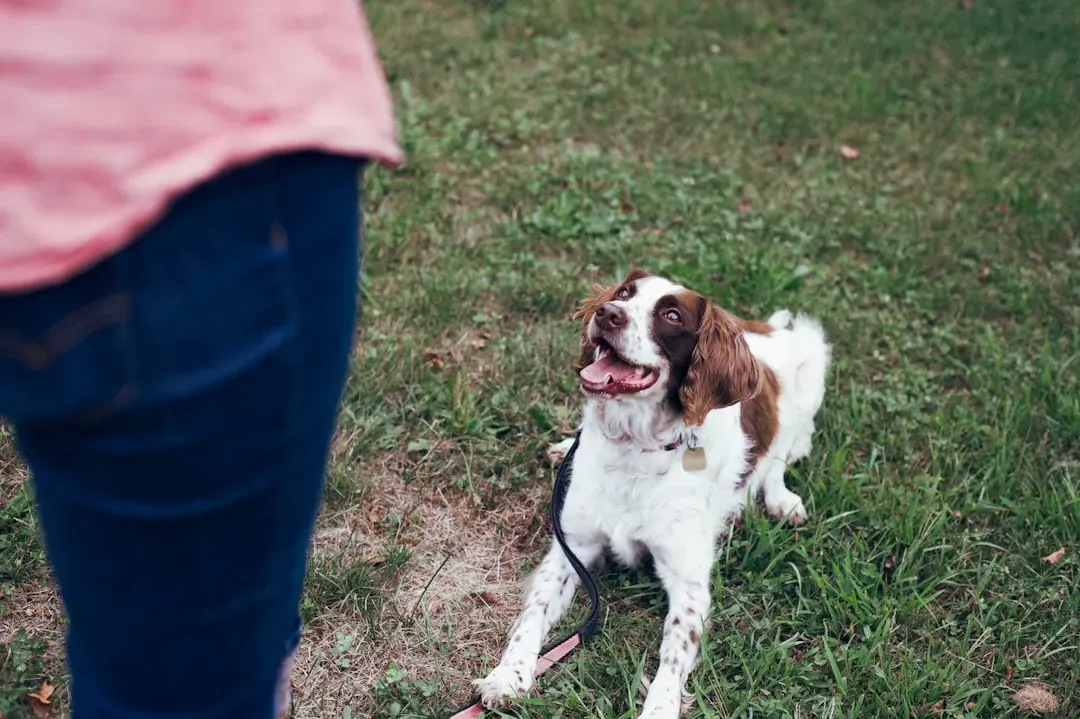
Your dog is constantly reading your physical movements, from the way you reach for the leash to how you sink into a chair. On a heavy day, your body might feel slower, more tired, or oddly restless, and your dog notices it. Stiff shoulders, dragging feet, longer pauses – none of that is lost on them.
Dogs are also experts at reading tension. If your jaw is clenched, your breathing shorter, or your gestures more abrupt, they might become more cautious or clingy. I remember pacing my own living room one anxious evening, thinking I was being discreet, while my dog followed me like a shadow, ears back, as if silently saying, “You’re not okay, and I’m not leaving you alone in this.”
6. The Way You Touch Them – or Don’t
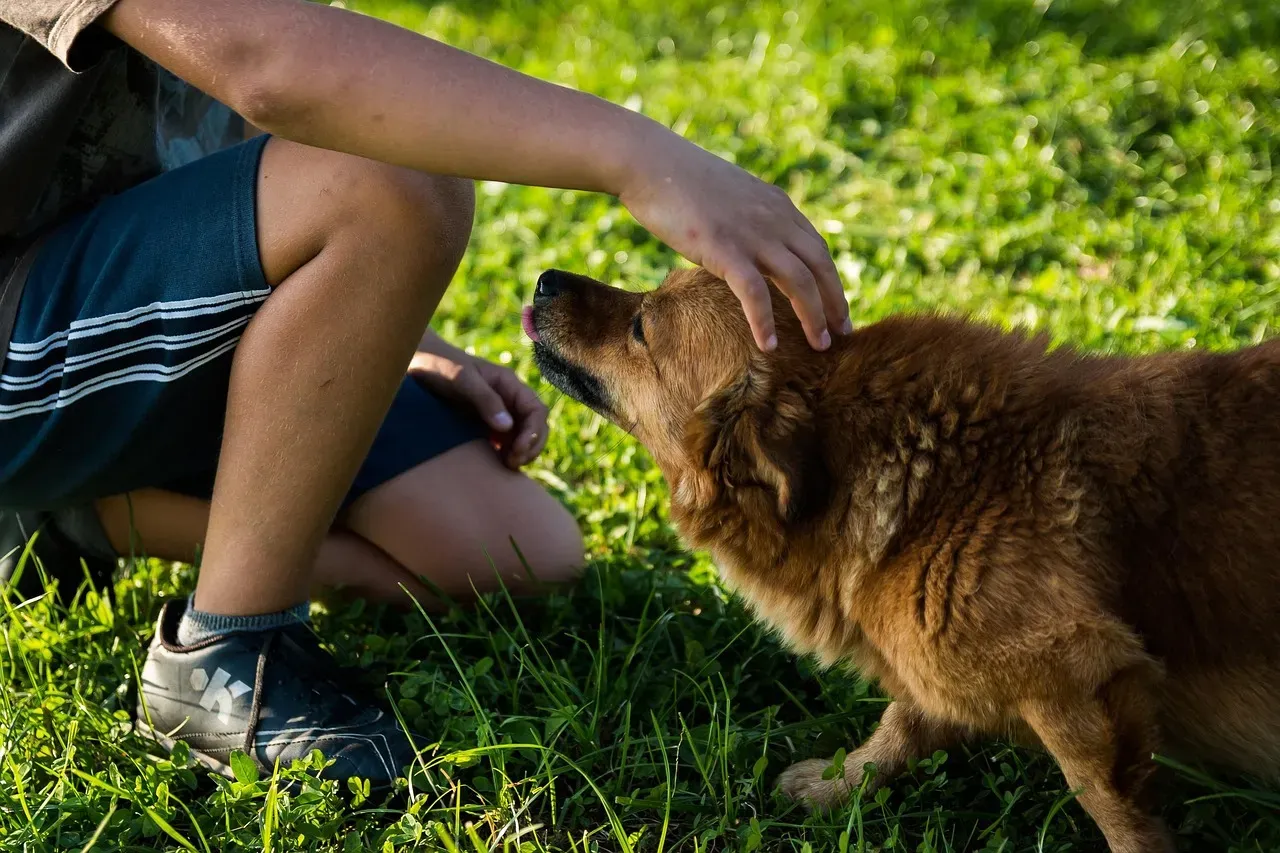
On your good days, you might ruffle their fur, scratch their ears, or lean into them with an easy, relaxed touch. On your harder days, your touch can feel different: a little absent, a little too tight, or missing altogether. Dogs notice the quality of your contact – whether your hand is playful, gentle, or distracted and shaky.
Sometimes, when we’re not quite ourselves, we withdraw without even meaning to. You might brush your dog off when they nudge you, or pet them for a second before drifting back into your thoughts. Your dog may respond by trying again more insistently, or by lying a short distance away, watching. Either way, they have clocked that something in the way you connect has changed.
7. Your Screen Time and Where Your Eyes Go
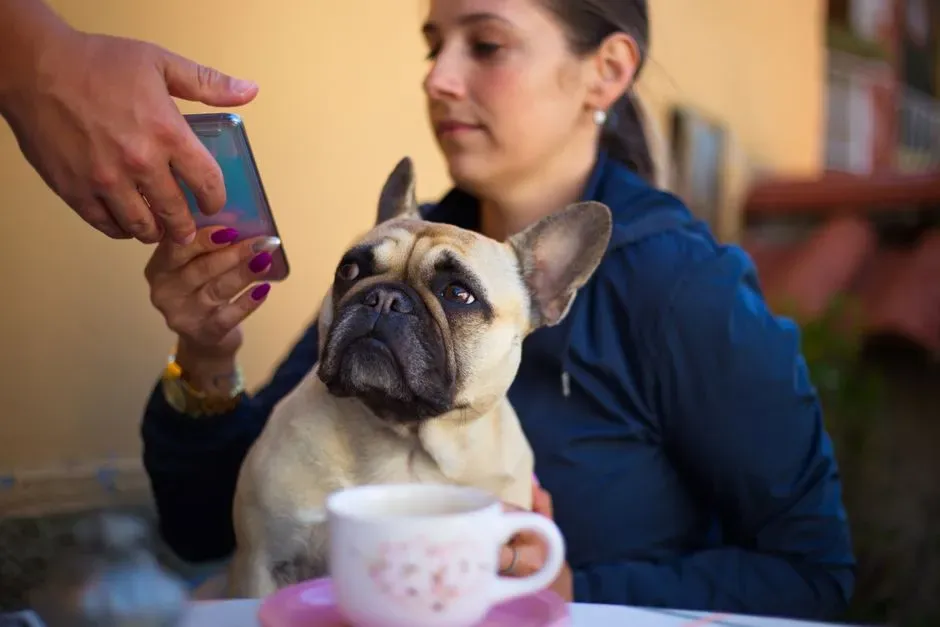
Dogs are very aware of what holds your attention, especially your eyes. When you’re off, you might stare at your phone, laptop, or TV for much longer stretches, zoning out instead of engaging with your surroundings. Your dog doesn’t understand the content, but they definitely see that your gaze is locked somewhere else, not on them, not on the usual things.
That shift can make some dogs more pushy and insistent, pawing at you, nudging your elbow, or plopping a toy in your lap as if to say, “Look up.” Others become more subdued, curling up nearby and just keeping watch. In either case, they’re responding to the invisible distance that settles in when your mind and eyes are far away, even if your body is right next to them.
8. Changes in Your Patience and Reactions
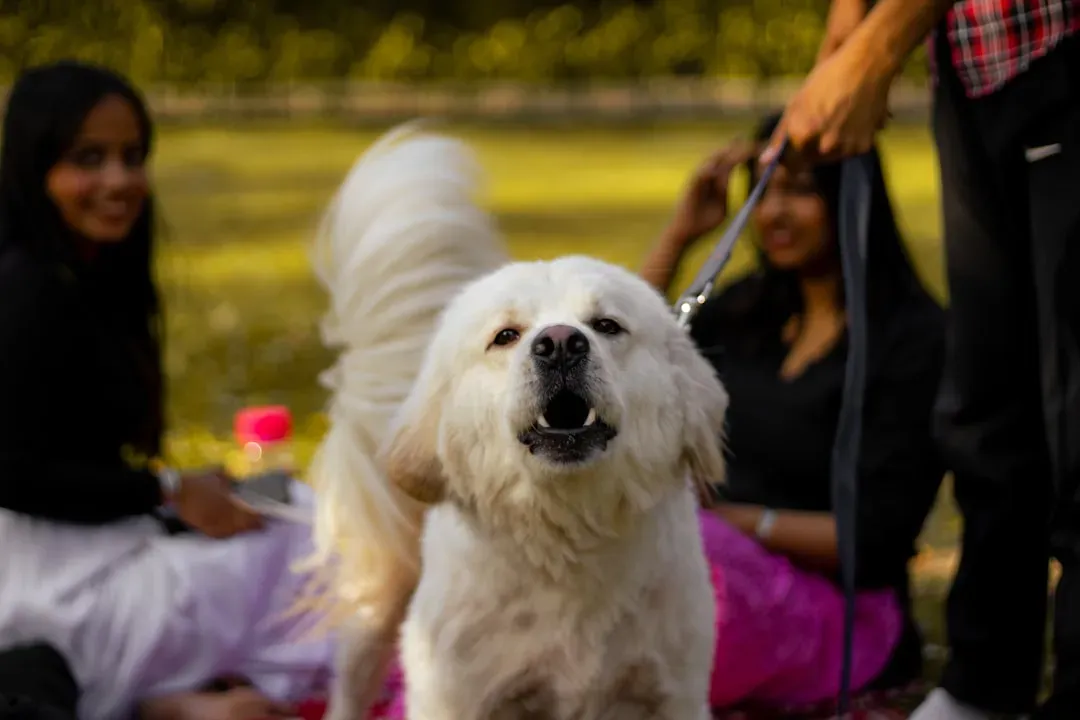
When you’re not quite yourself, little things can feel bigger, and your dog is often on the front row for that. Maybe you sigh more when they bark, get frustrated if they’re underfoot, or feel less tolerant of their usual quirks. Even if you never raise your voice, your dog picks up on the micro‑expressions and tiny shifts that say, “I am on edge today.”
Some dogs will become extra careful, moving slower, watching your face before approaching, as if checking the emotional weather report. Others will test the boundary a bit more, not understanding why their normal behavior is suddenly getting a different response. They don’t take it personally the way humans might, but they absolutely notice that your reactions do not match your usual self.
9. The Way You Sleep, Nap, or Don’t Rest at All
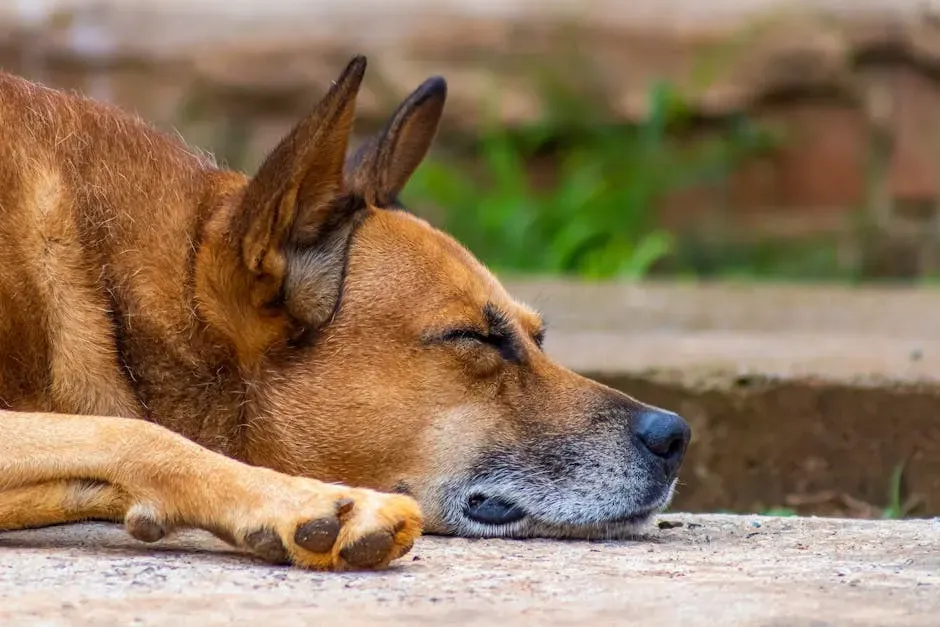
Sleep is one of the biggest signs that something is off with us, and your dog quickly connects those dots. Maybe you crawl back into bed during the day, or you toss and turn at night more than usual. Your dog, who tracks your rhythms day and night, notices those patterns shifting like a tide coming in at the wrong time.
Many dogs respond by adjusting their own rest around you. If you nap unexpectedly on the couch, they might curl up at your feet or on your chest, turning themselves into a furry weighted blanket. If you pace the house at midnight, they may trail after you, sleepy but loyal, as if they’ve quietly appointed themselves your emotional night watch.
10. The Feelings You Try to Hide but Can’t
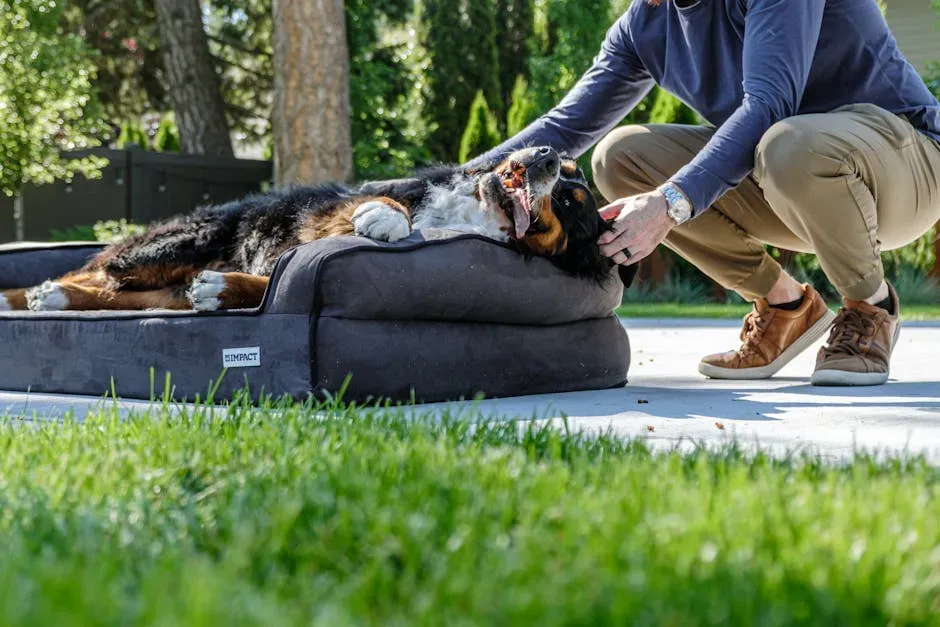
Most of us learn to put on a brave face for other people. We paste on a smile, make jokes, or insist we’re “fine” even when we’re anything but. Your dog is the one audience you cannot successfully lie to. They read the tiny tremors in your hands, the way your eyes look when you’ve been crying, the way you stare into space when your thoughts get dark.
On the days you are not quite yourself, your dog might stay closer than usual, lie across your feet, or rest their head in your lap with unusual stillness. It’s as if they’re quietly saying, “I see you, even when you’re hiding from yourself.” They cannot fix your problems, but they can offer the most honest kind of presence – one that makes you feel a little less alone in your own skin.
Conclusion: Your Dog Knows You More Deeply Than You Realize

The idea that your dog notices all of this can feel both comforting and a little unnerving. It means you are constantly seen, even when you feel invisible or misunderstood by the humans in your world. But it also means you have a built‑in emotional mirror walking around your house, reflecting back when you’re stretching yourself too thin, when you’re unraveling, or when you desperately need a pause.
In my opinion, one of the quiet responsibilities of having a dog is respecting just how tuned in they are to your inner life. They carry your emotional weather with you, whether you like it or not. Maybe the kindest thing you can do on those “not quite yourself” days is to accept what your dog already knows: you’re not okay right now, and that’s a signal to slow down, to tend to yourself, not a failure to hide. If your dog could speak, they would probably say something simple: “I noticed. I stayed. Now will you stay with yourself too?” And honestly, what better nudge do we get than that?