
17 Small Habits Dogs Form in a New Home That Reveal Exactly How the Last One Went
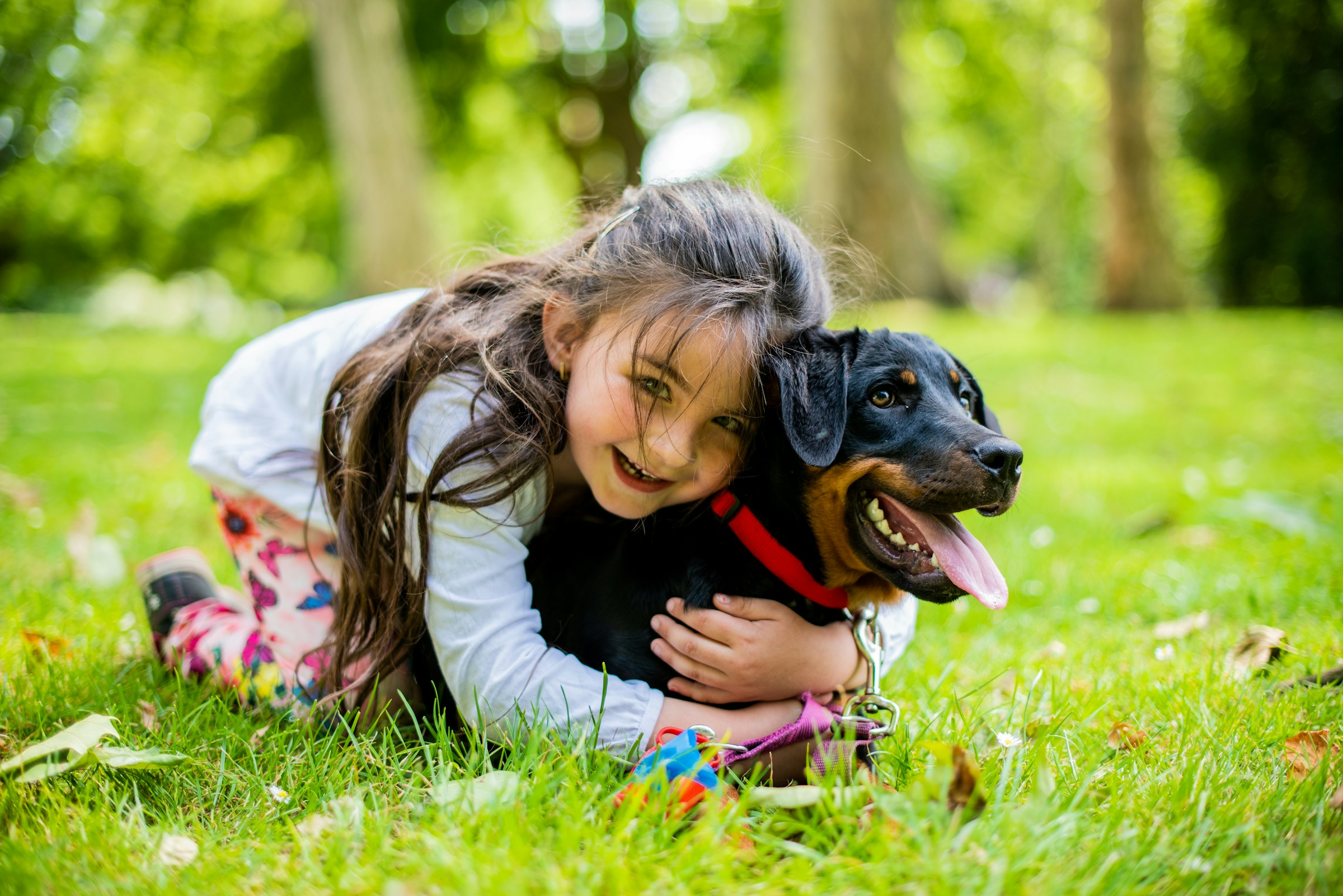
Most people assume a rescue dog’s past disappears the moment the adoption paperwork is signed. You get a name, a rough age, maybe a one-line note like “surrendered, good with kids.” End of story, right?
Except your dog never got that memo. Behaviorists and rescue workers will tell you that dogs keep receipts – not in words, but in habits so small you’d normally roll your eyes and call them quirks. The way they eat, sleep, flinch, hoard, or refuse to climb onto your couch is often a direct transcript of how safe, or how unsafe, their last home actually felt. Keep reading, because some of these “cute” behaviors are a lot more heartbreaking than they look.
#1 – Eating Like It’s a Race Against the Clock
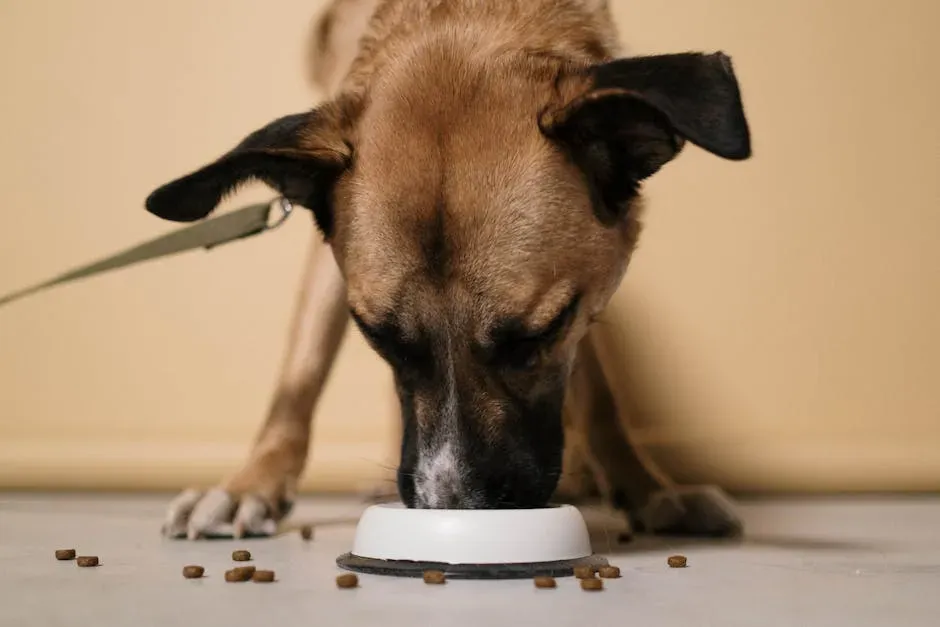
A dog that inhales food like it’s about to vanish isn’t just “enthusiastic.” That frantic gulping, wide-eyed, muscles locked, zero pauses to breathe, usually means they once competed for meals, got bullied off the bowl, or had food withheld altogether. Some will even guard an empty dish, because in their head, the threat isn’t gone just because the food is.
A dog with a calmer history eats at a normal pace and relaxes between bites. This one hasn’t learned that yet. Slow-feeder bowls, hand-feeding, and quiet, undisturbed mealtimes slowly teach their nervous system that the bowl isn’t going anywhere – and neither is the food.
Fast Facts
- Rescue groups often cite the “3-3-3 rule”: roughly 3 days to decompress, 3 weeks to learn the routine, 3 months to feel truly at home
- Food-related anxiety is one of the most common carryover habits from shelters and crowded fosters
- Guarding an already-empty bowl points to learned scarcity, not current hunger
- Consistent meal timing usually resolves this faster than switching foods ever will
#2 – Hoarding Toys, Socks, or Random Objects

A secret pile of stolen socks and squeaky toys looks funny until you realize what it usually means. Dogs that quietly collect and guard random objects often come from homes where resources were inconsistent, stolen, or used as leverage. Notice they don’t always play with the loot. They just need to possess it.
That’s the tell: this is about security, not fun. If you approach the stash and they freeze, lip-lick, or stiffen, that’s a dog bracing for something to be ripped away, the way it probably was before. Gentle trades – a treat offered for a toy, never a grab – are how you prove this house doesn’t work that way.
#3 – Flinching at Sudden Movements or Raised Hands
Everyone assumes a flinch means abuse, and sometimes it does. But it can also mean a chaotic household: slammed doors, kids barreling through rooms, adults gesturing wildly mid-argument. A nervous system marinated in that kind of noise learns one rule fast – fast movement means brace for impact.
Pay attention to the specifics. A dog that ducks at a raised hand or rolled newspaper may have been struck or threatened directly. A dog that startles at someone simply standing up or grabbing a coat likely lived somewhere calm rarely existed at all. Either way, slow movements and a soft voice are the only vocabulary that will convince them otherwise.
#4 – Shadowing You Room to Room (Velcro Dog Mode)
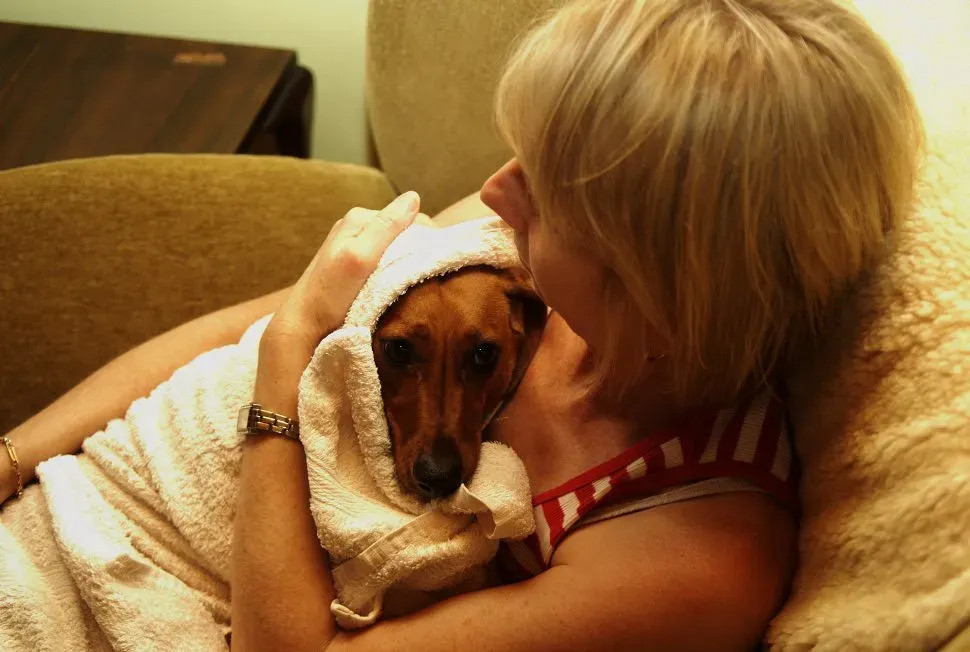
New owners often gush, “they follow me everywhere, it’s so sweet.” Trainers see it differently. A dog that can’t let you out of sight, even for a bathroom break, usually isn’t devoted. They’re terrified of being left again, a pattern common in dogs rehomed multiple times or abandoned without warning.
Whining at a closed door, pacing near your shoes, panting when you grab your keys – these aren’t love songs, they’re panic previews. A dog with a stable history rests easily and doesn’t track your every move. Short, boring practice absences with a predictable return are what slowly teach this one that you always come back.
#5 – Sleeping With One Eye (and Ear) Open
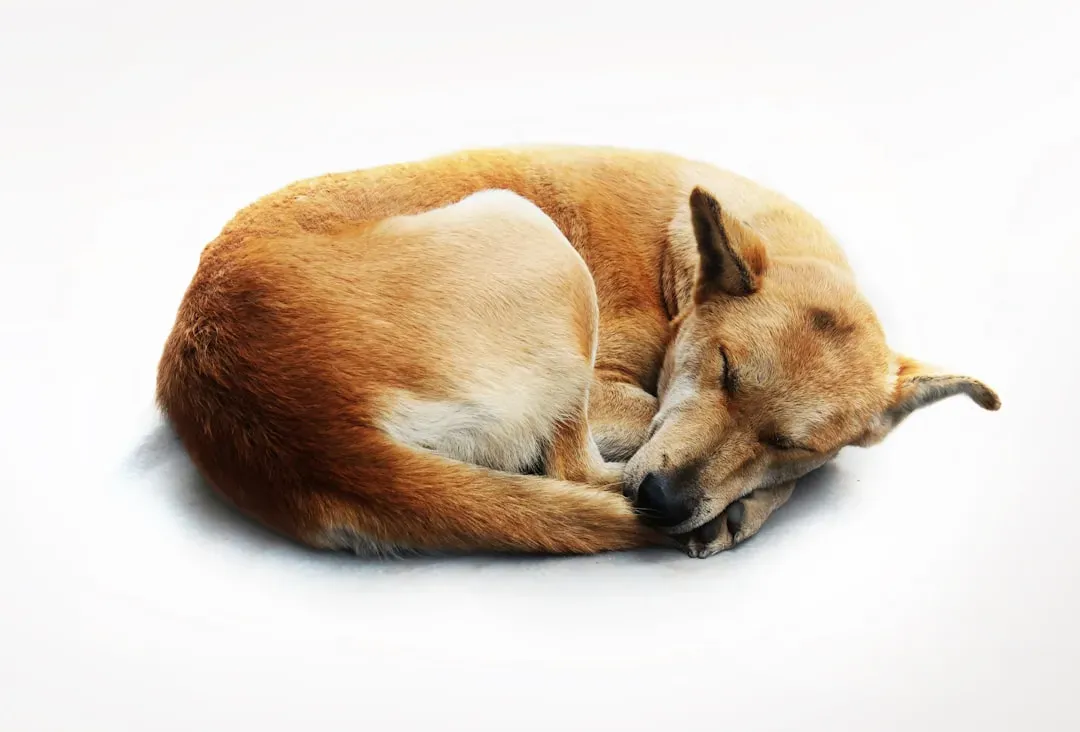
Sleep doesn’t lie. A dog sprawled belly-up, limp and loose, is basically announcing “I feel safe here.” A dog that only rests curled tight in a corner, waking at the faintest sound, is often coming from a place where rest itself was never fully safe – yelled at for napping on furniture, over-crated, or living somewhere loud outbursts could erupt any time.
Watch for a dog that always faces the door, or only naps once every human in the house has gone still. That’s not a personality trait, it’s a survival habit. A steady bedtime routine and zero punishment for wherever they choose to lie are what slowly convince their body that deep sleep is finally allowed.
#6 – Freezing or Avoiding Certain Rooms or Surfaces
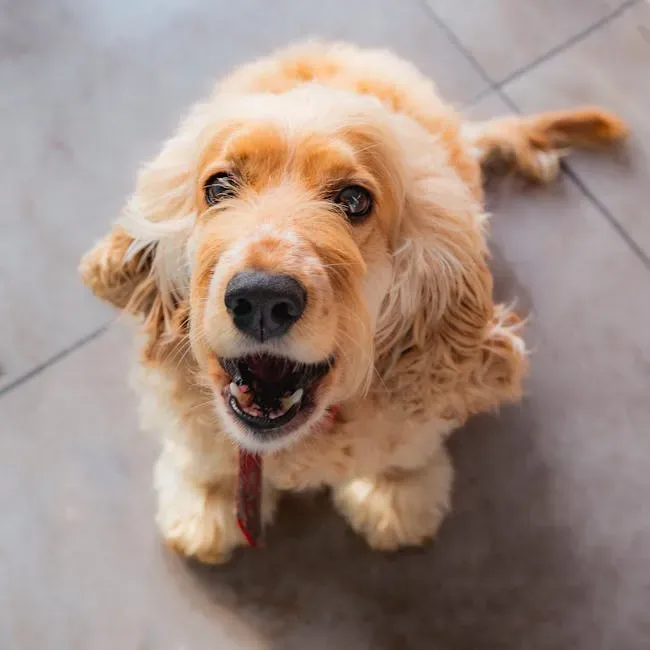
A dog that refuses to set paw in the kitchen isn’t being “weird about it.” Location-specific fear is one of the clearest tells about a previous home, and that kitchen boycott often traces back to being yelled at, chased, or punished there, usually for counter-surfing or just being underfoot.
Surfaces matter too. A dog that panics on tile may have slipped badly or been dragged across a similar floor before. Others avoid hallways or bathrooms tied to harsh baths or confinement. Their body remembers what your lease never will. A trail of high-value treats, no pulling or pressure, and letting curiosity lead the way is how that “danger zone” slowly turns neutral.
At a Glance
- Kitchen avoidance often links to past punishment near counters or trash cans
- Fear of tile or hardwood can trace back to a slip, fall, or forced bath
- Hallway or bathroom avoidance may signal past confinement
- Curiosity-led exposure beats coaxing, dragging, or carrying every time
#7 – Overreacting to Doors, Keys, or the Sound of Leaving
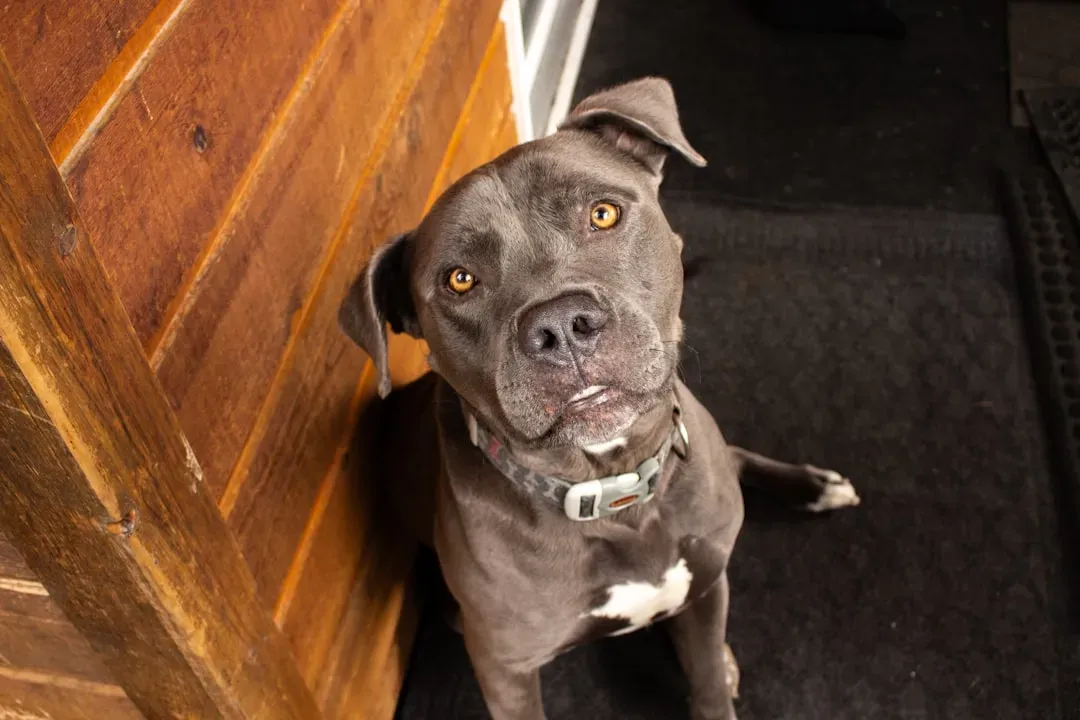
Keys jingle and your dog starts panting toward the door. You put on a specific jacket and they whine. That instant connection between a sound and distress usually means departures in their last home were long, chaotic, or genuinely upsetting – long shifts, ten-hour crating, or simply being left behind for good.
Sometimes it’s the door itself that’s charged, not the leaving. A knock triggers hysterical barking, cowering, even accidents on the floor, which can point to homes with high-conflict visitors or rough handling tied to comings and goings. Turning departures into non-events – fake exits, quick returns, low-key key-jingling with no actual leaving – slowly drains the charge out of that trigger.
#8 – Guarding Food, Beds, or Even People
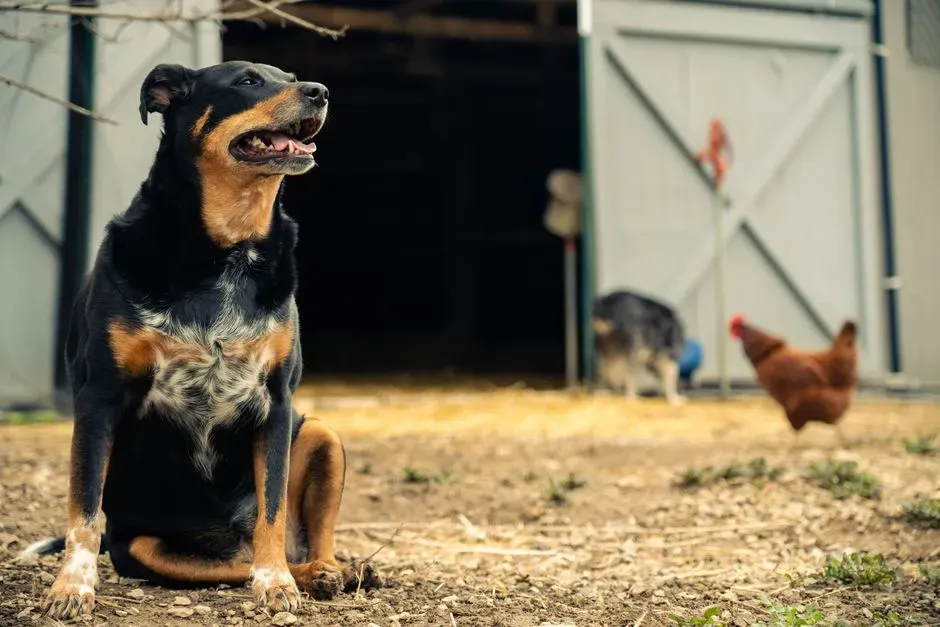
Resource guarding gets labeled a “behavior problem” to fix, but it’s really a biography. A dog that snarls when you approach their bowl or stiffens when someone nears their bed is telling you plainly: I learned that what’s mine gets taken, roughly. That could mean other pets stealing food, kids grabbing toys, or adults yanking things away with punishment attached.
Dogs, like children, need patience and love in order to grow up loving and gentle. If they’re forced to fend for themselves, they can turn out to be pretty tough characters.
Cesar Millan
Sometimes the guarding shifts to people entirely – a dog wedging between you and your partner, or barking at a hug. That’s not heroism, whatever social media calls it. It’s a dog terrified of losing the one safe thing they’ve found. Trades, consent-based handling, and proving that people approaching means good things happen, not less, is the real fix.
#9 – Being Unusually Quiet…Or Weirdly Loud
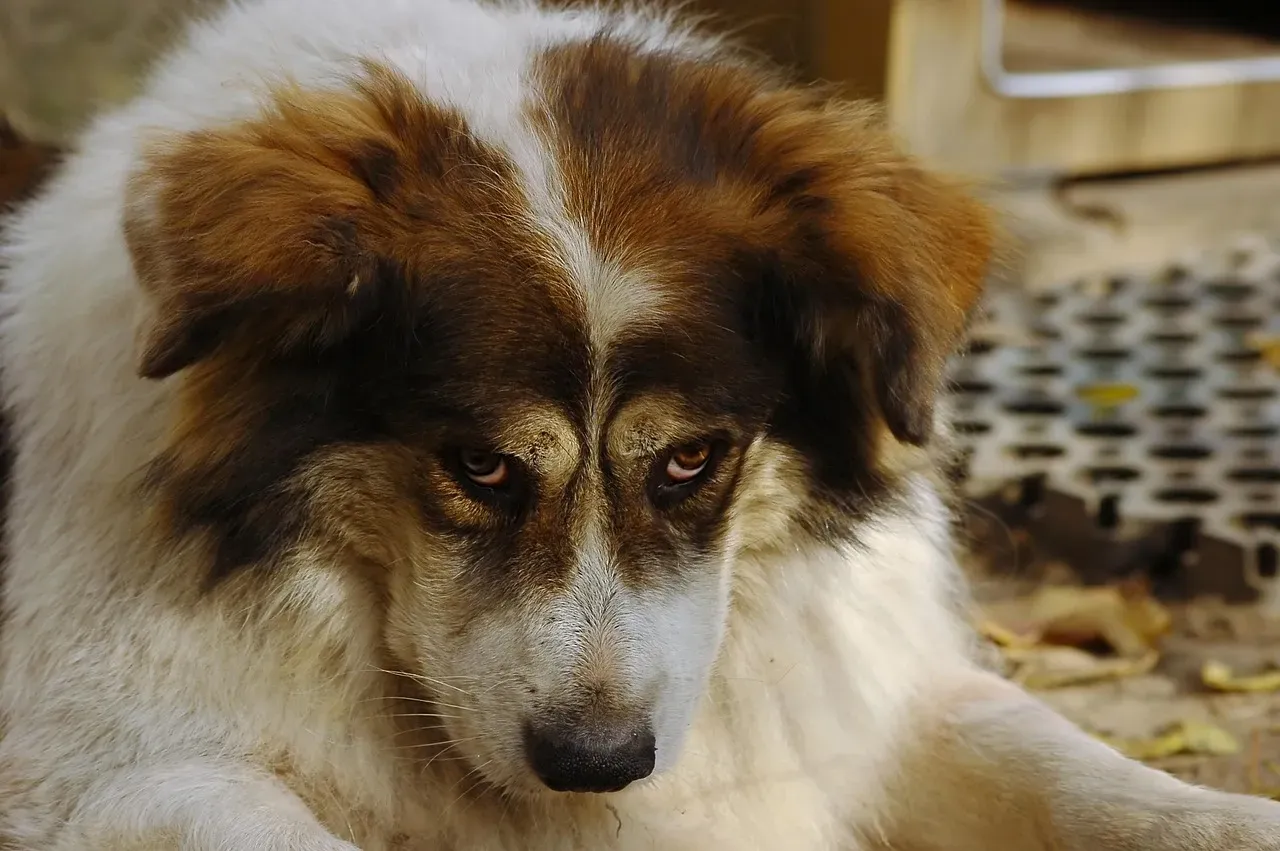
The dog that never barks can be just as revealing as the one that won’t stop. A very quiet dog often comes from a home where vocalizing was punished – yelling, shock collars, endless “shut up” corrections – until they learned invisibility was the safest option. Watch for stiff posture and an almost apologetic presence to go with the silence.
The opposite dog, the nonstop barker, often had needs ignored unless the volume got cranked up. If barking was the only way to get fed, noticed, or let outside, that habit rides along into your home too. Neither dog was born this way. Clear structure and calm reinforcement of quiet, relaxed moments slowly retunes both.
Quick Compare
- Quiet dog: often punished for barking; looks stiff, watchful, “too easy”
- Loud dog: often ignored until volume increased; looks demanding, hard to interrupt
- Both: neither extreme was a choice – it was survival math
- Fix for both: calmly reward relaxed silence, not just the absence of noise
#10 – Startling at Everyday Household Noises
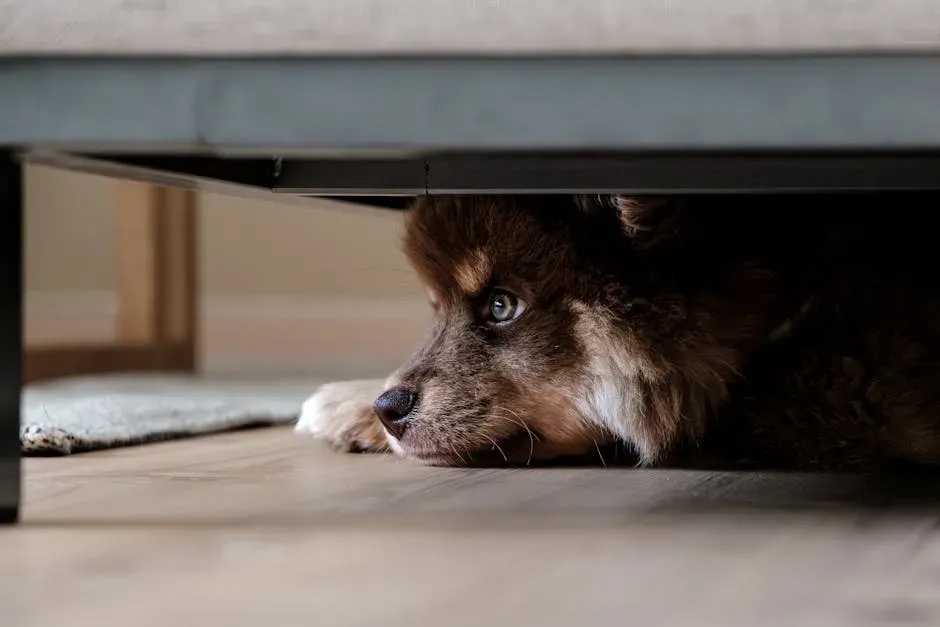
The vacuum turns on and your dog vanishes. The dishwasher hums and they start pacing. A dropped spoon sends them scrambling. A strong reaction to ordinary sounds usually means one of two extremes: a past with zero gentle exposure to normal life – raised in a garage, backyard, or chaotic shelter – or a home where loud sounds reliably preceded something scary.
Either way, their nervous system never got a normal noise map, so your blender becomes a monster. Flooding them with sound to “toughen them up” backfires. Pairing low-volume versions of triggering noises with treats and distance, then slowly turning up the volume over time, is what finally lets the vacuum fade into boring background noise.
#11 – Over-Submissive Behaviors (Belly Up, Peeing, Crawling Low)
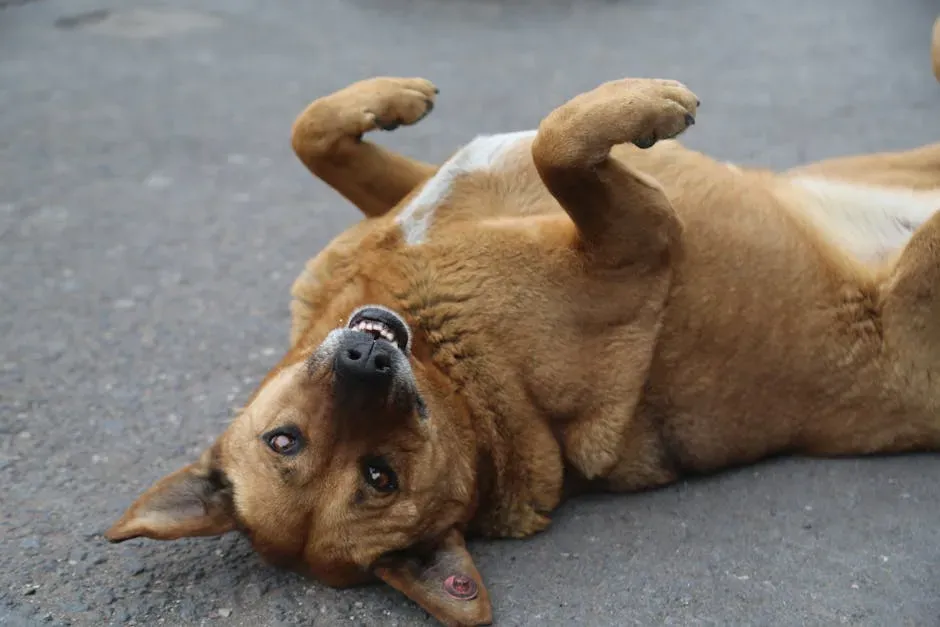
People coo, “aww, they’re so submissive,” when a dog flips belly-up instantly or crawls low to greet them. True social submission is loose and easy. What you’re often watching instead is appeasement driven by fear – a dog convinced that humans are unpredictable, sometimes dangerous, and that going small is the only way to survive their moods.
- Rolling over before you’ve even fully approached
- Frantic air-licking or hand-licking
- Urinating at a raised voice or even normal speech
This isn’t respect, it’s self-protection learned the hard way, likely in a home run on intimidation rather than teaching. Your job isn’t to “be the boss.” It’s to prove you’re not the kind of boss they’re used to – low-key greetings, letting them initiate touch, and calm guidance instead of scolding.
#12 – Hyper-Focus on Children (Either Avoiding or Clinging)
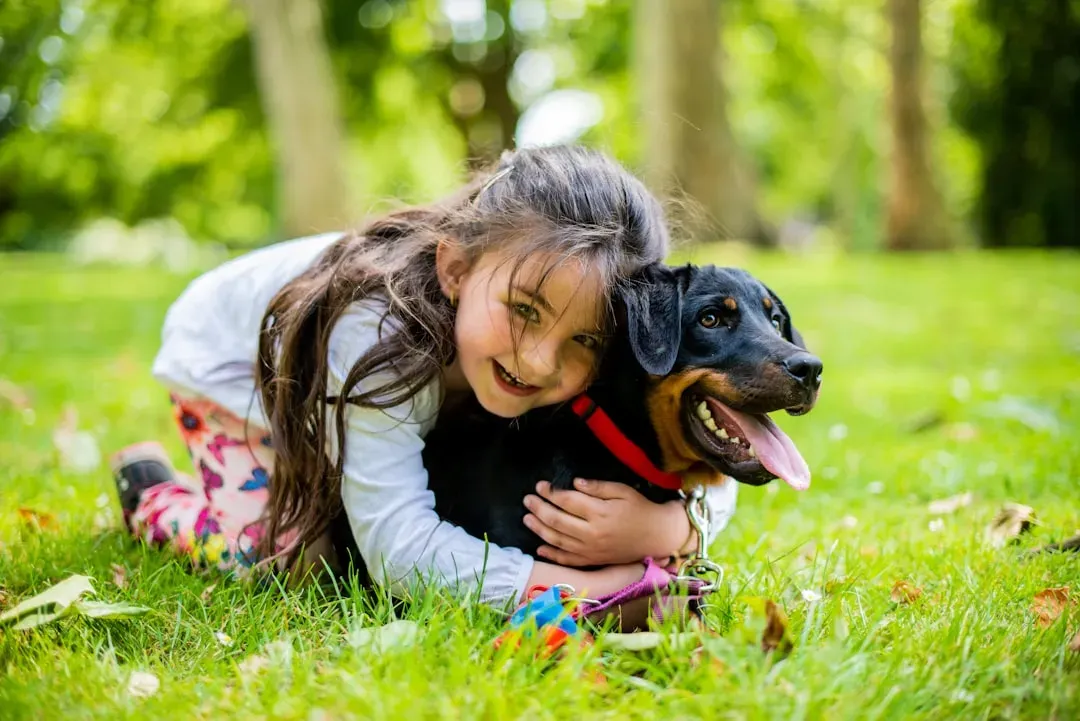
Watch closely how your new dog acts around kids. One that sidesteps children, hides behind furniture, or leaves the room the instant they appear has likely experienced rough handling or unpredictable behavior from kids before. Children move fast, touch without warning, and dogs remember exactly which hands hurt.
Then there’s the opposite dog – the one who shadows children specifically, naps in their room, checks in constantly. That often means a kid was their only source of kindness while the adults around them checked out. Either reaction is a memory, not a coincidence, which is exactly why “all dogs love kids” is a dangerously naive thing to assume.
#13 – Obsessive Checking of Doors, Windows, or the Yard
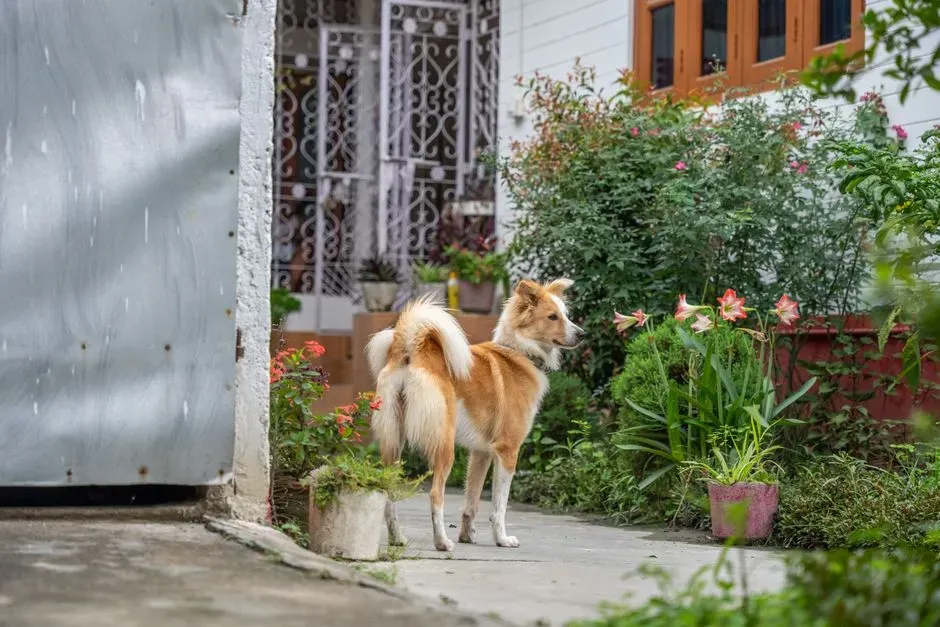
A dog who keeps circling to the back door, scanning the fence line, or staring out the window like they’re expecting someone isn’t just curious. Many of these dogs previously escaped often, were left outside for long stretches, or had caretakers who came and went without warning. Watching the exits became their self-appointed job.
- Patrolling the yard instead of playing
- Lingering by the gate as if waiting for a familiar car
- Staying more tuned to “out there” than “in here”
It’s a quietly heartbreaking habit, because it usually means they haven’t accepted this as home yet – it’s just the current stop while they keep watching for the last one. Long decompression time and steady routines are what slowly shift their focus from monitoring the world to actually resting in it.
#14 – Not Knowing How to Play (or Playing Way Too Hard)
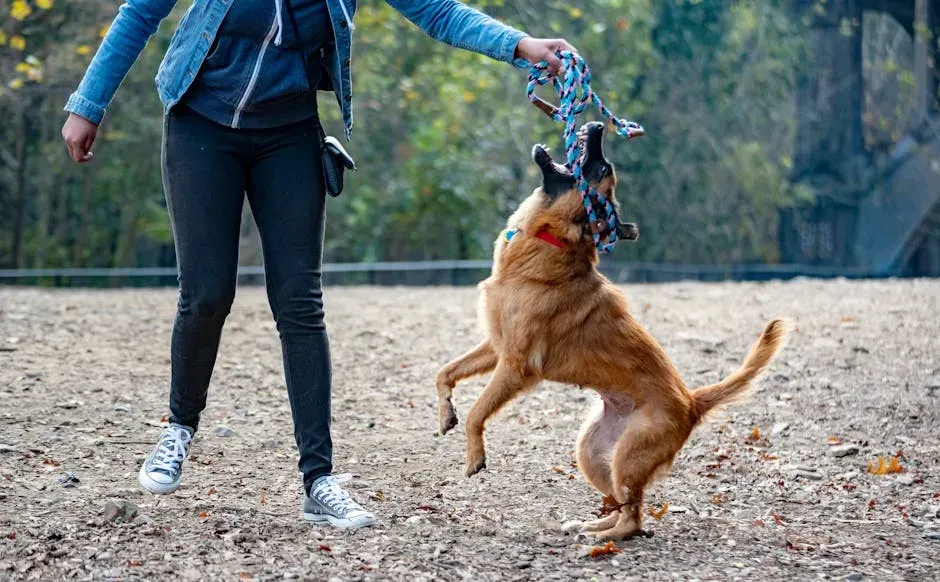
Play style is basically biography in motion. A dog who stares blankly at a toy, or walks past a ball like it means nothing, likely came from a home where nobody engaged them beyond bare survival – no fetch, no tug, no games, just existing. They genuinely don’t know that joy can be a shared activity.
The opposite extreme is the dog who plays far too rough, snatching toys from hands or struggling to stop once excited. That usually means play in their last home was chaotic or encouraged to be wild without any boundaries. Very few rehomed dogs land in the sweet spot where play was both frequent and gentle – which makes teaching them that play can be safe and mutual one of the more rewarding jobs you’ll do.
Worth Knowing
- Dogs who never learned play often stare blankly at toys or ignore them completely
- Overly rough players were frequently encouraged into wild play with no boundaries
- Gentle, mutual play is the rarest history among rehomed dogs
- Short, low-arousal sessions rebuild the idea that fun can also be safe
#15 – Either Over-Grooming or Treating Grooming Like a War Zone
A dog that licks or chews at themselves until they leave raw, thin patches is usually self-soothing through chronic stress – the canine version of biting your nails to nothing. That stress often traces straight back to being left alone too long, living in chaos, or never getting real medical care.
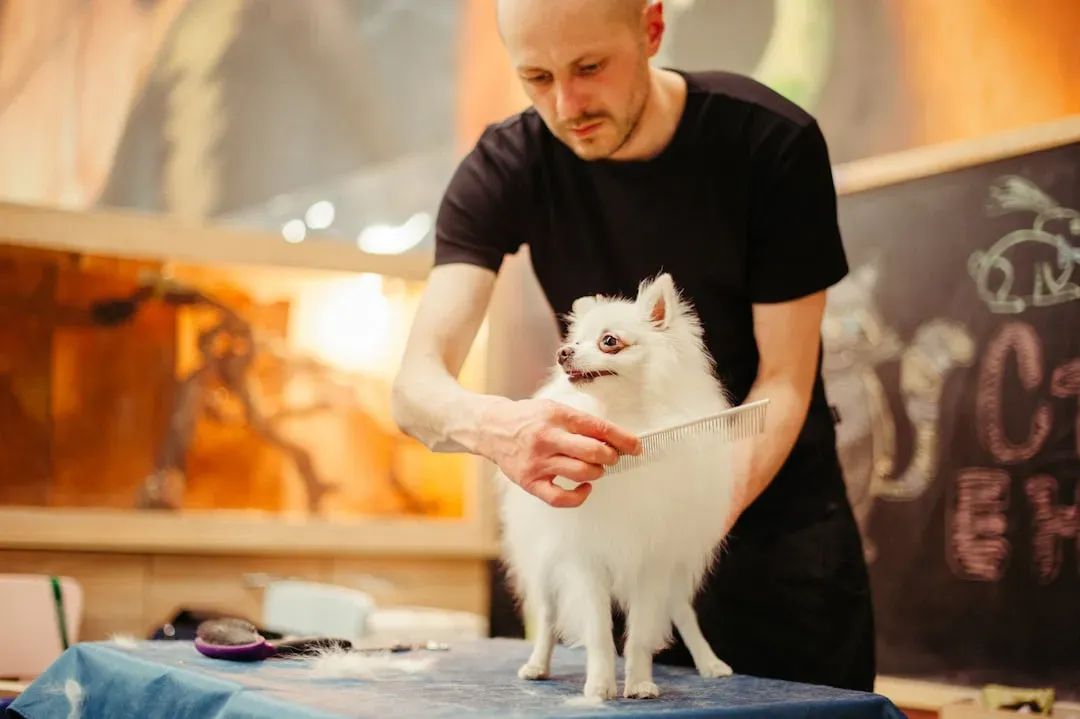
Then there’s the dog that panics at the sight of a brush or nail clippers. That’s not “hating baths” – that’s a dog who endured rough, forced, or painful grooming, cold water, yelling, nails cut too short. A well-cared-for past shows up on the skin and in the coat far more honestly than any vet record ever could. Slow desensitization and treats with every brush stroke are the only way to rewrite that association.
#16 – Being “Too Good” (The Dog That Never Puts a Paw Wrong)
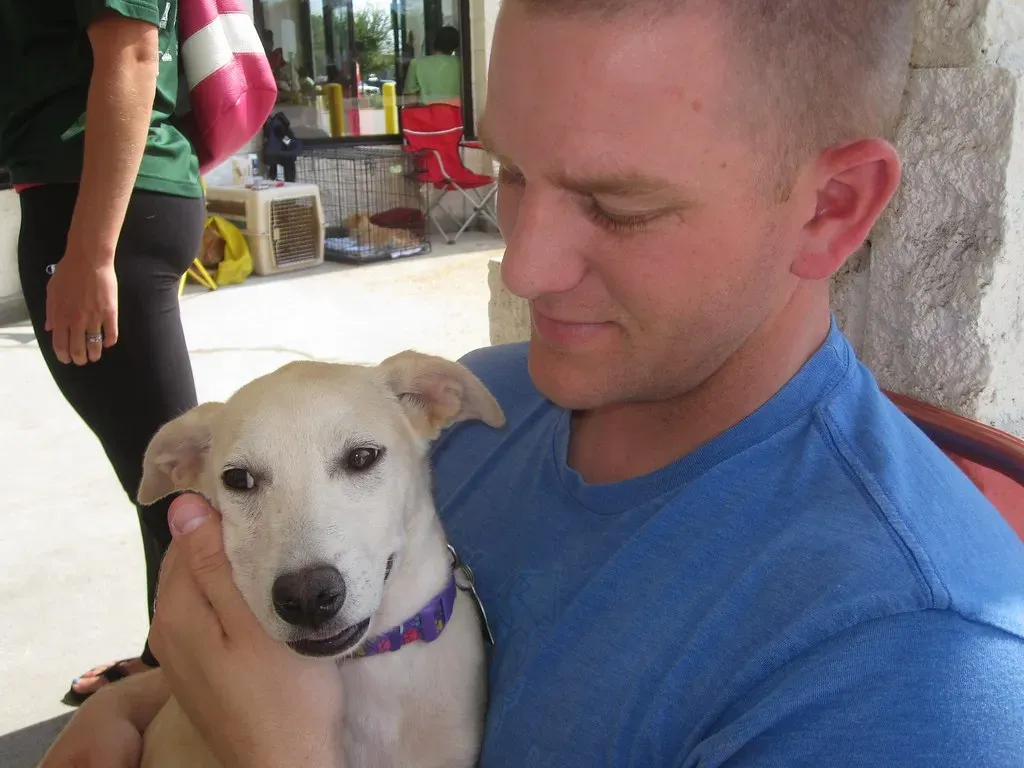
Every shelter worker knows this dog. Comes home, lies quietly in a corner, never chews, never barks, never asks for anything. People brag about how well-behaved they are. In reality, that dog is often shut down, not well-trained – they’ve learned that being visible, curious, or vocal was punished or ignored, so doing absolutely nothing feels safest.
Watch for a dog that avoids eye contact, waits to be told to eat or move, and shows zero excitement about walks or visitors. A confident, well-raised dog actually makes small mistakes – they explore, they test things, they try. When your “perfect” dog finally steals a sock or zooms down the hallway, that’s not them getting worse. That’s them finally believing it’s safe enough to exist out loud.
#17 – Taking Forever to Trust the Couch (or Your Bed)
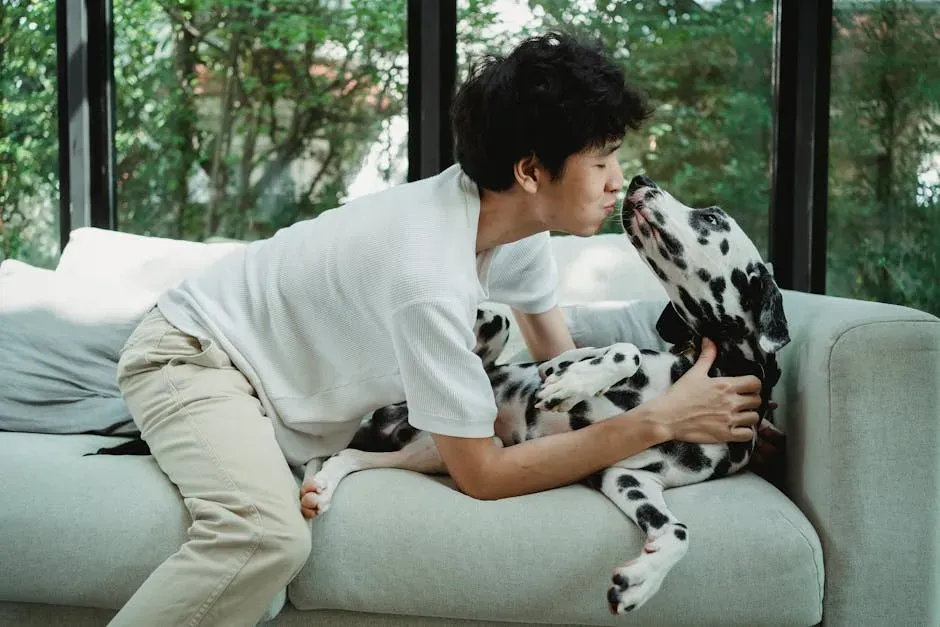
It sounds small, but where a dog chooses to rest might be the quietest confession of all. A dog that launches onto the couch on day one and sprawls across your bed like it’s always been theirs probably lived somewhere furniture rules were relaxed and positive – or they learned to sneak up the moment nobody was watching.
The dog that hovers near the couch, glances at it, then chooses the hard floor instead, or flinches off the second you shift, is telling a very different story: furniture access policed with anger, not training, maybe punishment just for trying. The real turning point is the first time that dog climbs up next to you and stays, even as you move. That’s not just comfort. That’s a vote of confidence that this house handles closeness differently than the last one ever did.
The Bottom Line
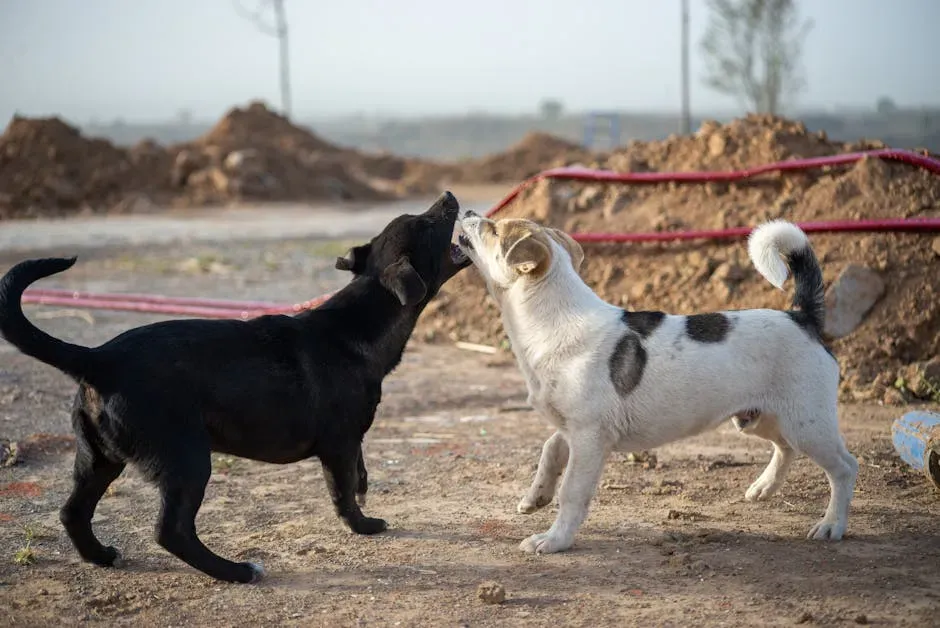
New owners love to say “we’ll never really know what they went through,” but that’s only half true. You won’t get dates, names, or a tidy backstory. What you get instead is something more honest: a living behavior report card, written in tiny habits nobody bothered to explain to you.
How fast they eat, where they sleep, what they hoard, what makes them flinch – all of it is data about who showed up for this dog and who didn’t. Here’s my opinion, and I’ll stand by it: these habits are not quirks to be corrected on a training schedule. They’re survival strategies that once made perfect sense, and treating them as annoyances instead of information is how good owners accidentally miss the point.
The most responsible thing you can do isn’t erase these habits overnight. It’s believe your dog. Read the behavior, adjust your patience, and treat the first time they break an old fear as the milestone it actually is – because for that dog, it might be the biggest thing that’s happened to them in years.