
17 Things a Dog Still Remembers From the Day It Was Collected That Owners Assume Were Lost
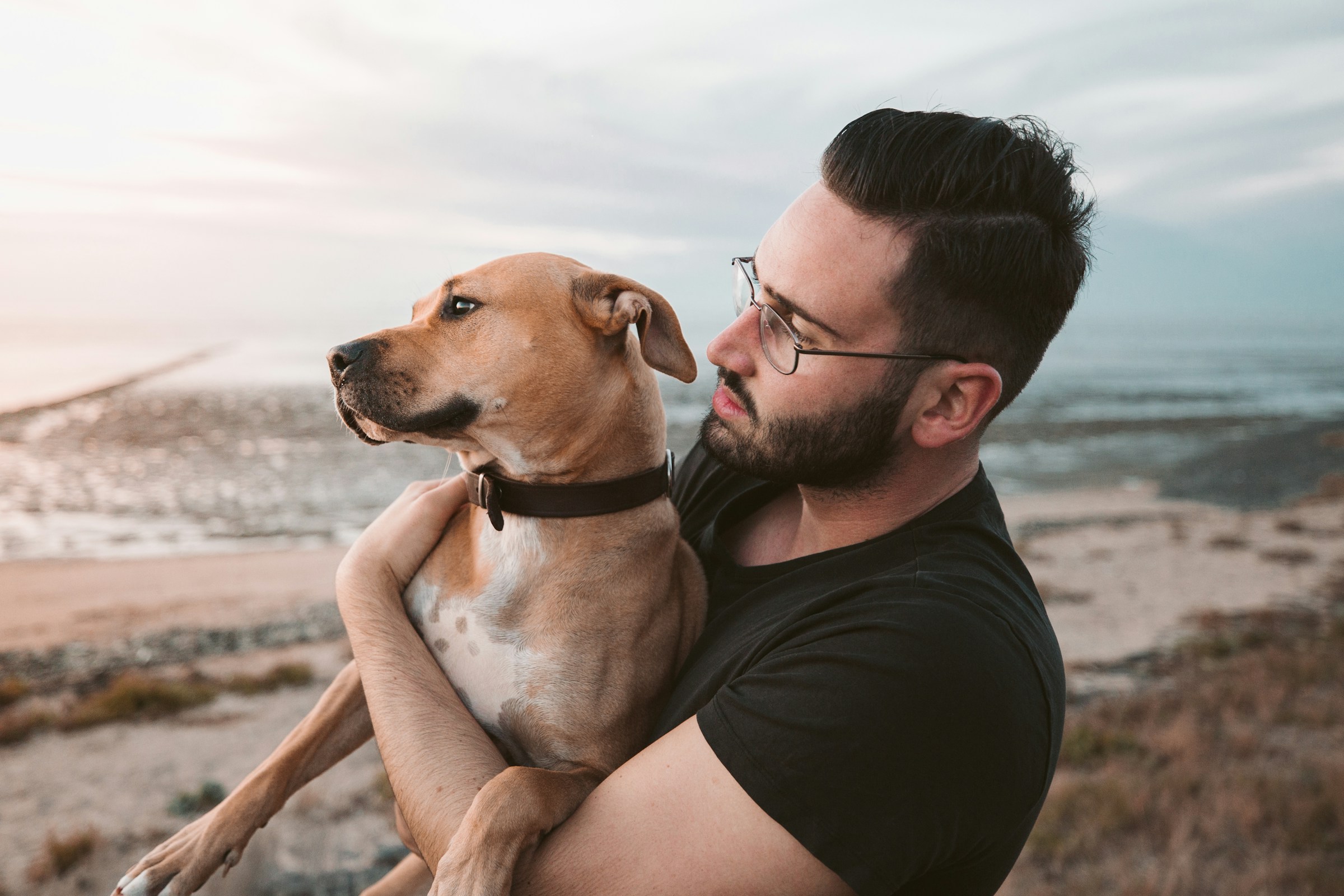
You probably tell yourself the same comforting story every dog owner tells themselves: “That was so long ago. He doesn’t remember any of it anymore.” The shelter, the breeder’s kitchen, the terrifying car ride, the moment his old world vanished – surely that’s all been erased by years of couches, treats, and belly rubs.
It hasn’t. Behaviorists now believe dogs lock in emotional memories from major life-changing events the same way we do, and the day they were collected is about as major as it gets. What’s actually still living in your dog’s nervous system might surprise you – and a few of these will make you look at your own dog differently by the end of this list.
#1 – The Smell of the First Car Ride
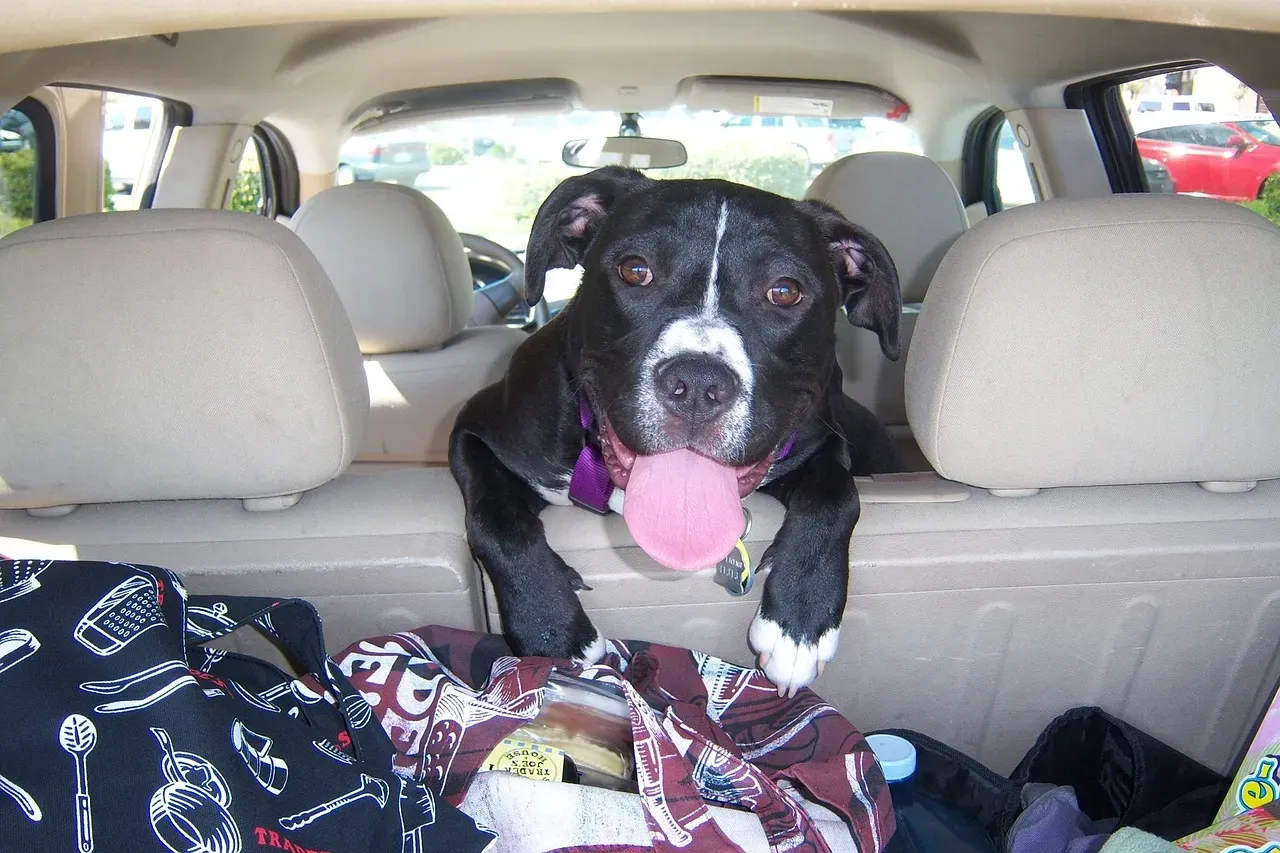
Your dog doesn’t know what a calendar is, but its nose absolutely knows what that first car ride smelled like. Dogs experience the world through scent first, and huge emotional moments get filed away in a smell library that never really closes. The upholstery, the blanket, your shampoo, the cardboard box they trembled in – all of it fuses into one sensory memory of “the day everything changed.”
That’s why some dogs still lose it, in either direction, near certain gas stations or specific car interiors years later. For some, that ride was fear: motion sickness, cold air, a crate full of strangers. For others, it was the first taste of safety they’d ever had. Either way, the body remembers before the brain finds the words – so if your dog still vibrates with excitement the second a car door opens, that’s not drama. That’s a memory firing right on cue.
#2 – The Sound of the Shelter or Breeder’s Space
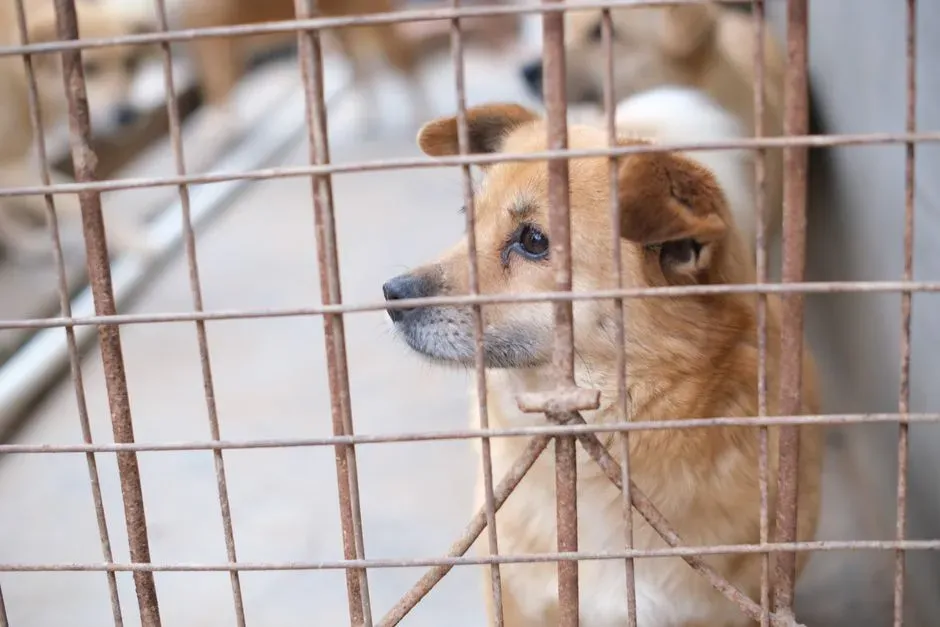
Sound burns into a dog’s memory harder than most owners realize. The echo of metal cages, nonstop barking, a dryer running, a radio playing in the background – all of it becomes the soundtrack of “before.” Even dogs pulled from calm, loving foster homes still lock in the specific rhythm of the noise around them.
That’s why some dogs flinch at a slammed van door or the beep of a microwave for no reason you can see. Others go soft and sleepy the second a vacuum turns on, because that hum matches the home they were rescued from. You may think there’s no way he remembers that. Behavior science says he absolutely does – not the place itself, necessarily, but exactly how loud, or how quiet, it was.
Fast Facts
- Dogs have up to 300 million olfactory receptors in their noses, compared to about 6 million in humans.
- Dogs can hear frequencies ranging from 40 Hz to 60,000 Hz, which far exceeds the human hearing range of 20 Hz to 20,000 Hz.
- Their olfactory bulb, the brain region responsible for processing smells, is proportionally 40 times larger than in humans.
- That extra sensory horsepower is exactly why a single chaotic hour on collection day can imprint harder than years of ordinary calm ones.
#3 – The Face That First Reached for Them
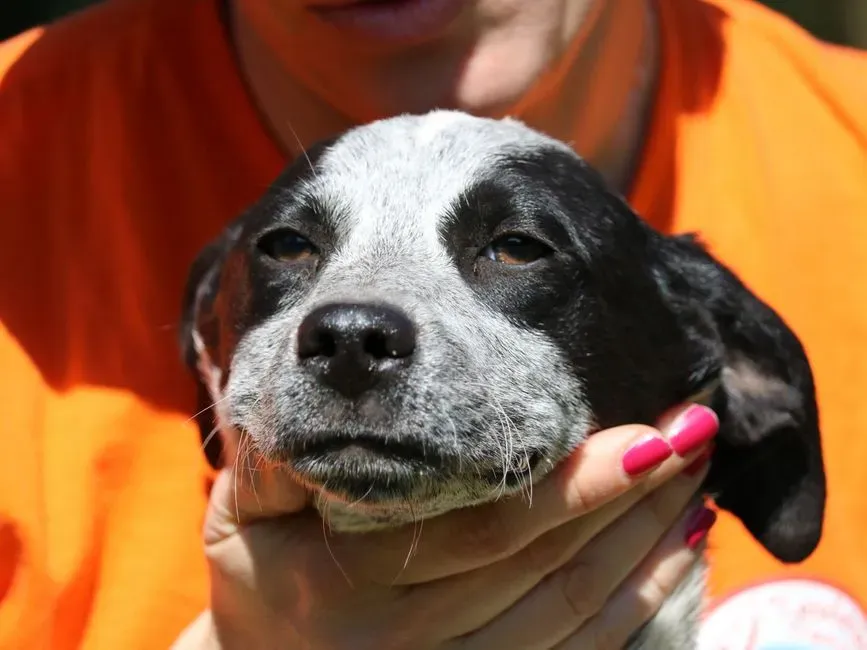
We love the idea that “dogs love everyone,” but on collection day, one face becomes the turning point. Maybe it was the shelter worker who lifted them out, the breeder’s kid who said goodbye, or you, kneeling in a parking lot trying not to cry. That face gets welded permanently to whatever emotion was running hottest in that moment – panic, hope, confusion, relief.
Some dogs make this obvious. Years later, they’ll explode with joy at the sight of that first rescuer, even after meeting them only once. Others stiffen around anyone with similar glasses, a similar beard, a similar silhouette – because it echoes the person who once dragged them away. Dogs are relentless face-readers, and they’re not just reading you now. They’re quietly comparing you to someone from that exact day.
#4 – The Leash, Crate, or Box They Left In
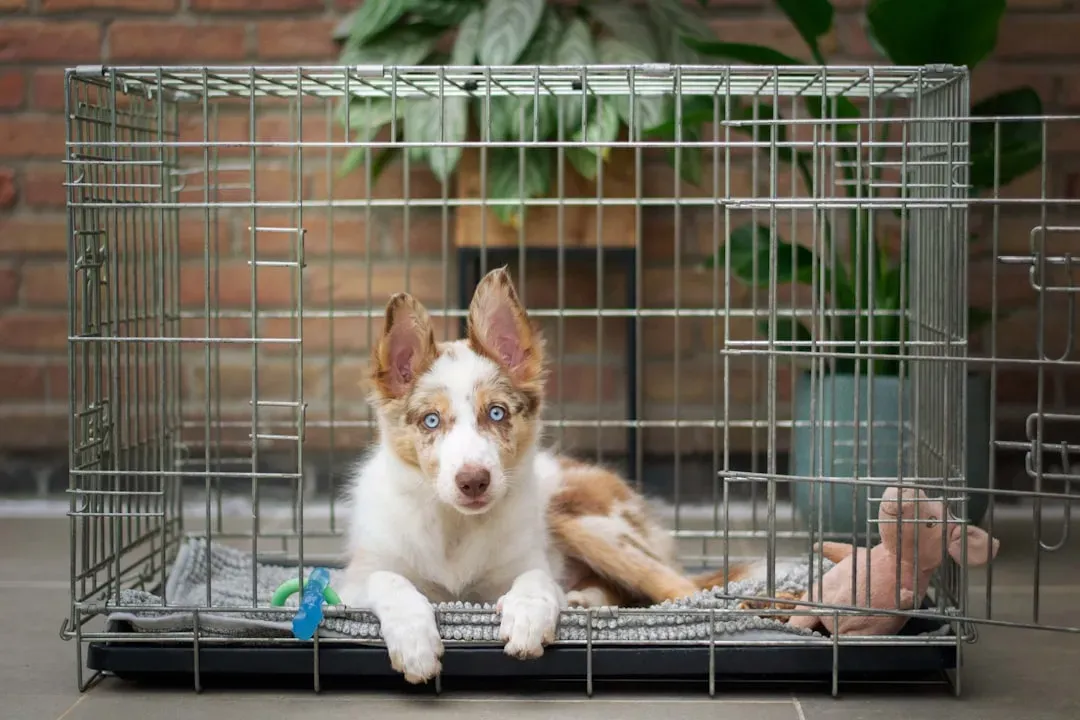
You probably think of a leash as a tool. To a dog, the object they left their old life in can become a loaded symbol – good or bad. Some dogs cower the instant they see a slip lead, not because slip leads are cruel, but because that exact texture and tightening sensation was tangled up with fear on the day they were taken. Others visibly relax around the same style of crate they rode home in, because it was their first safe bubble after chaos.
Watch closely the next time a newly adopted dog encounters the style of crate they arrived in, or the exact type of collar first buckled around their neck. If they freeze, flinch, or bolt, you’re not seeing stubbornness – you’re seeing a memory trace fire in real time. Swapping out gear isn’t just cosmetic. It can quietly sever an emotional association your dog is still carrying in its body.
#5 – The Moment They Realized “My Pack Is Gone”

Here’s the part most owners don’t want to sit with: for many dogs, collection day is also the day they lost their original pack – mother, littermates, kennel mates. Even if that situation wasn’t healthy, it was still their known universe. The second that door closed and those familiar scents disappeared, their brain logged a brutal lesson: packs can vanish without warning.
That single lesson is why some dogs turn into “velcro dogs” in their new homes. It’s not just affection – it’s a preemptive strike against that loss happening again. The panic when you shower with the door closed, or leave for work, isn’t irrational to them. It’s a replay of the day everyone disappeared. Call it separation anxiety on paper, but on the ground, it’s grief with teeth.
#6 – The First Smell of Their New Home
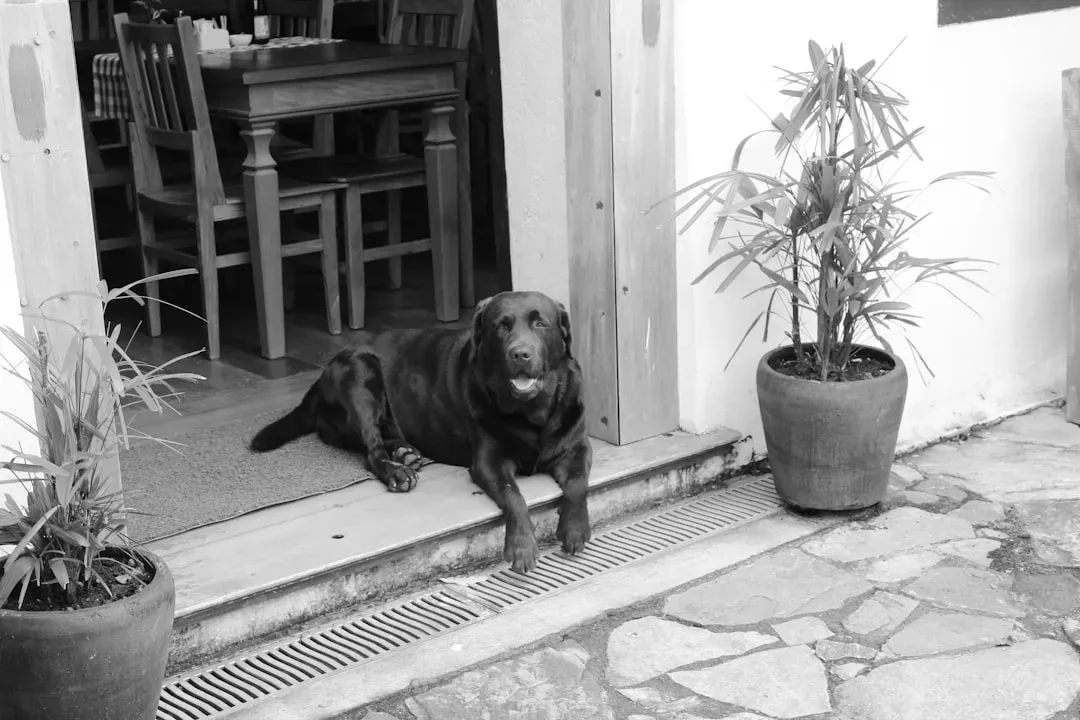
If your nose worked like a dog’s, walking into a new house would feel like stepping onto another planet. The moment your dog crossed your threshold, it inhaled a dense map of every detergent, candle, and floor cleaner you own, the scent signatures of your other pets, and the outdoor air leaking in around your doors. That composite smell becomes “home” – and it’s also the baseline scent of the “after” life that began on collection day.
Change that too fast – a move, new furniture, a new baby, a new pet – and you’re not just redecorating. You’re quietly rewriting your dog’s emotional reference point, which is part of why so many dogs act unmoored after a household shift. Dogs from chaotic backgrounds often show visible relief the first time they smell a calm, stable home: a slow, deliberate sniff of every room, then a full-body collapse in whatever spot they choose. That specific blend of molecules is telling them, in the only language they trust, “this is where the scary day finally ended.”
#7 – The First Thing They Were Fed (or Denied)
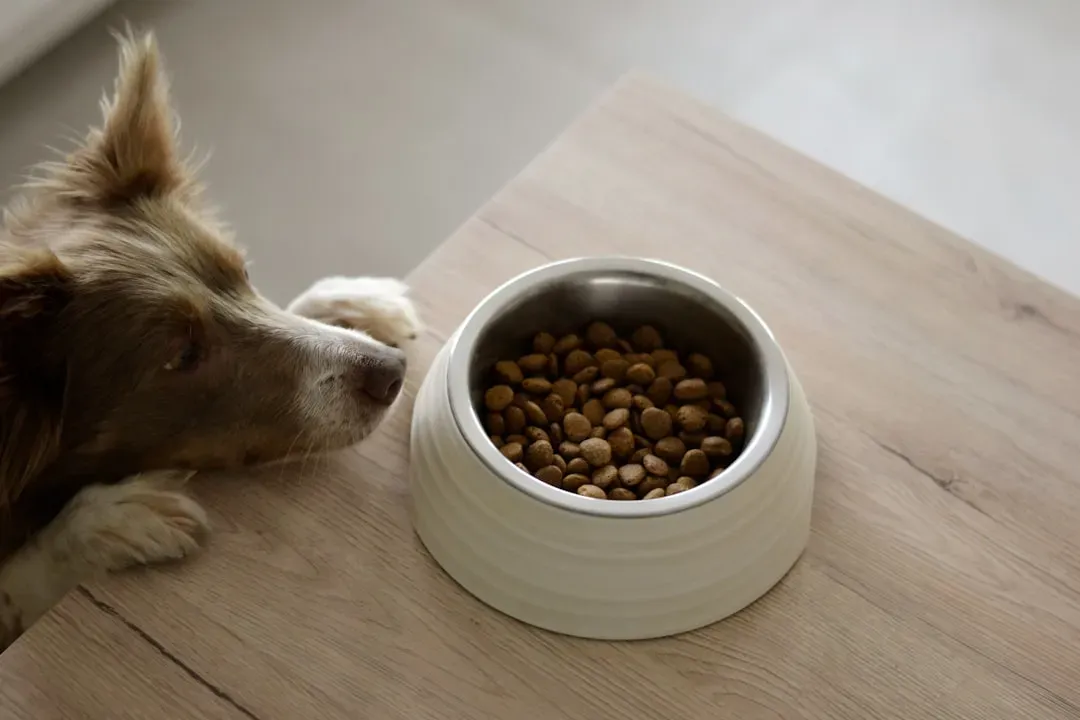
People argue endlessly about kibble versus raw, but your dog isn’t storing brand loyalty. It’s storing how it felt to eat, or not eat, on the day it was collected. Dogs from scarcity often inhale food so fast they choke on it for weeks afterward – not bad manners, but muscle memory from a stretch of life when food appeared unpredictably or didn’t appear at all.
If that first meal in your home was calm and unhurried, that stillness becomes part of the memory: “these people take care of me.” If instead they arrived nauseous from travel and got nothing but a rushed handful of treats, their gut locks that in too. This is why some rescue dogs guard food ferociously even years later – some part of their brain is still half-living in the moment survival hinged on that bowl. Treat it as a language instead of a behavior problem, and you can actually rewrite the memory underneath it.
#8 – The First Night and Where They Were Allowed to Sleep

Ask any behaviorist and they’ll tell you the first night teaches a dog everything about its new status. Locked alone in a bathroom? Crated in a separate room? Allowed up on the bed? That first bedtime script brands itself straight into the nervous system, and it has almost nothing to do with being “nice” or “strict.” It’s about what the dog’s brain concluded from those first few hours in the dark.
A dog crated near your bed, with a hand occasionally dangling down to touch them, learns something specific: “I’m contained, but I’m not abandoned.” A dog shut in a cold laundry room to “cry it out” learns the opposite: “when the lights go off, I’m on my own again.” Months later, that first night shows up as clinginess, nighttime barking, or a dog who refuses to settle until every family member is in the same room. Those aren’t quirks. They’re logical conclusions drawn from exactly how safe that first night actually felt.
Worth Knowing
- Pacing, whining, or refusing to lie down during the first few nights usually signals insecurity, not stubbornness.
- A loose body, a deep sigh, or leaning into physical contact are classic signs a dog is starting to feel safe.
- Keeping a new dog’s sleeping area close to a trusted person tends to shorten the adjustment period.
- A predictable nightly routine reinforces the message that this home, unlike the last one, isn’t going anywhere.
#9 – The Route Out of Their Old Life
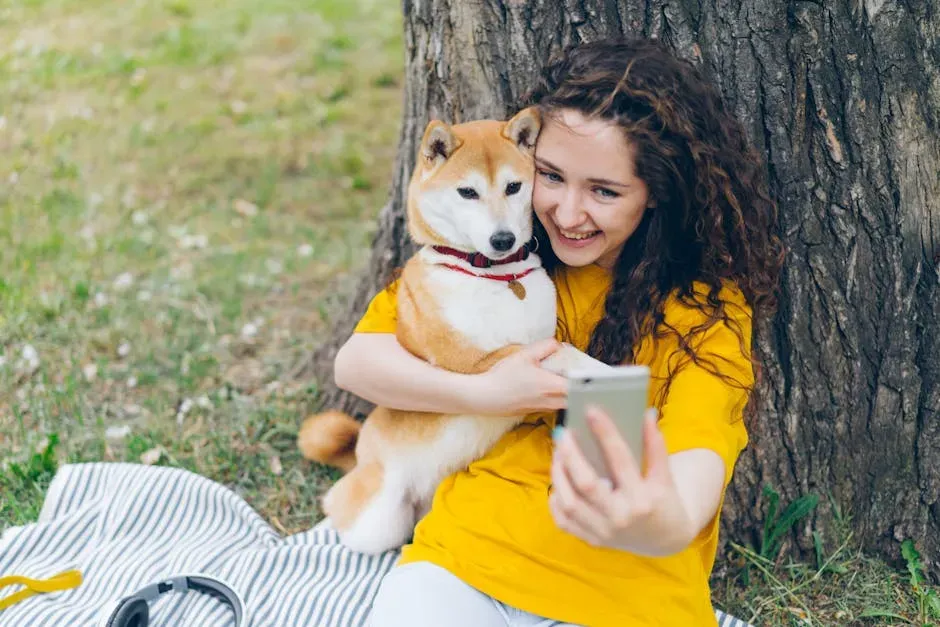
Here’s a detail almost every owner underestimates: many dogs remember the route out of their old life, or at least key fragments of it. The bridge you crossed. The roundabout. The sharp curve where the windows rolled down and the air changed. Not as a map exactly, but as a stitched-together sequence of smells, motion, and landmarks.
This is why some dogs perk up – or suddenly tremble – passing a specific intersection years later. It’s not that they can navigate back home; it’s that their brain flags, “we’ve been here on a very important day before.” Ex-street dogs and strays react even harder, because survival trained them to build mental maps for finding resources or escaping danger. Anyone who insists “dogs only live in the present” simply hasn’t watched a dog’s body flip into hyper-alert at the exact overpass where its old life ended.
#10 – Who Spoke Calmly and Who Didn’t
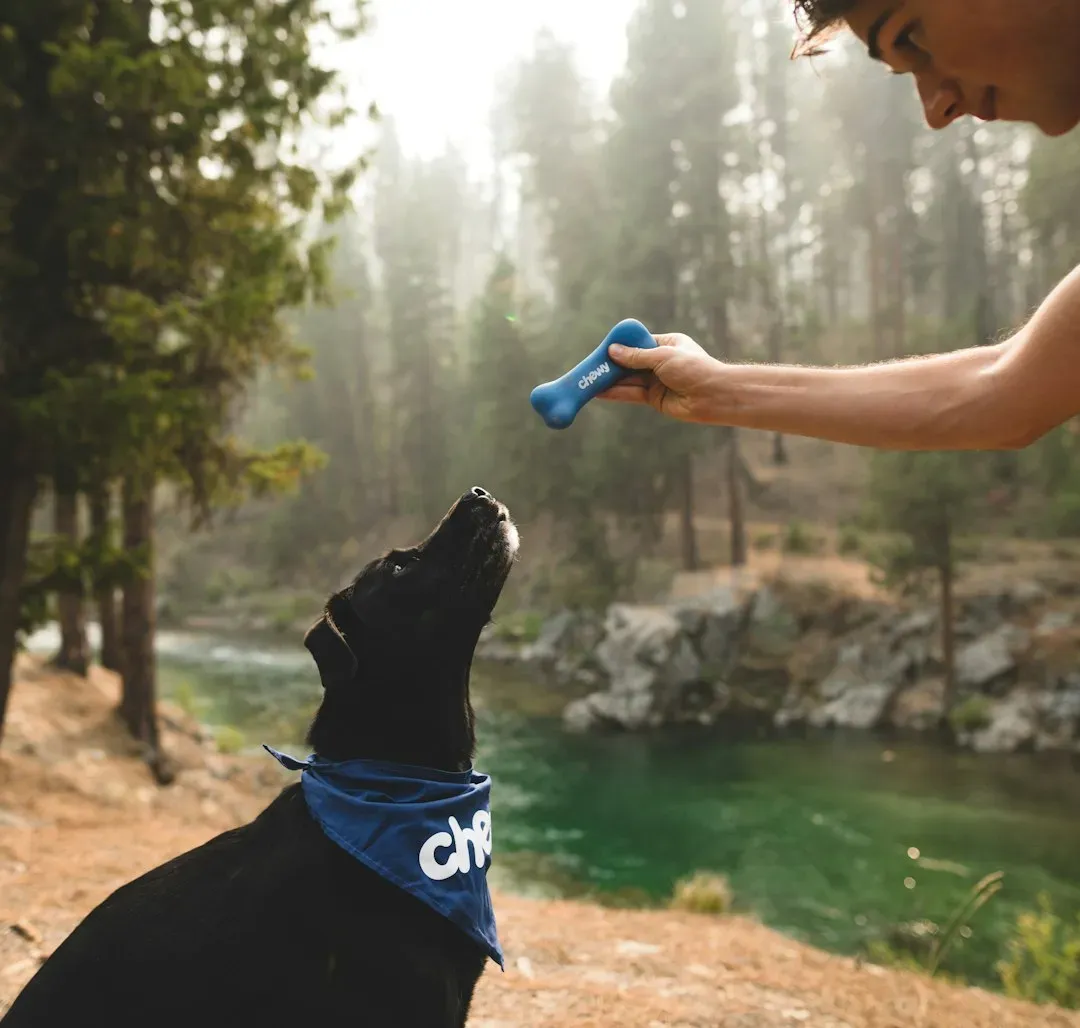
On the day a dog is collected, every human voice within earshot gets sorted fast into two piles: regulated, or threatening. Pitch, volume, speed, even accent all become part of that emotional snapshot. The volunteer who murmured soft nonsense while clipping the leash gets filed as safe. The staff member barking orders across the room gets filed as approach-with-caution.
Most owners try to use a gentle voice, forgetting that dogs aren’t just judging your tone right now – they’re comparing it to the voices that were around on the day their world tipped over. One sharp yell during training can shove you closer to the category of people who scared them that day. Consistent, steady speech slowly overwrites those older, harsher vocal memories instead. It’s also why some dogs seem strangely wary of deep male voices or high-pitched squeals – not prejudice, just a primitive shortcut: “voices like this were playing when everything changed.”
#11 – The First Rules They Bumped Into
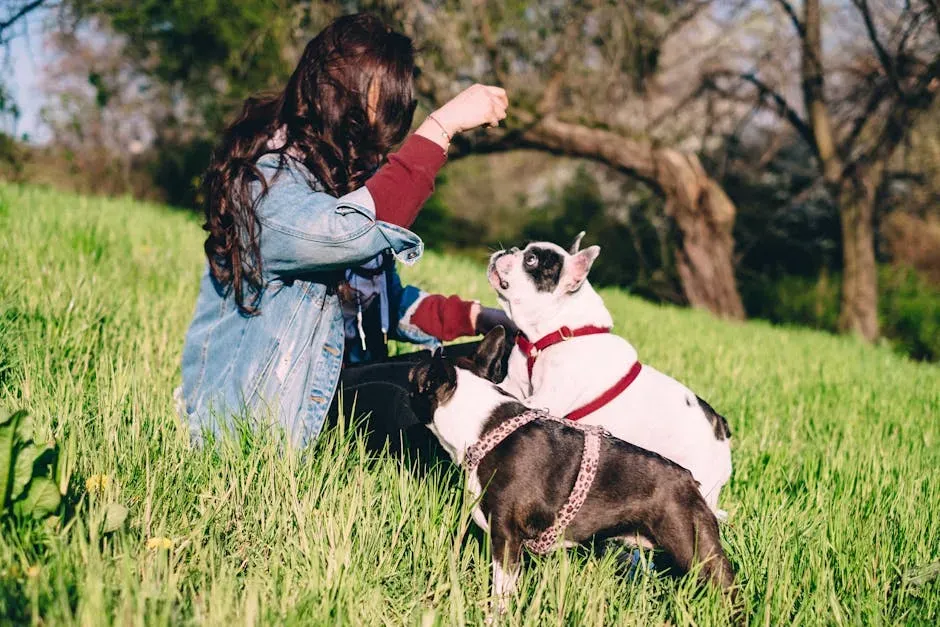
No dog arrives in your home as a blank slate. On collection day, they’re already testing the terrain: can I jump on the couch, steal food, bark at the window? However that first correction landed – from you, a shelter worker, or a breeder – becomes their reference manual for how the world works.
If that first correction was explosive – yelling, grabbing, hitting – the lesson that sticks isn’t “don’t counter surf.” It’s “humans are unpredictable, and mistakes are dangerous.” A firm but quiet redirect sends a completely different message: there are boundaries here, but I’m not in constant danger. This is exactly why laying down harsh discipline immediately with a rescue can backfire so badly – you’re not establishing leadership, you’re confirming their worst fear that every new place eventually hurts.
#12 – The First Unexpected Touch
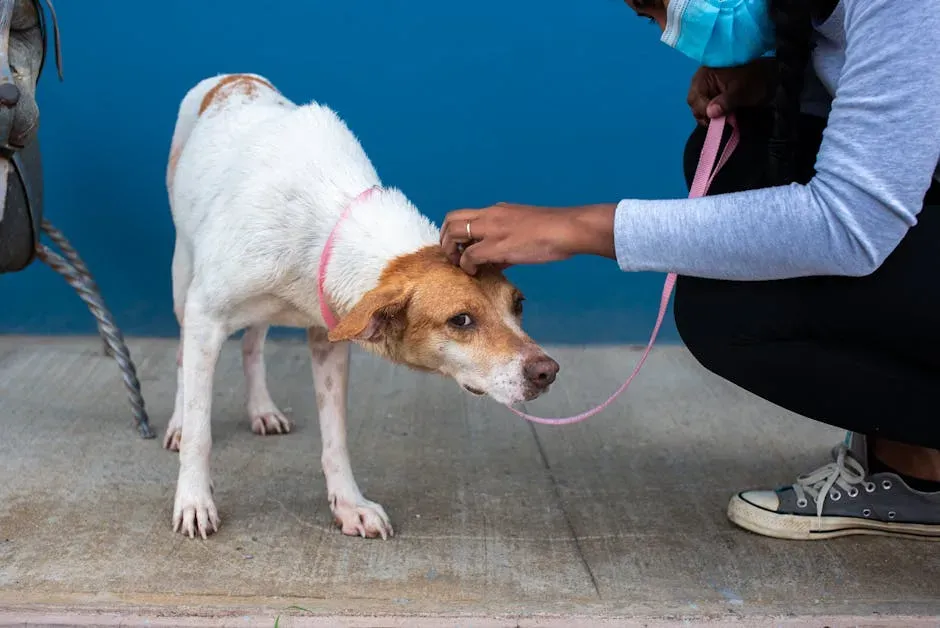
We love the fantasy that every rescued dog arrives starving for cuddles. Plenty don’t. On collection day, the first unexpected touch – a hand over the head, a sudden grab at the collar, an unplanned hug – can land like a jolt of static electricity through the whole body. Too soon, before the dog has mapped who you even are, and that fear sticks hard.
This is why some dogs duck from overhead pats or panic when a hand reaches for their collar from behind. It isn’t guilt, and it isn’t dominance – it’s a body remembering exactly where the last scary hand came from. Dogs catalog touch in painstaking detail: who touched them, where on the body, and what happened right after. A rough grab before a terrifying car ride gets logged. A slow chest rub while they finally fall asleep somewhere new gets logged even deeper – and it’s usually the one that ends up rewriting everything else.
Quick Compare
- Touch that comforts: slow, low contact on the chest or shoulder, paired with a calm voice.
- Touch that triggers: sudden overhead pats or a grab at the collar from behind.
- Touch that builds trust: letting the dog initiate contact first, then rewarding it with stillness.
- Touch that reinforces old fear: fast, unannounced handling before the dog has a chance to see it coming.
#13 – The Weather and Light That Framed the Day
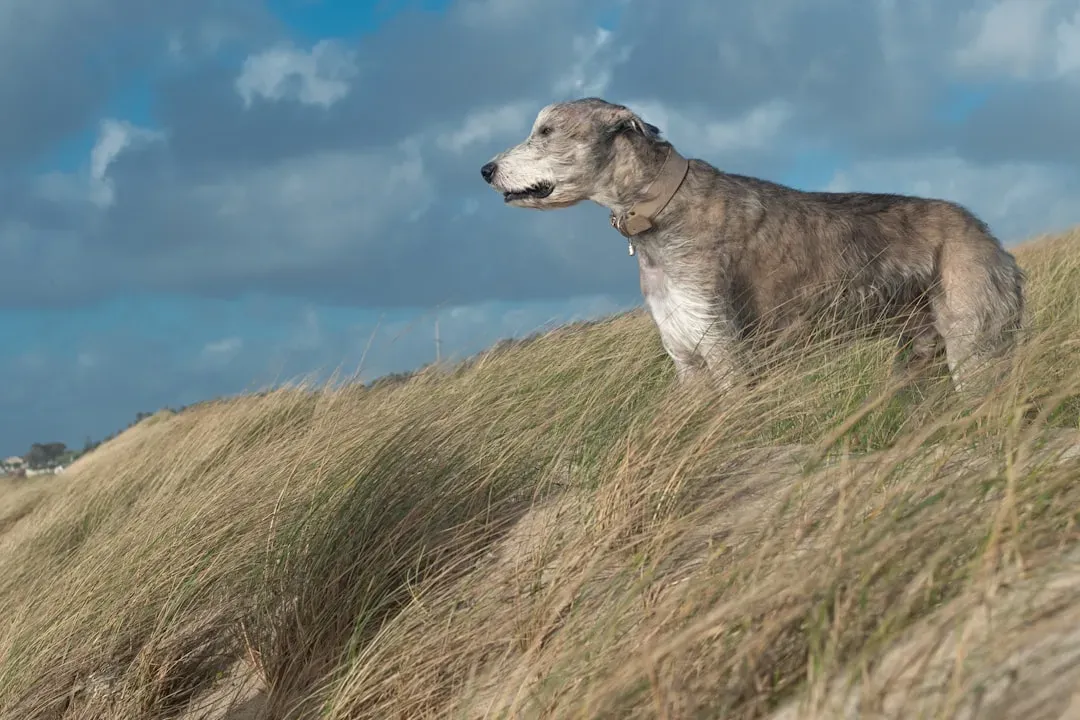
This one sounds almost mystical until you actually watch it happen. Dogs are exquisitely sensitive to barometric pressure, temperature, and light, and the weather on the day they were collected often becomes the emotional wallpaper of that whole memory. A stormy afternoon, a blistering parking lot, a freezing dawn transport – all of it weaves into the story their body tells itself about that day.
Later, on eerily similar days, some dogs go strangely off with no obvious trigger: pacing when rain starts, clinginess at dusk, an odd stillness on bright winter mornings. Not every quirk is trauma, but it’s naive to assume weather can’t act as a switch for old, buried feelings. Owners love to say “he always gets weird when it rains” like it’s just a personality trait, when the more honest read might be: rain feels like the day everything changed.
#14 – The Other Animals They Left Behind (or Met)
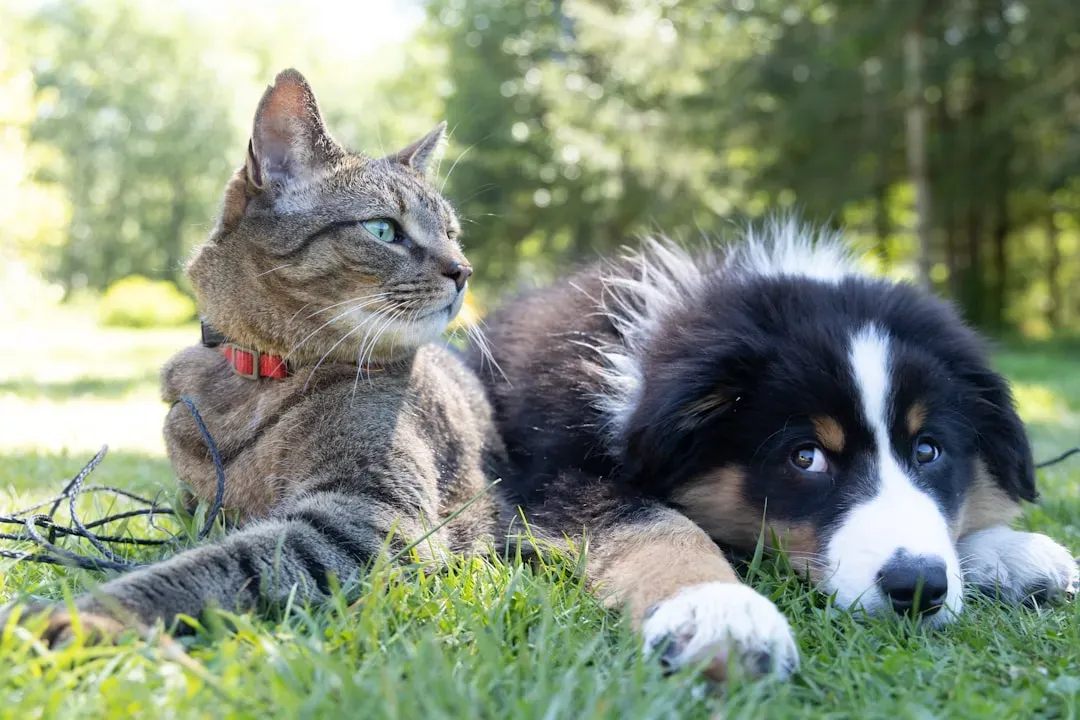
Humans fixate on human goodbyes, but dogs often remember which animals were there when they left – the sibling they slept curled against every night, the older dog who guarded the food, the cat who swiped at noses on the way out the door. That final frantic barking or nose-touch isn’t drama. It’s a pack animal logging a serious social rupture.
Some dogs respond by latching onto resident animals in their new home with almost eerie intensity, curling into a strange dog’s side like they’ve known them for years, or shadowing the cat obsessively. To us it looks adorable. To them, it’s strategic: I lost one group, I am not losing this one too. Other dogs, ones who left in conflict – bullied in a kennel, attacked at a foster home – carry the opposite association, treating new animals as danger from the first meeting. Forcing “instant sibling love” on that dog can reopen a wound you didn’t even know was there.
#15 – The Smell of You (and Your Emotions)
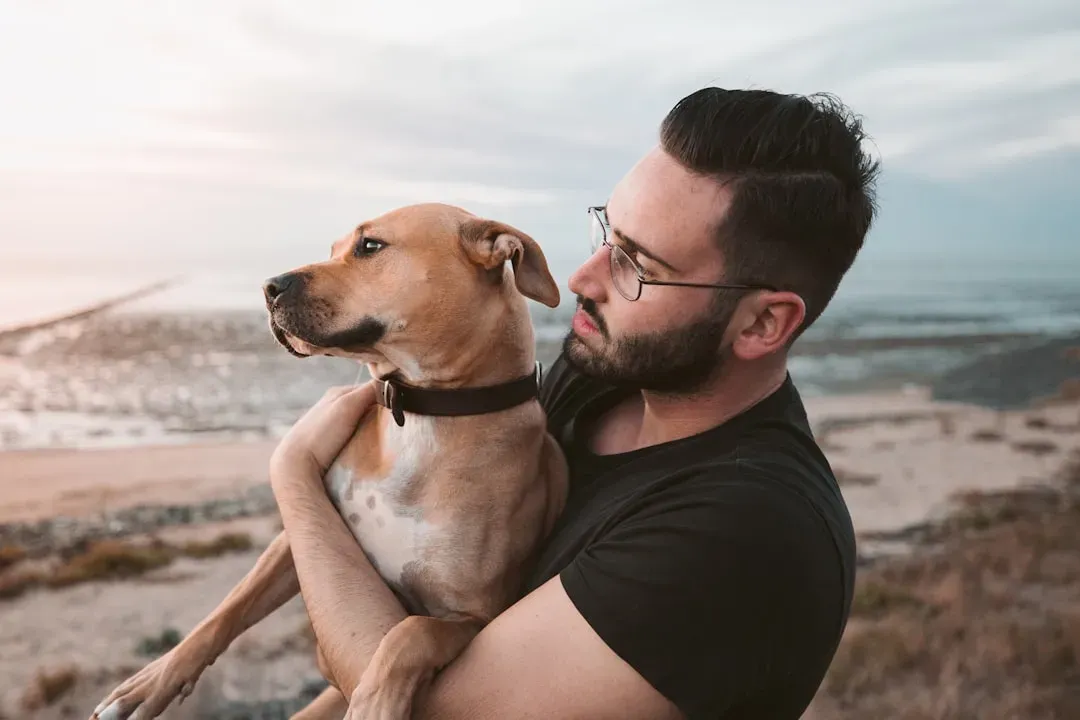
Here’s the part most owners genuinely underestimate: your dog remembers exactly how you smelled the day you took it home, and that smell included your emotions. Stress hormones like cortisol and adrenaline actually change your scent, so if you were crying, anxious, or arguing in the car, your dog absorbed that right alongside your shampoo and laundry detergent.
That’s why some dogs react disproportionately when you come home stressed from something completely unrelated to them – hiding, sudden clinginess, frantic appeasing behavior. They’re not reading your mind. They’re recognizing a familiar chemical signature and bracing for another seismic shift. On the flip side, if you were calm and grounded that day, your baseline scent gets tied to safety during massive upheaval, which is a big reason some dogs visibly exhale the second their person walks through the door, no matter what chaos surrounds them.
#16 – The First Time They Were Given a Choice
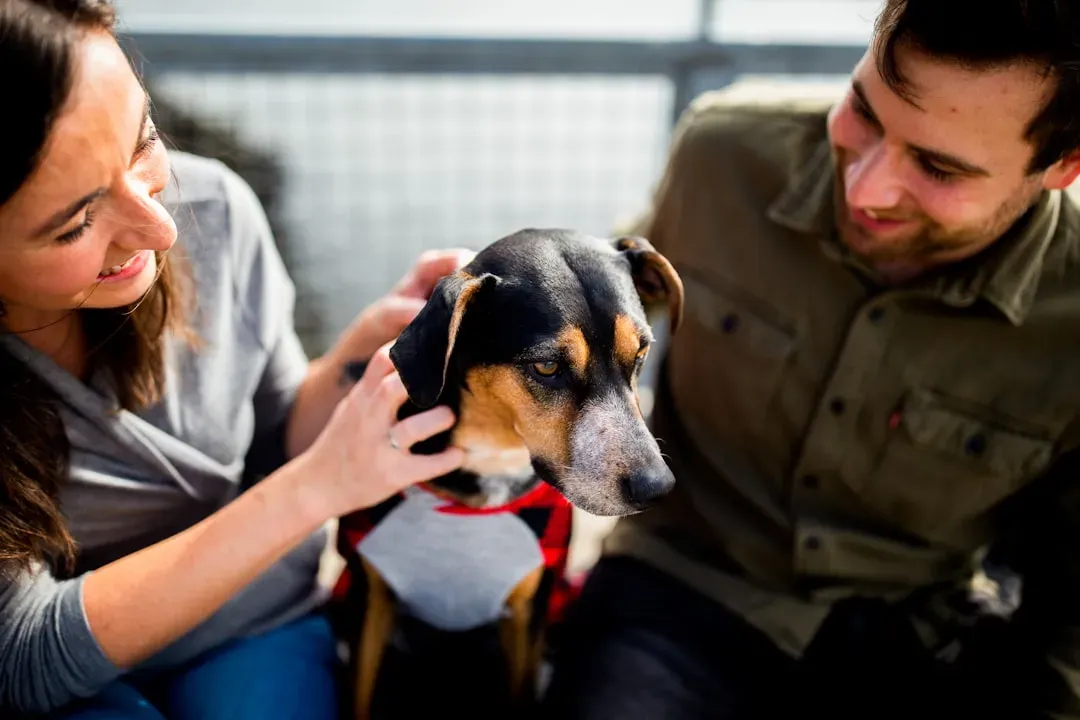
A wildly underrated memory: the first moment your dog realized it actually had agency in its new life. Which room to explore first. Whether to approach you or hang back. Which toy to pick. Dogs coming from harsh conditions are used to being pushed, dragged, or confined, and collection day is usually packed with non-consensual movement from start to finish.
That’s exactly why the first real choice in your home hits so hard. Some rescues actually freeze when given options – two beds, two doors, two people calling their name – because the absence of coercion is disorienting at first. But when they tentatively choose, and nothing bad happens, that tiny decision starts rewriting the internal script from “I am an object to be moved” to “I am a being that gets to decide.” Owners who micromanage every single step of day one often delay that realization by months.
At a Glance
- Approaching you or a new space without hesitation often signals growing security.
- Sleeping fully stretched out, instead of curled tight in a defensive ball, is a strong trust indicator.
- Holding eye contact briefly, then looking away and relaxing, suggests comfort rather than fear.
- Returning to the same spot near you again and again shows a dog has started choosing you back.
#17 – The Exact Moment They Realized They Weren’t Going Back
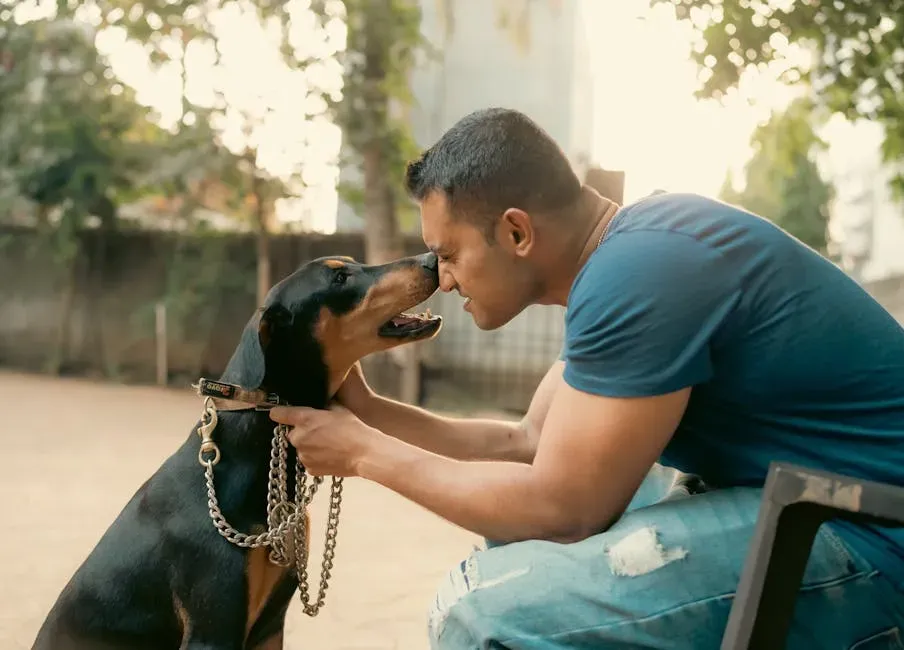
Every collected dog has a private timestamp – five minutes in, five hours in, five days in – when it finally understood: this isn’t temporary, I’m not going back. It’s usually a quiet moment. No violins. Maybe just a long exhale on your couch, a deeper sleep against your leg, or the first meal eaten without looking over its shoulder.
You can watch the micro-shifts if you know what to look for: the tail staying neutral for a whole walk instead of tucked, or a dog who finally follows you into a room and lies down instead of pacing. In that moment, your dog folds the sensory chaos of collection day into a new story – I survived that, and I’m still here. It remembers exactly how you behaved at that turning point, whether you brushed it off as “just the dog” or met that trust with your full attention. That memory, not the toys or the fancy food, is the actual bedrock of your relationship.
The Bottom Line
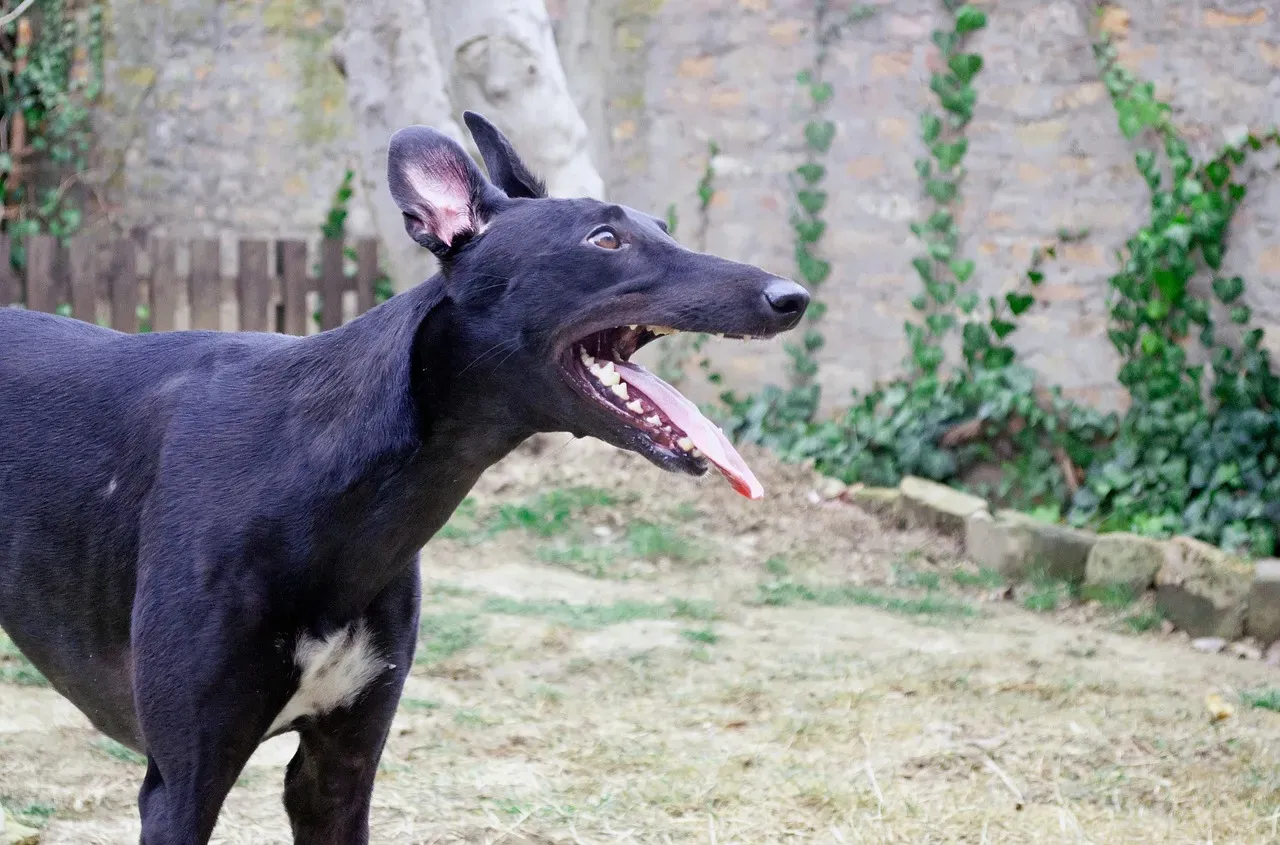
The comforting myth is that dogs forget the hard parts once they’re “safe now.” The truth is harder, and honestly more respectful: dogs are walking archives of the day their lives got ripped up and rebuilt. They remember the smell in the car, the sound of the shelter, the weather, the food, the faces, and above all, the feeling of a pack lost and a pack found.
Pretending those memories don’t exist doesn’t protect your dog. It just gives us an excuse to stop listening. If anything, the honest version of this story is a little confrontational: your dog isn’t a blank slate you rescued into a fresh start. It’s a survivor, still quietly negotiating a new contract with you using data collected on that exact day. Owners who accept that build calmer, steadier, more honest bonds than the ones still clinging to the old line that dogs only live in the moment. We know better now. The only real question left is whether you’re willing to treat your dog like it remembers more than you’d like to admit.