
17 Things a Dog Still Remembers From the Day It Was Collected That Owners Assume Were Lost
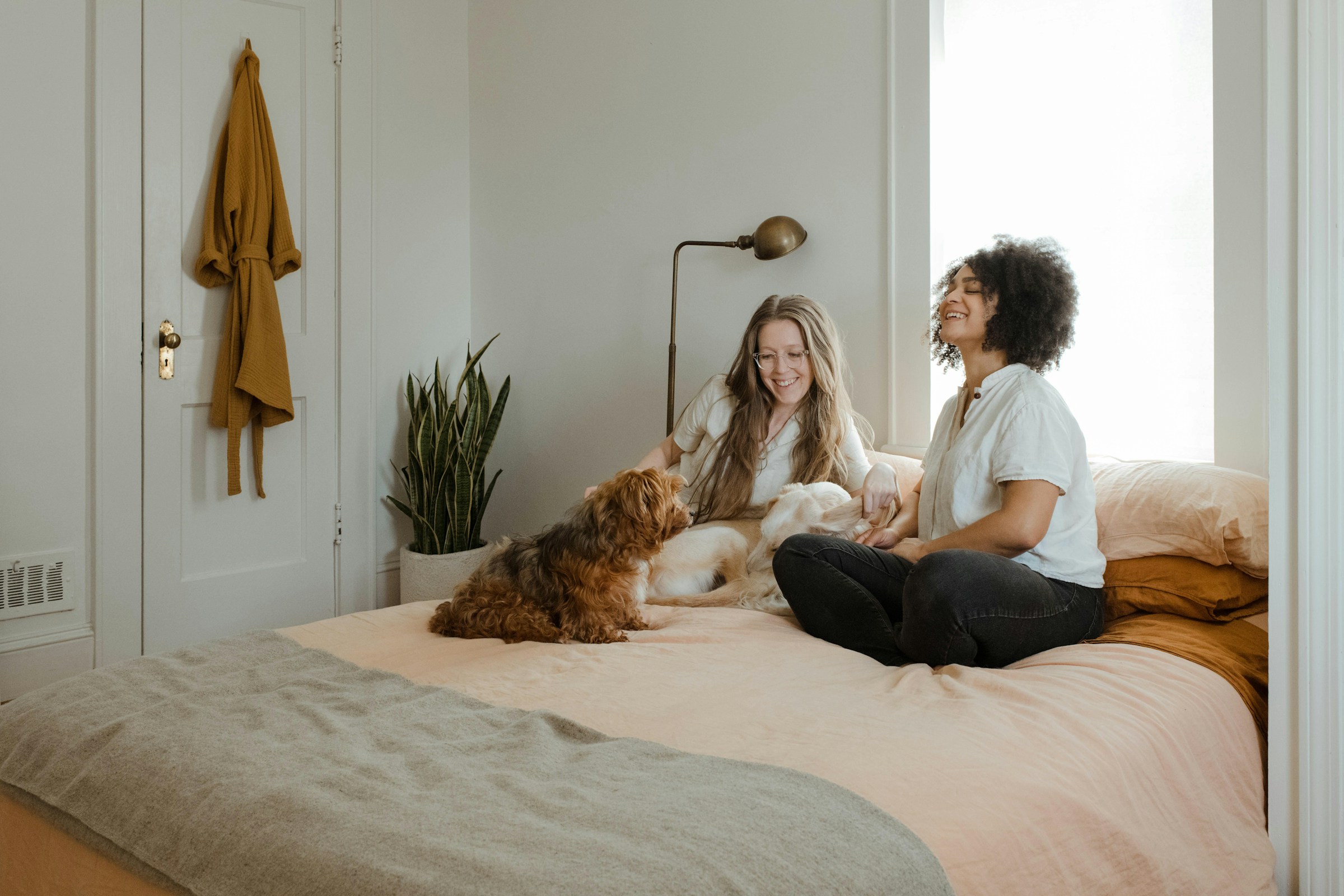
You watched your dog trot happily through your front door months or years ago and quietly told yourself the past was over. New name, new leash, new bed – surely whatever came before just evaporated, right? That comforting story is mostly a myth.
Dogs don’t store memories like a movie reel, but they lock onto emotionally charged moments with startling precision, and the day they were collected is one of the most charged moments of their entire life. That flinch at jingling keys, that weird pause at the front door, that one spot on the walk where they suddenly slow down – none of it is random. It’s memory, quietly steering behavior years later, and here’s the proof.
#1 – The Exact Smell of That First Car Ride
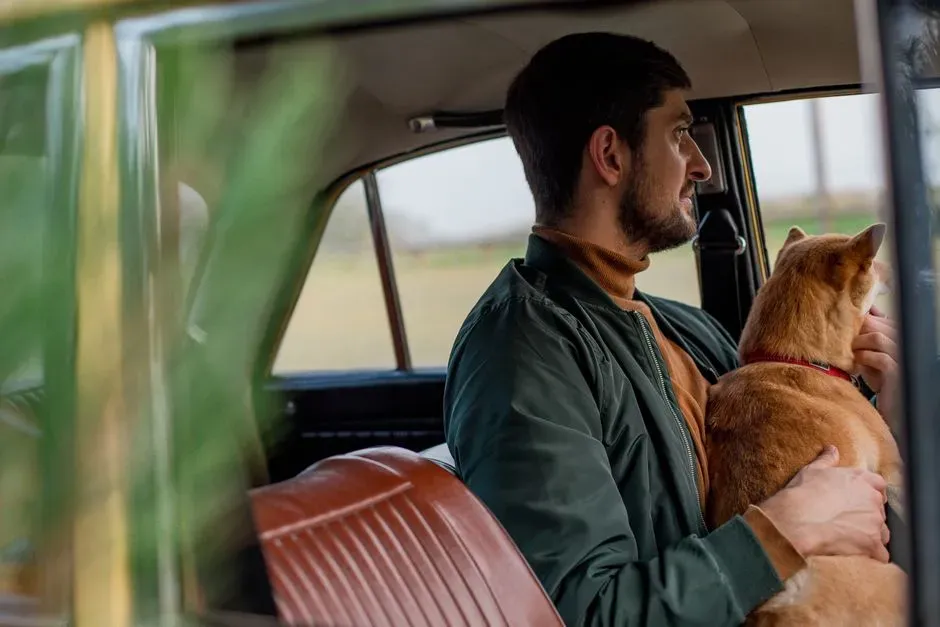
That first car ride is usually chaos for a dog: new humans, unfamiliar motion, and a flood of scents they’ve never processed together before. While we remember the visuals, dogs build memory mostly out of smell. Your dog can likely still recall the specific blend of car upholstery, your clothes, and even the air freshener from that very first trip.
A dog’s nose is tens of thousands of times more sensitive than ours, and scent is deeply wired into emotional memory. If that first ride was calm – windows cracked, soft voice, smooth driving – your dog may still associate car rides with safety. If it was loud, rushed, or made them nauseous, they may tense up the second the door shuts. Owners often mislabel this as “random car anxiety” when it’s really the brain replaying that first intense scent-and-feeling combo.
Fast Facts
- Dogs have up to 300 million scent receptors in their nose, compared to roughly 5-6 million in humans.
- A dog’s sense of smell is estimated to be 10,000 to 100,000 times more sensitive than a human’s.
- The portion of a dog’s brain devoted to analyzing odors is proportionally about 40 times larger than ours.
- Because scent and emotion are so tightly linked in a dog’s brain, a single powerful smell can lock in a memory almost instantly.
#2 – The Panic (or Relief) of Leaving Their Old Territory
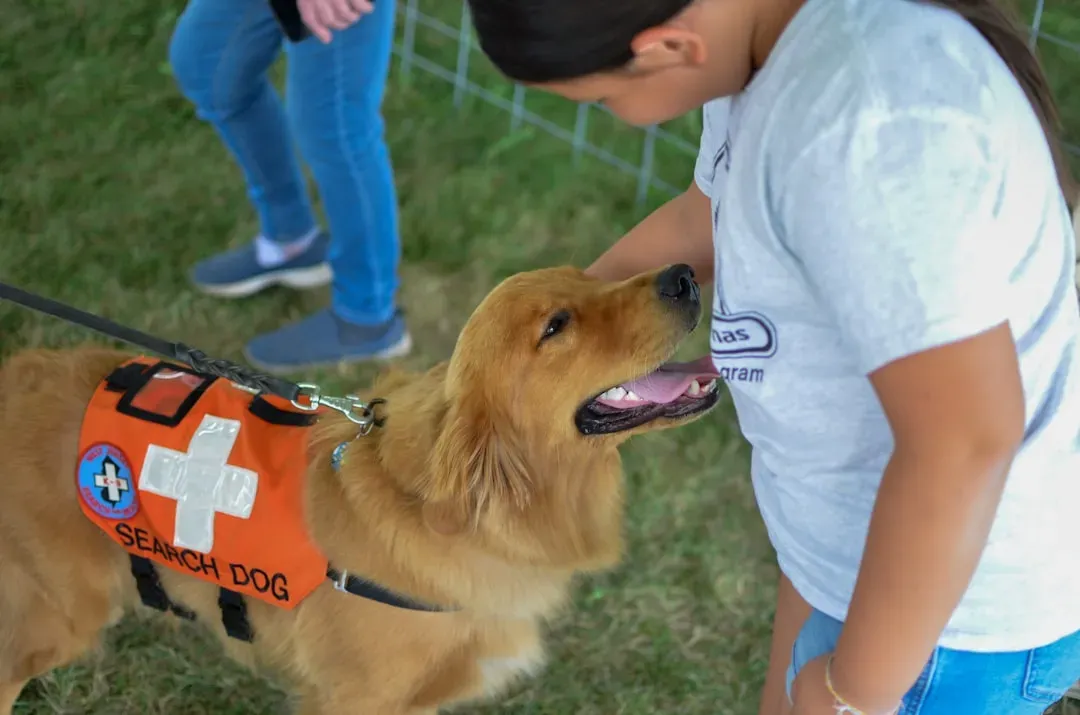
We romanticize “gotcha day,” but for the dog, it can feel like being pulled off their home planet. Dogs map the world through scent-based territory: the yard, the kennel run, even the patch of concrete outside a shelter door. They remember exactly what it felt and smelled like to be lifted out of that known territory into the unknown.
Sometimes that memory is panic, sometimes it’s relief. Dogs escaping neglect or noise often show an eerie calmness – a “shut down” look that signals overwhelm, not indifference. Dogs pulled from loving but crowded homes may show frantic whining instead. Months later, this can resurface as hesitation at gates, thresholds, or new walking routes. They’re not being stubborn. They remember what it means when the ground under their paws changes.
#3 – The First Human Voice That Chose Them
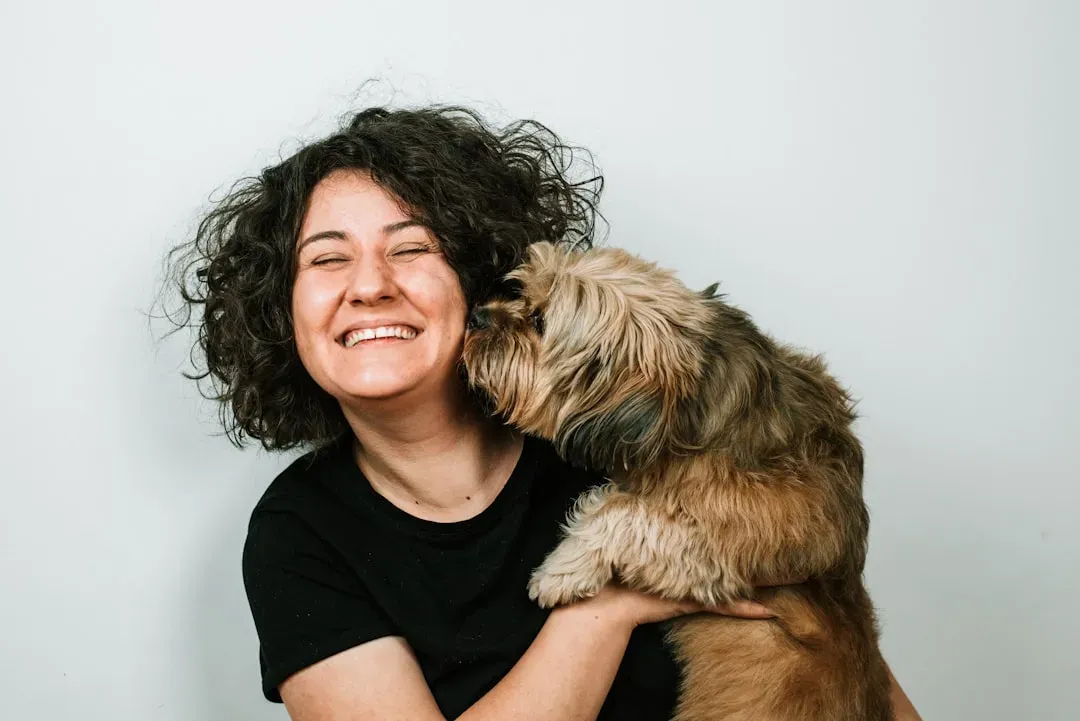
You probably remember what you said – “Hey, buddy” or “Oh my gosh, look at you.” But what sticks with a dog is less the words, more the pattern: tone, rhythm, volume. Dogs are absurdly good at storing the emotional contour of a voice, especially in big moments.
If the first voice that truly focused on them was soft, high-pitched, and slow, that becomes the template for “safe human talk.” Slip into that same cadence years later, and you’re not just speaking – you’re replaying the exact moment they went from background noise to somebody’s dog. If the process was rushed or loud instead, a shelter worker shouting over barking, that soundscape can weld itself to anxiety. That’s why some dogs melt at a whisper and flinch at a normal conversation.
#4 – The Smell of Fear – Yours and Theirs
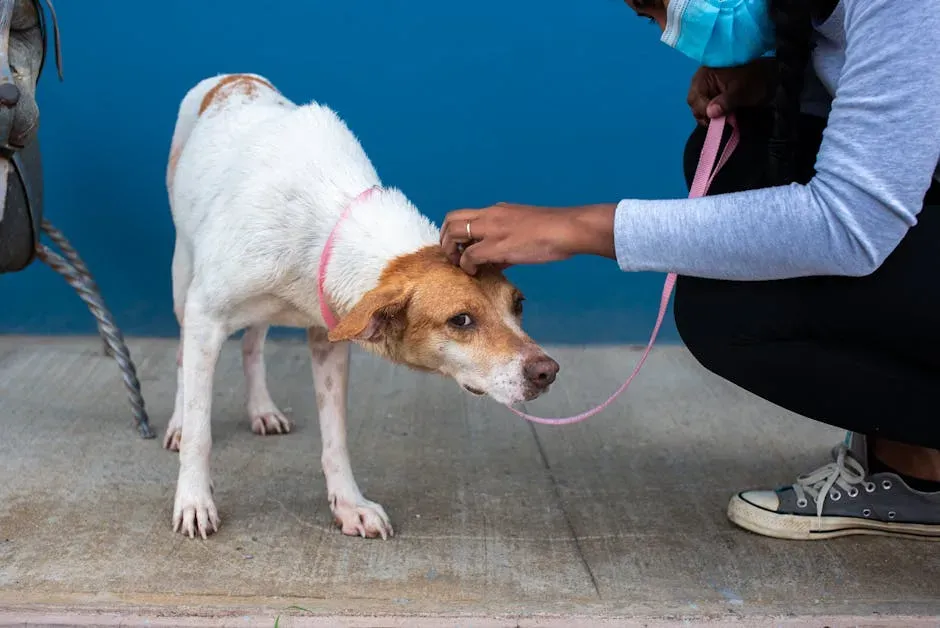
We don’t like to admit it, but many people pick up a dog while terrified they’ll “mess it up.” Dogs notice. They smell the sweat, the hormonal shifts, the micro-changes in your body that come with nervousness. Dogs quite literally smell your fear, and that scent imprint can fuse with their own stress from that day.
Two nervous systems locking eyes for the first time – one in a crate, one holding adoption paperwork with shaking hands. If you were tense or jerky, your dog may still associate certain handling, like reaching into a crate, with that shared fear cocktail. It doesn’t doom the relationship; many dogs become fiercely attuned to their person because of it. But that first “we’re both scared” moment leaves a groove that a certain smell, posture, or time of day can briefly rewind them back to.
#5 – The First Doorway They Stepped Through With You

Most owners think of “coming home” as the big scene. For the dog, it’s often the threshold itself – that first doorway you guided them through. Doorways are massive to dogs; they compress scent, light, drafts, and noise into one narrow funnel. Many dogs store their first “I belong here” or “I’m not sure I’m safe” feeling right at that entrance.
If you coaxed them through with patience – body turned sideways, a soft toss of a treat, gentle encouragement – they may still blast through that same door tail-wagging, because it’s coded as “my place.” If they were dragged or carried in while flailing, that doorway can stay suspicious forever. You’ll see it years later when they pause, look up, and only then step in. That’s the day they switched from “out there” to “in here,” and their brain never let the file go.
#6 – The First Bed, Blanket, or Floor They Were Allowed to Claim
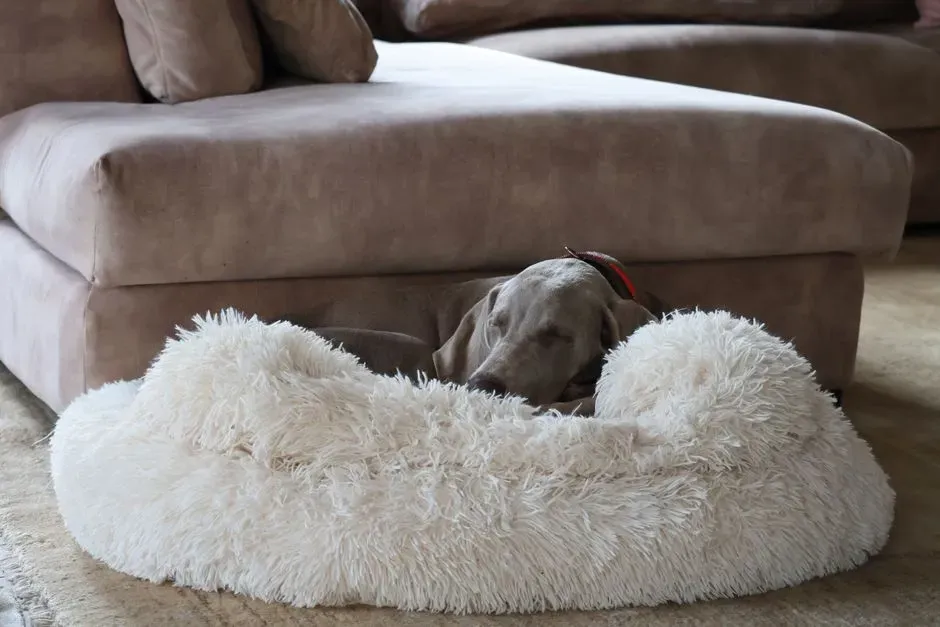
For a lot of dogs, the most underrated memory isn’t the car or the paperwork – it’s the first surface they were allowed to truly own. Not just sleep on, but own. Dogs remember the first place where their body could fully relax without being shoved, startled, or moved.
That might be a fancy dog bed, a dollar-store blanket, or the corner of your mattress you “accidentally” let them keep. If they came from a concrete run or wire crate, that first soft landing becomes an emotional anchor – which is why some dogs are obsessed with one old blanket or your hoodie from three homes ago. The fabric isn’t special; the memory is. On the flip side, a dog scolded for choosing the “wrong” spot on day one may become a permanent floor-sleeper, and owners mistake it for preference instead of a memory of correction.
#7 – The Taste (or Absence) of That First Meal With You
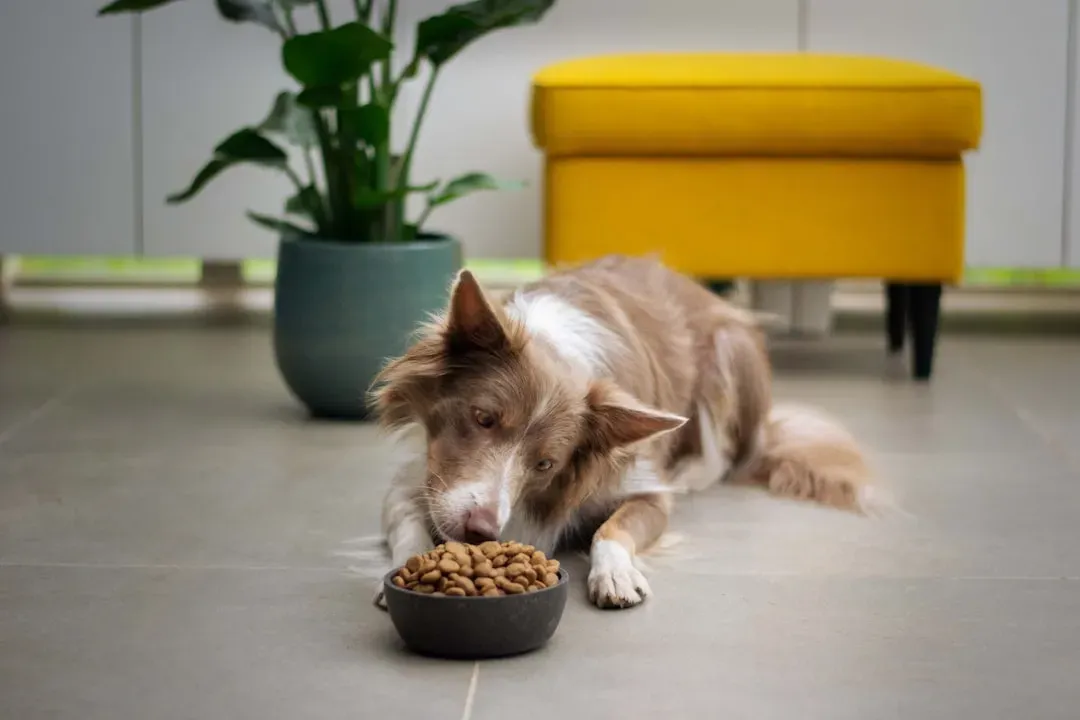
Most people assume dogs will inhale anything, anytime. But the first meal with a new human is loaded. Dogs remember not just what they ate, but how it felt to eat under that new gaze. That first bowl of food with you becomes a reference point for safety, scarcity, and trust around resources.
If the dog hadn’t eaten properly for days, that meal can trigger frantic gulping and guarding that never fully shuts off – you can switch brands a dozen times, but their brain still tags “new person plus bowl” as potential scarcity. Dogs given calm, uninterrupted time to eat often develop looser habits later. Dogs who had the bowl whisked away or other pets diving in may panic-growl if anyone approaches mid-meal. It isn’t bad manners. It’s a memory that eating with you present once meant fighting to keep what they finally got.
#8 – How Their Body Felt: Overstimulated, Sick, or Finally Relaxed
Humans over-focus on behavior; dogs store body states. The day they were collected often pushes their nervous system to the limit – car sick, trembling, panting nonstop, or so exhausted they zoned out. Their brain files that cocktail of physical sensations right alongside you, your car, and your home.
That’s why some dogs shiver at the sight of a crate or drool the second the engine starts, even if nothing “bad” ever happened later. On the softer side, a dog that finally got uninterrupted sleep that day – no kennel noise, no crowding – may remember you as the person their body first fully exhaled with. Many humans misread this as “clingy” when it’s really: this is the body I had when I finally felt okay. That somatic memory is stubborn; it can outlast training, new routines, even new homes.
#9 – Who Was Gentle (and Who Wasn’t) With Their Leash and Collar
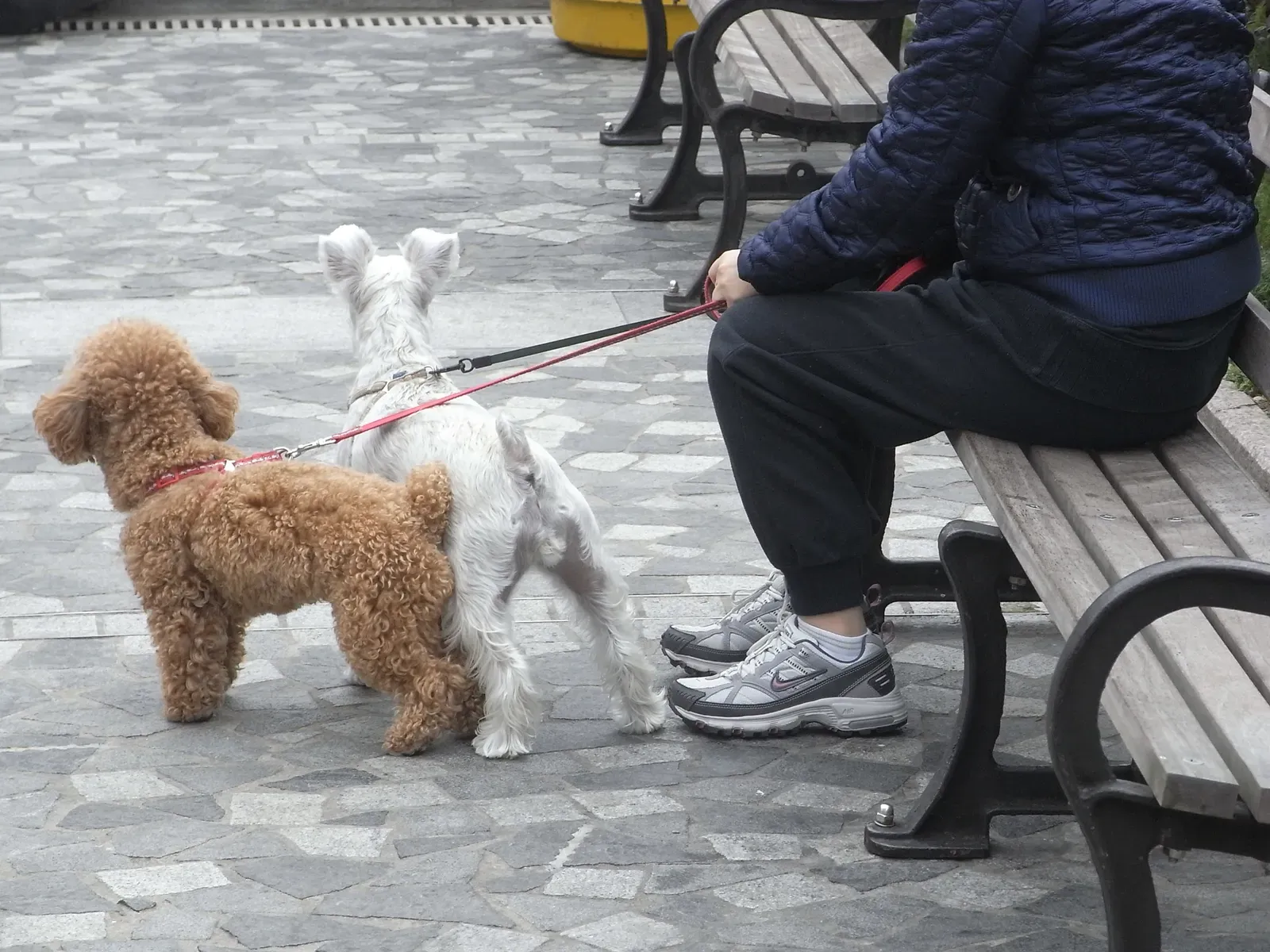
Leashes and collars are not neutral tools in a dog’s memory. The first time that pressure hits their neck or chest on “gotcha day” sets a tone for years. Dogs remember whether those first tugs felt like guidance, confusion, or punishment.
A collar yanked tight while rushing a dog out of a shelter can fuse “leash pressure equals panic.” If someone crouched down, slipped the collar on slowly, and let them sniff the leash first, that same dog may now happily shove their head through it. A dog dragged across slick floors or pulled away from kennel-mates can internalize lasting distrust of any equipment – showing up later as harness drama or flattening at the sound of a buckle click. People chalk it up to personality. Their body just remembers the exact sequence: metal jingle, tightness, pull.
Quick Compare
- Gentle introduction: collar slipped on slowly, leash sniffed first – often becomes calm confidence around gear later.
- Rushed introduction: collar yanked tight, quick clip-and-go – can turn into flinching at a buckle click for years.
- Unhurried first walk: loose leash, room to sniff – leash starts to mean freedom.
- Forced first walk: dragged across floors or pulled from other dogs – leash starts to mean conflict.
#10 – The First Object They Were Allowed to Chew or Carry
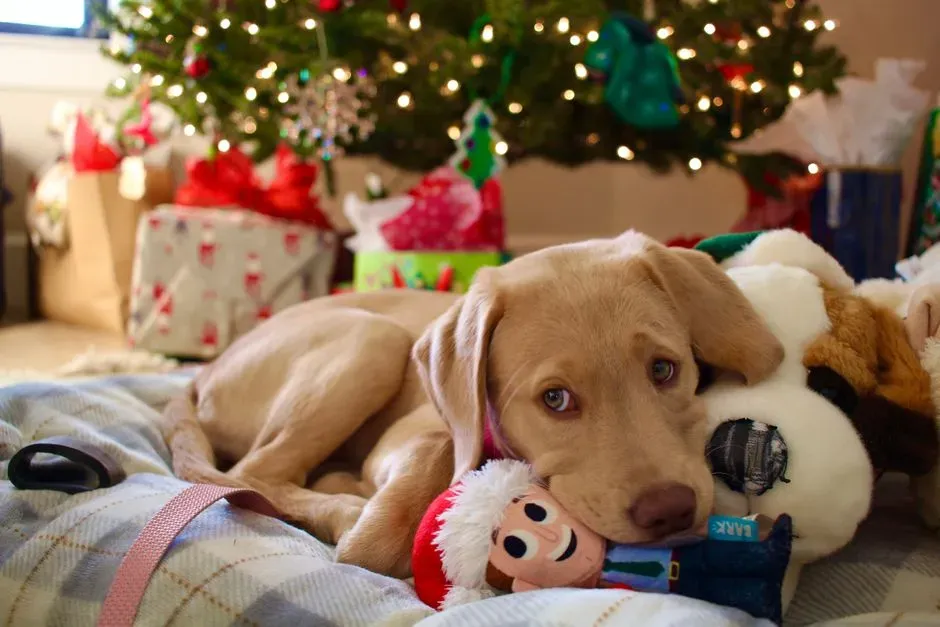
You probably remember the first toy you bought. So do they, but not because it was cute. Dogs experience ownership differently. The first object they were allowed to chew, shred, or guard without losing it becomes an emotional landmark.
It’s permission: this is yours, and nobody is taking it away. For some dogs, that object is weirdly specific – a plastic bottle, a slipper, a random stick from the yard. If you laughed or simply let it be, their brain tagged that texture as safe joy, and you’ll see the preference resurface for years. On the darker side, if their first “prize” was snatched back with yelling or chasing, that can hardwire resource guarding for life. It’s rarely “stubborn breeding.” It’s one bad lesson: humans chase what I like, so I must protect it.
#11 – The First Time They Heard Your Household’s Signature Sounds
Every home has a soundtrack: a coffee machine, a loud TV intro, a washing machine’s spin cycle, kids yelling from upstairs. Dogs don’t just hear this; they map it as “normal” or “threatening” almost immediately. The first day’s soundscape becomes the baseline their nervous system calibrates to.
If it was overwhelming, they stay jumpy longer. If it was steady and predictable, they settle faster. That’s why some dogs lose their minds at a doorbell in a movie but snooze through the real one. A dog collected directly into a noisy house may tag constant noise as safe background, while a dog from a quiet rural shelter might experience the same environment as an ongoing alarm. They just learn where to hide when that specific blender or garage door starts – because it was there, loud and confusing, on day one.
#12 – The First Person Who Ignored Them on Purpose
This one shocks people. We assume attention is the currency dogs crave most on day one. In reality, many overwhelmed dogs remember the first human who didn’t push themselves on them. That quiet person on the couch who let them approach – or not – often becomes their long-term safe base.
From the dog’s point of view, this is radical: everyone else is trying to pet, photograph, or coax them, while one person simply exists nearby. No reaching over the head, no forced cuddling. These dogs often follow that person from room to room or seek them out during thunderstorms. Is that favoritism? Maybe. It’s also memory – this is the first human who let me choose. Meanwhile, the enthusiastic relative who grabbed and squeezed on day one may never be fully trusted, no matter how many treats they offer later.
#13 – The First Space They Were Confined To (or Free to Roam)
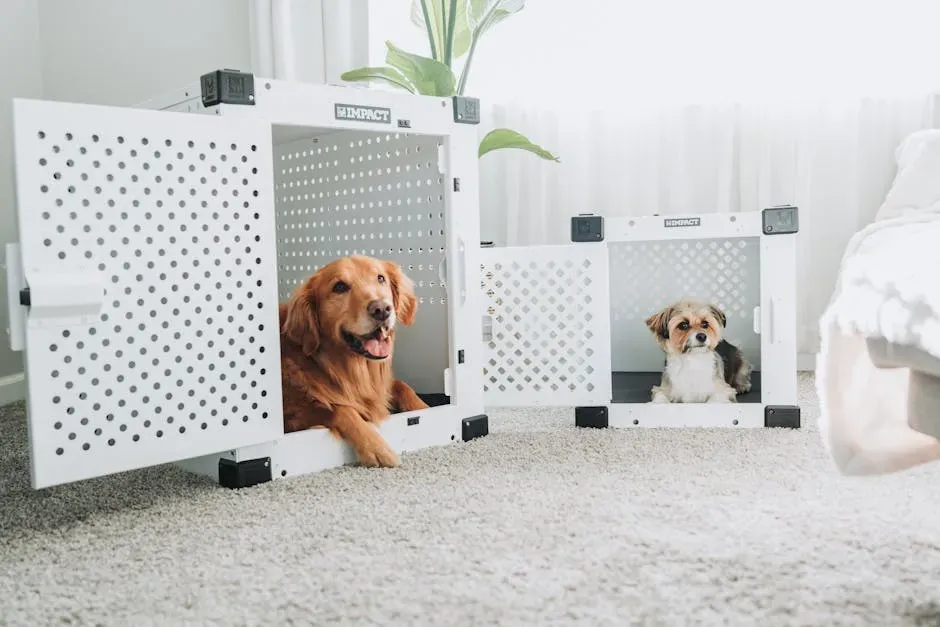
Crates, baby gates, closed doors – these aren’t just management tools. The first space you confined a new dog to is a message. Dogs remember whether their first limits felt like safety or exclusion.
A calm, covered crate with a chew can become a lifelong den. A bathroom with no bedding and a slamming door can become a mental red flag. A thoughtful quiet “landing zone” with water and a soft bed can turn into a lifelong sanctuary they return to when overwhelmed. But a dog rushed into a laundry room “to calm down” after excited greetings may associate solitude with punishment. Owners misread later reluctance as stubbornness instead of what it really is: I remember what happened last time you shut me in there.
#14 – The First Walk Route and Where It Ended
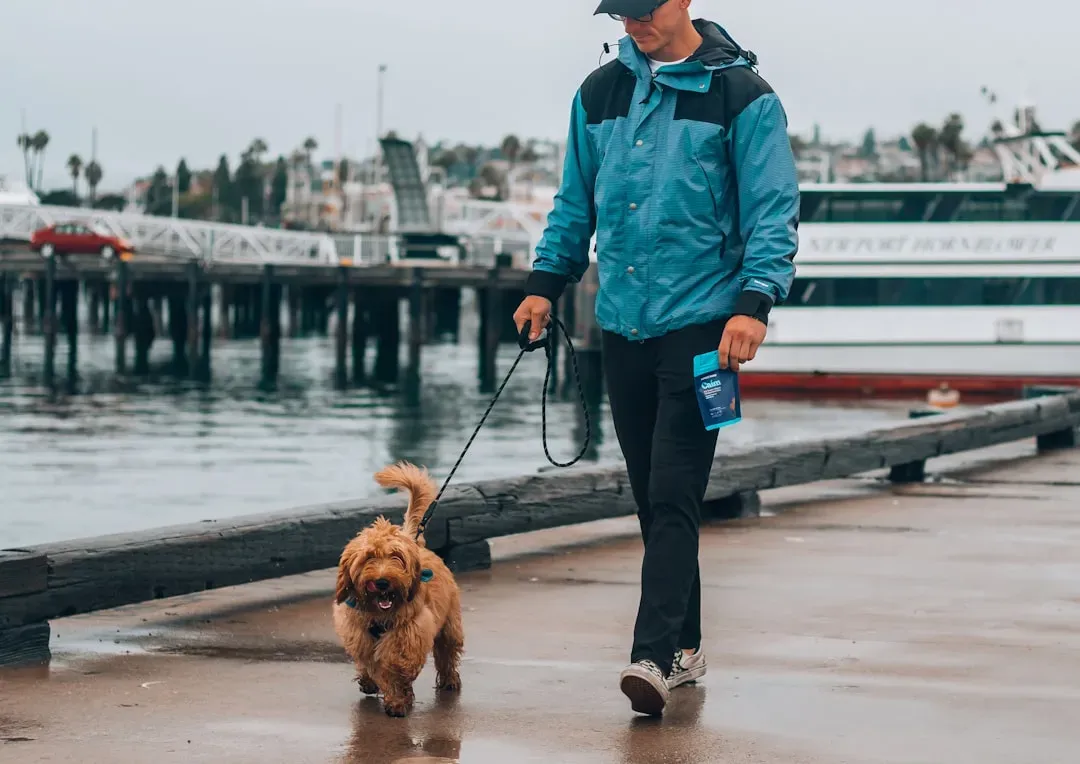
Your dog’s first walk with you isn’t just exercise; it’s a mapping event. Dogs track landmarks through smell, texture underfoot, and emotional peaks. They remember where that first walk started, what surfaces they crossed, and especially where it ended.
Did you rush them, let them sniff, or drag them from interesting spots? If that first walk ended by returning to a stressful environment, the end of walks can feel like a loss instead of a relief – that’s the dog who balks a block from home. If the walk led back to food, play, or cuddles, “coming home” codes as positive in their mental GPS. Certain corners or driveways from that first loop become emotional waypoints, which is why your dog tenses or brightens at the exact same spot every single time.
Worth Knowing
- Dogs build mental maps mostly from scent trails and ground texture, not from visual landmarks the way people do.
- A walk that ends somewhere calm tends to get coded as a reward; one that ends somewhere stressful gets coded as a warning.
- Repeated hesitation at the same corner or driveway is rarely random – it’s usually a stored emotional waypoint.
- Letting a dog sniff freely on early walks can help build lasting confidence in new environments.
#15 – The First Time They Were Corrected – Fairly or Unfairly
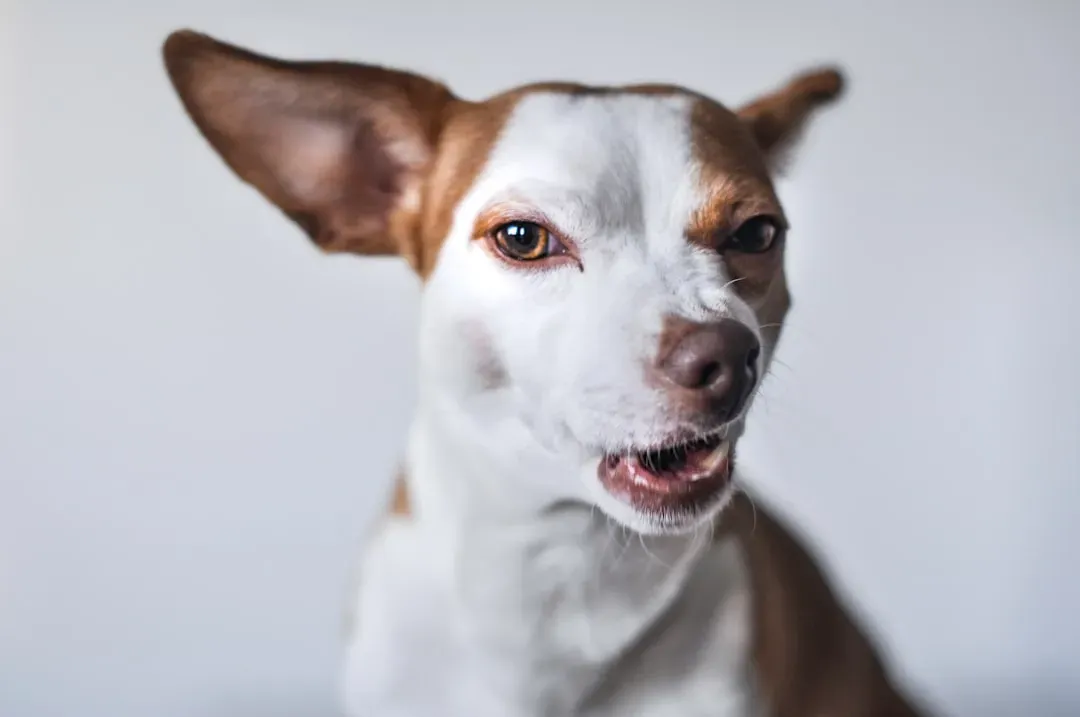
Everyone slips. A knocked-over trash can, an accident on the rug, a jump on grandma’s shirt – and suddenly that sweet “new dog day” turns into the first scolding. Dogs remember the first time a new human’s energy flips from soft to sharp.
Whether that correction was fair or just a stressed human snapping, it becomes a reference file. Calm redirection teaches a dog that mistakes don’t equal danger. But if the first correction involved shouting or grabbing their collar, it can seed lifelong anxieties: flinching when you stand up quickly, cowering when you reach for their collar. Owners often shrug it off as “he must have been abused before,” when sometimes it was just one harsh, confusing moment on day one. The dog doesn’t know you were exhausted. They only know your energy turned, and it was scary.
#16 – The First Time They Truly Felt Claimed
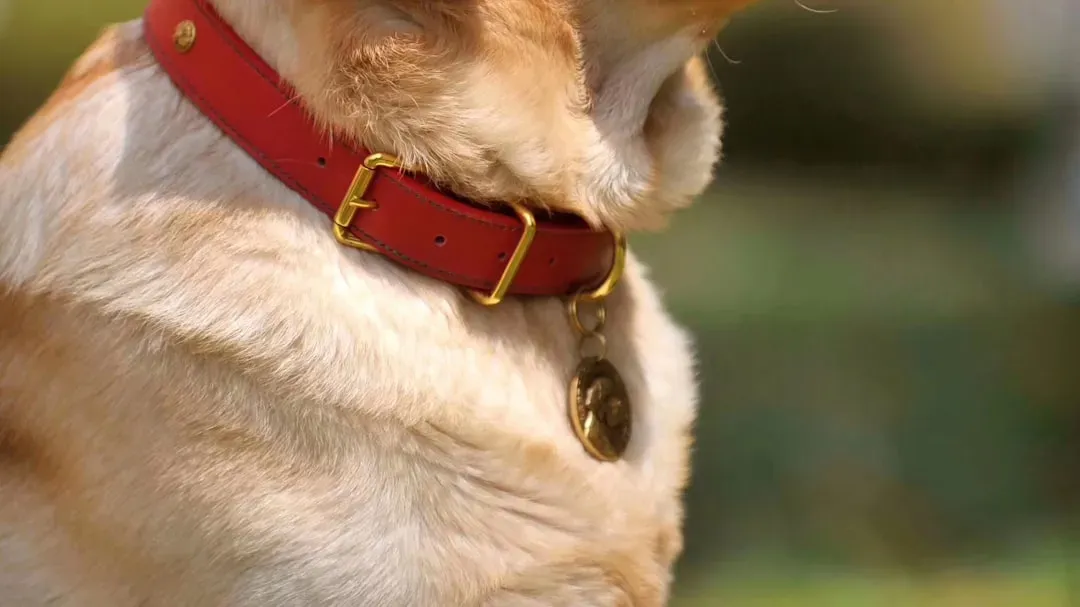
There’s often a single instant where it clicks for a dog: this is my person. It might be when you clipped on a tag with their new name, brushed out their matted fur, or tucked them under a blanket on the couch. Dogs remember that first gesture that felt less like handling and more like claiming.
Not ownership in a legal sense, but emotionally: you’re mine and I’m yours. That’s why some dogs react so intensely to their collar, bandana, or your smell on a shirt – those objects are tied to the first time someone invested in them as an individual instead of a burden. Dogs who never get that clear moment, kept at arm’s length “just in case it doesn’t work out,” often stay restless and unsure. We like to pretend dogs live only in the present, but this kind of memory proves otherwise.
Why It Stands Out
- It’s often the first moment a dog is treated as an individual, not just “the dog.”
- Objects tied to that moment – a tag, a bandana, a worn T-shirt – can become lifelong comfort items.
- Dogs denied a clear claiming moment often stay guarded even in loving, stable homes.
- This memory tends to outlast almost every other from day one, because it answers the biggest question: am I someone’s?
#17 – The Feeling in Their Chest When You Closed the Door That First Night
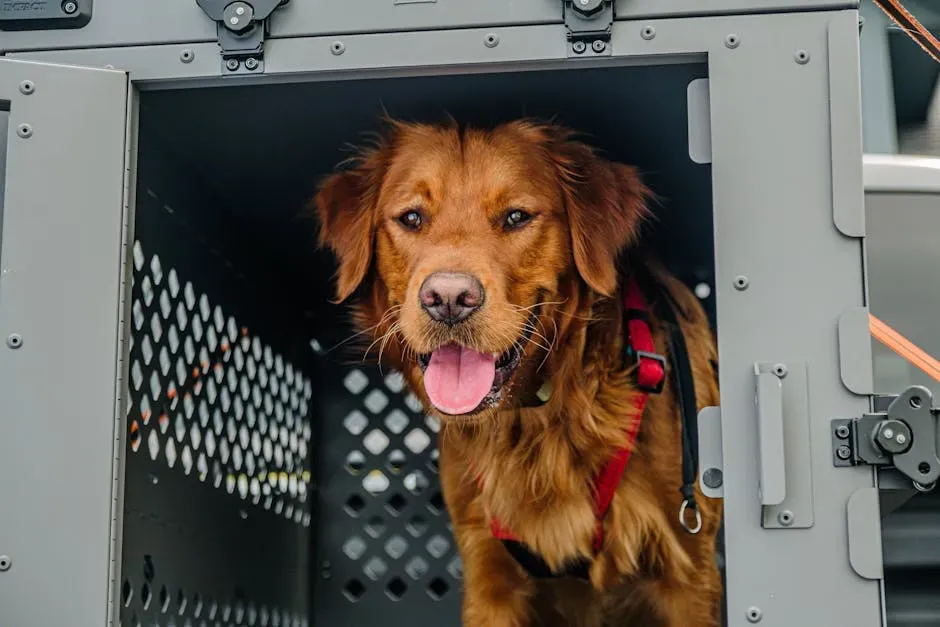
For many dogs, the single strongest memory isn’t the car, the food, or the leash. It’s what happened when the lights went off and the door closed that very first night. That’s when their nervous system finally decided: am I safe here or not?
The emotional imprint from that window, roughly the last hour before sleep, can echo through their entire life. If they were left crying in an unfamiliar crate, their brain may pair nighttime with abandonment for a long time – that’s the dog who still paces or whines months later. If you slept nearby or checked on them when they stirred, they remember that too, which is why so many dogs become “night guardians,” curling by bedroom doors not out of dominance but out of gratitude that you made a terrifying night less so.
We like to believe dogs come to us as blank slates, ready to overwrite whatever came before. The truth is harsher and more beautiful: they carry a handful of ultra-charged memories from the day they were collected, and those memories quietly steer everything. The first car ride, the first doorway, the first meal, the first correction, that first night – none of it is forgotten just because they wag at you now.
This doesn’t mean you’ve ruined anything if day one wasn’t perfect. It means the details matter more than the Instagram post. Dogs are forgiving, but they are not amnesiac, and honestly, I think that’s the part we get wrong most often – we want their loyalty to be simple, unconditional, almost magical. It isn’t. It’s built, moment by remembered moment, on whether you were the calm voice or the tight collar, the patient hand or the slammed door.
If anything here stung a little, good. That’s the starting point for doing better, not for feeling guilty. So which of these seventeen memories do you actually see in your own dog’s behavior – and which one do you think the rest of us are still underestimating?