
18 Weekly Patterns a Dog Tracks Closely Enough to Know Which Day It Is
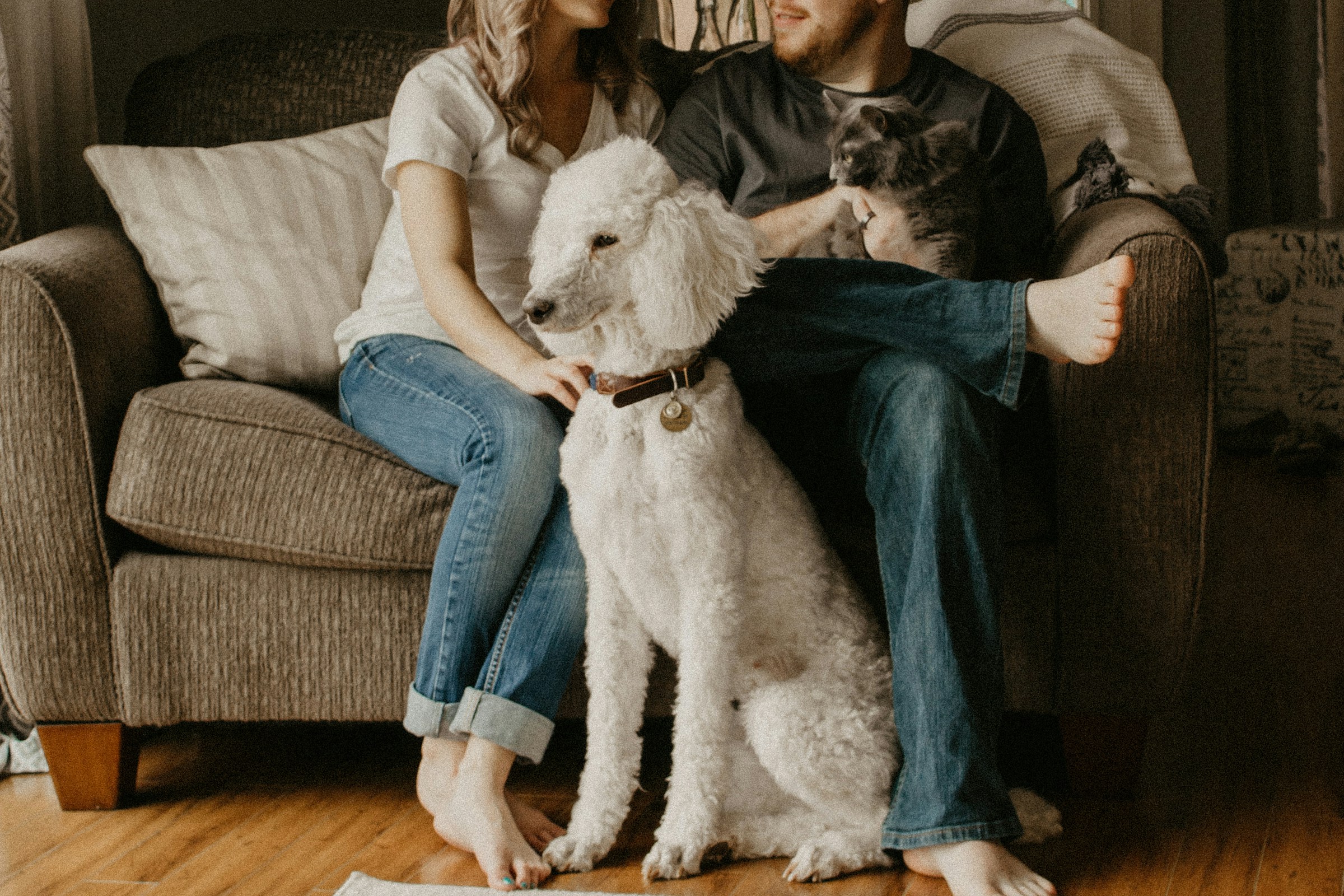
Ask most people and they’ll tell you dogs have zero concept of time – that every day blurs into the same soup of naps, meals, and door-watching. Then try explaining why your dog gets weirdly clingy every Sunday night, parks himself by the window ten minutes before your partner’s car turns the corner on Thursdays, or starts vibrating with joy before you’ve even put your shoes on for “park day.”
That’s not a coincidence, and it’s definitely not magic. Dogs are running a quiet, relentless surveillance operation on your life – tracking scent, sound, light, and your own habits like a furry data analyst clocking in for another shift. Here are the 18 weekly patterns dogs lock onto so tightly that they genuinely seem to know which day it is, and a few of them might make you feel a little exposed.
#1 – The Workday vs Weekend Wake-Up Test
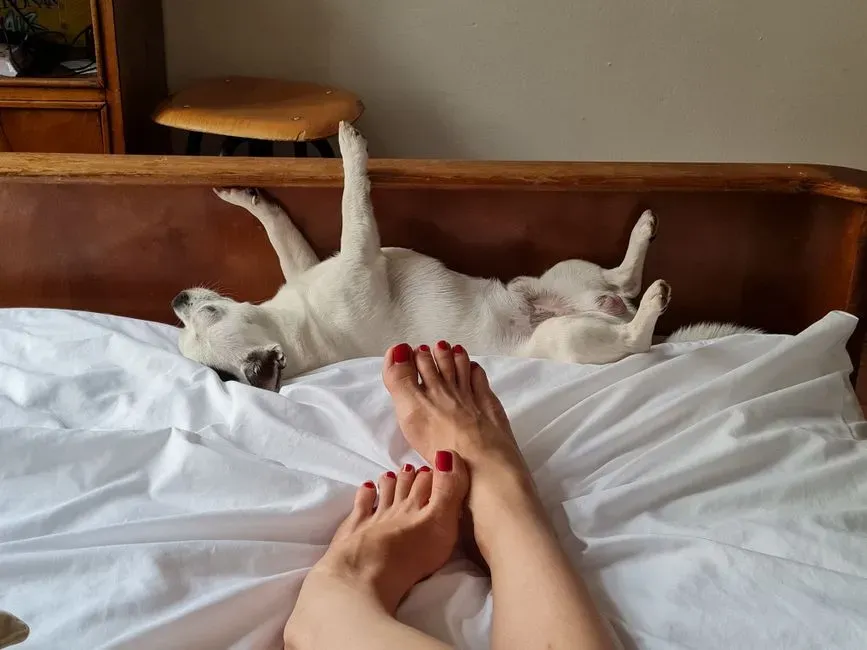
Your dog’s first clue about what kind of day it’s going to be starts the second your feet hit the floor. Weekday mornings run on a tight, almost robotic script: alarm blares, phone gets checked, coffee gets inhaled, keys jingle within twenty minutes. Weekends blow that script up entirely – you hit snooze, mumble, roll over, and take twice as long to become a functioning human.
Your dog doesn’t own a calendar, but they absolutely read your body like one. Behaviorists note that dogs track patterns of movement and emotional energy far more than they track clock time, so a slower, softer Saturday morning gets filed away as its own category. Give it a few weeks of this and your dog starts anticipating “sleep-in day” the night before, curling up calmly on Sunday morning instead of body-slamming you awake the way they do Monday through Friday.
#2 – The Commute Countdown: Car, Keys, and Shoes
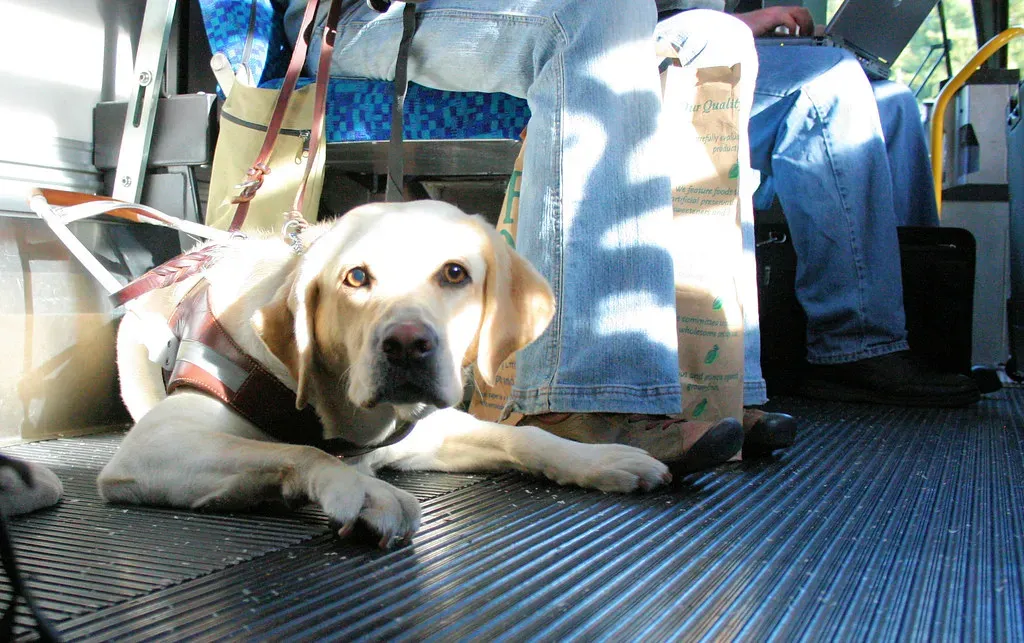
For a lot of dogs, the entire tone of the day gets decided by one thing: which shoes you put on. Office shoes, the work bag, the specific blazer that only comes out on weekdays – dogs connect these small visual details to a much bigger outcome, and they do it fast.
Add in the soundtrack: keys jingling at the same time every weekday morning, the garage door groaning at 4:50 p.m., the same podcast voice leaking out of your car speakers. Those become “time beacons” your dog quietly memorizes. It’s why some dogs start pacing by the door on the exact weekday you’re known to work late – they’re not guessing, they’re syncing to a pattern you didn’t even know you had.
#3 – The Garbage Day Alarm
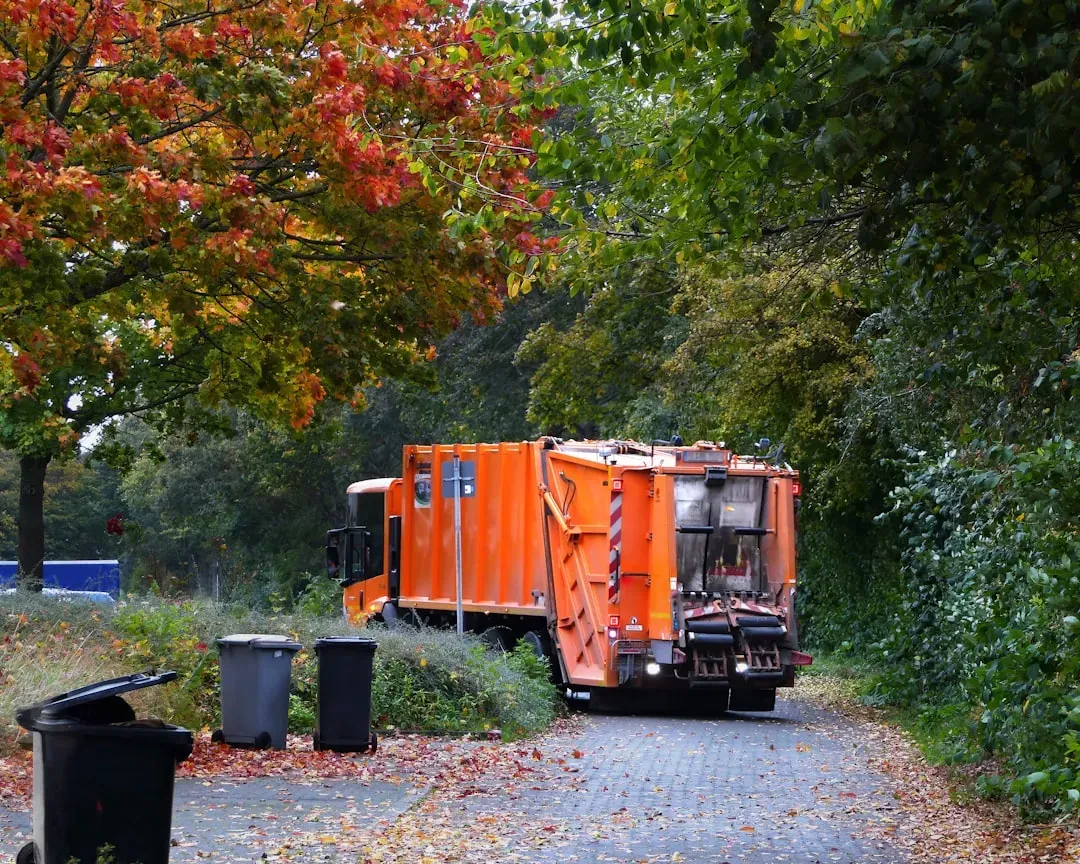
Ask any dog owner and they’ll confirm it: “trash day dog” is a real personality type. The morning those massive bins roll out, the truck groans down the street, and metal arms clank and slam, your dog goes on full alert, every single week, like clockwork.
That sound sequence only ever happens once or twice a week, which makes garbage day one of the most reliable markers in a dog’s mental calendar. Many dogs start reacting before the truck even arrives, because they’ve linked earlier cues – you dragging the bins out, muttering about overflowing bags – to what’s coming next. The pattern is so locked in that a missed pickup can leave some dogs genuinely rattled, like the week glitched.
Fast Facts
- Dogs can pick up on distant engine noise well before most humans notice it, thanks to a hearing range that stretches beyond 45,000 Hz versus roughly 20,000 Hz for people.
- An estimated 300 million scent receptors let dogs catch the earliest “trash day” cues, like bins being dragged out, long before the truck shows up.
- Because the sound sequence repeats on fixed days, it becomes one of the easiest weekly patterns for a dog’s brain to lock onto.
#4 – The Weekly Visitor They Obsess Over

Every dog has That Person – the dog walker, the cleaner, the neighbor, the grandparent who only shows up on one specific day a week. It sounds small, but it becomes one of the sturdiest posts in your dog’s mental structure.
They build this map through smell and sound: a consistent scent signature, a familiar knock, a leash that always seems to appear right after. Over time you’ll notice your dog start camping near the window earlier and earlier, but only on that one day, nowhere to be found at that same hour any other time. And when that person skips a week? Some dogs mope and keep checking the door anyway, like their calendar fell off the wall and nobody told them.
#5 – The “Special Walk” Day: Park vs Block Lap

You might think all walks are created equal. Your dog absolutely does not. If Saturday morning means the big park, or Friday evening means the dog beach, that outing becomes a fixed weekly anchor, not just a nice walk, but an event.
Dogs memorize the entire combination that predicts it: your clothes, the leash you grab, the treat pouch, the water bottle. One leash plus car keys plus backpack equals Park Day in their mind, and once that pattern is stable, they start getting hyped hours in advance, watching the door, tracking your every move toward the car. Mess with that rhythm even once and you’ll get the full, unmistakable “you forgot our day” stare.
#6 – Mealtime Micro-Shifts Between Days
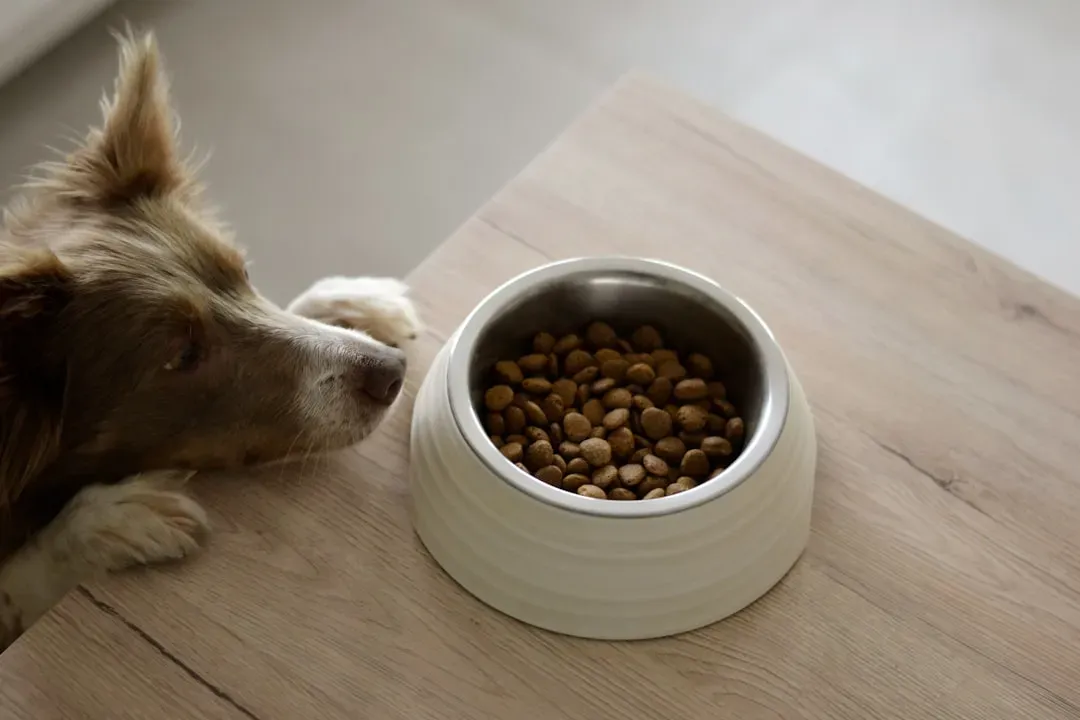
Dogs don’t wear watches, but they absolutely notice when dinner is late, and more than that, they notice when it’s late on a specific, recurring schedule. Feed them at 5:30 on gym nights and 6:15 on work-from-home days, and within a month your dog has quietly built themselves a weekly timetable.
Watch closely and you’ll catch it: pacing at 5:20 on Mondays and Wednesdays, total calm until closer to 6 on Fridays. Researchers have found animals can anticipate feeding windows using their internal circadian clocks, and dogs stack weekly variables on top of that – “owner in gym clothes” means food comes early, “owner glued to the couch” means it doesn’t. That’s why some dogs only whine aggressively on the specific nights dinner is running behind their private schedule.
#7 – Noise Patterns: Lawns, Leaf Blowers, and Delivery Days
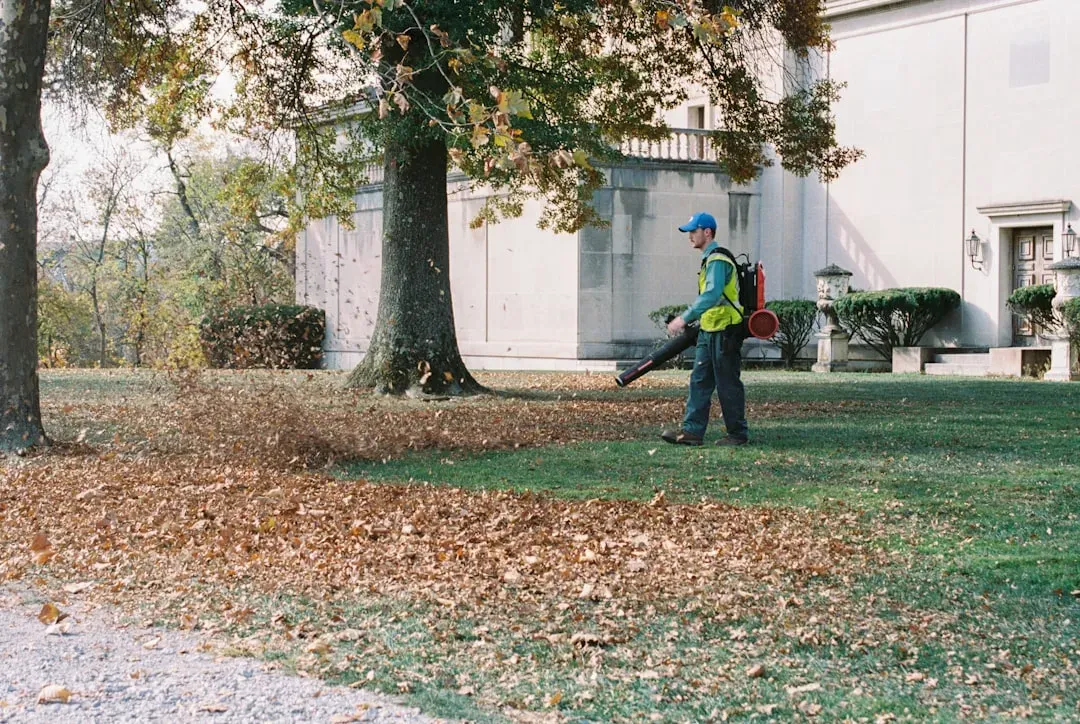
Every day of the week sounds different outside your window, and your dog is quietly cataloging all of it. Lawnmowers on Saturday. Leaf blowers on Monday. The same delivery van rumbling down the street every Thursday afternoon.
What registers to you as background noise is essentially a coded calendar to your dog. Yard crews hit the same houses on the same days, school buses vanish on weekends, and delivery trucks run predictable routes. Some dogs get visibly anxious on “yard crew day” and noticeably relaxed on the quiet midweek mornings, adjusting their entire energy level based on what today is supposed to sound like.
At a Glance
- Lawn crews and leaf blowers: often locked into the same day and time block week after week.
- School buses: vanish completely on weekends, resetting a dog’s midweek rhythm.
- Delivery vans: run predictable routes, creating a near-identical engine sound at a near-identical hour.
- Weekend streets: lighter overall traffic noise, which many dogs learn to read as a slower, calmer day.
#8 – Your Screen Time and Mood Shifts

Here’s the uncomfortable part most owners don’t want to think about too hard: your mood swings by day of the week, and your dog absolutely tracks it. Monday tension, Wednesday slump, Friday relief – these emotional loops repeat far more consistently than you’d like to admit.
Your dog learns which days you’re rushed and short-tempered, and which evenings you’re loose, playful, and talkative. Binge a show every Sunday afternoon and barely touch the TV all week, and your dog files that under “Sunday behavior,” same as they do with game nights or the silent nights everyone stares at laptops. Some dogs even learn to give you more space on the days they’ve learned you’re likely to be snappy, which owners often mistake for random aloofness. It isn’t random. It’s a dog reading a mood forecast they built themselves.
#9 – School Schedules: Backpacks, Bell Times, and Teen Smells
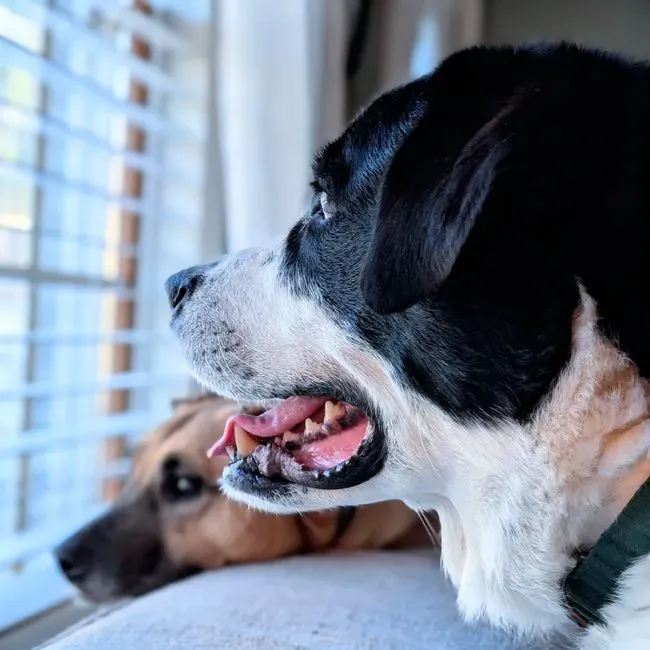
In households with kids, dogs basically become unofficial truancy officers. They know school days from holidays without ever glancing at a calendar – backpacks by the door, specific coats, car doors slamming at the exact same time every weekday morning.
They fold the morning chaos of shoes and rushed voices, and the afternoon flood of slamming doors and kid scent, into one clear “school week” category, completely different from the slower, pajama-shuffling energy of weekends. That’s why plenty of dogs seem restless during school breaks: nothing lines up with their internal schedule. Some will still sit by the window at 3 p.m. out of pure habit, waiting for kids who aren’t coming home that day.
#10 – The Weekly Grooming or Bath Routine

You might not think of your dog’s weekly bath as a timestamp, but your dog absolutely does, and not always happily. If grooming day always lands on the same afternoon, some dogs start reacting hours ahead of time.
They’re picking up on the setup: towels appearing, the bathroom door left open, a particular shampoo smell, even the specific tone of voice you use when you say “you smell like a dog.” Dogs have strong associative memory, so once that chain of cues consistently ends in a bath, the anxiety, or in rare cases the excitement, starts kicking in earlier every single week. Change bath day for a few weeks straight, and you’ll watch their internal calendar quietly shift right along with it.
#11 – Sports Night, Game Day, and Party Prep
If your living room turns into a fan zone once a week, your dog absolutely notices. Roaring TV, sudden shouting, snack smells, friends showing up in matching jerseys – it’s a full sensory event, and it always seems to land on the same day.
Some dogs love it: more hands to pet them, more dropped snacks, extra late-night energy. Others find it overwhelming and start retreating to a quiet back room the second the “pregame rituals” begin – furniture getting rearranged, chips coming out, you pacing with your phone. Because it repeats on a fixed day, dogs weave it into their weekly structure completely, sometimes even showing pre-party anxiety before a single guest arrives.
#12 – Church, Brunch, or “Out-All-Morning” Rituals
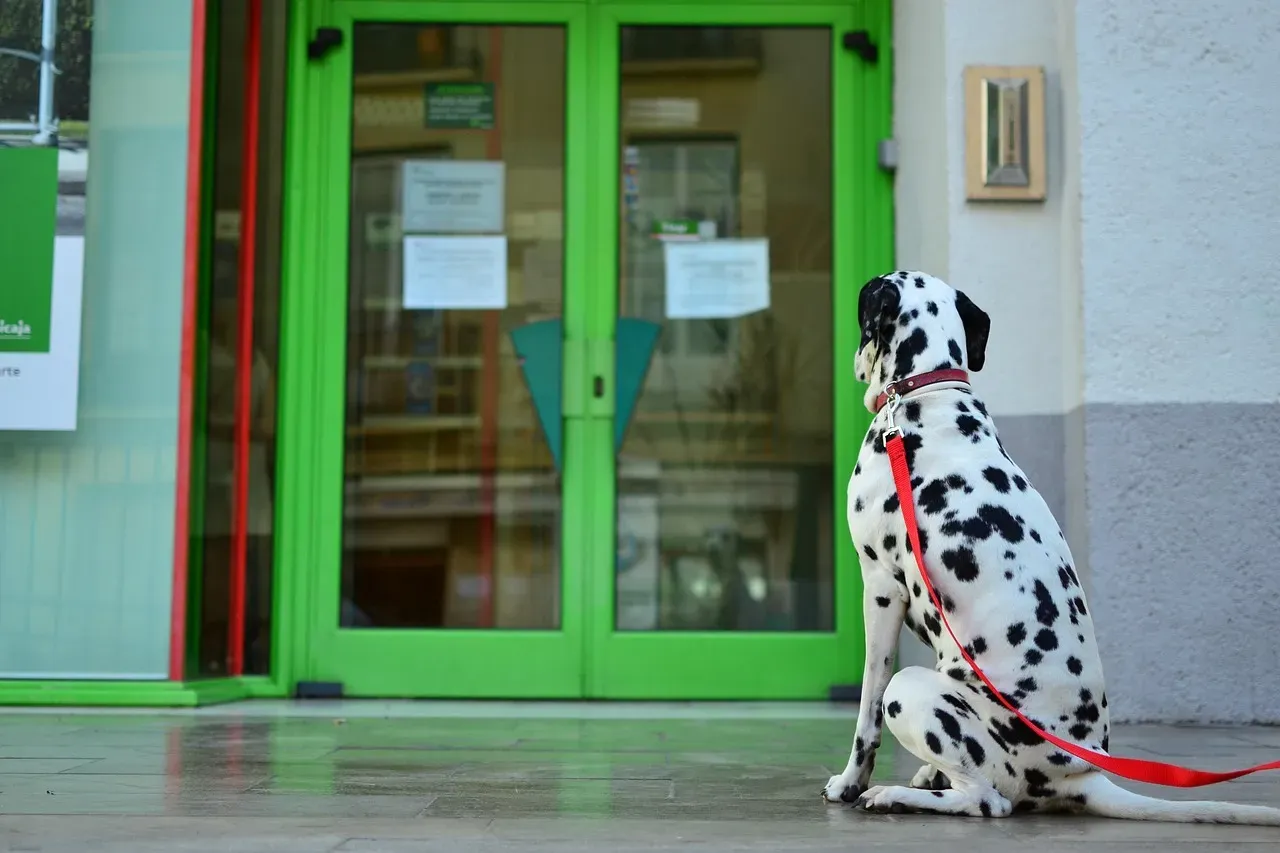
A lot of households have one weekly stretch where everyone disappears for hours – church, the farmer’s market, a long grocery run, brunch that turns into an afternoon. If it always falls on the same day, your dog treats it like a very specific, very predictable kind of abandonment.
They measure it by environmental change as much as time: noise drops, sunlight shifts across the floor while they hold their usual waiting spot, hunger hits at a familiar point. When you finally walk back in with hugs, voices, and maybe a bakery treat, that whole chunk of the day gets sealed into memory as a recognizable weekly chapter. Skip it once, and plenty of dogs pace or hover near the door anyway, confused about where their “long gap” went.
#13 – The Weekly “Big Clean” Smell Overhaul

Most homes have an unofficial cleaning day, and to a dog’s nose, it’s a total sensory reboot. Vacuum out, mop bucket, spray bottles, a mountain of laundry – the whole house suddenly smells like citrus and soap instead of its usual slow-drifting scent.
That shift usually happens once a week, and dogs learn to see it coming. Some chase the vacuum like prey; others retreat to the highest, farthest corner of the house they can find. Because scent is such a dominant part of how dogs experience time, this weekly “smell reset” becomes one of the biggest timestamps in their week, bigger, in some ways, than a single missed walk or late meal.
#14 – Dog Class, Agility, or Daycare Days
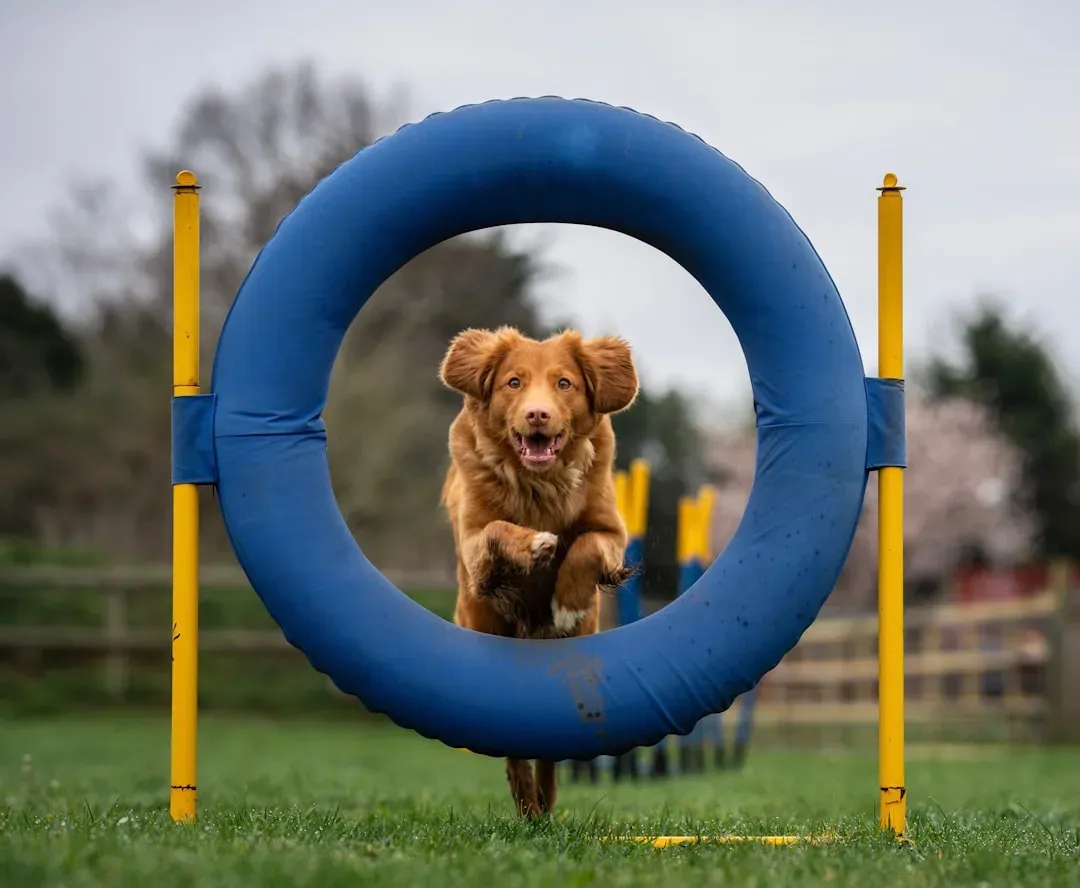
If you’ve ever taken a dog to a weekly training class, daycare, or agility session, you already know how intense the anticipation gets. The specific car route, the harness coming out, your own pre-outing excitement – it all combines into one of the biggest highlights of their week.
These days hit differently because they stack physical exertion, social excitement, and a predictable post-event crash into one package – deep naps, quiet evenings, none of the usual fussing. After a few weeks, your dog doesn’t just know “we’re going somewhere,” they know exactly where, exactly how it will feel, and exactly which evening it happens on. Skip it once, and plenty of dogs will still park themselves by the door at the usual time, looking personally betrayed.
#15 – The End-of-Week Exhaustion Energy Shift

Even if you don’t notice it in yourself, you act like a slightly different animal by Thursday or Friday, more mentally fried, sloppier about routine, quicker to collapse on the couch. Your dog is watching every bit of it.
Your posture changes. You sit down earlier, zone out on your phone more, put off chores you’d normally power through on a Monday. Sensitive dogs, especially herding breeds and velcro types, track this shift like a barometer, often turning clingier or more opportunistic right when they’ve learned the “low-energy stretch” of the week begins. It’s not that they know it’s Thursday, it’s that they’ve watched you slowly run out of steam on this exact schedule for months.
#16 – Light, Weather, and the Rhythm of Morning Walks
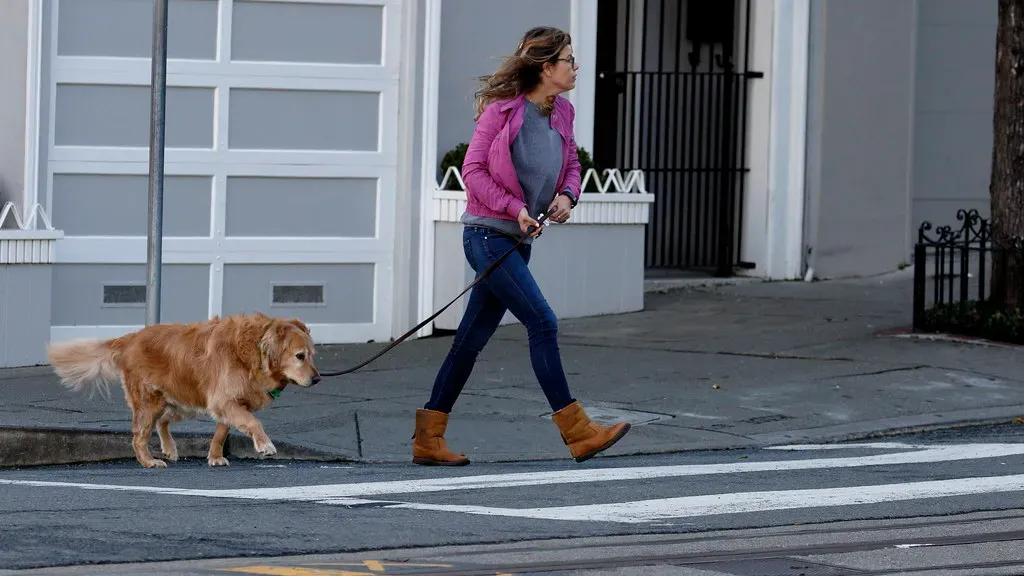
Here’s the pattern people almost never think about: the sun itself is a giant, silent clock, and dogs are extremely tuned in to it. Sunrise and sunset drift slightly across the week, but what stays constant is how you respond to that light, when you actually choose to walk.
Maybe four weekday mornings are dark, rushed walks before work, while weekend walks wait for full sun and warmer air. One midweek day might get cut short because of a standing commitment. Dogs blend light level, temperature, and route together into a pattern they recognize instantly, even without knowing it’s technically “Thursday.” Change that rhythm and you’ll see confusion, or leftover energy that normally would have been burned off on the trail.
Worth Knowing
- Dogs see a narrower range of colors than humans but have more rod cells, giving them sharper vision in low light.
- That extra low-light sensitivity makes darker weekday walks feel noticeably different from bright, warm weekend ones.
- Small shifts in sunrise and sunset across the week can subtly nudge a dog’s wake-up time and energy level.
#17 – Your Shopping and Errand Loop (Smell and Duration)
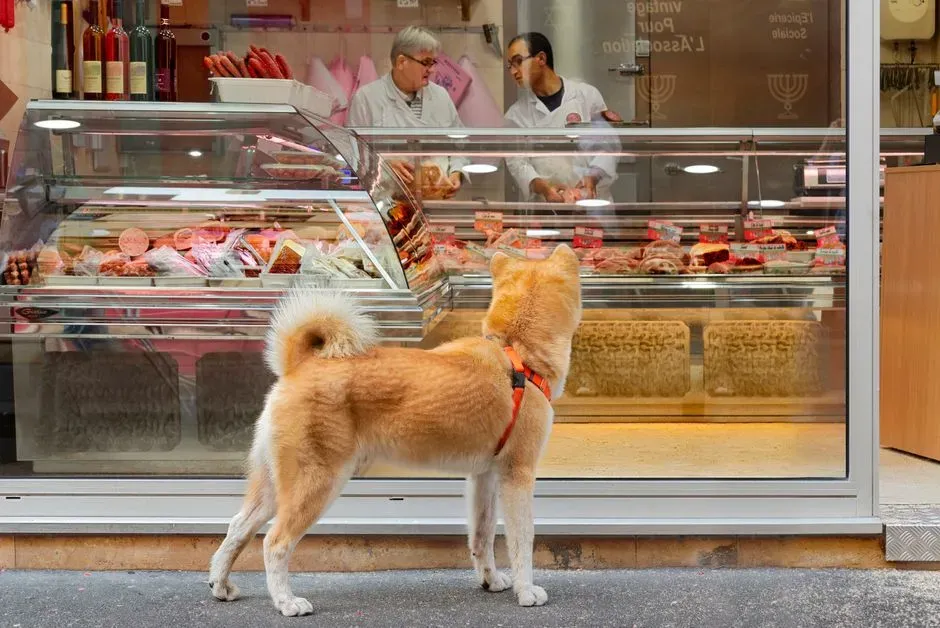
Your weekly grocery run is boring to you and fascinating to your dog. You leave around the same time, you’re gone longer than a normal walk, and, most importantly, you come back smelling like fifty different foods, people, and places all at once.
That scent explosion only happens on one day, and dogs mark it precisely: the crinkle of specific bags, the smell of produce or deli meat on your clothes, the length of your absence sitting right in that “longer than a walk, shorter than a workday” zone. Many dogs hover in the kitchen only on that day, hoping for a dropped scrap or a new toy. Miss the trip, and some act genuinely off, like a scheduled event just vanished from their internal week.
#18 – The “Everyone Stays Home” Day: True Family Time
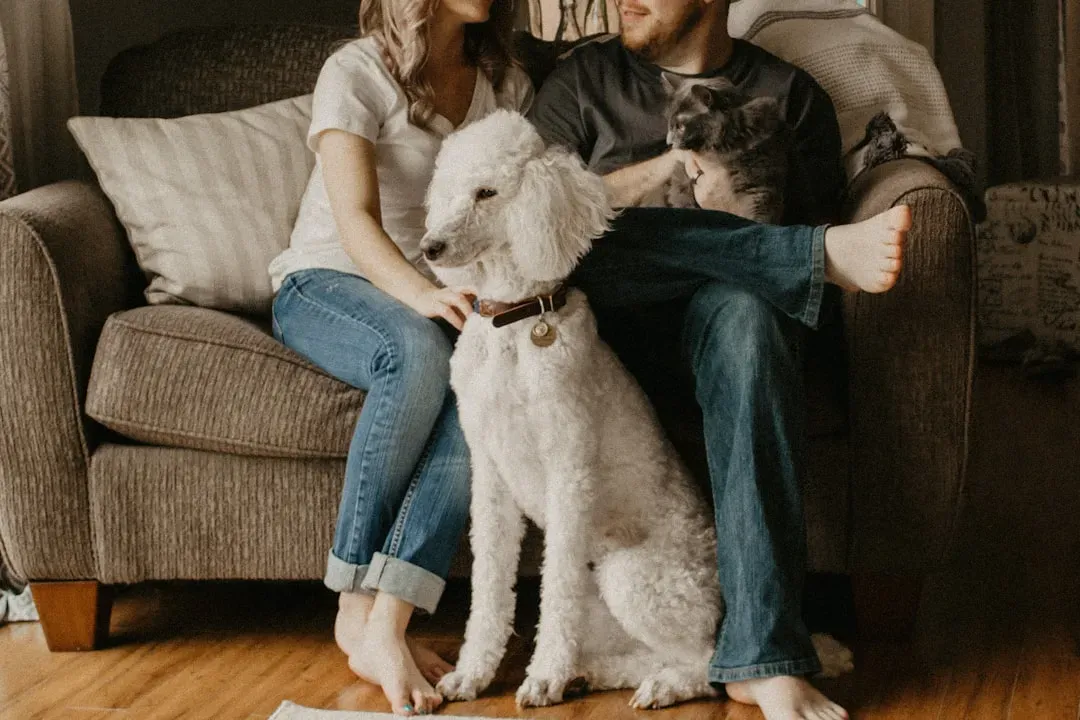
For most dogs, the single strongest weekly pattern isn’t trash day or bath day, it’s the one day the entire household actually stays home. No work, no school, no rushed exits out the door. Just everyone, together, in the same space.
On that day, movement slows down, people drift from room to room instead of peeling off to separate cars, and there are simply more hands available for petting and more shared floor time. After enough weeks of this, dogs start anticipating it outright – extra morning zoomies, hopeful toy-hovering, following you more closely than usual. They’ve stitched together every cue from the days before it and landed on one conclusion: this is the day the whole pack stays close. That’s not routine-tracking anymore. That’s a dog quietly building an emotional calendar around the people they love most.
Quick Compare
- Weekday mornings: quick goodbyes, brief waiting near the door, low lingering.
- Weekend mornings: slower pace, more stretching and play, no urgency at the door.
- Weekday evenings: shorter greetings, faster settle-down after dinner.
- Full stay-home days: extra zoomies, constant hovering, and noticeably more relaxed body language all day long.
The Verdict: Your Dog Isn’t Guessing, They’re Grading You

Dogs don’t read calendars, and they’ve never once cared what Wednesday is called. But they absolutely live by patterns – the roar of the garbage truck, the specific smell of cleaning day, the exact minute dinner is running late. Strip away the mysticism and what’s left is something almost uncomfortable: your dog has been quietly auditing your habits for months, maybe years, and they know your week better than you think you do.
Here’s my honest take: the “dogs live only in the moment” myth needed to die a long time ago. What looks like mystical time-sense is really relentless pattern-tracking of smell, sound, light, mood, and routine, and it says as much about you as it does about them. If your week is chaos, their internal calendar is chaos too. If you’re predictable, they become eerily precise about what each day is going to bring.
So no, your dog doesn’t just adapt to your life. They study it, memorize it, and quietly organize their whole emotional world around it. The real question isn’t whether your dog knows what day it is, it’s how much of your own week you’d rather they hadn’t noticed.