
17 Things a Dog Learns to Expect in a Household Within Days of Being Brought Home
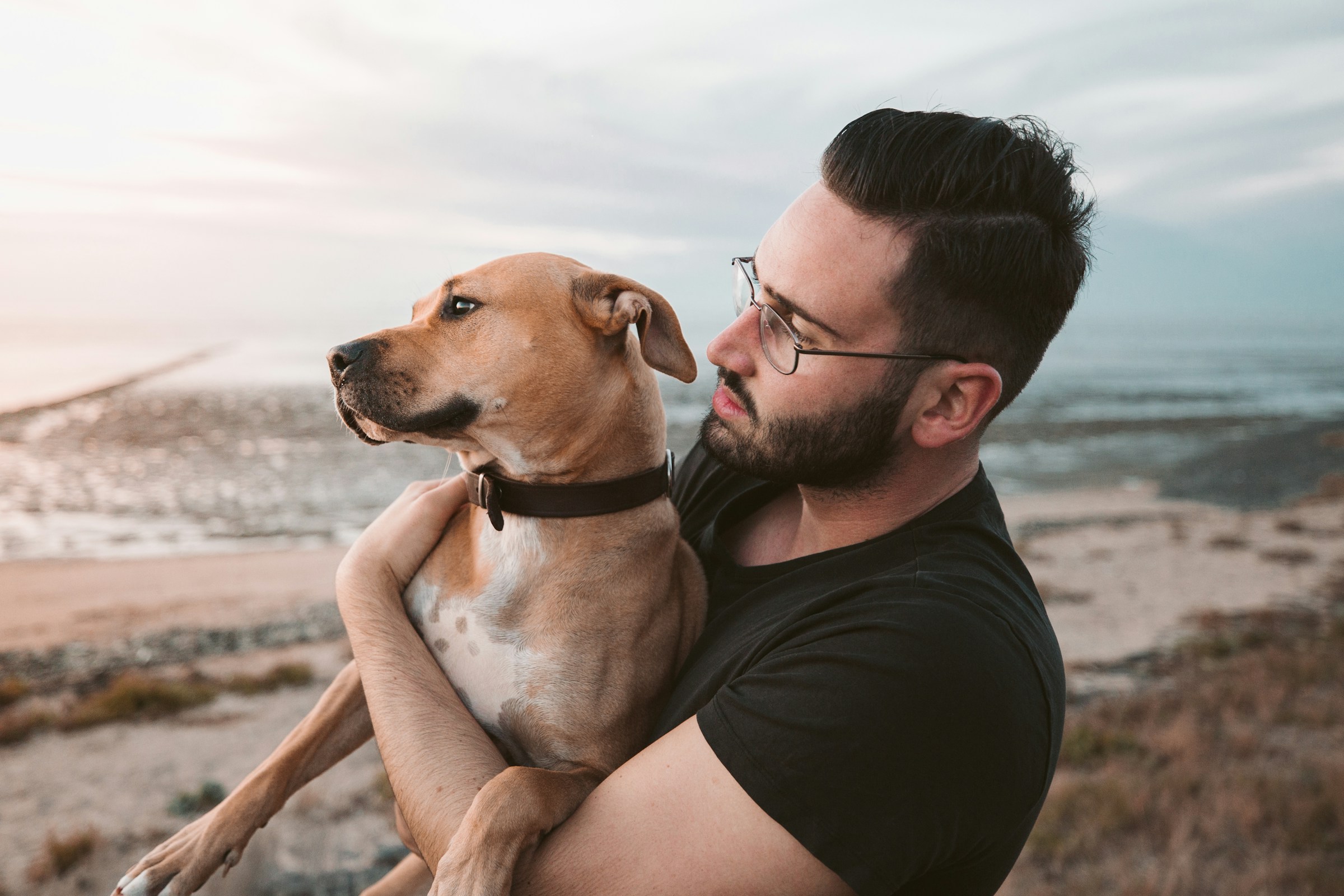
You’ve had the dog four days. Maybe five. You’re still googling “how long does it take a rescue dog to adjust” at 2am, half-expecting the answer to be “months, maybe longer.” But somewhere in that same house, your dog has already stopped guessing.
Behavior research and shelter data point to something a little uncomfortable: most dogs don’t need months to figure out a new home. They need about a week. In that short, chaotic window, they quietly decide who’s reliable, what’s safe, which rules are real, and which ones are just for show. Here’s exactly what they’re learning while you’re still unpacking boxes – and why it matters more than almost anything you’ll do after.
#1 – When Food Happens (and How Much They Can Push for It)

Your dog figures out the feeding rhythm almost absurdly fast. Within a couple of days, most dogs can predict exactly when food hits the bowl and who controls it. If meals are random, late, or panicked – “Oh, I forgot, let me just toss something in your bowl!” – they learn the household is chaotic, and that begging might actually work.
They’re also testing the edges constantly. Does whining at the counter get a scrap? Does staring during dinner earn a bite of chicken? The first time you cave, they log it as a permanent rule: begging works here. That single moment can quietly turn a calm dog into a furry vacuum cleaner for years.
#2 – Who’s in Charge (and Who’s Easy to Ignore)
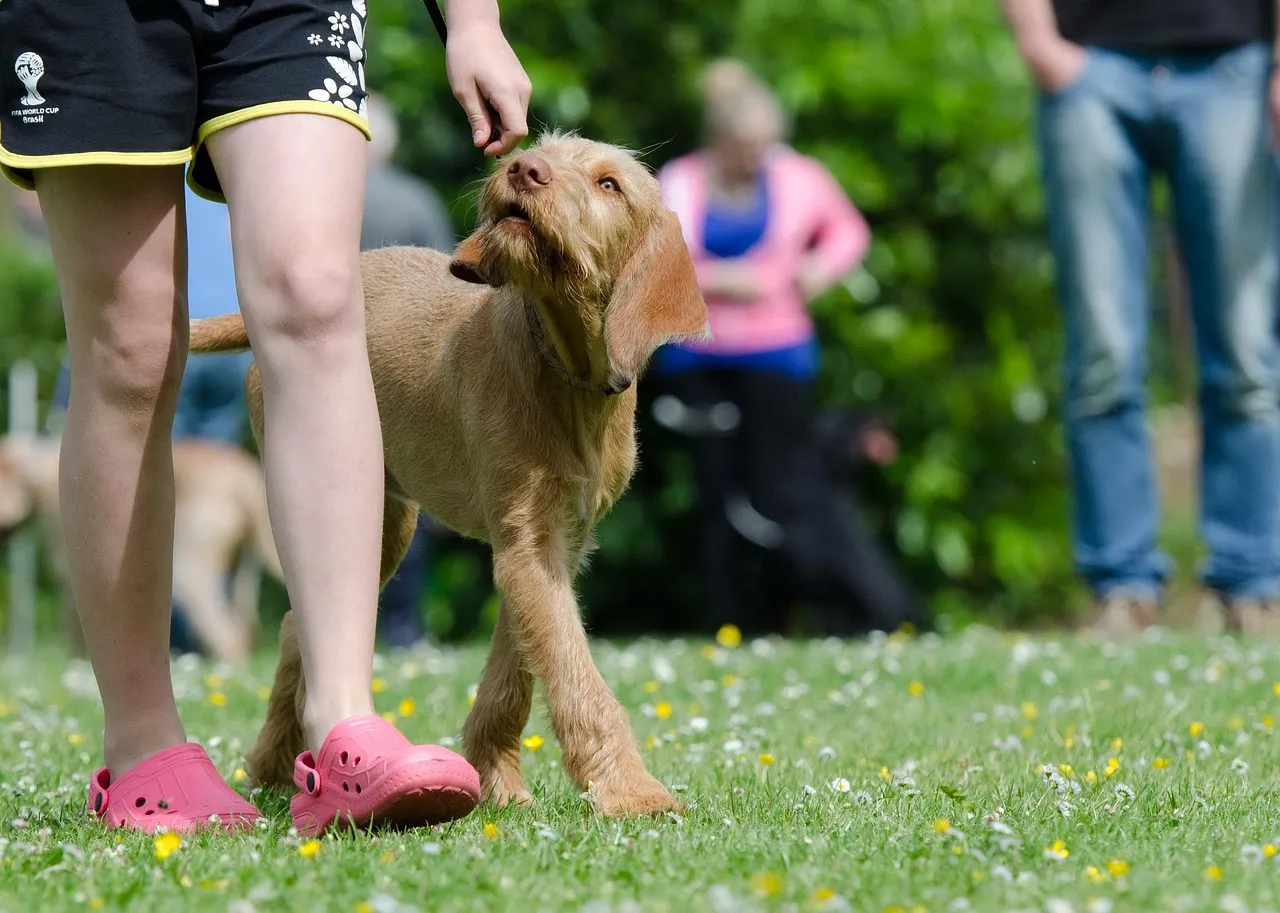
Within days, most dogs have quietly mapped the social hierarchy of the house. They notice who feeds them, who enforces rules, and who can be steamrolled. That “fun uncle” who laughs when the dog jumps on him gets tagged instantly as the one with no real boundaries.
The calm, consistent person who says “off” once and follows through becomes something else entirely – the leader the dog actually respects. This isn’t about dominance myths; it’s about reliability. Dogs are pattern detectives, and once they clock who provides consistency, they adjust their behavior around that person specifically.
#3 – The Real Rules of the House (Not the Ones You Say Out Loud)
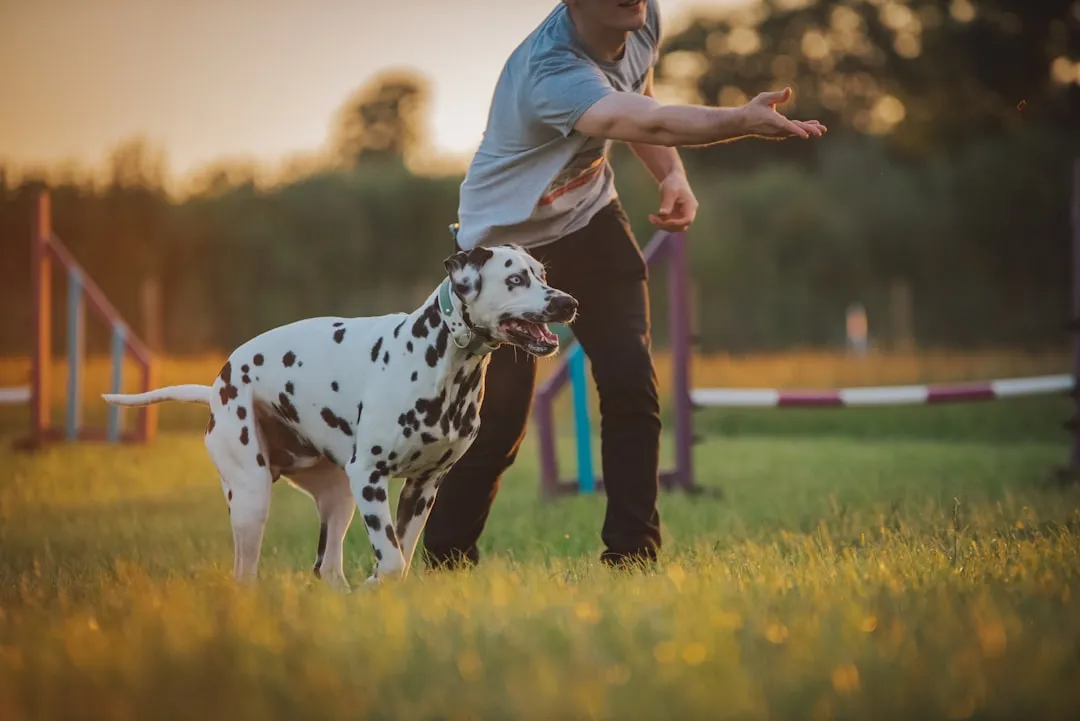
Humans love stated rules: no dog on the bed, no begging, no barking at the door. Dogs operate on observed rules – what actually happens. In those first days, your dog is running experiments nonstop: If I jump on the couch, am I allowed to stay? If I bark at the doorbell, does anyone stop me?
Here’s the uncomfortable part: the rule you enforce seven out of ten times isn’t a rule at all to a dog – it’s an invitation to keep trying. If they sometimes get away with the sofa and sometimes don’t, they’ll push that boundary for years. Every “yes,” “no,” and exhausted “ugh, fine” in week one becomes a real house rule they’ll count on.
Fast Facts
- Dogs test a boundary in small, quick bursts to see if a rule is really a rule
- Inconsistent enforcement reads as “keep trying,” not “sometimes it’s okay”
- Rules set clearly in week one often hold for the dog’s entire life with little upkeep
- Spoken words mean nothing on their own – only repeated outcomes count
#4 – Where Safety Is (and Where Danger Might Be)
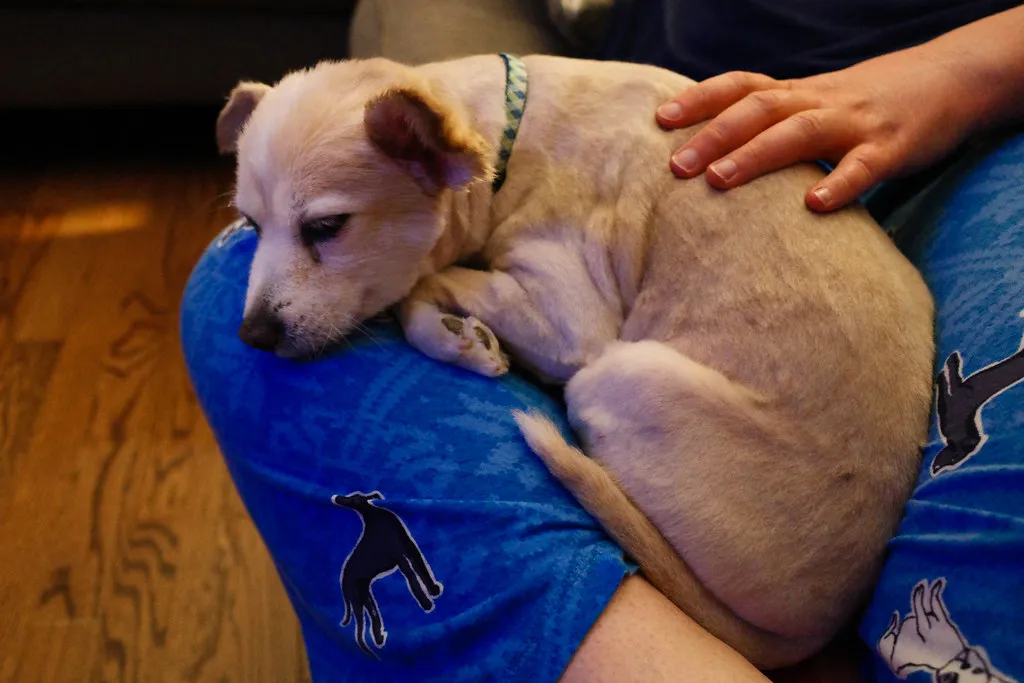
Within a couple of days, almost every dog chooses a “base camp” – a corner, crate, or bed they retreat to when overwhelmed. They’re not just picking a comfy spot; they’re mapping their personal safe zone. Respect it, and they learn your home has reliable safety built in.
Ignore it, and things get risky. Many early bite incidents happen because humans miss a dog’s first quiet warning signals in their chosen safe space – the turned head, the licked lips, the frozen body. Teaching everyone in the house to leave the dog alone in their spot, especially in week one, tells them something they’ll never forget: you are safe here, even when you say no.
#5 – How Humans Communicate (Tone, Hands, and Eye Contact)
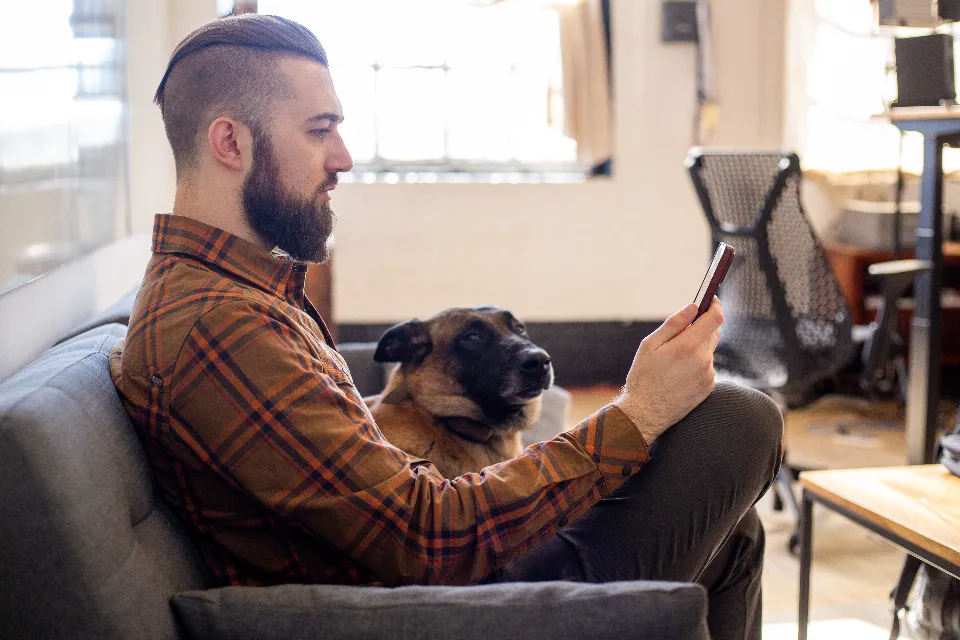
Most people assume dogs learn words first – sit, stay, come. Reality check: dogs learn your tone and body language long before they understand your vocabulary. Within days, they’ll know your happy voice, your serious voice, and your “oh no, what did you do” face by heart.
This is why some dogs seem to “ignore” one person but respond instantly to another – same words, completely different energy. If you shout from another room or laugh while saying no, your dog learns your words are mostly background noise. Short, clear cues paired with calm body language get decoded fast, and that personal dictionary sticks for years.
#6 – The Daily Rhythm: Chaos or Predictability

Dogs don’t wear watches, but they’re masters of routine. Within a few days, they anticipate your wake-up time, when you leave, and when the house finally goes quiet. That pattern – or lack of one – becomes their emotional barometer.
A roughly consistent schedule lowers anxiety because the dog isn’t stuck wondering what’s next. Random chaos does the opposite, and it doesn’t look like “bad behavior” – it looks like pacing, barking, and destruction when left alone. It’s not defiance; it’s a coping strategy for a world that never makes sense. Ironically, plenty of owners loosen the routine early out of guilt, accidentally teaching the exact opposite lesson.
#7 – What Happens When They’re Alone

Most owners underestimate how fast dogs form expectations about being left alone. The first few times you walk out the door, your dog is clocking everything – do you sneak out, make a big emotional goodbye, or leave and return like it’s nothing?
If every departure feels like a dramatic breakup, they learn that being alone is a crisis, not a normal part of life – and that’s how separation anxiety quietly takes root in week one. Normalize short, boring departures early – grab your keys, say a casual “be right back,” actually come back – and they file it away as just something that happens, and then you return.
Worth Knowing
- Many rescue groups reference a rough “3-3-3” pattern: about 3 days to decompress, 3 weeks to learn the routine, 3 months to feel fully settled
- Dramatic goodbyes and over-the-top reunions are a common early trigger for separation anxiety
- Short, low-key departures in week one help a dog file “alone time” as normal, not scary
- Leaving a worn piece of clothing or a familiar toy can ease those first solo stretches
#8 – How Rough Is “Normal” in This House?
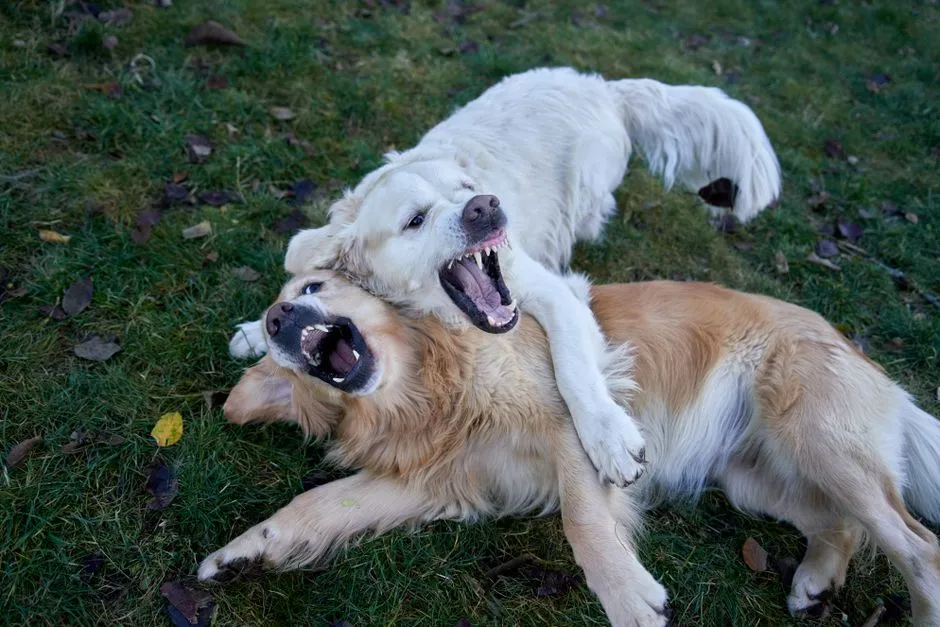
Your dog watches how people interact with each other to decide how intense they’re “allowed” to be. Wrestling on the floor, shouting during video games, slamming doors – dogs mirror the emotional volume of a household surprisingly fast, dialing up barking, zoomies, and rough play to match.
This is where a lot of conflict starts. The dog jumps or body-slams during play, and suddenly it’s “too much” – except from the dog’s perspective, they were just following the rules you set. If physical roughhousing gets encouraged even once in the first days, many dogs store that as the baseline for fun. You can have a playful dog in a busy house, but toys and tug ropes need to define the game, not hands and sleeves.
#9 – Which Sounds Matter (and Which Don’t)

Doorbells, garbage trucks, blenders, kids screaming at tablets – your home is an acoustic jungle, and in the first few days your dog starts sorting every sound into two piles: ignore this, or react to this. If everyone jumps or rushes to the window at every little noise, your dog learns that sounds equal emergencies.
Many noise-phobic dogs weren’t born that way – they were sensitized by human overreactions in those first critical days. A simple fix works better than people expect: when a loud sound happens, relax on purpose, maybe drop a treat, keep talking casually. That teaches your dog, quickly and permanently, that it’s no big deal here.
#10 – How Much Their Choices Matter
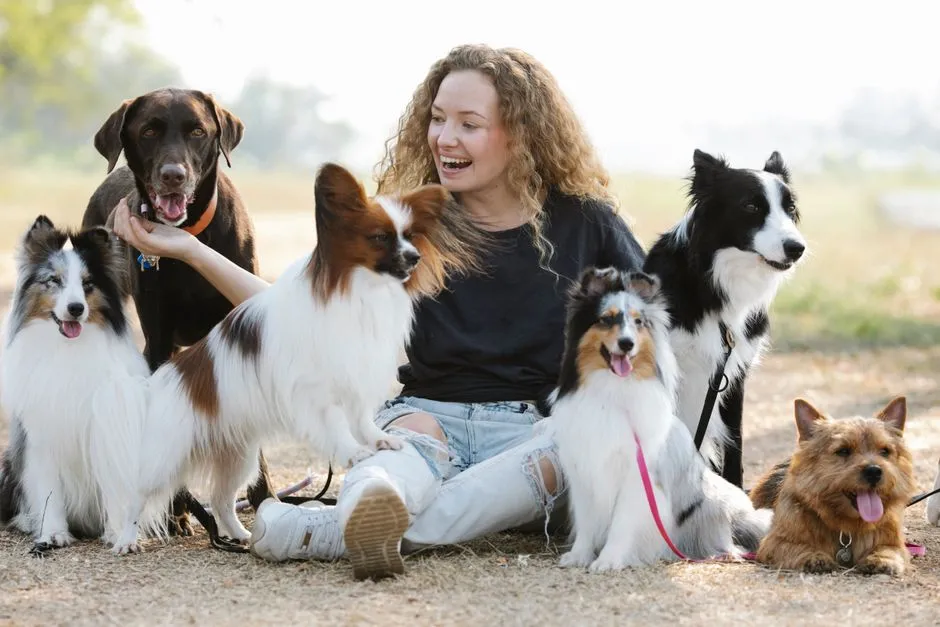
Most dogs come from places where they had almost zero say – shelters, breeders, previous homes that overcontrolled everything. In your house, they quickly learn whether they’re allowed small choices or if every move gets micromanaged. Can they choose which bed to nap on? Can they walk away from petting?
When dogs realize they have safe options, their stress drops and their cooperation goes up – constant control tends to build resistance, not obedience. Dogs allowed simple, safe choices in the first days – stepping into the harness, coming when invited, picking a toy – tend to grow into more confident, responsive adults. You’re setting the tone for a partnership or a dictatorship, and that tone is brutally hard to undo later.
#11 – What Play Really Looks Like Here
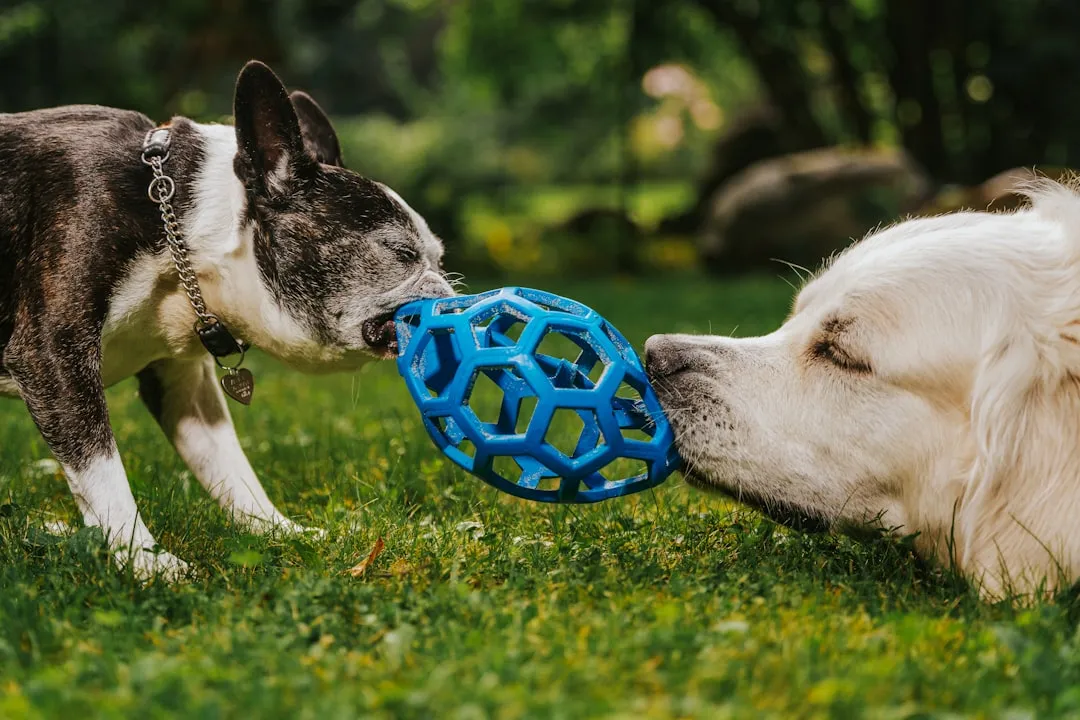
Play isn’t just fun; it’s information. Within days, your dog learns exactly what “play” means in your specific home – fetch in the yard, quiet puzzle toys, wild hallway chases, or, for some families, almost nothing at all. Whatever shows up early becomes their go-to move for getting your attention later.
Where it gets tricky is when play turns frustrating – toys snatched away, games ended without warning, roughhousing that spirals past control. Some dogs start guarding toys or hands precisely because early play felt like a tug-of-war over control rather than a shared game. Clear start-and-stop cues in week one teach them how to be silly without losing their manners.
Quick Compare
- Healthy play: toy-focused, clear start and stop cues, dog can walk away anytime
- Risky play: hands and sleeves used as toys, no defined “game over” signal
- Healthy outcome: a confident dog who’s easy to redirect
- Risky outcome: toy guarding, escalating mouthiness, frustration-driven nips
#12 – How Touch Feels: Comforting or Overwhelming
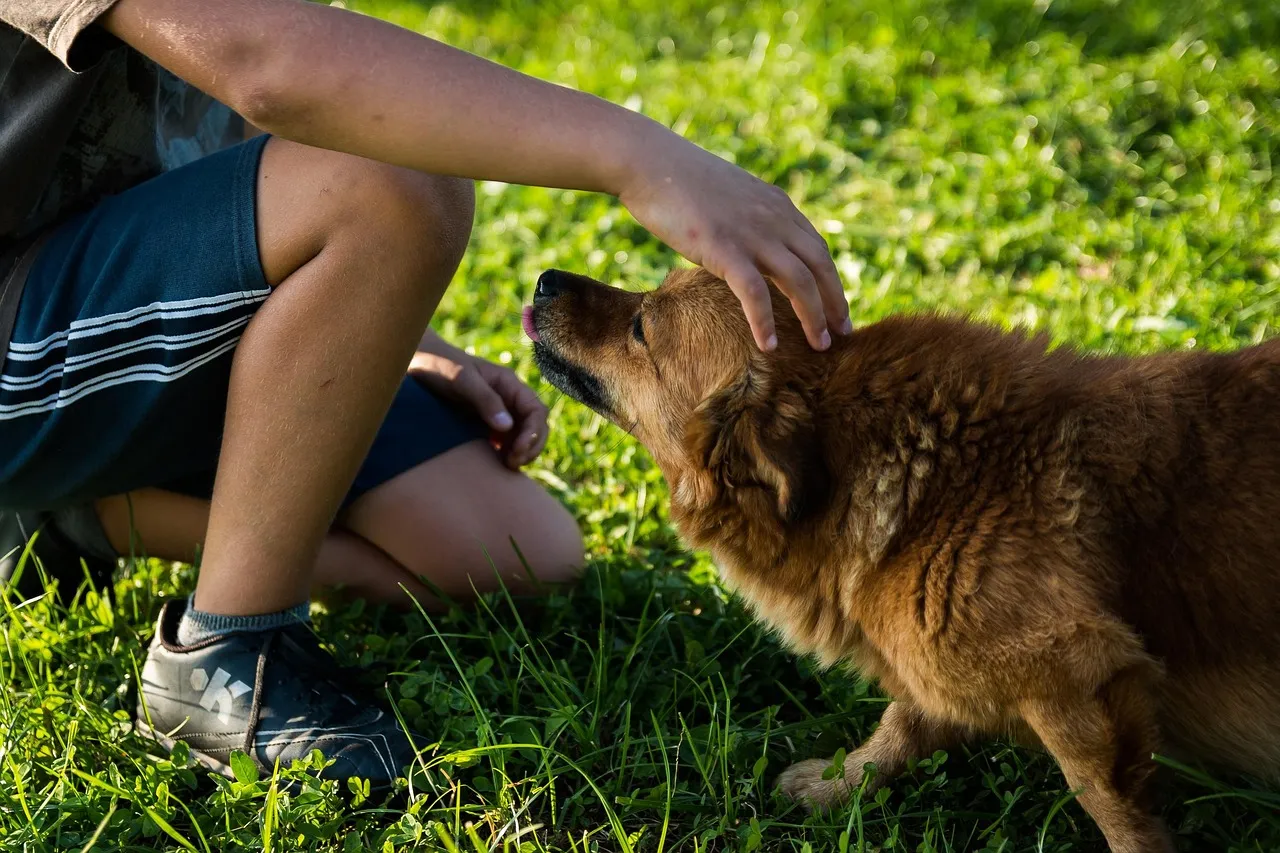
Humans are obsessed with touching new dogs – hugging, patting, squeezing, hovering. Your dog is quietly grading all of it. Within a few days, they decide whether human touch is mostly relaxing, or mostly something to endure.
Watch closely in those early interactions – do they lean in and soften under your hand, or stiffen, lick their lips, and turn away? Keep petting through obvious discomfort, and you teach them that their signals don’t work – a lesson that can snowball into growling or avoidance. Respond instead with “okay, you’re done, go rest,” and dogs learn something better: their boundaries are heard. That, ironically, is what makes them more affectionate, not less.
#13 – The Real Meaning of the Leash

For a lot of dogs, the leash comes loaded with history – good or bad. Within days in your home, they rewrite that story. Is it a predictor of fun and exploration, or a signal that they’re about to be dragged and yanked around?
Leash pressure is one of the first “languages” you teach your dog, and most people teach it completely by accident. Tight, constant pulling teaches them to lean into it; calm, loose handling teaches them to check in and follow. Chaotic first walks – wrapped around trees, jerked from smells, rushed through – get filed away as something to survive, not enjoy, and that memory is hard to erase.
#14 – Who They Can Trust with Their Vulnerability
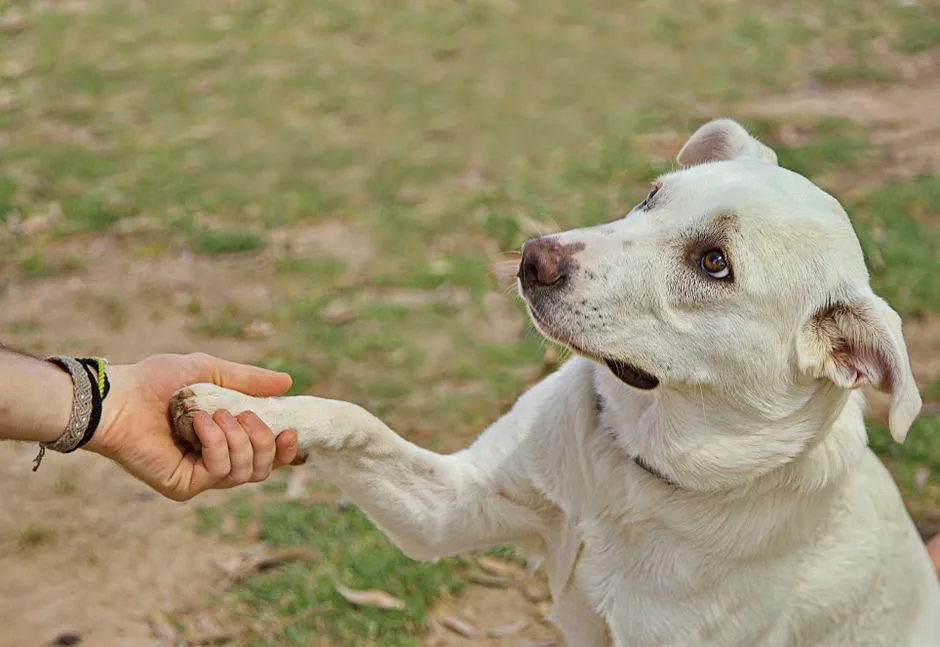
Every dog watches specific moments to decide who’s truly safe: when they’re sleeping, eating, injured, or scared. Do you laugh and poke them mid-dream? Reach into their bowl as a “test”? Or do you slow down and give them space?
Many “owner-obsessed” dogs chose their person during a hard moment in week one – someone who sat quietly while they shook, or traded food instead of grabbing a bone away. They remember who protected them when they were most exposed, and they remember who didn’t. Once you’re filed under “safe during scary things,” every future vet visit and nail trim gets noticeably easier.
#15 – How Much the Household Listens to Their Bark, Whine, and Growl

In the first days, your dog tries out their voice – a bark at the window, a whine at the crate, a soft growl when someone reaches for a toy. These are communication attempts, not character flaws, and how your household responds teaches them whether it’s safe to speak up.
If every whine gets an instant response, they learn vocalizing is basically a remote control for humans. That’s how you accidentally raise a dog who screams through every frustration. Punish every growl instead, and they learn it’s unsafe to warn you at all – which is exactly how some dogs skip the warning and go straight to snapping. The healthier middle ground: reward calm, and treat growls as useful information, not betrayal.
#16 – Whether New People Are a Threat or an Opportunity
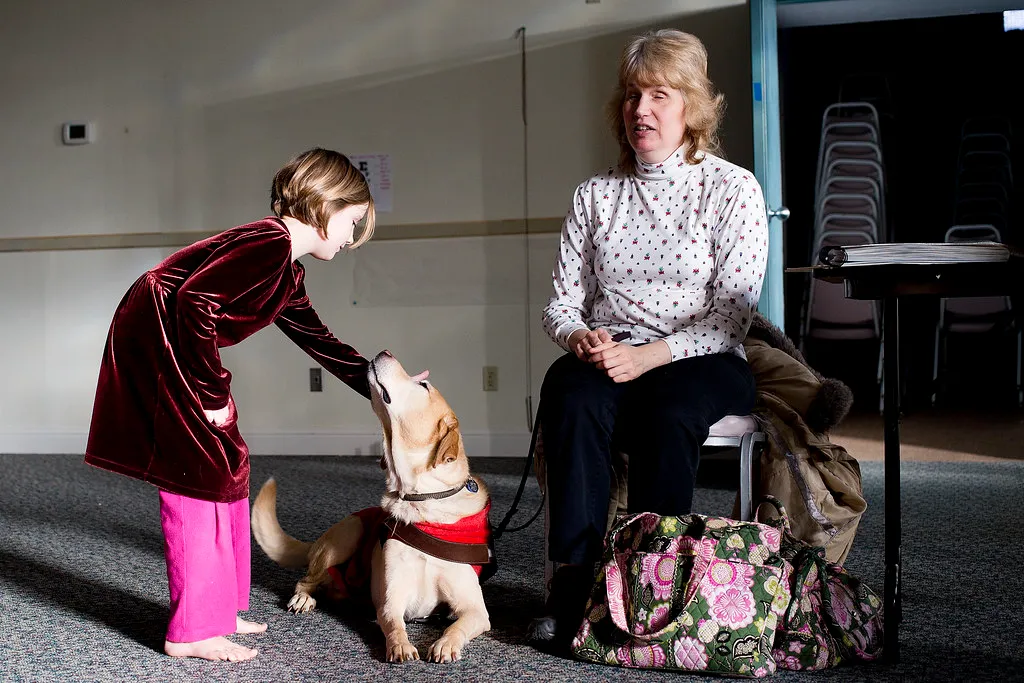
Your dog doesn’t just learn about you – they learn about “people” as a category from your friends, family, and delivery drivers in those first days. Do guests rush in squealing and grabbing, or let the dog approach on their own terms?
Many so-called “protective” or “reactive” dogs were simply overwhelmed by too much, too soon, with no escape route. A dog who learns that people give them time is far less likely to lunge or hide down the road. And when the household disagrees – some pushing fast socialization, others favoring patience – the dog always sides with whoever makes them feel safest. It’s rarely the person forcing contact.
At a Glance
- Let the dog approach new people instead of people approaching the dog
- Ask guests to skip direct eye contact and reaching over the head at first
- Give the dog a clear exit route so meeting someone never feels like a trap
- Reward calm curiosity instead of forcing an interaction “to get it over with”
#17 – What “Home” Really Means for Them

By the end of that first week or two, your dog has quietly built a complete picture of what “home” means in your world. Is it a place of constant correction and confusion, or a mostly calm environment where their signals actually matter? Home, to a dog, isn’t the building – it’s the pattern of experiences.
Soft beds don’t fix a stressful household; clear, kind routines do. Dogs don’t measure love in cuddles or Instagram captions – they measure it in consistent rules, respected safe spaces, and routines that lower their uncertainty. Within days, they either relax into that pattern or start quietly planning how to cope with it – and once that script is written, rewriting it takes far more work than getting it right from day one.
By the time you’re finally “settling in” and posting the cute photos, your dog has already reached serious conclusions about your home. In less than a week, they’ve mapped your routine, decided who’s reliable, tested every rule, and learned whether their voice actually matters.
That early window isn’t a soft intro. It’s the blueprint for everything that follows. People love to blame breed, past trauma, or “stubbornness,” but so many long-term behavior problems are just the logical result of those first days going unexamined.
Here’s the opinion I’ll stand behind: the average household is way too casual about the power of week one. Dogs aren’t projects – they’re fast-learning pattern machines, quietly grading every choice you make before you’ve even finished unpacking. Treat those first days like the foundation they actually are, and you’ll spend years enjoying the dog you built instead of trying to fix the one you accidentally trained.