
17 Behaviours a Rescue Dog Saves for One Owner After Months of Trusting Absolutely Nobody at All
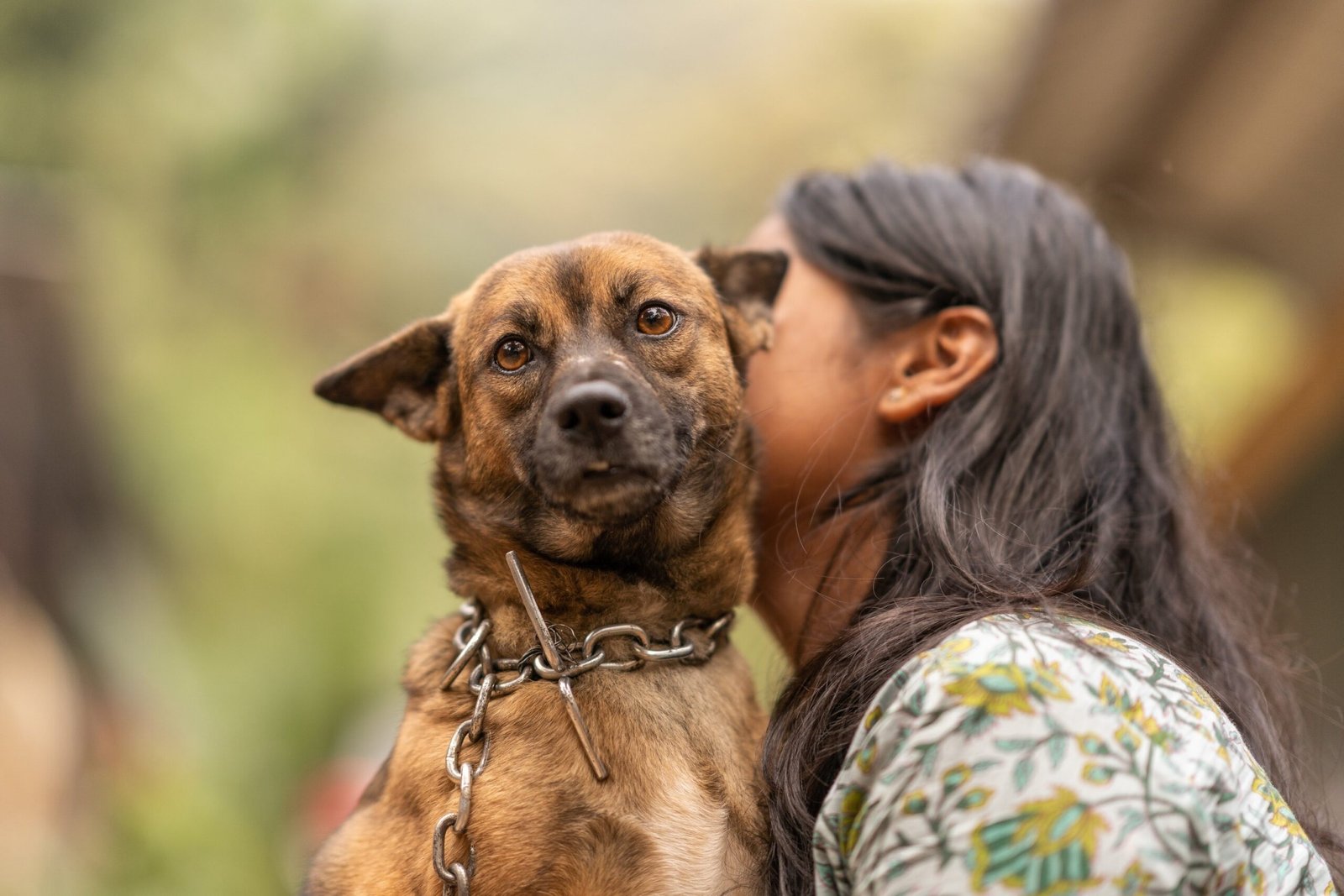
Everyone assumes a rescue dog gets “fixed” the moment it walks through your front door. Feed it, love it, give it a soft bed, and boom – instant grateful best friend, right?
Anyone who has actually adopted one knows that’s a fantasy. The real story is slower and stranger: months of a polite, watchful stranger sleeping with one eye open, flinching at doorbells, giving you almost nothing. Then, on some completely unremarkable Tuesday, something quietly flips. They decide you’re safe. That’s when the behaviors nobody warned you about start showing up – the ones they never once gave the shelter staff, the foster family, or anyone else in the house.
Here are the 17 things a rescue dog saves for the one human they finally trust, and what that trust is actually costing them to hand you.
#1 – The Slow-Blink Eye Contact They Wouldn’t Give Anyone Else
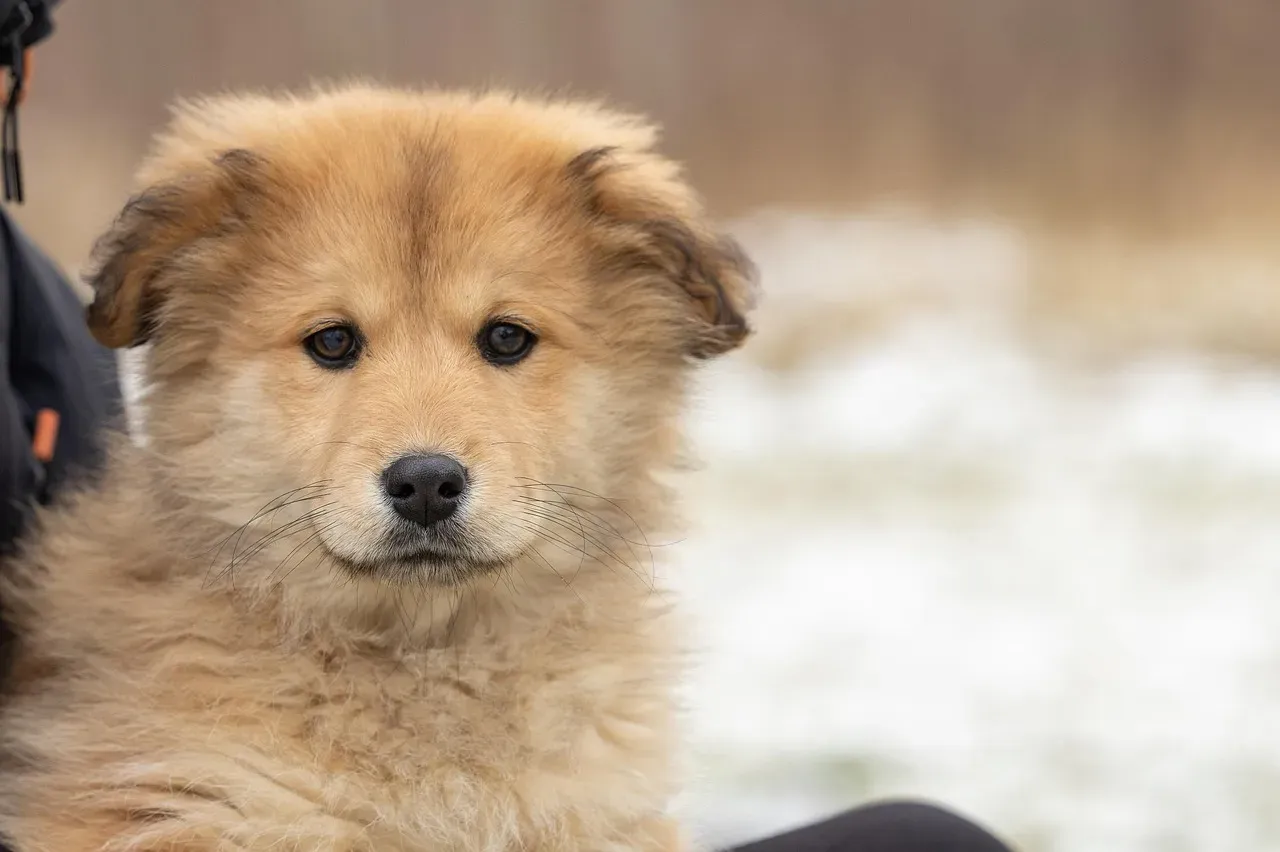
At first, many rescue dogs avoid direct eye contact completely. Staring can feel like a threat when your whole world has taught you to expect danger. So they glance away, lick their lips, or turn their head rather than meet your gaze.
When they finally start giving you long, soft, almost sleepy blinks, it’s not random – it’s a massive trust signal most people miss entirely. A dog that can relax its face and hold gentle eye contact is a dog whose nervous system no longer believes you’re dangerous. You’ll usually catch it on the couch at night, no pressure, and look over to find your rescue just… gazing. Most people obsess over tricks and obedience, but that heavy-lidded stare is a bigger indicator of attachment than any perfect sit-stay.
#2 – The “Shadow Mode” Following You From Room to Room
Lots of dogs follow their people, but a formerly shut-down rescue entering full Shadow Mode is different. In the early weeks, most rescues keep their distance – hovering in doorways, staying on the far side of the room, retreating to a crate. They’re in survival mode, not snuggle mode.
Then one day you stand up for water and notice four paws quietly padding behind you. Bathroom? They’re outside the door. Bedtime? They trail you like a little ghost. This isn’t dramatic neediness – it’s a practical survival choice: where you go, safety goes. A dog who spends its off-duty hours near you, with no food or toy involved, has decided you’re the safest anchor point in a confusing world. They didn’t do this at the shelter because nobody there was worth attaching to. With you, they finally risk it.
Fast Facts
- It breaks down into three phases: the first 3 days, the first 3 weeks, and the first 3 months.
- Most rescue dogs need the full 3 months before their real personality comes out.
- Others, particularly those who’ve experienced trauma, multiple rehomings, or extended shelter stays, may need 6, 8, or even 12 months to fully decompress.
#3 – The First Real Belly-Up, Spine-Melting Roll
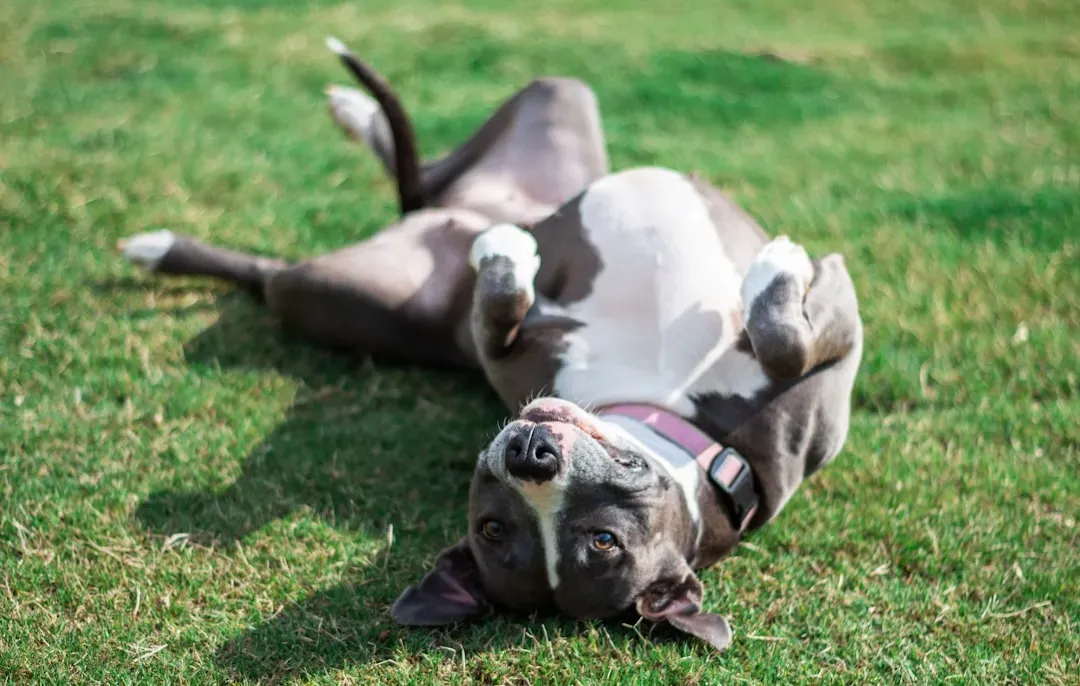
People misunderstand the dog belly. A cornered rescue will often flip over stiffly, which is actually appeasement – a silent “please don’t hurt me.” The real shift comes months later, when your dog flops onto their back in an absurd, sideways-squirming sprawl, mouth soft, legs everywhere.
True relaxed belly exposure comes with floppy limbs, a loose jaw, sometimes even snoring. It usually happens when they feel safe enough to fall into deep sleep near you, which is a prey-animal-level risk. It means their brain has quietly updated its file from “human equals unpredictable” to “human equals safe base.” No rescue shows that to just anyone – it’s earned, not adopted, and plenty of trainers will tell you one genuine wiggly belly-up beats a dozen perfect obedience reps.
#4 – Bringing You Their Most Treasured (Sometimes Gross) “Gift”

In the early days, a rescue dog often guards resources silently – hoarding toys, food, even random objects under the bed. Sharing simply isn’t on the menu yet. Fast-forward a few months, and something quietly stunning starts happening: they bring things to you.
A favorite toy, a half-destroyed stuffy, a stolen sock, even a dead bug from the yard – to a dog, none of it is a joke. It’s relationship currency, a way of saying “this matters to me, and I trust you with it.” In multi-person homes, they usually only run this gifting ritual with one human, the one they’ve quietly filed as theirs. It’s not always charming, but behaviorally, it’s a very big deal.
#5 – The Secret “Only With You” Greeting Ritual
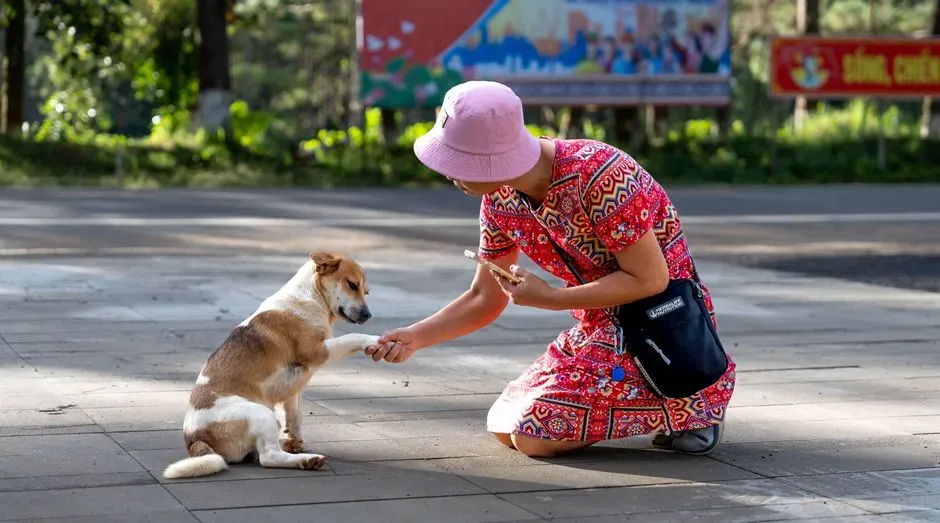
Most people expect a rescue dog to leap for joy the moment they walk in. Reality check: a lot of traumatized dogs greet everyone identically at first – politely, or barely at all. The magic shows up later, in a weirdly specific ritual that appears out of nowhere.
Maybe it’s a spin in the hallway, a single bark, a nudge to your hand, or that low husky “woo-woo” sound. What matters isn’t how dramatic it looks – it’s how selective it is. Dogs are pattern machines, and when they feel safe, they invent little ceremonies just for their favorite person. You’ll often notice they don’t greet other family members with the same intensity, and that’s not disrespect – it’s proof you’re getting the full, unfiltered version.
#6 – Choosing Your Side of the Bed, Couch, or Room Every Time
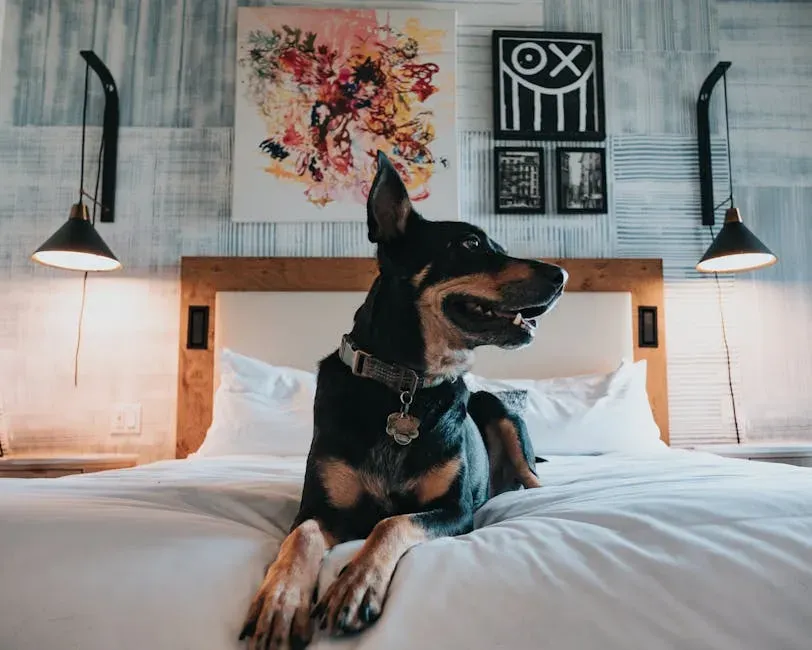
In the beginning, many rescue dogs pick spots based on escape routes – near doors, behind furniture, away from foot traffic. Coziness is irrelevant; they’re mapping exits. As trust builds, their favorite resting spots quietly migrate closer to you.
First the far corner of the room. Then the end of the couch. Then, suddenly, your side of the bed becomes unofficial dog territory, even when you’re not home. Dogs constantly ask, “where can I rest and still keep my safe person in view?” Behaviorists note that dogs often self-soothe more easily surrounded by the scent of their favorite person, which is exactly why your pillow becomes prime real estate. Scolding a dog for creeping onto “your” side is a little like yelling at someone for curling up with a security blanket.
Worth Knowing
- Scent is one of the fastest ways dogs process safety, which is why a worn hoodie or unwashed pillow becomes irresistible.
- Resting spots tend to migrate closer to a trusted person in stages, not all at once – corner, couch, then bed.
- A dog choosing your side of the bed even when you’re not home is a sign of attachment, not territorial mischief.
#7 – Showing You Their “Ugly” Emotions Without Shutting Down
Here’s the uncomfortable truth: many rescue dogs survive by going emotionally numb. They don’t bark, don’t play, don’t protest – they just endure. When they finally feel safe, you may suddenly see behaviors that look worse on paper: barking at the door, growling when startled, whining when you leave.
Owners often panic, thinking they “broke” the dog. In reality, this is a backhanded compliment – your dog finally believes they can express discomfort without being punished for it. Emotional honesty is a privilege they reserve for the person they trust most. Trainers will quietly admit they’d rather work with a dog who dares to growl at their person than one too terrified to show any opinion at all.
#8 – Checking In With You in New or Crowded Places
Take a newly adopted rescue into a busy environment and they may freeze, pull wildly, or shut down completely. You’re basically background decoration to them at that point. Months later, in that same overwhelming vet lobby or park, you’ll notice a subtler shift.
Every few steps, they glance back at you, touch your leg with their nose, or briefly orbit your body before scanning the world again. This is called checking in, and it’s a hallmark of secure attachment – your dog using you as a reference point for “is this okay?” Canine behaviorists describe this as using a person as a secure base for exploring stressful situations, and dogs simply don’t offer that skill to people they don’t trust.
#9 – Letting You Handle Their Paws, Ears, and Weird Medical Stuff
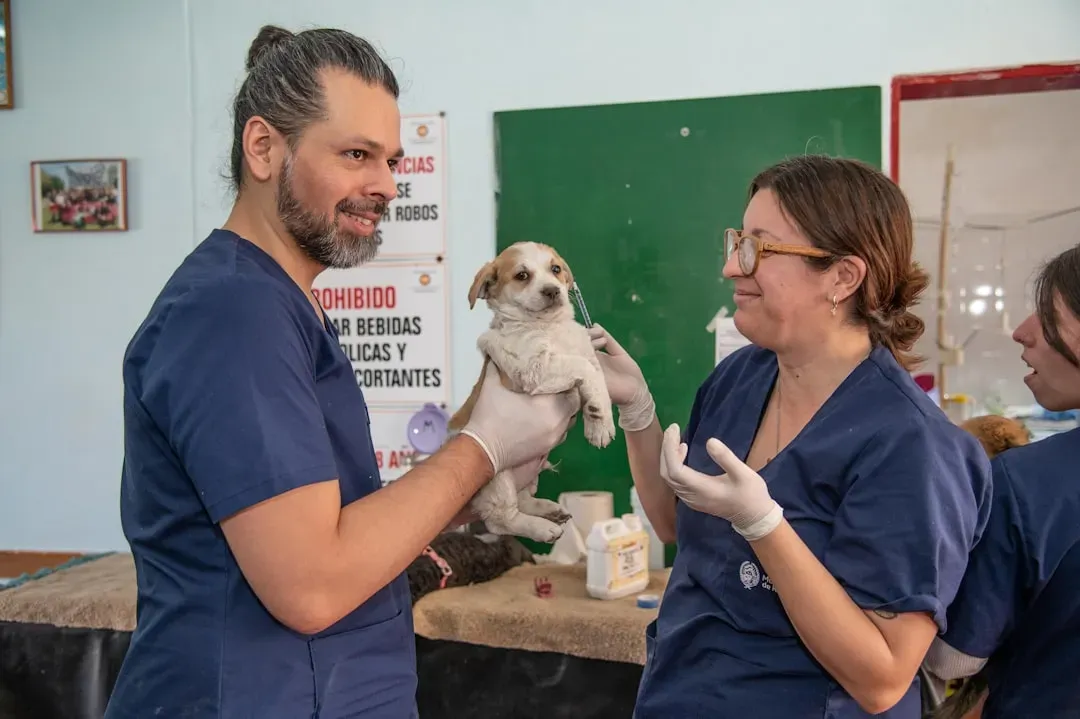
If you want to know who a rescue truly trusts, watch who’s allowed near the delicate parts. Newly adopted dogs often yank their paws away, snap their head back from ear touches, or tense at a mouth exam. It isn’t bad manners – it’s survival instinct.
Then one day your dog is limping slightly, you reach for their paw, and they hesitate – then allow you to look, even though it clearly hurts. That’s not obedience, that’s vulnerability. Most rescue dogs reserve this level of cooperation for exactly one human, even if they’re generally friendly with everyone else. Vets and groomers may get compliance; you get trust.
Quick Compare
- Before trust: Paw yanked away, head snapped back from ear touches, tense at exams.
- After trust: Allows paw handling even when it hurts, holds still for ear checks, leans into you during vet visits.
- The takeaway: Vets and groomers may get compliance – you get vulnerability.
#10 – Seeking You Out During Thunderstorms or Fireworks
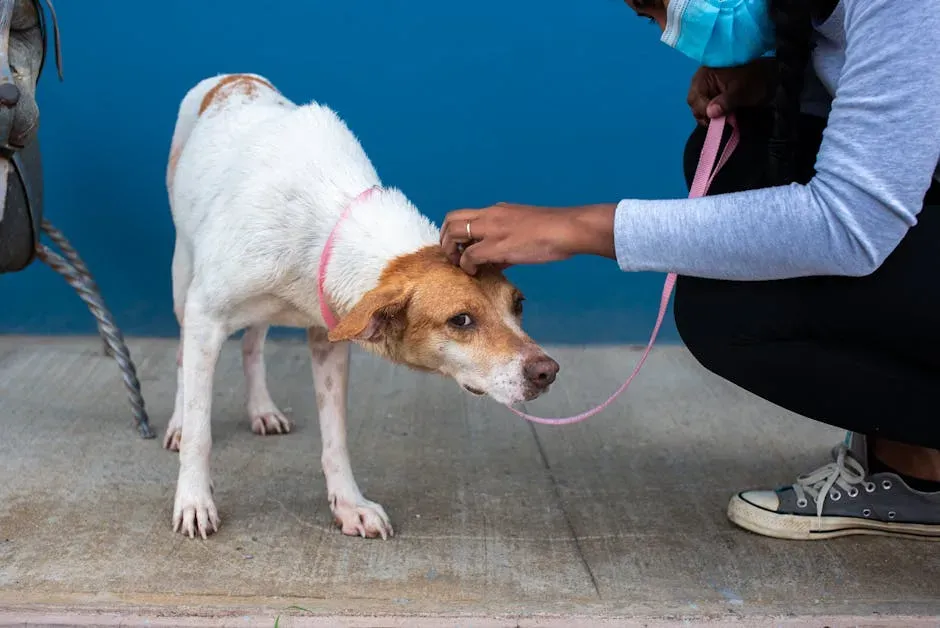
Early on, a noise-sensitive rescue might bolt under furniture or pace alone, totally unreachable. They’re not ignoring you – they simply don’t believe any human can help. Months later, the same dog may trot straight to you at the first rumble of thunder.
They press their body against your legs, try to crawl into your lap, or insist on physical contact while the sky explodes outside. This is a major cognitive shift – your presence has become an actual coping strategy. Fearful dogs do not seek out individuals they don’t feel safe with during panic-level stress, so choosing you in that moment means you’ve been filed under “protector,” not “potential threat.”
#11 – Dropping the Perfect Manners and Getting Playfully Rude
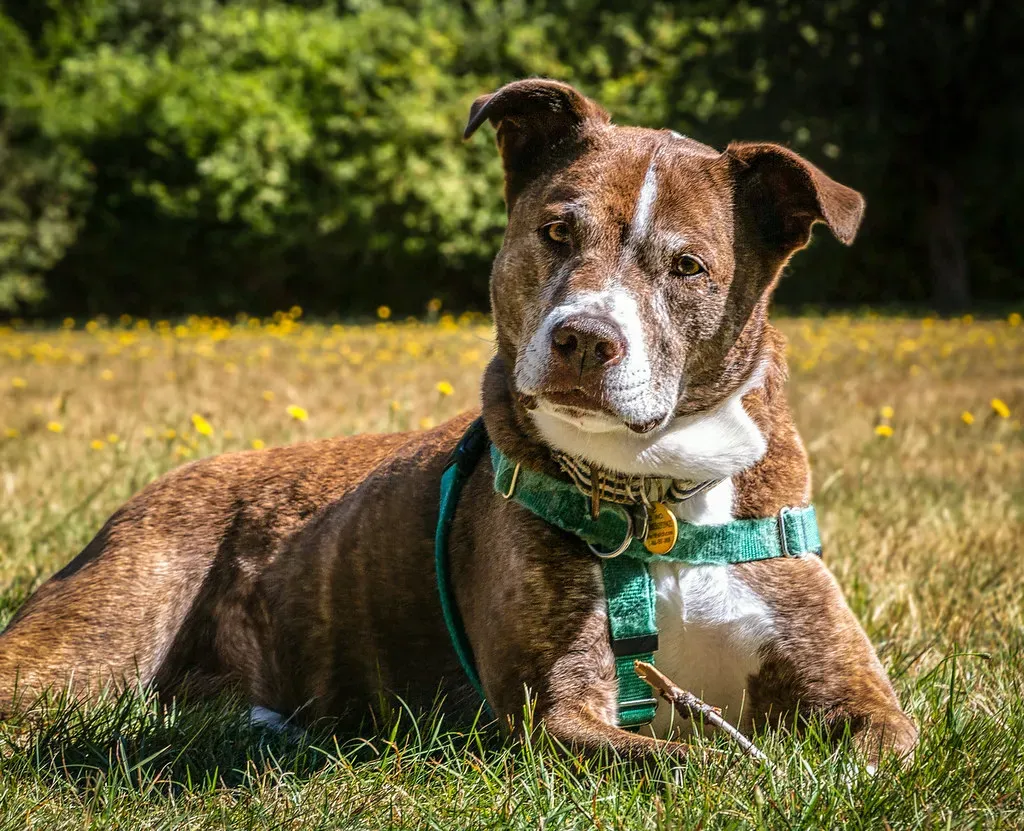
In the honeymoon phase, a rescue dog can seem unnervingly polite – no jumping, no zoomies, no wild barking. People brag about this like it’s proof of good character. In reality, it’s often a sign of deep inhibition.
Wait a few months, and suddenly the “perfect” dog is body-slamming you on the couch, barking for another round of tug, and mouthing your sleeve like a ridiculous teenager. To outsiders it might look like your dog “went backwards,” but goofy, messy, slightly pushy play is actually a symptom of safety. They almost always aim their most unfiltered, dorky joy at one favorite human, staying subdued or formal with everyone else.
#12 – Relaxing Their Guard Around Food and High-Value Items
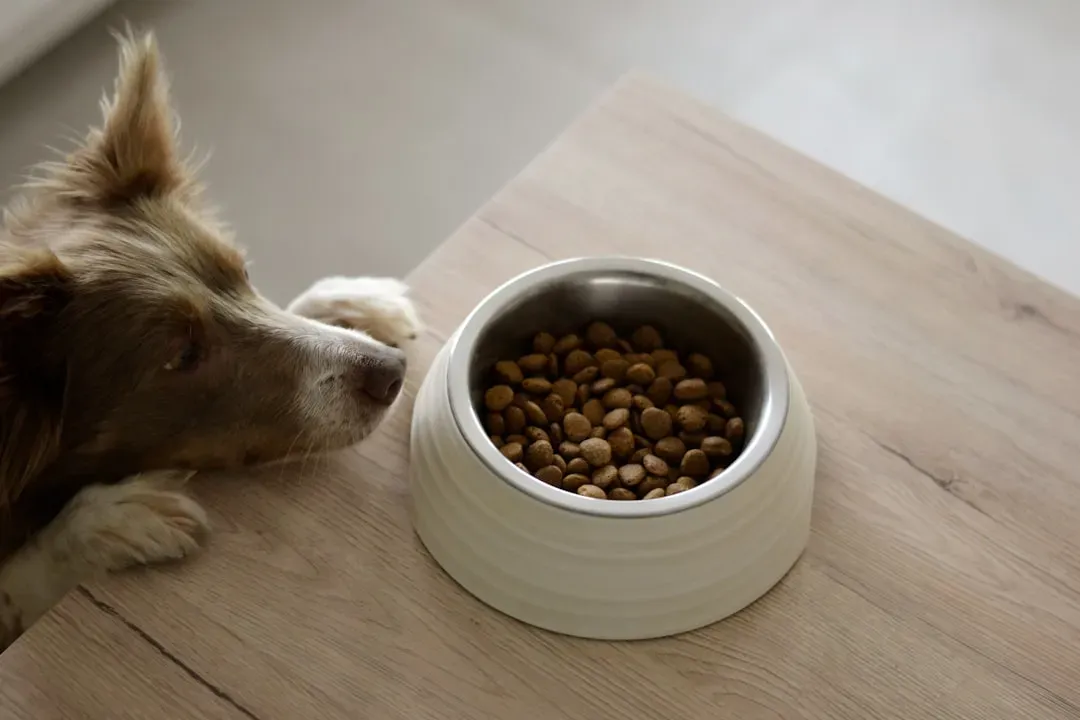
Resource guarding is extremely common in rescues, even in subtle forms – stiff body language near the bowl, hovering over chews, snatching food and darting away. In the early weeks, you’d be smart not to push it. Over time, something quietly radical can happen.
Your dog starts eating slower around you, walking away from the bowl when you approach, or letting you pick up a bone without panic. Repeated experiences where “human approaches food equals nothing bad happens” slowly overwrite the old script, and dogs often run this experiment on exactly one predictable, calm person first. Anyone can force a dog off its food; earning the right to move freely around a dog’s essentials without tension is a completely different achievement.
#13 – Showing You Their “Baby Voice”: Whines, Grumbles, and Quiet Talks
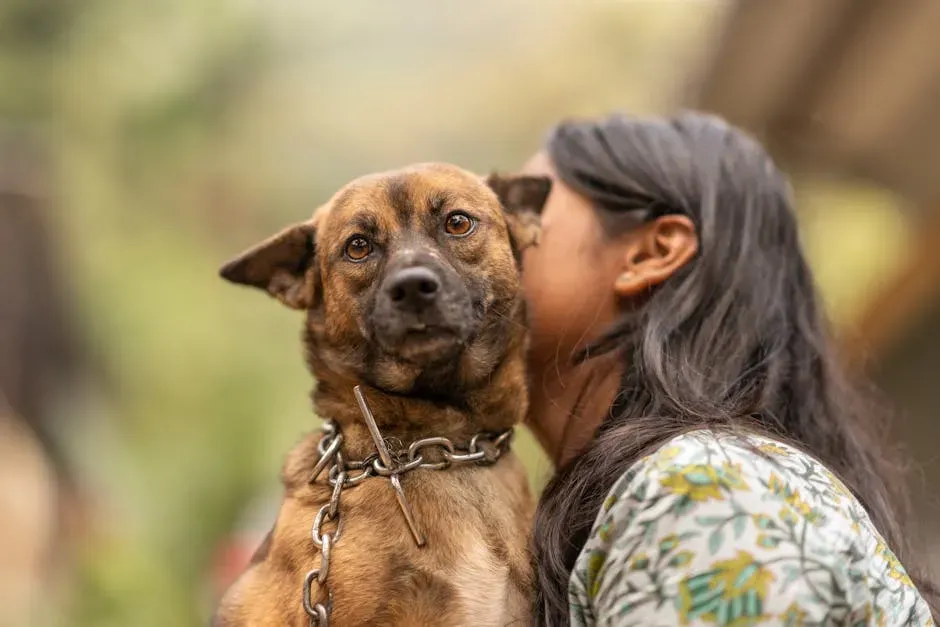
Many rescues are eerily silent at first – no barks, no whines, no goofy noises. That silence isn’t maturity, it’s self-protection. When they finally feel safe, a different soundtrack appears: soft whines when you leave the room, little grumbling stretches, chatty mumbles when they crawl onto your lap.
These aren’t frantic separation cries. Think of them as your dog’s inside voice, one they never bothered using in the shelter because nobody there was listening anyway. Many owners discover their rescue has an entire vocal library they only unlock in private with their favorite person.
Dogs do speak, but only to those who know how to listen.
Orhan Pamuk
#14 – Choosing You Over Competing Distractions
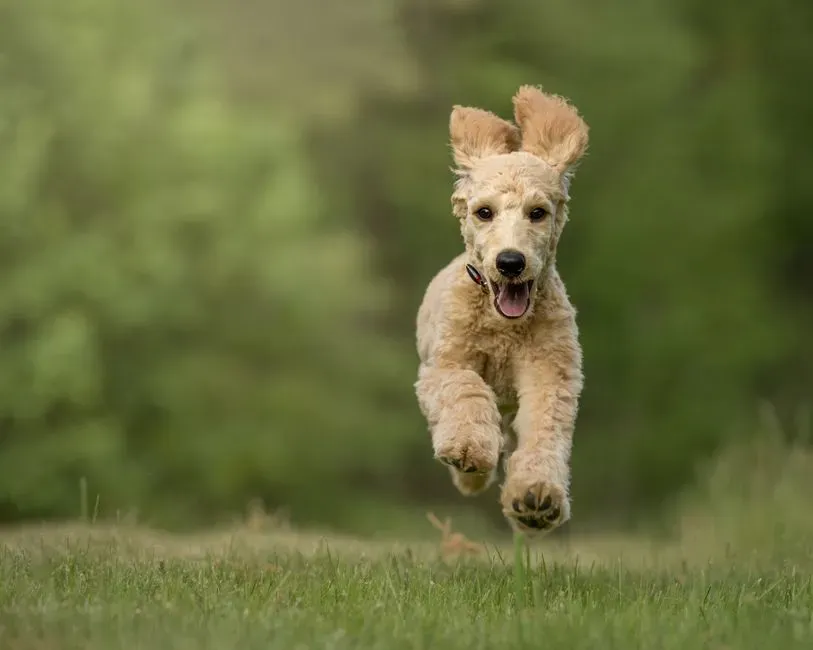
Most people assume a bond shows up as cuddles. Behavior folks will tell you it actually shows up when your dog has a choice. Picture a yard full of chaos – a squirrel in the tree, the neighbor’s dog barking, kids running around. In the early weeks, your rescue’s brain would vanish straight into that noise.
Months later, in that same chaos, you call their name and watch it happen: half a second of inner conflict, then they turn and race back to you. No treat in hand, no harsh command, just your voice cutting through everything else. Behaviorists call this referencing the attachment figure over environmental stimuli, which is simply a fancy way of saying your dog now ranks you above random chaos – a privilege rescues don’t hand out freely.
At a Glance
- Ranking a person above chaos is a form of secure attachment – the same bond researchers see between toddlers and trusted caregivers.
- It usually shows up first with recall in low-stakes moments, then later even amid big distractions like squirrels or barking dogs.
- A dog who ignores the pull hasn’t necessarily failed training – it simply hasn’t filed you as its safe base yet.
#15 – Showing You Their True Energy Level (Not the Fake Polite One)
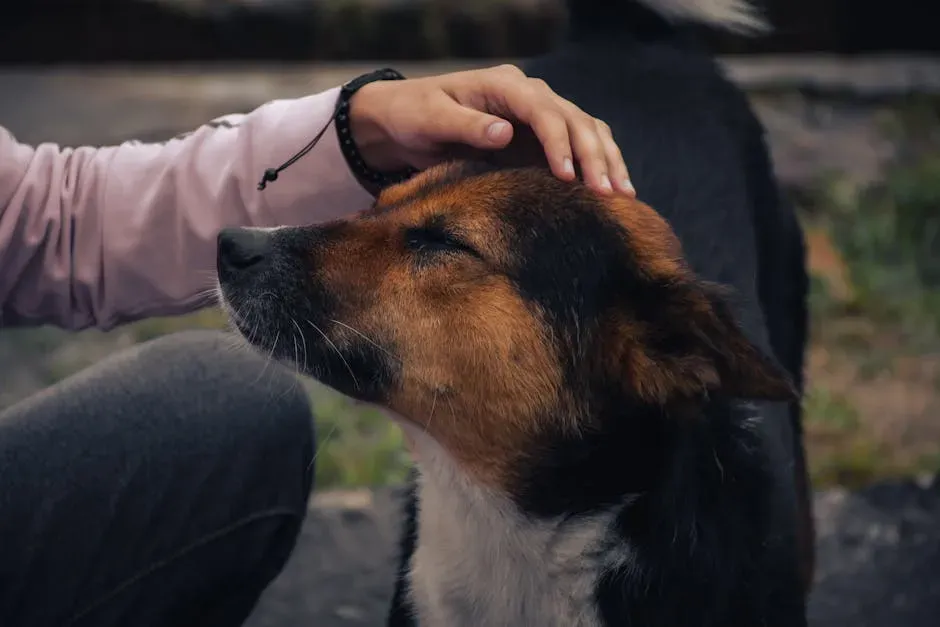
One of the biggest shocks for new adopters is the personality flip around month three. The dog you thought was mellow suddenly does zoomies at midnight or begs for hour-long hikes. People complain that the shelter “lied” about their dog’s energy.
The shelter didn’t lie – it just never got to meet the real dog. What you’re seeing is your rescue finally feeling safe enough to drop the frozen, under-stimulated act. Some visitors still only get the quiet, reserved version, but the full-volume, silly, high-drive dog is reserved for the person they’re convinced won’t punish them for existing at full volume. It’s more work, but from a trust perspective, it’s pure gold.
#16 – Turning to You When They’re Unsure What to Do
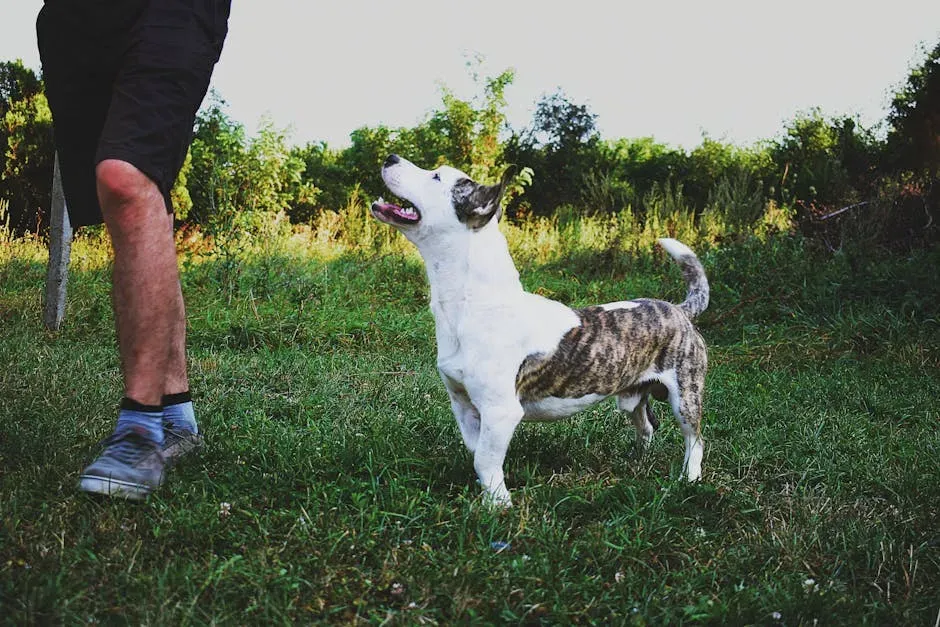
Watch a scared or undersocialized rescue meet something new – a stranger, an odd noise, an unfamiliar object. Many will freeze, bolt, or make random choices with zero input from the human holding the leash. Your opinion doesn’t register to them yet.
Fast forward, and in that same moment of uncertainty, you’ll catch a quiet miracle: your dog pauses, looks directly at you, and waits. That’s called social referencing, one of the clearest markers of secure attachment, similar to what human toddlers do with their caregivers. They’re outsourcing part of their decision-making to you, and that status has to be earned.
#17 – Crawling Into Your Space When YOU’RE the One Who’s Not Okay
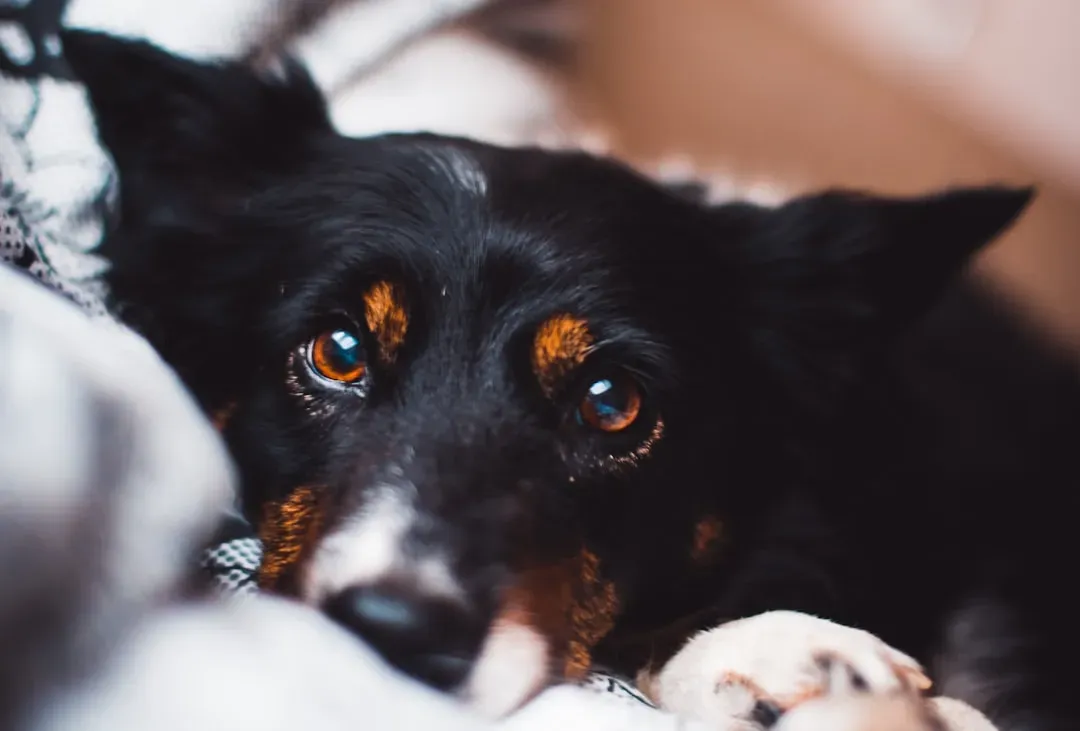
This is the one almost nobody talks about, and it’s often reserved for exactly one human. In the beginning, your emotional state means nothing to a rescue dog – they’re too busy surviving their own. Months or years later, during a bad day, crying on the couch or lying in bed sick, you’ll feel it.
A head pushed under your hand. A body pressed firmly against your side. A dog silently choosing contact without being called, because they read your voice, your posture, your scent changes, and decided to intervene. A lot of rescues only offer this level of attunement to the one person who consistently showed up for them when they were afraid. If you think dogs “don’t really understand,” ask yourself why they never did this for anyone else.
The Bottom Line
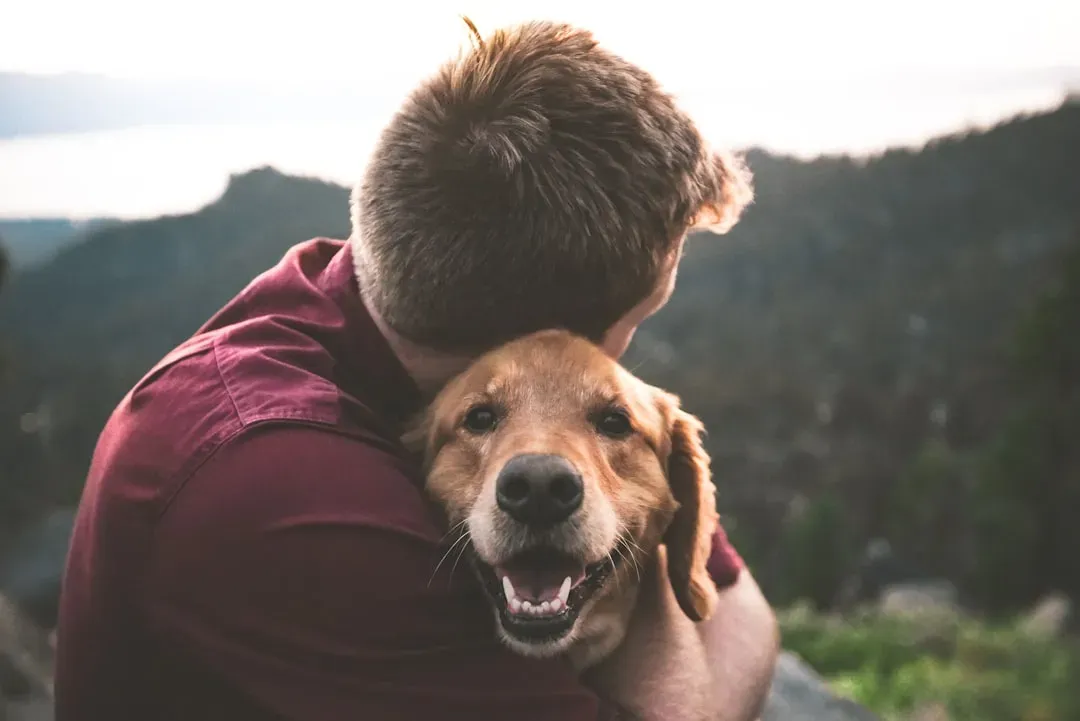
Rescue dogs don’t hand out trust like party favors. They ration it, test it, and then, very slowly, invest it in one person who proves – over boring, repetitive days – that they’re safe. The clingy shadow, the belly-up sprawl, the storm snuggles, the midnight zoomies aren’t quirks people romanticize online for no reason.
They’re receipts, paid in patience instead of punishment. Sometimes that trust looks messy, loud, or inconvenient, and plenty of people bail the moment things get complicated. Stay through the shutdown phase, the “problem” behaviors, the strange in-between weeks, and you might end up being the only human that dog ever fully believes in. That’s not a cute story – it’s a responsibility, and it’s the best one you’ll ever earn.