
18 Abilities Dogs Hold Onto Which No Instrument in a Clinic Has Managed to Measure
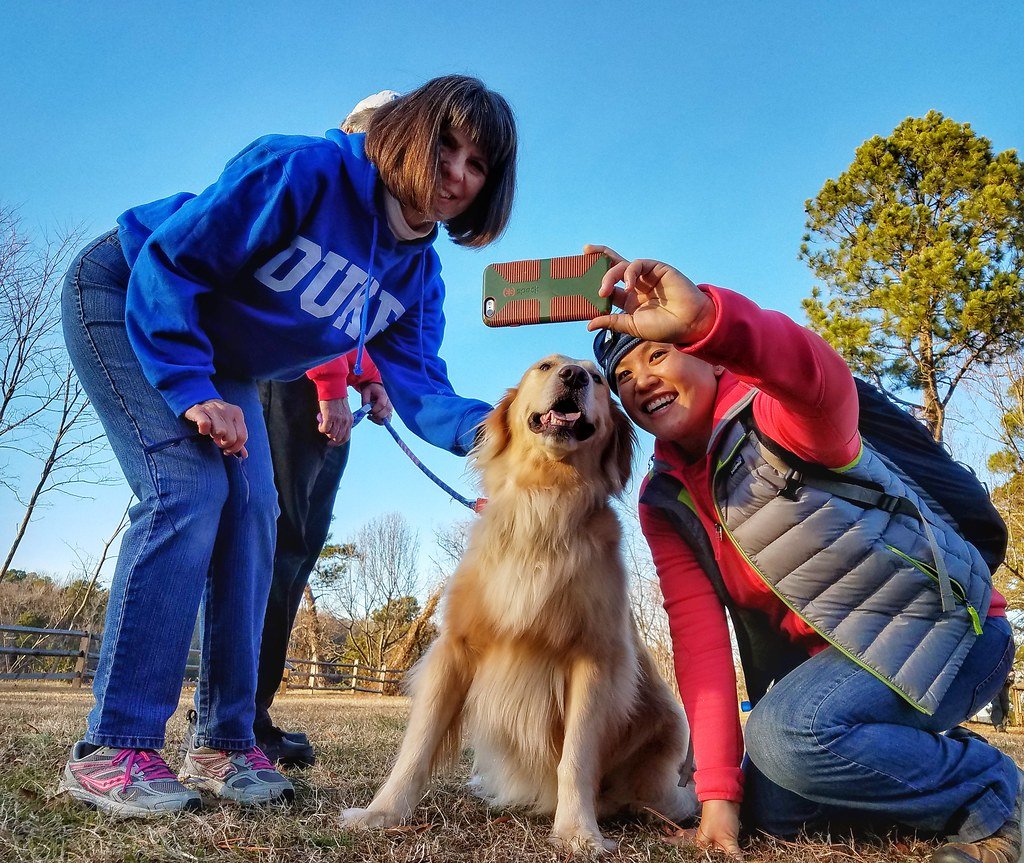
Every year the tech gets fancier. Wearable trackers, DNA panels, AI mood apps, cortisol swabs – we’ve convinced ourselves we’ve finally cracked the code on what’s happening inside a dog’s head. Then your dog does something so precisely timed, so quietly perceptive, that the whole illusion falls apart in about four seconds.
Ask a vet what their machines can measure and they’ll list heart rate, hormone panels, joint mobility, maybe a brainwave pattern. Ask a dog owner what their dog actually does, and you’ll get stories no machine has ever matched. These 18 abilities aren’t folklore. They’re patterns reported by millions of owners – patterns so consistent that science keeps circling them without ever pinning them down.
#1 – Reading Your Emotional Weather Before You Say a Word

Dogs don’t just look at your face – they read your emotional weather better than most humans do. Vets can track eye movement or cortisol levels, but nobody can explain how a dog knows you’re upset before you’ve said a single word.
Your expression might not even change, yet your dog shifts from play mode to comfort mode in seconds. You didn’t cry, you didn’t speak, but your dog is suddenly at your knee, head resting there like it was summoned. That’s not just training. It’s a form of pattern-recognition nobody has fully mapped yet.
#2 – Detecting Invisible Health Shifts Before Any Monitor Does
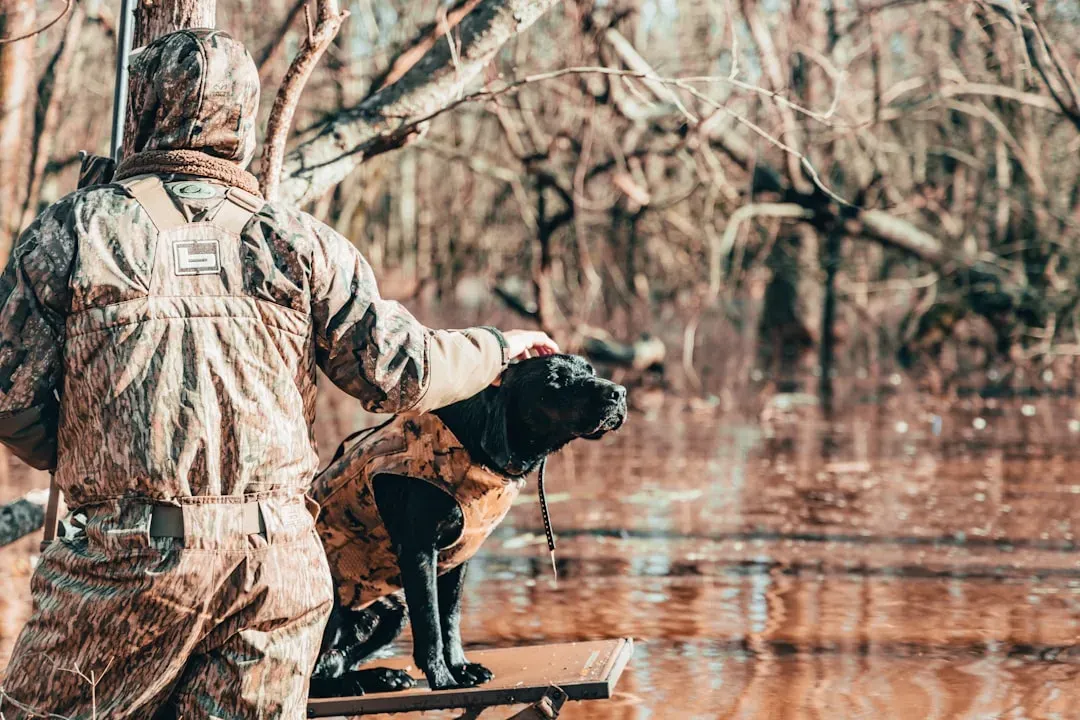
Everyone’s heard of seizure-alert dogs, but the stranger truth is that ordinary pet dogs notice health changes long before any device does. A dog starts obsessively nudging one spot on your leg or sniffing one side of your body, and months later a doctor finds something in that exact place.
Medical devices catch abnormalities once they cross a measurable threshold. Dogs seem to sense the tiny biochemical shifts long before that line is even close. Their noses can detect scent at parts per trillion, but we still don’t know what combination of smells reads as “tumor” or “seizure coming” inside a dog’s brain – we just know they’re often right.
Fast Facts
- Dogs carry up to 300 million scent receptors, compared with roughly 6 million in humans.
- Their sense of smell is estimated to run anywhere from 10,000 to 100,000 times stronger than ours.
- Trained detection dogs have helped flag certain cancers and diabetic blood sugar swings before standard tests caught them.
#3 – Knowing You’re Coming Home Minutes Before You Arrive
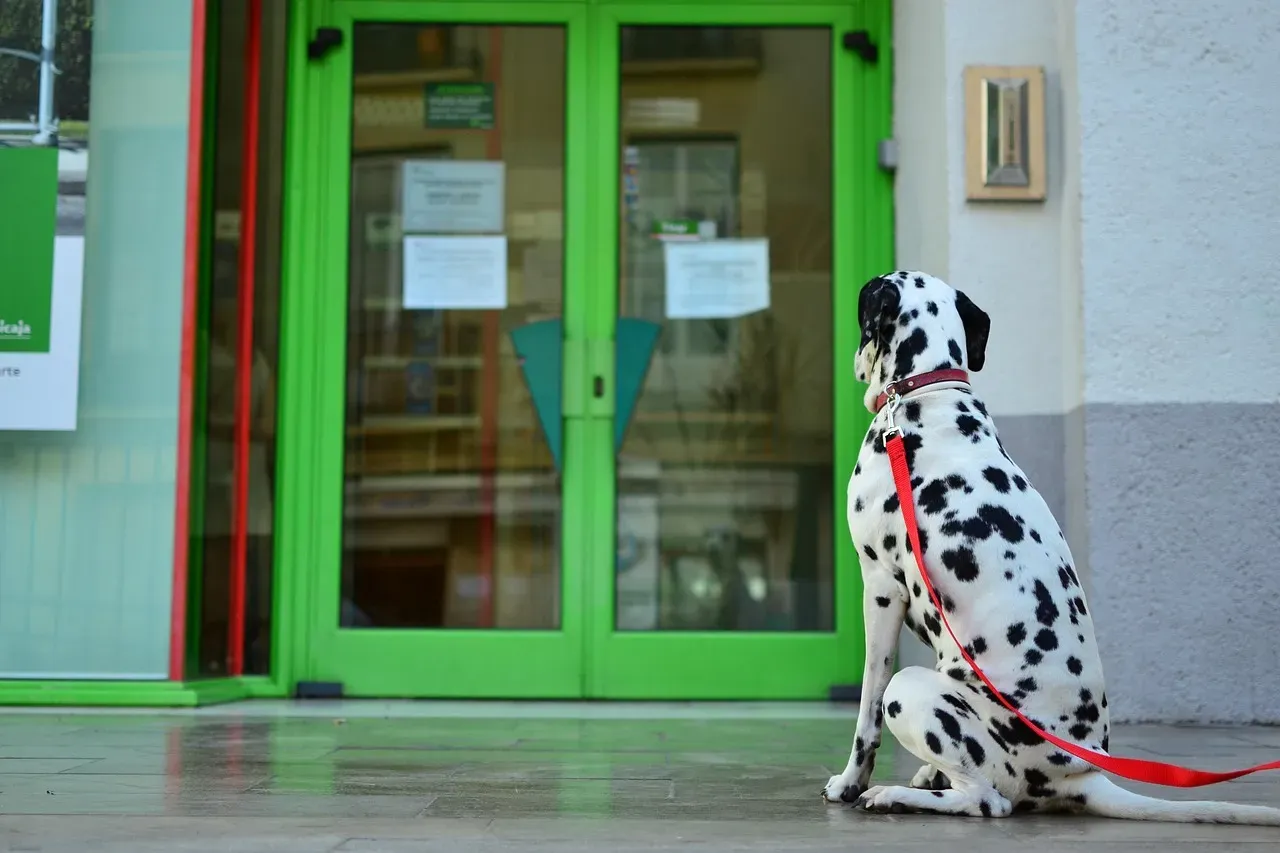
Most people wave this off as routine – “the dog just knows the schedule.” But anyone who works irregular hours has watched that theory collapse. The dog still nails the exact moment you’re headed home.
Everything is calm, and then suddenly your dog jumps up and stares at the door, minutes before your car even turns onto the street. No sound, no text, no obvious cue. In studies where owners came home at random times, some dogs still anticipated the arrival with unnerving accuracy – a sense no clinic monitor has a setting for.
#4 – Grieving in Ways That Look Uncomfortably Human

A vet’s chart can note “loss of appetite” or “lethargy.” That’s not what owners see when a companion dies. Some dogs search rooms for days, sleep where the person used to sit, and wait by the door long after they’re told, gently, that no one is coming back through it.
You can’t graph that kind of longing on a lab report. Scientists use careful terms like “attachment disruption” because “grief” sounds too human – but that’s exactly the discomfort. The behavior is close enough to our own that it makes people look away.
#5 – Syncing to Your Mental State Without Being Asked

Therapists now prescribe emotional support dogs, but dogs were doing this long before it had a certification. On high-anxiety days, many owners notice their dog shadowing them room to room or lying across their feet, as if physically anchoring them.
On depressive days, the same dog often sleeps longer, presses in closer, and loses interest in rowdy play – like they’ve turned the household volume down on purpose. No one taught them a diagnostic manual. They’re reading scent, posture, and something we haven’t even named yet, and adjusting in real time.
#6 – Forgiving Faster Than Most Humans Ever Would
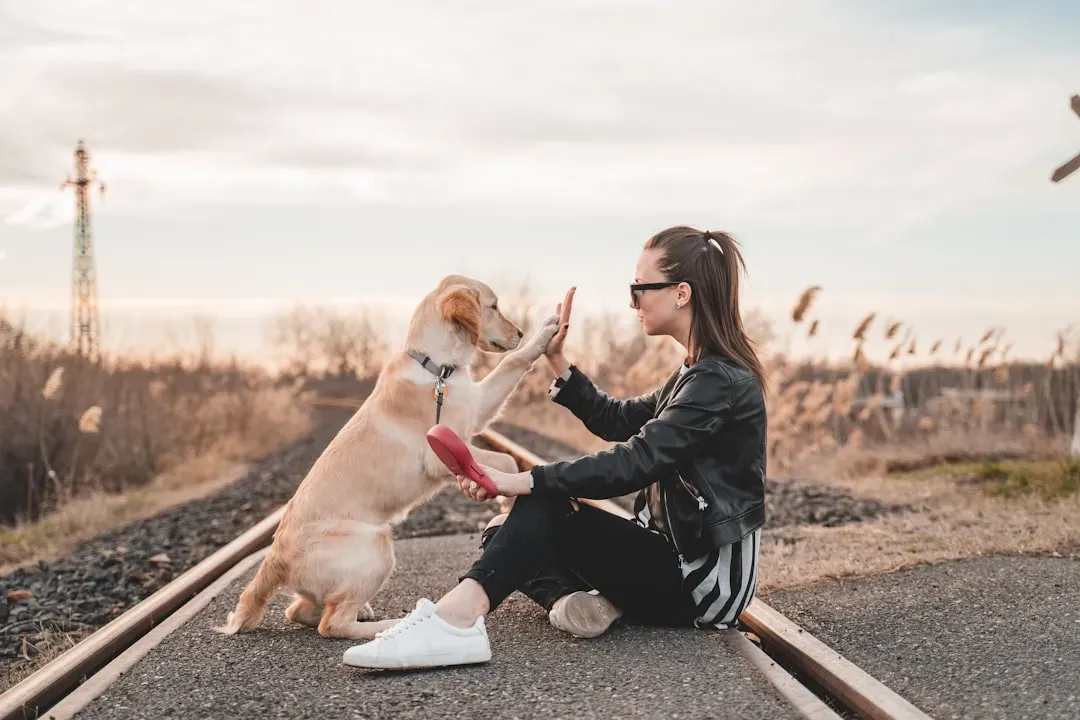
No scan can measure how fast a dog decides, “You’re still my person.” Someone raises their voice or steps on a tail, the dog yelps and bolts – then creeps back minutes later, tail low but wagging, silently asking if they’re okay now.
Even dogs who’ve survived real abuse will, with patience, start to trust again. That’s not forgetting; many stay cautious for life. But they keep attempting connection anyway, choosing hope over memory in a way no bloodwork panel has ever explained.
#7 – Sensing Danger Before Any Alarm Goes Off
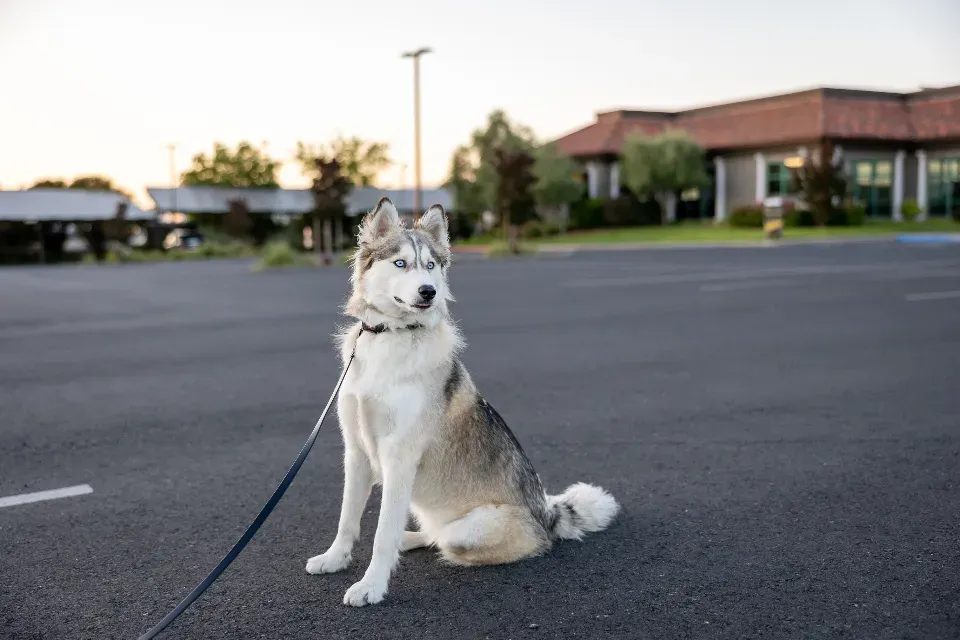
We trust smoke detectors and weather apps, yet story after story shows the dog was the real early-warning system. Dogs have woken owners minutes before a house fire spread, before a gas leak turned lethal, or right as a storm was about to hit.
Some paw frantically at doors, others simply refuse to settle. We know dogs hear and smell things we can’t, but we don’t know exactly where “annoyed by a smell” turns into “this is critical, wake them now.” That protective switch is closer to a decision than an instinct, and no machine has a unit for it.
#8 – Remembering Shared Moments, Not Just Commands
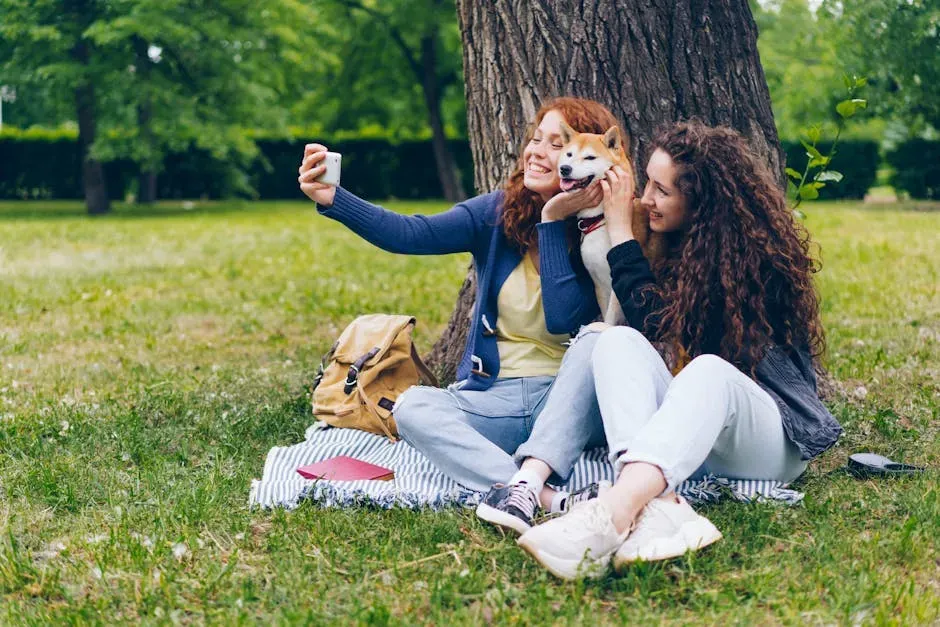
Most people assume dogs only remember what’s been reinforced – sit, stay, come. Reality is messier. Mention “the cabin” or “grandma’s house” and the dog reacts before you’ve even picked up the leash.
They remember the exact corner where a truck once scared them, or where they met a dog friend they adored. This isn’t simple conditioning. It looks suspiciously like episodic memory – the “I remember that time when…” kind we like to think is uniquely ours.
#9 – Instantly Sorting Strangers Into Safe, Neutral, or Problem
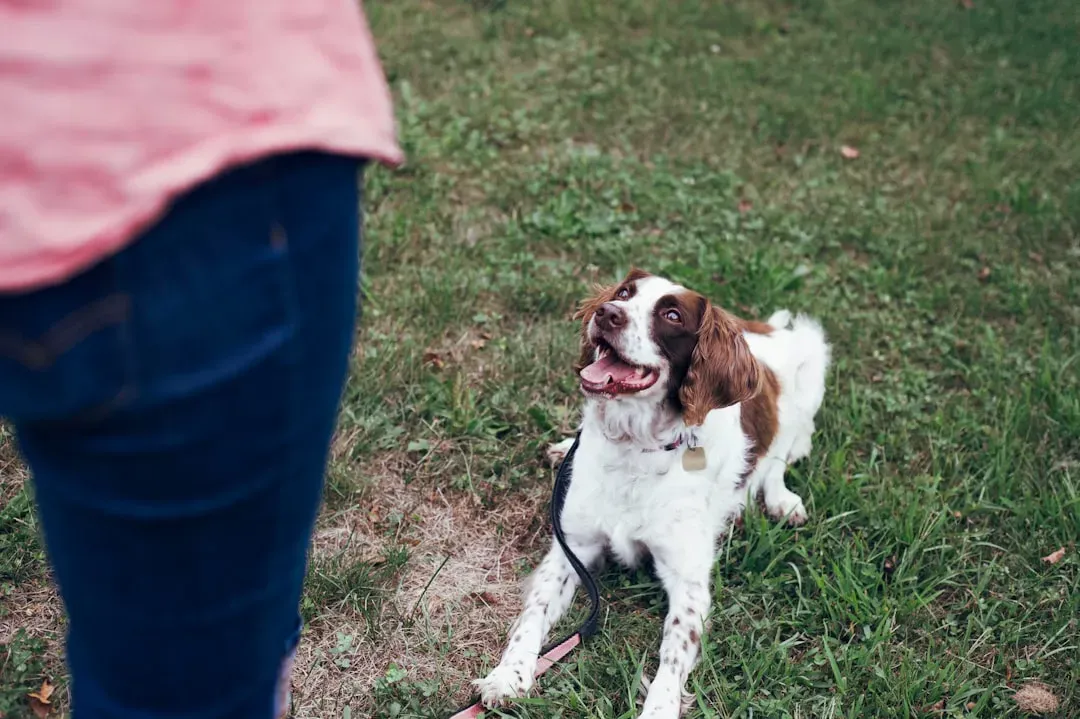
We talk about dogs being “good with people” or “reactive,” but that’s a crude overlay. Inside, most dogs run an incredibly fast risk assessment on every new human they meet – posture, scent, vocal tone, even the rhythm of someone’s footsteps.
Some visitors get a relaxed wag. Others get a stiff posture and a quiet retreat to another room. Disturbingly often, dogs are right about the third category, and no clinic instrument can read the “vibe” a person gives off the way a dog’s nervous system does, live, in the moment.
#10 – Building a Private Language Just for Your Household
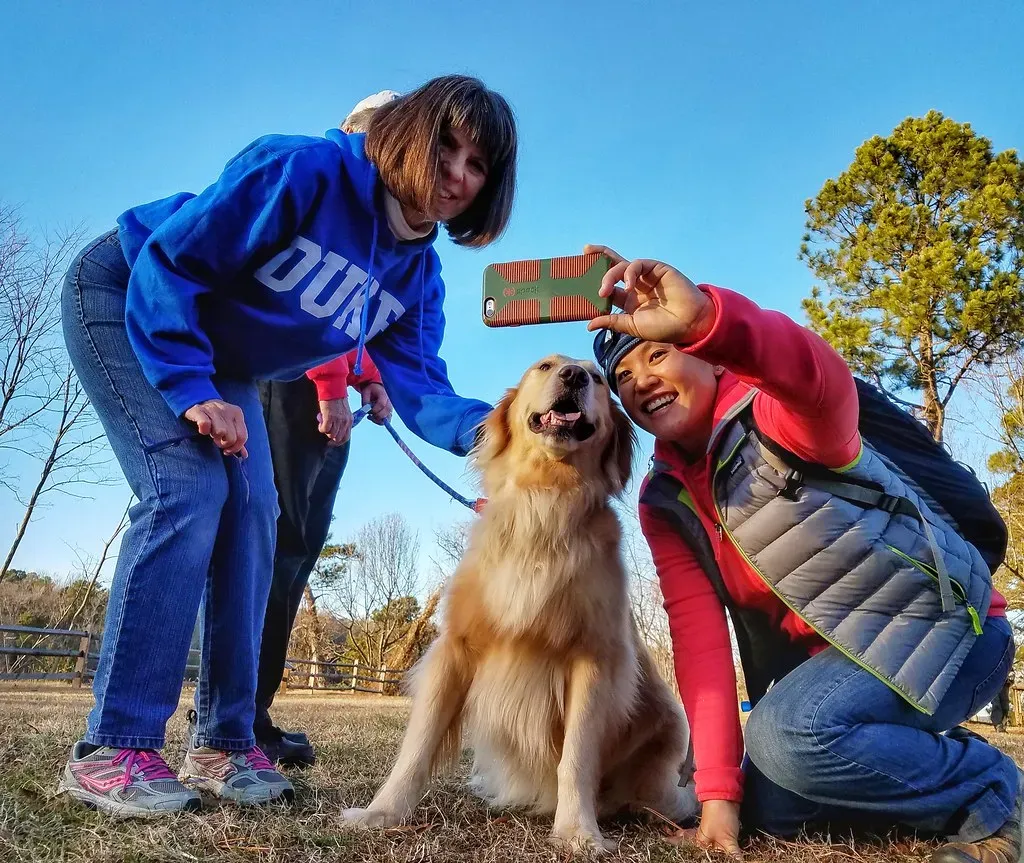
We like to think we’re the ones doing all the teaching. In reality, dogs spend their lives quietly hacking our communication system. One bark means stranger at the door, another means toy under the couch, and a very specific whine means you’re late with dinner.
What’s wild is how personal it gets. Some dogs learn a single sharp yip gets you running, while others develop soft grumbles only their own household understands. They even mirror your sighs and your yawns – customizing a language pack for one species, in one home, that no speech-analysis tool has ever fully decoded.
Worth Knowing
- Dogs use distinct barks for different situations, like alerting to a stranger versus asking to play.
- Many households develop dog-specific “words” – a single whine or pitch – that outsiders could never decode.
- Dogs also mirror human yawns and sighs, a behavior researchers link to social bonding between species.
#11 – Making Moral-Looking Choices With No Rule Book
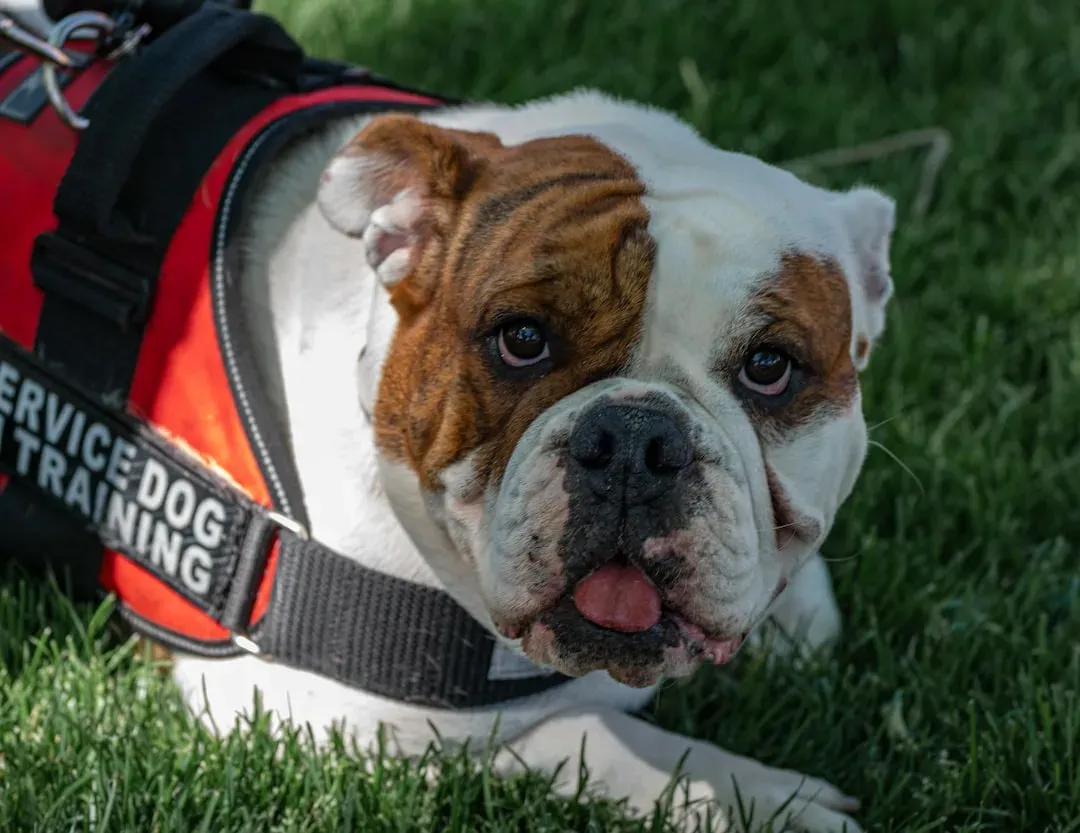
Here’s where things get uncomfortable: some dogs act like they understand right and wrong, not just rewarded and punished. Dogs have been seen refusing food until a weaker dog eats, or placing themselves between a child and an aggressive adult.
There are service dogs who disobey a direct command because they’ve sensed a medical risk in obeying it. Science calls this “prosocial behavior” to avoid the heavier word. Owners just call it what it looks like – a dog choosing the harder path for someone else’s sake.
#12 – Tracking Your Daily Rhythm Almost to the Minute
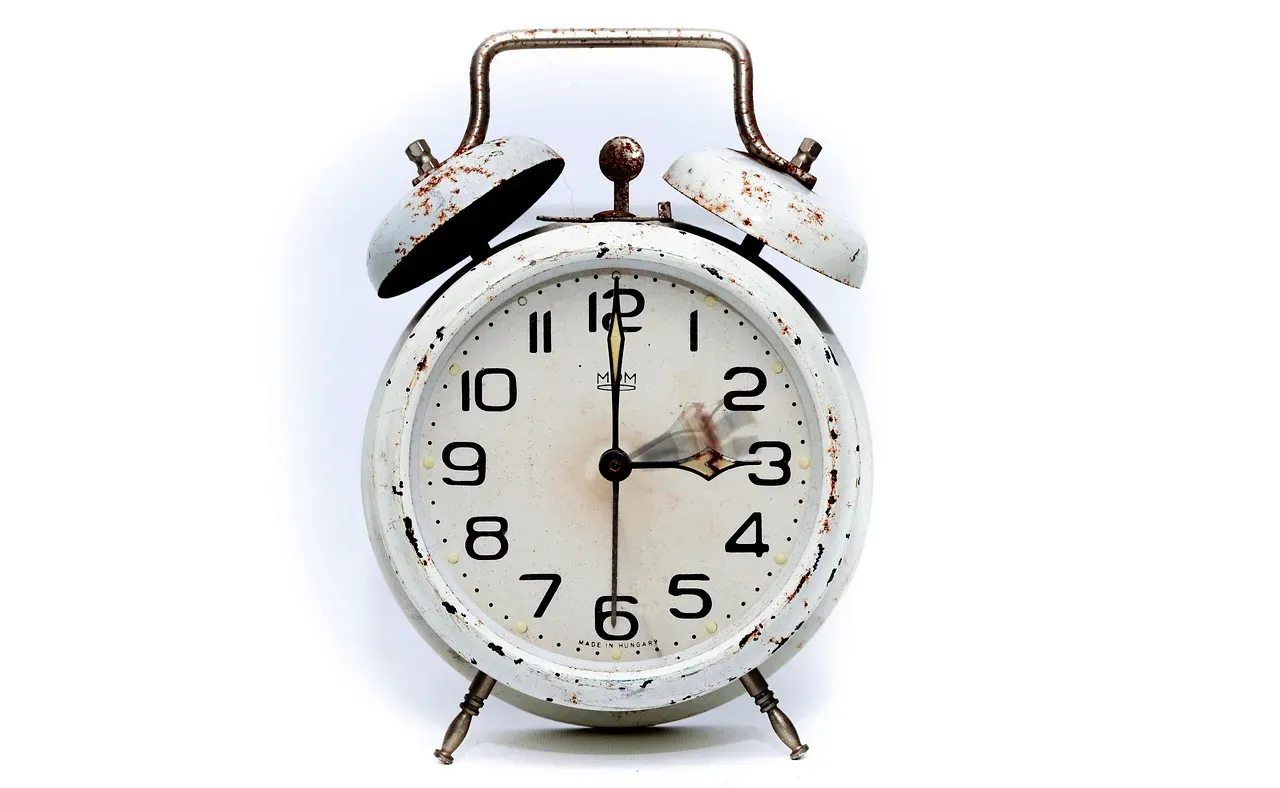
Dogs supposedly have “no sense of time,” and yet your dog somehow knows exactly when it’s walk o’clock, dinner o’clock, and the time you usually text that you’re on your way home. Daylight savings barely slows them down.
Some dogs get restless minutes before your alarm goes off, as if they’ve internalized your sleep cycle. Clinics can monitor sleep stages with electrodes all day; that still won’t explain why your dog knows you’ve overslept before you’ve even opened your eyes.
#13 – Staying Loyal Even When the Relationship Is Lopsided
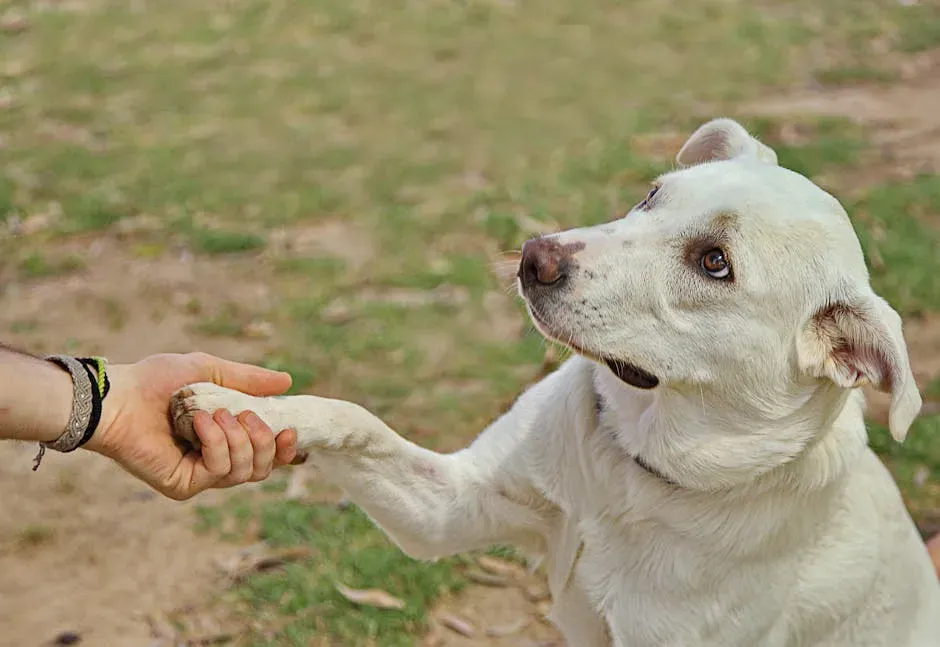
Here’s the uncomfortable truth dog people don’t say out loud: many dogs give more than they get, and they stay anyway. Long workdays alone, chaotic homes, inconsistent handling – and they still erupt in joy the second the door opens.
Vets see it constantly: a dog trembling on the exam table still buries its face in the owner’s chest for safety. That’s not rational. It’s devotion wired deeper than any CT scan can chart, and it holds even for dogs who’ve waited at a gate for months after being abandoned.
#14 – Adjusting Their Whole Personality to Fit the Room
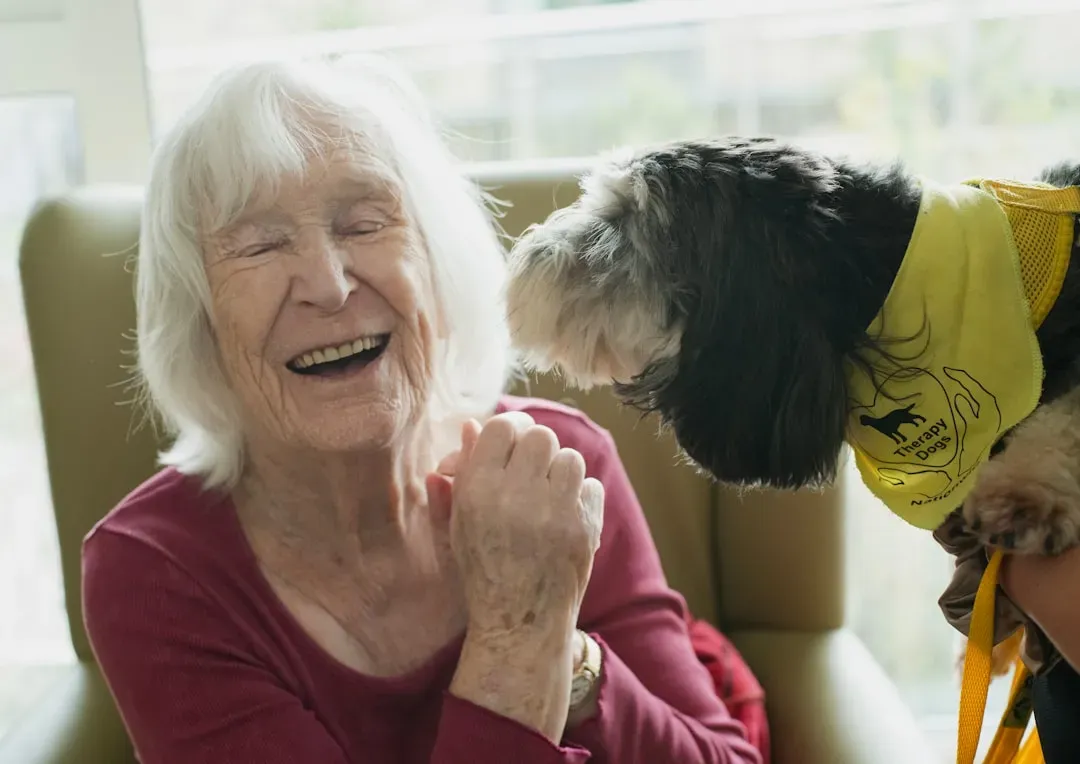
One dog, many versions of itself. Goofy around kids, gentle around seniors, rowdy with other dogs – dogs run constant social calculations and adjust like seasoned diplomats. A dog that wrestles hard with an adult will suddenly soften playing tug with a toddler, holding back strength it clearly has.
In multi-dog homes, you’ll often see one take the clown role and another become the referee, roles shifting depending on who’s in the room. Behavior studies can score play styles, but they can’t catch the nuance of a dog noticing, “Grandpa’s unsteady today – stay close, but stay gentle.”
At a Glance
- In multi-dog homes, distinct roles often emerge, with one dog naturally settling into a peacemaker role.
- Dogs playing with children typically self-handicap, holding back the strength and speed they’d use with an adult.
- That same adaptability is exactly what evaluators look for when screening dogs for therapy work.
#15 – Turning Small Routines Into a Private Ritual
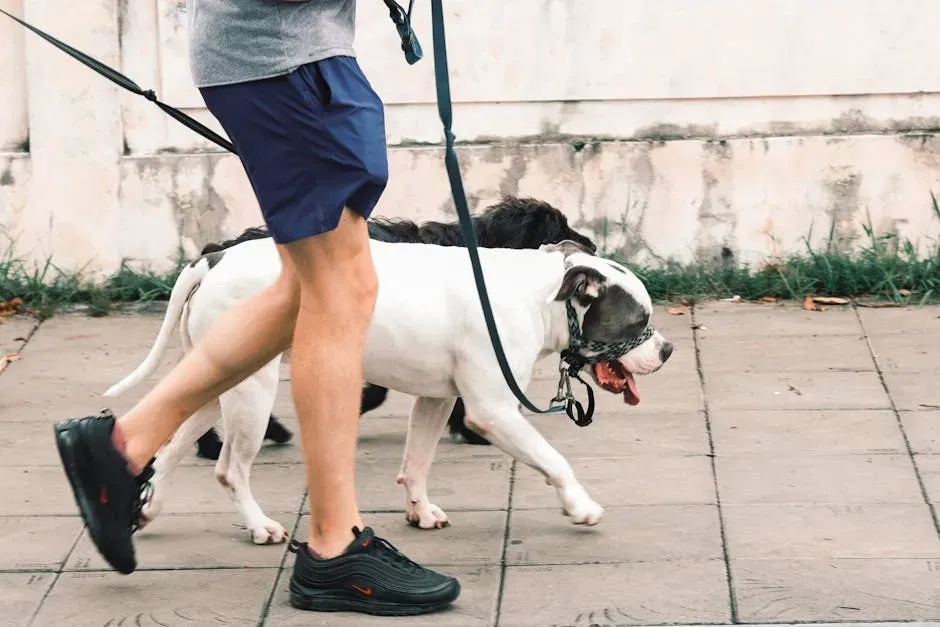
If you think daily habits are “just habits,” you’re underestimating how seriously dogs take them. The goodnight biscuit, the exact order of walk-then-dinner, the specific window you both stare out of at sunset – once those become “yours,” your dog defends them fiercely.
Change the order and watch the confused protest. Skip one and you’ll get a hopeful stare quietly asking if something’s wrong. There’s no chart for the importance of 7:15 p.m. couch time, but your dog treats it like proof the world is still steady.
#16 – Quietly Adopting Random Humans Into Their Family
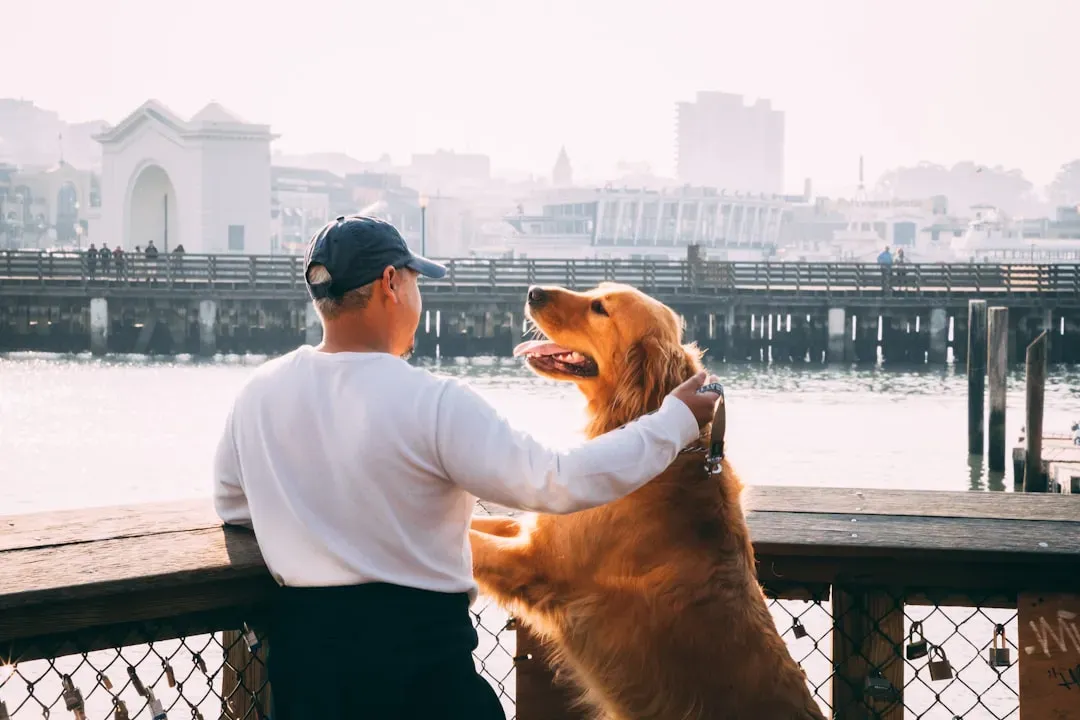
Every dog has “their person,” but many also keep a running list of extra humans filed under mine – the neighbor who always waves, the mail carrier who offers a scratch, the friend who visited during a hard time. Dogs sort strangers, acquaintances, and then a special tier that’s basically kin.
Once you’re in that tier, the greeting is full-body joy, even after long gaps, as if no time passed at all. No scan can show the exact moment you get upgraded from guest to family, but owners always know when it happens.
#17 – Staying Fully Present in a Way Humans Struggle To
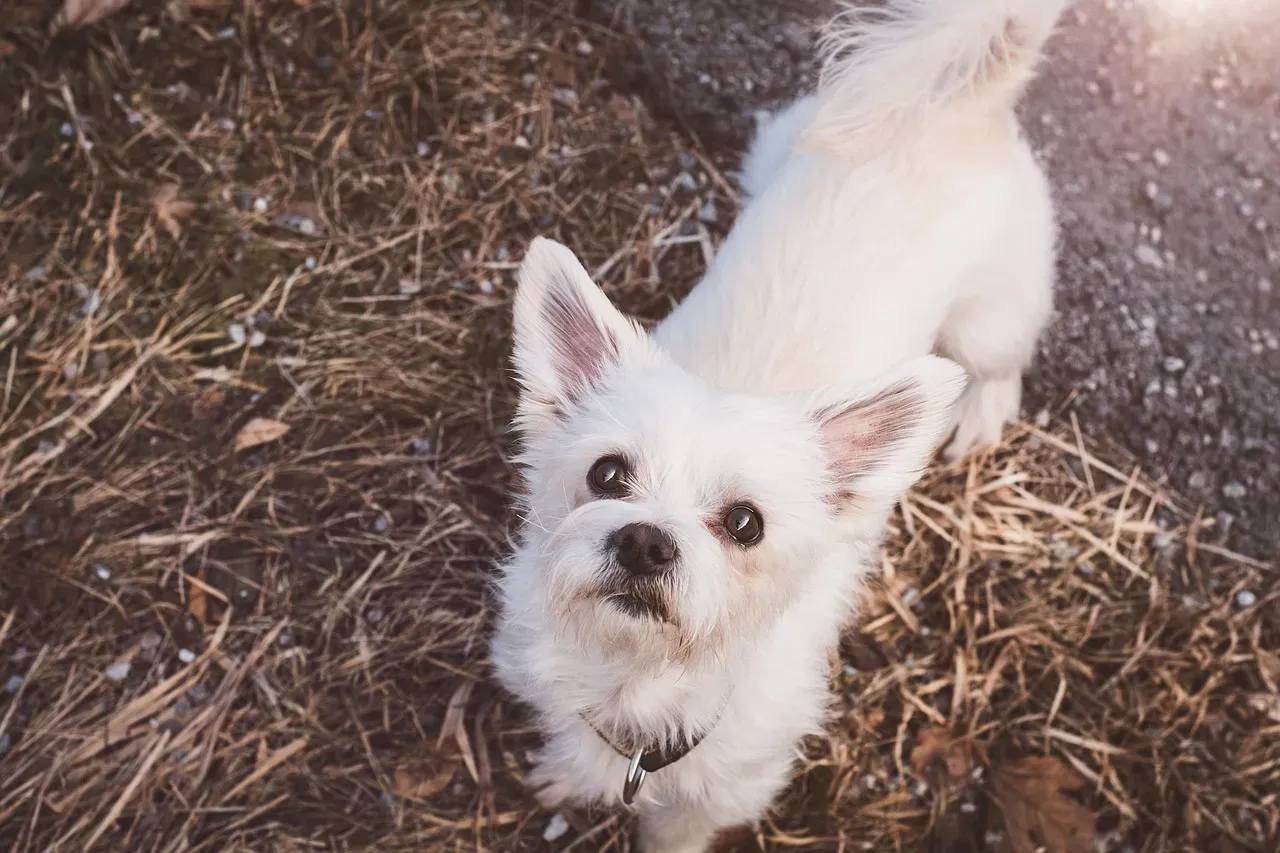
Mindfulness apps sell what dogs do for free: staying rooted in the exact moment you’re sharing right now. Dogs remember and anticipate things, sure, but when they’re with you, they’re all the way with you – not scrolling, not half-listening, not replaying an old argument.
Neuroscientists can record brainwaves that suggest “relaxed” or “alert,” but no device can quantify the quality of attention that makes people say, “I feel calmer just sitting with my dog.” That kind of presence is something humans pay coaches to relearn. Dogs come preloaded with it.
Why It Stands Out
- A widely cited Washington State University study found that just 10 minutes with a dog measurably lowered students’ cortisol levels.
- Other research links time with a dog to rising oxytocin and reduced blood pressure.
- Unlike meditation apps, a dog’s calming presence asks nothing of you and needs no training to work.
#18 – Leaving a Bond That Outlives Their Own Lifetime

Here’s the part science hates most: dogs leave a psychological footprint deep enough to keep shaping you long after they’re gone. Years later, people still feel the weight of that head on their knee, still glance reflexively at the spot where the bed used to sit.
Future dogs get compared, without meaning to, to that first soul-dog. Big decisions about homes, kids, or jobs quietly run through the filter of what life would look like for a dog in that picture. Clinics can measure grief hormones after loss, but they can’t measure the permanent upgrade dogs make to a person’s capacity for empathy.
Dogs are not our whole life, but they make our lives whole.
Roger Caras
The Bottom Line
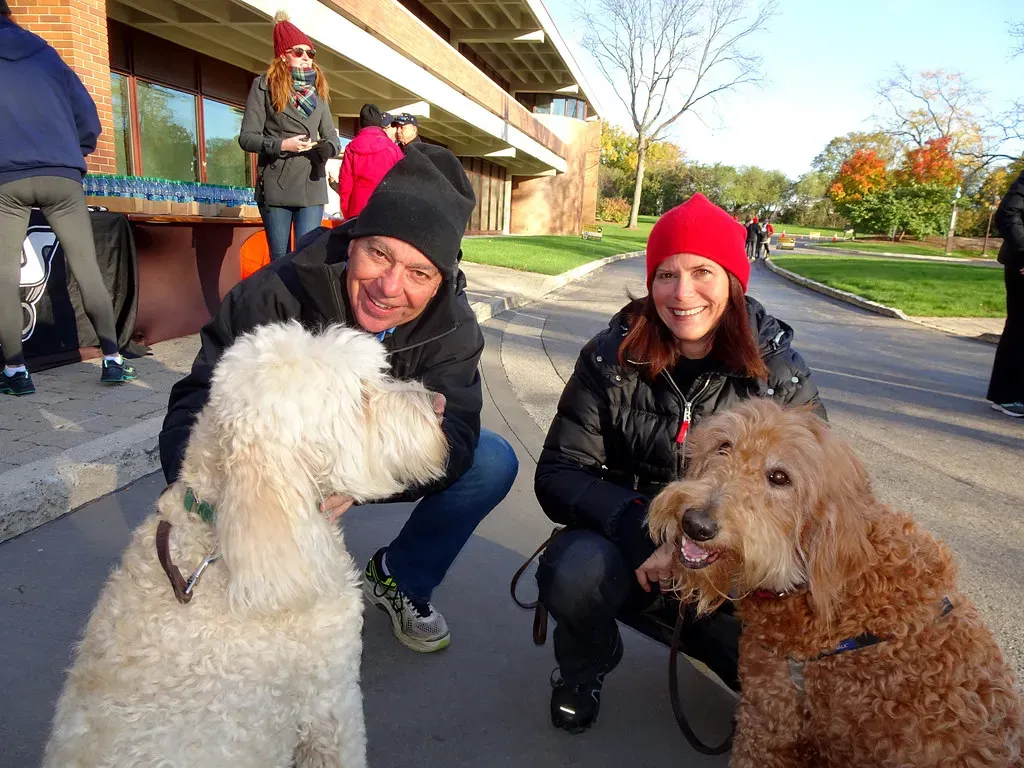
For all our machines, charts, and lab panels, dogs keep winning in categories we haven’t even figured out how to label. They read our emotions without words, sense danger before alarms do, build their own language to reach us, and make choices that look suspiciously like moral courage.
We can time a heartbeat and analyze saliva down to the molecule, but the quiet decision to lean on you when your life falls apart sits completely off the medical grid. Here’s the opinion plenty of “serious” people will hate: the fact that we can’t measure these abilities doesn’t make them less real – it exposes how narrow our tools still are.
Dogs aren’t fuzzy little robots running on kibble and routine. They’re complex emotional partners quietly reshaping who we are, in ways no clinic will ever get to graph. Did we miss an unmeasurable ability your dog has? Drop it in the comments and defend your four-legged genius.