
13 Ordinary Routines That Make a Dog Feel So Settled It Stops Watching the Front Door Entirely
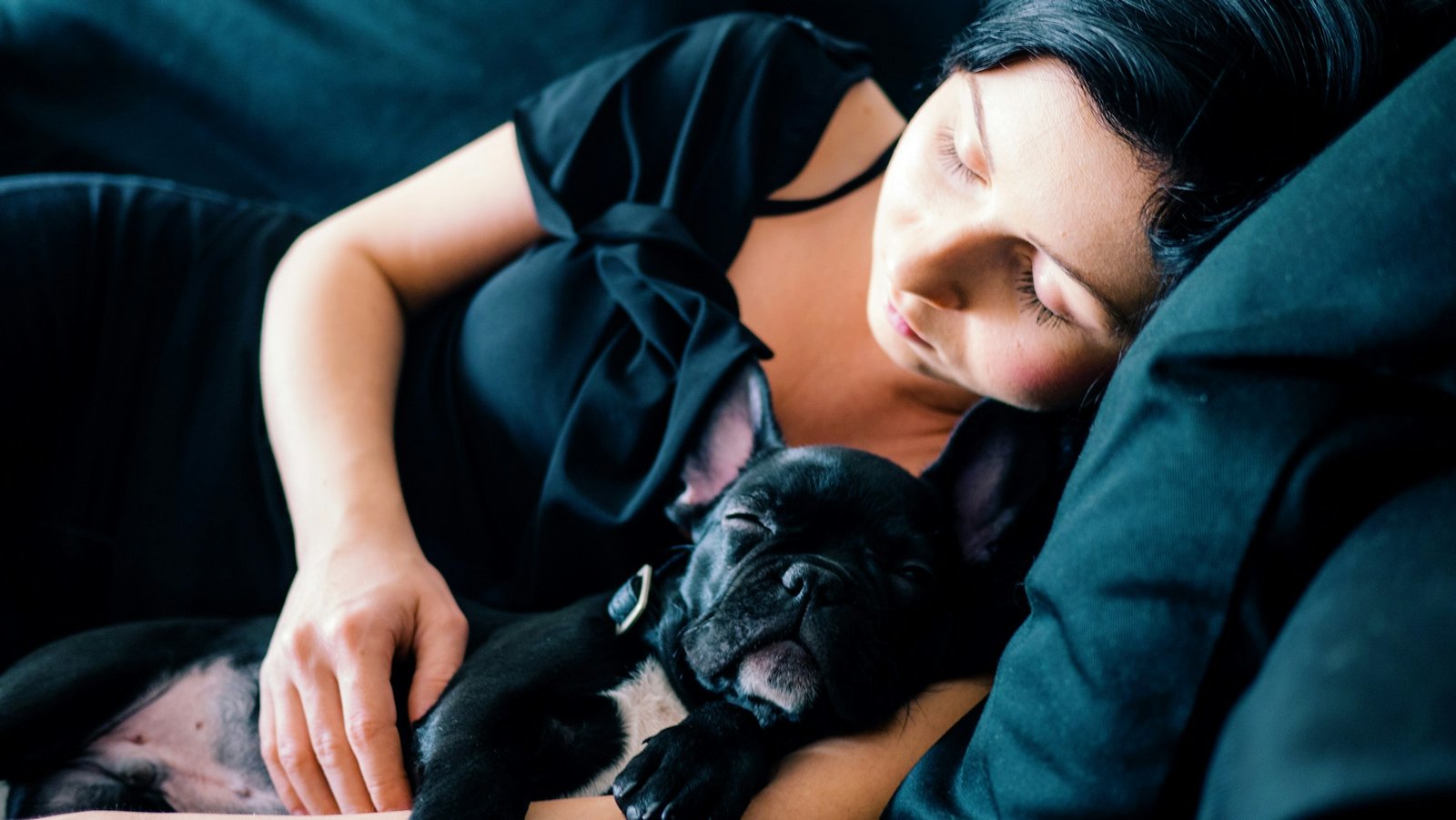
Most people see a dog stationed at the window, eyes locked on the street, and think, what a good watchdog. It looks like loyalty. It looks like instinct doing its job. But trainers and behaviorists will tell you something that stops a lot of owners cold: that constant lookout usually isn’t devotion at all. It’s low-grade anxiety wearing a fur coat.
Here’s the part that actually changes things. Dogs who feel genuinely secure barely notice who walks past the window. They’re not ignoring the world out of laziness – they’ve simply stopped needing to check on it. The 13 routines that get a dog to that point are almost insultingly ordinary, which is exactly why most owners skip right past them without realizing what they’re missing.
#1 – A Boringly Predictable Daily Schedule
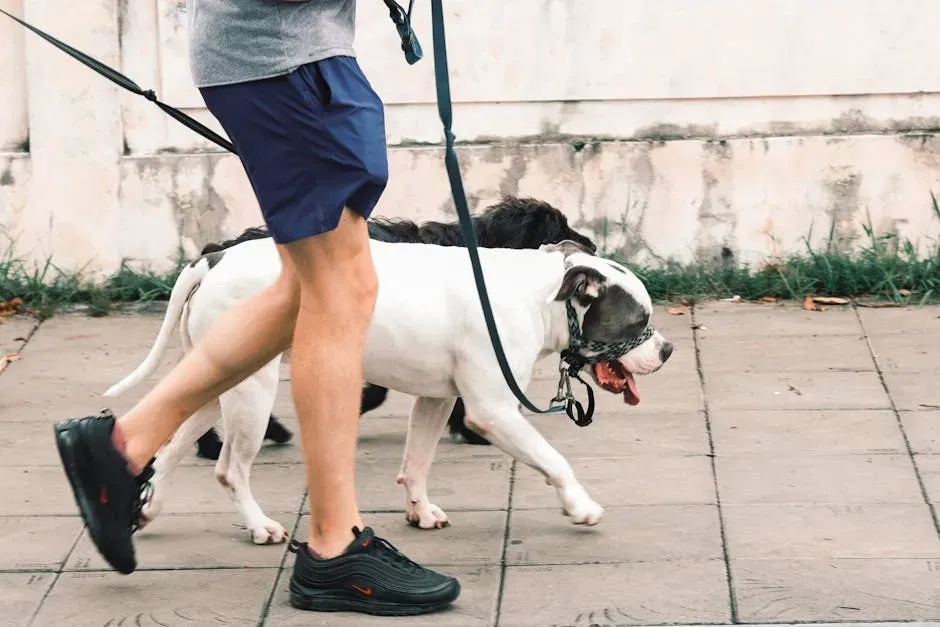
Dogs don’t need an exciting schedule. They need a predictable one. When meals, walks, and rest happen in roughly the same order every day, the world stops feeling random – and random is what keeps a nervous system on edge. Morning potty and walk at similar times, meals in the same spot in the same order, an evening wind-down that looks the same most nights: none of it sounds thrilling, and that’s the point.
What most owners miss is that unpredictability is quietly stressful even inside a loving home. If some days are chaos and some days are calm, with cues scattered all over the place, the front door becomes your dog’s control center. They post up there to catch whatever’s coming next, because nothing else in the day gave them a reliable answer. Once a routine repeats enough times, a dog’s body starts to just know what happens next – and stops rushing every sound to find out.
#2 – Non-Negotiable Daily Walks (Not Just Backyard Time)
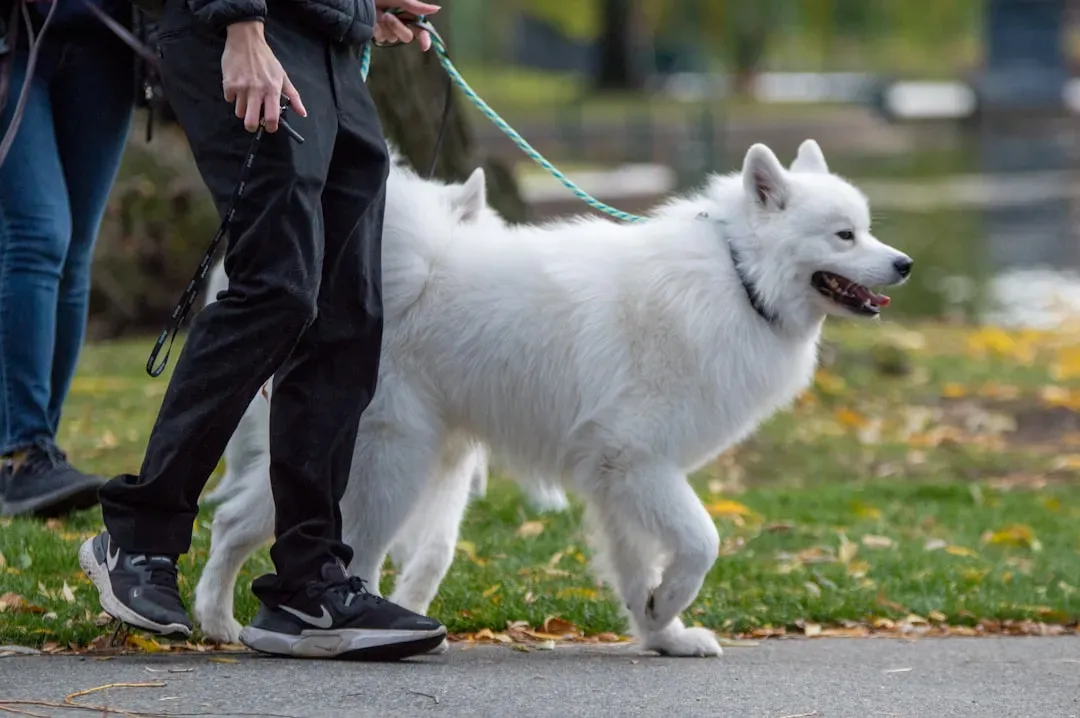
A fenced yard is nice. It is not a walk. Dogs are built to move, sniff, and cover ground, and when that need goes unmet, the leftover energy has to go somewhere – usually straight into hypervigilance. Barking at every passing car, pacing the windows, camping at the door like unpaid security staff: that’s often just an animal with nowhere to put its restlessness.
A real walk isn’t a rushed five-minute loop while you scroll your phone. It’s at least 20 to 30 minutes of steady movement, plenty of sniffing time – which is genuine mental decompression, not stubbornness – and as little leash-pressure and correcting as you can manage. Owners are consistently caught off guard by how much door-watching drops once a dog is simply, consistently tired in a healthy way. It isn’t magic. A body that’s had its curiosity satisfied just has less fuel left for anxiety.
Fast Facts
- Most adult dogs benefit from at least 30 minutes of physical activity daily, split across one or two walks
- Sniffing engages a dog’s brain and can be more mentally tiring than fast-paced exercise
- Under-exercised dogs are more prone to attention-seeking and hyper-vigilant behaviors like door-watching
- A loose, sniff-friendly walk often burns more mental energy than a fast, structured march
#3 – A Safe Place That’s Actually Off-Duty
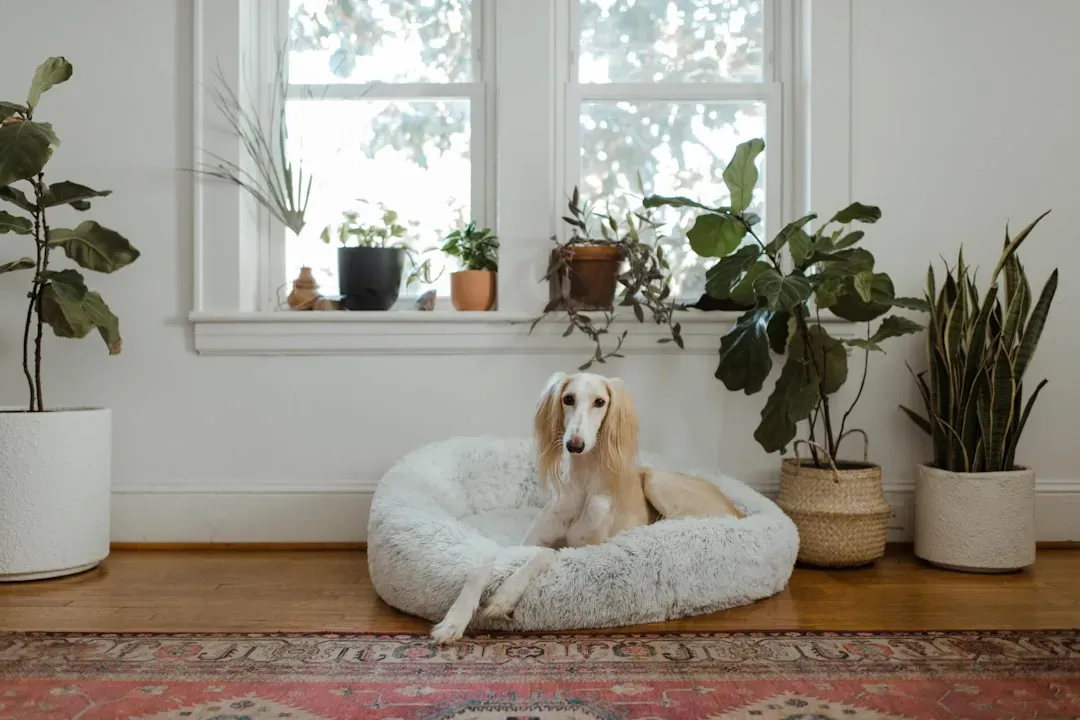
Plenty of owners will say “oh, he loves the couch,” but loving a spot isn’t the same as it being a true off-duty zone. A real safe place is always available, tucked into a low-traffic part of the home – ironically, never right by the front door – and paired exclusively with good things: chews, naps, calm petting, quiet.
When a dog has a spot that reliably equals safety, whether it’s a crate, a bed, or a corner of a quiet room, something rewires. Home base stops being the door and starts being that spot. The one rule that can’t be broken: never use it for punishment. A harsh “go to your bed” or a timeout there poisons the whole arrangement – suddenly the hallway feels safer, because at least there the dog can see what’s coming. Dogs who genuinely trust their safe spot will choose it over door duty, especially when guests show up. That’s not obedience. That’s relief.
#4 – Calm, Zero-Drama Hellos and Goodbyes
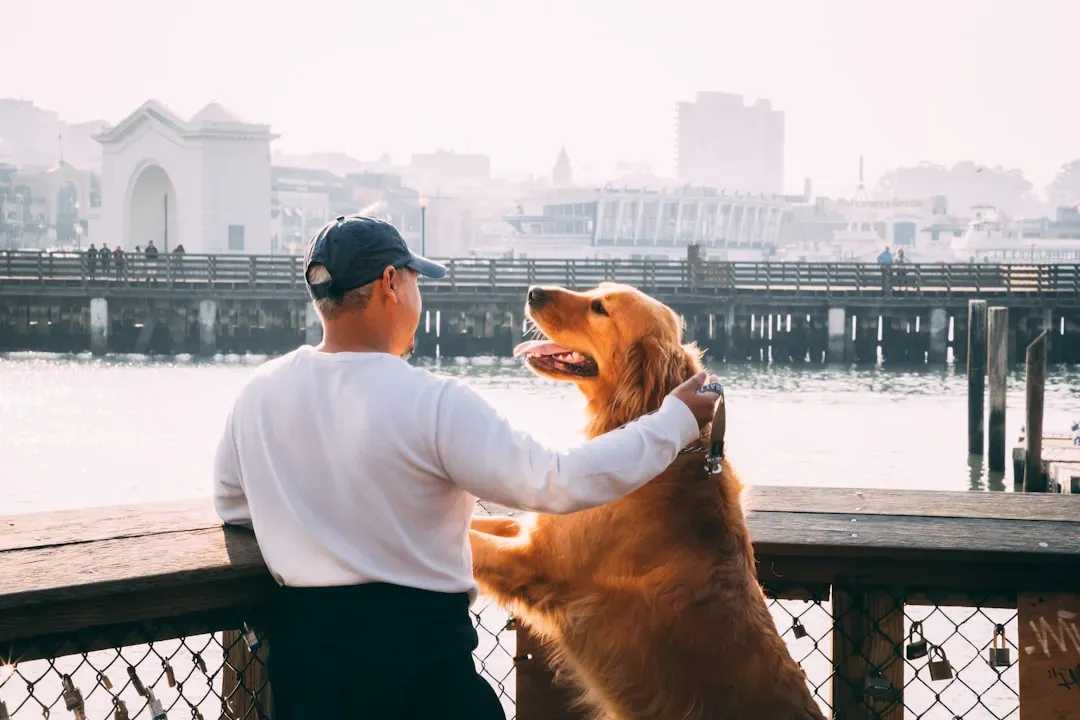
This is where well-meaning owners accidentally build the exact behavior they hate. Huge excited greetings, long emotional goodbyes, a high-pitched “I’ll be back, don’t worry!” on the way out the door – all of it tells your dog that the door is where the biggest emotional events of the day happen. Of course they stare at it, waiting for the next one.
The fix is almost anticlimactic: come in, ignore the hype, put your stuff down, and only say a calm hello once things have settled for a minute or two. Leave the same way – no drawn-out scenes. Dogs mirror our emotional spikes, so when arrivals and departures become mildly interesting background events instead of milestones, your dog eventually treats them the same way. A dog who’s watched you leave and return a thousand low-key times learns the pattern, shrugs, and goes back to napping.
#5 – Built-In Sniff Work So Their Brain Has a Job
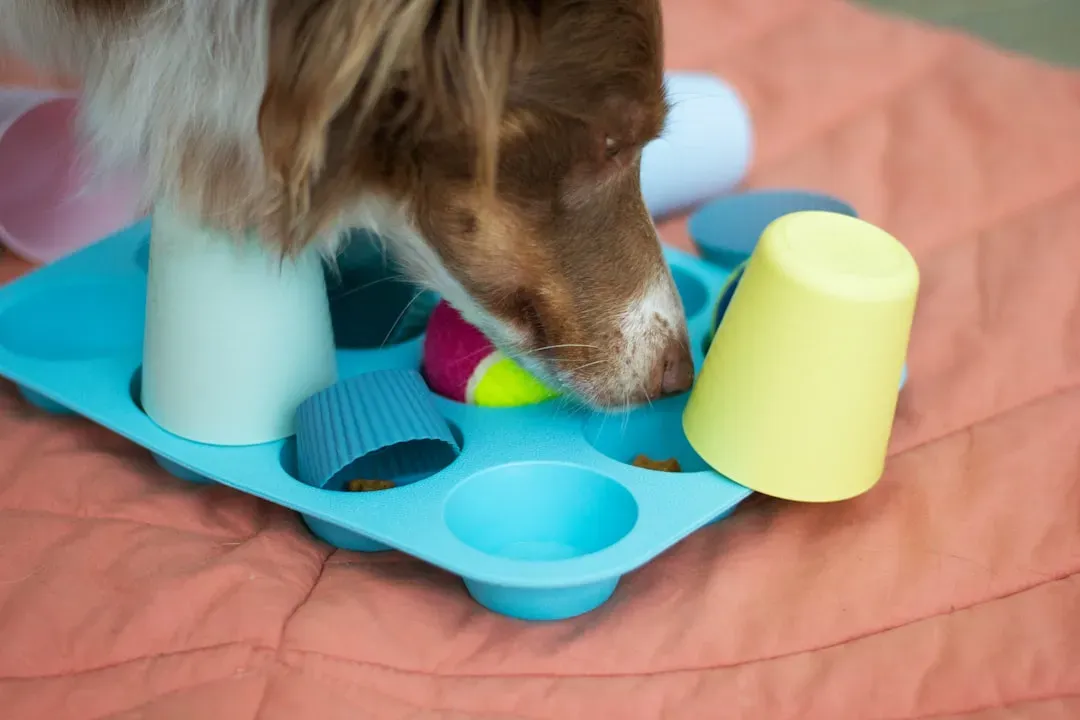
A dog that feels jobless will invent one – guarding the door, barking at the mailman, chasing shadows across the ceiling. One of the easiest ways to hijack that energy is scent work, and you don’t need equipment or police-dog ambitions to pull it off. Scatter-feeding in the yard, hiding treats around the living room, or loading kibble into a snuffle mat all count as real work to a dog’s brain.
Here’s what most people underestimate: sniffing can be as tiring as running, sometimes more so. Ten focused minutes of nose work can leave a dog satisfied enough to skip patrolling entirely. Toss kibble into the grass and let them hunt it down, hide a toy under a blanket, or build a simple obstacle course out of boxes and towels. Once sniff work becomes routine, a lot of dogs quietly retire from the front-door beat – their brain is too busy with a job that actually pays off.
#6 – Clear, Consistent House Rules So They Aren’t Guessing
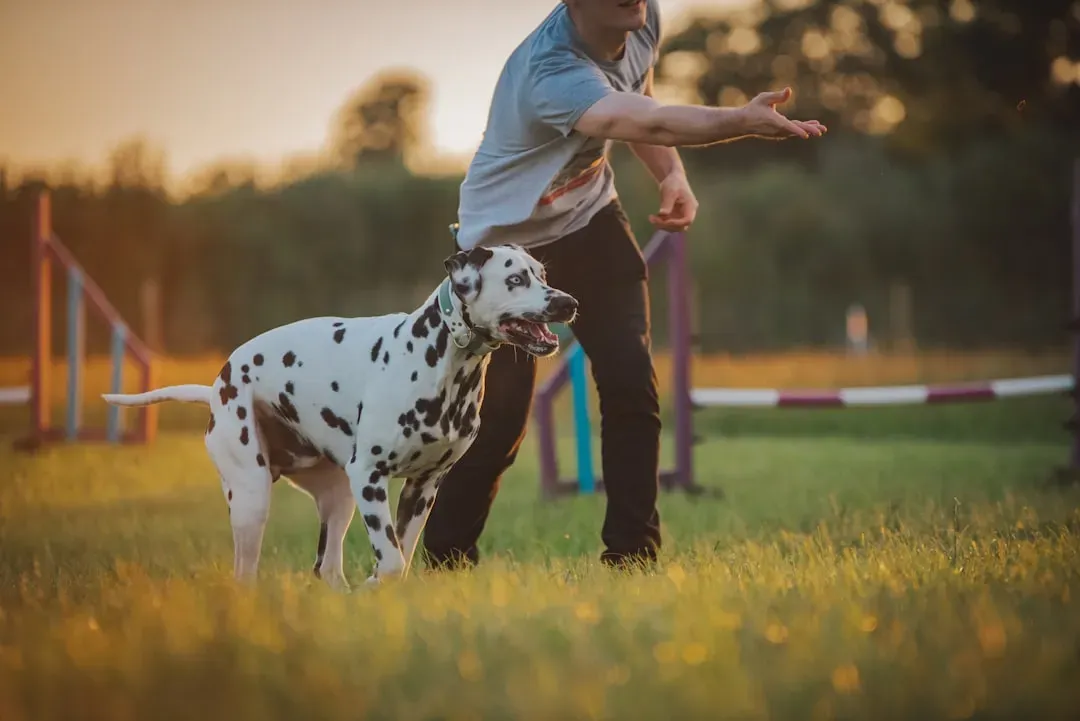
A surprising amount of anxious door behavior is really just confusion. One day the dog gets to jump on guests because “he’s just excited,” the next day he’s scolded for the same thing. Sometimes barking at strangers gets praised, sometimes it gets punished. The message that sends: the door is a chaotic zone with rules that shift depending on the day.
Calm dogs live in households with boringly clear expectations. Decide where your dog goes when someone knocks – behind a gate, on a mat – and whether rushing the door is allowed, period, no exceptions. Pick a cue that reliably means “you can relax now, I’ve got this.” Consistency is one of the most underrated anxiety reducers in dogs. When the same thing has happened a hundred times before, the hundred-and-first doesn’t trigger panic – it just triggers the routine.
At a Glance
- Pick one door-greeting rule and never bend it – consistency matters more than which rule you choose
- A single release cue like “go say hi” or “all done” gives your dog a clear signal to relax
- Mixed signals, sometimes praised and sometimes scolded, are one of the biggest drivers of door anxiety
#7 – Quality Time That Isn’t Just Coexisting
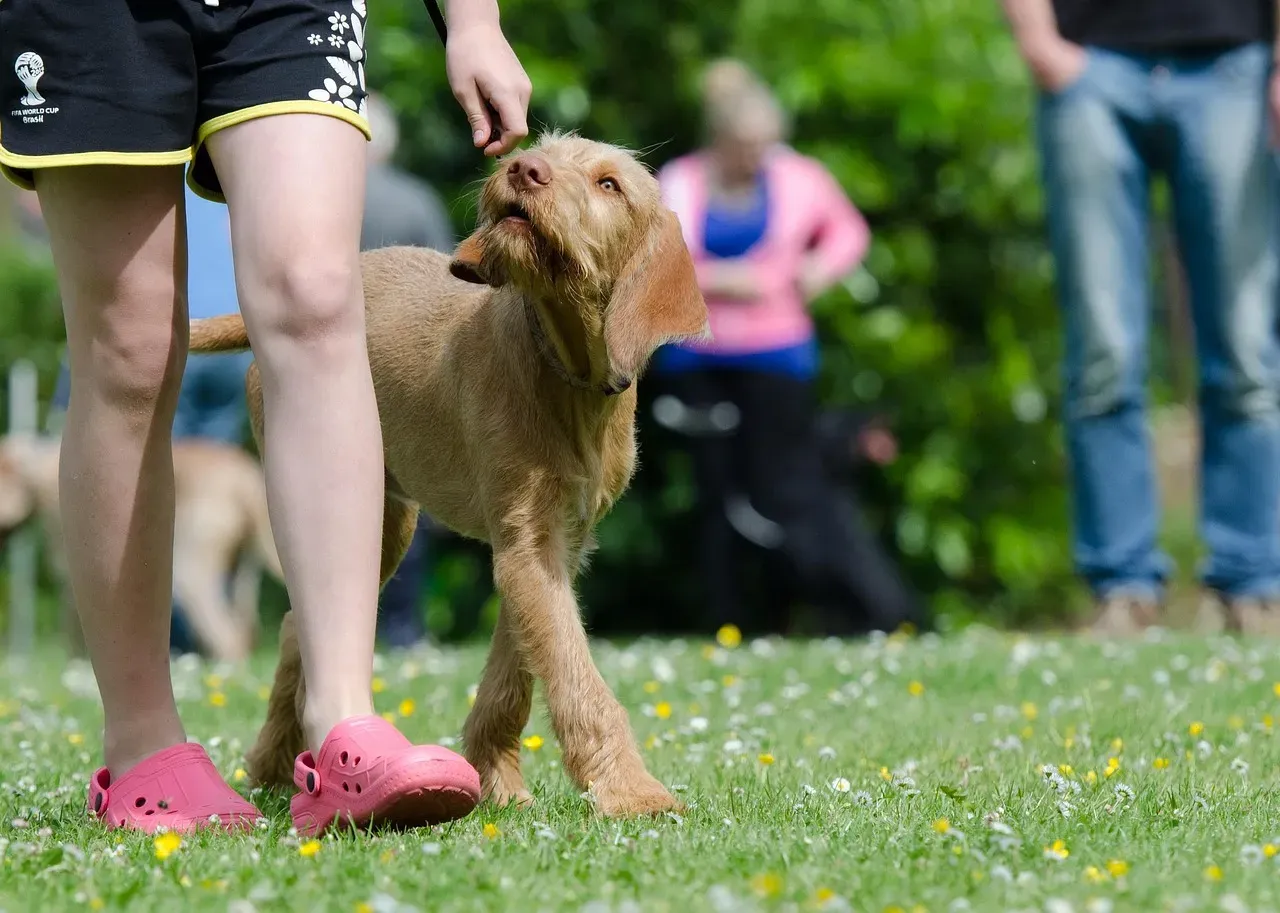
A dog can be in the same room as you all day and still feel strangely alone. Being nearby while you work isn’t connection. A lot of front-door watchers are actually dogs who never quite feel “done” with their humans, so they hover where contact is most likely – the entrance, where you always eventually walk past.
Ten intentional minutes changes more than people expect: a few basic training reps with rewards, a gentle brushing session, play your dog genuinely enjoys rather than what you assume they should enjoy. When a dog’s social tank is actually full, they stop needing to stalk the threshold for scraps of attention. Their nervous system logs it – I’m seen, I’m safe, we’re good – and settles deeper into the house instead of camping by the door. A lot of what looks like clinginess is just an unmet need for focused attention.
#8 – Noise Management So Every Sound Isn’t an Alert
Here’s an uncomfortable truth: plenty of “barky” dogs are simply reacting to a soundscape that would fray anyone’s nerves – traffic, delivery trucks, slamming neighbor doors, kids yelling outside. If every small sound could mean a big event, of course the dog camps at the door to monitor all of them.
You don’t have to live in that soundscape. A fan or white noise machine blurs the outside world, curtains partially closed at the front cut visual triggers, and calm background audio like soft music or a TV gives the house a steadier baseline. Reducing trigger exposure isn’t coddling – it’s environmental management, the same thing we do for ourselves with earplugs and blackout curtains. Once the front of the house stops being an audio war zone, plenty of owners are stunned to watch their dog choose a bed far from the door and actually, finally sleep.
#9 – Slow, Structured Guest Routines Instead of Ambushes
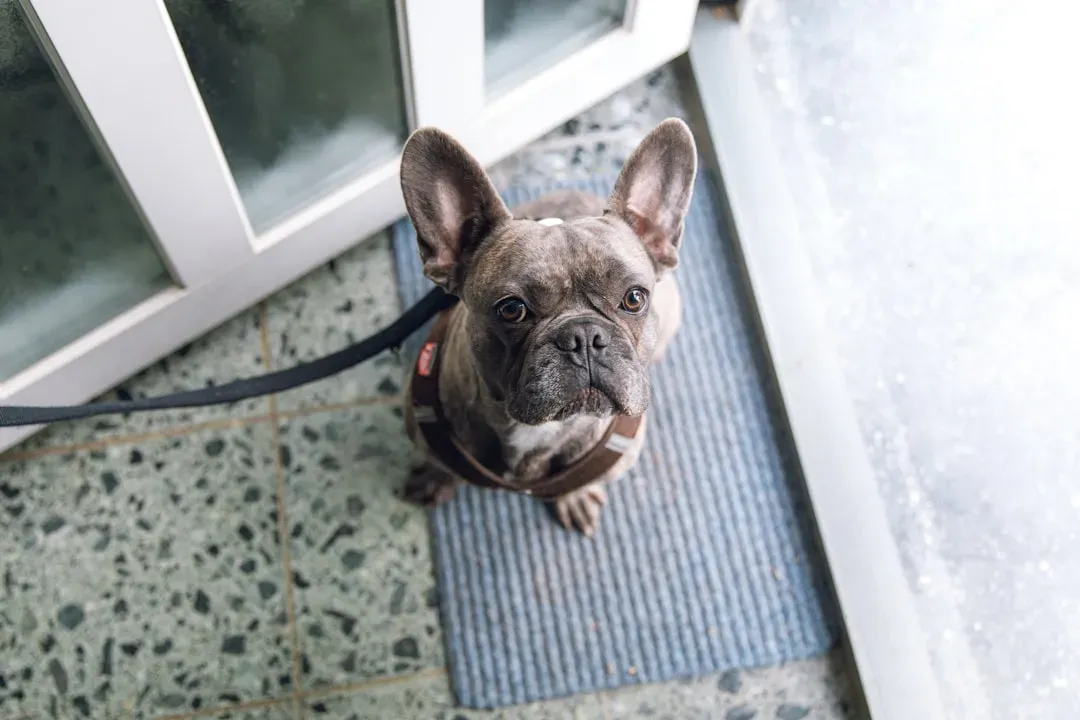
If every visitor arrival is chaos – doorbell pandemonium, rushed greetings, people surging inside all at once – your dog learns that the front door equals unpredictable invasion. So naturally, they pregame every possible knock with hypervigilant staring and barking, trying to get ahead of it.
Flip the pattern instead: doorbell rings, you calmly cue “bed” or “spot,” the dog gets a long-lasting chew there, the guest enters quietly without rushing toward the dog, and only once everyone’s settled does a calm hello happen – or doesn’t, if that’s easier. When the pattern stays identical every single time, dogs often stop blowing up at the door entirely, because they finally know their role in it. Yes, it takes repetition, and yes, some people will think you’re being overly formal about a doorbell. They’re wrong. Your dog is finally allowed to relax.
Quick Compare
- Ambush greeting: doorbell chaos, rushed hellos, guests crowding in – dog stays braced for the next surprise
- Structured greeting: calm cue, chew or mat time, guest enters slowly – dog learns the pattern and stops pre-panicking
#10 – Regular Mental Projects Like Training or Puzzle Toys
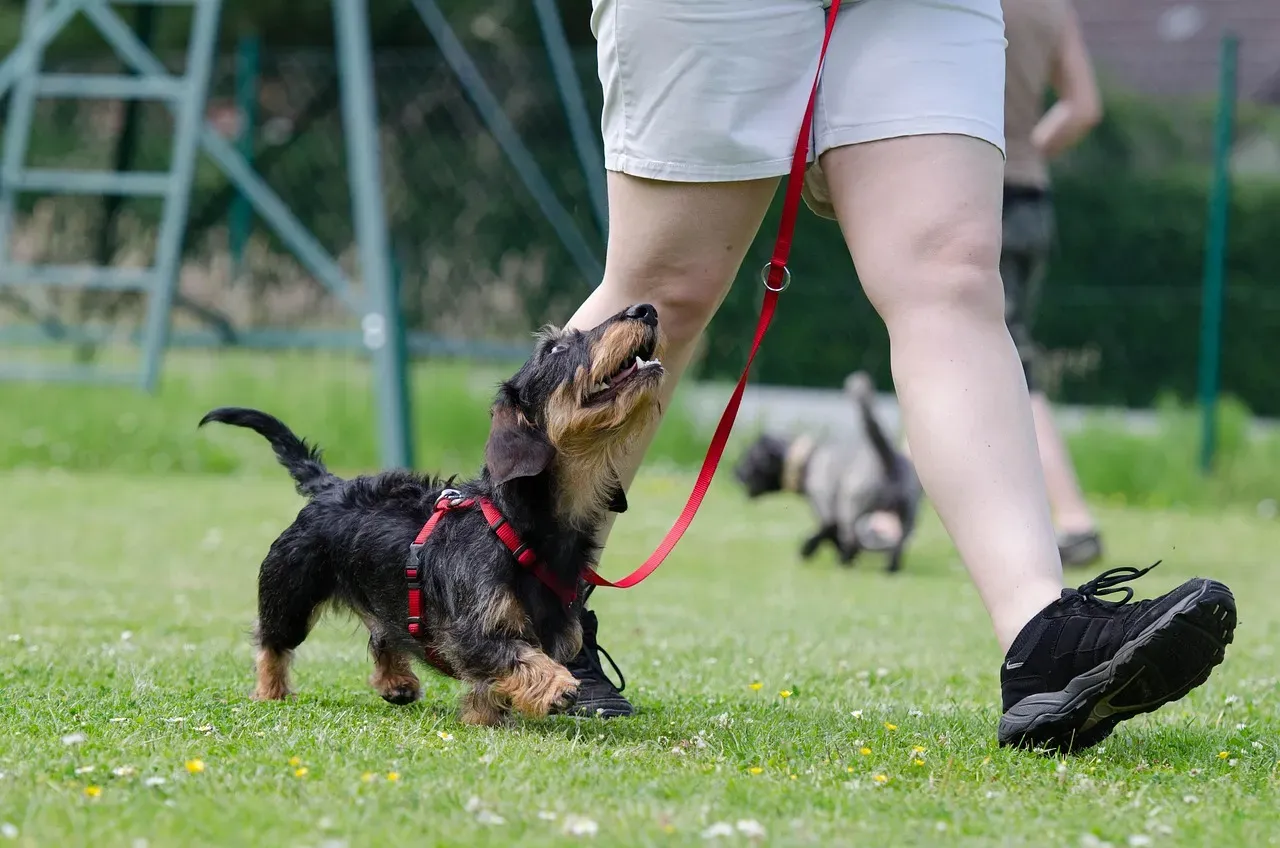
Most households drastically underuse a dog’s brain. A body that’s been walked but a mind that’s bored will still find work to do – and that work is almost always surveillance. A dog with active little projects, even tiny ones, is far less likely to camp at the window out of boredom.
Stuffed Kongs or food puzzles on a schedule, three-to-five-minute training bursts sprinkled through the day, silly tricks that demand focus like spin, bow, or chin rest – all of it drains the same restless edge that fuels watchdog behavior. When problem-solving becomes part of the daily rhythm, the front door stops being the only interesting thing happening in the house. Over time, dogs start anticipating brain time instead of street surveillance. It’s not a replacement for exercise, but combined with it, the effect is a dog genuinely too satisfied to care about random footsteps outside.
#11 – Scheduled Do-Nothing Time, With You as Their Template
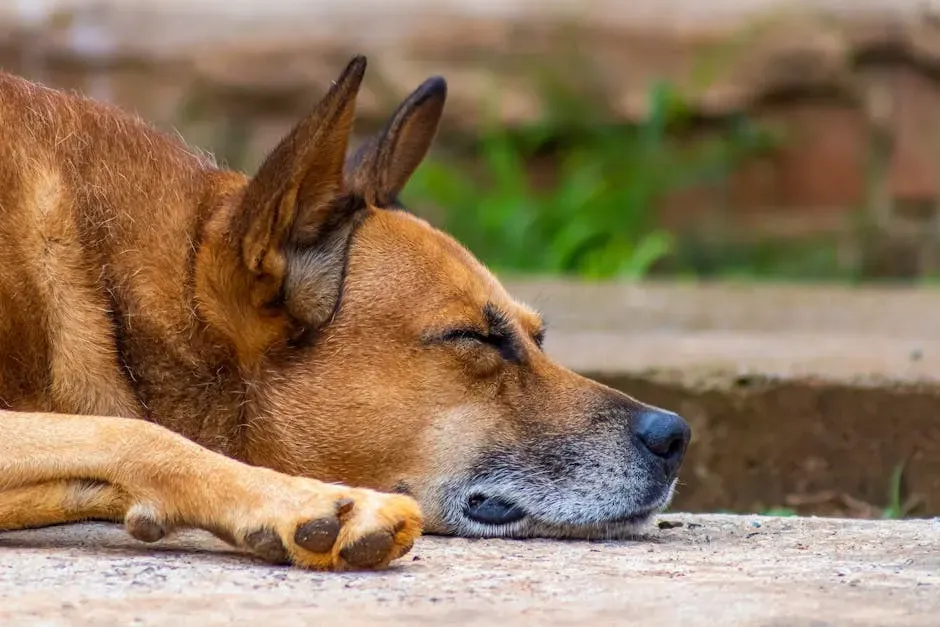
This one sounds almost too simple to matter: your dog needs to watch you do nothing. Not scrolling angrily, not stomping between tasks, not rushing from one thing to the next – just existing calmly in the same room. Dogs are unnervingly good at reading micro-stress, and many of them match our energy by staying on alert right alongside us.
Dogs are not our whole life, but they make our lives whole.
Roger Caras
Build in intentional stillness on purpose – sit, breathe, read, watch something, don’t react to minor noises, and if your dog comes over, offer slow petting instead of amped-up attention. Your nervous system is a reference point for theirs. If your default mode at home is keyed up, your dog won’t fully believe the environment is safe, no matter how many good routines you run. Give it a few weeks of visible, repeated calm, and you’ll likely notice your dog sighing and flopping down wherever you are instead of pacing near the door.
#12 – Consistent Sleep Routines and Real Rest
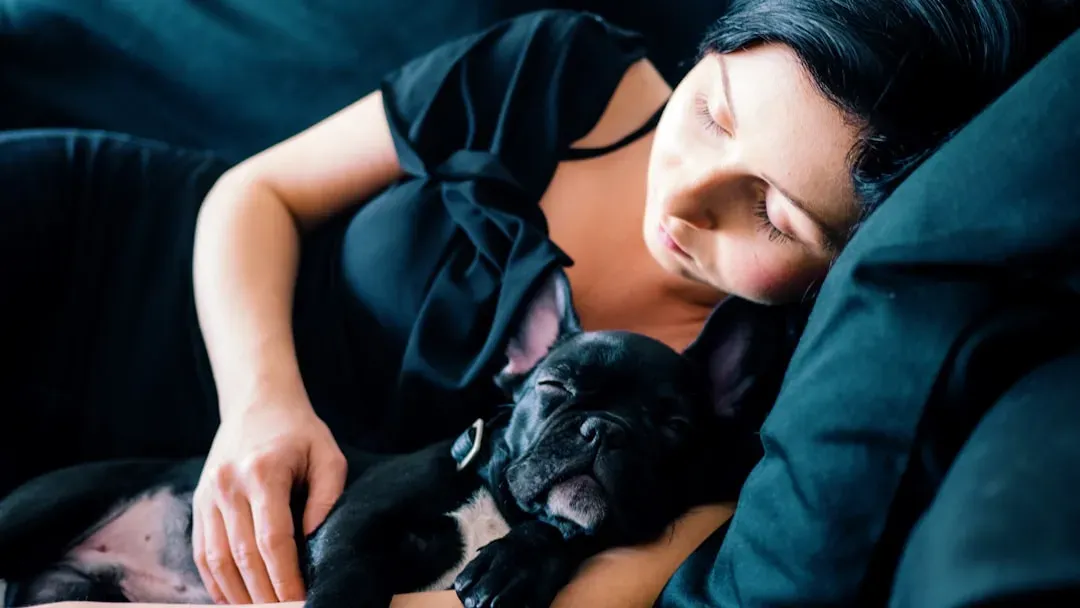
We joke about kids turning into monsters when they’re overtired, but dogs run on the exact same wiring. Under-rested dogs are edgier, more reactive, and far more likely to fixate on stimuli like the front door. Most adult dogs need 12 to 14 hours of sleep in a day, with puppies and seniors often needing more – and busy households interrupt that constantly with blaring TVs, running kids, and lights on late.
Dimming lights and quieting the house at roughly the same time nightly, encouraging your dog to settle away from high-traffic zones, and skipping roughhousing right before bed all rebuild that missing rest. Once a dog experiences deep, predictable sleep, a surprising number of “behavior issues” quietly shrink on their own. A recharged brain is simply less jumpy – and you may literally watch your dog abandon the entryway for a darker, cozier corner once they trust they won’t be hauled up every ten minutes.
Worth Knowing
- Most adult dogs need 12 to 14 hours of sleep daily; puppies and seniors often need more
- Chronic under-rest can mimic behavior issues like reactivity and fixation on outside noises
- A consistent wind-down routine, like dimmer lights and a quieter house, helps cue the brain toward real rest
- Deep, uninterrupted sleep – not just lying down – is what actually resets a dog’s stress response
#13 – Letting Them Be Off Duty From Guarding, Permanently
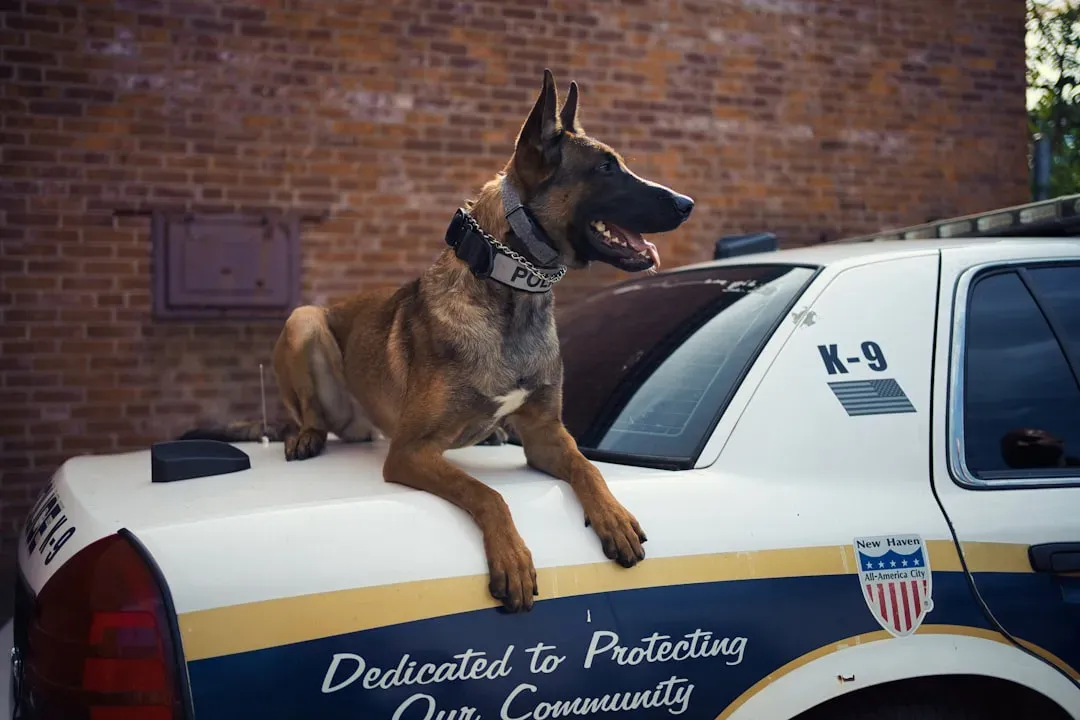
Here’s the uncomfortable part: a lot of owners secretly like that their dog is a little guard-obsessed. It feels flattering – he’s protecting us – and it reinforces the idea that the dog is a necessary security system. But that mindset keeps a dog locked into a permanent job nobody actually assigned to them.
Most family dogs do not need to be security staff, and treating them like they are is a recipe for chronic stress. You can appreciate the occasional warning bark without nurturing a 24/7 guard identity – skip praising wild reactions to every noise, use a cue like “thank you, all done” to end barking and reward the quiet that follows, and reinforce calm away from the door instead of feeding the watchdog persona. When the household attitude shifts from “he’s our protector” to “he’s our companion, we handle safety,” something huge changes. Their nervous system is finally allowed to retire from a job they never applied for and never consented to.
The Real Sign of a Settled Dog
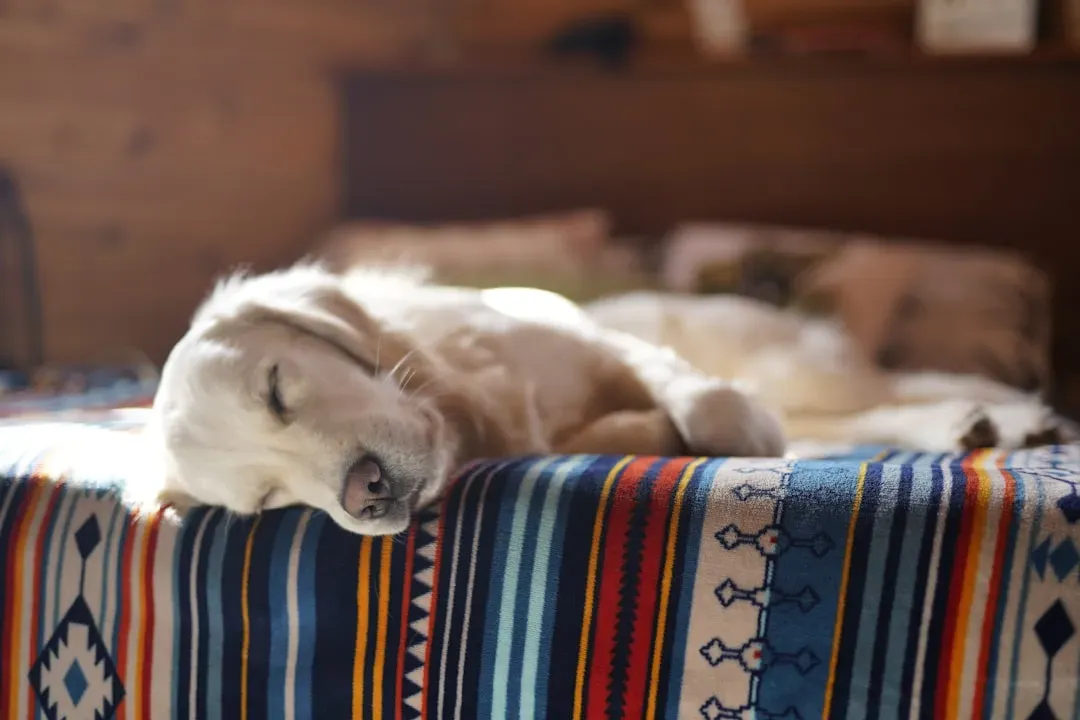
If a dog is permanently glued to the front door, that’s not loyalty – that’s a system stuck on high alert. Nothing on this list is dramatic. Boringly predictable schedules, calm hellos, real rest, brain work, clear rules, and an explicit message that guarding isn’t their job: that’s the whole formula. The more ordinary the day feels to a dog, the safer they become, and the safer they become, the less they need to watch anything at all.
Some owners will still insist their dog just loves watching the street. Maybe. But strip away the constant low hum of arousal and give that same dog movement, connection, mental work, and genuine sleep, and you’ll usually find out where they actually wanted to be all along – snoring somewhere far from the door. A dog that can fully ignore the world outside isn’t missing out on its instincts. It’s telling you, in the only language it has, that it finally trusts you to handle whatever’s on the other side. Got a routine that turned your own door-watcher into a couch potato? Drop it below and let’s compare notes.