
17 Moments a Dog Stores From an Ordinary Day That Shape How It Greets the Person Coming Home
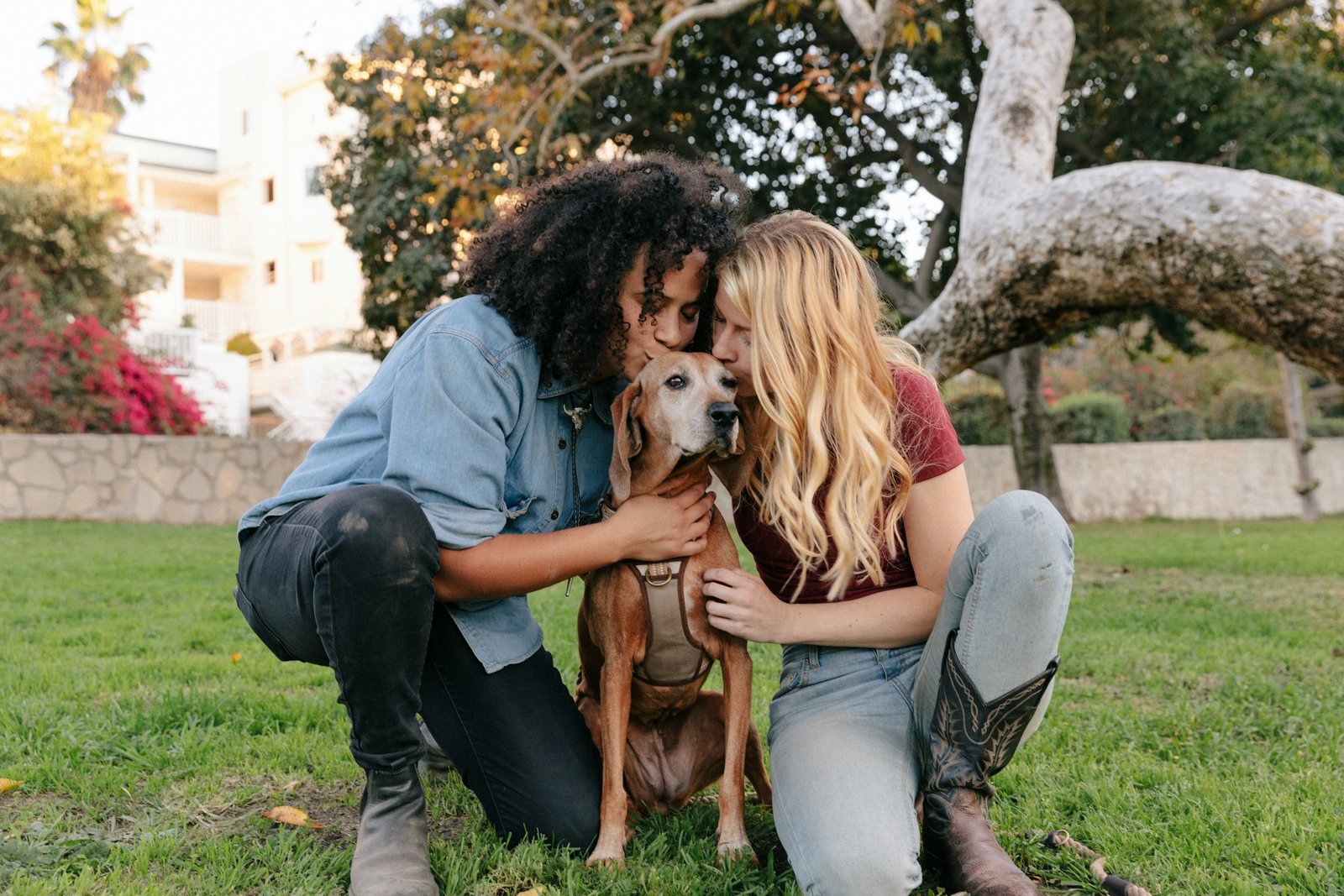
You know the greeting. The frantic spin, the half-choked bark, the body slam into your knees before you’ve even set your keys down. Most people call it love, plain and simple. But ask a dog behaviorist what’s actually happening in that moment, and they’ll tell you something stranger: that explosive hello didn’t start when your key hit the lock. It started hours earlier, and you never saw it coming.
Every nap, every rattle of the mail slot, every gust of wind against the window – your dog was quietly logging it all, building a mental file on exactly how today should end. There are at least seventeen distinct moments buried inside that file, and once you see them laid out, you’ll never watch a tail wag the same way again.
#1 – The Exact Way You Left in the Morning
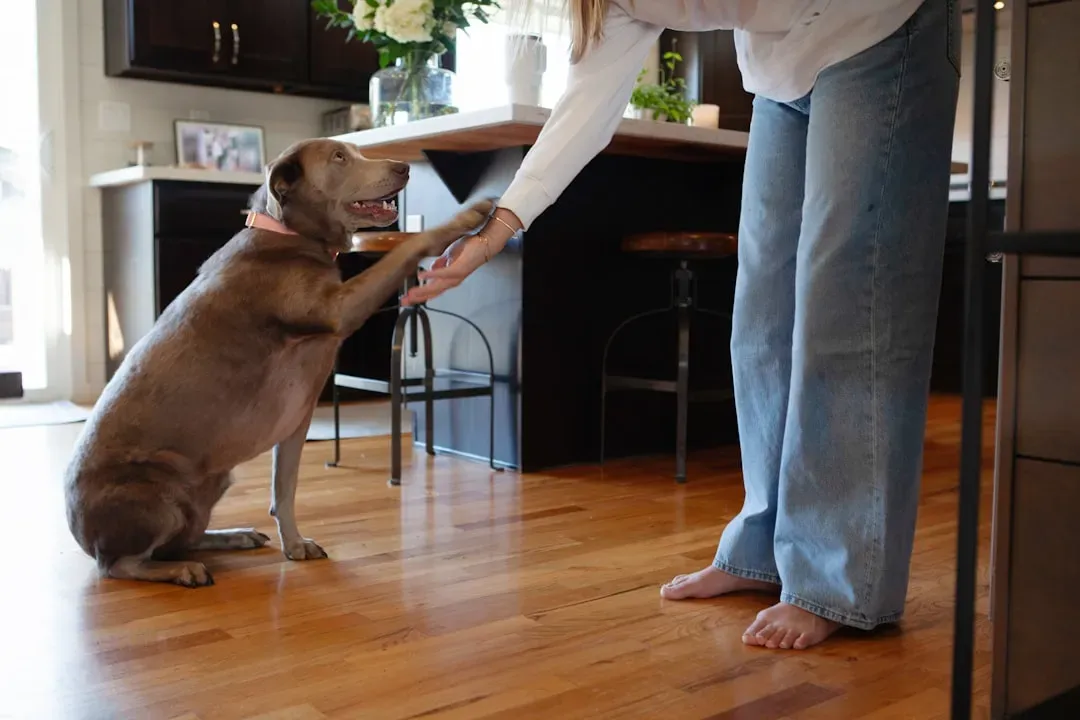
Your dog’s entire day starts with how you walked out that door. If you rushed, raised your voice, or skipped the usual goodbye, your dog filed that away immediately. Dogs are experts at reading micro-changes in routine, and an abrupt or tense departure can quietly raise their baseline anxiety for hours afterward.
That’s why some dogs greet you with desperate, almost frantic jumping – they’re trying to “fix” the strange energy from that morning. To them, your last emotional snapshot is still open. A calm, predictable goodbye, on the other hand, reads as safe and expected, which is exactly why the most explosive greetings often follow the most emotionally confusing goodbyes.
#2 – The First Silence After the Door Closes
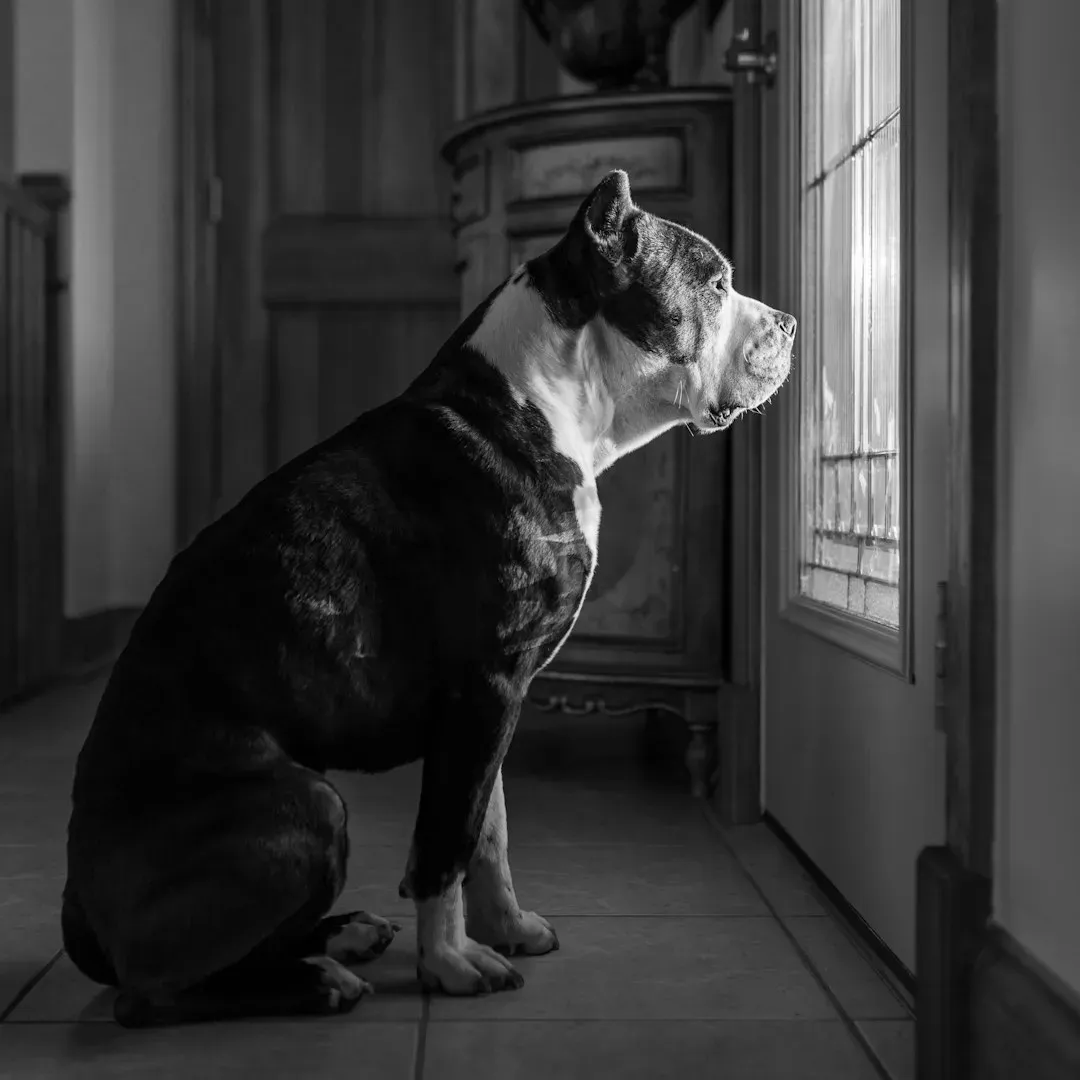
That moment when the door clicks shut and the house goes still? Your dog really feels it. Many dogs freeze, listen, and reassess – are you actually gone, or just in another room? The first minute after you leave quietly decides whether they settle in or start to spiral.
Dogs who’ve learned that this silence usually means a long separation may pace, whine, or drift from room to room, doing what amounts to a full “you scan.” Others, who’ve learned the silence is harmless, sigh and head straight for their favorite resting spot. A dog who never fully lets go of that door has essentially been holding its breath all day – and you’re about to feel exactly how much.
#3 – The Last Place in the House That Smelled Like You
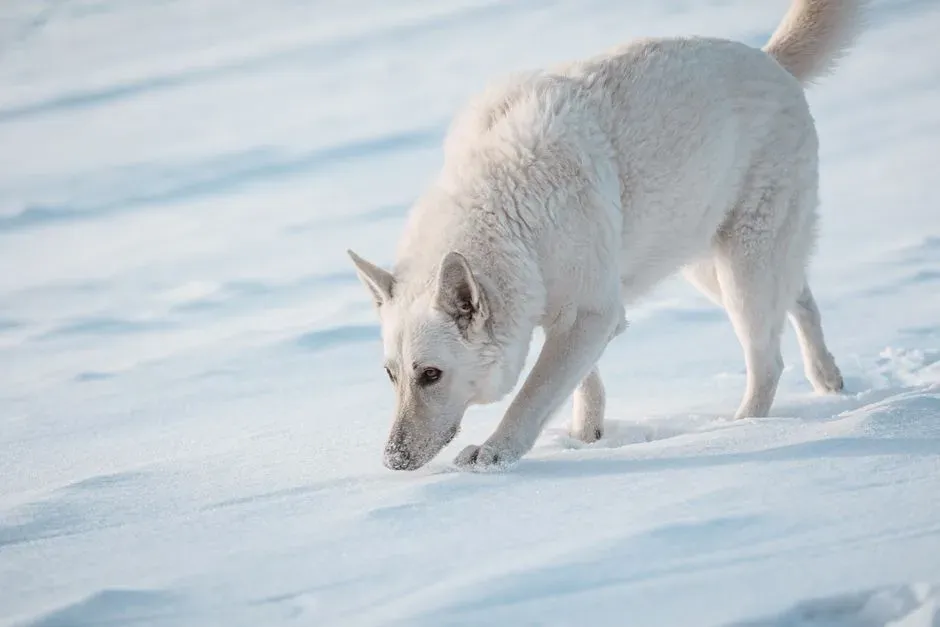
Most people never realize their dog “revisits” them through scent all day long. The chair where you drink coffee, the mat where you stood, the spot on the bed where you sat with your phone – these all hold dense pockets of your scent, and dogs loop back to them like checkpoints.
It’s the canine version of scrolling through your photo album, except with a nose instead of a thumb. If those scent trails stay strong, they act like an emotional pacifier – your dog curls up on your hoodie and gets a reassuring hit of you. If your scent has faded faster than usual, some dogs grow subtly uneasy, and that unease often shows up later as a clingier, more frantic hello.
#4 – Every Unexpected Noise That Might Have Been You
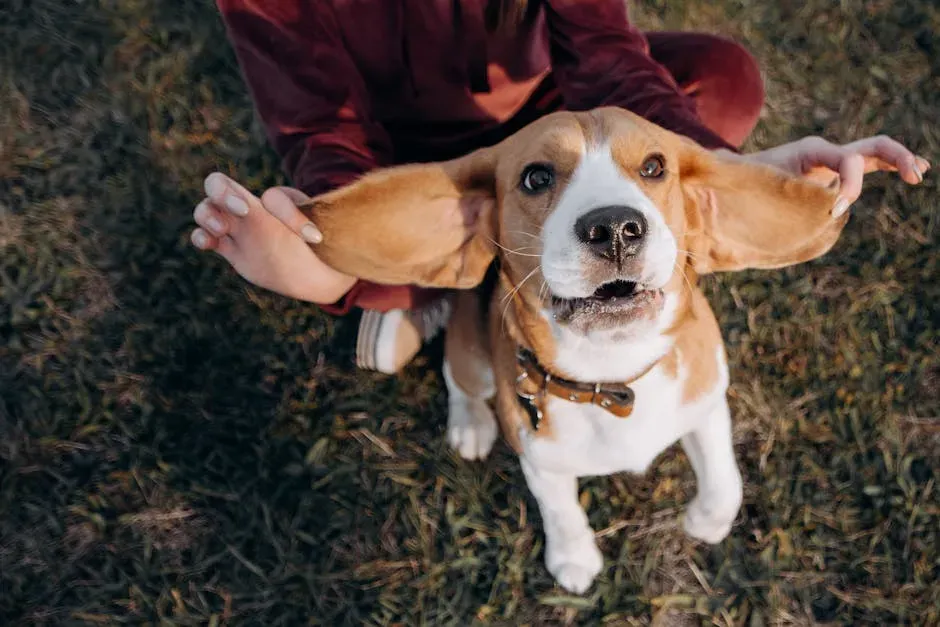
A delivery truck. A slammed car door. The faint clink of something next door. To a dog waiting at home, every random mid-day sound is a potential “maybe they’re back.” Dogs bonded tightly to one person will orient hard toward any sound that’s ever coincided with your return – gravel under tires, an elevator ding, footsteps upstairs.
Each false alarm quietly rewires their expectations a little further. A dog who’s spent all afternoon leaping up at nothing might greet you with over-the-top zoomies, barking, or frantic licking – not because they love you more today, but because you’re finally the payoff after twenty wrong guesses. Quieter days, with fewer false alarms, often produce calmer greetings that get mistaken for “they don’t care as much.”
Fast Facts
- Dogs typically hear frequencies as high as 45,000 Hz – more than double the range of the human ear.
- Dogs can pick up on some sounds roughly four times farther away than a person standing in the same spot.
- A dog’s ear relies on around 18 different muscles to swivel and lock onto exactly where a sound is coming from.
- That built-in radar is a big reason a dog can seem to “predict” your arrival before you’re anywhere near the door.
#5 – How Bored They Actually Got (Not Just “They Slept All Day”)
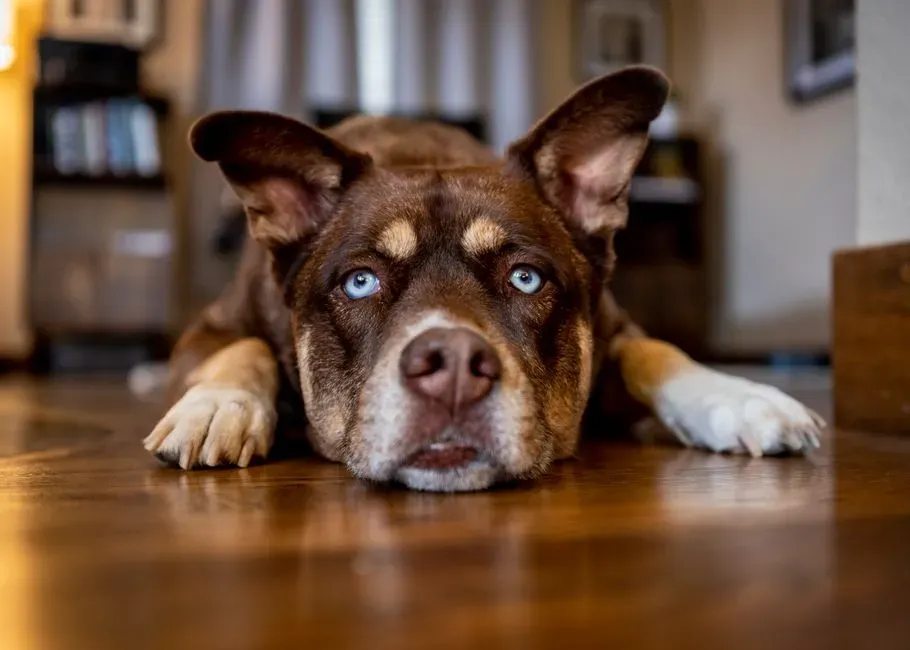
“Dogs just sleep all day when we’re gone” is only half true. Yes, they rest more – but boredom is a real emotional state for a dog, not simply empty time. An under-stimulated dog isn’t just snoozing; it’s often drifting between light sleep and low-grade frustration.
Chewing the couch or excessive self-licking aren’t “naughty” habits – they’re coping mechanisms for a brain with nothing to chew on. A dog left all day with zero puzzle toys or window access may greet you in a way that looks loving but is really closer to starving for stimulation – grabbing your sleeve, shoving a toy at your face, barking directly into it. A dog who spent the afternoon sniffing the yard or working a Kong tends to greet you joyfully, but noticeably more regulated.
#6 – Any Solo “Adventures” They Managed to Have
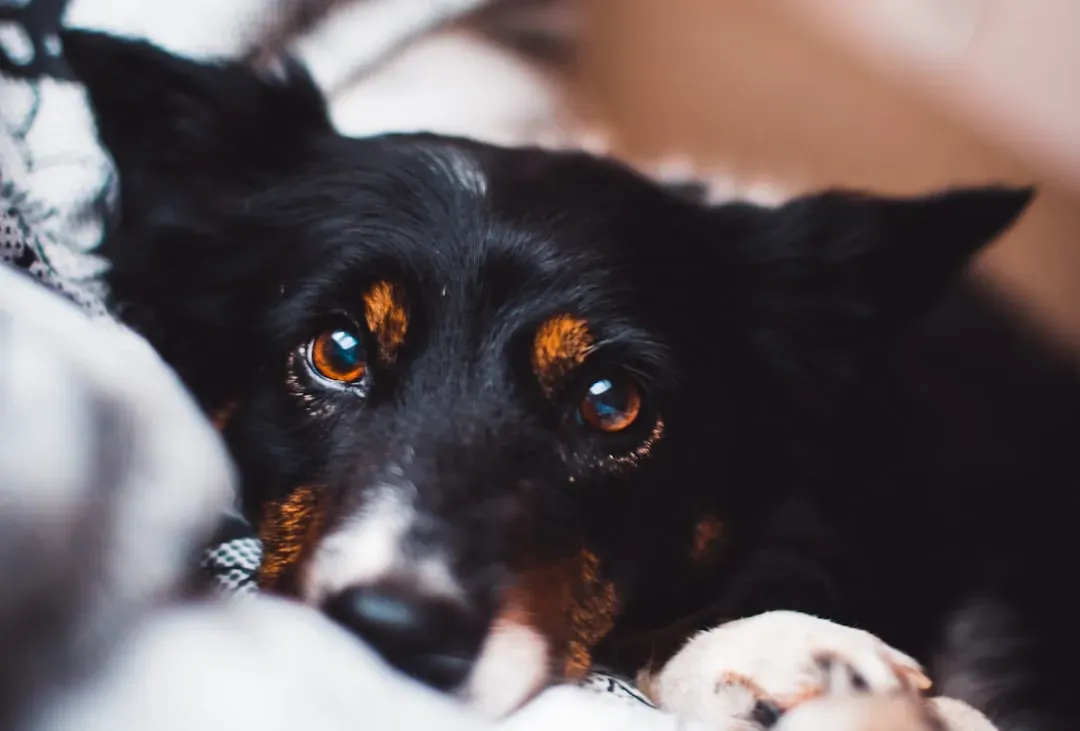
Dogs keep mental highlight reels, and solo adventures rank near the top. Maybe the mail slipped through the slot and got shredded, or a bug flew in and got hunted down room to room. If your dog had a mini-mission while you were out, that story often rides straight into your arrival.
Some of those spinning, toy-grabbing greetings are basically your dog saying, “You will not believe what just happened.” A dog who found an open trash can or counter-surfed a snack might greet you two totally different ways – buzzing with pride, or oddly cautious and low. That “guilty” look people love to post online usually isn’t guilt at all; it’s an anticipatory flinch based on how you’ve reacted to similar messes before.
#7 – Whether the House Felt Safe or Just Tolerable
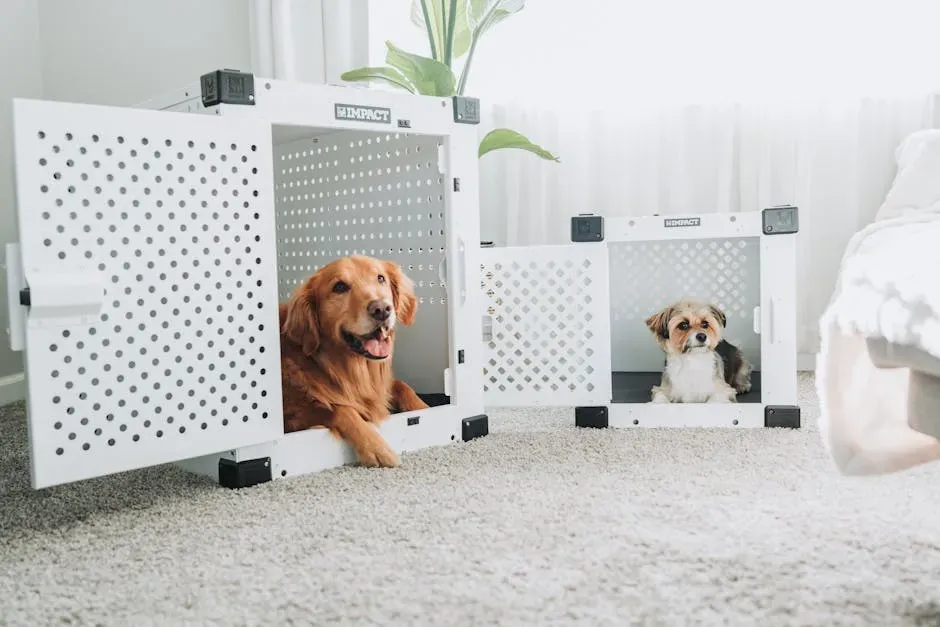
Not all alone-time is created equal. A dog stuck in a cramped, uncovered crate near a loud hallway has a wildly different day than one resting in a quiet, den-like room. Environmental stress shapes a dog’s nervous system long before you ever open the door.
A dog who spent the day listening to construction, fireworks, or arguing next door may greet you like an actual lifeline, not just a friend. Dogs who consistently get a safe, retreat-friendly space tend to reunite in a balanced way – wiggly and happy, but not frantic. Dogs parked in overstimulating spots often greet you already in overdrive, half joy, half “please make this stop.”
Worth Knowing
- A covered crate or quiet back room almost always lowers a dog’s baseline stress more than an open, high-traffic spot.
- Background noise like a fan, low TV, or soft radio can mask sudden outside sounds that otherwise spike anxiety.
- A view out a low window gives some dogs helpful stimulation, while others do better with it blocked entirely.
- The calmer the space, the calmer the reunion – frantic greetings are often the nervous system finally exhaling.
#8 – The One Smell That Didn’t Belong Today
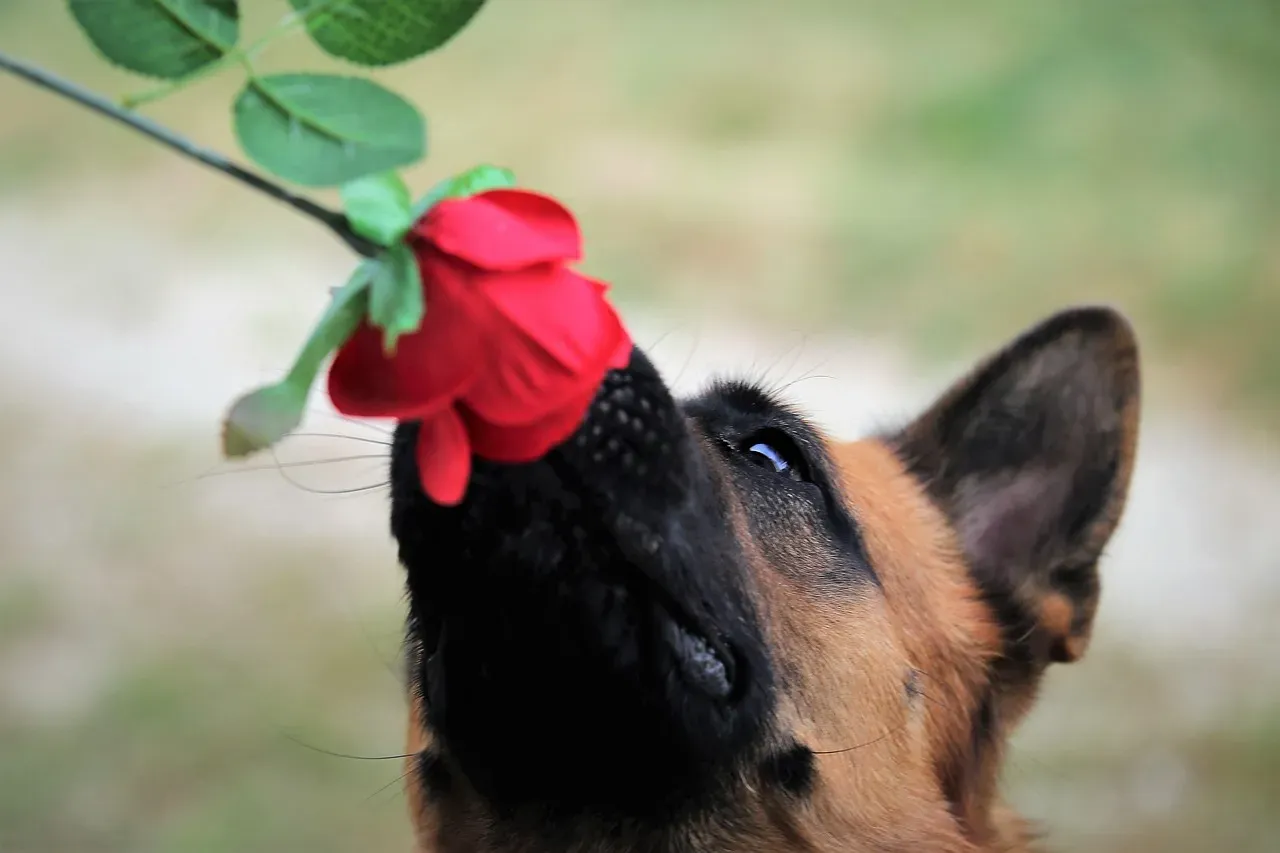
Dogs notice instantly when something smells “off” in their territory – a maintenance worker who stopped by, a new package, another animal’s scent lingering too long. An unfamiliar or emotionally loaded smell can sit in your dog’s brain all day like an unanswered question.
Dogs are not our whole life, but they make our lives whole.
Roger Caras
By the time you walk in, your dog has often decided you’re the one who can solve the mystery – which is why some greetings turn into a deep, deliberate sniff-fest: your shoes, your pants, even your hair. If the strange scent turns out to be yours – new gym, new perfume, someone else’s dog – the greeting becomes a strange but very real mix of joy and detective work.
#9 – Any Visits or Interruptions While You Were Gone
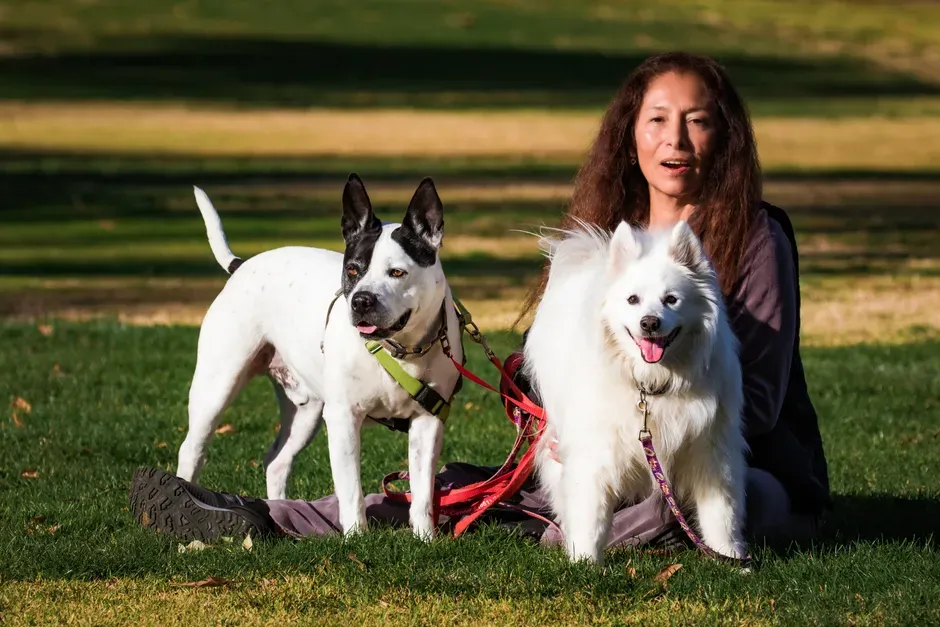
Dog walkers, roommates, a courier glimpsed through the window – every human interaction during the day reshapes how your dog experiences “alone.” A gentle mid-day walk can soften separation stress dramatically, while a rough or inconsistent visit can do the opposite.
Your dog is quietly ranking every human who shows up by how kind and predictable they were. A good visitor often means you come home to a tired, content dog with loose, happy body language. A rough one might mean clingy anxiety, or an oddly flat greeting, like they’re still processing what happened. Attachment isn’t the only thing being measured here – so is who else showed up today.
#10 – How Long Their Bladder (and Body) Has Been On Hold
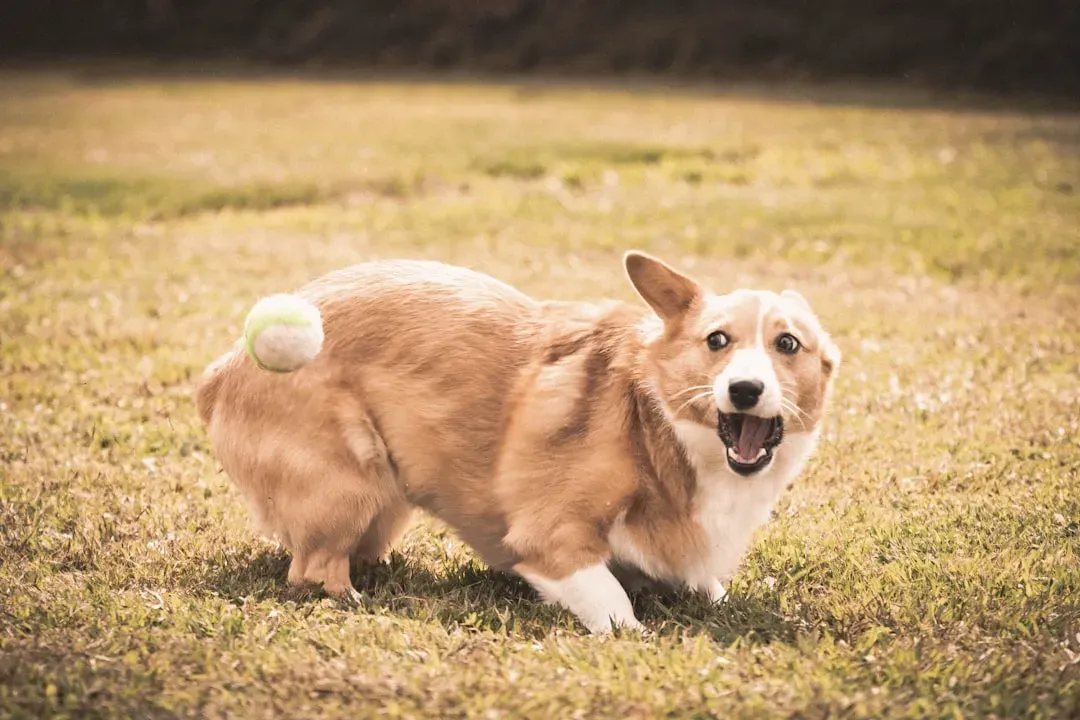
This one’s less romantic, but brutally true: biology drives behavior. A dog holding its bladder for hours is in a completely different internal state than one who got a mid-day break, and that physical discomfort can make a greeting frantic, mouthy, and a little rude.
Sometimes your dog isn’t ignoring your “sit” cue – it’s prioritizing not peeing on the floor. Low blood sugar from a delayed meal can show up as whiny, clingy behavior that gets misread as jealousy. A dog whose body is actually comfortable – bladder relieved, stomach not empty – has the bandwidth to slow down and do the full joyful dance: eye contact, a toy offering, an actual moment together.
#11 – The Weather They Lived Through Without You
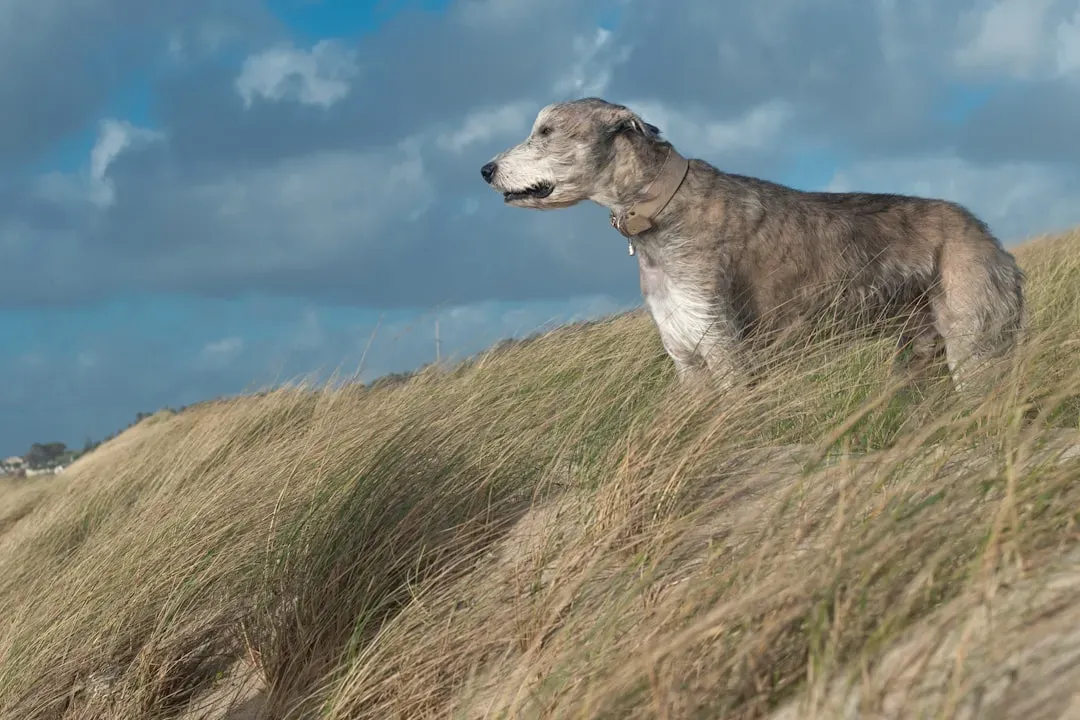
Bad weather doesn’t just annoy humans; it colors a dog’s entire solo day. Thunder, high winds, or sizzling heat against the windows can push a noise-sensitive dog into hours of panting, pacing, or hiding. When you finally walk in after a storm, you’re not just being greeted – you’re being greeted as safety itself.
Even subtle shifts matter. Overcast, quiet days often produce sleepy, low-key dogs and softer greetings – a gentle tail wag, a slow head lean. Long, bright, hot afternoons can leave a dog restless and keyed up instead. Your dog’s “hello energy” is sometimes less about missing you and more about whatever the sky did all day.
#12 – The Emotional Energy of Any Other Animals in the Home
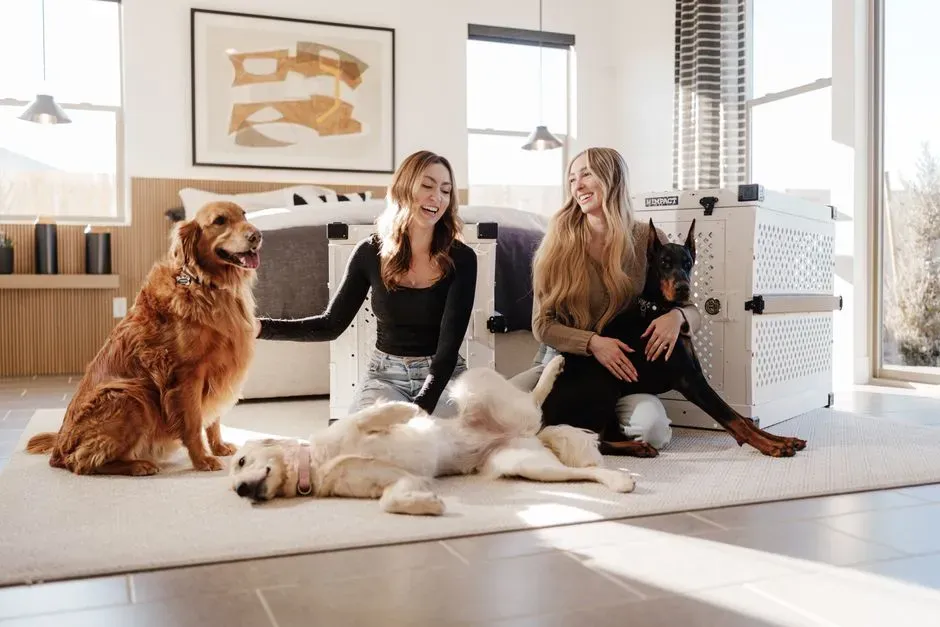
If your dog shares the house with other pets, they’re not just alone all day – they’re part of an all-day micro-social network. Tension between housemates, resource guarding, or mismatched play styles can keep a dog on edge for hours without you ever knowing.
A dog who spent six hours managing a pushy housemate or dodging a swatting cat is often quietly exhausted by the time you get home, and that over-the-top greeting is partly relief that the referee has finally arrived. On calmer days, when everyone got along, you’ll often see cooperative behavior instead – both dogs rushing the door side by side, tails level, mouths relaxed.
Quick Compare
- Tense multi-pet day: greeting arrives fast and loud, almost competitive, as if racing a housemate to you.
- Calm multi-pet day: greeting is looser and side-by-side, tails level, no pushing or blocking.
- Solo dog, quiet day: greeting tends to be simple and steady – one dog, one focus, no extra tension to burn off.
- Solo dog, isolated day: greeting can run clingier, since there was no one else around to buffer the boredom.
#13 – The Last Thing They Did Right Before You Opened the Door
Timing matters more than people realize. The exact activity your dog was mid-way through seconds before you walked in heavily colors the first greeting you actually see. If they were deep asleep, you’re meeting a brain that’s still half in dream mode – hence the slow blinks, big stretches, and oddly delayed recognition.
If they were in “guard mode,” already barking at something or patrolling the hallway, you’re stepping straight into an existing adrenaline spike, which is why some dogs seem to explode the moment the door opens. Dogs caught mid-chew or mid-mischief often show a split-second of visible conflict – drop it and greet, or pretend nothing happened – and that internal tug-of-war is exactly where the awkward zoomies come from.
#14 – The Pattern of Your Past Reactions at the Door
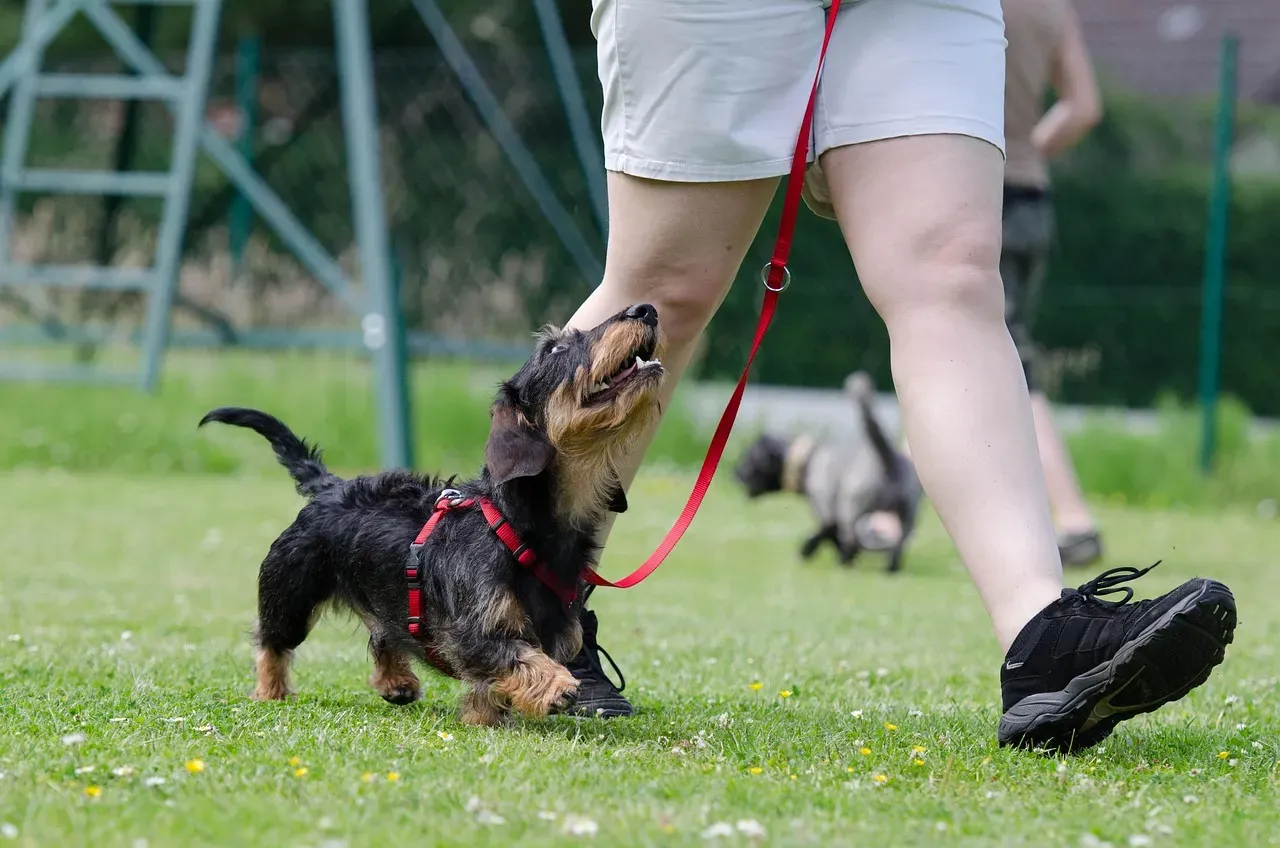
Here’s the part many owners don’t want to hear: your dog’s greeting has partly been trained by you, on purpose or not. If wild jumping and squealing has always earned big hugs and matching excitement, you’ve taught your dog exactly how reunions are supposed to go. If you’ve routinely scolded or shoved them away, they’ve logged that too.
Dogs are pattern machines. Behaviors that get rewarded – spinning, toy-bringing, nose bumps – get repeated. Calm sits get repeated if calm sits are what actually worked. Inconsistency is the most damaging pattern of all – sometimes loving the chaos, sometimes yelling at it – and it tends to produce anxious, conflicted hellos: low tail wags, ears back, a body caught between approaching and retreating.
#15 – How Long “Alone” Has Historically Lasted
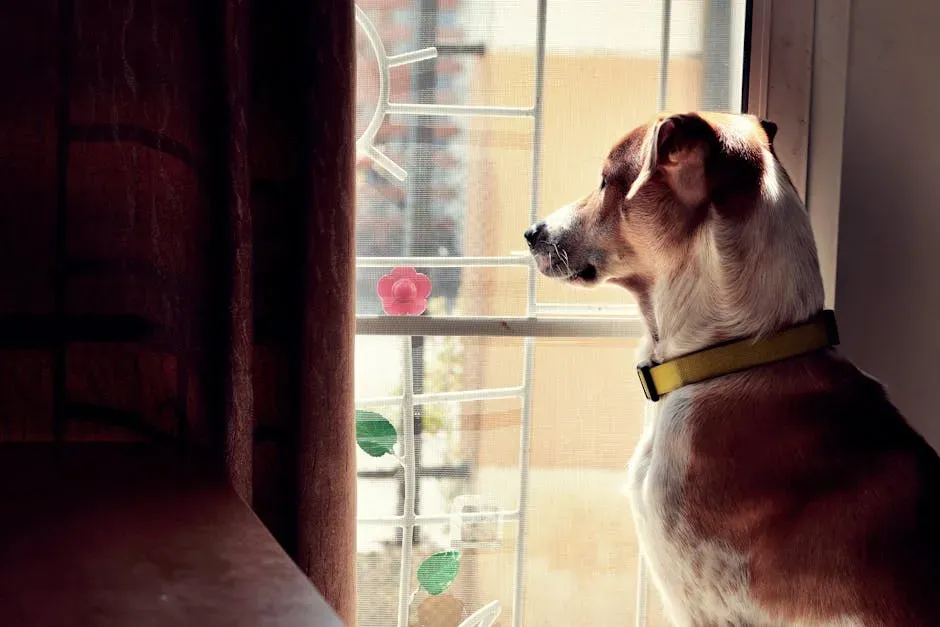
Dogs build a real internal sense of “normal” separation length. Weekdays might mean eight hours, weekends might mean two, nights might mean none at all. Over time, their body and brain sync to that expected rhythm – and when a day breaks the pattern, it shows up instantly in the greeting.
A dog used to a strict 9-to-5 might meet a surprise mid-day return with wild, bonus-round enthusiasm. That same dog, left twice as long as usual, might swing the other way entirely – flattened, quiet, almost shut down. People read that as “mad at me,” but it’s usually just exhaustion. The greeting is honest, real-time commentary on how fair the day’s separation felt.
#16 – The “You” They’ve Built in Their Head Over Time
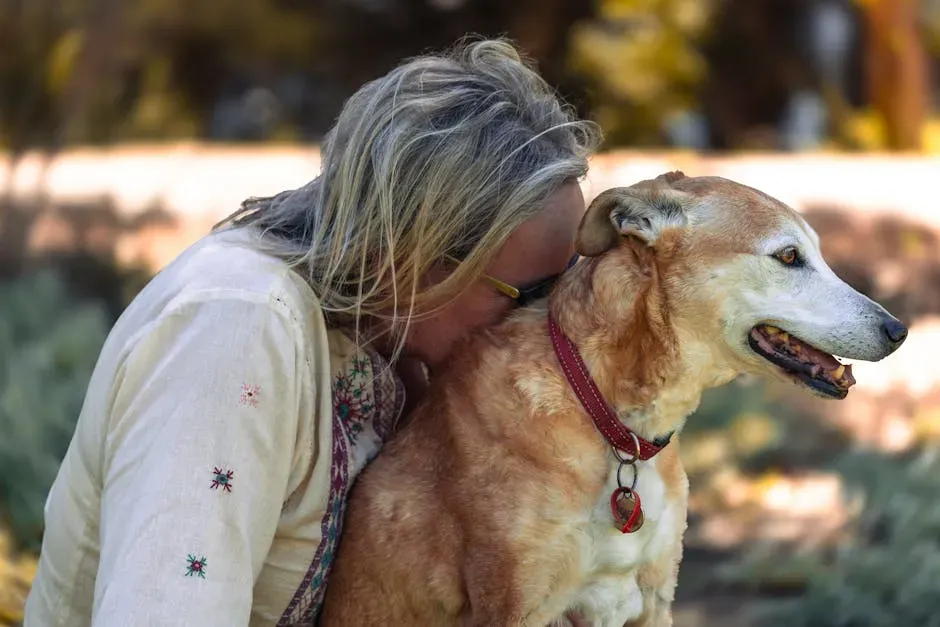
Maybe the most overlooked factor of all: your dog isn’t just storing single days. It’s storing a long-term emotional profile of you. Are you usually calm or chaotic when you walk in? Do you smell like outside adventures, or like stress? Are you the one who plays and trains, or the one who mostly scrolls a phone on the couch?
Every reunion you’ve ever had layers into that mental model of “who shows up when the door opens.” That’s why some dogs still rocket toward people who’ve been gone for months – the model is strong and good. And it’s why a dog might greet one family member with polite tail wags and another with a full-body meltdown: they’re not ranking love, they’re predicting experience.
#17 – The Tiny Split Second When They First See Your Face
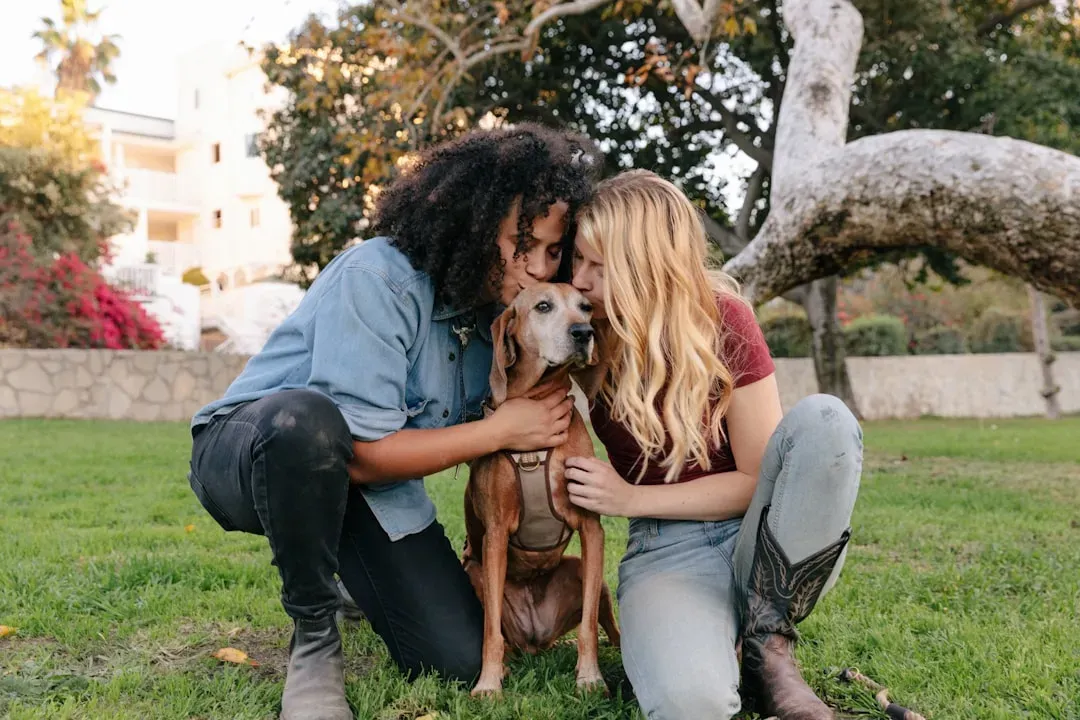
For all that build-up, it usually comes down to one flash: eye contact. The exact micro-moment your dog’s brain confirms “yes, it’s you” is when everything stored that day collapses into a single response. Research has shown a dog’s heart rate actually shifts differently when they see their owner versus a stranger – you’re not just familiar to them, you’re a physiological event.
In that instant, every thread reconciles at once: the way you left, the sounds they chased, the smells they puzzled over, the boredom, the weather, the other animals in the house. Some dogs explode outward – loose body, sweeping tail, whole spine wagging. Others move in slower but heavier, pressing their whole weight into your legs. Both are equally real love, shaped by personality rather than volume.
At a Glance
- In one exploratory study, dogs’ oxytocin levels rose significantly just three minutes into reconnecting with their owner.
- In that same study, owners’ heart rates dropped significantly after roughly an hour of interacting with their dog.
- Dogs separated from an owner for more than five hours produced measurably more tears during the reunion than at baseline.
- None of that is trained performance – it’s the body quietly confirming that the reunion is real and safe.
The Bottom Line
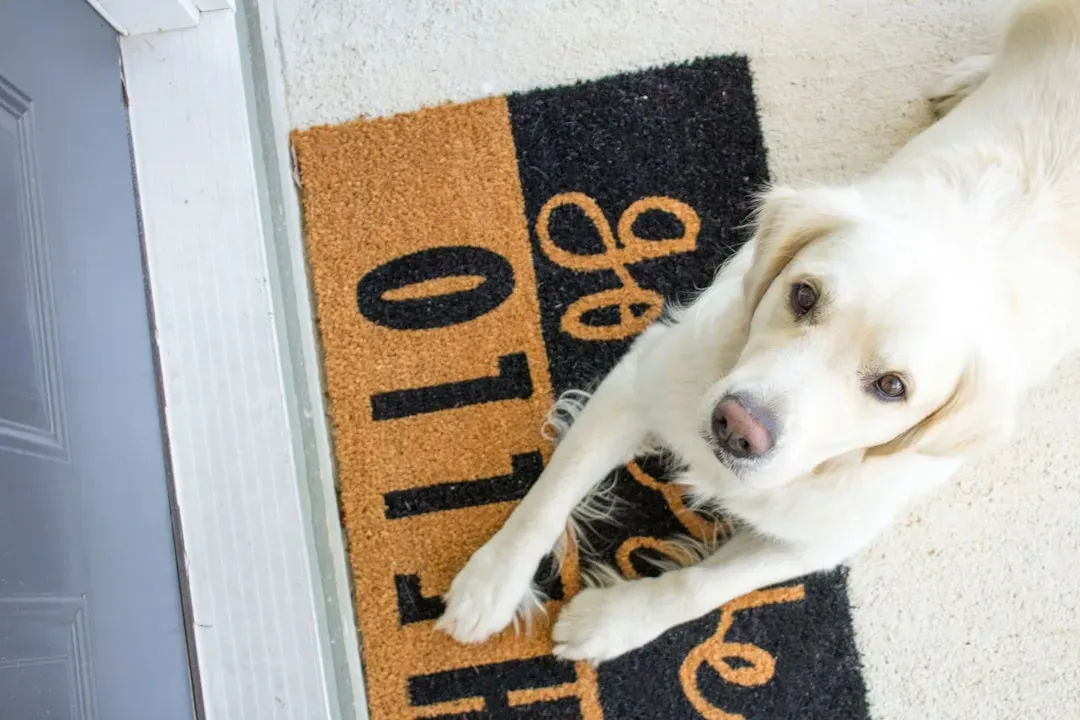
We love to romanticize the door greeting as pure “they love me,” or dismiss it as habit and nothing more. The truth is messier, and honestly more interesting: your dog’s hello is a live summary of an entire day’s worth of quiet calculations – safety, boredom, interruptions, smells, weather, and your own past patterns, all rolled into eight seconds.
Calling it “good dog” or “needy dog” and moving on is, frankly, lazy. A frantic, clingy greeting isn’t just cute – it might be telling you the day was too stressful or too empty. A calm, steady one doesn’t mean they care less; it might mean you’ve quietly built real trust. If we paid half as much attention to our dogs’ eight hours alone as we do to their eight seconds at the door, a lot of so-called behavior problems would probably solve themselves. So the next time that door swings open and chaos meets you at the threshold – ask yourself what kind of day you actually handed them, because they already know.