
What a Groomer Learns About a Household in One Appointment: 14 Things Owners Miss
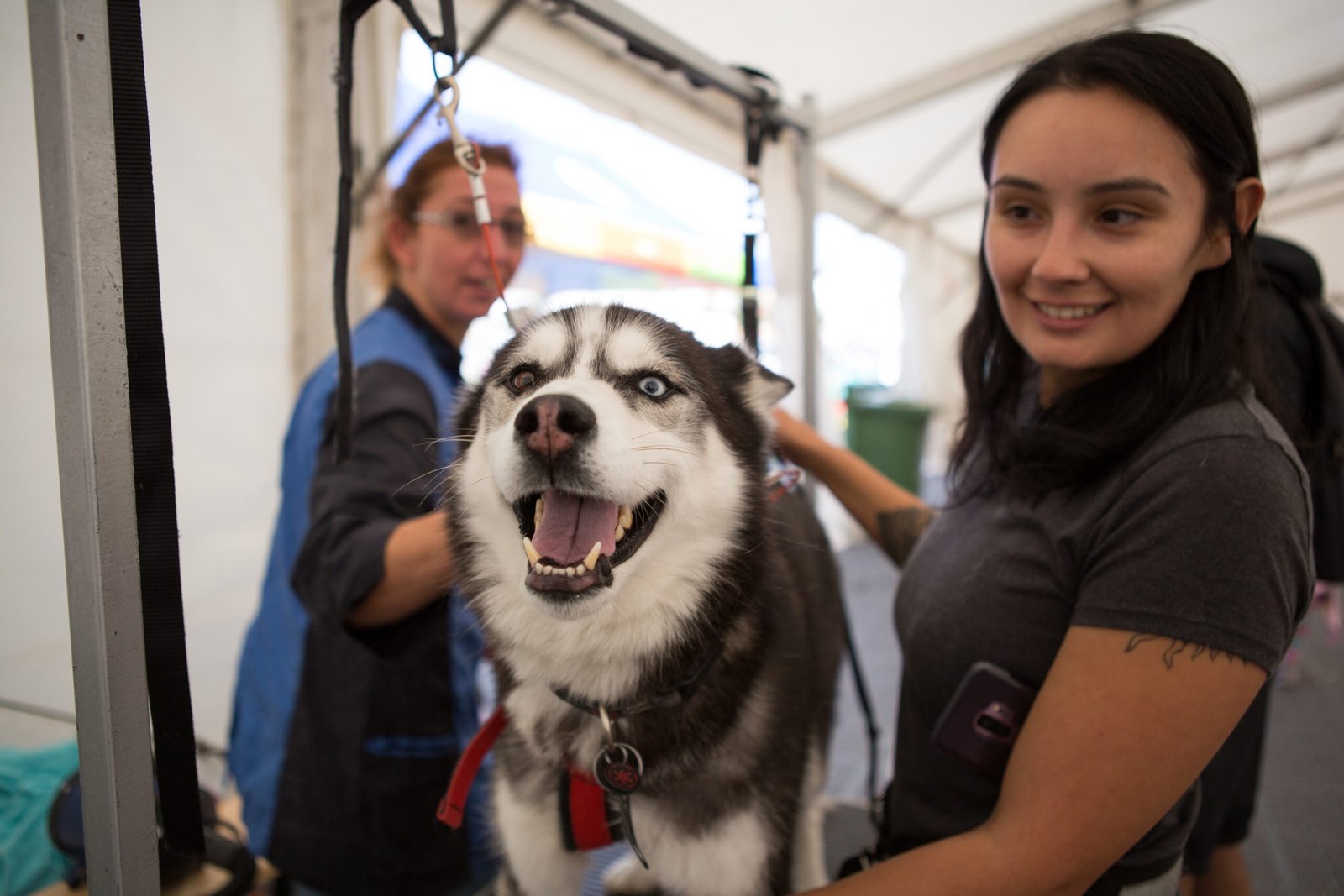
You dropped your dog off for a routine trim. Twenty minutes later, a total stranger with clippers knows more about your marriage, your bank account, and your parenting style than your own mother does.
That’s not an exaggeration. Groomers don’t just cut hair – they read fur, nails, flinches, and silences the way detectives read a crime scene. Most owners think they’re paying for a bath. What they’re actually handing over is a full confession, written in matted fur and nervous body language. Here’s what the people holding the clippers actually see.
#1 – How Stressed Your Household Really Is

Groomers can tell within minutes if a home is calm or constantly on edge. A dog that arrives panting, drooling, and shaking isn’t always “just nervous.” When that same dog flinches at hands near their head, reacts to every loud noise, and never quite settles, it often reflects a household where yelling, chaos, or unpredictability feel normal.
Pets are emotional sponges. They soak up the tone of a home and leak it right back out on the grooming table. The classic line – “He’s fine at home, just stubborn” – usually comes paired with clinginess, over-grooming, or hyper-vigilance. Groomers aren’t diagnosing your marriage or your job stress, but they’re watching it play out in real time on your dog’s nervous system.
#2 – Who Actually Does the Care (Versus Who Just Talks About It)
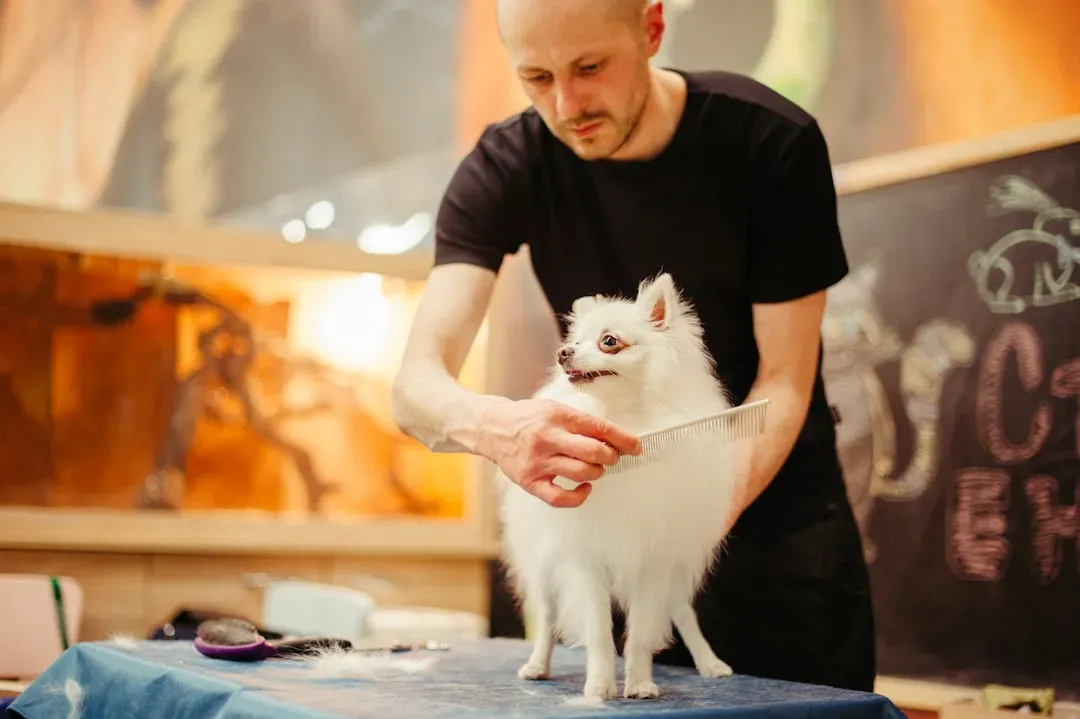
Owners love to say “we all pitch in” on brushing. Groomers know the truth within seconds. Thick mats behind the ears, under the collar, in the armpits, and around the tail are the exact spots skipped by rushed or nonexistent brushing. If a coat is felted like a rug, someone in that house is not doing what they claim.
Often the person who drops the dog off isn’t the one who promised daily care. “The kids were supposed to brush her,” or “my partner said he was on top of this” – groomers hear it constantly, and they hear the eye rolls and sarcastic jokes that go with it. The dog’s coat quietly outs the single caregiver in a house that pretends the work is shared.
Fast Facts
- Behind the ears – the first place a skipped brush shows up
- Under the collar – hidden until the groomer lifts it
- In the armpits – tender, easy to avoid, easy to mat
- Around the tail – the spot most owners forget exists
#3 – How Tight Money Really Is at Home

Most people assume groomers only notice tipping habits. That’s shallow. Professionals actually track money stress through patterns – how often you book, how long you wait between visits, and how far you let things slide before finally showing up. Nails curling under from months of neglect, or matting that clearly took half a year to form, quietly says: grooming lost the budget fight.
Some owners admit it outright – “we had bills, we had to push this off.” Others hide behind “we’ve just been busy” while the dog’s condition tells a different story. Groomers notice when a reliable six-week client suddenly vanishes for months, or drops the deshedding add-on they used to always get. Many quietly adjust prices or stretch appointments when they sense the wallet is thinner than the excuse.
#4 – Whether Anyone in the House Actually Listens to the Dog
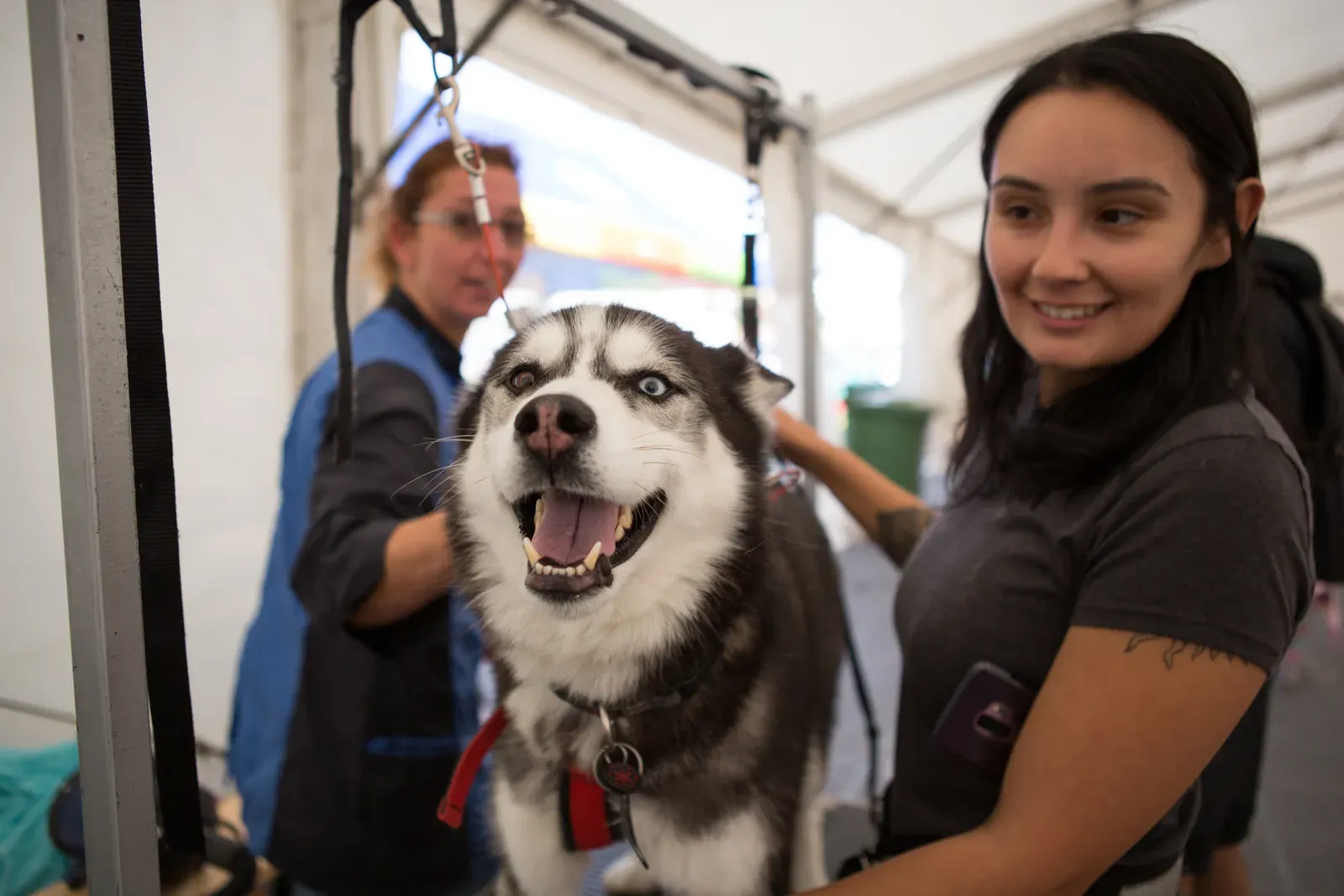
Every owner insists they “know their dog.” Groomers find out fast whether that’s true. A dog who freezes when you reach for their paws, thrashes when you touch their tail, or growls when a brush hits one specific spot isn’t being “bad.” They’re saying “that hurts” or “I’m terrified,” and somebody at home has been ignoring it.
Chronic matting, raw skin, and overgrown nails are physical proof the signal got dismissed. The dog who bites at the collar has probably been yanked by it. The one who panics at clippers was likely nicked or restrained too roughly once. Most owners call this “attitude.” Groomers know it’s usually history repeating itself on the table.
#5 – How Much Time Your Pet Actually Spends Alone

You can insist “we’re with her constantly,” but the coat and nails tell the real schedule. Dogs left alone for long stretches often show overgrown nails from skipped walks, urine stains from holding it too long, and raw patches from anxious licking. Cats show heavy matting on the back half of the body – a classic sign of a pet who hides and rarely gets checked.
Groomers also watch behavior: some pets cling desperately, climbing into laps and panicking when set down. Others shut down entirely, avoiding eye contact and just enduring the appointment. Even how fast a dog falls asleep mid-groom is telling – pure exhaustion from finally feeling safe. Without ever seeing your living room, a groomer can guess whether your pet is woven into daily life or killing time until someone comes home.
#6 – The Real Parenting Style in the Home

If there are kids in the picture, your pet’s manners say more about your parenting than any carefully staged photo ever will. Animals raised with clear, consistent boundaries tend to be curious but respectful – they test a limit once and respond when redirected. Pets from permissive, anything-goes homes show zero impulse control and frantic, grabby behavior nobody has ever calmly corrected.
On the flip side, pets from harsh households can be jumpy and hyper-obedient, bracing for punishment over the smallest mistake. Groomers hear it in the way owners talk to their pets – “stop being stupid” said half-jokingly usually comes from a home running hot on frustration. Most parents believe they’re “firm but loving.” A dog’s body language under mild stress is a far more honest report card.
#7 – How Clean Your Home Actually Is (Beyond What You Claim)
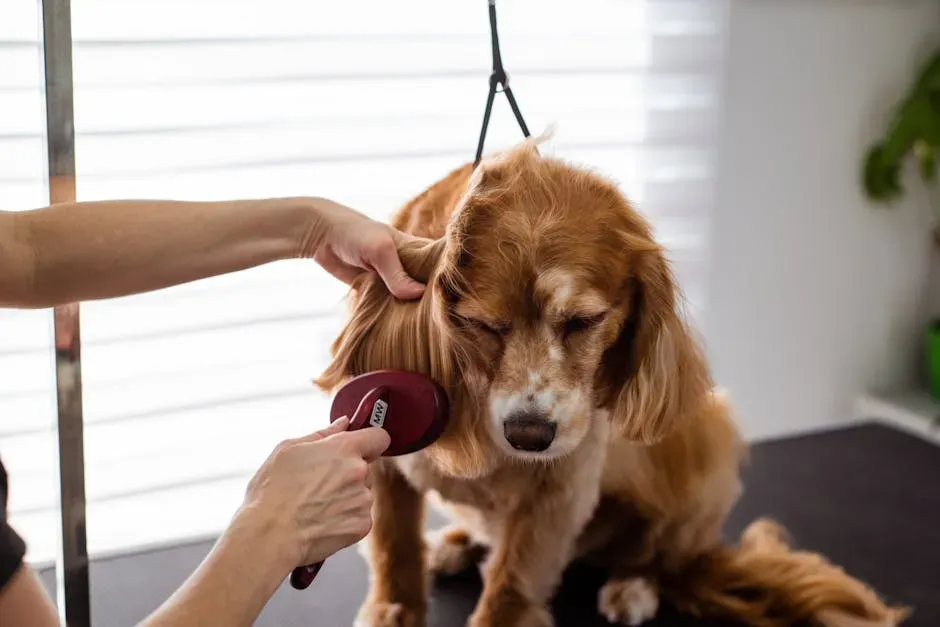
You never have to invite a groomer inside for them to know how you live. Your pet brings the evidence with them. Greasy coats, embedded dander, sticky fur, fleas, and that unmistakable “house smell” clinging to the skin tell the whole story before a word is spoken.
Even the bathwater gives it away – yard mud looks nothing like old indoor dust, cooking oils absorb into fur differently than cigarette residue. Chronic flea dirt and inflamed skin scream “this house has a parasite problem, and it’s not new.” Owners insist, “he’s an inside dog, he doesn’t get dirty,” right as the tub water turns brownish-grey. Your pet is the walking, shedding report card for your cleaning habits, whether you like it or not.
Worth Knowing
- Flea dirt looks like pepper flakes and doesn’t rinse away like regular dirt
- Smoke and cooking oil soak into fur differently than outdoor grime
- Bathwater color often reveals more than the coat itself
- Inflamed, flaky skin usually points to a lingering, not a new, problem
#8 – The Silent Tension Between Adults in the Household

You think you’re hiding your relationship problems from the world. Your dog disagrees. Groomers routinely witness the micro-arguments – who forgot the appointment, who “never” clips the nails, who “always” spoils the dog – playing out in snarky comments right over the pet’s head. The dog’s reaction, a side-eye, a yawn, a scramble into one person’s lap, quietly reveals who they feel safer with.
Checkout is often the tell. One partner snaps about the price, the other over-apologizes, and the dog shrinks back between them. Groomers notice which adult the dog gravitates toward, and who uses the pet as an emotional shield – hugging or clutching the animal any time conflict brews. In one appointment, they can usually tell if your household tension is a rare bad day or a constant low hum your pet has been absorbing for years.
#9 – Whether Your Pet Is a Decoration, a Baby, or a Real Family Member
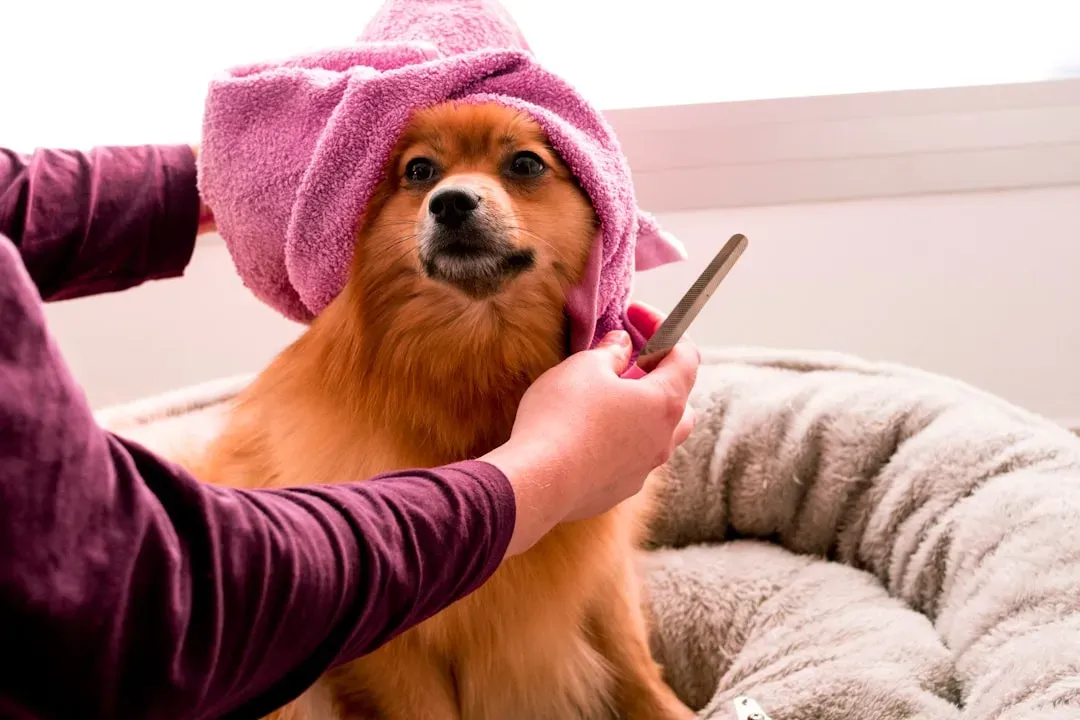
Nearly everyone claims their pet is “family,” but groomers see three very different realities walk through the door. Some animals are pure décor – flawless haircuts, designer accessories, and zero real training or emotional confidence underneath. They exist to look good in photos, and they’re often anxious wrecks beneath the bow.
Others are treated like permanent infants: carried everywhere, never walked, never allowed to just be a dog. Pristine paws, but crushing separation anxiety and no ability to self-soothe. Then there are the ones who are genuinely, messily integrated into family life – a little scruffy, but clearly known and respected. The grooming table strips away the costume and shows which category your pet actually falls into.
Quick Compare
- The Decoration: flawless looks, little training, anxious underneath
- The Baby: carried everywhere, pristine paws, high separation anxiety
- The Family Member: a little scruffy, confident, well-adjusted
#10 – How Well You Handle Aging, Illness, and Hard Decisions
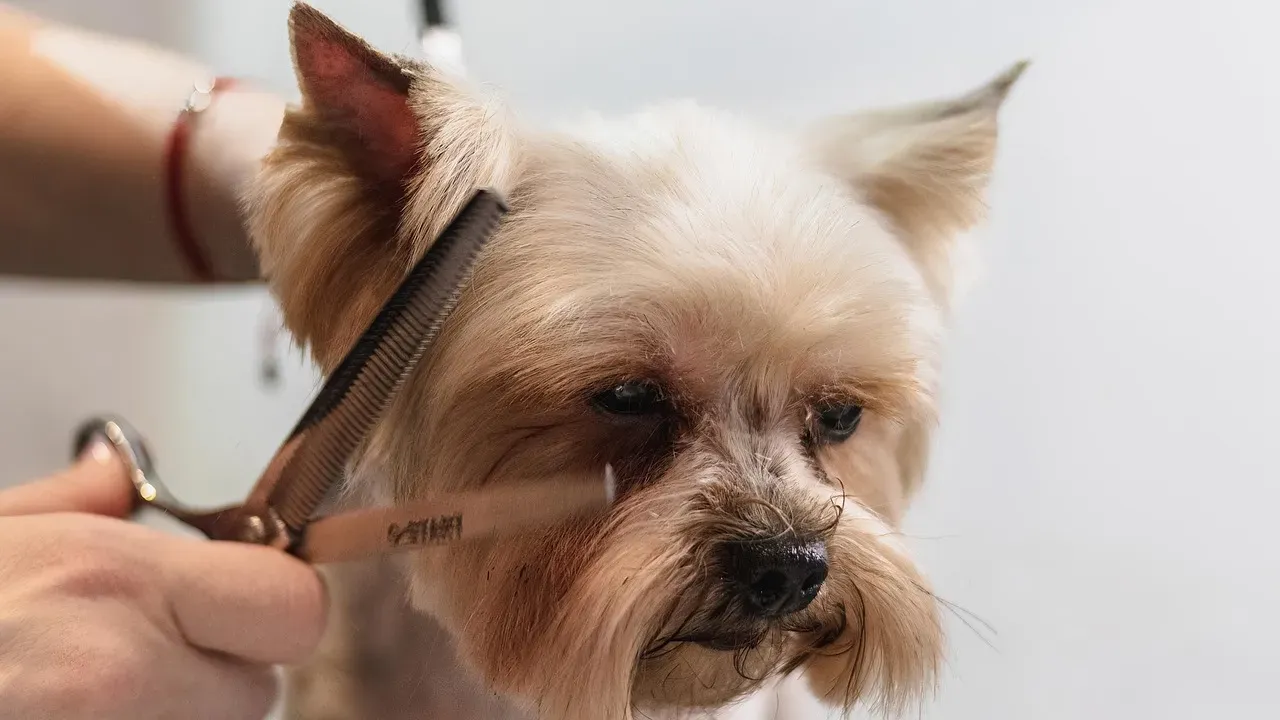
A single appointment with a senior or sick pet reveals exactly how a family copes with decline. Groomers see arthritic hips, cloudy eyes, rotting teeth, and mats in places that clearly hurt to touch. They can tell instantly if a family is avoiding reality (“she’s just slowing down a bit”) or actively adapting with softer handling and shorter sessions.
Some owners insist on the same puppy-style haircut on a fragile, elderly dog because they “want her to look like she used to,” even when the extra handling clearly causes pain – that’s denial, not comfort. Others arrive in tears, saying simply, “we just want her clean and comfortable.” How a family lets a dog age, right there on the table, often mirrors how they’ll treat each other when things get hard.
#11 – Your Real Threshold for Inconvenience and Sacrifice

Everyone says they’d “do anything” for their pet. Groomers see exactly where that promise stops. Do you brush five minutes a day to prevent painful mats, or shrug and say “we’ll just shave him once a year”? Do you change the food when skin gets inflamed and keep up on nail trims, or wait until the dog is limping?
Some clients reschedule their own plans rather than let their pet’s condition slide. Others no-show repeatedly, and the dog pays for it. Groomers also notice who takes advice seriously versus who argues or dismisses it. Your reaction to one mild inconvenience says a lot about how you handle every inconvenience life throws at you.
#12 – How Honest You Are With Yourself (and With Professionals)
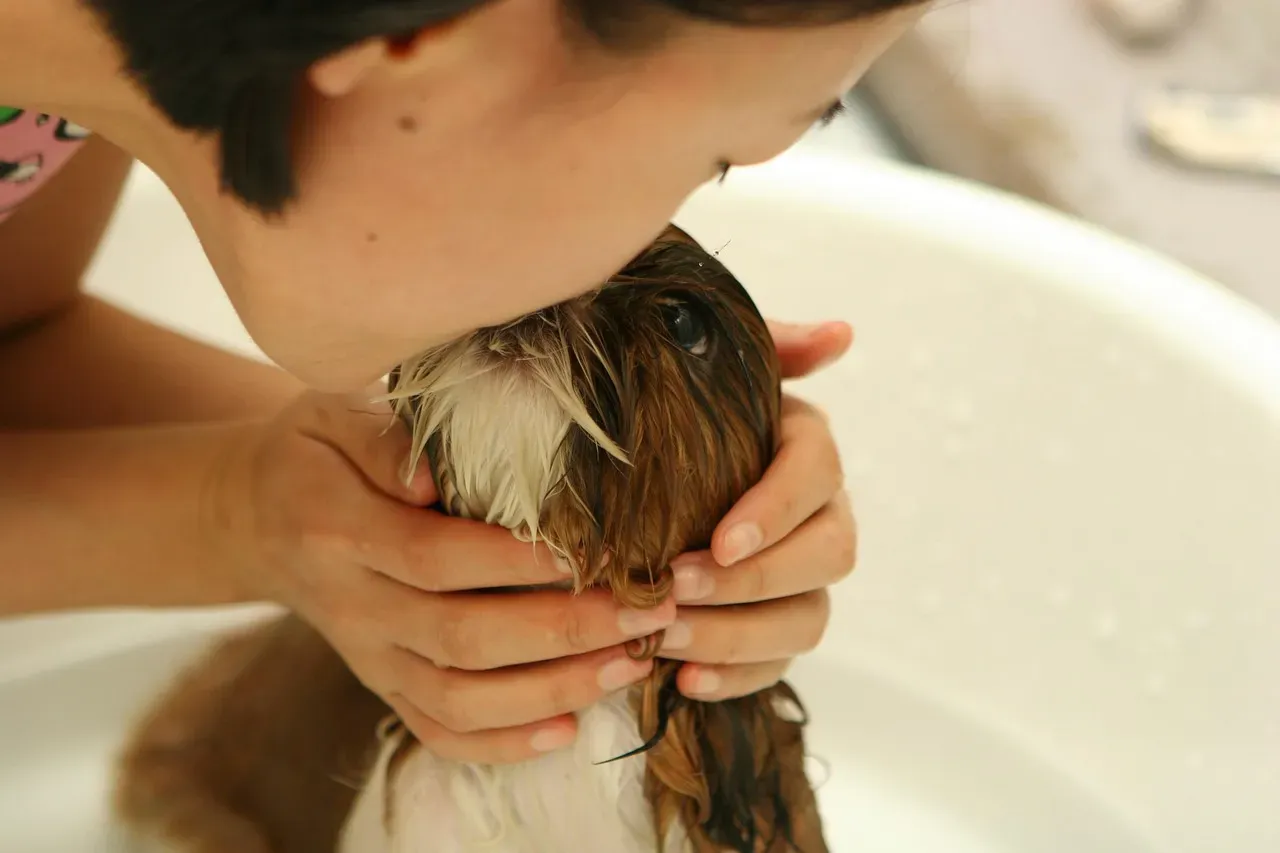
Here’s the uncomfortable part: groomers can tell instantly when you’re lying or minimizing. You say “he bites sometimes,” and the “sometimes” dog snaps three times in five minutes. You swear “we brush all the time” while the comb can’t get through the top inch of coat. Groomers aren’t fooled. They just choose how much to say out loud.
There’s a real difference between being uninformed and being in denial, and most groomers are gentle with the first one. But when someone gets defensive, blames the dog, or accuses the groomer of overreacting, it reveals a bigger pattern – someone who struggles to face facts anywhere in life. The pet is wearing the receipts. The human is rewriting the story.
#13 – Whether Your Vet Relationship Is Healthy or Completely Broken
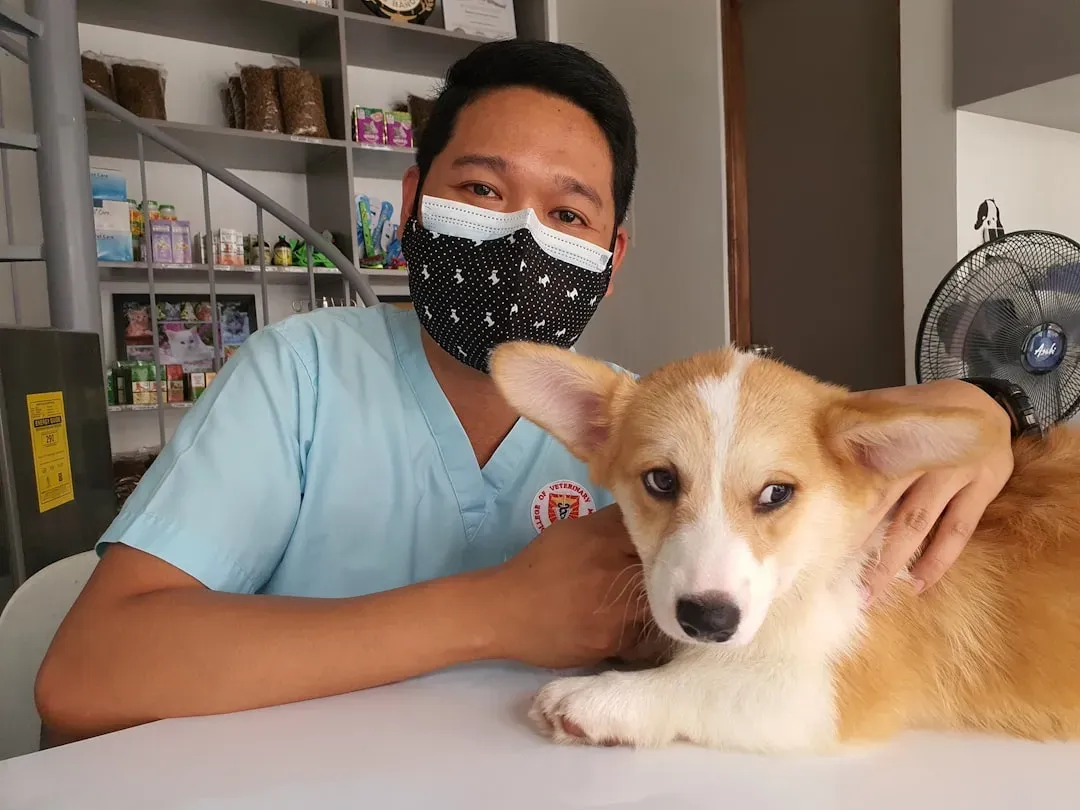
Groomers see the gap between what a vet recommends and what actually happens at home. Overgrown or broken nails, untreated ear infections, thick tartar, and chronic skin infections that have clearly lingered for months point to one of two things: you don’t go, or you go and ignore the advice.
Sometimes owners admit it flat out – “the vet said to come back, we never did.” Other times, they’re genuinely surprised when a groomer flags something the vet likely mentioned ages ago. Then there’s the client burned by a past bill, now skeptical of every professional, insisting “the vet just wants money” while the dog’s condition begs to differ. Either way, the dog pays for the broken trust, and it shows in every inflamed ear a groomer finds.
At a Glance
- Overgrown or broken nails – a sign checkups have lapsed
- Chronic ear infections – often flagged once, then ignored
- Heavy tartar buildup – months, sometimes years, in the making
- Recurring skin infections – a pattern, not a one-time flare-up
#14 – How Emotionally Safe Your Home Feels (From Your Pet’s Point of View)
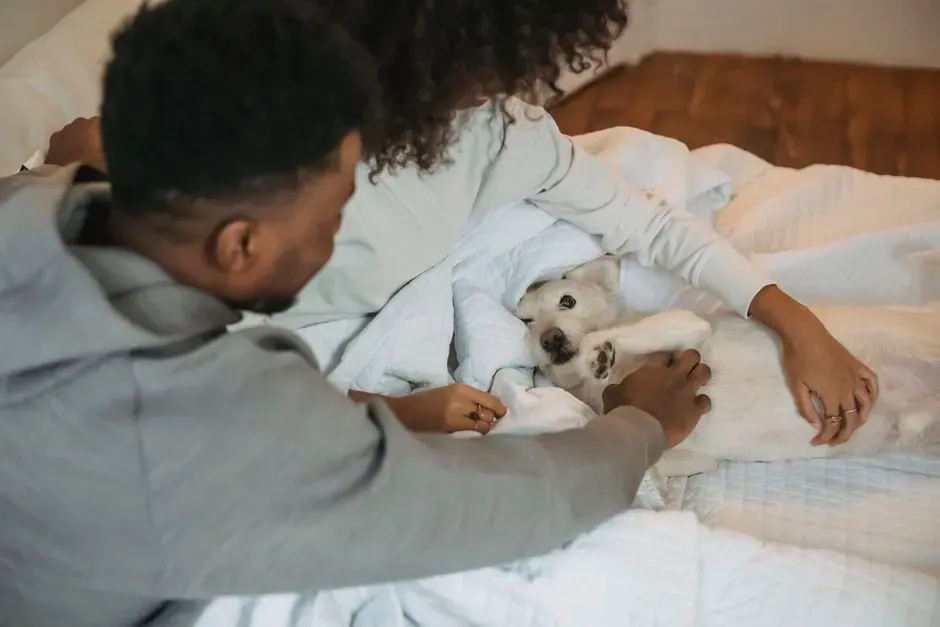
By the end of an appointment, most experienced groomers can make a quiet judgment call: is this animal emotionally safe at home, or just surviving it? It has nothing to do with money, perfect schedules, or fancy gear. It’s about how your pet looks at you, responds to your touch, and recovers from mild stress during the groom.
A dog who gets nervous but calms the second you speak? That’s trust. A dog who panics harder when you approach, then melts with relief the moment you leave? That’s a quiet red flag. Groomers watch whether an animal leans into you or away from you, whether a cat relaxes at the sound of your voice or hides harder. Pets mirror the energy you bring into a room, whether you’re rushed and irritable or genuinely present.
Until one has loved an animal, a part of one’s soul remains unawakened.
Anatole France
A home can be messy and imperfect but emotionally safe – or spotless and curated, yet tense underneath. Your pet fills in the blanks your social mask tries to hide, and groomers are reading that story every single day.
The Bottom Line
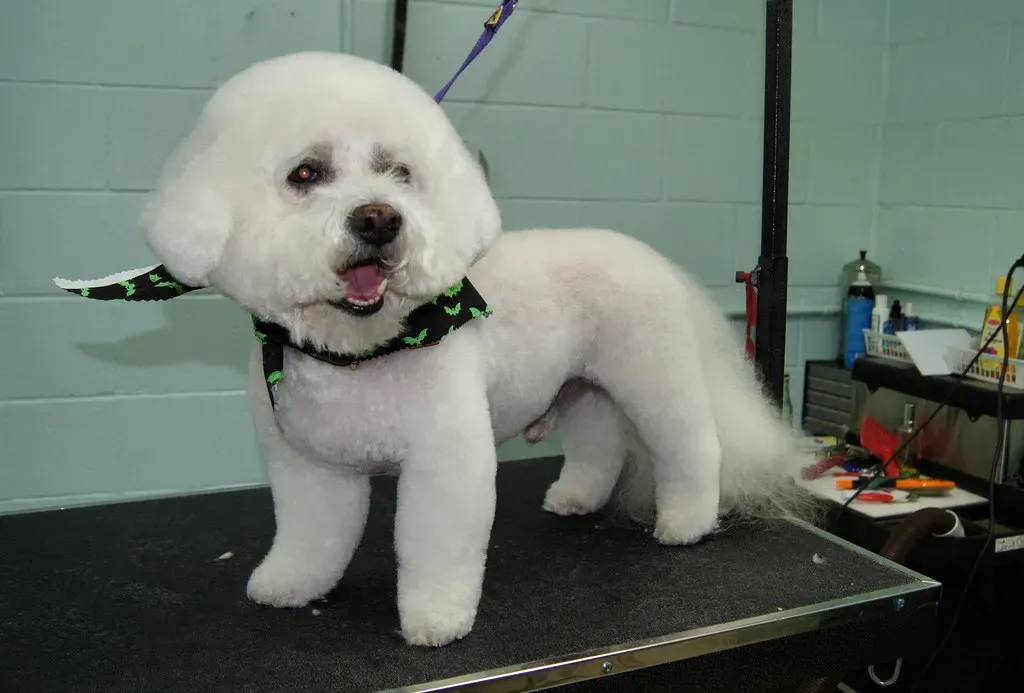
Most people walk into a grooming salon thinking they’re dropping off a dog for a bath and a haircut. In reality, they’re handing over a living, breathing record of their household. Every mat, nail, flinch, wag, stain, and sigh is data.
Groomers aren’t therapists, but they see relationship patterns, parenting styles, avoidance habits, and financial stress written all over your pet’s body language. That’s why some groomers are quietly more honest about your life than half your friends.
Here’s the opinion nobody wants to hear: if you don’t like what your groomer is picking up on, the problem was never the groom. It’s the home. Pets expose our blind spots whether we’re ready or not – the good news is you get to decide what they tell the world next time, starting with a little more honesty and a little less denial.
So which one hit closest to home – and what do you think your own groomer notices first the second you walk through the door?