
15 Things a Deeply Loved Dog Does That a Vet Spots Immediately

Most people assume a “happy dog” is just a wagging tail and a cute Instagram pose. Vets know better. Give them fifteen minutes in an exam room, and they can usually tell which dogs are simply fed and sheltered… and which ones are deeply, consistently loved.
The tell isn’t in the toys or the fancy collar. It’s in tiny habits, body language, and the quiet way a dog uses its own person as a safety net. Some of these signs might surprise you. A few might even sting a little, because they quietly challenge what social media calls “good pet parenting.” Here’s what vets actually notice first, and what it says about the bond behind it.
#1: They Check In With Their Human, Even When They’re Scared
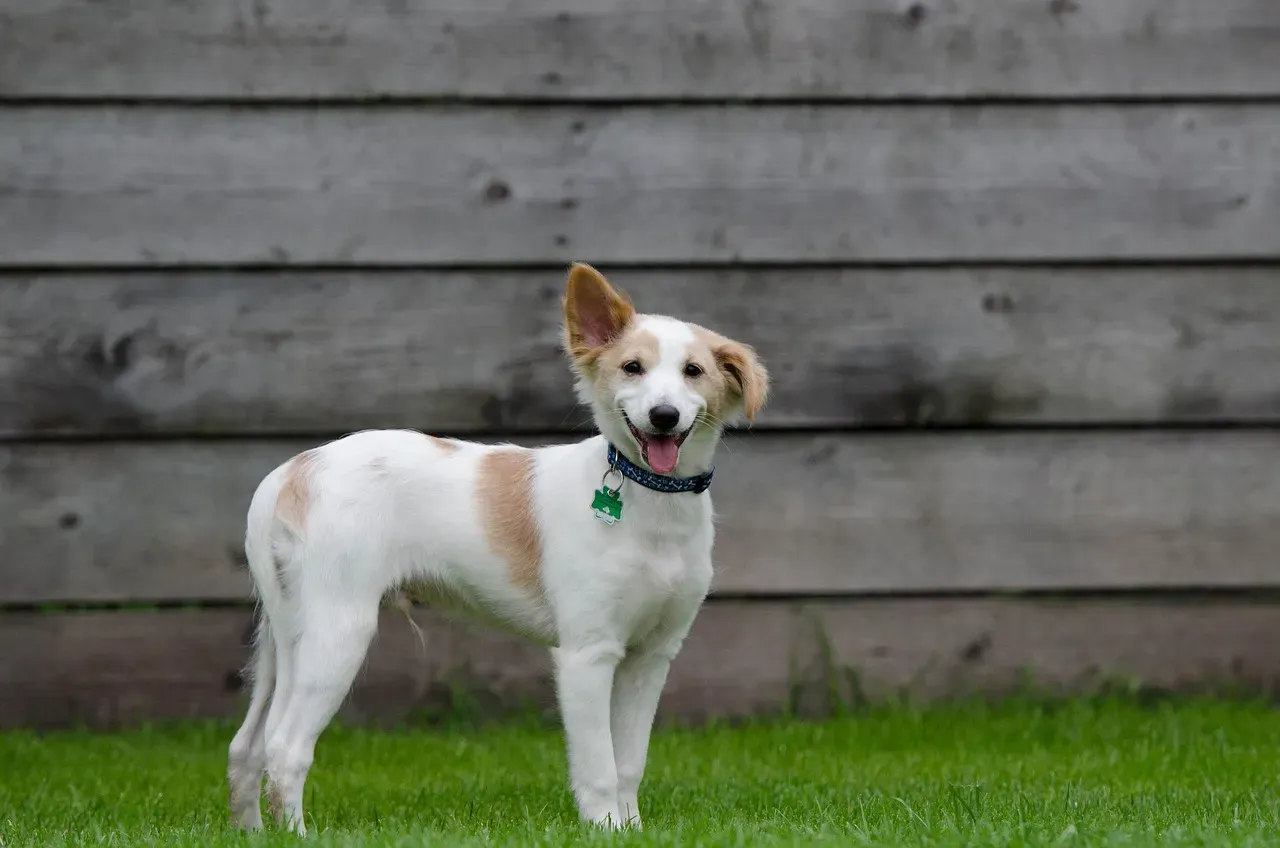
A deeply loved dog doesn’t treat the vet’s office like a solo mission. Even when they’re nervous, they keep “checking in” with their person. You’ll see it in quick glances back, a light lean against the leg, or a subtle shift so they’re half-behind their owner but still facing the vet.
Vets know this isn’t clinginess. It’s a secure attachment pattern that looks a lot like a well-bonded toddler at a doctor’s visit. The dog believes, “You keep me safe, even when I’m not sure what’s happening,” and that trust doesn’t come from treats alone. It’s built from thousands of small moments where a human showed up, soothed, and stayed consistent. Some owners brag that their dog “doesn’t care” if they’re around. Many behavior professionals quietly read that as a red flag, not a flex.
#2: Their Body Stays Soft Around Touch, Even During Awkward Exams
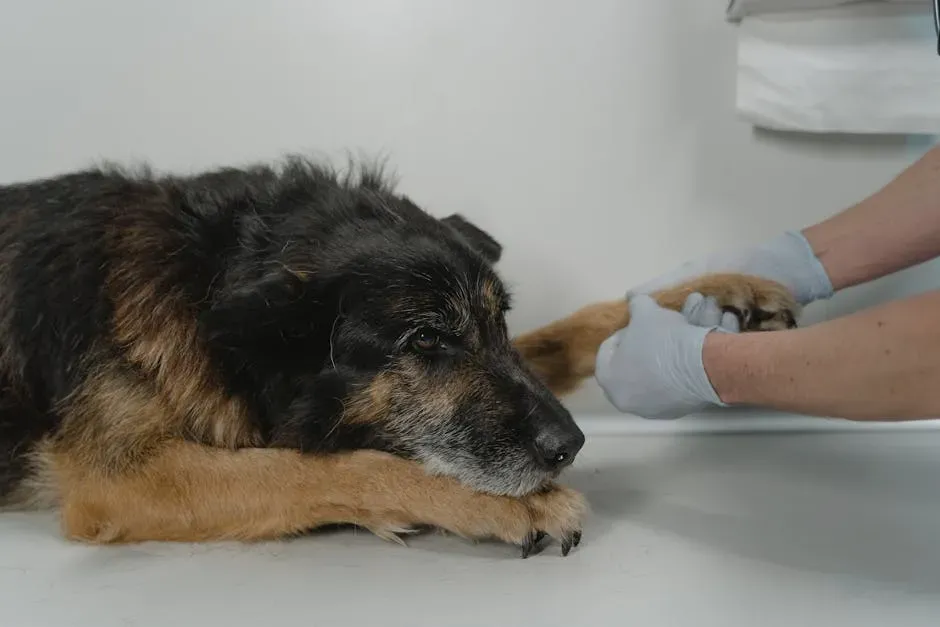
Here’s a subtle thing vets clock in seconds: muscle tension. A dog that’s deeply loved and handled kindly at home tends to stay softer in the body, even when the vet is doing something weird or mildly uncomfortable. These dogs may be unsure, but they don’t turn into a brick when someone lifts a paw or checks an ear.
Their faces stay loose, tongues may flick briefly, but they don’t lock their jaw or clamp their mouth shut. That tells the vet this dog is used to gentle handling at home – nail trims, brushing, ear wipes, done with patience instead of force. Dogs who’ve been manhandled or punished around touch tend to brace before any contact, even gentle contact. And when the owner talks in a calm voice, you can actually watch the muscles soften a notch, proof that voice has meant comfort before.
Fast Facts
- Vets often read muscle tension within the first few seconds of touching a dog.
- A relaxed jaw, soft eyes, and loose tail carriage are classic markers of a well-handled dog.
- Bracing before contact even begins is a fast tell of a fearful or roughly-handled dog.
- A familiar, calm voice can visibly loosen a dog’s shoulders and back in real time.
#3: They’re Comfortable Saying “No” Without Getting Scared
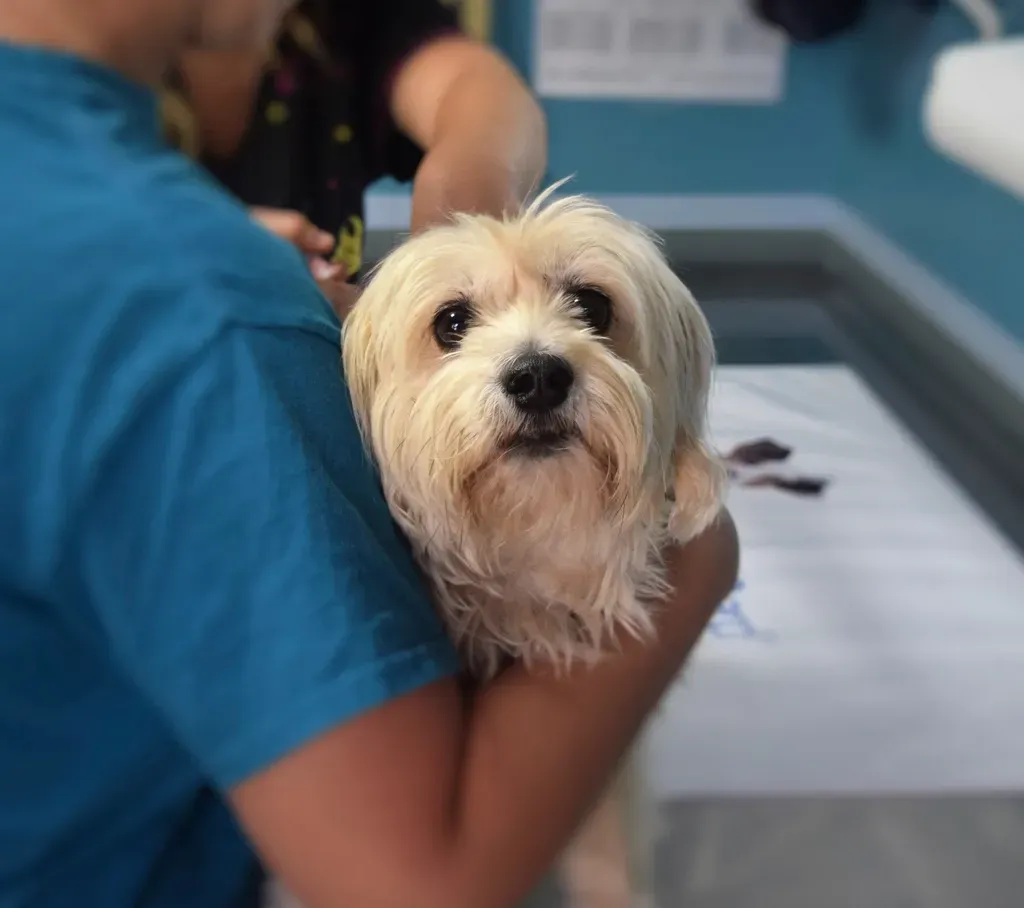
This one surprises people: many vets actually like seeing a dog politely refuse something. A deeply loved dog who feels safe will sometimes pull back from a syringe, lip-curl softly at a sore spot, or scoot away from a nail clip without escalating into panic or full aggression.
That nuance tells the vet the dog isn’t shut down and believes its own signals mean something. In homes where dogs get punished for any sign of discomfort, you often get the opposite: a dog who looks calm right up until it explodes, no growl, no warning, just a sudden bite. That’s rarely a “bad dog.” It’s usually a dog who learned that early signals get punished, so it skips straight to survival mode. A dog who can safely say “no” is often in a better emotional place than the dog who never protests at all.
#4: Their Eyes Track Their Human Like They’re the North Star
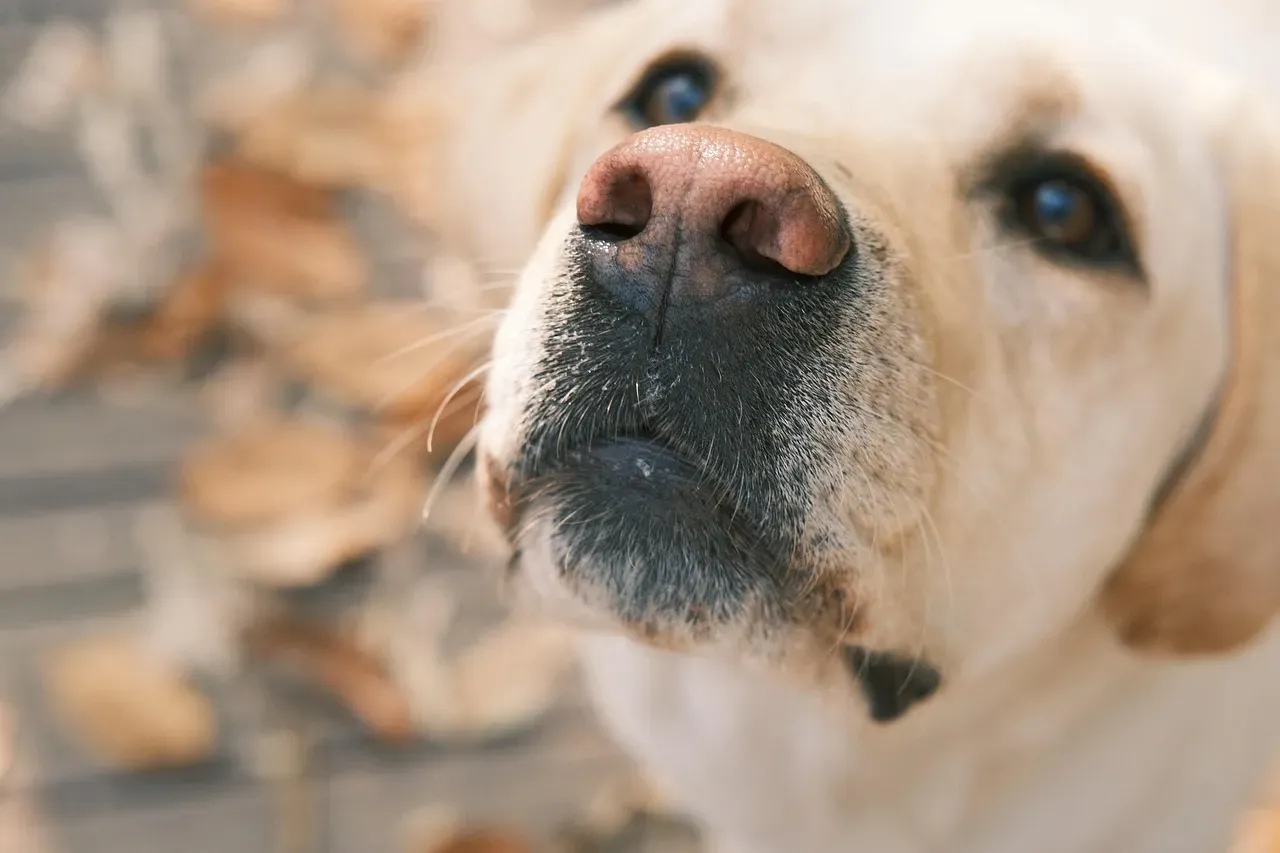
One of the easiest tells of a strong bond is where a dog’s eyes go when things feel uncertain. In a chaotic waiting room, a deeply loved dog often locks eyes with their person for tiny micro-moments. It’s not a stare-down. It’s quick, soft glances that seem to ask, “We good?” and take confidence from the answer.
Owners barely notice it, but vets see it instantly: pupils softening, eyebrows shifting, ears adjusting the second their person speaks. Contrast that with a dog whose eyes constantly search the room and never once return to their person. That can mean distraction, but it often means the human hasn’t been a reliable source of safety, so the dog became its own navigator. Plenty of people think an “independent dog” is the goal. Vets know that in scary spaces, that kind of independence can actually be a symptom of emotional neglect.
#5: Their Coat, Weight, and Nails Quietly Tell a Story of Daily Care
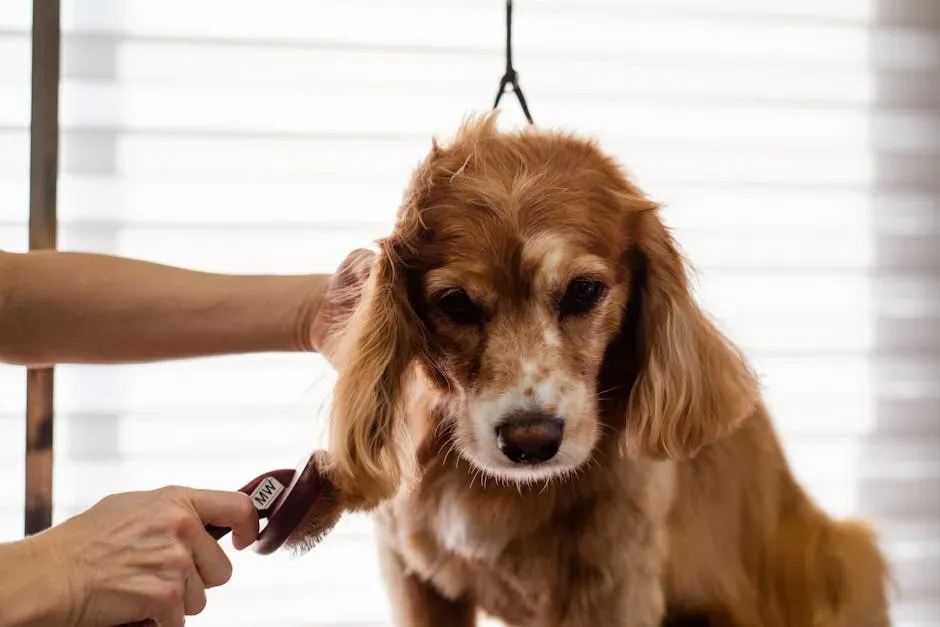
You can’t fake this one for long. A deeply loved dog usually wears the evidence of consistent care: a reasonable weight, a healthy coat, and nails that aren’t turning into talons. Vets can tell in seconds whether a dog is slightly indulged or dangerously overfed and under-exercised.
A deeply loved dog isn’t just spoiled with food. It’s managed with affection and boundaries – enough play, walks, mental work, and portion control. Ribs carry a light fat covering, not layers of padding. Nails tell an even harsher truth: dogs that never leave the couch grow curled, painful claws, while dogs who walk regularly or get routine trims stay at a safe length. A scruffy, nervous rescue can still be deeply loved, too. Vets look for trajectory – are things getting better over time?
#6: They Recover From a Scare Faster Than You’d Expect
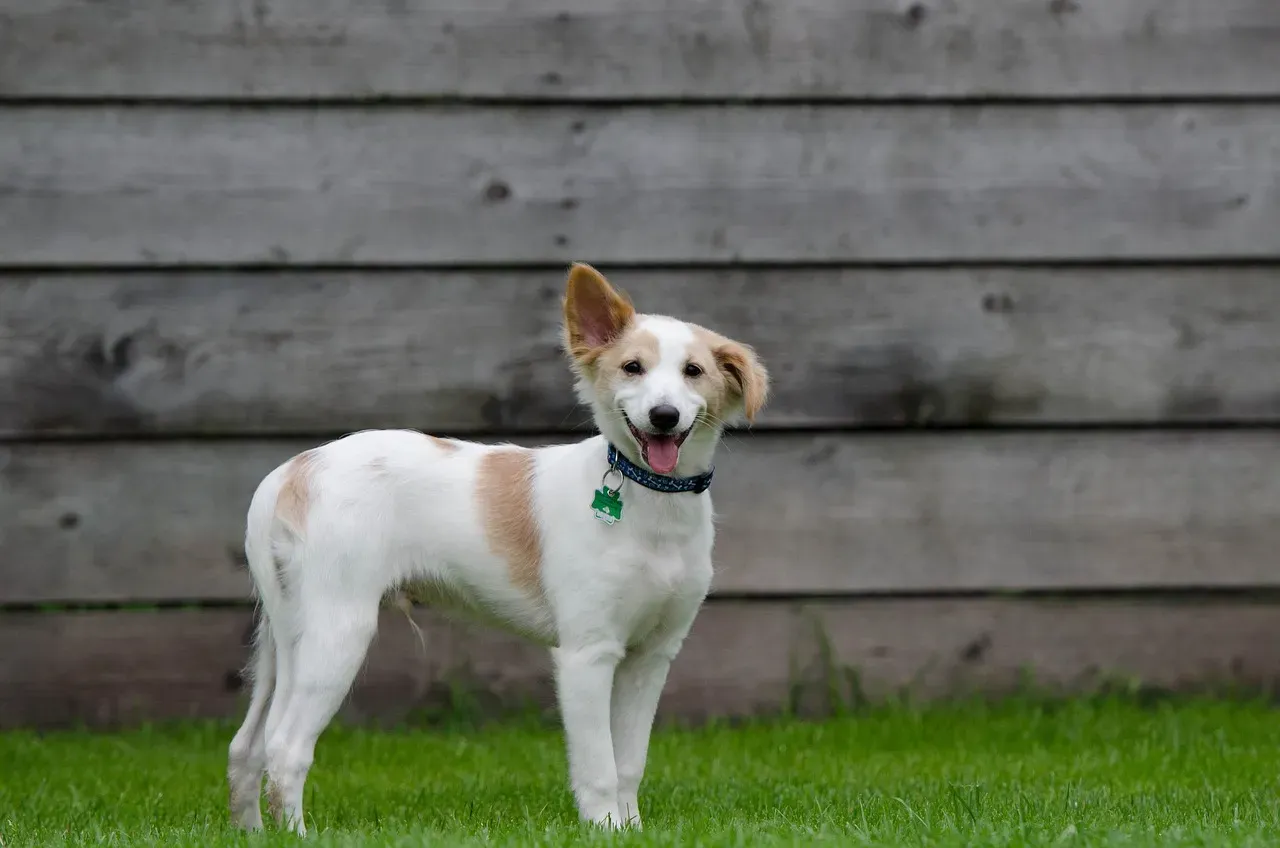
Every dog gets spooked by the thermometer, the scale, or a slamming door. What vets actually watch isn’t the startle, it’s the recovery. Deeply loved dogs, even anxious ones, tend to bounce back quicker. They might flinch or tuck for a second, then sniff a treat, glance at their human, and slowly uncurl.
They have a mental “home base” of safety they can return to, even in a brand-new room. The tail starts moving again, lower but not frozen, and the eyes resume scanning instead of glazing over. Chronically stressed dogs can’t reset that way. One scare hijacks the entire visit, and they stay locked down, panting, unable to take food. That’s not drama. It’s a nervous system shaped by unpredictability. When a dog takes a breath and tries again, it tells the vet this dog’s daily life is mostly safe.
#7: They’re Allowed to Hide Behind Their Person… and Then They Try Again
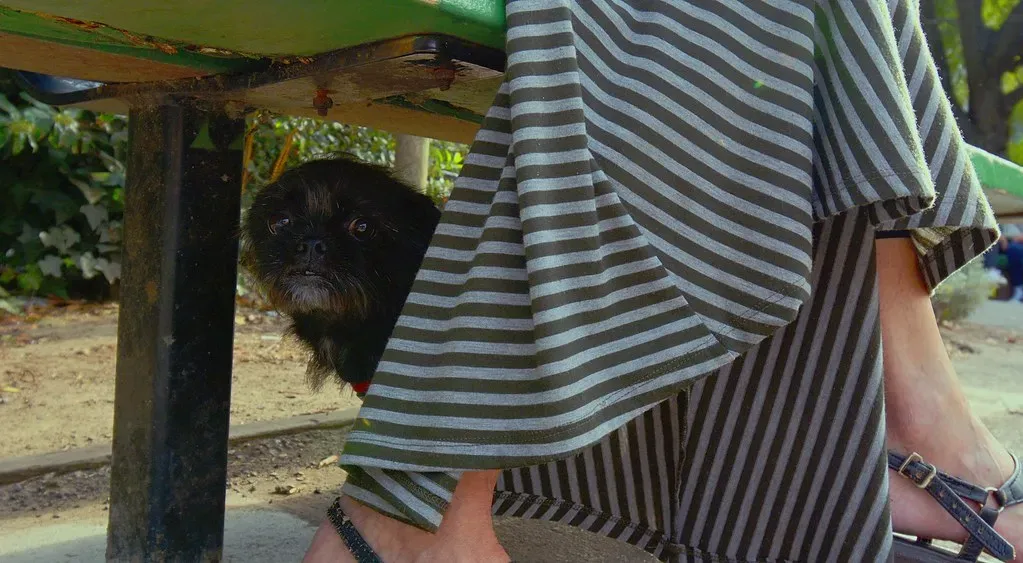
Some owners apologize when their dog tucks behind their legs at the vet. Many experienced vets quietly smile at that, because it’s often a good sign. A dog who ducks behind their person and then edges back out to sniff is doing exactly what behaviorists want to see: using their human as a safe base, then bravely re-engaging.
That mirrors healthy attachment in kids at daycare – cling, explore, retreat, recharge, repeat. When a dog isn’t allowed to hide, when it’s dragged forward on a tight leash or scolded for “being a baby,” it often stops using its human that way at all. In future visits, it may shut down completely or go on the offensive instead. Vets don’t read bravery into a dog forced to tolerate everything. They read learned helplessness. The dog peeking out from behind a leg, tail low but wagging, is telling the whole truth about home.
#8: They Accept Handling Because They’ve Been Gently Practiced With It
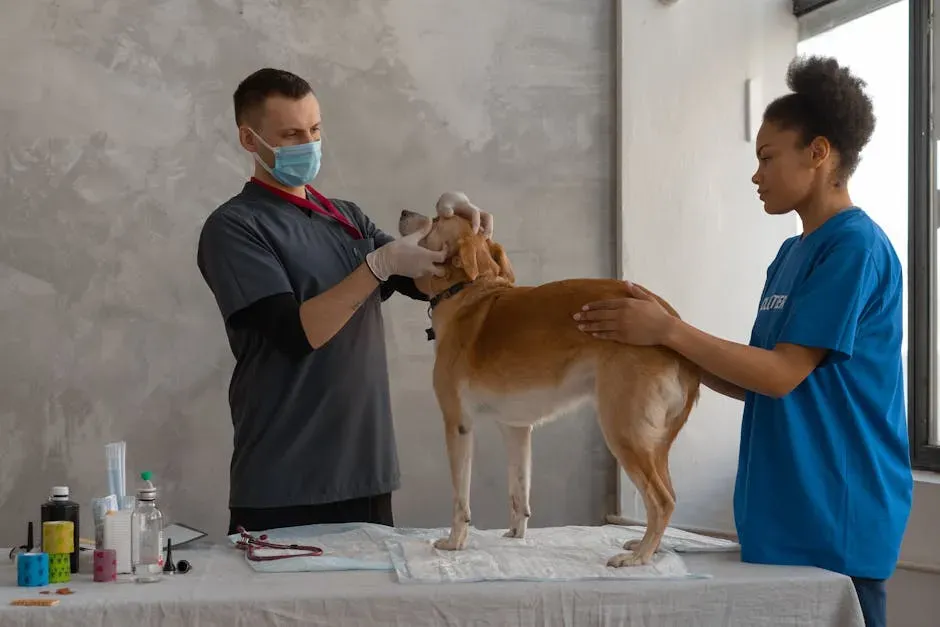
Deeply loved dogs are rarely meeting handling for the first time on a vet table. You can tell which dogs have practiced at home. When the vet lifts a lip, checks a paw, or peers in an ear, these dogs might look mildly annoyed, but they don’t act like something unfamiliar and terrible is happening.
Their human likely played “pretend vet” at home – touch paw, treat; lift ear, treat; hold collar, treat. That low-pressure rehearsal builds a dog who sighs dramatically but still allows the exam. Dogs who’ve only been grabbed when things go wrong – dragged into baths, pinned for meds – often thrash the second they’re touched the same way. That’s not stubbornness, it’s pattern recognition: “This touch equals bad.” A deeply loved dog may still dislike nail trims, but it’s learned its human doesn’t bulldoze it. It’s been prepared, not ambushed.
Quick Compare
- Practiced at home: Sighs or fidgets, but still allows the exam
- Never practiced: Thrashes or freezes at the very first touch
- Practiced at home: Treats handling like a familiar routine, even a boring one
- Never practiced: Associates hands-on contact only with something going wrong
#9: They Don’t Act Like Every Human Is Their Best Friend
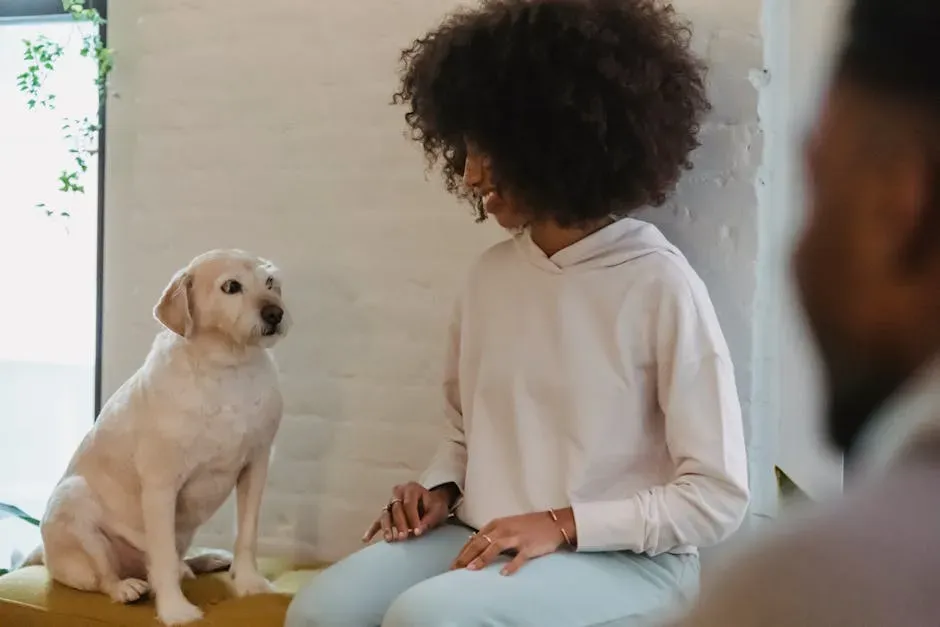
This one stirs arguments online. Social media loves dogs who rush every stranger and flop for belly rubs from anyone. Many vets see that and think: interesting, but not always a good thing. A securely attached dog usually doesn’t treat the vet tech exactly like their owner. It might be friendly, but there’s a clear preference: their person is “home,” everyone else is just “nice.”
That hierarchy is healthy. It means the dog knows exactly who consistently feeds, walks, comforts, and protects them. Dogs who enthusiastically go off with anyone, never checking back, can simply be social, but they can also be under-attached. Shelter workers see it constantly in dogs who’ve bounced between homes too many times; they’ve learned people rotate, so why invest deeply in one? Vets notice when a dog takes a treat from them, then immediately swivels back to its owner as if to say, “Did you see that?” Some people call that clingy. Many behaviorists would call it emotionally healthy.
#10: They Tolerate Gentle Restraint Without Melting Down
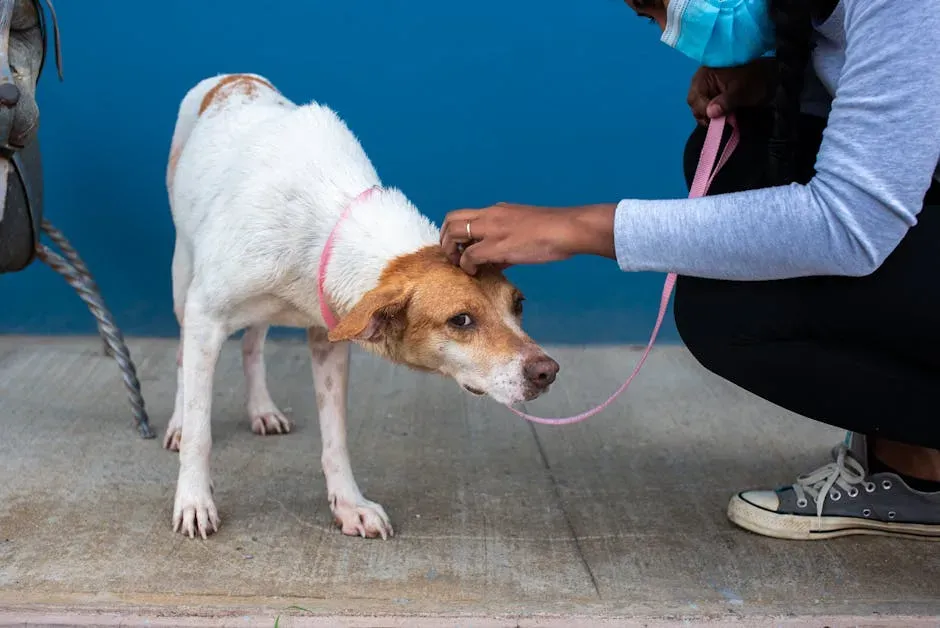
No dog loves being held still for blood draws or X-rays. But a deeply loved dog often tolerates reasonable restraint far better than you’d expect, and it’s not because they’re “submissive.” These dogs have usually experienced kind, predictable restraint at home – being held for grooming, medication, or baths without roughness or rage.
So when a vet tech gently encircles their body, they might tense and fuss, but they don’t fight like their life depends on it. Contrast that with dogs who’ve been pinned, yelled at, or physically punished, where human hands can mean pain instead of care. Restraint triggers panic or aggression in those dogs, and vets can usually tell which is which within seconds. The deeply loved dog protests, then settles the moment their person murmurs a familiar phrase or strokes their chest.
#11: Their Teeth, Breath, and Gums Reveal Quiet, Unseen Effort
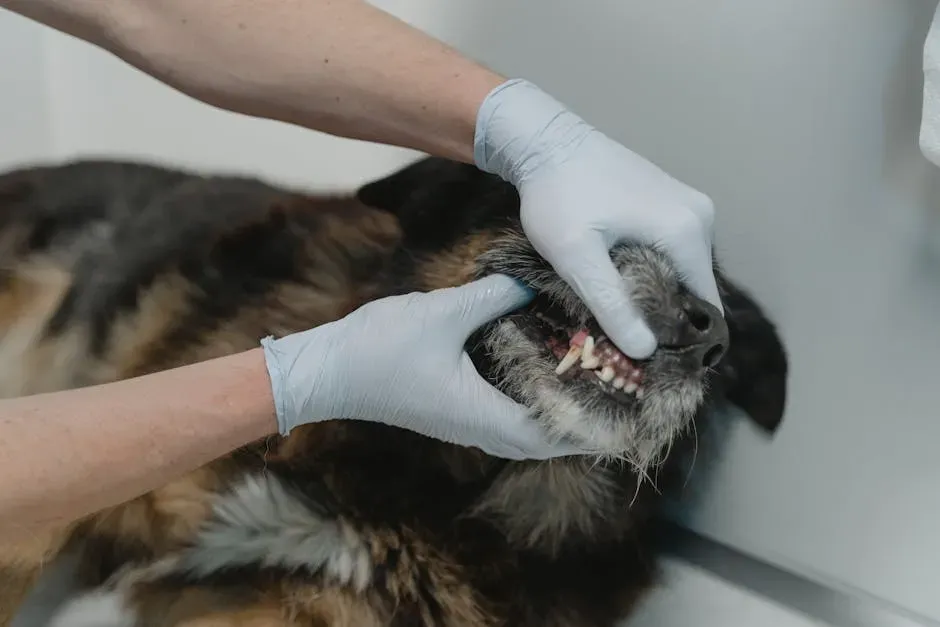
Dental care is one of the biggest places where love shows up, or doesn’t. You can’t post daily tooth brushing on Instagram, but vets see it every time a dog opens its mouth. A deeply loved dog doesn’t need movie-star teeth, especially as it ages, but there’s usually less heavy brown tartar, fewer rotting stumps, and gums that aren’t screaming red.
That almost never happens by accident. It comes from some mix of brushing, dental chews chosen with intention, and professional cleanings when needed. Boring, repetitive care is often what real love for an animal actually looks like. Then there’s the breath test. A little “dog breath” is normal, but the smell of infection is thick, putrid, and eye-watering, and it signals long-standing disease. When owners wave that off as “just dog breath,” vets quietly hear that this dog’s pain has been normalized.
Worth Knowing
- By age three, roughly 80% of dogs show some form of periodontal disease, according to veterinary dental researchers.
- Small and toy breeds tend to develop dental disease earlier and more severely than large breeds.
- Gingivitis is reversible with home care, but advanced periodontitis usually isn’t.
- Plaque can start forming again within 24 hours of a professional cleaning, which is why daily care matters more than occasional visits.
#12: They Look to Their Human for Permission Before Engaging
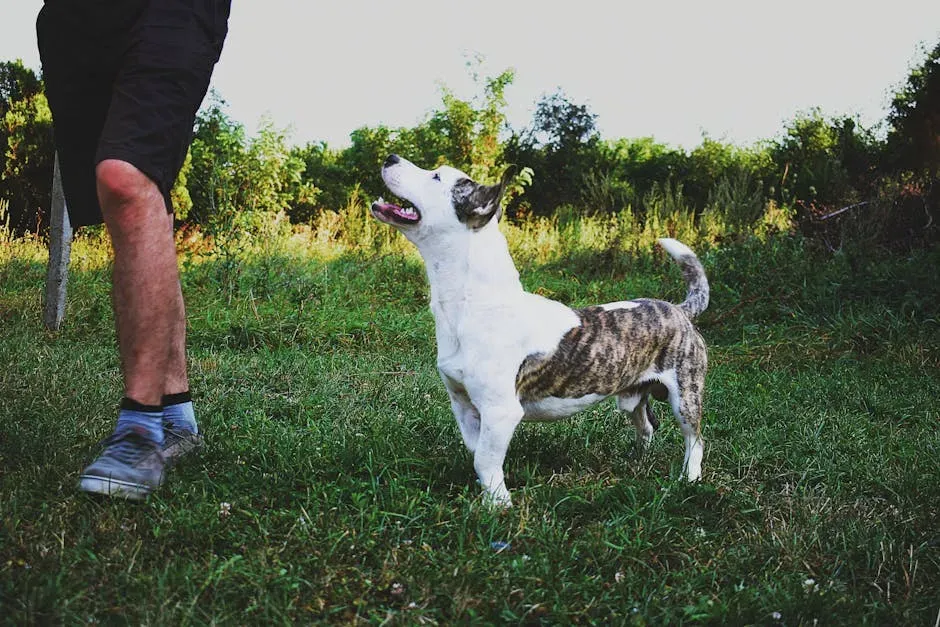
Watch closely when the vet offers a treat or tries to lure a dog onto the scale. Many deeply loved dogs do a tiny, polite thing first: they glance back at their person. It’s less than a second, but obvious once you know what to look for. They’re asking, “Is this okay?” because their life has quietly been built around guidance, not chaos.
At home, checking in has always paid off. It keeps them safe, earns rewards, and makes the world predictable. Vets see that automatic deference and recognize a dog raised with clear, consistent structure and no fear-based training behind it. Compare that with dogs who ignore their owners entirely in new situations. Sometimes they’re just bold, but often they’ve simply never been given anyone to lean on. When a dog calmly waits for a nod before hopping off the table, that split-second choice has years of relationship behind it.
#13: Their Muscles, Joints, and Gait Show a Life That’s Actually Lived
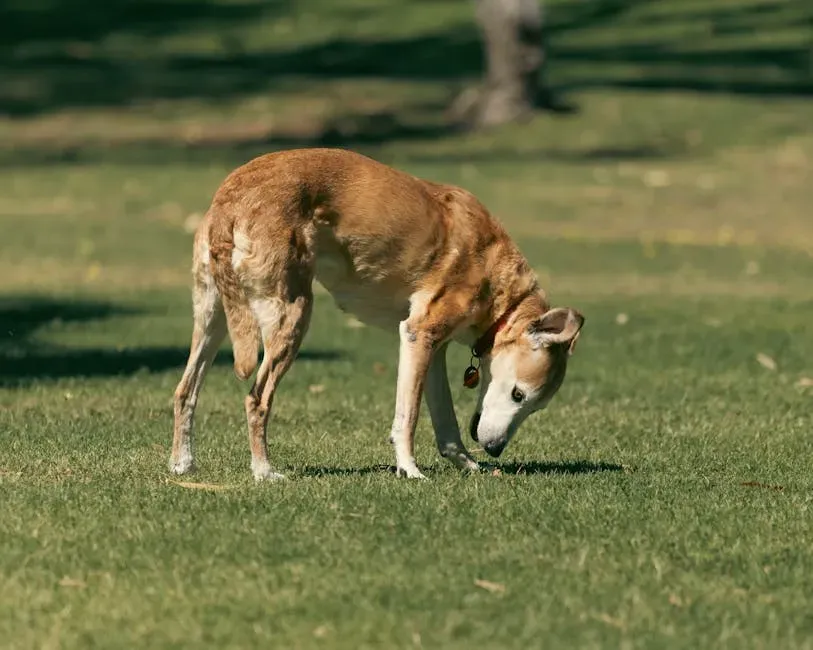
Vets don’t just see fur. They see how a dog moves through space, because movement is where love, or the lack of it, really shows. Deeply loved dogs often have a certain “used but maintained” look. Their muscles are developed in ways that suggest regular walks and play, not just backyard pacing.
Even in seniors, a well-loved dog often has arthritis that’s being managed instead of ignored: a bit stiff on rising, but weight controlled and medication working well enough that they still want to move. Dogs who rarely leave the house tend to show the opposite – weak muscles, extra weight, short of breath after almost nothing. Many owners insist their dog is “happy just lying around.” Vets know dogs are experts at making do with what they’re given, and for them, movement isn’t a luxury, it’s basic welfare.
At a Glance
- Actively exercised: Firm muscle tone, steady gait, easy recovery after activity
- Rarely moved: Soft or wasted muscle, stiffness, quick fatigue
- Managed arthritis: Slower starts but still willing to walk and play
- Ignored arthritis: Reluctance to move at all, guarded posture, visible pain
#14: They Can Be Worried AND Curious at the Same Time
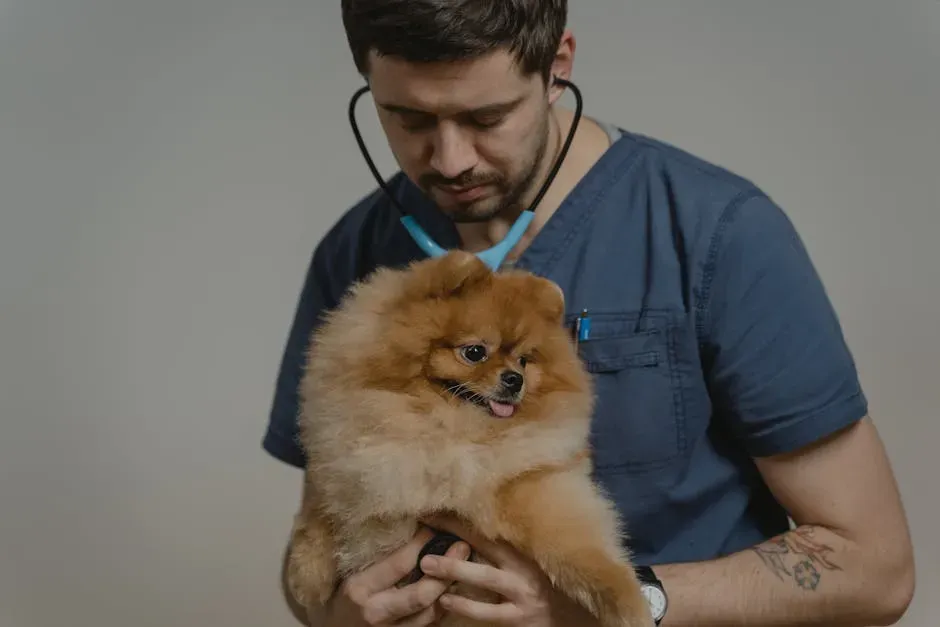
One of the clearest signs of good emotional health is the ability to hold two states at once: nervous and interested. You’ll see a tail held low but still loosely wagging. A dog might huff at the blood pressure cuff, then immediately lean forward to sniff the vet’s pocket. That push-pull – “I’m unsure, but I’m still willing to explore” – is the hallmark of a dog whose world has been mostly predictable and safe.
Dogs raised in volatile, punishing, or neglectful situations often lose that flexibility completely. Fear wins every time, and at the vet they either go totally still and unreachable or spin into frantic barking. There’s no bandwidth left for curiosity. When vets watch a dog tentatively investigate the stethoscope between flinches, they’re not just seeing bravery. They’re seeing a backstory where exploring the world has usually gone okay.
#15: They Light Up When Their Human Reappears
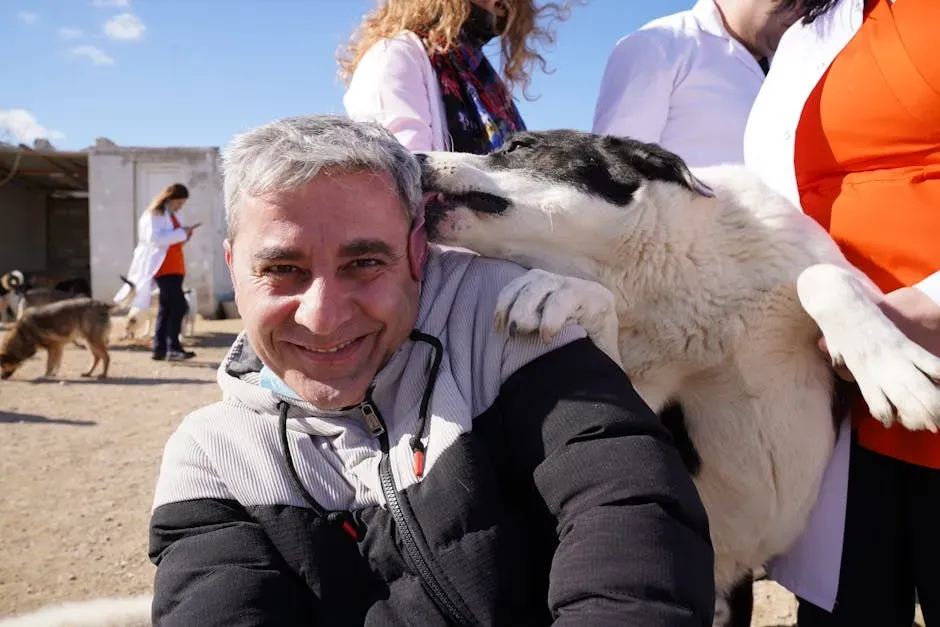
For all the subtle behavior science, there’s one sign of deep love even a child can spot: reunion joy. After a tech takes a dog “to the back” for a blood draw or X-ray, watch what happens the second it sees its person again. Deeply loved dogs don’t just walk back in. They light up.
Their whole body says, “There you are!” – wiggly spines, soft eyes, full-body tail wags, sometimes happy whines. Even the anxious ones relax a notch, leaning hard into their human like they’re plugging into a charger. This isn’t just excitement, it’s relief, it’s attachment, it’s a nervous system that knows the safety net is back. Dogs who barely register their owner’s return aren’t automatically unloved, but it does make vets quietly wonder about the emotional landscape at home. The dog that drags back to its person and finally exhales is telling the whole story in three seconds flat.
When vets say they can “tell” a dog is truly loved, they’re not talking about cute outfits, expensive toys, or flawless obedience. They’re reading quiet, consistent patterns: a dog that checks in instead of shutting down, recovers instead of collapsing, explores instead of exploding, and trusts its human enough to use them as home base.
That doesn’t require perfect grooming or a fearless clinic visit. It requires a track record of care, comfort, and respect that shows up in the body and the behavior, whether anyone’s watching or not. And here’s the uncomfortable part: plenty of dogs adored in their owners’ hearts are still underserved in their daily lives. Love isn’t just a feeling. It’s routines, boundaries, vet bills, walks in the rain, and listening when your dog is quietly saying, “That’s too much.” Which of these fifteen signs does your dog show, and which ones are a wake-up call to love them a little better?