
13 Things a Dog Walker Notices in Week One That the Owner Learns Much Later
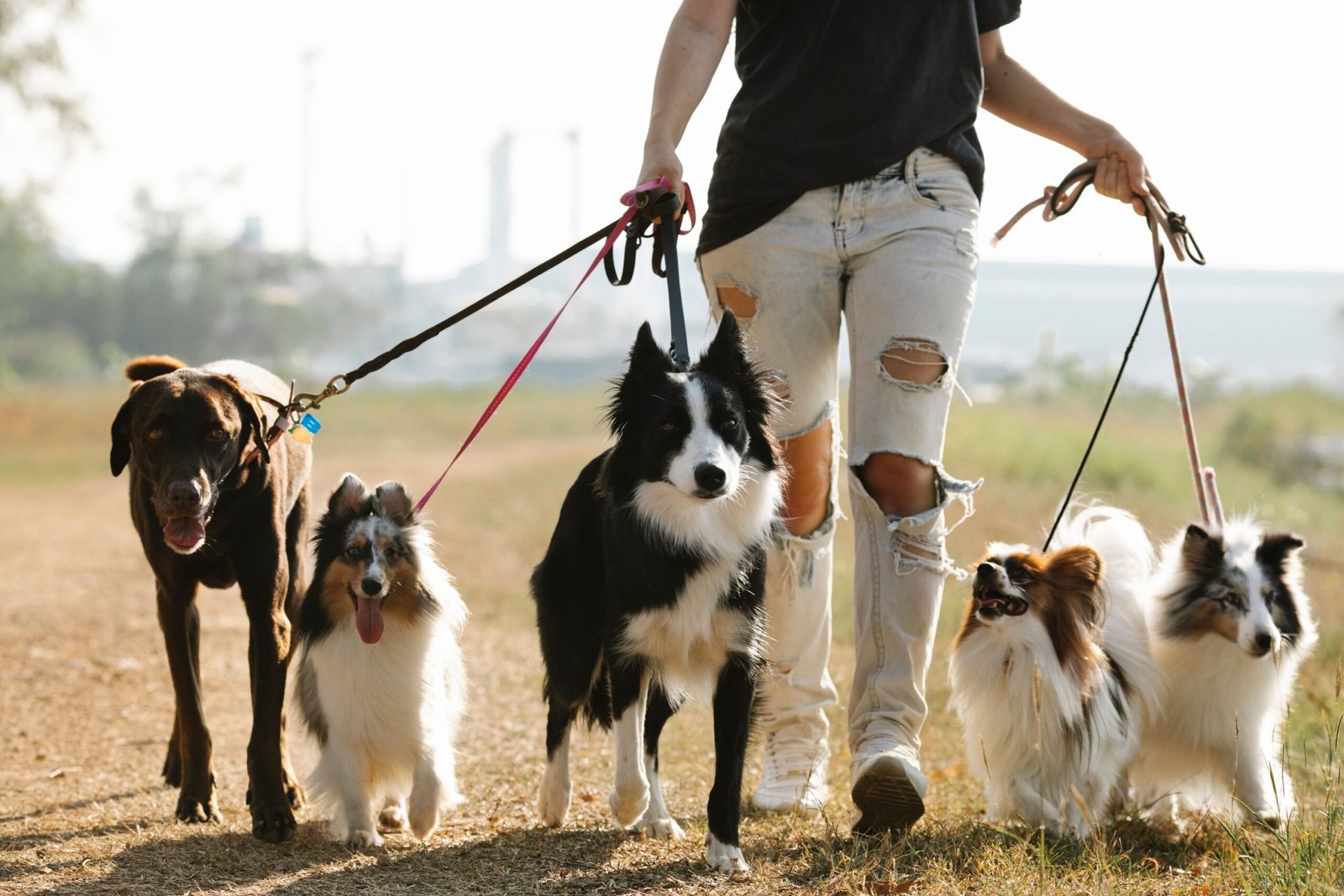
You think you know your dog. The energy, the moods, the little quirks you’ve decoded over years of living together. Then a stranger starts showing up five days a week with a leash, and within a single week, they quietly clock things about your dog that took you years to even suspect – or that you still haven’t figured out.
It’s not that you’re a bad owner. It’s that your dog behaves differently for you than for the rest of the world, and you’re rarely there to see the difference. Below are the exact things experienced dog walkers pick up on almost immediately – patterns most owners don’t catch until something forces them to look closer.
#1: Your Dog’s Real Energy Level (Not the One You Imagine)
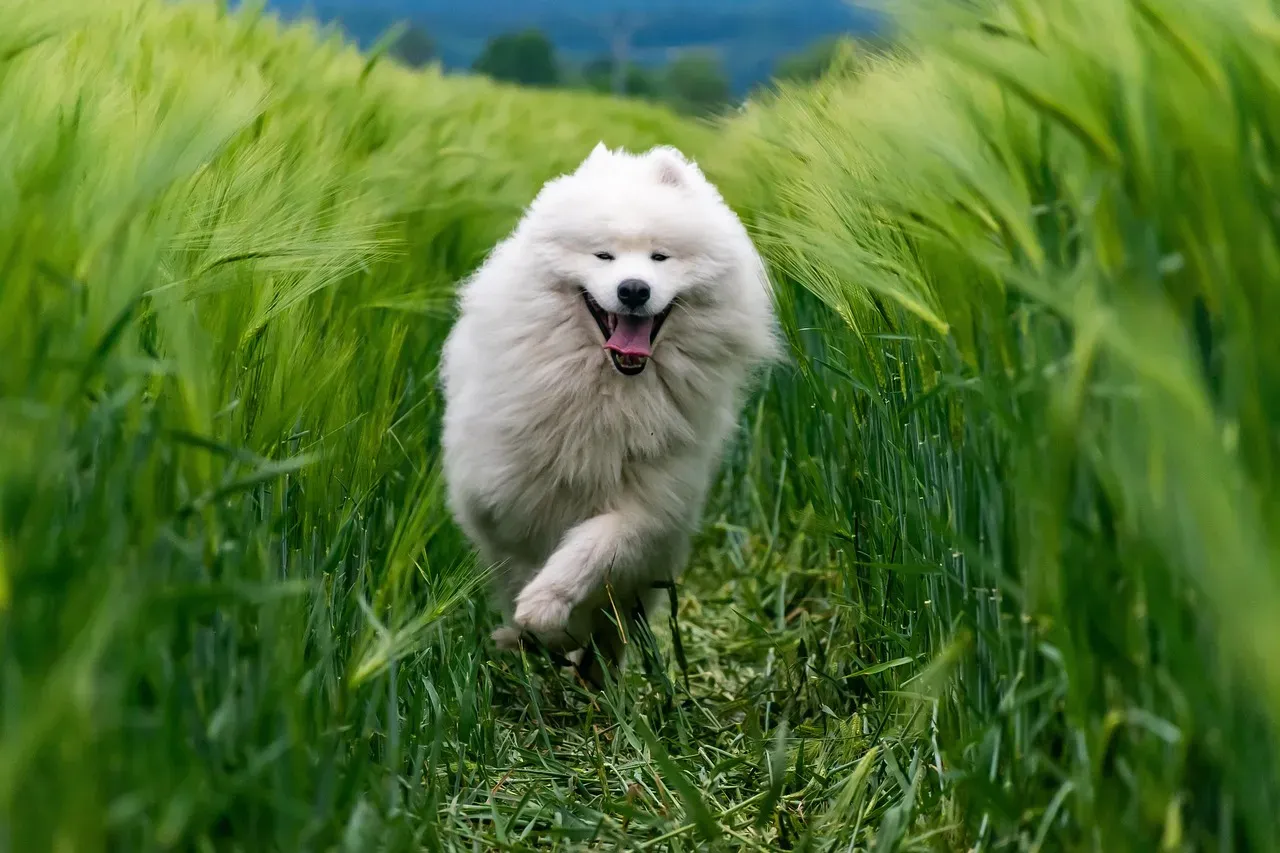
Every owner has a story about their dog’s energy. “High energy.” “Total couch potato.” A walker finds out the truth fast, and it’s usually the human who had it wrong, not the dog.
On day one, once the excitement of a new person wears off, the real pattern shows up. Some “hyper” dogs burn out after ten minutes and quietly trail behind. Others labeled calm are still power-trotting at the forty-five-minute mark. A walker notices how fast your dog recovers once home, how long they pant, and whether they settle or immediately go looking for trouble. Within a week, they usually know whether your dog needs shorter, more frequent walks, or longer ones with real structure and sniff breaks built in.
#2: Who Actually Walks Whom
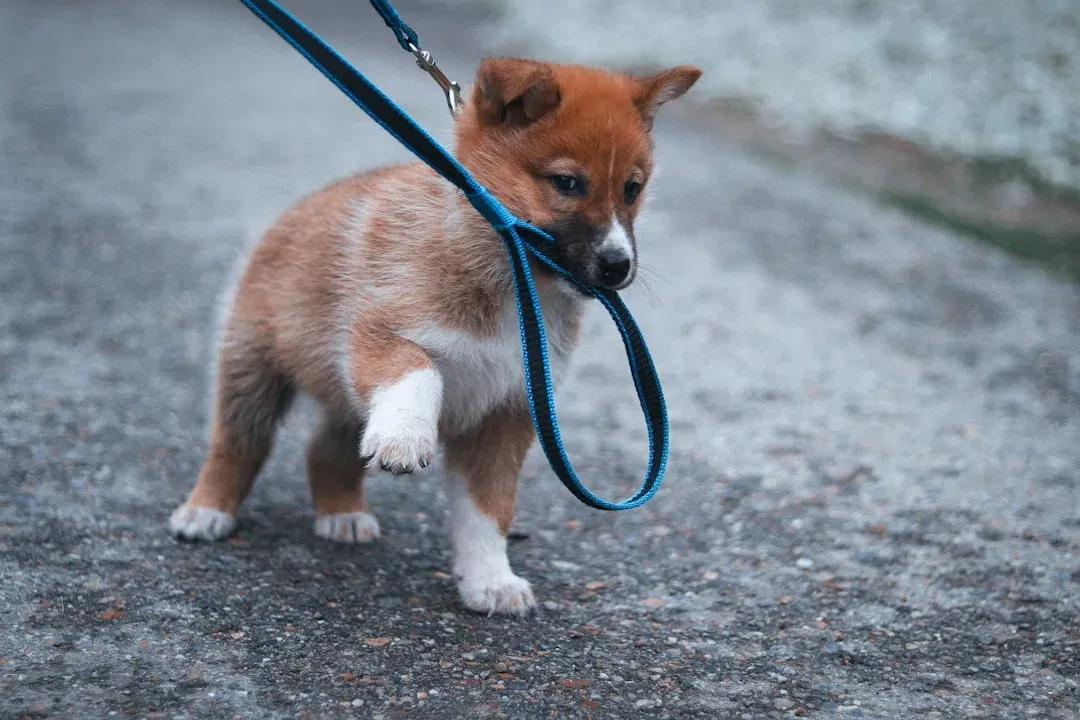
Owners rarely admit this one, but a lot of dogs are the ones walking the human. A walker’s first week exposes that power dynamic almost instantly.
If your dog hits the end of the leash at every corner, zigzags like a drunk Roomba, or throws their full body weight at every squirrel, the truth comes out: there’s no leash communication happening, just chaos being tolerated. A good walker tests this right away, watching how your dog responds to a pause before crossing the street, a light leash correction, or a simple “wait.” If your dog ignores all of it like background noise, that pattern didn’t start yesterday. It means your dog learned, quietly and over time, that humans are optional. Walkers can usually tell in week one whether your dog feels relaxed next to a calm leader, or anxious because nobody’s actually steering.
Fast Facts
- A dog that pulls hardest right after leaving the house is often testing boundaries, not just excited.
- Ignoring a cue outdoors that they know perfectly well indoors usually means the training never left the living room.
- Dogs that check in with a glance before crossing streets tend to be calmer overall than dogs that never look back.
#3: Your Dog’s Secret Social Persona
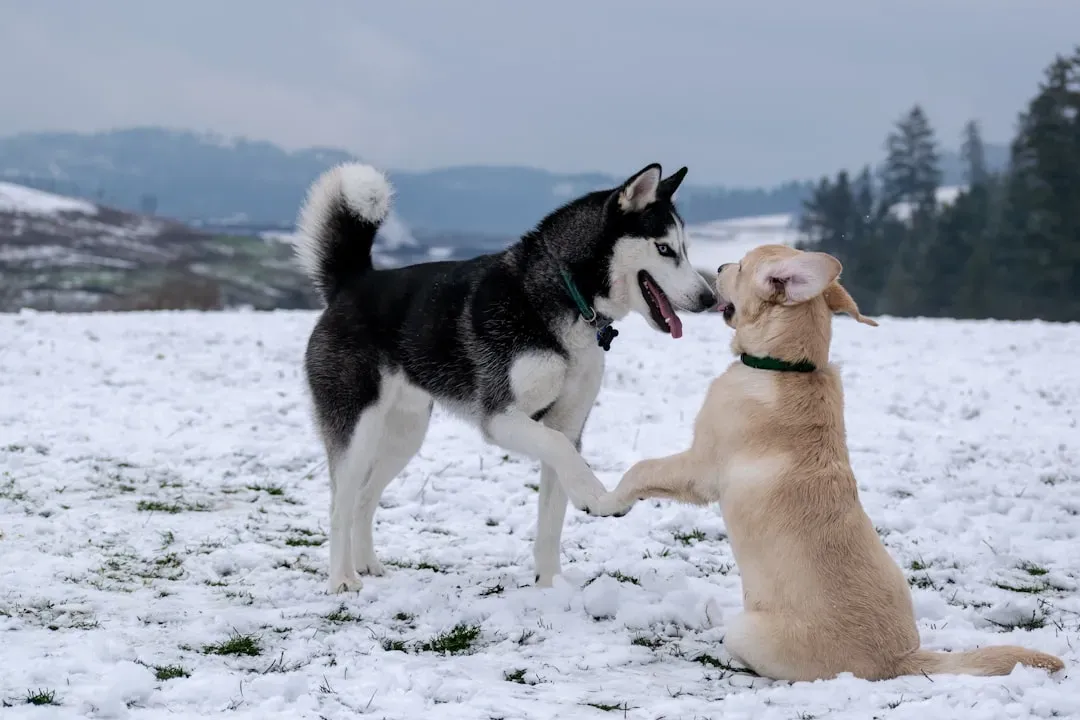
“Oh, he loves other dogs.” “She hates every dog she sees.” Walkers figure out fast that both statements are usually oversimplified to the point of being wrong.
In one week, a walker sees your dog meet calm seniors, pushy adolescents, shy under-confident dogs, and barky ones stuck behind fences. The pattern is almost never “loves all” or “hates all.” Plenty of dogs adore small, gentle dogs but stiffen around big ones. Some play beautifully off-leash but turn into landmines face-to-face on a leash. Walkers catch the subtle stuff too – whale eye, lip licking, freezing, the one dog your pup oddly fixates on. Owners usually only see their dog around the same familiar few, so when a “random” fight happens at a park months later, it feels sudden. It wasn’t. A good walker could have told you which situations were fine and which ones were a countdown.
#4: Hidden Anxiety You Mistake for Excitement
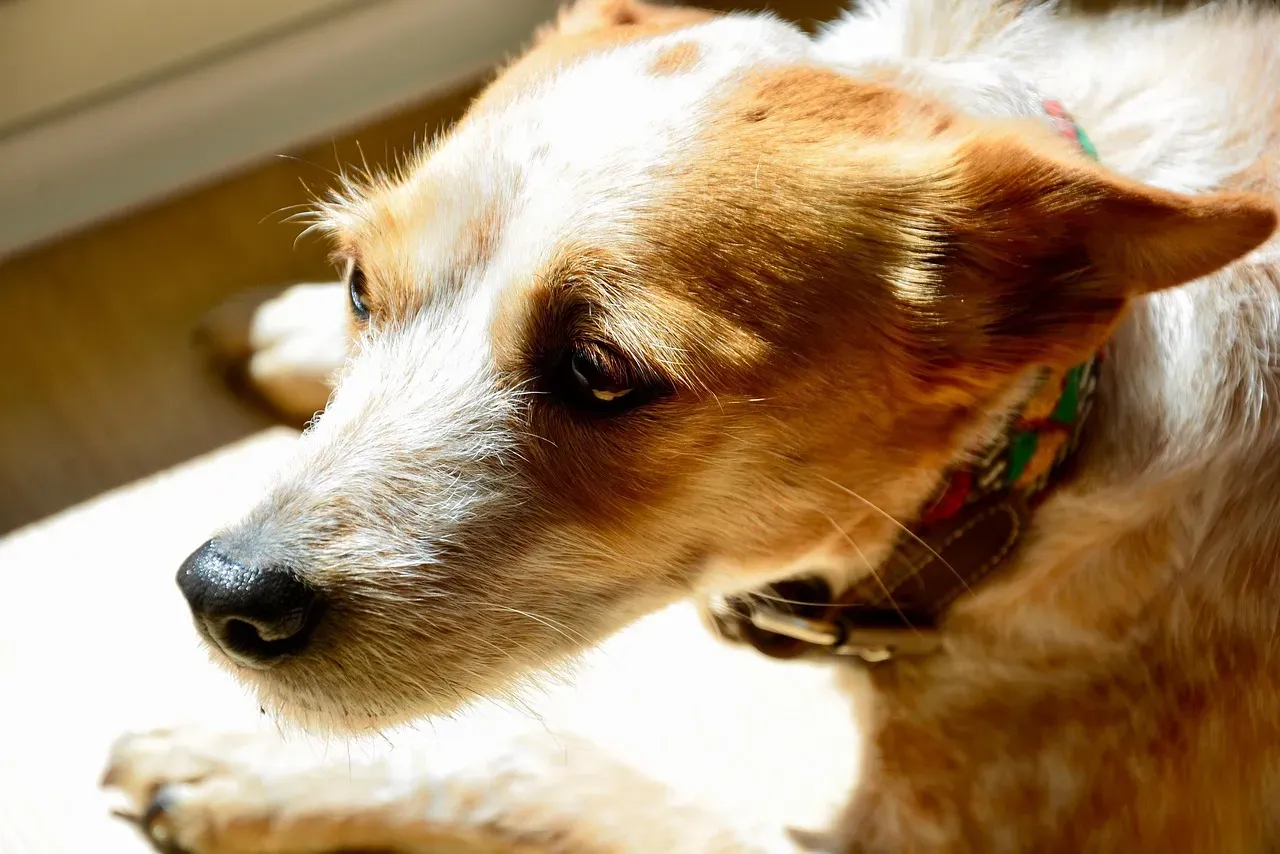
Here’s an uncomfortable one: a lot of what owners call “happy” is actually anxious. Tail wagging, panting, whining at the door – it all gets filed under “he’s just excited for his walk.”
Experienced walkers pay attention to the quality of that energy, not just the volume. They notice whether your dog paces while being leashed up, whether they can focus outside or just scan constantly, and whether they startle at trucks, skateboards, or shouting kids. An anxious dog is usually on high alert, not just high energy – pulling harder, reacting more, peeing in small nervous bursts, or refusing treats outside that they’d inhale at home. Owners chalk it up to “that’s just how he is out there,” but ignored anxiety tends to grow into reactivity or shutdown. A walker sees it clearly because they’re not wearing the “aww, he’s just excited” filter.
#5: The Quiet Health Red Flags Owners Miss Completely
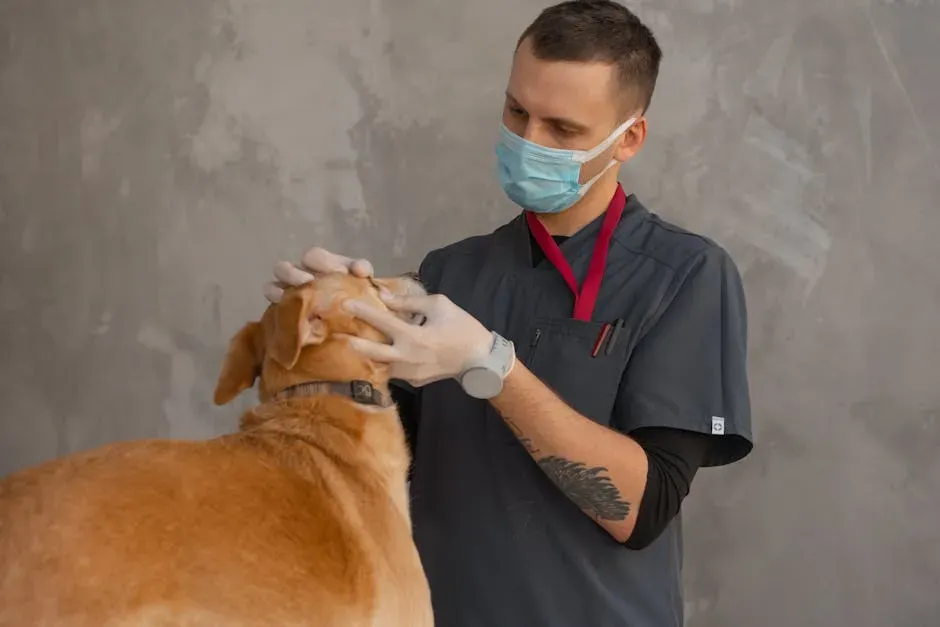
Owners notice the big, obvious stuff – limping, vomiting, refusing food. Walkers notice the quiet, repeated weirdness that adds up to “get this checked out.”
They’re silently tracking how often your dog squats to pee and for how long, whether stool texture is shifting day to day, and whether your dog licks or chews the same spot every single stop. A dog that suddenly lags halfway through a walk or hesitates on stairs isn’t being stubborn – it might be in pain. Early arthritis, ligament trouble, or sore paw pads show up as subtle avoidance long before there’s an obvious limp. Because walkers handle multiple dogs, they have a built-in comparison chart for “normal tired” versus “something’s off.” A casual comment like “he’s stopping to pee a lot but barely anything comes out” can catch a urinary issue weeks before a vet visit would’ve happened otherwise.
#6: How Your Dog Actually Copes With Being Alone
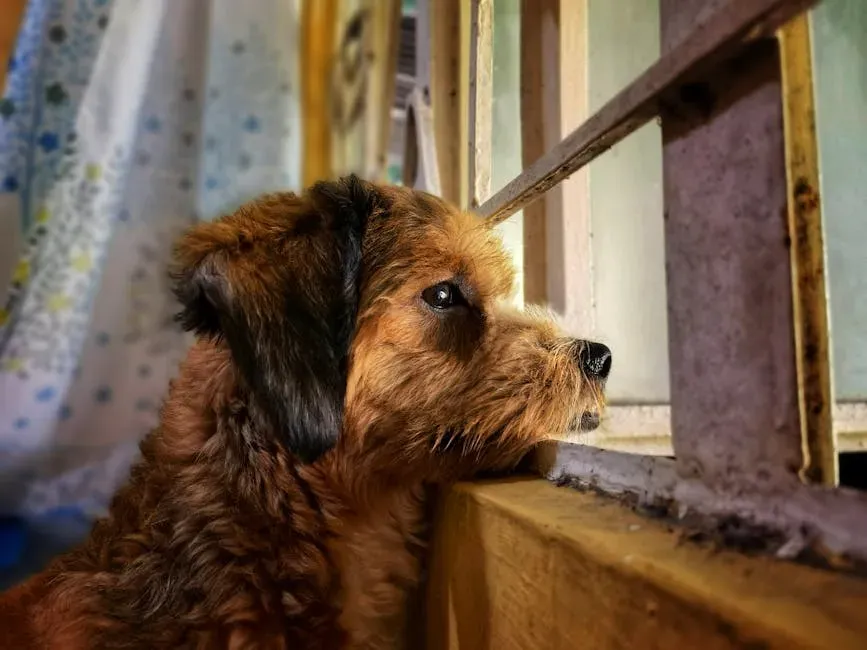
Most owners only see the bookends of their absence – the fuss when keys jingle, the smothering greeting when they walk back in. Walkers see the middle act, and that’s where the truth actually lives.
In week one, they notice what your dog is like entering an empty home mid-day. Some are peacefully asleep. Others are pacing, panting, or glued to the door. If your walker consistently finds your dog already wound up or stressed, “he’s fine when I’m gone” might be more hope than fact. Scratch marks, disturbed bedding, chewed door frames – these aren’t quirks, they’re often separation distress. Walkers also notice how fast your dog settles once someone arrives. A dog with mild FOMO calms in minutes. A dog with real anxiety follows the walker room to room and won’t eat, even after the walk is done. That difference changes everything about the routine your dog actually needs.
Worth Knowing
- Chewed door frames or scratched entryways are classic signs of separation distress, not “bad behavior.”
- A dog that refuses food or treats indoors but eats fine outside may be more stressed at home than owners realize.
- Settling within minutes of someone arriving usually points to mild FOMO; following room to room for the whole visit points to real anxiety.
#7: Whether Your Dog Respects Rules – Or Just Follows Bribes
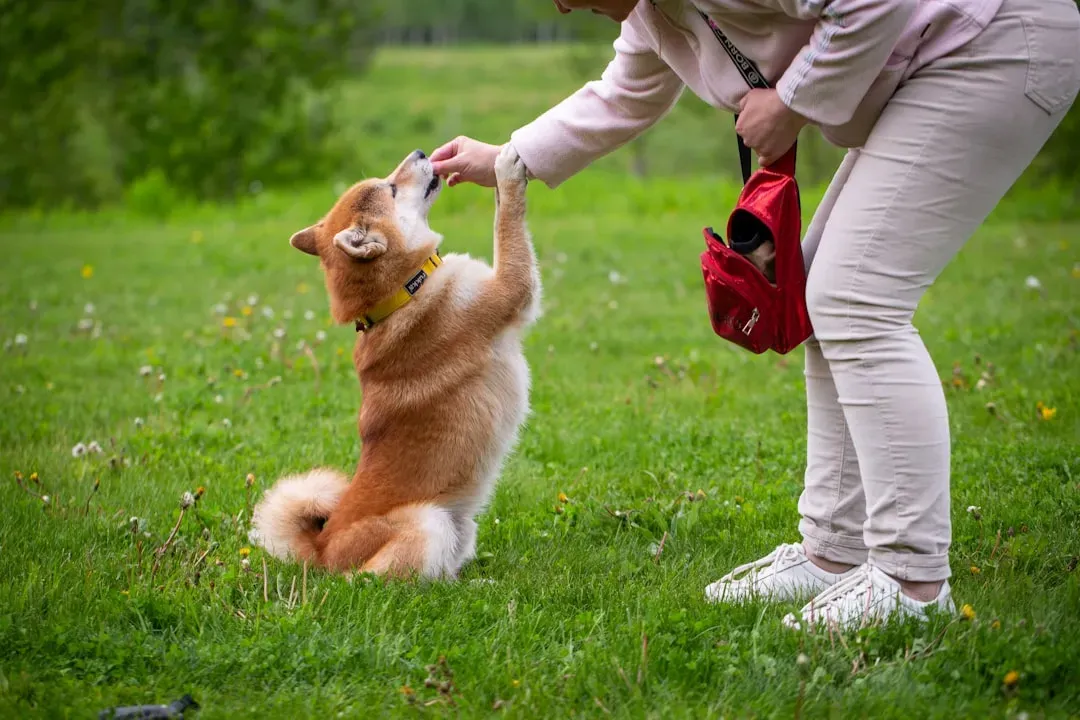
Plenty of dogs look “well-trained” because the owner is standing right there with treats and years of familiar shortcuts. A new walker is a brutal, honest test: does your dog listen to humans, or just to you when you’re holding food?
Walkers quickly find out how solid your dog’s recall really is outside the backyard, whether “sit” and “wait” hold up at a curb without you present, and whether “leave it” survives actual temptation on a sidewalk. A dog that completely blows off a new handler isn’t shy – it’s under-trained, and that’s a fixable gap, not a character flaw. Many walkers discover dogs who “never pull with me” turn into freight trains for someone new, or that a backyard recall considered bulletproof drops to a coin flip the moment a squirrel shows up. A good walker can help close that gap by reinforcing the same rules you use, so your dog respects the rule itself, not just the person bribing them.
#8: The One Route Your Dog Secretly Hates
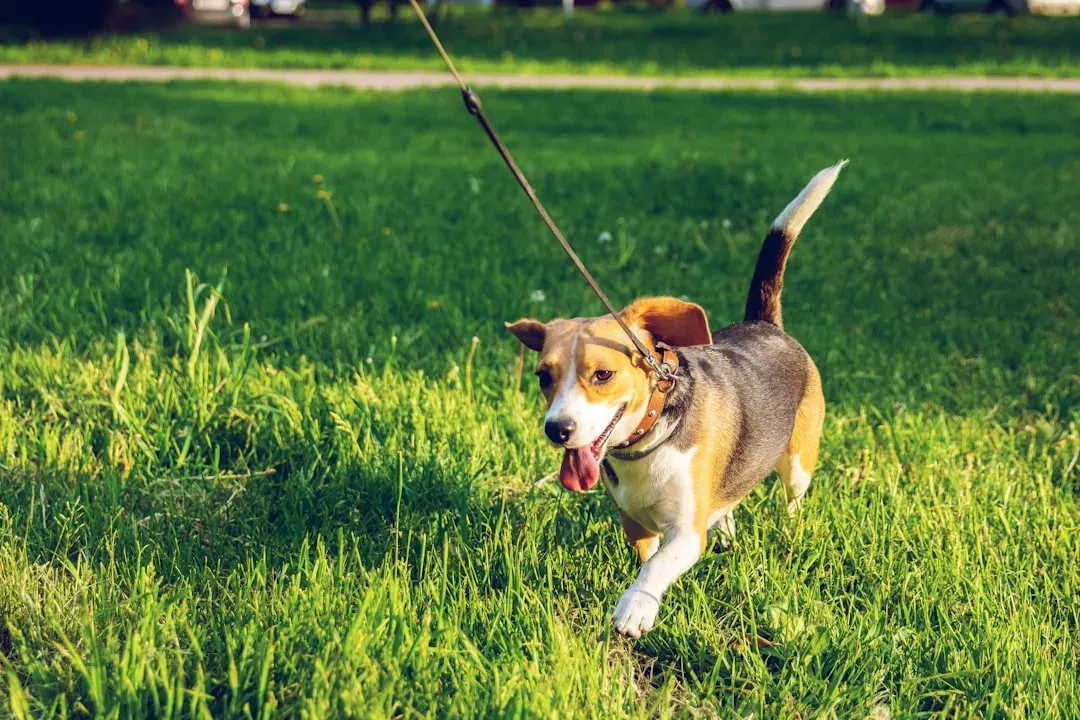
Humans are creatures of habit – same streets, same direction, same time, every single day. Walkers mix things up for their own sanity, and in that first week of experimenting, they often stumble on a surprise: there’s one stretch of road your dog clearly can’t stand, and you’ve been walking it daily for years.
The signs are there if you know to look – slowing down or resisting on the way toward a certain block, ears back and tense body language, sudden pulling to cross the street early. Sometimes the cause is obvious, like loud construction or a reactive dog behind a fence. Sometimes it’s subtle, like an invisible fence beep only your dog can hear, or a spot with zero shade that overheats them fast. Walkers see the pattern because they change variables and watch what your dog “votes for” with their paws. Owners insist “he loves this route” simply because it’s the only one they’ve ever tried.
#9: Your Dog’s Sniffing Style – And What It Reveals
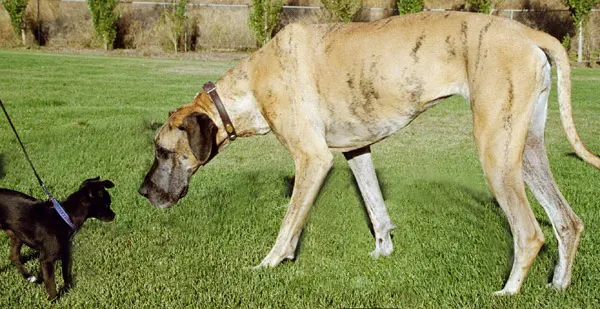
Most people see sniffing as a delay tactic. Walkers see it as data. The way your dog sniffs says a lot about their confidence, curiosity, and what their brain actually needs that day.
Some dogs are headline readers – a few quick sniffs, then moving on fast. Others are deep researchers, spending long stretches investigating a single spot. Some are pattern-trackers, rechecking the exact same corner every single day. A dog that rushes forward and barely sniffs at all might not be “driven” – they might be too overstimulated to relax into it, since sniffing actually lowers heart rate and helps dogs decompress. On the flip side, a dog glued to every blade of grass may be under-stimulated everywhere else in life and clinging to the one job they’ve got. Walkers quickly learn who needs loose, sniff-heavy decompression walks versus structured, heel-focused ones – and that most dogs need a mix owners never think to offer.
At a Glance
- Headline reader: quick sniff, keeps moving – usually confident and forward-focused.
- Deep researcher: lingers at single spots – often curious or naturally methodical.
- Pattern-tracker: rechecks the same corner daily – craves routine and predictability.
- Rusher: barely sniffs at all – can signal overstimulation, not drive.
#10: How Your Dog Handles Real-World Chaos – Kids, Bikes, and Strangers
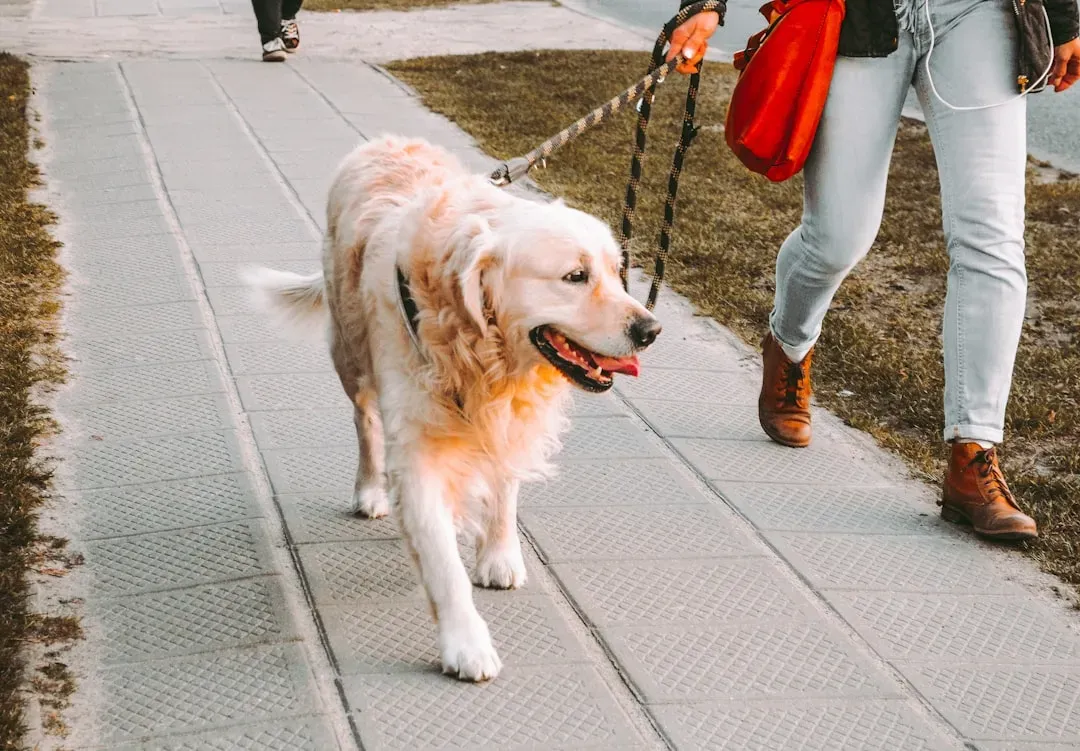
“He’s great with kids.” “She totally ignores bikes.” Often true only in small, familiar doses. Walkers, especially in busy neighborhoods, put your dog in front of real chaos fast – strollers, scooters, running kids, joggers, delivery carts.
In that first week, they notice if your dog leans away from a kid reaching to pet them, if their ears drop when a skateboard rolls past, or if they track a jogger a little too intently. A dog that stiffens slightly when a stranger touches them isn’t tolerant – they’re uncomfortable, and that’s fine, right up until one kid hugs too hard or one bike swerves too close. Walkers are often the first to say, gently, “he’s not bad with kids, but I wouldn’t call him kid-proof yet.” Owners hate hearing it. But every dog has limits, and a responsible walker respects them instead of pretending they don’t exist.
#11: The Tiny Rituals That Quietly Calm or Hype Up Your Dog
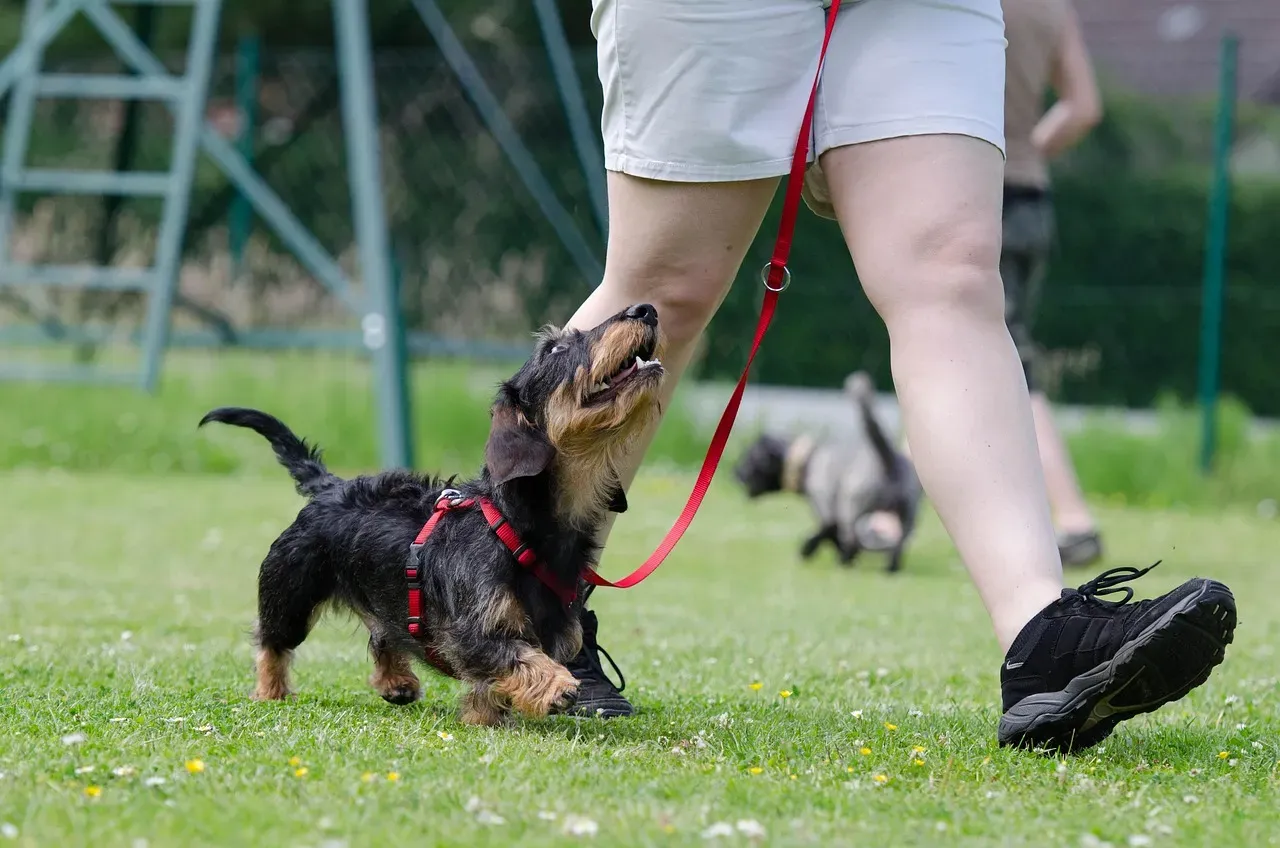
Every dog has micro-rituals that either settle their brain or wind it up, and most owners accidentally pick the wrong one without realizing it. Walkers, repeating near-identical routines with multiple dogs every day, see what actually works much faster.
A fifteen-second “sit and breathe” at the door before leaving can turn a tornado into a calm walker. Letting a dog bark out the window for five minutes before heading out usually doubles their reactivity on the street. Repeating one steady phrase, like “easy” or “with me,” helps nervous dogs predict safety instead of guessing. These small patterns compound fast – a dog rehearsed into exploding out the door every walk is being trained into permanent over-arousal, while a dog that practices checking in before crossing streets is quietly being wired for self-control. Most owners think leash type and walk length are what matter most. It’s usually these tiny, invisible rituals doing the real work.
#12: Who Your Dog Actually Bonds With
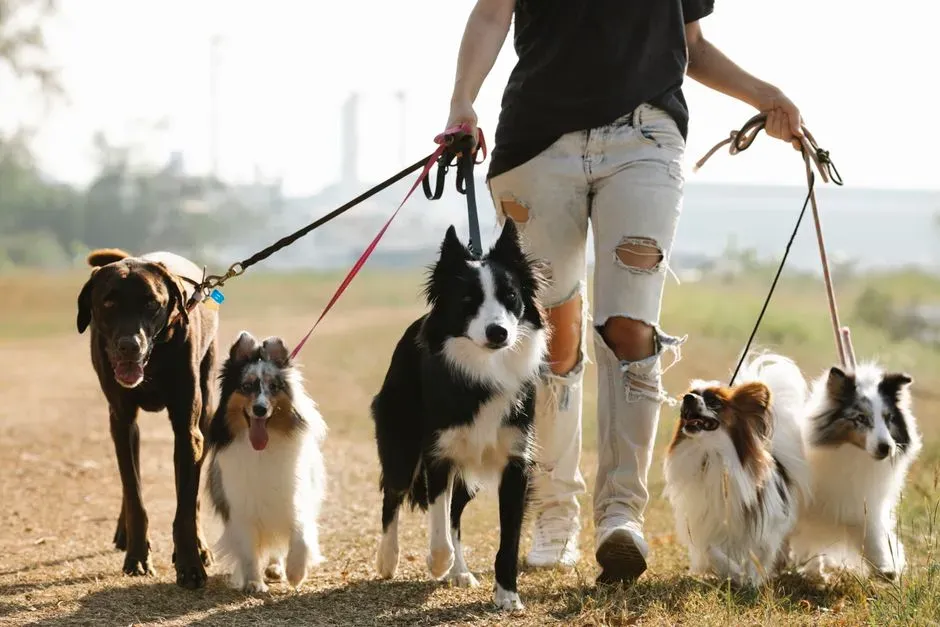
This one stings a little. A week with a walker can reveal that your dog is far more emotionally flexible – or far more emotionally needy – than you ever gave them credit for.
Owners love believing “he’s obsessed with me, nobody else exists.” Then the dog practically levitates when the walker shows up at the door. It’s not betrayal – it’s information. Dogs capable of forming multiple secure bonds tend to handle life’s curveballs better: moves, new partners, new babies. If your dog warms up to a new walker within days, that’s a sign of healthy attachment, not disloyalty. A dog that stays wary or clingy only to you, even after a week of walks, may actually be running on anxiety rather than loyalty. Walkers see the raw, unfiltered version of this every single day – who checks in for comfort mid-walk, and who treats them like an Uber driver.
Quick Compare
- Healthy attachment: warms up to a new walker within days, still greets you happily.
- Anxious attachment: stays wary or clingy with anyone but you, even after repeated visits.
- Secure bonder: checks in mid-walk for comfort, then goes back to exploring on their own.
- Disconnected rider: tolerates the walker like transportation, with no real engagement either way.
#13: How Much of Your Dog’s Personality Is Just Environment in Disguise
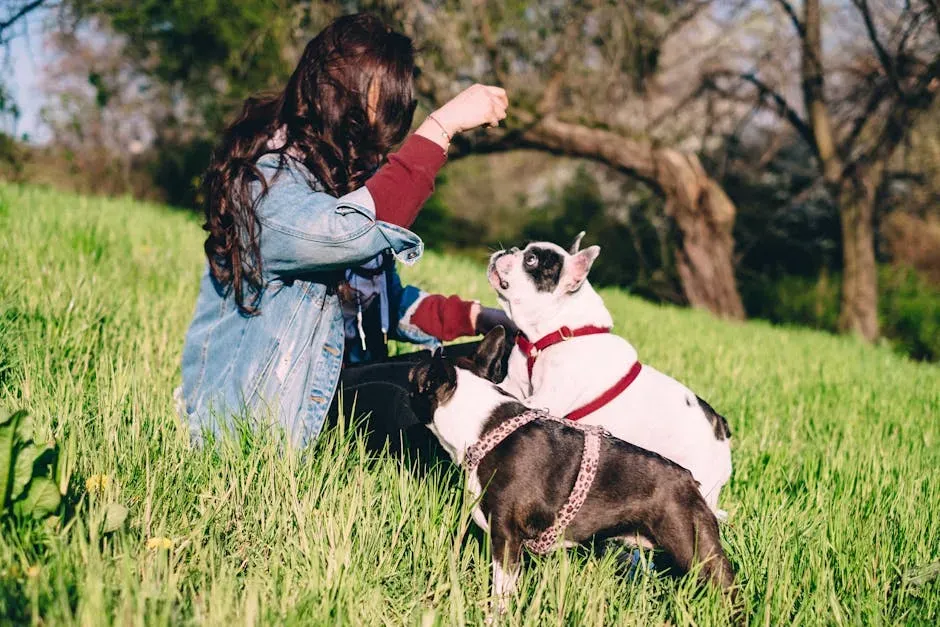
Here’s the most uncomfortable truth of all: a huge chunk of what people call “personality” is really just environment plus habit, repeated so long it looks permanent.
Walkers see your dog outside your usual script – different human, different route, different timing. And sometimes the dog you’ve labeled lazy, reactive, clingy, or stubborn quietly proves you wrong. The “couch potato” turns into a curious explorer with the right pace. The “aggressive” leash-barker is fine when the handler stays calm and gives early space. The “velcro dog” relaxes mid-day after real mental exercise instead of shadowing every human in sight. When one small change in structure transforms the dog completely, that’s not personality – that’s conditions. Most owners never realize how much control they actually had the whole time.
The Bottom Line
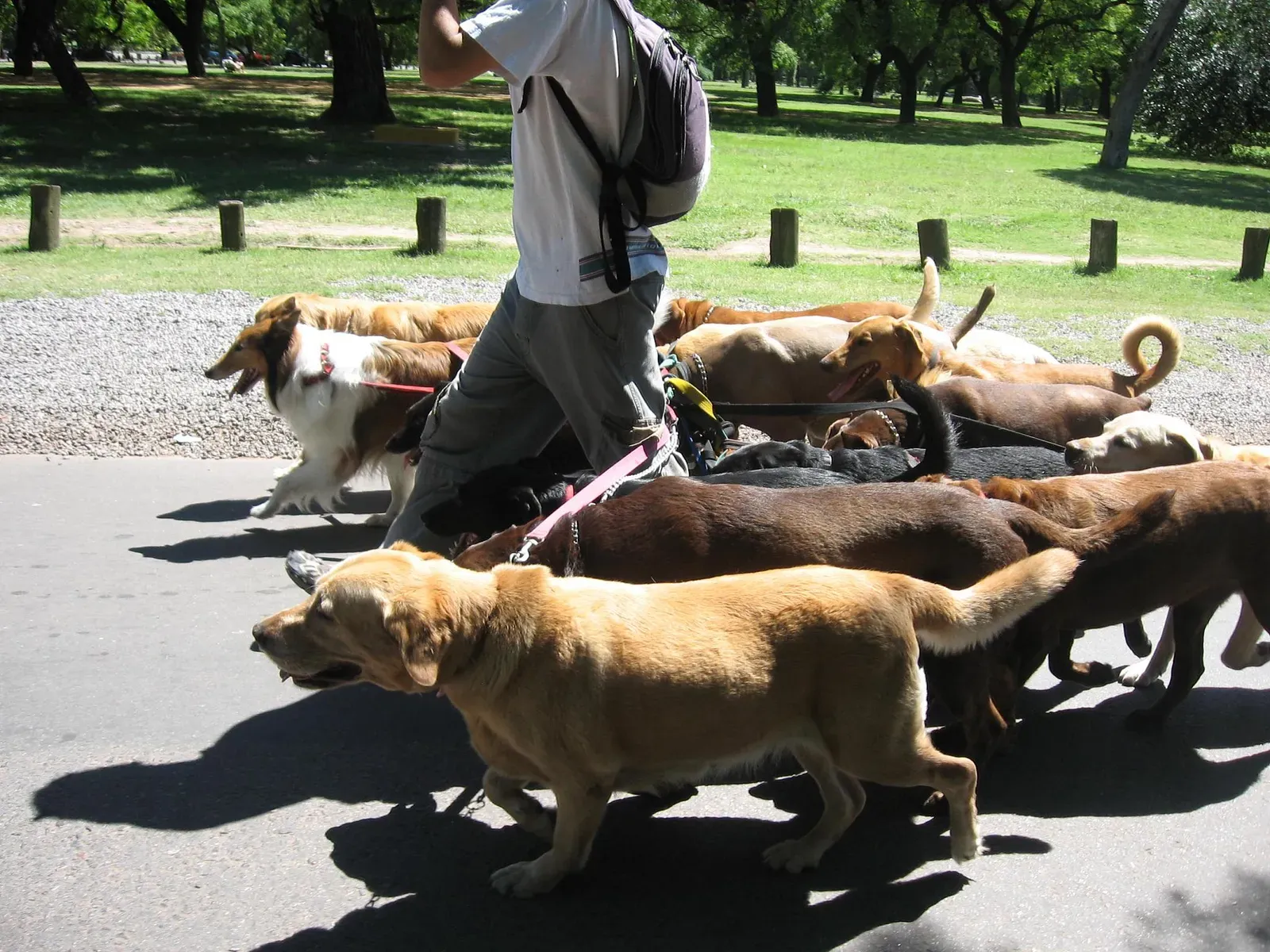
The uncomfortable reality is this: dog walkers often meet the real-life version of your dog before you ever do. In that first week, they quietly gather evidence about your dog’s energy, confidence, health, boundaries, and emotional wiring – evidence most owners won’t stumble onto for months, if ever.
What looks like a “quirk” from the couch often turns out to be anxiety, under-stimulation, or a mismatch between your routine and what your dog actually needs. Here’s the opinion most people won’t love: if you’re paying for a walker but tuning out what they notice, you’re wasting the best part of the service. You’re paying someone to field-test your dog in the real world, then throwing the results in the trash.
A smart owner doesn’t hire a walker just to burn off energy – they use them as a second, more honest pair of eyes. So here’s the real question worth sitting with: what’s one thing your walker told you that you didn’t want to hear at first, but turned out to be completely true?