
11 Tells a Dog Picks Up on in a Stranger Inside the Opening Handful of Seconds
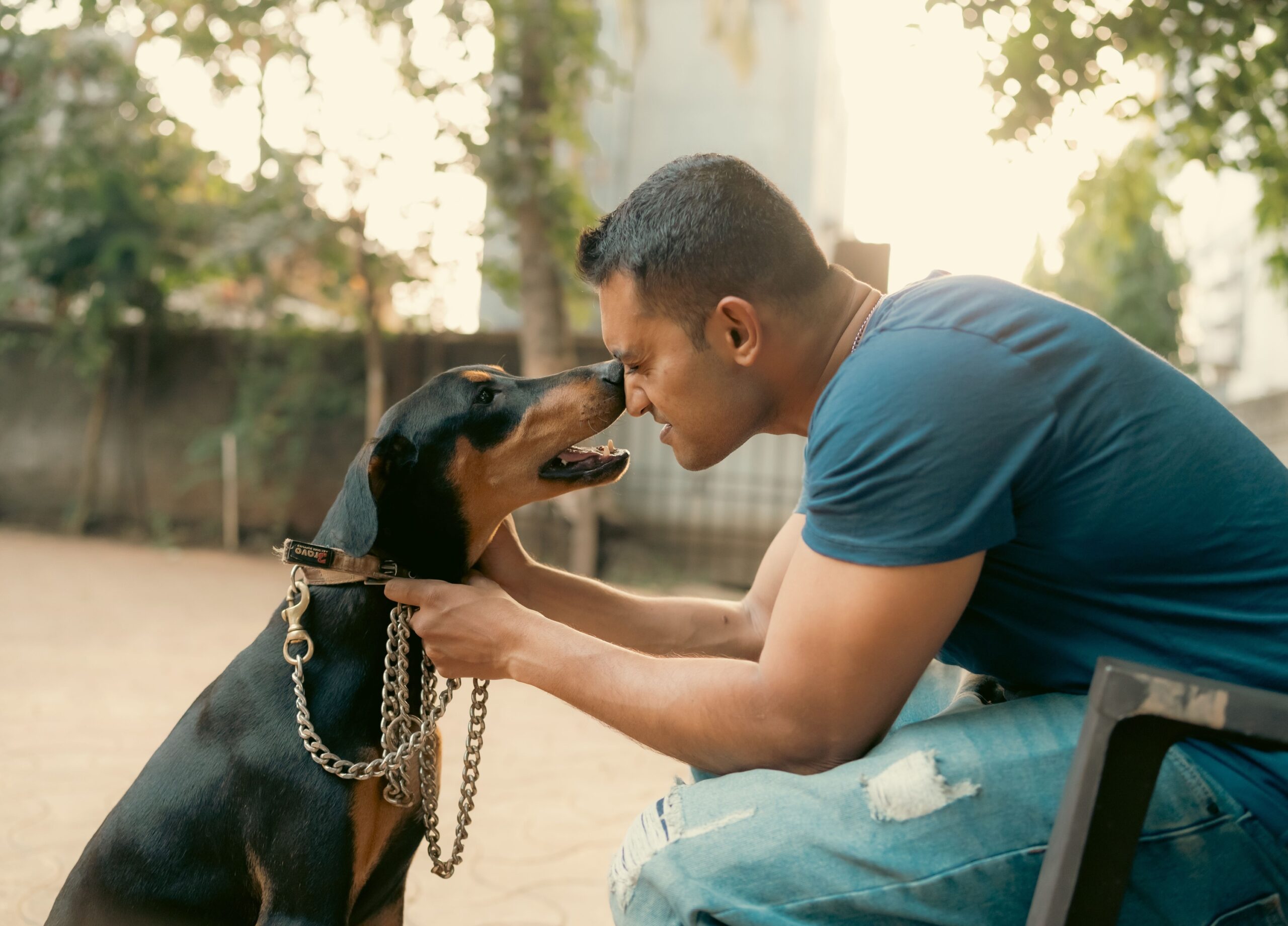
Picture this: you walk into a friend’s house, flash your warmest smile, say all the right things, and their dog treats you like a package that needs inspecting. Meanwhile, the guy who mumbles “hey” and barely glances up gets tackled with tail wags and face licks. What gives? The dog isn’t grading your manners. It already ran a full scan on you before you reached the porch.
Behaviorists have spent years untangling exactly what dogs clock in those first few seconds, and the list is longer, and weirder, than “sniffing your hand.” From the way your blood pressure shifts to whether your voice actually matches your body language, dogs are pulling in a mountain of data most people never realize they’re broadcasting. Here are the 11 tells a dog reads on a stranger almost instantly, and what each one is really telling them.
#1 – Your Energy Hits Them Before You Say a Word
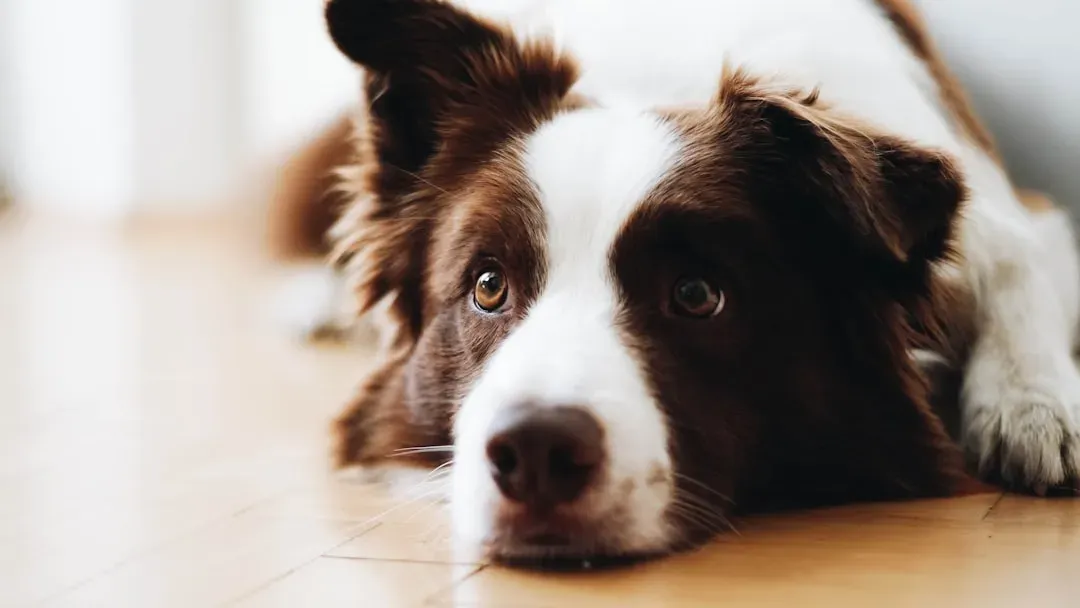
Dogs don’t wait to “meet your personality.” They meet your energy first, and it happens fast. Before you’ve said hello, they’ve already clocked whether you’re tense, rushed, chill, or faking calm through a blend of micro-signals: your breathing, your posture, how fast your eyes dart around the room.
You can smile and say all the right things, but if your nervous system is screaming, most dogs act like they heard that instead of your words. This is exactly why trainers see “aggressive” dogs turn into total sweethearts the second a calm, slow-moving stranger walks in. The dog never changed. The human just stopped leaking jittery static.
#2 – Your Scent Spills Secrets Your Mouth Never Would
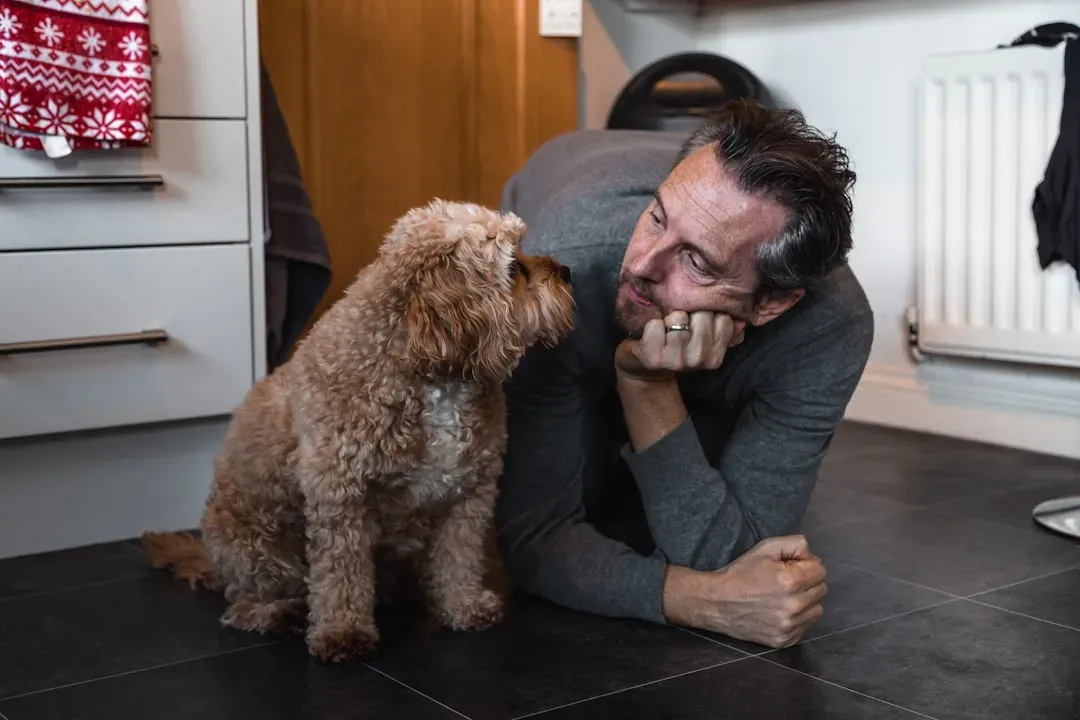
You cannot out-act your smell. Dogs live in a scent-driven world, and they’re catching hormonal shifts, sweat chemistry, and stress chemicals on you before they even hear your name. Walk in fresh off a fight or a rough day at work, and the dog already knows something’s off, no words required.
They also read where you’ve been, other dogs, cats, kids, parks, even a vet’s office, all of it clinging to your shoes and pant legs like a diary. That’s why some dogs beeline straight for your feet instead of your face. Some working dogs are even trained to detect human medical conditions purely through scent, which tells you how much information is riding on you at all times.
Fast Facts
- Dogs have approximately 300 million receptors in their noses; in contrast, humans only have six million.
- Their brains are 40 times greater than ours in this regard.
- With an ability to smell between 10,000 to 100,000 times better than people, dogs can detect odors in parts per trillion, the equivalent of finding one dirty sock in a pile of two million clean ones.
- When a person is sick, volatile organic compounds are emitted in breath, blood, sweat and urine, creating a molecular “aura” around the body.
#3 – Your Eyes Decide “Friend” or “Threat” in a Blink
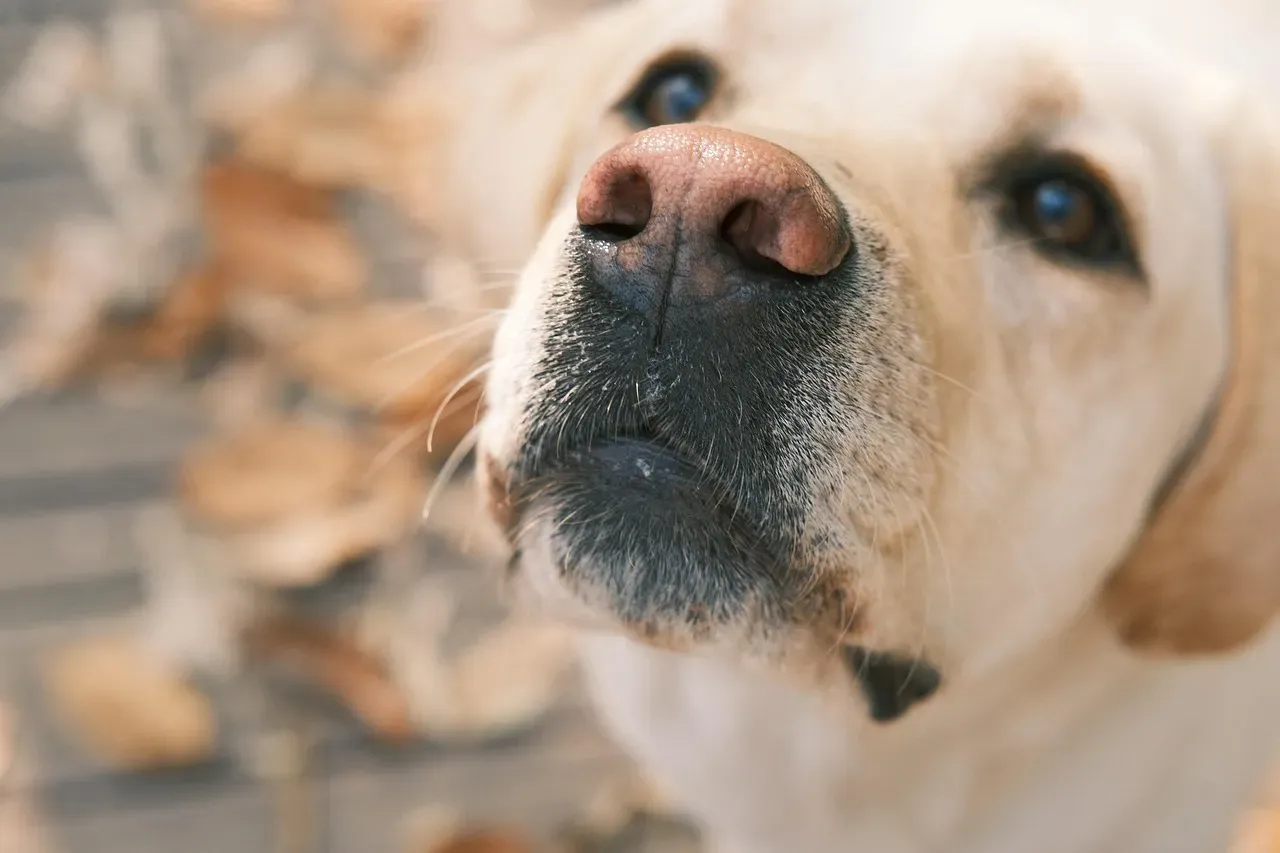
Dogs are obsessed with faces, specifically your eyes, your eyebrows, and the tiny twitches around your mouth. In those first seconds they’re deciding whether your face reads as a predictable friend or an unpredictable problem. Hard, direct eye contact from a stranger often registers as a threat, especially paired with a stiff body and zero invitation.
Here’s where most people mess up: they lean over the dog, lock eyes, flash a huge toothy grin, and then act shocked when the dog backs away or barks. To a dog, that’s alarm bells, not affection. Soft eyes, a slow blink, and a slight sideways glance say “safe” far louder than any cheerful greeting ever could.
#4 – Your Posture Speaks Louder Than Any Greeting
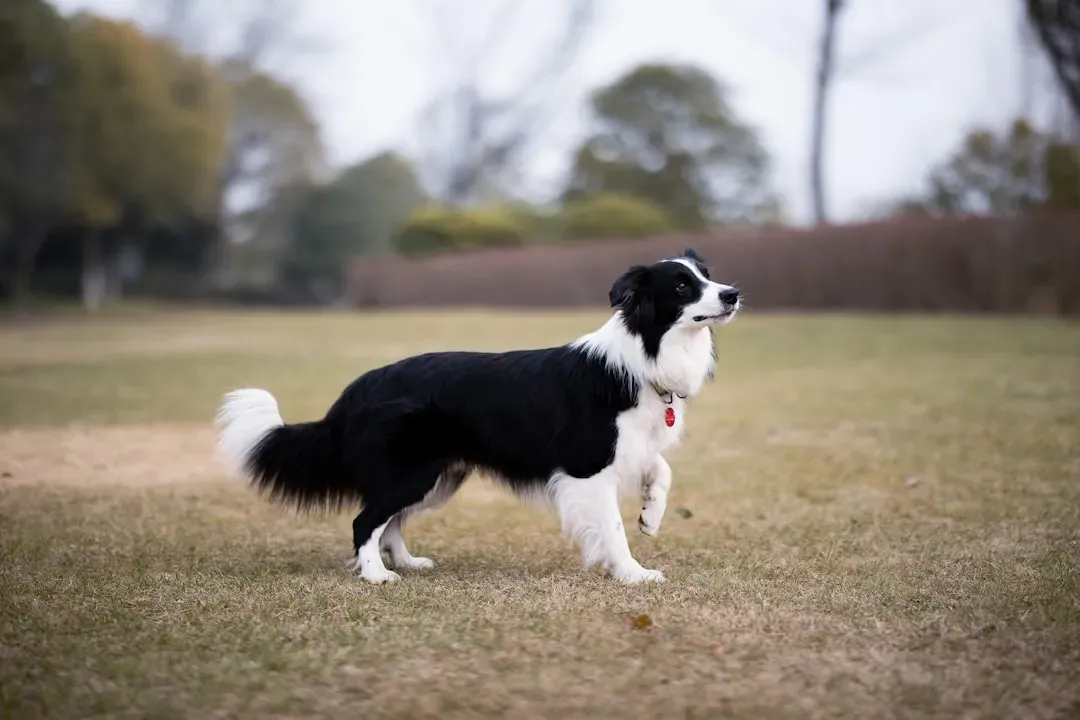
Before you say “Hi, puppy!” the dog has already watched how you entered the room. Are you looming? Marching straight at them, squared up and fast? Or angled slightly, giving them room to choose you? A frontal, fast approach reads as confrontational, especially from someone tall.
That’s exactly why a kid sprinting straight at a normally friendly dog can trigger snapping. To the dog, that’s not a hug coming, that’s a freight train. Confident dogs greet each other in slow arcs, never face-to-face collisions, and when humans copy that instinct, nervous dogs visibly exhale.
#5 – Your Hands Reveal What Kind of Human You Really Are
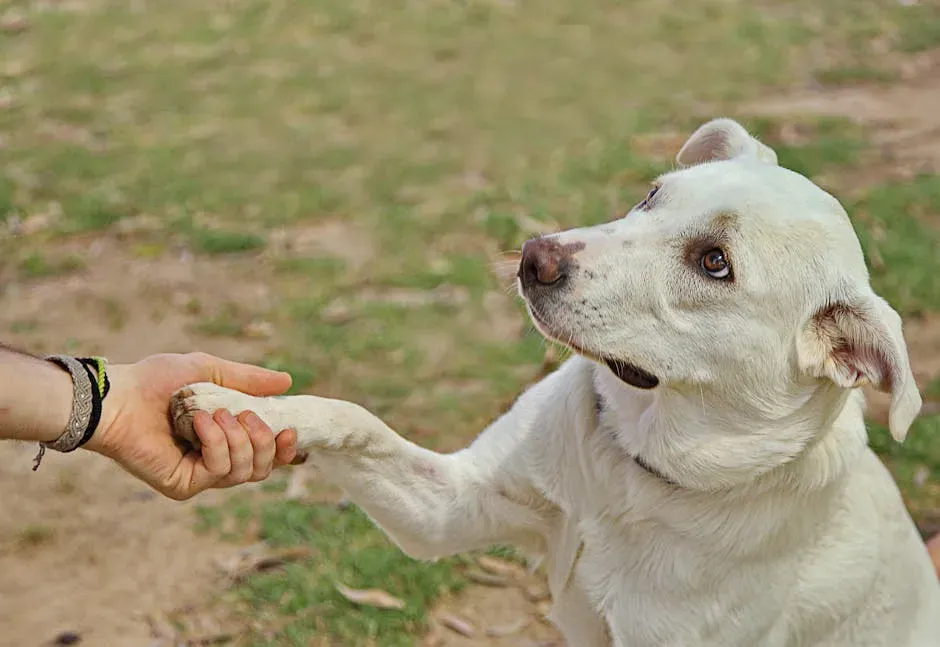
Dogs track your hands obsessively, how fast they move, where they’re headed, what they’re holding. They’ve learned the hard way that hands mean treats, leashes, or rough handling. A fast reach over the top of the head is one of the quickest ways to make a dog flinch or snap, yet it’s the first thing most people try.
To a dog, that overhead swoop feels like surprise pressure from above, something a predator does, not a friend. A slow hand offered low and to the side gives them an actual choice: lean in, sniff, or step away. Ironically, people secretly afraid of dogs often have the jerkiest hands in the room, and dogs notice immediately.
Quick Compare
- Fast overhead reach: Feels like a surprise threat from above, often triggers flinching or backing away.
- Slow hand, offered low and to the side: Gives the dog a real choice, usually invites a sniff instead of a flinch.
- Straight-on approach to the face: Reads as confrontational, especially coming from a stranger.
- Approach from the side, hand near chest level: Feels less like a challenge and more like an invitation.
#6 – Your Voice Tone Overrides Every Word You Say
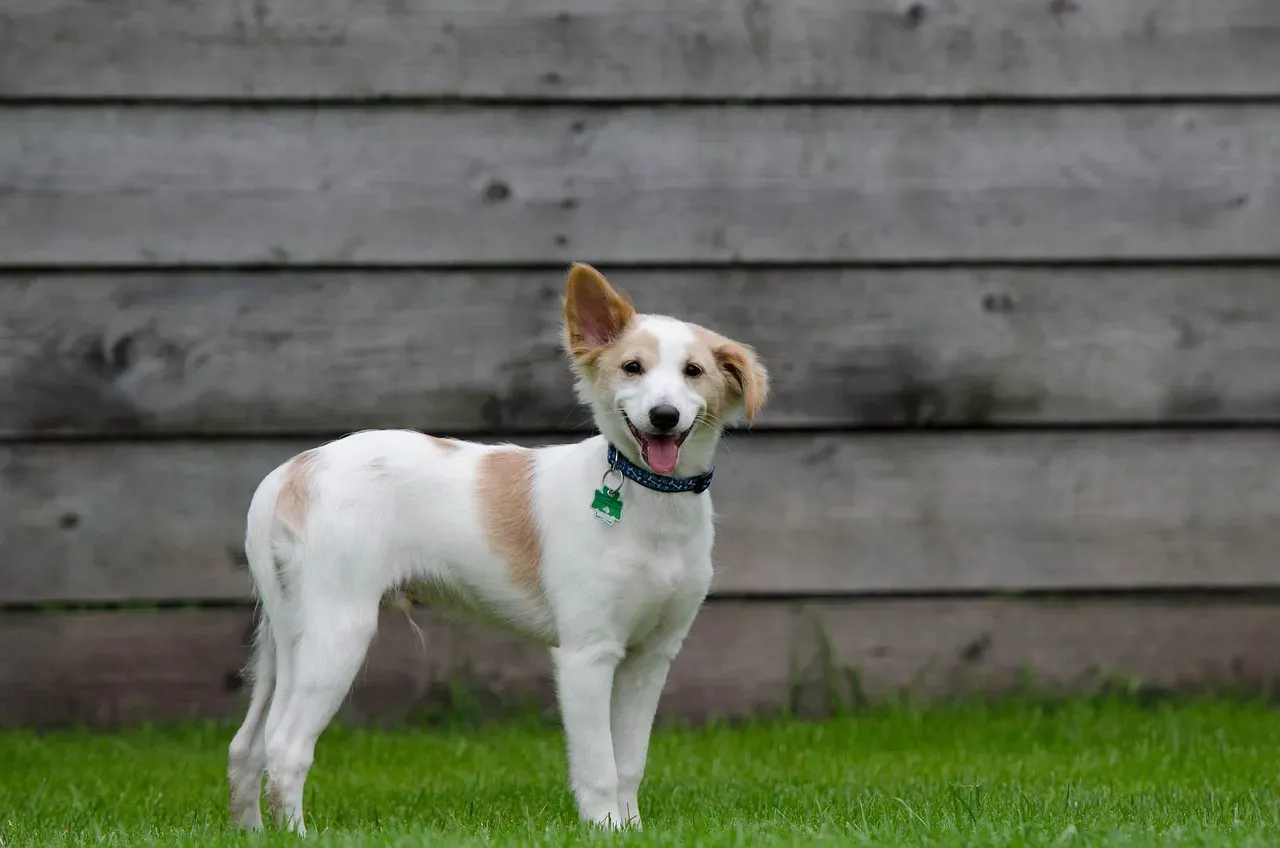
You can say “good dog” in a way that makes a dog’s tail tuck between its legs. Dogs don’t process our vocabulary the way we think; they grab onto pitch, rhythm, and intensity instead. High, sing-song tones tend to light friendly dogs up, while sharp, clipped tones make them freeze and scan for danger.
It gets more layered than that, though. Dogs notice when your voice doesn’t match your body, when you’re doing “happy talk” through a clenched jaw and tense shoulders. Sensitive dogs won’t buy the performance. They trust the tension in your muscles over the cheer in your voice every single time.
#7 – Your Speed Tells Them If You’re Safe or Chaos
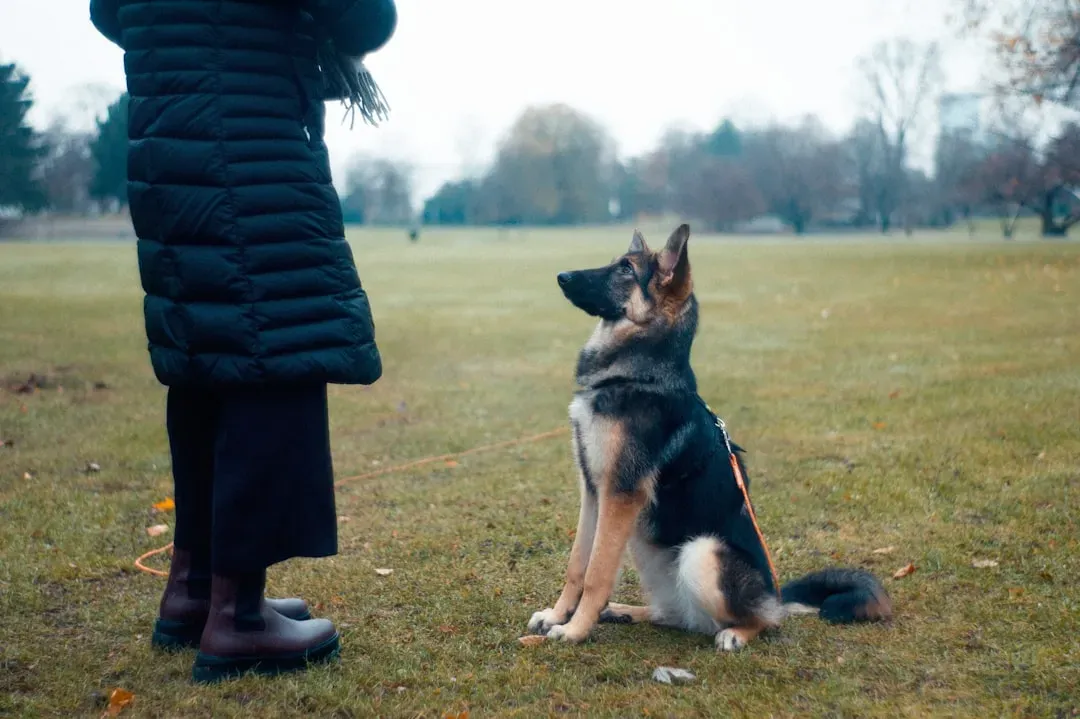
Humans wildly underestimate how aggressive “rushed” feels to a dog. You blast through the door, arms full of bags, phone pressed to your ear, spin around, and shove a hand toward the dog’s face. From their point of view, that’s chaos on legs, not a greeting.
Fast, choppy movements and sudden direction changes read as unpredictable, and unpredictable equals unsafe in a dog’s internal math. Contrast that with someone who enters slowly, pauses, and moves in smooth curves instead of sharp zigzags. Trainers deliberately slow their own movements around nervous dogs for this exact reason, because speed is a language, and most humans are yelling in it without knowing.
#8 – The Fear You’re Hiding Leaks Out Anyway
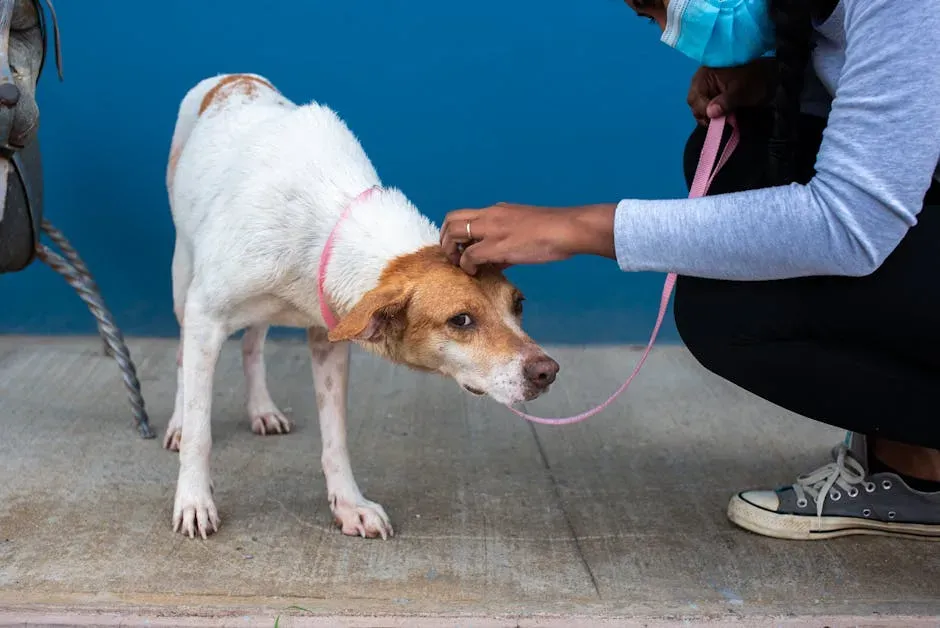
Dogs are world-class at spotting what you’re trying to hide. You walk in thinking “don’t show you’re scared,” while your palms sweat, your breathing shortens, and your shoulders lock up without your permission. Dogs pick up on those micro-changes almost instantly, and often treat hidden fear as more suspicious than open, calm confidence.
There’s also emotional residue clinging to you. A fight in the car, a stressful commute, an argument you haven’t shaken off yet, all of it shifts your scent and your posture before you even reach the front door. Interestingly, dogs tend to be more forgiving of someone who’s honestly indifferent to them than someone smearing fake friendliness over quiet panic.
#9 – Your Respect for Their Space Is the Real Test
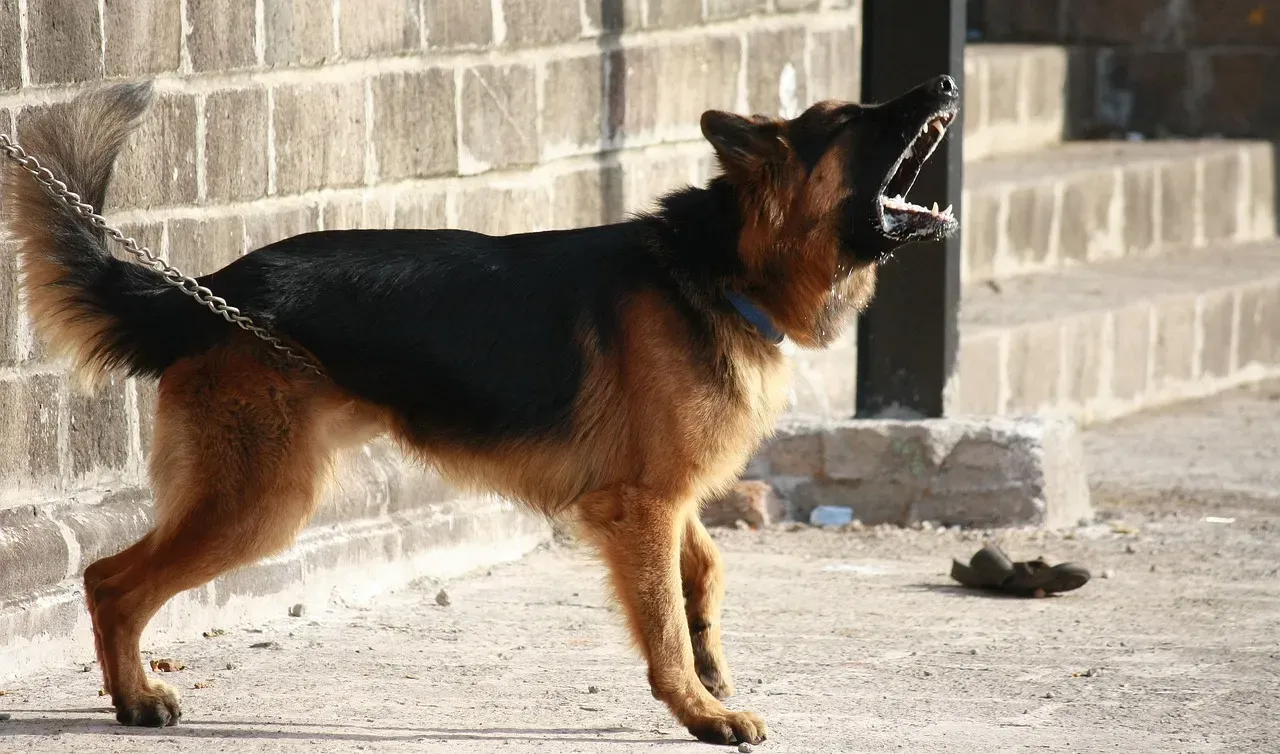
This is the one people chronically ignore: whether you respect a dog’s personal bubble. Cornering them on a couch, blocking their exit, or going in for an unrequested hug registers immediately, and rarely well. A staggering number of “out of nowhere” bites happen after the dog gave several quiet warnings that the human simply steamrolled past.
Lip-licking, yawning, a turned head, whale eye, that white crescent flash, a stiffened body, these aren’t cute quirks. They’re early exit signs being ignored. When a stranger instead pauses a few feet back, angles their body slightly away, and lets the dog approach on its own terms, a nervous dog can flip from defensive to curious in seconds.
At a Glance
- Lip-licking with no food nearby usually signals stress, not hunger.
- A single big yawn from an alert dog can mean discomfort rather than tiredness.
- “Whale eye,” that flash of white around the iris, is an early warning sign.
- A head turned away while the body stays still is a polite request for space.
#10 – Your Bond With Their Human Decides Your Fate
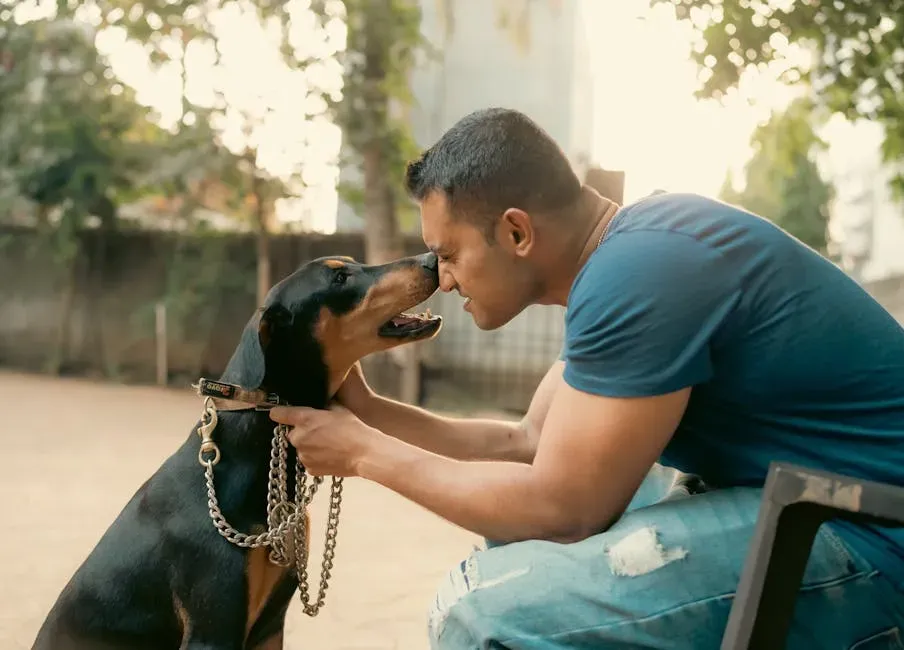
Dogs don’t size you up in isolation; they watch how their own person reacts to you. They’re reading the tiny tension in the leash hand, the shift in tone when your name comes up, whether that smile is genuinely relaxed or just politely held together. If the dog’s human goes stiff or wary around you, plenty of dogs will mirror that alertness even if you personally haven’t done a thing.
Flip it, and the effect reverses just as fast. If their person visibly lights up when you walk in, laughs more, uses that unmistakable happy voice, the dog clocks it instantly. You become shorthand for “good things happen when this person shows up,” which is exactly why some guests get mobbed with joy while others get watched from across the room.
#11 – Your Consistency Is the Final Verdict
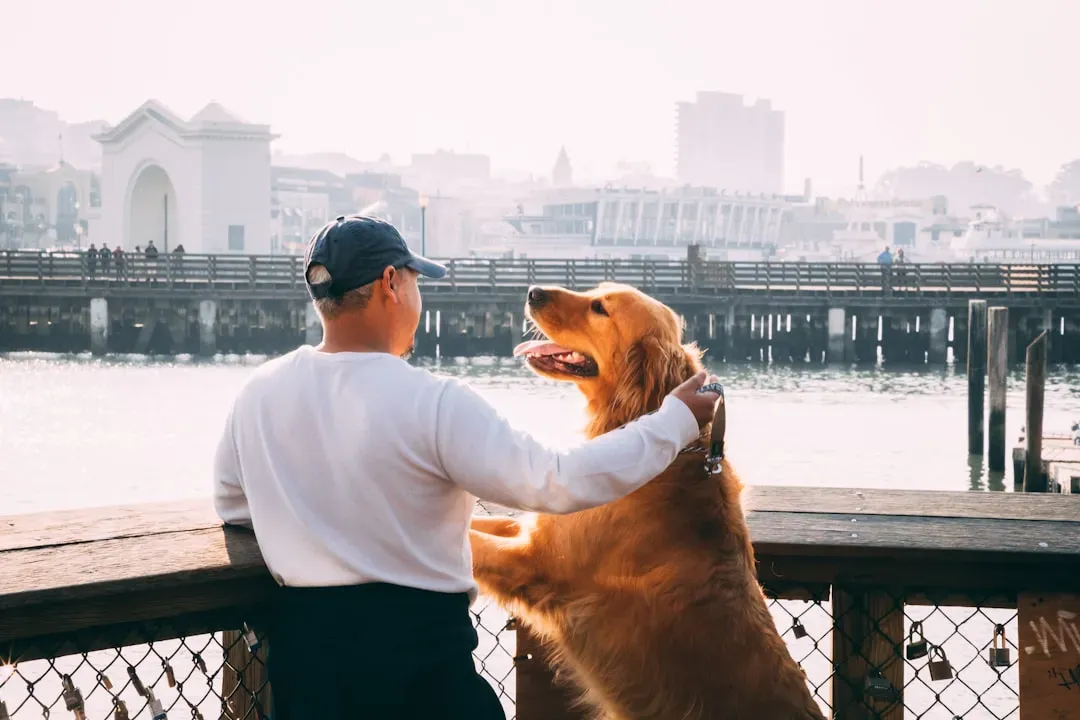
Here’s the part almost nobody talks about: dogs are constantly checking whether your current behavior matches what they already know about you, or, if you’re brand new, whether your first few seconds even add up to something coherent. Dogs trust consistent patterns over perfect performances. A calm, slightly aloof stranger reads as safer than someone wildly excited one second and irritated the next.
Come in bouncy, then suddenly stiff, baby-talking while glaring at your phone, reaching in fast then yanking back, and you’ve built a profile that screams “unstable.” Dogs don’t need you to be an expert. They just need you to be predictable. Those opening seconds function like a trailer for your entire personality, and if that trailer feels badly edited, don’t be surprised when they keep their distance.
Worth Knowing
- Calm and predictable beats loud and friendly in a dog’s assessment.
- Matching your tone of voice to your actual body language builds instant trust.
- Letting a dog approach you, instead of the other way around, speeds up bonding.
- A consistent first impression matters more than an enthusiastic one.
Dogs are not judging your outfit, your job title, or your follower count. They’re judging the things you genuinely can’t fake: your scent, your tension, your timing, your respect for space, and how you actually make their favorite human feel. In a handful of seconds they collect a shocking amount of data and quietly decide whether you’re a non-event, a potential ally, or someone to watch closely.
If that stings a little, it should, because dogs are often more honest and far less biased than the people standing next to them. Most “problem dogs” are simply reacting accurately to messy human signals nobody bothered to clean up. If you want better greetings, don’t start by fixing the dog. Start with your own energy, your hands, your pace, and your respect for the space you’re walking into. The dog was never the one who needed the lesson.