
11 Findings About Dogs and Human Emotion Nobody Expected
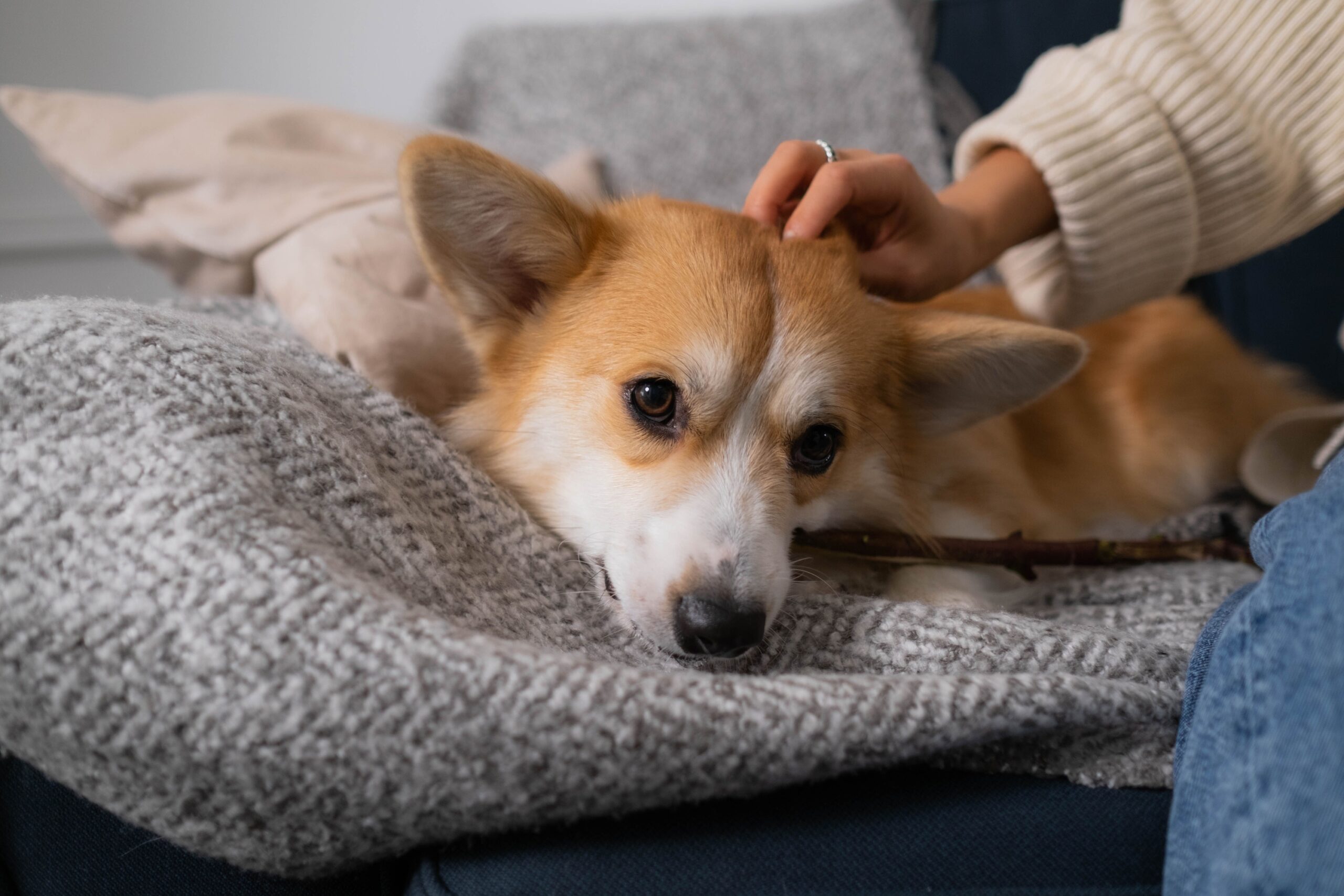
You’ve heard it a thousand times: dogs love unconditionally, no questions asked, end of story. But strap a heart monitor on a dog, run it through a fear-conditioning study, or scan its brain while you talk to it, and a much stranger picture shows up. Dogs don’t just love us. They absorb us, replay us, and sometimes brace against us like weather they never agreed to stand in.
Some of what researchers have found actually breaks the feel-good pet memes we share without a second thought. A few findings even suggest our own stress, our own tempers, our own fake smiles are quietly reshaping how our dogs feel and behave every single day. Here’s what actually turned up once scientists stopped guessing and started measuring.
#1 – Dogs Catch Your Mood Like It’s Contagious

Turns out emotional contagion between dogs and humans is real, not just a nice thing people say. Studies tracking cortisol and heart rate show that when owners are stressed, their dogs often show the exact same physiological stress patterns, even when nothing bad is happening to the dog directly. Your rough day at work doesn’t stop at the front door. It quietly moves in.
Some researchers compare this synchrony to the emotional coupling seen between parents and young children, which sounds sweet until you sit with what it actually means. Your chronic anxiety, your short fuse, your low-grade dread about money or work, may not stay contained in you at all. It can slowly become your dog’s baseline nervous-system setting.
Fast Facts
- Cortisol levels in dogs and their owners can rise and fall together, a pattern researchers call emotional synchrony.
- The mirroring effect has been likened to the bond seen between parents and infants.
- Dogs don’t need a stressful event of their own to feel stressed, your stress alone can be enough.
- Chronic household tension may gradually shift a dog’s resting nervous-system baseline.
#2 – Your Tears Don’t Always Mean Cuddles
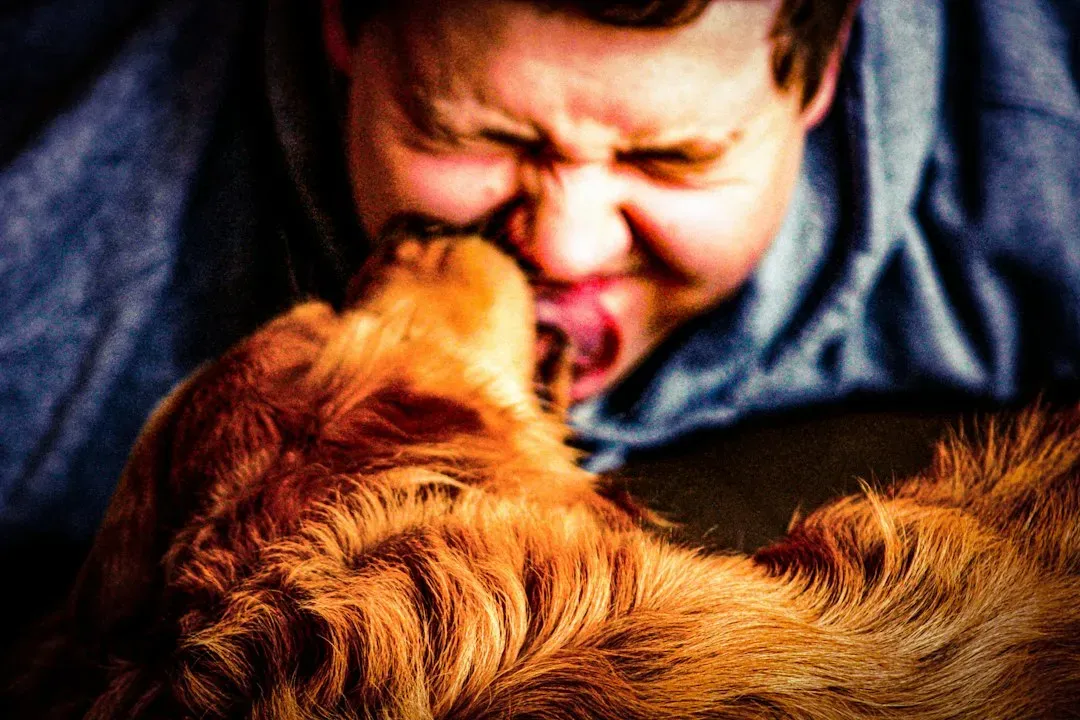
Forget the movie scene where you cry and the dog magically appears to lick your face. Tests using silent videos and scent samples show dogs can distinguish a crying human from a neutral one even without hearing a single sob. They clearly register the change as meaningful, but recognizing tears and knowing what to do about them turn out to be two very different skills.
Some dogs rush over. Others freeze. A surprising number actually become distressed or avoidant, treating your breakdown like an alarm they don’t have the tools to shut off. Owners often read that pacing or distance as rejection, when it’s closer to sensory overload. The unfamiliar sound, posture, and stress-hormone smell can simply be too much.
#3 – Dogs Keep Score of Who Treated You Badly
Here’s one that sounds like a plot from a revenge movie: dogs don’t just track who feeds them, they track how people treat their owner, and they hold grudges accordingly. In experiments, dogs watched strangers either help or refuse to help their owner with a task. Later, when those same strangers offered the dog food, dogs were noticeably less likely to accept it from the person who’d been unhelpful.
That means your dog isn’t just cataloguing snacks, they’re mapping your entire social world and quietly forming opinions about the people in it. This is likely why some dogs seem to dislike a particular relative or friend for no obvious reason. It’s rarely jealousy. It’s pattern recognition: raised voices, stiff shoulders, sharp movements aimed at you.
#4 – Dogs Can Smell a Fake Cry From a Real One
Social media loves the “pretend to cry and film the dog’s reaction” trend, but researchers looking closer found something a little humbling. Many dogs can tell when our emotions are performed rather than genuine, and their response noticeably drops. In controlled tests, dogs reacted differently to exaggerated, performative sadness than to real distress, even when the acting looked convincing to other humans.
Fake crying tends to mismatch the scent and body tension dogs are actually reading, and they clock the inconsistency fast. Some still wander over out of curiosity, but it’s shallow: a quick sniff, a glance, then back to their nap. Genuine distress gets a completely different response, longer proximity, intense eye contact, real shifts in their own stress markers.
Quick Compare
- Fake crying: quick sniff, brief glance, then the dog drifts back to resting.
- Real crying: longer proximity, sustained eye contact, visible shifts in the dog’s own stress signals.
- Scent match: genuine distress carries stress-hormone cues that performed crying doesn’t replicate.
- Dog’s takeaway: body tension and scent are trusted far more than the sound alone.
#5 – Your Dog’s Brain Splits Your Words From Your Tone

Nobody thinks about which side of a dog’s brain is doing the listening, but when scientists recorded brain activity while dogs heard speech, they found something wild. Dogs process the emotional tone of your voice in one brain region and the meaning of familiar words in another, mirroring a lateralization pattern seen in humans. That’s a shocking amount of complexity for an animal we used to write off as pure instinct.
Even more telling, dogs responded best to praise that matched on both channels: a happy tone paired with a positive word. Say “good boy” in a flat or irritated voice and their brain simply doesn’t light up the same way. Talking nice while feeling resentful and assuming your dog can’t tell the difference turns out to be one of the more common human self-deceptions.
#6 – In Tense Homes, Dogs Turn Into Emotional Thermometers

Owners love calling their dogs “emotional support,” but in a lot of high-conflict households, the dog isn’t acting as a therapist so much as a thermometer, constantly measuring, constantly reacting, rarely off duty. Behaviorists report higher rates of clinginess, reactivity, and stress-related health issues in dogs living amid frequent yelling or chronic tension.
Here’s the part nobody wants to hear: the dog who “never leaves your side” might not be showcasing deep security at all. It can be a red flag. Shadowing, startling at small noises, sudden barking at visitors, these are signs of an animal on permanent alert, not an animal simply devoted. Changing your own tone and routine can sometimes calm a “problem dog” faster than any obedience class.
Worth Knowing
- Clinginess and shadowing aren’t always signs of a devoted dog, sometimes they signal chronic alertness.
- Dogs in high-conflict homes show higher rates of stress-related health issues, according to behaviorists.
- Startling at small noises or barking at visitors can be stress symptoms rather than random quirks.
- Calming your own tone and routine can sometimes ease a “problem dog” faster than training alone.
#7 – Dogs Hold Onto Fear and Relief for Years, Not Minutes

We love telling ourselves “dogs live in the moment,” usually right after something rough has happened. But research on fear conditioning and learning shows dogs can retain emotional memories for months, sometimes years, especially when strong fear or relief was involved. They may not replay the scene mentally the way we do, but their bodies clearly remember.
A dog once yelled at near the front door might tense up or hesitate at the doorbell months later, even if the visitor is perfectly friendly, and owners often mislabel this as random or stubborn behavior. On the flip side, dogs also remember who comforted them and who reliably brought safety. They are, in effect, keeping a running ledger of who to trust and when.
#8 – Dogs Read Your Whole Body, Not Just Your Face
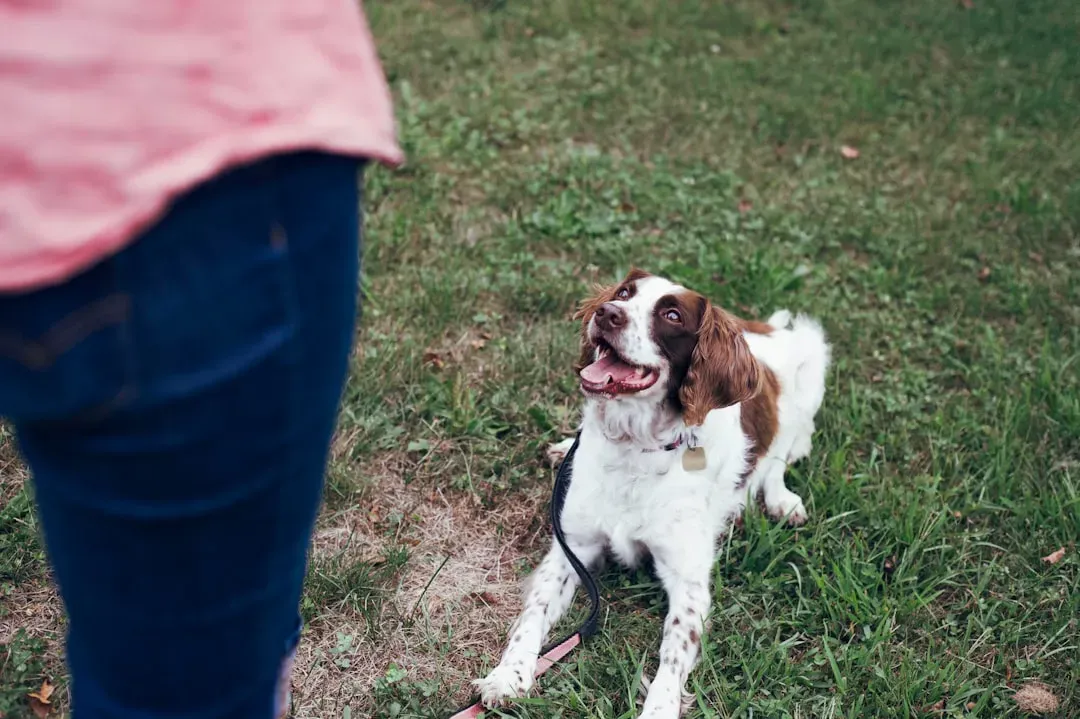
We obsess over dog eye contact, but from a dog’s point of view, your face is just one tile in a much larger mosaic. Studies show dogs read emotional context from posture, movement, and even subtle shifts in weight distribution, and in some tests they judged emotional states more accurately when the face was blurred but the body was visible.
So when you insist you’re fine while your shoulders are hunched and your steps are sharp, your dog isn’t buying the words, it’s reading the full-body data instead. This ancient hardware, built to detect tension in other animals long before humans existed, is part of why some dogs get uneasy around unpredictable people, intoxicated guests, erratic teens, or owners who swing between affection and sudden anger.
#9 – Dogs Hear Anger Louder Than Happiness, Even in Languages They’ve Never Heard
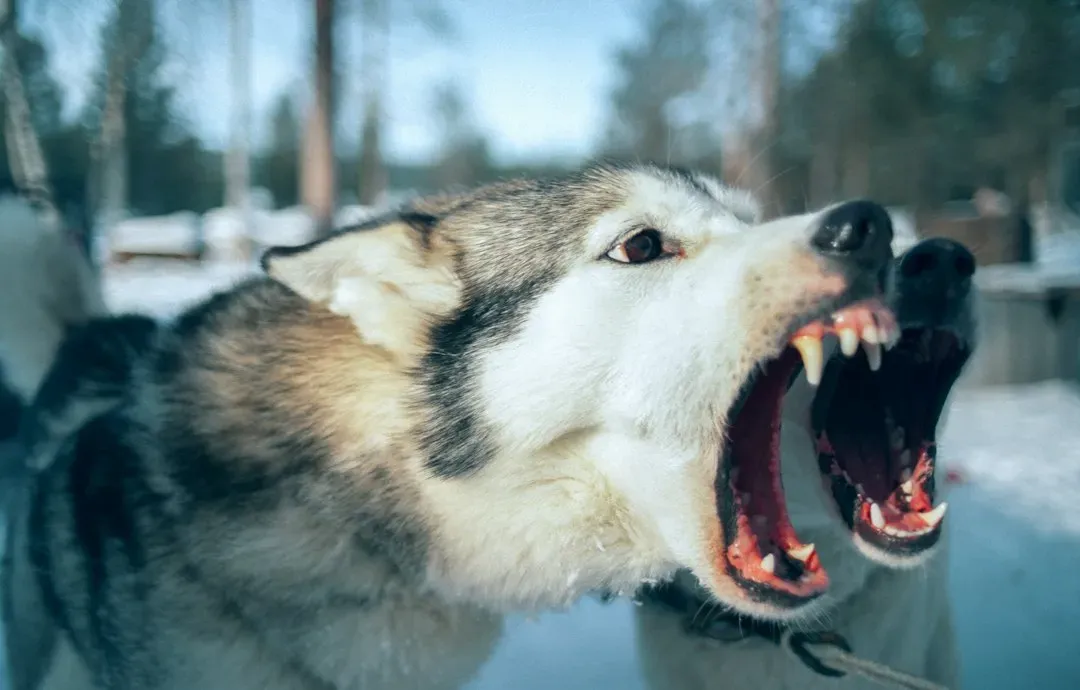
This one annoys anyone who insists “dogs only understand tone” as if that settles the matter. In audio experiments using languages completely unfamiliar to the dogs, researchers found they could still distinguish angry prosody from happy prosody and adjusted their behavior accordingly. They’re not just reacting to trained words, they’re parsing the emotional structure of speech itself.
More striking still, some dogs reacted more strongly to anger than to happiness, even at similar volume, looking away, lowering their posture, or leaving the room entirely. That’s likely an old survival strategy: overreacting to a possible threat costs less than underreacting to one. So the next time someone says “I can yell near my dog, he knows it’s not about him,” the truth is he doesn’t understand the argument, but he absolutely hears the emotional weather report.
Why It Stands Out
- Dogs distinguished angry and happy tones even in languages they had never heard before.
- Some dogs reacted more strongly to anger than to happiness at the same volume.
- Reactions included looking away, lowering posture, or leaving the room entirely.
- Researchers tie the stronger anger response to an old survival instinct, overreacting to danger costs less than ignoring it.
#10 – When You’re Upset, Dogs Choose Closeness Over Fixing It
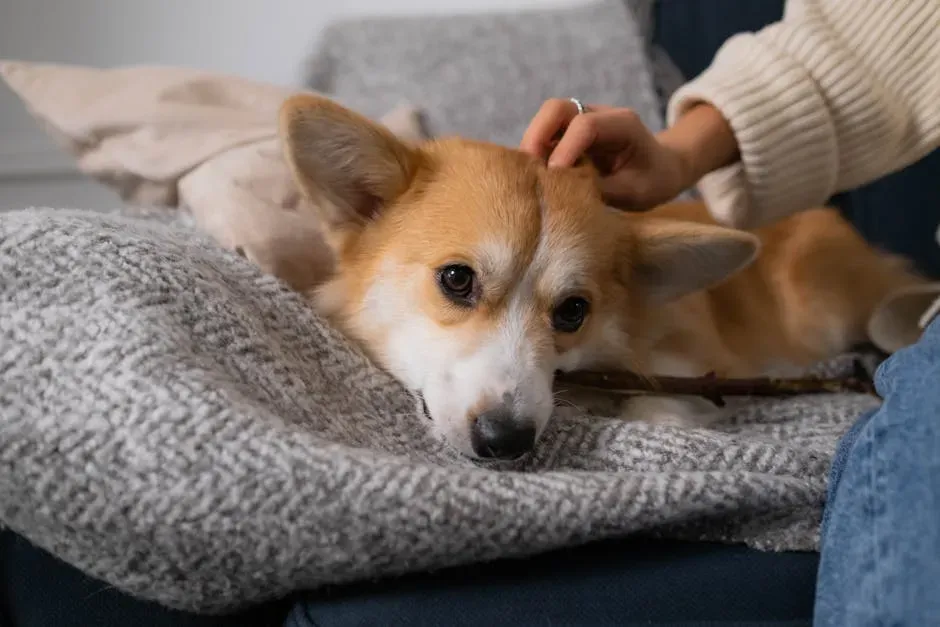
Humans think in problem-solving terms: something’s wrong, so fix it. Dogs rarely operate that way. Faced with a distressed owner, most dogs don’t try to solve anything, they try to restore closeness, climbing into your lap, pressing against your legs, or simply lying nearby in quiet presence.
What’s genuinely surprising is that even dogs trained for tasks like fetching medication will often attempt contact and reassurance first, before switching into “solution mode,” when their owner seems emotionally overwhelmed. Connection comes before logistics, every time. That’s why a dog underfoot during a crisis isn’t misbehaving, it’s simply following its own emotional blueprint, anchoring to you until the storm passes.
#11 – Dogs Treat Us Like Family, and Like a Responsibility

The most uncomfortable finding might be this one: dogs don’t just seem to see us as pack leaders or parents, they behave as though we are both family and something they’re on duty to protect emotionally. In stable, affectionate households, dogs tend to explore more freely, show healthier independence, and bounce back from stress quickly. In volatile homes, they become full-time mood-watchers, scanning constantly for the next shift.
Behaviorists have observed dogs physically placing themselves between arguing humans, or hovering nervously near children who get scolded often, as if trying to manage the emotional risk in the room. It isn’t just love. It reads more like duty.
Dogs are not our whole life, but they make our lives whole.
Roger Caras
We wanted unconditional love and we got it, but somewhere along the way we also handed our dogs a ringside seat to every unfiltered emotion we carry. Some handle it gracefully. Others quietly absorb tension they never signed up for. The bond is real and deep, but it was never as simple, or as one-sidedly comforting, as the internet likes to pretend.
The honest version of this story isn’t that dogs are magical, it’s that our inner lives have real consequences for the animals living inside our orbit. If we actually want emotionally healthy dogs, better training isn’t the fix. Calmer homes, steadier tempers, and a little more respect for what they’re silently carrying on our behalf, that’s the fix. So ask yourself honestly: if your dog could talk, would they say your emotions feel like home, or like a job they never applied for?