
Why a Herding Breed Cannot Stop Working in a Living Room
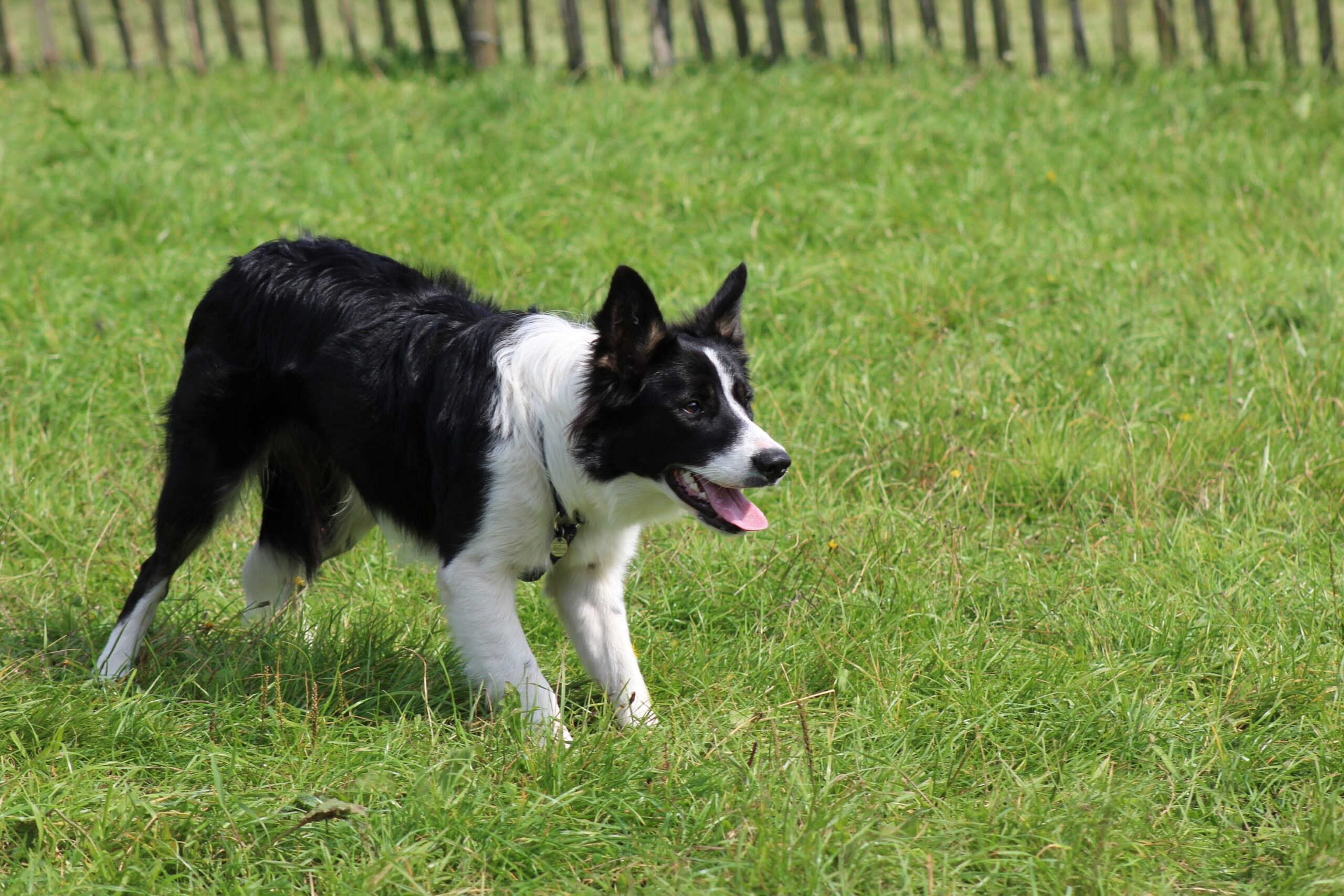
If you live with a Border Collie, Australian Shepherd, Corgi, Sheltie, or any other herding breed, you probably already know this truth: the “job” never ends. It does not matter that you are in a quiet suburb, on a third-floor apartment, or just trying to watch a show on the couch. Your dog is still on duty.
They circle the kids, stare at the door, push toys into your lap, patrol the windows, and collapse only to spring up again at the slightest sound. It can be funny, impressive, and honestly a little exhausting. But it is not random, and it is definitely not “bad behavior” in the way many people assume.
What looks like restlessness in the living room is actually the collision of thousands of years of selective breeding with a modern human lifestyle. Once you see the science, the history, and the emotional wiring behind it, your dog’s nonstop “work mode” starts to make a lot more sense – and becomes much easier to manage in a kind, realistic way.
#1 The Working Brain That Never Really Clocks Out
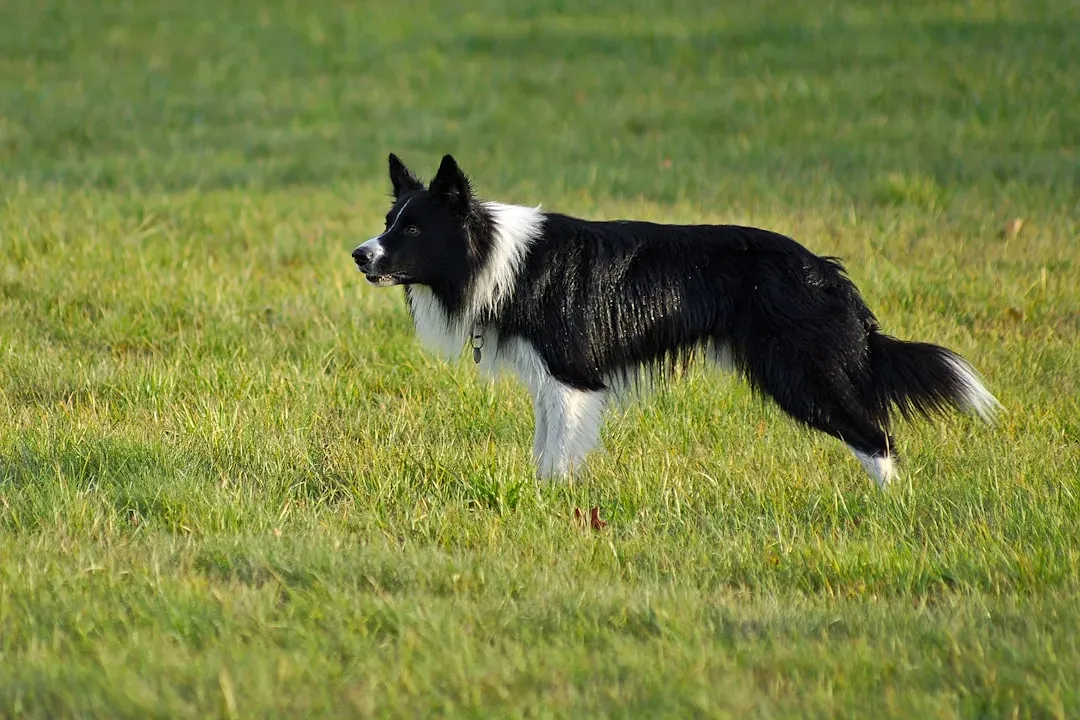
Here is the surprising part: herding dogs were bred not just for physical ability but for a particular style of thinking. Their brains are wired to scan, predict, and respond to movement faster and more intensely than most other dogs. That is perfect on a farm with hundreds of sheep. In a living room, that same brain notices everything: a kid standing up, a cat jumping from the sofa, a shadow outside.
Imagine trying to relax in a busy airport while being personally responsible for everyone’s safety and movement. That is the mental load many herding breeds are carrying in your home. Their nervous systems are primed to stay alert and involved, because historically, missing a cue could mean livestock lost or animals injured.
So when your dog cannot stop pacing between rooms or keeps checking on everyone, it is not a sign of disobedience. It is a sign that their “worker brain” is functioning exactly the way it was designed to. The problem is not the dog – it is the mismatch between an always-on brain and a lifestyle that expects a couch potato.
#2 The Genetic Echo of Generations on the Hillside
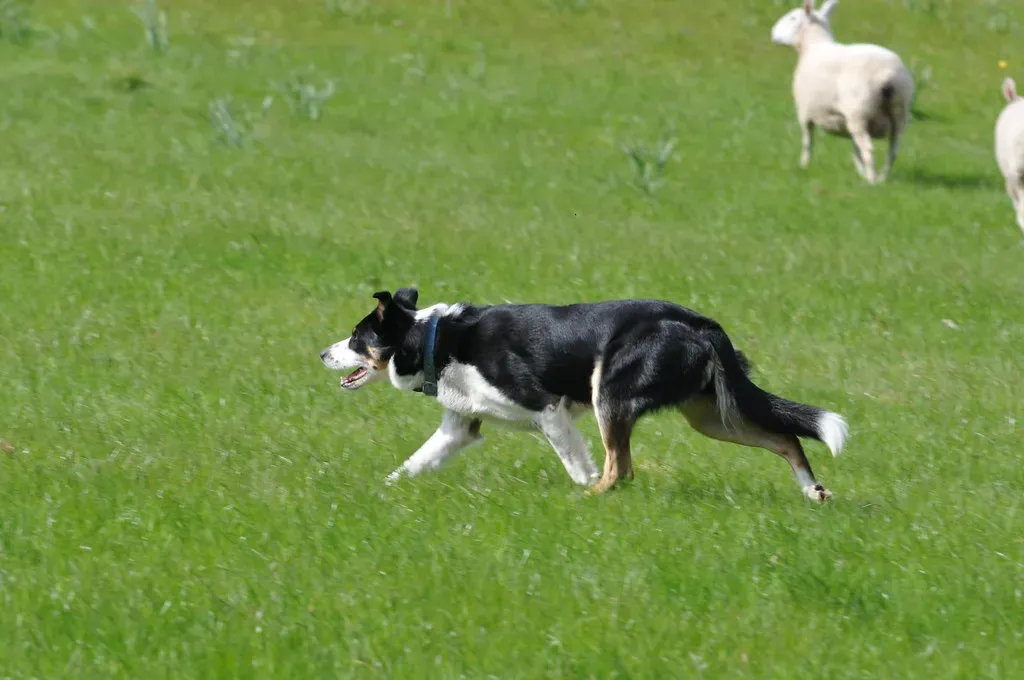
Herding breeds did not come out of nowhere; they were carefully sculpted over generations of people choosing exactly which dogs got to pass on their genes. The dogs that watched the flock without tiring, that noticed subtle changes, that responded instantly to a whistle – those were the dogs that were bred. The ones that got bored or wandered off? They were not the ones people kept.
This long, consistent selection means that even a modern pet, many generations removed from actual farm work, is still carrying that deep programming. Your living room may have no sheep, but to your dog’s DNA, a group of humans scattered around the house looks suspiciously like a flock that needs organization. Kids running back and forth between rooms? That is basically a herd splitting in all directions.
Because of this, the behavior you see – nipping at heels, circling people, blocking you from walking down the hall – is not “random mischief.” It is a genetic echo. Your dog is doing what its ancestors did, just in a new setting that does not really have a clear off switch or a proper outlet for that instinct.
- Herding traits were intentionally intensified over many generations.
- Modern living rooms still trigger ancient pattern-recognition and control behaviors.
- Your dog’s need to “work” is not a flaw; it is a feature with nowhere to go.
#3 Why Your Living Room Looks Like a Job Site to Your Dog
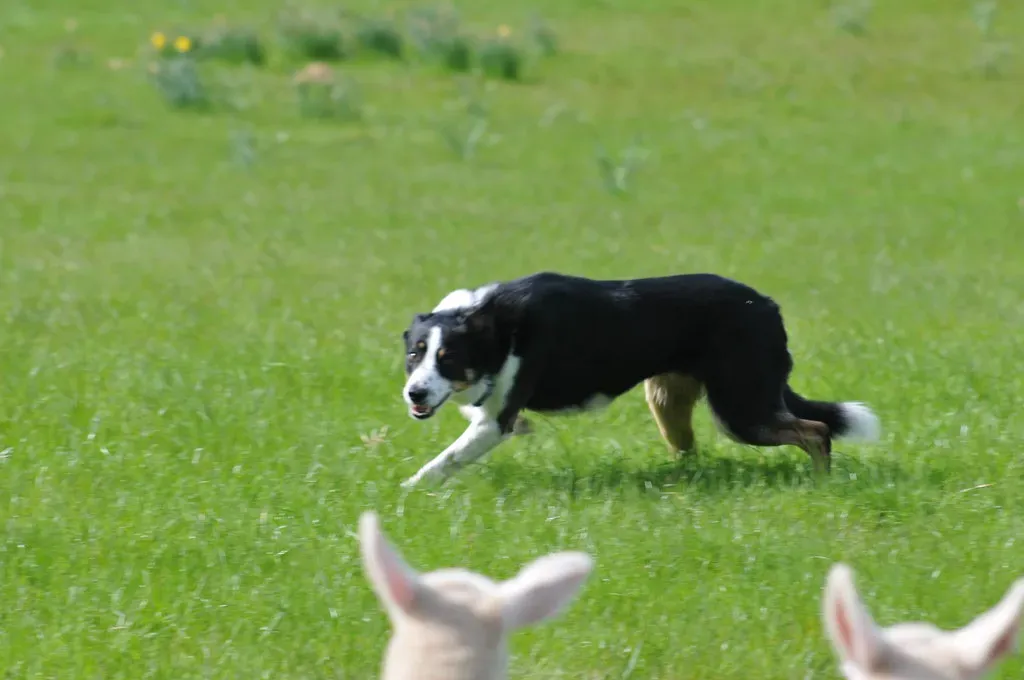
From a human viewpoint, a living room is a place to unwind. From a herding dog’s viewpoint, it is an ever-changing environment full of moving “units” (you, children, visitors, pets) that must be monitored. Every entry and exit from the room is data. Every sound from the hallway is a possible “threat” to be checked.
Picture a traffic controller sitting in front of a radar screen. Even if the room they are in is quiet, their mind is not. For many herding breeds, your home becomes that radar screen. Open floor plans can make this even more intense, because the dog can see more zones and more movement to track all at once.
And here is the twist: humans unintentionally reinforce this. We tell the dog to go get a toy, to check on the kids, to come back and sit, to go to the door when someone knocks. We constantly assign micro “tasks,” which to an already work-focused brain just confirms that yes, this is indeed a full-time job.
#4 The Obsession With Movement: Kids, Cats, and Vacuum Cleaners
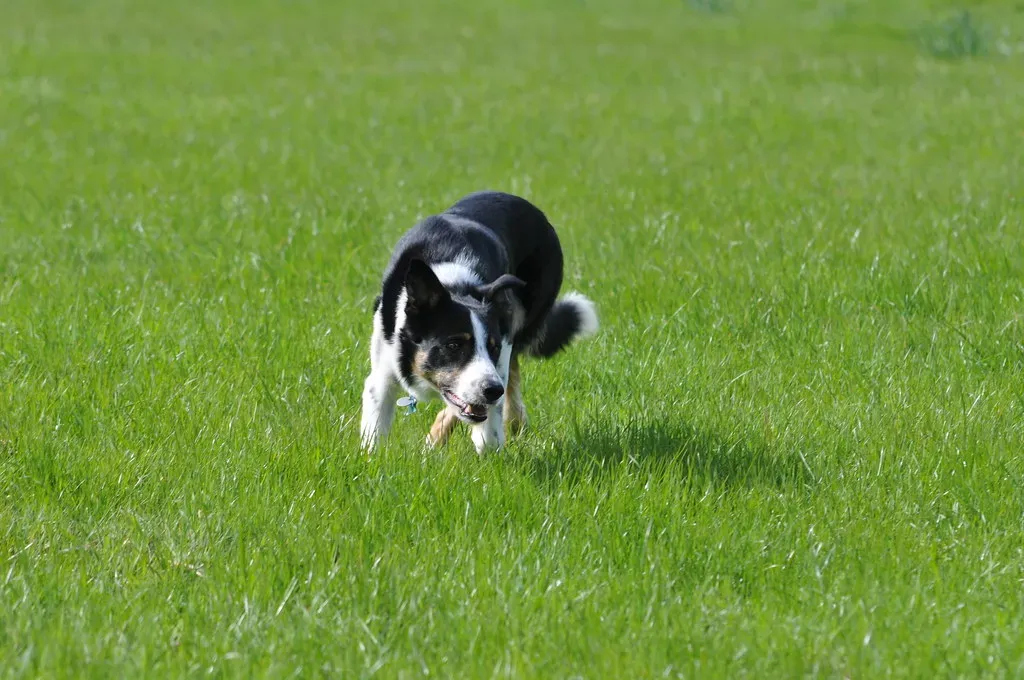
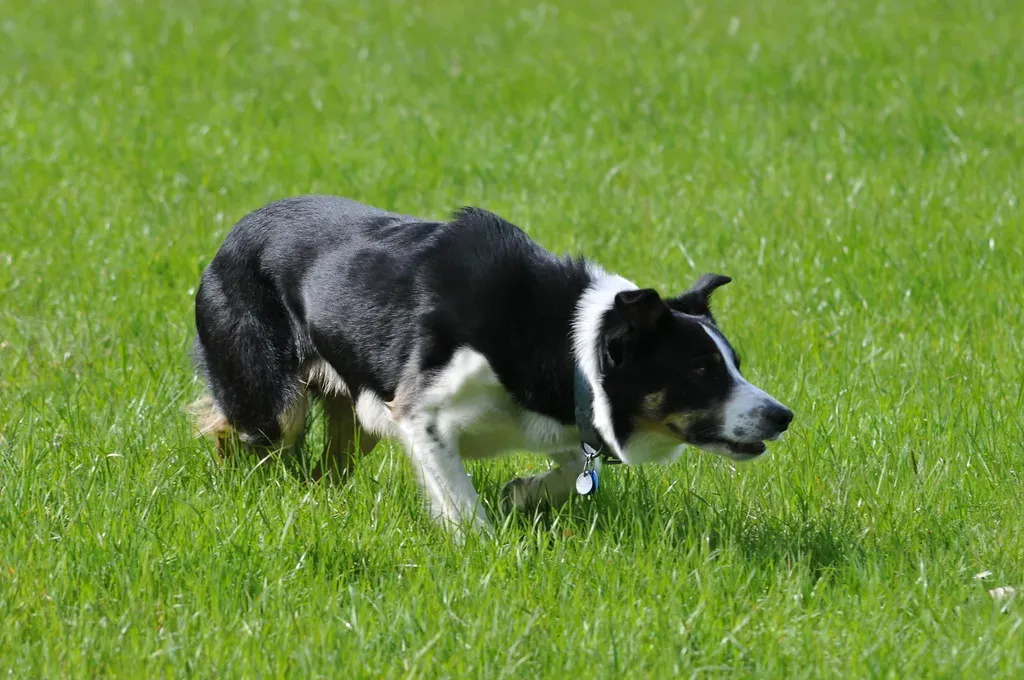
One of the strongest herding triggers is movement. On a farm, this meant a dog would key in on the direction, speed, and spread of sheep or cattle. In a home, those same triggers are found in toddlers, other dogs, cats, visitors, bicycles outside the window, even the vacuum cleaner. Anything that moves unpredictably can look like it needs “controlling.”
This is why so many herding dogs fixate on children. Kids rarely move in straight lines, often run in bursts, and split off from one another – which to a herding brain, looks like a flock splitting. The dog is not trying to be bossy or mean; it is trying to gather and organize. That is also why some dogs nip at heels or bump legs – on livestock, that tiny physical cue is how they steer animals without biting hard.
- Fast or erratic movement is a huge trigger for herding behaviors.
- Vacuum cleaners, bikes, and running kids can all feel like “work” targets.
- Without guidance, the dog will invent its own rules for managing everything.
In a living room, where movement is constant but rules are fuzzy, that instinct can spiral into what looks like obsessive or even anxious behavior. But underneath it is a very logical drive: movement must be managed.
#5 Mental Energy: Why a Short Walk Is Never Enough
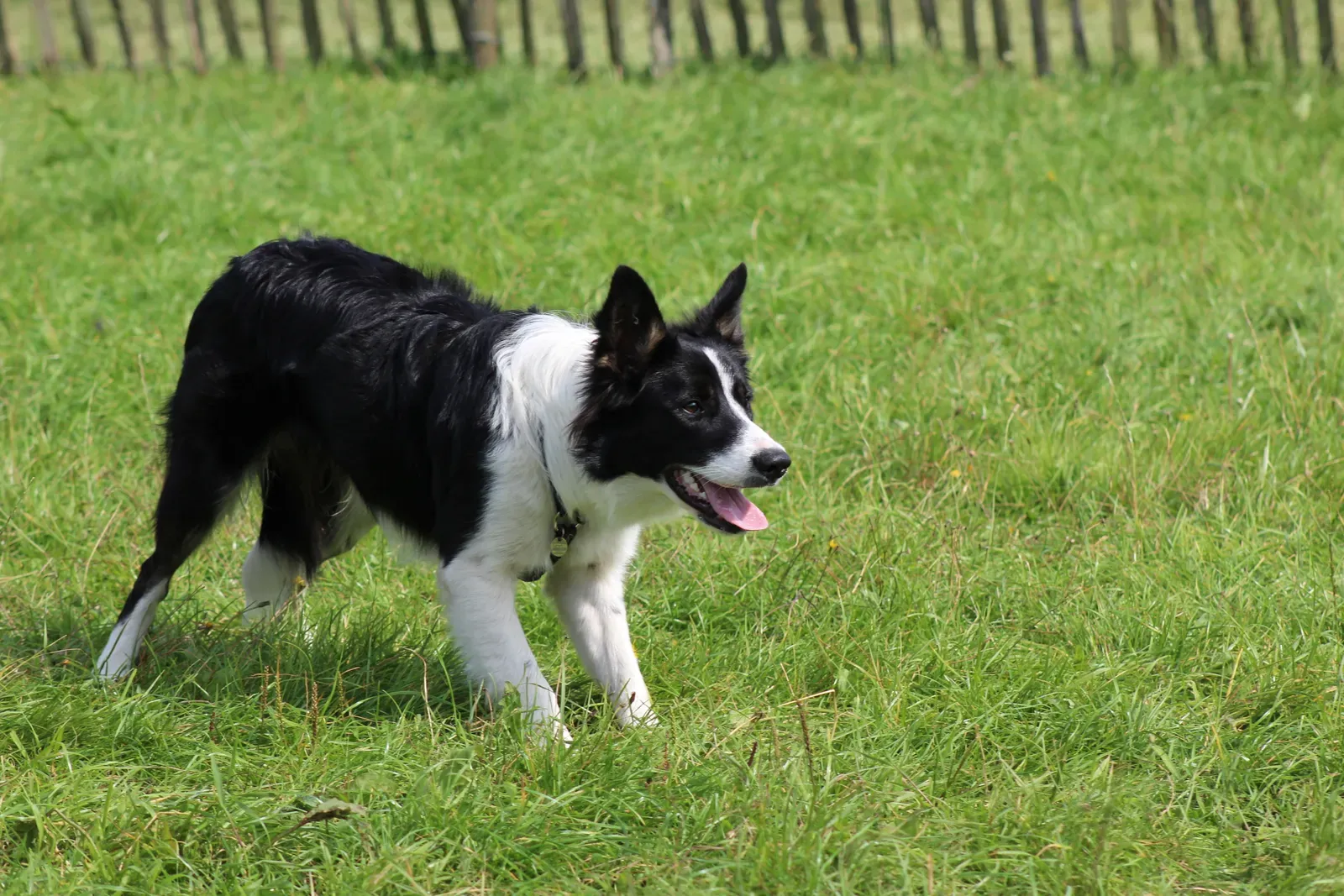
Many owners of herding breeds are shocked when long walks and ball games barely seem to make a dent in their dog’s energy. The mistake is thinking of these breeds in purely physical terms. Yes, they are athletic, but what truly drains them is cognitive work: problem-solving, decision-making, adapting to new challenges.
On a working farm, a dog is not just running; it is constantly making choices. Which sheep is drifting? How close can I get without panicking them? Do I respond to the whistle or to that rogue lamb heading for the fence? This is complicated, layered thinking. In a living room, a walk around the block does not scratch that mental itch.
That is why so many herding dogs come home from a long walk and immediately go back to “work” – pacing, patrolling windows, herding family members. Their bodies are a bit tired, but their minds are still buzzing. They have not had any real decisions to make or problems to solve, so the job of managing the household is still wide open in their heads.
#6 Stress, Cortisol, and the Dog That Cannot Switch Off
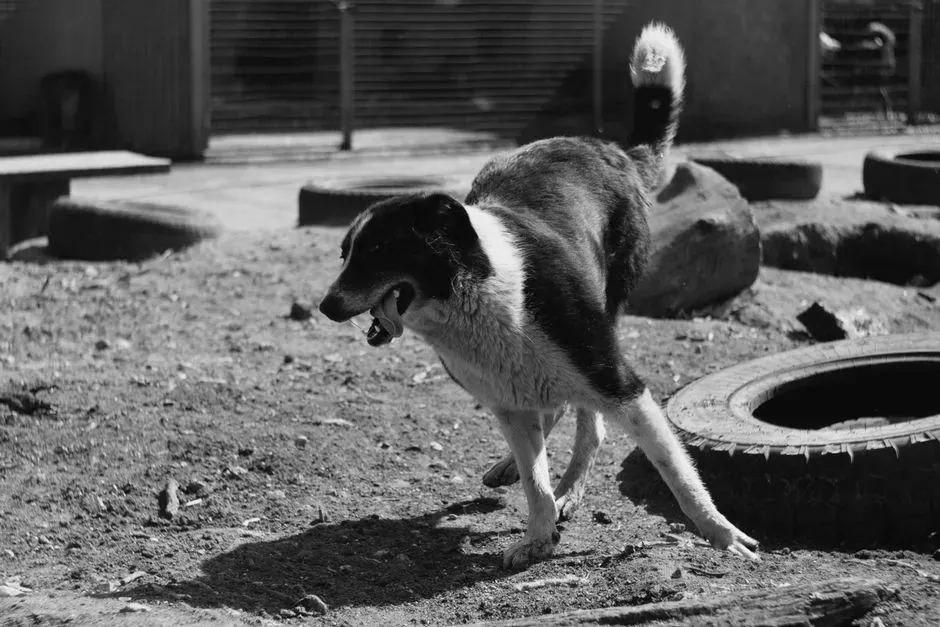
There is another layer most people miss: chronic over-alertness can start to look a lot like anxiety. When a dog feels responsible for monitoring everything all the time, stress hormones can stay elevated. Over time, this can make it harder and harder for them to truly relax, even when the environment is safe and quiet.
You might see this as a dog that startles easily, barks at every sound, or seems tired but unable to settle. They may fall asleep only to pop back up the second someone shifts position on the couch. In some cases, the brain becomes so used to scanning for “jobs” that rest itself feels unsafe or unfamiliar.
- Being on constant “herding duty” can lead to chronic low-level stress.
- Dogs may look hyper, but often they are actually overwhelmed and over-aroused.
- True relaxation has to be taught, not just expected, in many herding breeds.
From the outside, it looks like the dog just cannot stop working in the living room. Inside, it is a stress loop that needs conscious interruption, management, and a kinder set of expectations from the humans in the room.
#7 How Humans Accidentally Turn Everyday Life Into a Job
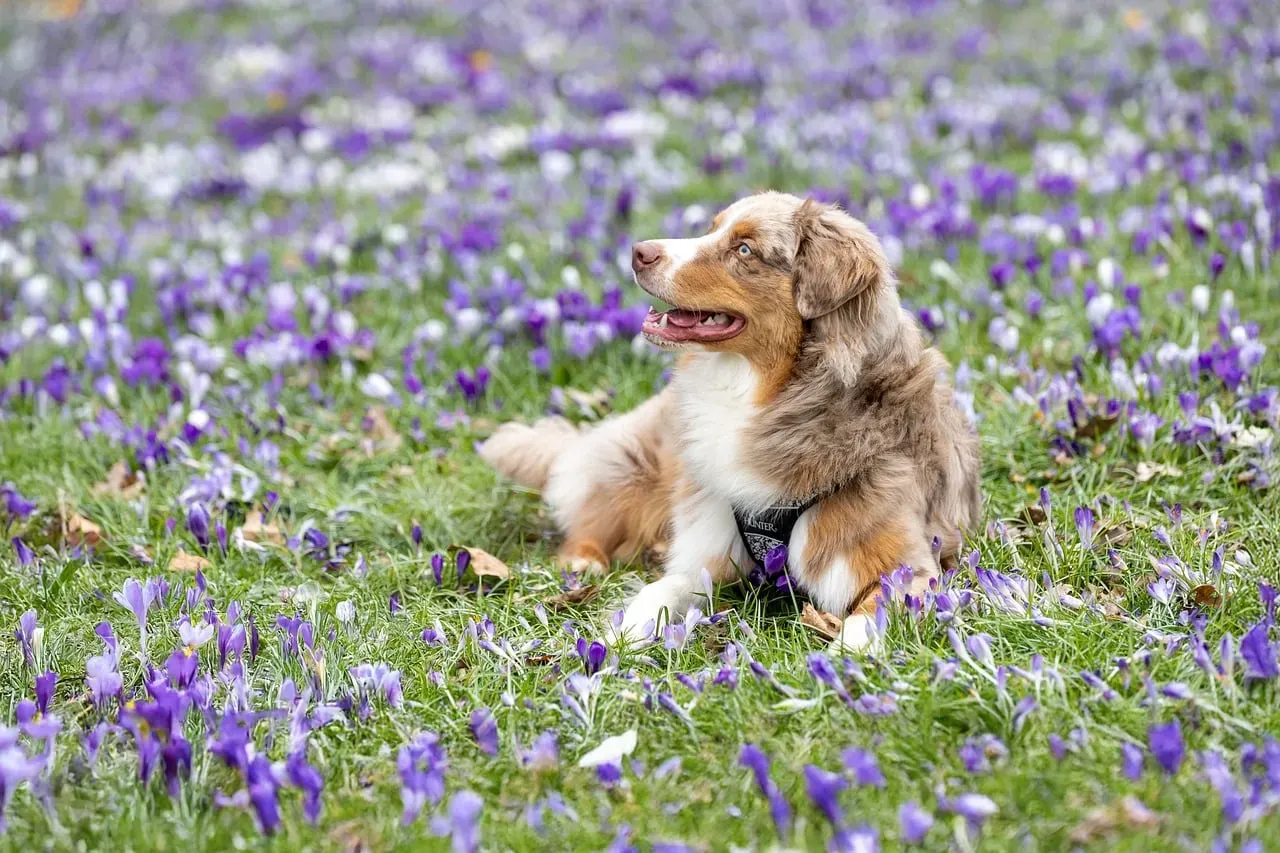
Here is where I will admit my own mistake: with my first herding mix, I thought I was being helpful by constantly involving him. I would ask him to “help” me find the kids, follow me from room to room, bring toys, and check the yard whenever he heard something. He was thrilled – and completely unable to relax. I had basically hired him as full-time head of household security.
We often reward the very behaviors that keep them in work mode. We laugh when they herd our friends to the couch, we encourage them to chase the ball again and again without giving a clear end signal, and we let them follow us every time we move. In their mind, every movement we react to is part of their job description.
Even how we manage guests can feed the loop. If the dog is the first to the door, the one who checks every new person, and the one who is always “on” whenever anything happens, we are silently endorsing that role. Over months and years, your living room turns into an unofficial workspace where your dog believes it must stay involved or the whole system falls apart.
#8 Giving That Instinct a Job You Can Live With

The goal is not to erase herding instinct; that would be like buying a sports car and wishing it came with a lawnmower engine. The trick is to redirect that drive into structured, predictable outlets so your dog does not have to invent jobs in the living room. That means creating specific times and contexts where “work mode” is allowed and then giving a clear signal when it is over.
Interactive games that involve thinking and choice are powerful here: scent games, hide-and-seek with family members, puzzle toys, or simple obedience drills that ask the dog to wait, watch, and respond. These tap into the same mental circuits that herding does – observation, impulse control, decision-making – without needing actual sheep.
- Use structured games that involve problem-solving, not just endless fetch.
- Start and end “work sessions” with clear cues, like a special word or mat.
- Give the dog jobs you choose, rather than letting it assign itself the role of household manager.
When the brain feels like it has completed a real task, it is much easier for the dog to accept rest afterward. You are not fighting the instinct; you are partnering with it.
#9 Teaching the Art of Doing Nothing (On Purpose)
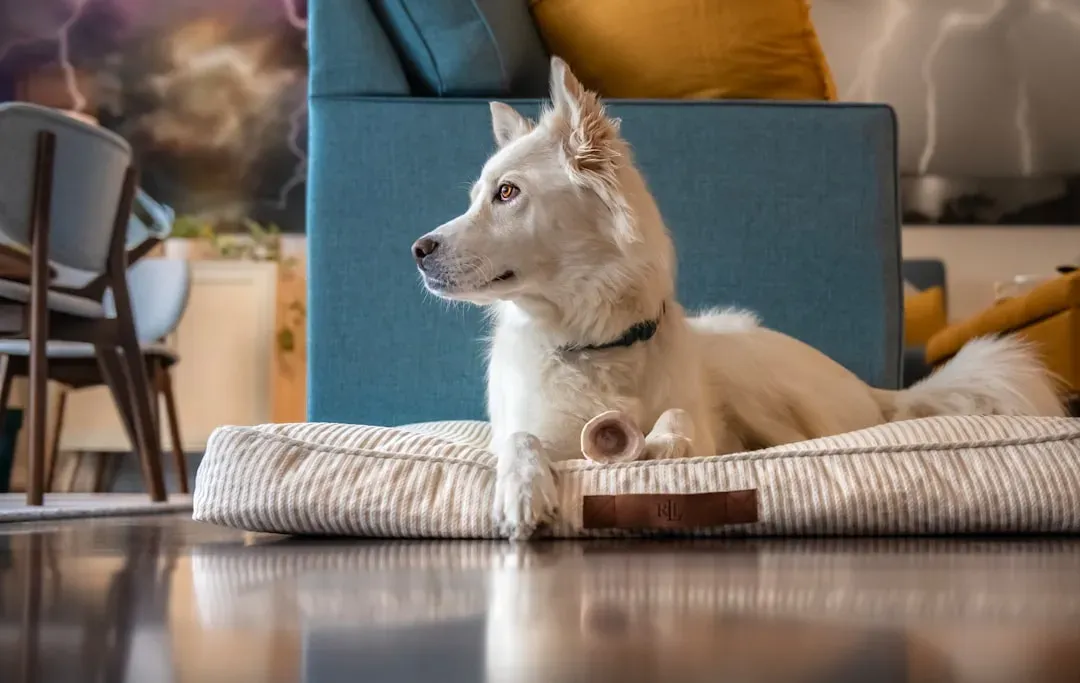
For many herding dogs, relaxation is not natural – it is a skill that has to be trained. One of the most underrated exercises is simply teaching a dog to lie on a mat or bed and stay there while life happens around them. At first, you might reward every few seconds of calm. Over time, you slowly stretch that out and pair it with a consistent cue.
This sounds boring, but it is actually huge for these breeds. They learn that it is not always their job to track every person and every sound. The mat becomes a kind of “off-duty” zone, like a break room. Instead of being fired from their job, they learn they are allowed to clock out.
Combined with good management – like using baby gates or crates when guests arrive, or giving them a chew on their bed during chaotic times – this teaches a new pattern. The living room is not a place of constant responsibilities. It is sometimes a workplace, when you decide, but it is also a safe place where doing nothing is not only allowed but rewarded.
#10 When Herding Behaviors Cross the Line Into Trouble
There is a point where normal herding behavior can turn into a real welfare issue. If your dog is so fixated on controlling movement that it regularly nips at ankles, chases bikes obsessively, or becomes frantic whenever family members separate, it is not just “cute breed stuff” anymore. The dog is probably stressed, and someone could get hurt.
Some dogs escalate from gentle herding nudges to more intense, frustrated biting when their attempts to manage people fail. Others develop compulsive habits like spinning, chasing shadows, or barking at the same window for hours. These are red flags that the dog’s instinct has no healthy outlet and is trying to express itself any way it can.
- Persistent nipping or chasing people is a sign things are out of balance.
- Compulsive patterns (spinning, shadow chasing) can mean mental overload.
- Professional help from a trainer or behavior specialist is not an overreaction.
Herding instincts are powerful, and when they are left unmanaged in a small, stimulus-heavy environment like a family living room, they can turn inward and become self-destructive. It is kinder, and frankly fairer, to give that energy a better path.
#11 Setting Fair Expectations for a Dog That Was Never Meant to Be Bored
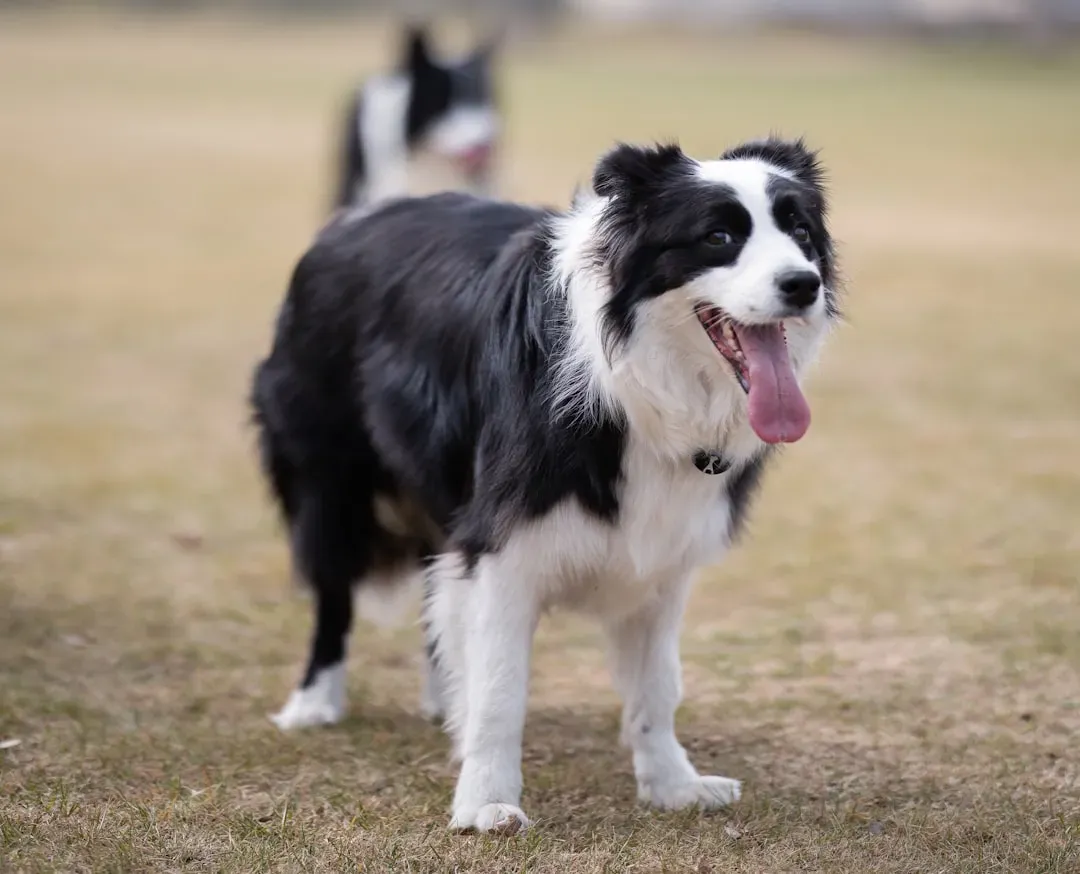
This is where I am going to take a clear stance: it is unfair to buy or adopt a herding breed and then expect it to behave like a laid-back lapdog with no real work, no mental outlets, and no structure. These dogs were bred to think hard, move often, and stay involved. When we ignore that, we create frustrated dogs and frustrated people.
That does not mean you need a farm or sheep or agility course in your backyard. It does mean being honest about what this type of dog needs: daily mental challenges, clear boundaries about when they are on duty and when they are not, and a home that understands their drive instead of fighting it. The living room can be part of that plan, but it cannot be their entire universe without some serious adjustment on our part.
I have seen too many brilliant, sensitive herding dogs labeled as “problem dogs” simply because they never stop working in environments that ignore who they really are. When we adjust our expectations to match their genetics, the relationship changes from conflict to collaboration. Suddenly, that tireless little manager becomes an incredible teammate.
#12 Opinionated Conclusion: Your Living Room Is Not the Problem – Your Story About the Dog Is

At the end of the day, a herding breed that is not broken, stubborn, or trying to annoy you. It is the living embodiment of a story humans have written over centuries about partnership, responsibility, and work. We bred dogs who care deeply about where everyone is and what everyone is doing – and then we put them in small rooms and tell them to chill.
My opinion is simple: the solution is not to crush that instinct, but to honor it intelligently. That means giving these dogs real mental work, clear on-and-off switches, and compassionate training that teaches them they are not responsible for every step every human takes. It also means admitting that some homes and lifestyles are simply not ready for a brain built like this, and that is not the dog’s fault.
If you live with a herding breed, your living room will probably never be a place where nothing happens. But it can become a place where instinct is understood, energy is guided, and rest is taught instead of demanded. When you shift the story from “my dog is a problem” to “my dog is a worker without a job,” everything about how you live together starts to change. Now that you know what is really going on, what kind of job will you offer your dog next?