
11 Things a Puppy Keeps From the Litter for the Rest of Its Life
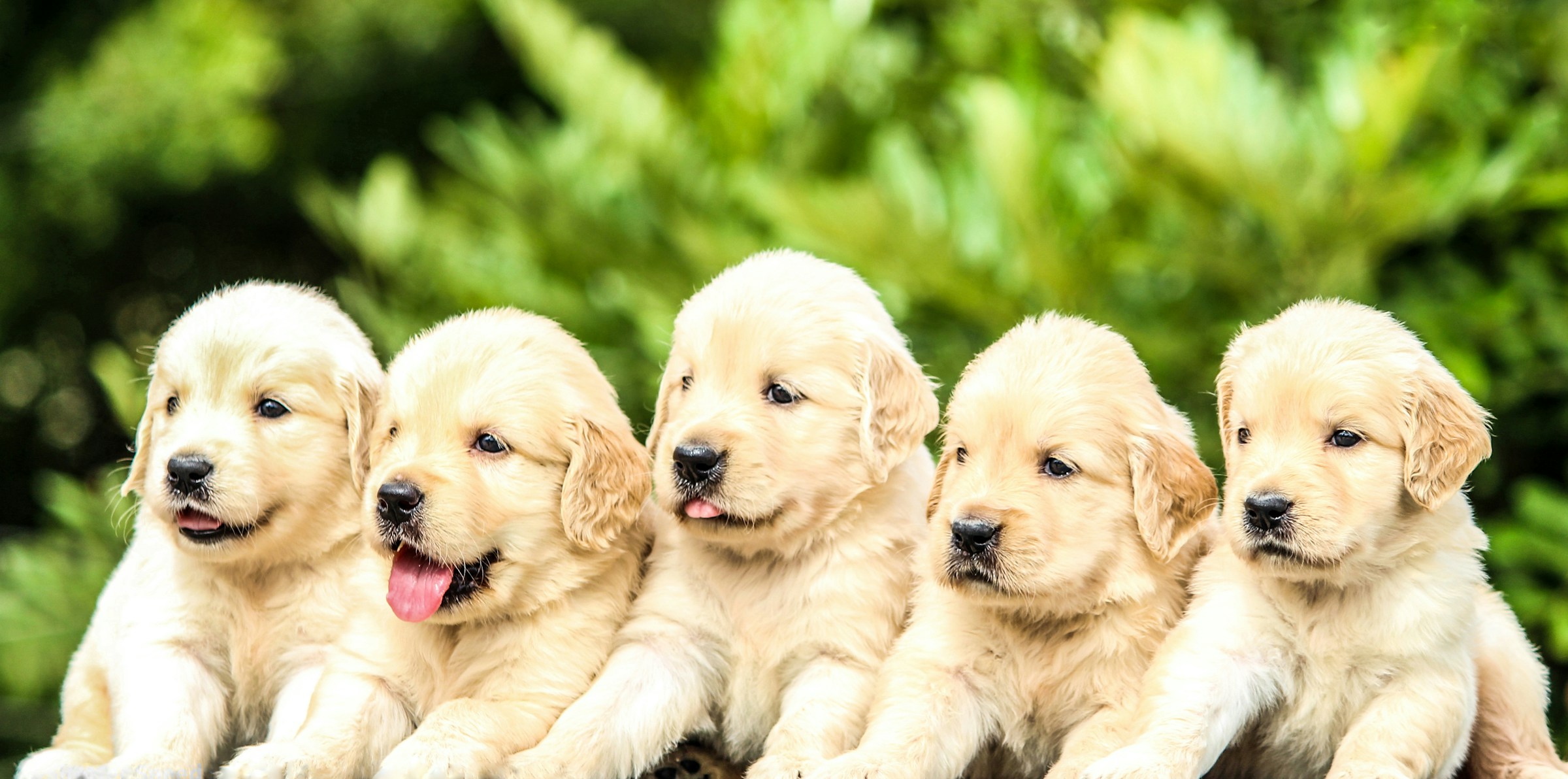
If you’ve ever watched a litter of puppies tumbling over each other like tiny, fuzzy chaos machines, you’ve probably wondered what they actually carry with them when they go off to new homes. Not the toys, not the blankets – but the habits, instincts, and tiny emotional imprints that come from those first few weeks with their brothers and sisters.
Here’s the part that surprised me when I first dug into it: even though a puppy might only stay with its litter for eight to twelve weeks, those early days quietly wire its brain, shape its body language, and influence its personality for years – sometimes for life. It’s like the puppy version of “what happens in kindergarten doesn’t stay in kindergarten.”
In this article, we’ll unpack the subtle ways a dog’s time in the litter shows up later: in how it plays, how it loves, what it fears, and even how it sleeps. Some of these things are adorable. Some are a bit heartbreaking. And some might explain why your grown dog still does that one quirky little thing you can’t quite figure out.
#1 The First Lessons About Being a Dog
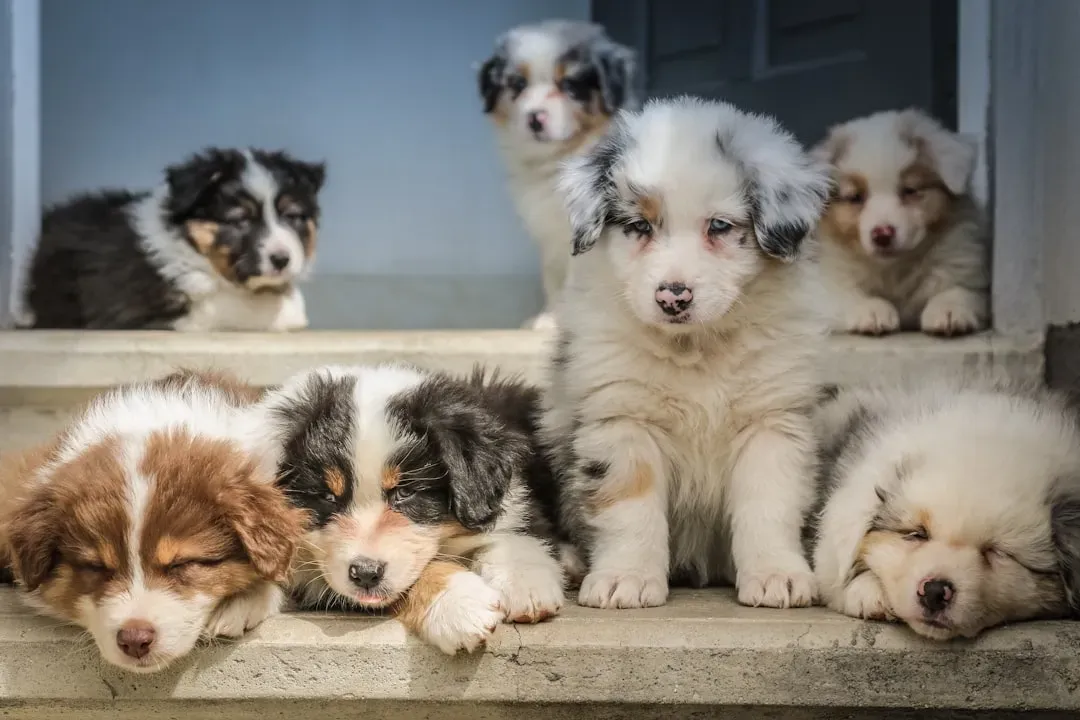
One of the most powerful things a puppy keeps from its litter is a basic “manual” for how to be a dog. From the moment their eyes open, puppies are watching, copying, and reacting to their mother and siblings – long before we humans start cooing over them. They learn what a tail wag means, how to read a stiff body, and how to respond when a sibling growls or freezes.
These early social cues become their default language. A puppy that grew up with a normal, playful litter often becomes a dog who understands other dogs better, simply because it has practiced that language from day one. On the flip side, puppies from chaotic or very small litters may miss some of those crucial “this is how we talk” moments and seem a little socially awkward later.
- Early litter life is the first “dog behavior school” they ever attend.
- They learn when to back off and when it’s safe to keep playing.
- These lessons shape how they approach strange dogs years later.
When you see a grown dog gently pausing before barreling into play, or freezing politely when another dog looks uncomfortable, you’re seeing the echo of those early litter lessons. They might adapt and refine that doggy language over time, but the foundation almost always begins in that pile of squeaky, wiggly puppies.
#2 Bite Inhibition and Play Rules
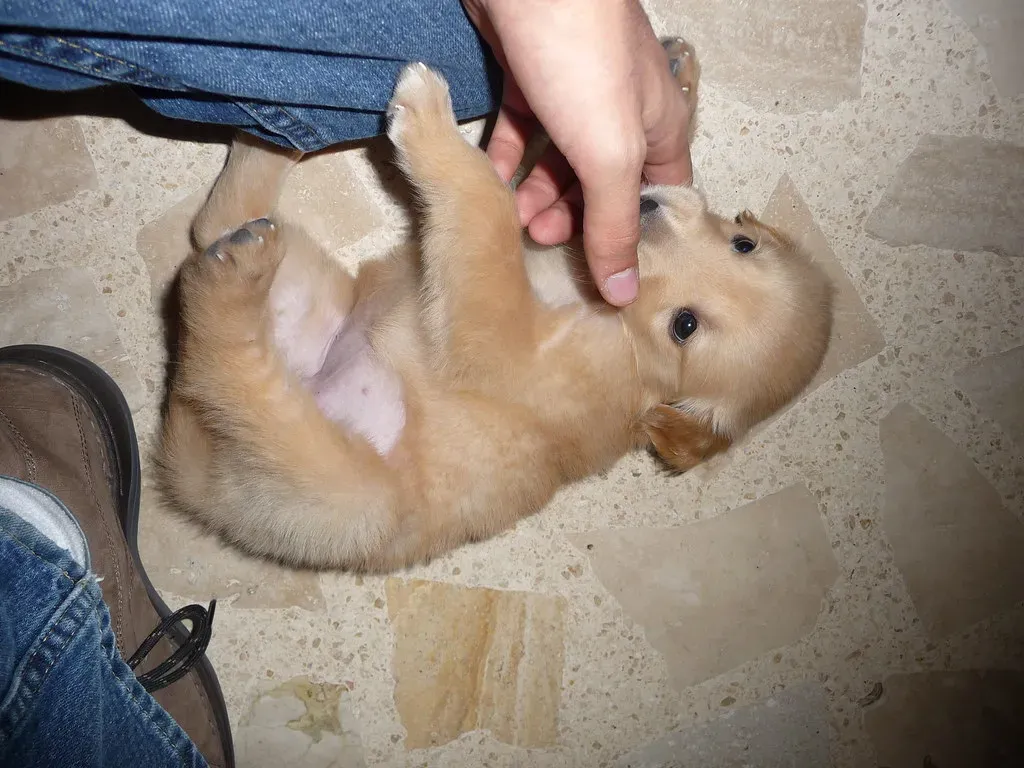
One of the most important skills puppies keep from the litter is bite control. Those little needle teeth are brutal, and littermates are not shy about screaming when one pup bites too hard. That yelp in the middle of play is nature’s built-in training system: it tells the biter, “Too much. Dial it down.”
Over hundreds of tiny interactions, a puppy learns how much pressure is acceptable in play – and that feedback sticks. Dogs who learn bite inhibition well are far less likely to bite hard later, even under stress. They might still snap, but they tend to “pull the punch,” because their brain and jaw have rehearsed gentler control since those early weeks.
- Littermates act as living, noisy pressure sensors.
- Play-fighting teaches self-control, not just fun.
- Bite inhibition is one of the strongest long-term gifts of a healthy litter.
When a pup is removed very early from its litter, or raised in isolation, that natural bite-feedback loop is much weaker. As an adult, that can show up as a dog who bites down too hard when taking treats, or doesn’t seem to “get” how much is too much in rough play. You can still train and improve it, but the most effortless bite control usually starts in the litter box, long before formal training ever begins.
#3 Comfort From the Warmth and Smell of Others
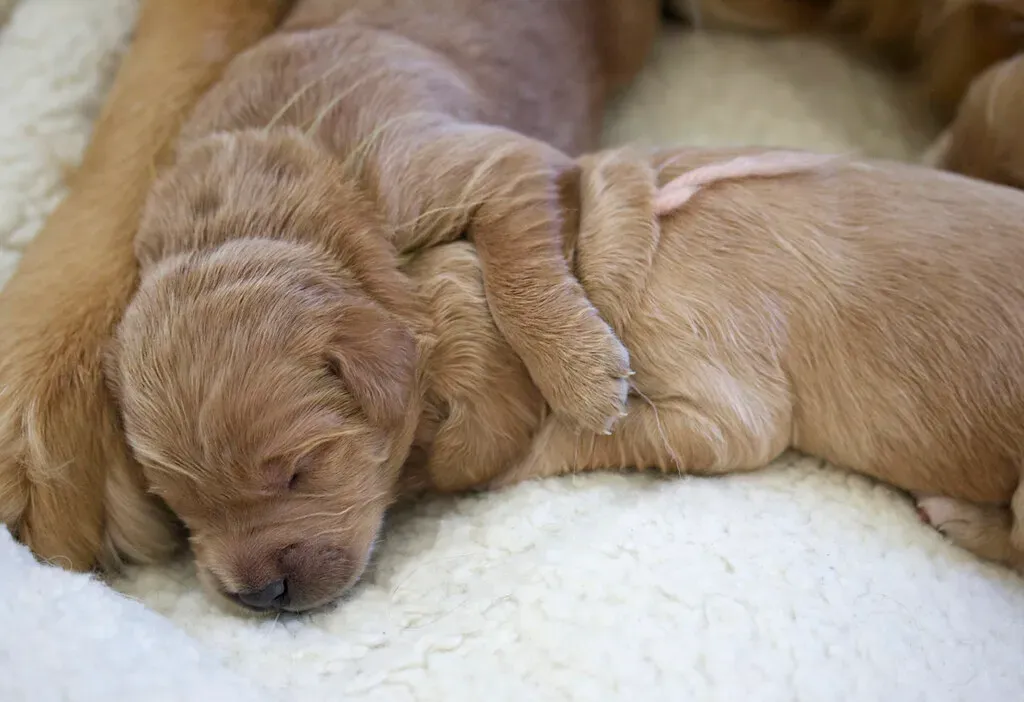
Before a puppy understands words, toys, or even solid food, it understands one thing: warmth plus smell equals safety. In a litter, everyone sleeps in a heap. They share body heat, heartbeats, and faint little puppy scents that blend into one “this is home” smell. That experience imprints deeply.
As adults, many dogs still seek something that feels like that pile of siblings. That might be your lap, another dog, the corner of the couch, or even a crumpled blanket they knead and burrow into. Dogs that grew up with a secure, cozy litter pile often show stronger preferences for sleeping curled up against something, rather than sprawled alone in the middle of a big, open bed.
I’ve seen dogs who never lived with another dog again after leaving their litter still insist on pressing their spine against a wall or their human’s legs at night. It’s not “neediness” in a negative sense; it’s the faint echo of that safe puppy pile, where being alone simply did not exist. In a quiet way, they carry that bodily memory of shared warmth all their lives.
#4 Social Confidence – or Lasting Shyness
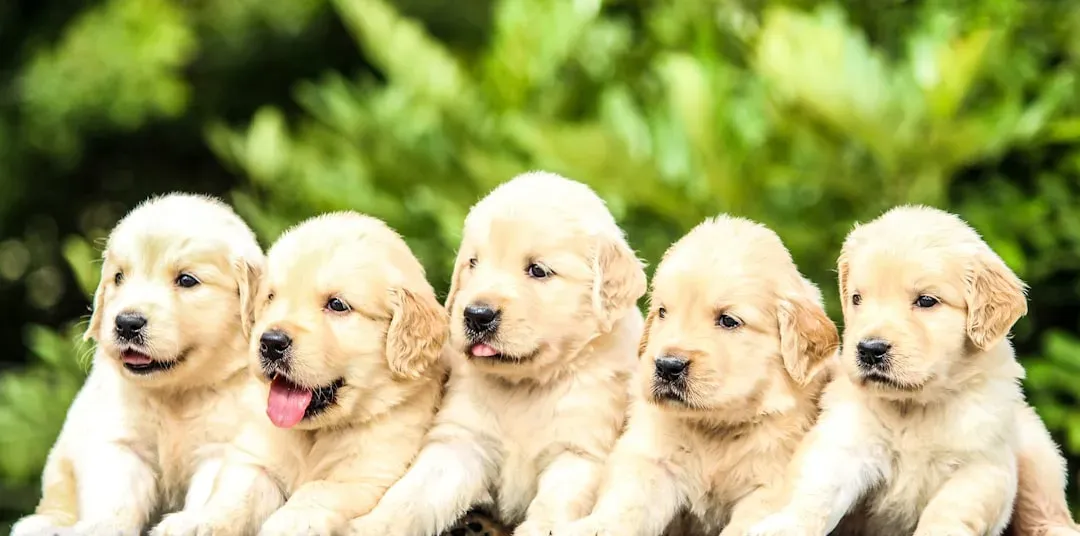
A litter is not a perfectly equal little democracy. There are pushy puppies, quiet ones, patient ones, and those eternally stuck at the edge of the bowl. Where a pup lands in that tiny social system can shape its long-term confidence. A puppy that regularly succeeds in getting a spot at the milk bar, or winning a toy, may grow up a bit bolder and more persistent.
On the other hand, a puppy who was frequently shoved out of the way might carry a subtle sense of “I’ll just hang back” into adult life. You can see it when treats are handed out or when new dogs appear: some stride right up, others hover and wait. While genetics and later life experience matter a lot, those first skirmishes over space and resources with littermates create an early script.
- Puppies test their courage in a relatively safe environment: the litter.
- Repeated wins or losses can tilt them toward confidence or caution.
- Attentive breeders sometimes step in to prevent one pup from dominating everything.
The good news is that social confidence is not frozen in stone. A naturally timid puppy from a big litter can blossom with thoughtful handling, gentle exposure, and patient humans. But that first feeling of “I belong in this group” or “I always get pushed aside” often has its roots in those early wrestling matches and feeding frenzies.
#5 First Associations With Humans
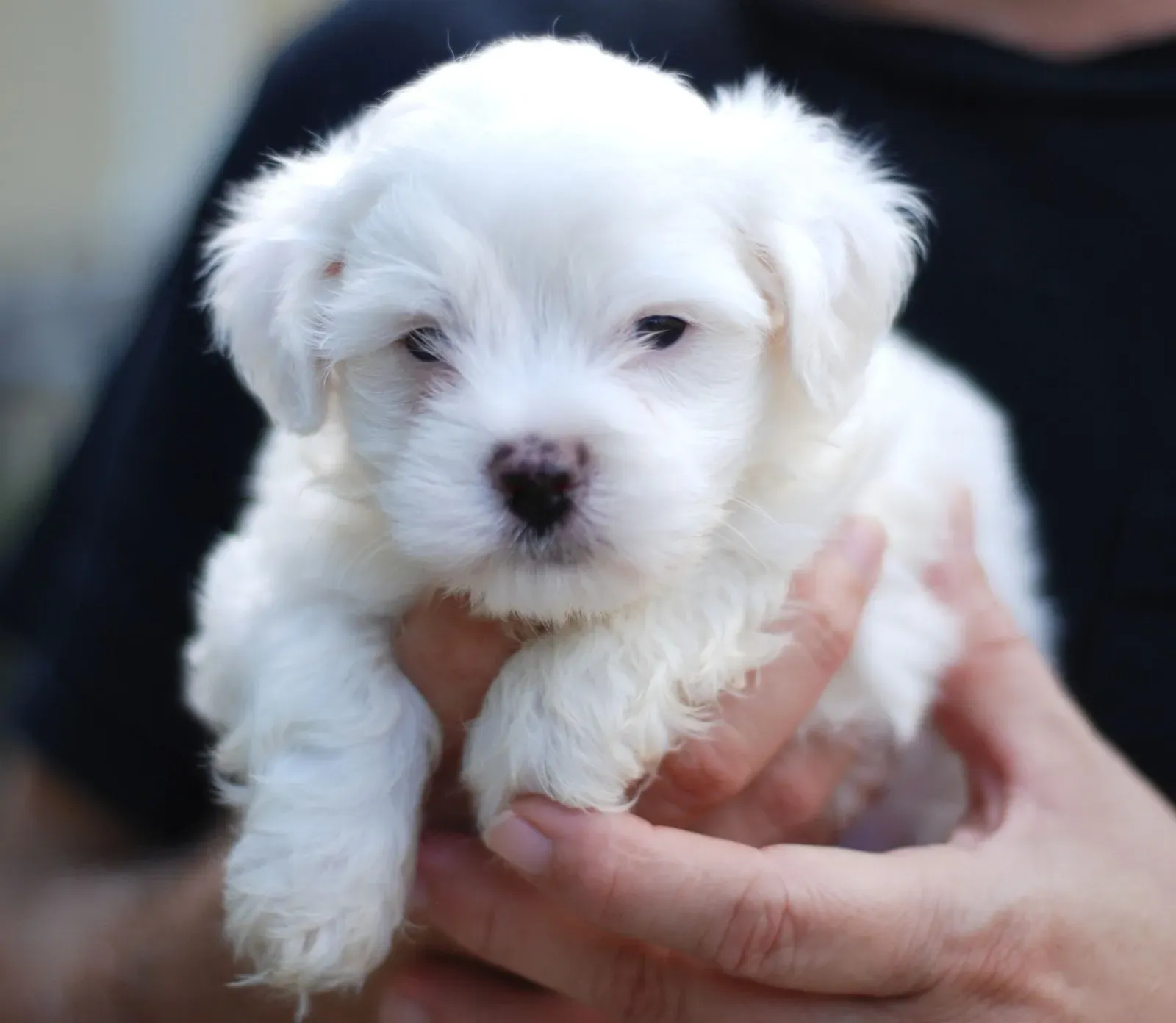
Even when we think of the litter as “just puppies together,” humans usually enter the picture early. The timing and quality of that first contact can leave a mark. Puppies who are gently handled by different people while still with their litter tend to grow up seeing humans as part of their normal world, not as something sudden and alarming that appeared later.
When good breeders or foster carers sit in the whelping area, touch, talk, and move around the puppies, the litter learns that human smells, voices, and movements are simply part of the fabric of life. That early normality sticks: later on, these dogs are often quicker to recover from surprises and more open to strangers entering their space.
By contrast, litters that barely meet humans until they’re older may produce dogs that are wary or easily startled. It is not about “spoiling” puppies; it is about letting them file humans under “safe and familiar” while their brains are still highly flexible. Even after they leave the group, each dog carries that early association into every vet visit, park trip, and family gathering.
#6 Eating Habits and Attitudes Around Food
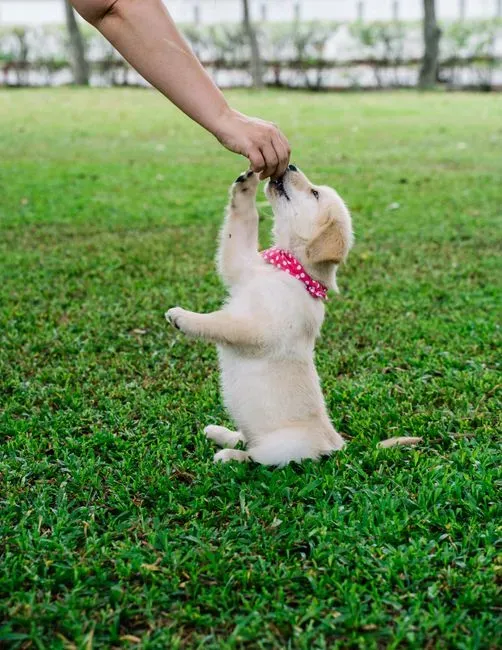
Watch a litter at mealtime and you’ll often see a mini Black Friday sale compressed into thirty seconds. Some puppies dive in, others hang back, some try to eat from everyone else’s spot. This organized chaos teaches powerful food lessons: hurry or lose out, guard your space, or politely wait and still get fed.
Dogs that had to compete hard in the litter sometimes grow into adults who inhale food, hover around other bowls, or guard their meals. They learned, very early, that food is a limited resource and that speed equals survival, even if the “survival” is just getting the bigger pile of kibble. Those instincts can linger long after the dog is living in a calm home with guaranteed meals.
- Early competition can create lifelong fast eaters.
- Calmer, well-managed feeding in the litter can reduce resource guarding later.
- Separate bowls and supervised meals help balance the experience.
On the other hand, puppies from litters where food was plentiful, well spaced, and supervised may develop a more relaxed attitude. They might still love their dinner (most dogs do), but you’re less likely to see frantic gulping or stiffening when another dog walks by. It is fascinating how something as simple as a shuffled food bowl in a noisy puppy pen can ripple through behavior years later.
#7 Play Style and Preferred Kind of Fun
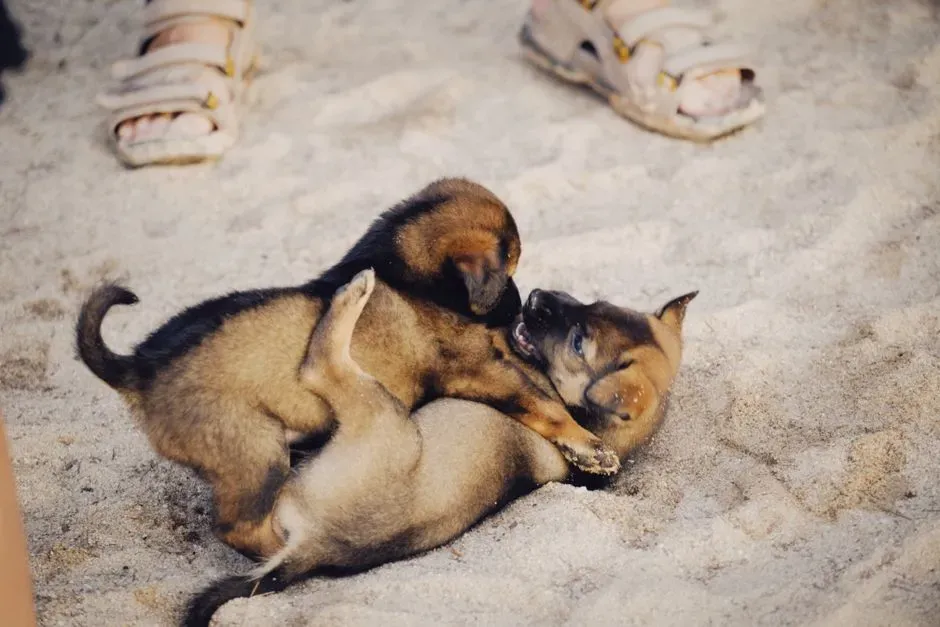
Every litter has “the wrestler,” “the chaser,” “the toy thief,” and “the referee.” Over weeks of bouncing around together, puppies settle into preferred ways of playing. Some focus on body contact and wrestling, some love chasing and running, others obsess over carrying and stealing objects. Those patterns rarely vanish; they usually just mature.
If a puppy grows up in a litter where wrestling is the main game, it may become an adult dog who assumes that barreling into other dogs is always invited. A dog from a more chase-oriented litter might prefer running circles, herding, or fetch. Even the way they bow, pounce, and “invite” play is shaped by what worked with siblings in those early trial runs.
That’s why you’ll sometimes see adult dogs click instantly with certain playmates and clash with others. Under the surface, they share or mismatch play styles that trace right back to those weeks tumbling over brothers and sisters. The litter was essentially their first playground, and what was fun there often stays fun forever.
#8 Tolerance for Frustration and Sharing
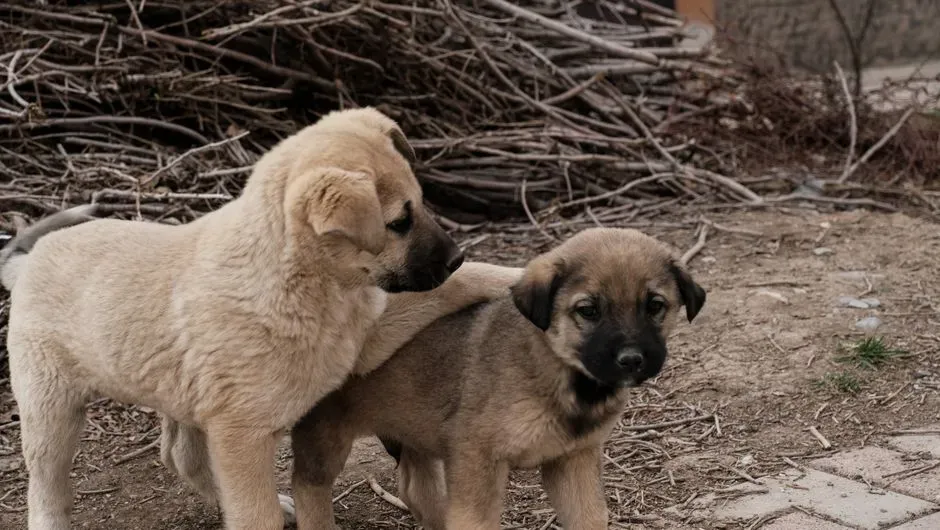
Life in a litter means constant tiny frustrations: not getting the best teat, losing the favorite toy, getting pinned in a wrestle, being stepped on by someone heavier. Those daily annoyances act like low-level training for emotional resilience. Puppies learn that things do not always go their way – and that they can survive it.
Over time, some puppies build a healthy tolerance for waiting, losing, or sharing. Others, especially those allowed to bulldoze their siblings without boundaries, may grow into dogs who throw emotional “tantrums” when they cannot have what they want. That might look like barking, pawing, grabbing, or even snapping when asked to wait their turn.
- A balanced litter offers both wins and losses for each puppy.
- Repeated early frustration, followed by recovery, builds resilience.
- Lack of boundaries in the litter can translate into poor impulse control later.
When you see an adult dog who can calmly wait for the ball to be thrown, share space at the water bowl, or accept that another dog got the treat first, you are often looking at a dog that was gently but consistently exposed to small frustrations in puppyhood – and learned that disappointment is not the end of the world.
#9 Sensitivity to Sound, Touch, and the World Around
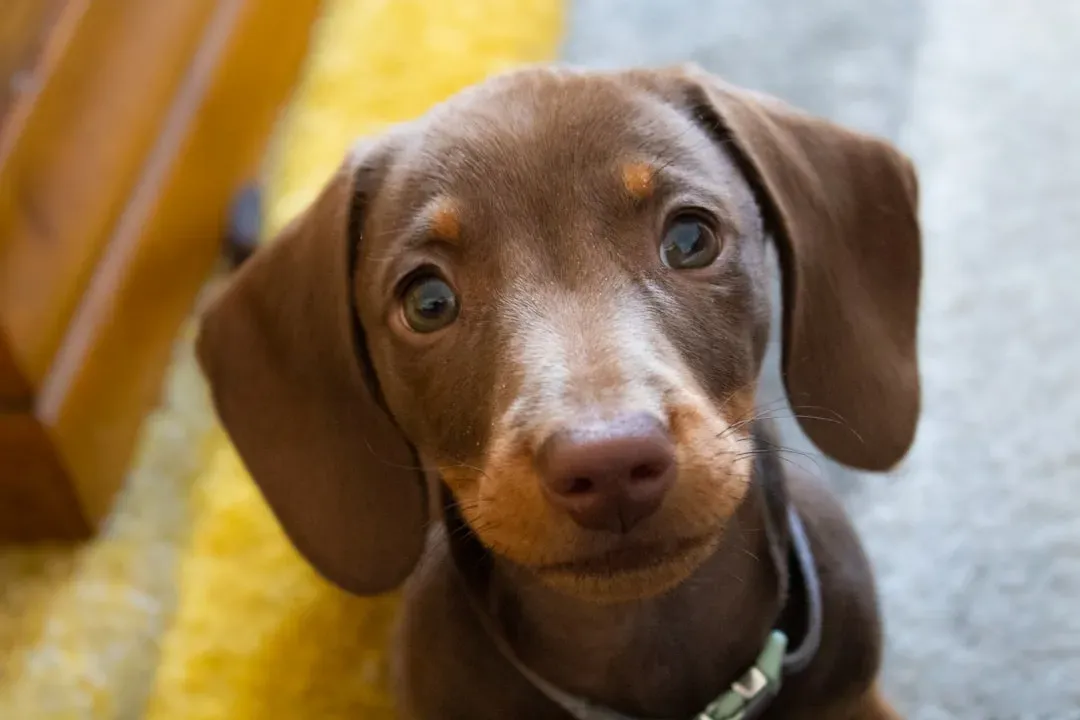
The world does not start for a puppy the day it goes home; it starts in the whelping area. The sounds it hears there – vacuum cleaners, laughter, doors, barking, traffic – can either gently introduce variety or overwhelm a fragile nervous system. That early sensory environment, shared with the litter, sets basic sensitivity levels.
Litters raised with moderate, positive exposure to normal household noise tend to produce dogs who are less reactive to the sounds of everyday life. Growing up hearing clattering dishes, music, and human chatter while snuggled up with siblings makes those sounds part of the “background of safety,” not threats. The puppy experiences novelty while buffered by its little pack.
By contrast, a litter kept in a silent, isolated space may create dogs who find the everyday world startling. The first time a vacuum roars or a pan drops, they are encountering a completely unfamiliar sensation without the comfort of that sibling pile. They can still adapt, but the starting point is different. The litter, in other words, is not just a social group; it is a shield that filters the world and defines what feels normal.
#10 Subtle Body Language Habits
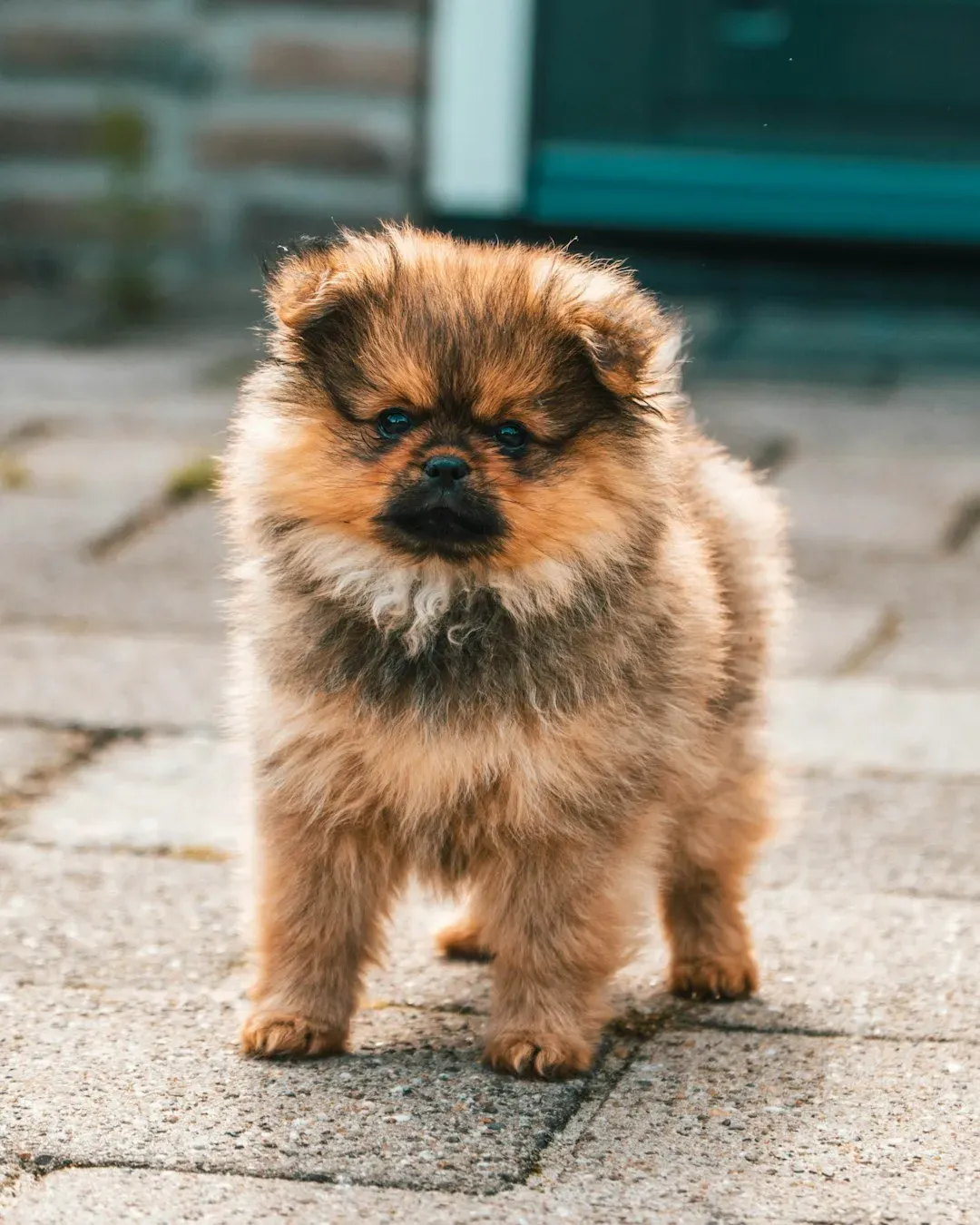
Spend ten minutes watching a litter and you’ll notice dozens of tiny gestures: head tilts, paw lifts, quick lip licks, little tail flicks. Puppies constantly test these signals on each other. Over and over, they learn: that move ends the fight, that one invites a chase, that stare means trouble, that bounce means playtime.
Those micro-habits of body language become almost unconscious in adulthood. A dog might always default to a certain style of play bow, or routinely lick its lips around tense dogs because it once worked to calm a rough sibling. Another dog might freeze and whale-eye when it feels crowded, because that stance once made a pushy brother back off.
- Littermates provide instant feedback on every gesture.
- Puppies keep the “gestures that work” and drop the rest.
- Adult communication patterns often mirror those successful puppy strategies.
This is one reason some dogs read other dogs beautifully, while others seem to constantly misfire. It is not only temperament; it is also the “vocabulary” that the litter rewarded or ignored. Once ingrained, those patterns shape how a dog navigates every dog park, walk, and social encounter for the rest of its life.
#11 Attachment Style and How They Bond Later
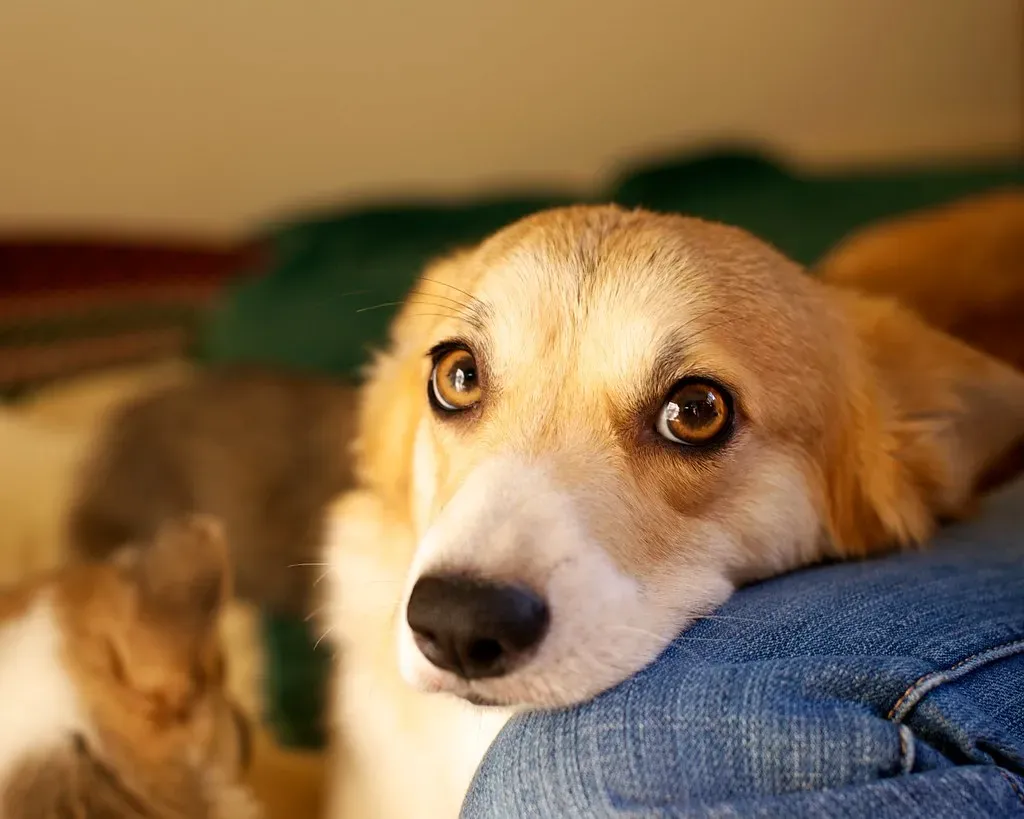
Even in a small litter with the same parents and the same environment, puppies don’t all bond to their mother and siblings in the exact same way. Some are almost glued to their dam, others are more independent explorers. Some sleep wedged in the very middle of the pile, others drift to the edge. Those early patterns of closeness and independence often echo in how they later bond with humans.
A puppy that balanced time between the safety of the group and solo adventures might grow into a dog that is affectionate but not clingy, happy both alone and with company. Another puppy who was constantly dependent on the group may become a more velcro-style dog, anxious when left alone and deeply attached to “their person.” Genetics, handling, and later training all matter – but the original template usually comes from those first relationships in the litter.
I’ve personally lived with one dog who could not settle unless he was physically touching someone and another who was content to nap in another room as long as he knew where everyone was. Both came from litters; both carried their early social styles into our home. Once you know to look for it, you can almost see the ghost of the puppy pile in the way an adult dog chooses where to lie, whom to follow, and how close to stay.
Conclusion: The Litter Never Really Leaves the Dog
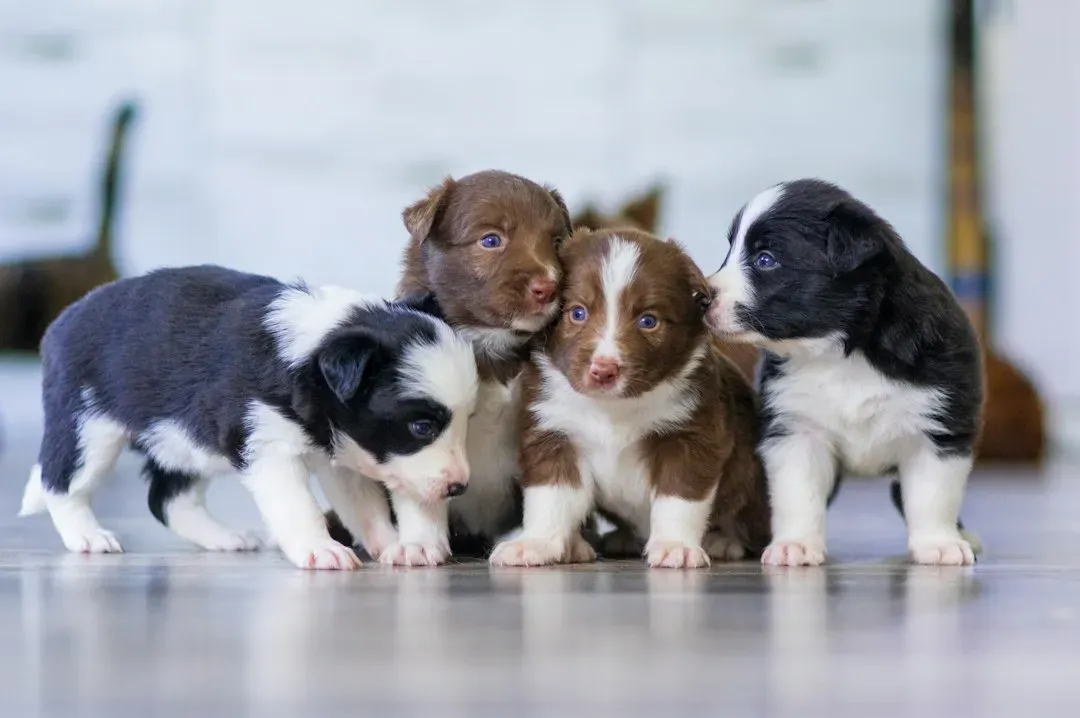
When we bring home a puppy, it’s tempting to see it as a blank slate waiting to be shaped by our love, training, and routines. The reality is more nuanced and, to me, more beautiful: every puppy arrives carrying an invisible backpack packed with experiences from its litter. In that bag are bite lessons, play styles, food attitudes, confidence levels, sensory impressions, and early ideas about what safety feels like.
Some of what the litter gives is pure gold: better bite control, rich dog language, resilience in the face of little frustrations. Some of it can be a bit messy: food guarding, shyness, or pushiness formed in those first jostling weeks. Our role, once that puppy steps through our door, is not to erase the past but to understand it – to build on the strengths the litter gave and gently smooth over the rough edges.
Personally, I find it oddly comforting to know that when my dog curls up at my feet or greets another dog with a playful bow, I’m seeing tiny echoes of siblings she hasn’t seen in years. The litter may scatter, but its fingerprints remain. The question is not whether a dog keeps something from that early pack life – it’s which pieces you can spot in the animal snoring on your couch right now. If you look closely, what little traces of the puppy pile do you see in your dog today?