
Why Some Dogs Never Settle in a New House for Months
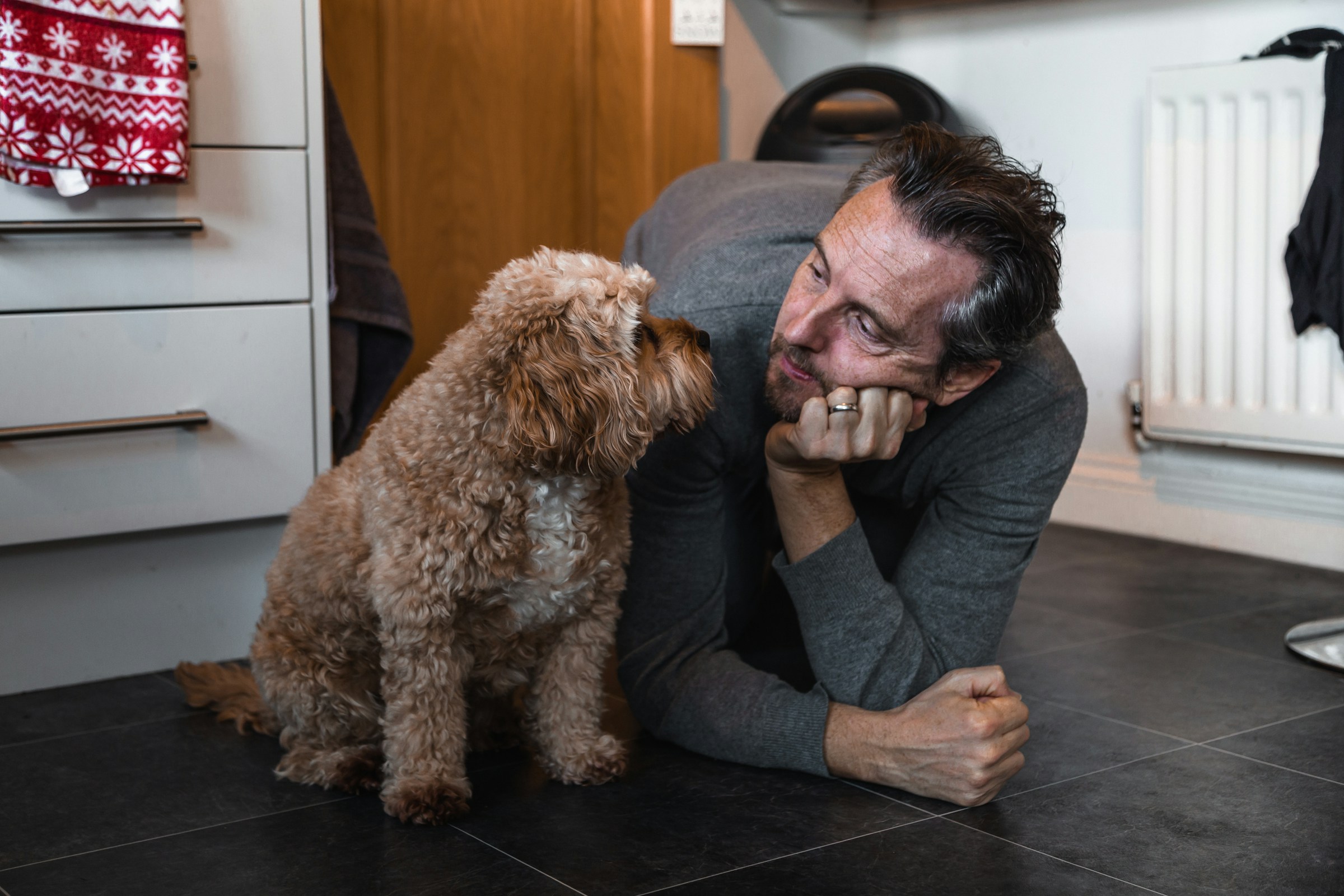
#1 The Hidden Shock: How Dogs Experience a Move

Imagine waking up and finding your bed, your smells, and your usual noises all gone, replaced by unfamiliar walls, strange echoes, and new street sounds seeping through the windows. For a dog, that is not just inconvenient; it can feel like waking up on another planet. Dogs rely heavily on scent, sound patterns, and routines to feel safe, so a move rips up all three at once.
Many owners underestimate how intense this is. We understand we have simply changed address; dogs do not. Their “home base” has vanished, and they have no idea if this new place is temporary, dangerous, or permanent. For some sensitive dogs, that sense of disorientation does not fade after a couple of days; it can hang around for weeks or even several months.
In my own life, I once moved a generally confident dog from a quiet suburb to a busy urban apartment. I assumed she would bounce back within a week. Instead, she spent months startling at hallway sounds and staring at the door as if she was waiting to be taken “home.” Only when I really acknowledged just how big the shock was for her did things begin to change.
—#2 Attachment and Loss: Your Dog Is Grieving the Old Home
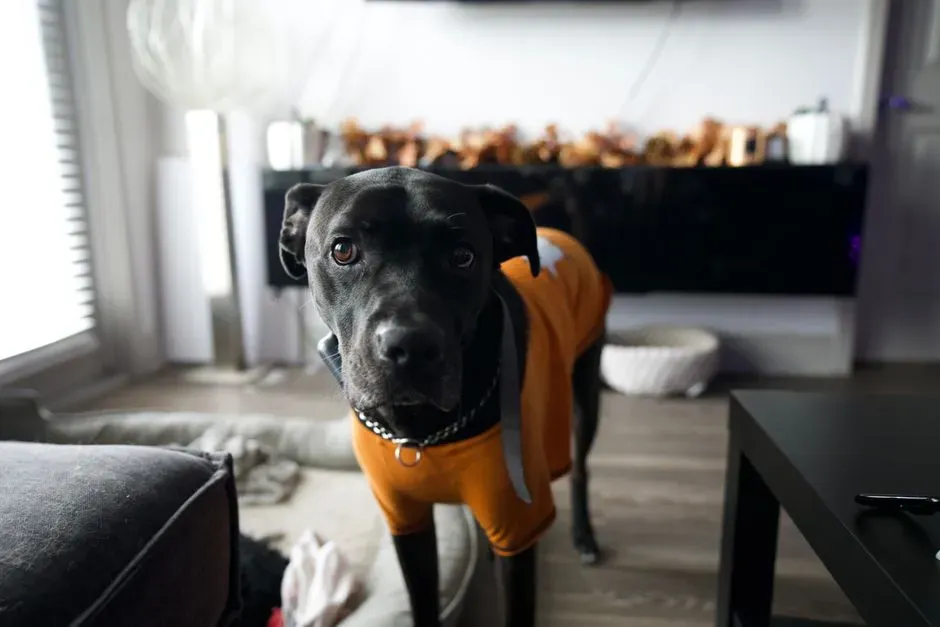
It might sound dramatic, but many dogs are, in a very real sense, grieving after a move. They have lost the yard they patrolled, the familiar smells in the carpets, the favorite sun spot near the old window, and even the predictable paths of neighborhood walks. For a dog that forms strong attachments to places, it feels like losing a friend.
Grief in dogs does not look like human crying; it often shows up as restlessness, pacing, increased clinginess, or the opposite: withdrawal and less interest in play. A dog might repeatedly return to the door, scan windows, or seem to “search” during walks, as if hoping the old environment will magically reappear. This can absolutely drag on for months, especially if the old routine was stable for years.
Helpful ways to think about this period include:
- Your dog is not being stubborn; they are working through a kind of emotional loss.
- Time alone does not always fix it; they need new, positive associations in the new home.
- Rushing them or getting frustrated can actually deepen the sense of insecurity.
Seeing your dog’s behavior as grief rather than “bad behavior” often shifts how patient and consistent you are with support, which is exactly what they need.
—#3 Stress Hormones and the “Why Won’t He Calm Down?” Mystery

When a dog goes through a big environmental change, their stress system kicks in just like ours does. Hormones such as adrenaline and cortisol rise to help them stay vigilant and ready to respond. That’s useful in the short term, but when those levels stay elevated for weeks, you start to see a dog that cannot relax even when the house is completely quiet.
Some dogs are naturally more anxious, and in them, the stress response is like a thermostat that gets stuck too high. Instead of gradually resetting as they realize nothing bad is happening in the new house, their body stays on alert. You see this in constant pacing, panting, difficulty sleeping, and being easily startled by minor sounds, even months after the move.
Key signs your dog’s nervous system is still in overdrive include:
- Trouble settling for naps during the day, especially in new rooms.
- Sudden barking at small noises that never bothered them before.
- Digestive changes like loose stools when nothing else has changed.
The important thing to understand is that this is not about “willpower” or training alone. Physiological stress can keep behavior stuck until you actively help your dog feel safe enough for those hormones to finally drift back down.
—#4 Personality Matters: Why Some Dogs Struggle More Than Others
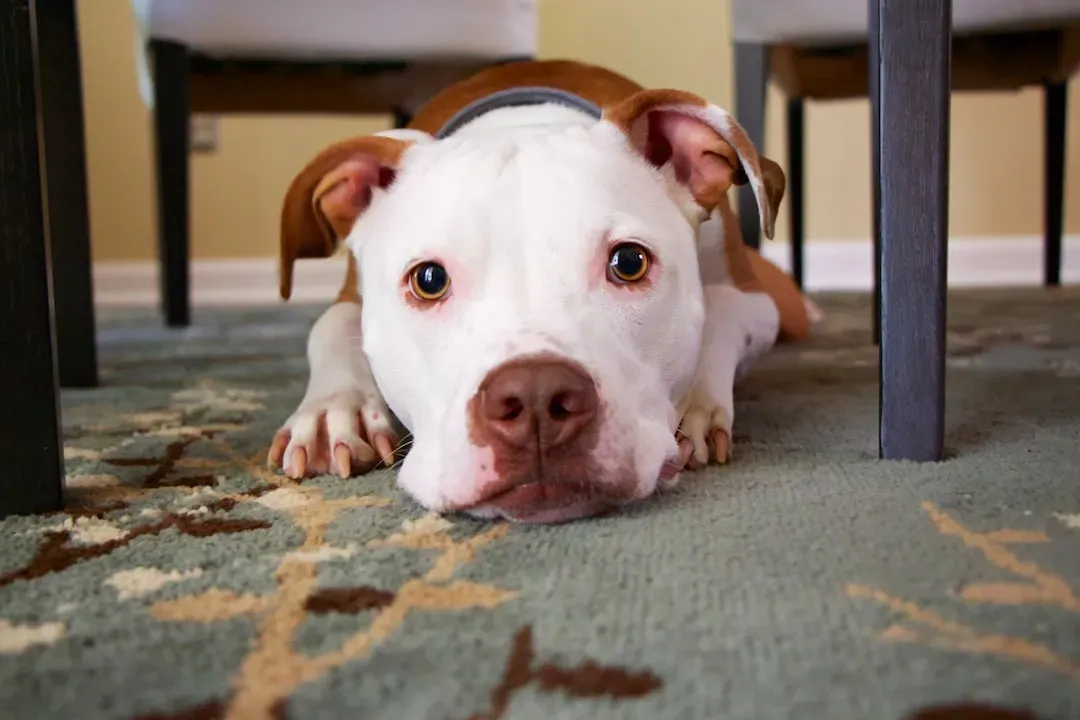
Not all dogs react the same way to a move, and that is not a reflection of your skills as an owner. Just as some people love new cities and others find any change exhausting, dogs sit on a spectrum from adventurous to deeply cautious. Genetics, early socialization, and past experiences all shape where your dog falls on that spectrum.
Dogs who are naturally timid, highly sensitive to sound, or prone to anxiety are more likely to stay unsettled for months. Dogs from unstable backgrounds, such as multiple rehomings or chaotic early life situations, may also carry extra emotional “baggage” that makes a move feel especially threatening. Breeds that tend to be more vigilant or “guardy” can also take longer to relax in a new territory.
Some personality and history factors that predict longer adjustment include:
- A history of fear-based behavior, such as noise phobias or strong reaction to strangers.
- Limited exposure to varied environments during puppyhood.
- Previous moves, rehoming, or time spent in shelters or kennels.
Once you see your dog’s response as part of who they are, rather than something they are doing to annoy you, it becomes easier to tailor your expectations and approach. You would not ask a shy friend to mingle like a social butterfly at a party; the same compassion should be extended to your dog.
—#5 The New Environment Itself Can Be Overwhelming
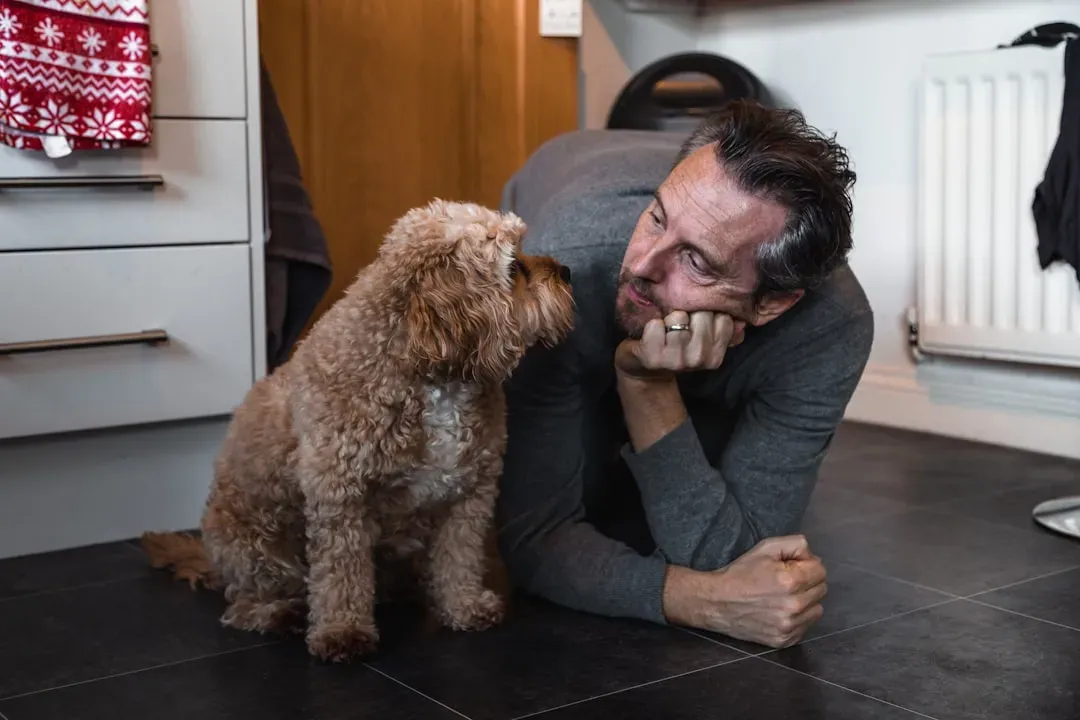
Sometimes it is not the fact of moving, but the specific place you moved to that keeps a dog on edge. A quiet countryside home swapped for a city apartment means new sounds: traffic, sirens, elevators, neighbors moving overhead, kids shouting in the hallway. A dog that grew up in calm surroundings may interpret all those extra noises as potential threats.
Even seemingly small differences matter. Hard floors can make footsteps echo in a way that feels strange. Different smells from neighboring pets, nearby restaurants, or communal laundry areas can bombard a scent-sensitive animal. A garden replaced with a balcony means less direct access to grass and soil, which for some dogs is a major comfort zone.
Ask yourself:
- Is the new house louder, brighter, or busier than the old one?
- Are there more dogs, people, or wildlife visible from windows and the yard?
- Have your walking routes changed dramatically, from quiet loops to crowded sidewalks?
When the environment is very different, your dog is not just adjusting to the house; they are adjusting to an entire new sensory world. Expecting that to smooth out in a week or two is like expecting yourself to instantly feel at home after moving from a peaceful village to the middle of a crowded market.
—#6 Routine Disruption: When Daily Life Stops Feeling Predictable

Dogs love predictability. They might not read a calendar, but they absolutely log patterns: when breakfast happens, when you leave for work, when walks and play sessions usually occur. A move often blows that schedule apart. Maybe you are unpacking late, commuting at a different time, or working longer hours while you settle in, and from your dog’s perspective, nothing happens when it “should” anymore.
This lack of routine can create a low-level anxiety that just does not let up. Without consistent signals about what comes next, many dogs stay mentally “on duty,” watching you, following you from room to room, and reacting more strongly to every rustle or movement. This constant vigilance is exhausting for them and frustrating for you.
To a dog, a reliable routine is like a safety net. When walk, meal, and rest times are all over the place for weeks or months, that safety net disappears. Rebuilding a routine in the new home is one of the most powerful tools you have to help your dog’s nervous system stand down, even more powerful than any fancy training trick.
—#7 Old Fears in a New Place: Anxiety, Trauma, and Past Experiences
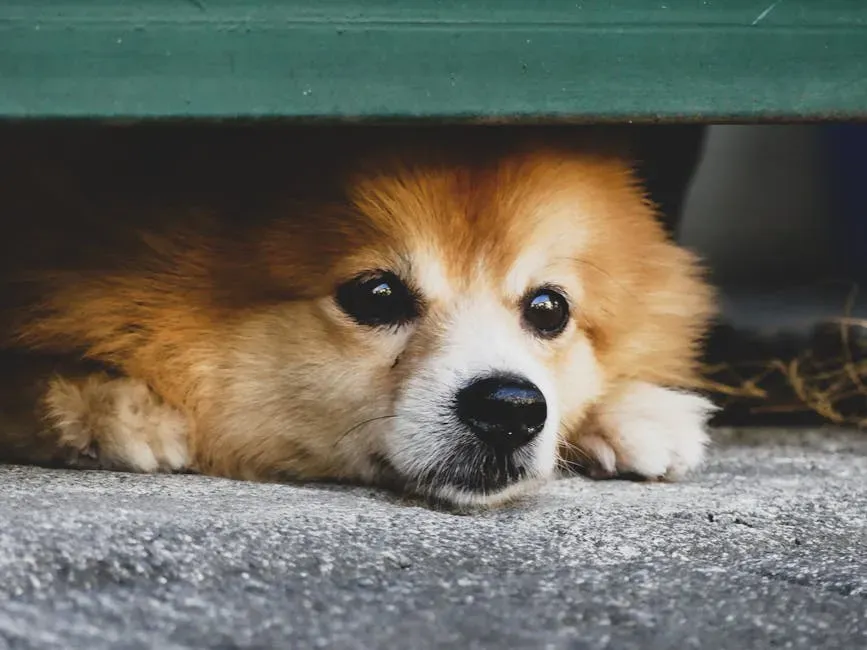
For some dogs, a move acts like a trigger that wakes up older fears they were just barely managing before. A dog that once had separation anxiety at a mild level might suddenly show it full force after relocating. Another dog that struggled with noise sensitivity may find apartment doors slamming or neighbors thumping around absolutely terrifying.
If your dog lived through anything scary in the past – loud domestic arguments, construction noise, storms, time in a shelter – those memories can color how they interpret new experiences. A different house that smells, sounds, or even feels slightly similar to a place where bad things happened can make them suspicious of every corner, even when nothing bad is actually happening now.
Signs that past fears are being stirred up include:
- Regression in behavior, such as house soiling after years of reliability.
- Clinginess that borders on panic when you leave a room.
- Overreactions to specific sounds or objects that seem “random” to you.
In those cases, your dog is not just adjusting to a new house; they are also wrestling with an emotional history. Expecting them to settle smoothly without extra support is like asking someone with a fear of flying to relax on a turbulent flight simply because “the plane is safe.” The logic does not match the emotional reality.
—#8 Health Issues That Make Adjustment Harder

Sometimes the reason a dog never really settles in a new home is not purely emotional; there can be a physical layer too. Pain from arthritis, dental issues, ear infections, or other chronic problems can make any change feel harder to cope with. A dog that cannot comfortably lie down on new flooring or climb different stairs may associate the new environment with discomfort.
Age is another big factor. Senior dogs are often more set in their ways and can be more distressed by changes in layout. Vision or hearing loss may make a new space feel like a maze of surprises. If your older dog seems lost, hesitant in doorways, or easily startled in the new house, physical decline could be amplifying emotional stress.
Whenever a dog’s unsettled behavior stretches for months, it is worth asking a veterinarian to check for underlying medical issues. Things like thyroid problems, chronic pain, or digestive discomfort can all affect mood and resilience. It is unfair to ask a dog to relax in a new environment when their body is constantly whispering that something hurts.
—#9 Reading the Signs: Behaviors That Mean Your Dog Isn’t Settled Yet
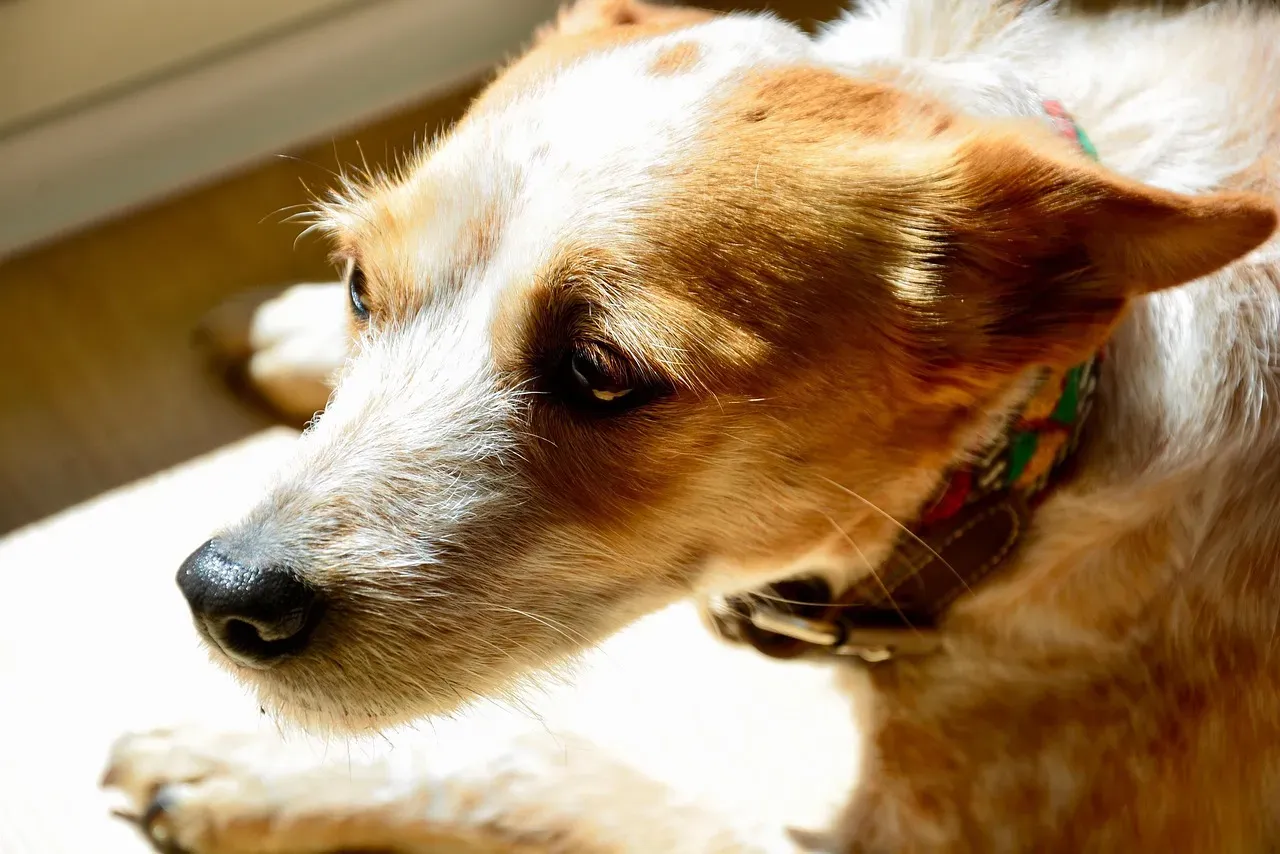
It can be surprisingly easy to miss the quieter signs that a dog is still struggling. Not every dog whines, barks, or chews furniture. Some simply look a little “off,” and months slip by while you hope they will “grow out of it.” Learning to read the more subtle signals can help you intervene sooner and more effectively.
Common signs your dog has not yet accepted the new home include:
- Restless pacing or frequent changing of sleeping spots throughout the night.
- Reluctance to explore some rooms, hallways, or the yard, even after weeks.
- Startling at household noises that are now part of daily life.
- Clinging behavior, refusing to rest in another room when you move around.
Sometimes you will also notice changes in appetite, playfulness, or interest in toys. A dog that used to zoom around happily after dinner might now just lie and stare, even though nothing “bad” is happening. Taking these signs seriously does not mean panicking; it means you recognize that your dog’s emotional state still needs attention, even months after moving in.
—#10 Building Safety: Practical Ways to Help Your Dog Feel at Home

The good news is that there is a lot you can do to actively help your dog settle instead of just waiting for time to pass. One of the simplest strategies is to create a “core safe zone” in the new house – usually a quiet room or corner with their familiar bed, blankets, and a couple of favorite toys. This should be a place where nothing scary happens and where they can retreat without being disturbed.
Keeping some things consistent from the old house can also make a big difference. Use the same bed if possible, keep food and water bowls similar, and bring over old blankets or rugs that still smell like the past home. While you want them to bond with the new environment, having those scent anchors can make the transition smoother and less jarring.
Some helpful, concrete actions include:
- Maintaining regular mealtimes and walk times, even if your own schedule is hectic.
- Starting with shorter, calmer walks near the house and slowly expanding the radius.
- Playing low-arousal games like gentle scent work rather than only high-energy fetch.
Think of the process like slowly turning up the “trust” dial. Your goal is to give your dog repeated, predictable experiences of nothing bad happening in this new place. Over time, those experiences add up until their body finally believes that the danger has passed.
—#11 Training Routines That Speed Up Emotional Recovery
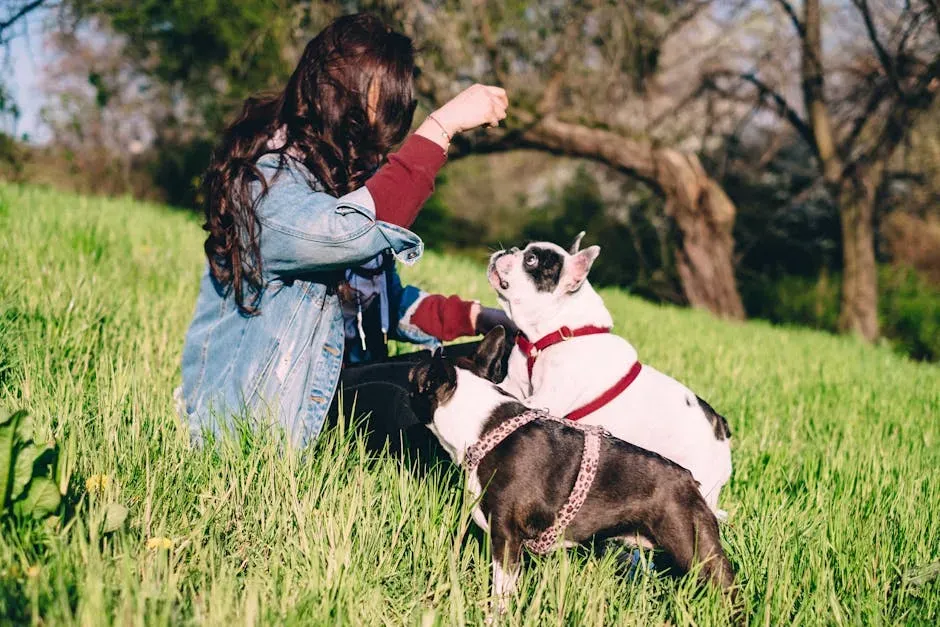
Simple, positive training can be a powerful tool for helping dogs adapt to a new home. Familiar cues like sit, down, stay, and touch provide structure and mental engagement, reminding your dog that some things have stayed the same. Short training sessions sprinkled throughout the day can give them a sense of purpose and predictability.
Rewarding calm behavior is especially valuable. Instead of only interacting when your dog is restless or needy, quietly drop a treat near them when they choose to lie down or settle on their bed. Over time, you are teaching them that being relaxed in this new house pays off. It sounds small, but that consistent association can reshape how the environment feels.
Useful training-focused habits include:
- Practicing basic cues in each room so the whole house becomes a “known” space.
- Using gentle enrichment like food puzzles to build positive time alone in safe areas.
- Keeping sessions short and upbeat so training feels like a trusted ritual, not extra pressure.
I have found that when owners treat training as a shared language rather than a rigid set of rules, anxious dogs visibly soften. In a new environment that feels unpredictable, that little bit of shared language can be incredibly grounding.
—#12 When to Call in Professional Help (And What That Really Means)
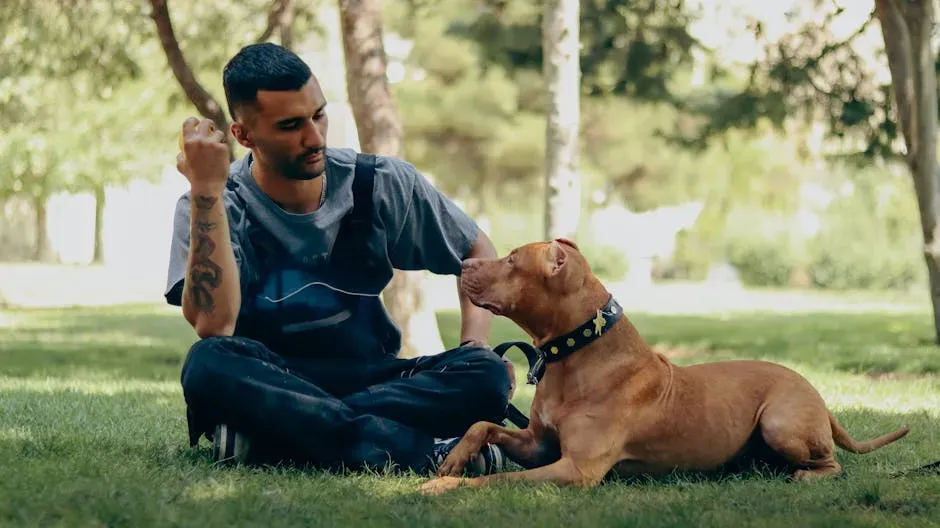
There is a point where “normal adjustment” tips into something that really needs expert eyes. If your dog is still extremely unsettled after several months, especially if they are showing signs like destructive panic when left alone, intense reactivity, or self-harm behaviors, it is time to involve professionals. That does not mean you have failed; it means you are taking your dog’s mental health seriously.
A good starting point is always your veterinarian, both to rule out medical issues and to discuss behavioral options. From there, a qualified dog behaviorist or experienced, force-free trainer can help you put together a plan tailored to your dog and your home. In some cases, behavior medication, used carefully and under veterinary guidance, can lower the volume of anxiety enough for training and environmental changes to work.
Getting professional support can offer:
- Objective assessment of whether your dog’s behavior is within a normal adjustment range.
- Specific step-by-step exercises that build confidence in your actual living space.
- Reassurance that you are not alone or “overreacting” by wanting things to improve.
Seeing your dog stuck for months is emotionally draining. Having someone walk alongside you, interpret the behavior, and give concrete next steps often brings as much relief to the human as it does to the dog.
—#13 Patience, Perspective, and an Honest Look at Your Expectations

Here is the opinion that might sting a little: many of us underestimate how long it truly takes some dogs to feel safe in a new home, and we rush them emotionally because we are ready to move on. We put our energy into painting walls and arranging furniture, then expect our dog’s nervous system to magically redecorate itself at the same speed. That is not realistic, especially for sensitive or complicated dogs.
In my view, living with a dog that takes months to settle is a test of whether we really mean it when we say they are “family.” Family members do not have to bounce back on our schedule. They are allowed to struggle, regress, and need more from us than is convenient. When we accept that, we stop asking “Why is he still like this?” and start asking “What can I do today to make this feel safer for him?”
The truth is, some dogs may always carry a little extra wariness after a big move. That does not mean you have failed or that your house will never feel like home to them. It means their journey to feeling secure is longer and more winding than you expected. If you stay patient, keep routines steady, and seek help when needed, most dogs do gradually claim their new space, even if it takes far longer than anyone hoped.
In the end, the question is not just why some dogs never seem to , but what kind of partner you are willing to be while they try. Are you ready to match their slow, sometimes messy process with calm, consistent care – or were you secretly expecting a quick, tidy transition?