
12 Things a Kennel Sees in a Dog’s First Ten Minutes Through the Door

Most owners assume the first ten minutes at a kennel are just paperwork and a quick “bye buddy.” In reality, those ten minutes are when staff quietly decide if your dog is a dream guest or a walking liability.
In that tiny window, trained eyes catch details most people never notice – stress signals, hidden pain, social red flags, and sometimes proof that the intake form you filled out wasn’t entirely honest. It’s less “cute check-in” and more rapid-fire behavioral and medical triage, and by the time you’re back in your car, your dog has already been sorted, labeled, and planned for. Here’s what kennel pros are really seeing in those first ten minutes.
#12 – Overall Stress Level Before You Even Let Go of the Leash
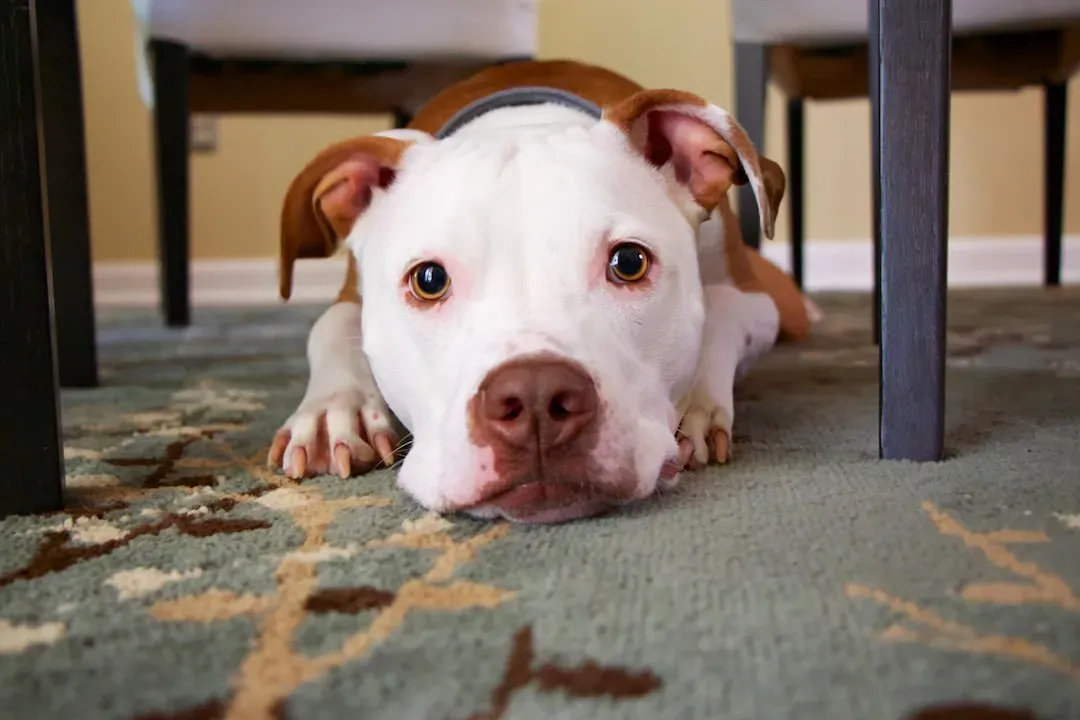
The first thing a good kennel reads isn’t your dog’s wagging tail – it’s their overall stress load. Staff start watching the second your dog hops out of the car and steps into the lobby, tracking classic “calming signals”: yawning, lip licking, excessive sniffing, and that stiff, fake wag that barely moves past the base of the tail.
A dog can look “happy” to an owner but be loudly screaming stress in body language to a professional. Over-excitement can actually be just as concerning as shaking or hiding, because adrenaline often curdles into reactivity once the owner disappears.
- How quickly the dog scans the room
- Whether the dog can pause and respond to their name
- If the dog startles at doors, voices, or barking
If your dog is too panicked to take a high-value treat, that’s an instant data point: stress over threshold. Kennel teams know dogs who arrive this “wired” often crash hard later, or blow up the moment they’re dropped into group play.
#11 – Your Dog’s Relationship With You (And What That Predicts)

Most owners think the kennel is evaluating the dog alone. In reality, staff are quietly assessing the relationship between you and your dog – and it’s brutally predictive.
Does the dog look back at you for information? Will they sit, wait, or pause when asked, even in a new environment? Dogs with even basic training usually show a quick check-in glance or a half-second of impulse control.
If a dog completely ignores its owner in a mildly stressful lobby, that often means zero practiced coping skills. Those dogs tend to spiral fast once their security blanket walks out the door.
- Leash handling: calm and consistent, or yanking and apologizing?
- Owner nerves: anxious humans transmit anxious energy straight down the leash
- Attachment style: clingy, avoidant, or comfortably connected?
Staff mentally tag “well-trained, solid bond” dogs as lower-risk, and “no boundaries, no engagement” dogs as potential management problems. Some owners find that judgmental. The correlation is still painfully real.
#10 – Hidden Health Problems You Didn’t Mention (Or Didn’t Notice)
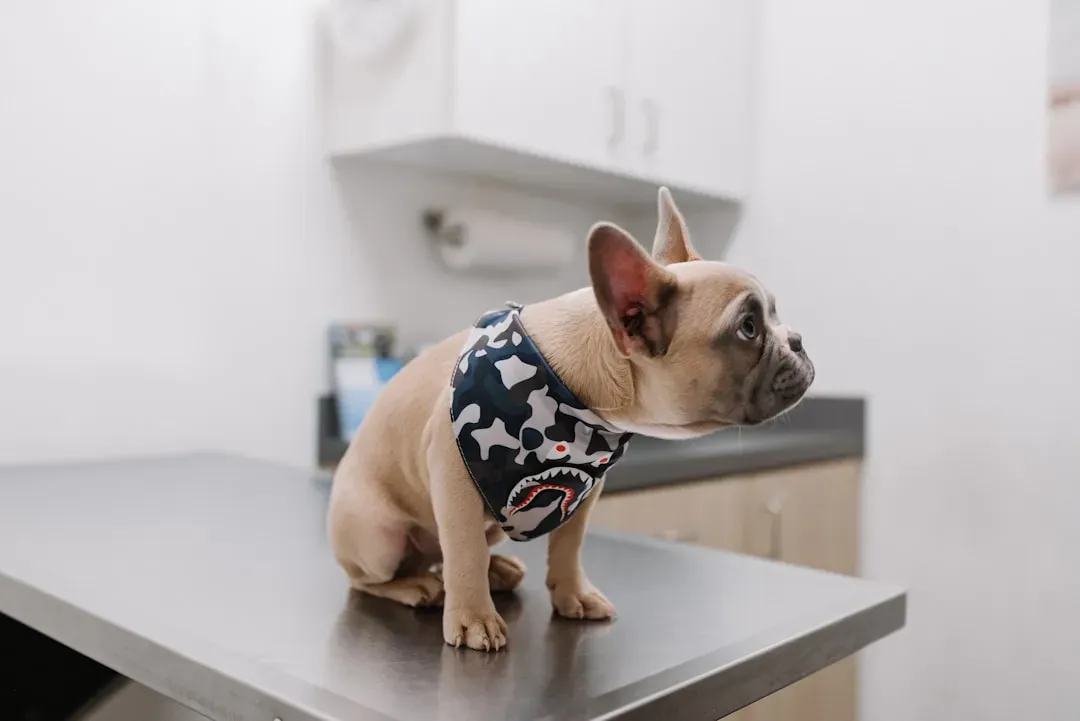
The intake form is one thing. The dog standing in front of them is another. Within minutes, staff clock body condition – underweight, overweight, or fit – along with coat shine, overgrown nails, odor from ears or mouth, and how the dog actually moves.
A subtle head tilt, a slight limp, or reluctance to jump onto a scale can scream “chronic pain” to a trained eye. Painful dogs are far more likely to snap when handled, even if they’ve “never bitten anyone” at home.
- Red or irritated eyes (allergies, infection)
- Coughing, sneezing, or nasal discharge (possible kennel cough)
- Matted fur around the rear (diarrhea history, poor grooming, possible neglect)
Fast Facts
- Kennel cough has an incubation period of two to 14 days, so a dog can look perfectly fine at drop-off and still get sick days into the stay
- Kennel cough spreads easily in group settings, which is exactly why staff scan every arriving dog for early warning signs
- Symptoms usually appear 5-10 days after exposure and tend to last 10-20 days, so a cough that shows up later isn’t automatically the kennel’s fault
Nobody’s accusing you of being a bad owner in those first ten minutes. But staff are already deciding how much extra monitoring and medical caution your dog needs – and that decision shapes housing choices and whether group play is even safe.
#9 – Leash Manners That Predict Boarding Behavior

You think it’s “just a bit of pulling.” Kennel staff see your dog’s leash behavior as a full diagnostic tool. From the lobby to the back, they’re watching how your dog moves with a brand-new handler.
Does your dog lunge at every smell? Slam into the end of the leash, choking themselves? Or can they make small, voluntary adjustments when the handler stops or turns?
A dog who is physically out of control on leash is usually harder to manage everywhere else – doorways, playgroups, feeding time. This isn’t about looking “heel-perfect.” It’s about safety.
- Whether your dog jumps on staff uninvited
- If they can walk past barking dogs without exploding
- How long it takes them to stop “surfing” the environment and tune in
Dogs who drag humans are statistically more likely to bolt through gates, tangle with other dogs, or knock over staff and kids in busy daycare lobbies. Kennels don’t forget those first few seconds of leash chaos.
#8 – Reaction to Other Dogs (Even Across the Room)

Most owners swear their dog “loves everyone.” Kennel staff believe exactly none of that until they see the dog’s raw, unedited response to strangers barking behind gates or walking through the lobby.
A dog who freezes and hard-stares at other dogs is often more concerning than one who barks, because that stillness can be the calm right before a lunge. Over-the-top “I MUST MEET THEM NOW” excitement can flip just as fast into frustration aggression once access is denied.
- Ears, tail, and weight shift when another dog appears
- Whether the dog can disengage when called or redirected
- Sharp, high-pitched arousal barks versus deep, tense warnings
True dog-social dogs can see other dogs and still respond to their human. Kennels selectively place those dogs in playgroups. The others get one-on-one time or restricted contact, no matter how many dog-park success stories you tell them.
#7 – Bite Risk Hiding Inside “Friendly” Behavior

Here’s the part many owners don’t want to hear: friendliness and safety are not the same thing. Kennel teams are constantly scanning for bite risk in those first ten minutes, and it doesn’t always come from the “scared” dogs.
They notice how your dog responds to touch on the collar, flank, hips, or paws. Does the dog flinch, spin, air-snap, or stiffen?
Even a half-second micro-freeze before turning the head can be a massive red flag to an experienced handler. That freeze is often the warning shot before a real bite, especially once stress and owner separation stack up.
- Gentle nibbling versus hard mouthing that leaves marks
- Guarding posture around you, their bag, or even the lobby bench
- Response to mild restraint, like a hand on the harness
Some kennels quietly tag dogs “handle with caution” after those first encounters. It doesn’t mean your dog is “bad” – but it means staff will use more tools, like muzzles, double leashes, or two-person handling, to protect everyone involved.
#6 – How Well Your Dog Handles Separation From You

The most emotionally brutal part for owners – the goodbye – is pure data for kennel staff. They’re reading your dog’s nervous system in real time as you walk out the door.
Does your dog whine, scream, or slam into the door once you’re gone? Or do they settle within 30 to 60 seconds with a little gentle redirection?
Dogs who literally cannot switch focus to staff once their owner leaves are walking separation-anxiety cases, and those dogs suffer more in boarding. They’re the ones who pace the run, refuse food, or vocalize for hours straight.
- Whether the dog can be lured into a new space with treats or toys
- If they immediately start scanning for escape routes
- The difference between “a bit sad” and full panic – frenzied clawing, self-injury
Quick Compare
- Normal adjustment: whines briefly, then redirects to staff, food, or a toy within a minute
- Separation anxiety: continuous vocalizing, door-slamming, or refusing to eat well past the first hour
- Normal adjustment: settles on a bed or mat once the room quiets down
- Separation anxiety: paces, drools, or tries to escape the run repeatedly
Some kennels now quietly turn away dogs with severe separation distress, because at a certain point it stops being safe and starts being cruel. That call is made almost entirely on what staff see in the first goodbye.
#5 – Cleanliness, Grooming, and What It Signals About Home Life
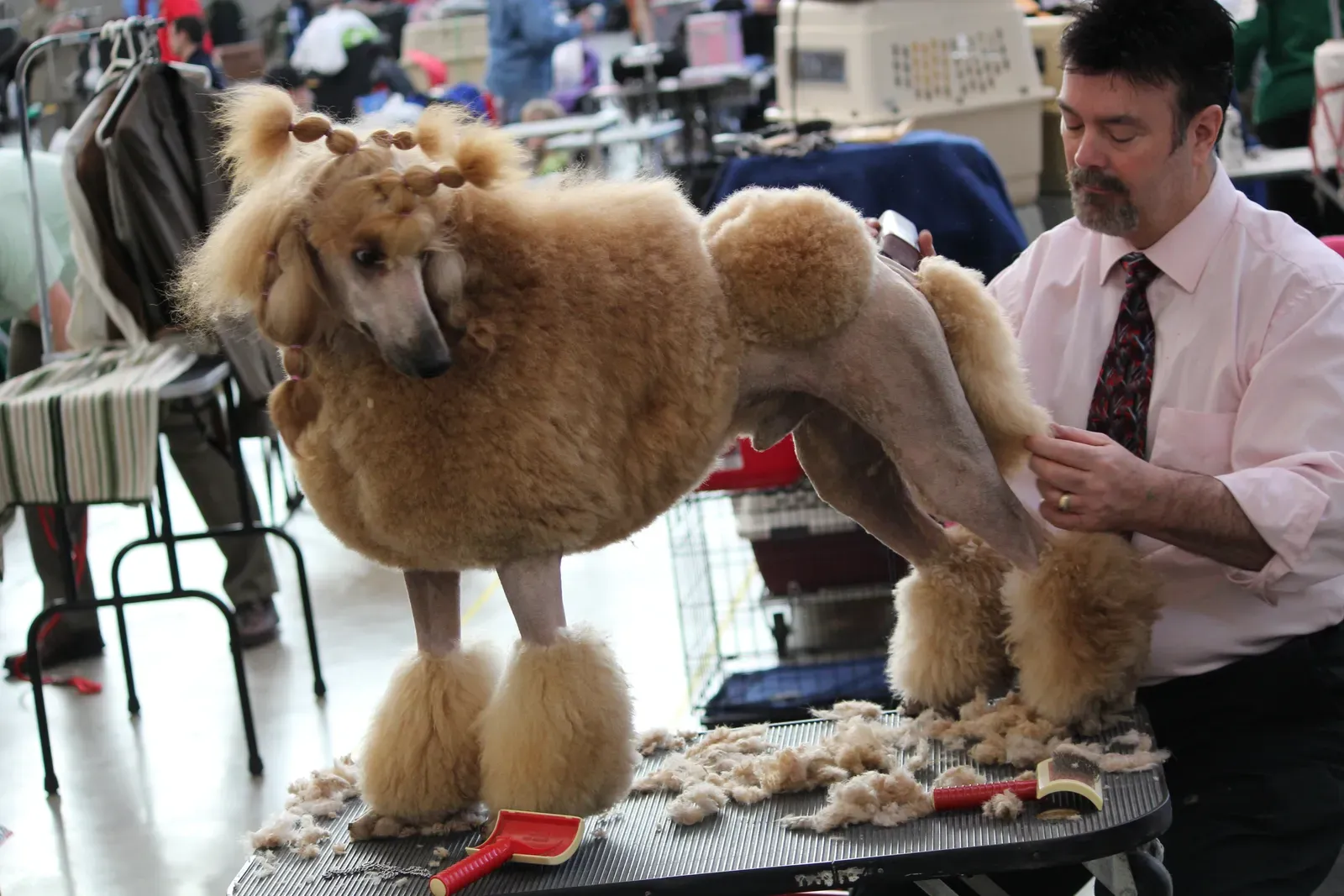
Kennels aren’t secretly judging your fashion sense. But they are quietly forming opinions about your dog’s day-to-day care based on grooming, and those opinions shape how closely they’ll monitor your dog.
They look for matted fur behind the ears and under the armpits, overgrown nails that alter how the dog walks, and strong odors from skin, mouth, or ears that hint at infection.
A dog who arrives with painful mats, filthy ears, and nails curling under isn’t just “a bit scruffy” – they’re a medical and behavioral time bomb. Grooming pain makes handling more dangerous and stress harder to resolve, and those dogs often overreact to being touched, lifted, or bathed.
- Well-maintained: likely up-to-date on vet care
- Needs basic attention: higher risk for hidden pain
- Possible neglect indicators: watch closely, document everything
This isn’t about shaming anyone. A beautifully groomed dog can still be behaviorally difficult – but neglected grooming almost never shows up alone.
#4 – Food, Treat, and Toy Motivation: Your Dog’s “Currency”
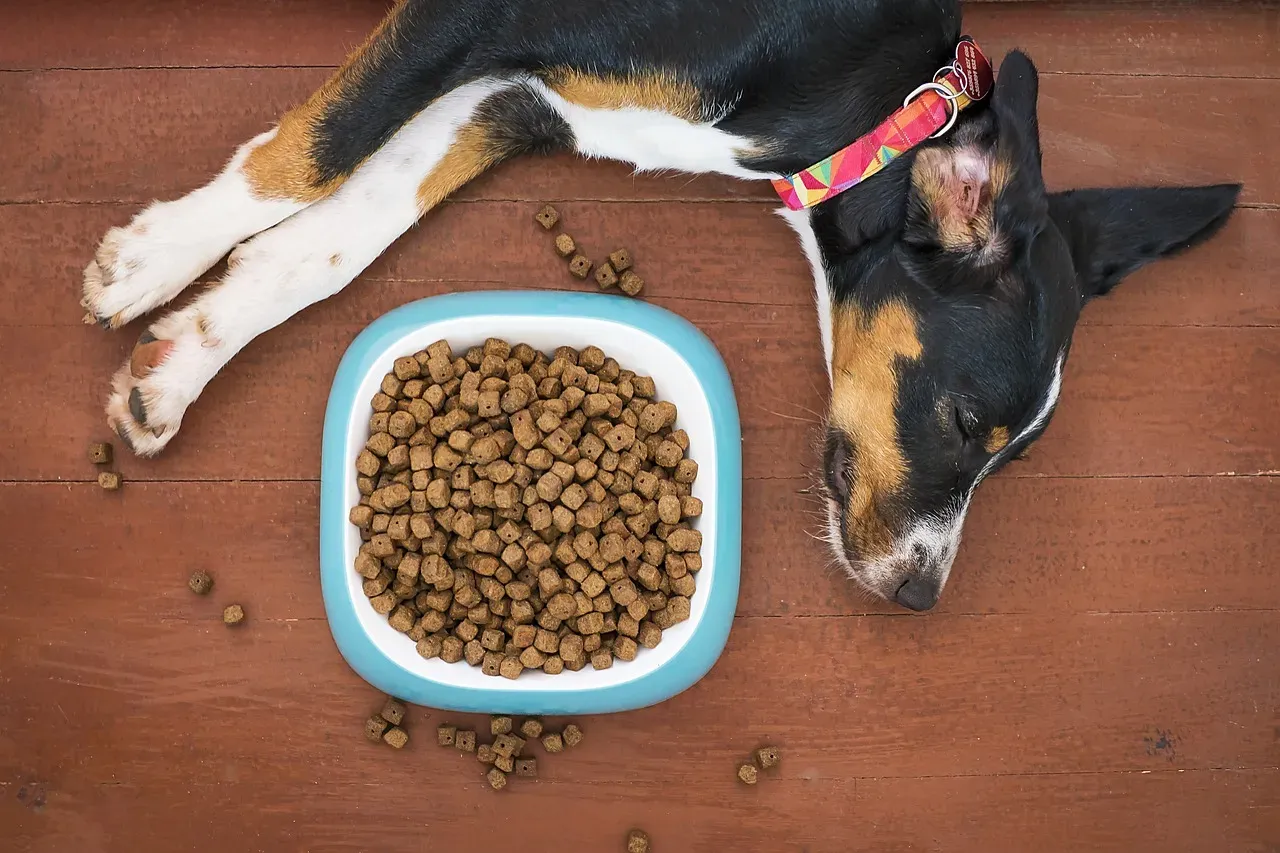
One of the smartest things good kennels do in those first ten minutes is figure out what your dog will actually work for. Training, redirection, and comfort all rely on “currency,” and not every dog accepts the same paycheck.
If your dog refuses even a favorite treat in those first minutes, stress is high and food probably isn’t a reliable tool yet. A dog who happily eats and plays, on the other hand, is telling the kennel they still have coping skills left in the tank.
- Food-motivated, easy to redirect: good candidate for training games
- Toy-obsessed with slight guarding: careful with shared toys in playgroup
- Low motivation across the board: focus on decompression first
This ten-minute “currency test” is often the difference between a dog who just endures boarding and one who genuinely improves while they’re there.
#3 – Adaptability to New Environments (It’s More Than Just “Nervous”)

Every kennel has dogs who walk in like they own the place, and dogs who nearly melt into the floor. What staff actually care about is adaptability – how fast a dog moves from “what is this?!” to “okay, I can handle this.”
Dogs who can investigate, pause, and then choose to relax even slightly are far safer long-term than dogs who stay locked in panic or hyper-vigilance. Adaptability isn’t pure temperament – it often reflects how much variety a dog gets in normal life.
- Curiosity versus shut-down: sniffing and looking around, or frozen?
- Recovery time after a startle, like a dropped leash or slammed door
- Ability to settle on a bed or mat within a few minutes
Adaptable dogs tend to eat on a normal schedule, sleep more normally the first night, and integrate better into routines and playgroups. Rigid, non-adaptable dogs need more structure and slower introductions – and kennels that skip that step pay for it later with incidents and burned-out staff.
#2 – How Honest (Or Delusional) You Were on the Intake Form
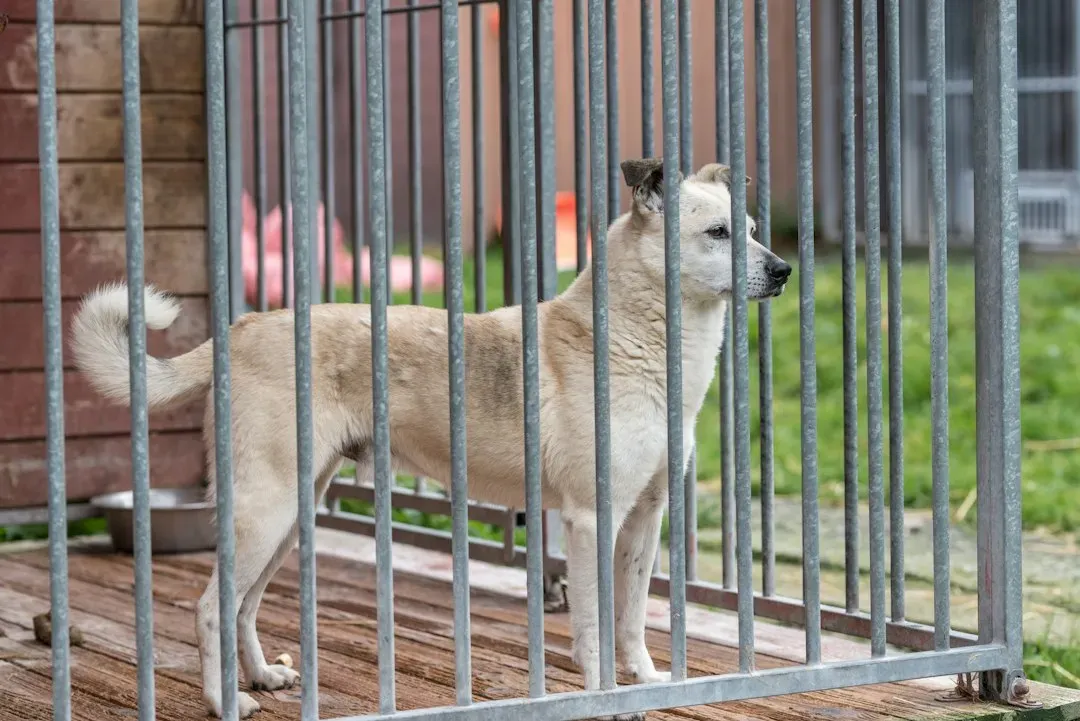
Here’s the part almost nobody talks about publicly: kennels absolutely compare what you wrote on the intake form with what your dog is actually doing in real time.
If you checked “no” for reactivity but your dog is lunging and barking at every dog in the lobby, that’s a trust issue. If you said your dog is “crate trained” but they panic the second a gate closes, staff notice the gap immediately.
When owners underreport issues, kennels quietly switch from collaborative care to defensive management, because they know surprises are coming.
- “Good historian” owners whose descriptions match reality
- “Minimizer” owners who soften or excuse concerning behavior
- “Unaware” owners who genuinely never noticed the signs
Worth Knowing
- Staff often cross-check the form against real-time behavior within the first few minutes, not days into the stay
- A mismatch on one question (like reactivity or crate training) makes staff double-check everything else you wrote
- Accurate forms usually mean lighter-touch handling; vague or optimistic ones usually mean more caution, not less
Honest information means safer playgroups and better housing decisions. Underreported aggression or anxiety puts every dog and staff member at risk – and some kennels will simply refuse future bookings if the dishonesty becomes a pattern. Harsh, maybe. But it’s basic safety math.
#1 – Your Dog’s True Emotional Baseline

Strip away the car ride, your nerves, the busy lobby, and the paperwork. What a good kennel is really trying to see in those first ten minutes is your dog’s baseline nervous system – who they are once the initial rush settles.
They’re not just looking for “happy” or “scared.” They’re assessing whether your dog lives most of its life in fight, flight, or something closer to actual rest.
A dog who can, within minutes, take a breath, process the room, and choose curiosity over panic is living in a very different internal world than a dog who never mentally lands. That difference shapes everything – how they eat, sleep, socialize, and cope with being away from you.
- Chronic body tension hints at long-term stress
- A dog who can play, eat, and rest suggests a relatively stable home life
- A dog who stays revved or shut down may be coping with overwhelm, understimulation, or pain
This is where science meets gut instinct. Experienced kennel workers can often tell, within minutes, which dogs just need a day to settle – and which ones need a completely different support plan than boarding altogether.
The Bottom Line
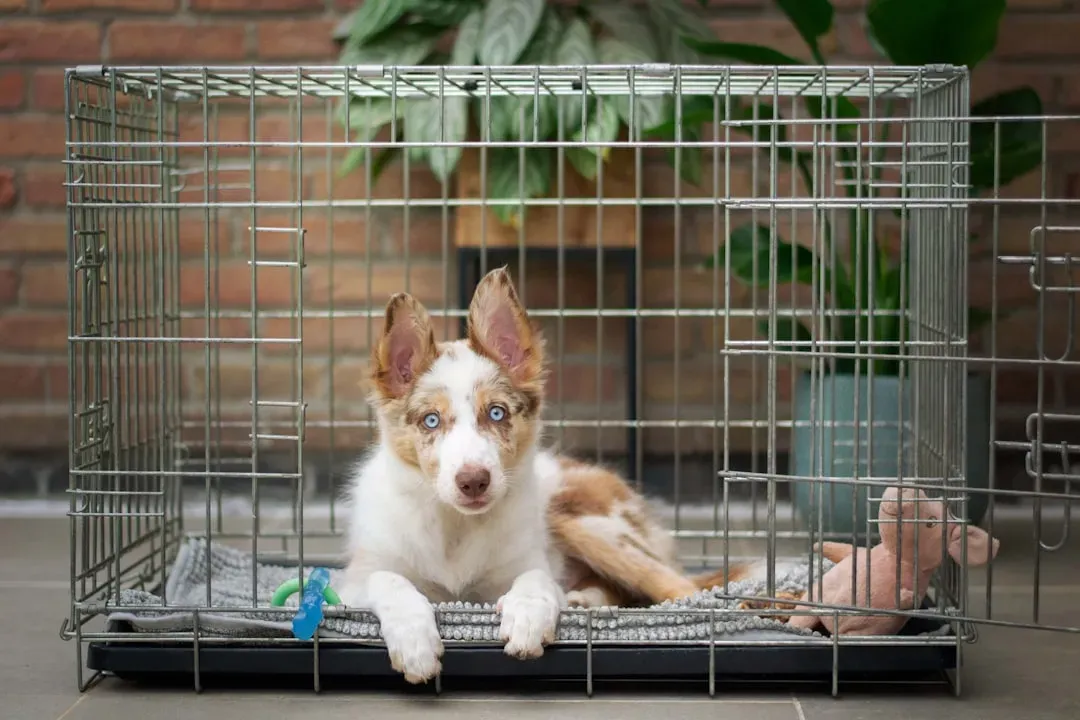
Kennels aren’t just holding pens for family pets. They’re fast-moving diagnostic labs where every dog gets silently evaluated the second they step through the door. In those first ten minutes, staff are reading far more than tail wags – they’re decoding stress, pain, relationship quality, bite risk, adaptability, and how honest you’ve really been about all of it.
At a Glance
- Stress load, leash control, and separation coping are read within seconds, not minutes
- Hidden pain, grooming neglect, and bite risk often hide behind “friendly” behavior
- Intake-form honesty is quietly checked against real-time behavior the moment you walk in
- Your dog’s baseline nervous system – not their “cute factor” – drives every housing and playgroup decision
The uncomfortable truth is that most owners carry a rosier picture of their dog’s behavior than the evidence actually supports, and kennels have to plan for the dog that shows up, not the dog you wish you had. If there’s one takeaway worth keeping, it’s this: the best thing you can do for your dog isn’t a cute travel bowl or a fancy leash. It’s real-world training, honest vet care, and enough self-awareness to describe your dog accurately – because those first ten minutes will tell on you either way.
Did your kennel ever call out something about your dog in those first ten minutes that surprised you? Drop it in the comments – it’s usually more revealing than owners expect.