
14 Things That Tell a Kennel a Dog Will Be Fine Overnight
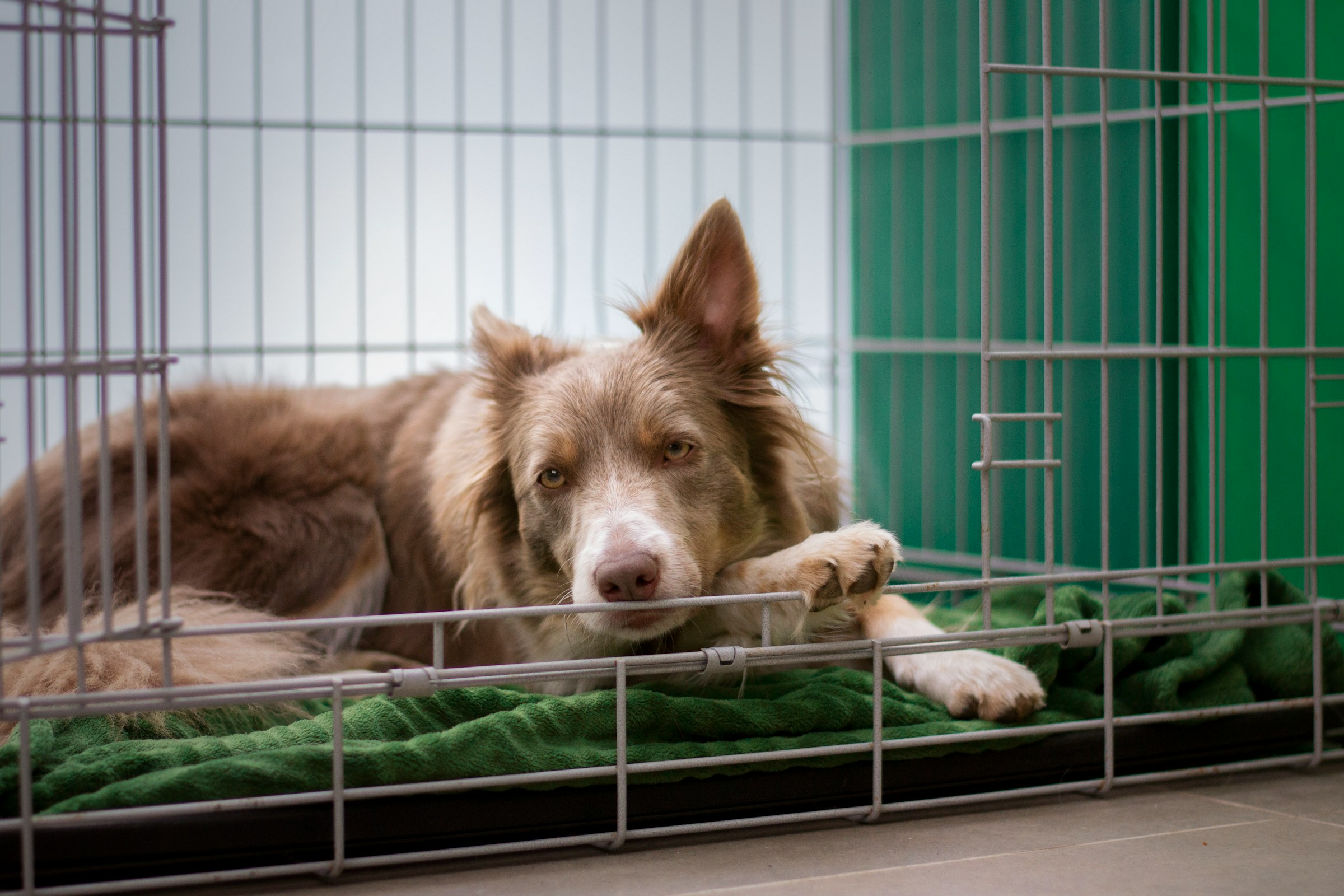
Most people worry about the wrong things when they drop a dog off for the night. They ask about the brand of kibble, the color of the blankets, whether the staff talks to their dog in a baby voice. Meanwhile, they completely miss the real tells – the ones that let an experienced kennel worker predict, within minutes of intake, whether a dog is going to sail through the night or unravel by 2 a.m.
Professional kennel teams aren’t guessing. They’re reading a language of sniffs, tail angles, treat refusals, and door behavior that quietly forecasts stress, barking, even next-morning diarrhea – hours before any of it actually happens. Most owners never realize their dog has been broadcasting the answer the whole time, right there in the lobby.
Here’s exactly what seasoned kennel techs and behavior-savvy vets are watching for the second a leash changes hands – starting with a tell almost no one expects.
#14 – The Dog Recovers Quickly After the First Sniff Around

A dog doesn’t need to strut in wagging to be fine overnight. What actually reassures staff is how fast a dog recovers after that first wide-eyed “what is this place?” moment in the lobby.
Most normal dogs pause. They scan the room, maybe glue themselves to their person’s leg for a few seconds. The tell isn’t the pause – it’s what happens in the next 60 to 120 seconds after it.
A dog that starts sniffing the floor, checking corners, or watching staff with a soft, loose expression is already showing solid coping skills. Kennel workers are quietly clocking small shifts, like:
- Does the tail drift from low to neutral instead of staying clamped down?
- Do the ears soften instead of pinning back hard?
Curiosity after a moment of caution is a green flag. That pattern almost always predicts a dog that eats dinner, settles into the run, and sleeps through the night without drama. #13, though, catches most owners completely off guard.
#13 – The Dog Will Take Treats in a New Environment

One of the simplest, most reliable tells in the whole business: does the dog eat? Stress shuts appetite down hard in a lot of animals, so when a dog will take a treat from a stranger’s hand, in a lobby that smells like fifty other dogs, staff pay close attention.
A dog that crunches a biscuit – or even cautiously sniffs it, thinks it over, and accepts it a few seconds later – is telling the kennel three things at once:
- Its stress level is manageable, not maxed out.
- Food motivation is intact, which matters enormously for redirection later.
- It’s open to building a positive association with the people caring for it overnight.
Refusing high-value food entirely, even after time to settle, is honestly more concerning than a little trembling or whining. It doesn’t guarantee a rough night, but food-motivated dogs adapt faster, distract easier from barking neighbors, and rarely spiral into full panic the way a dog with zero appetite might.
#12 – The Dog Bounces Back From the Door Moment
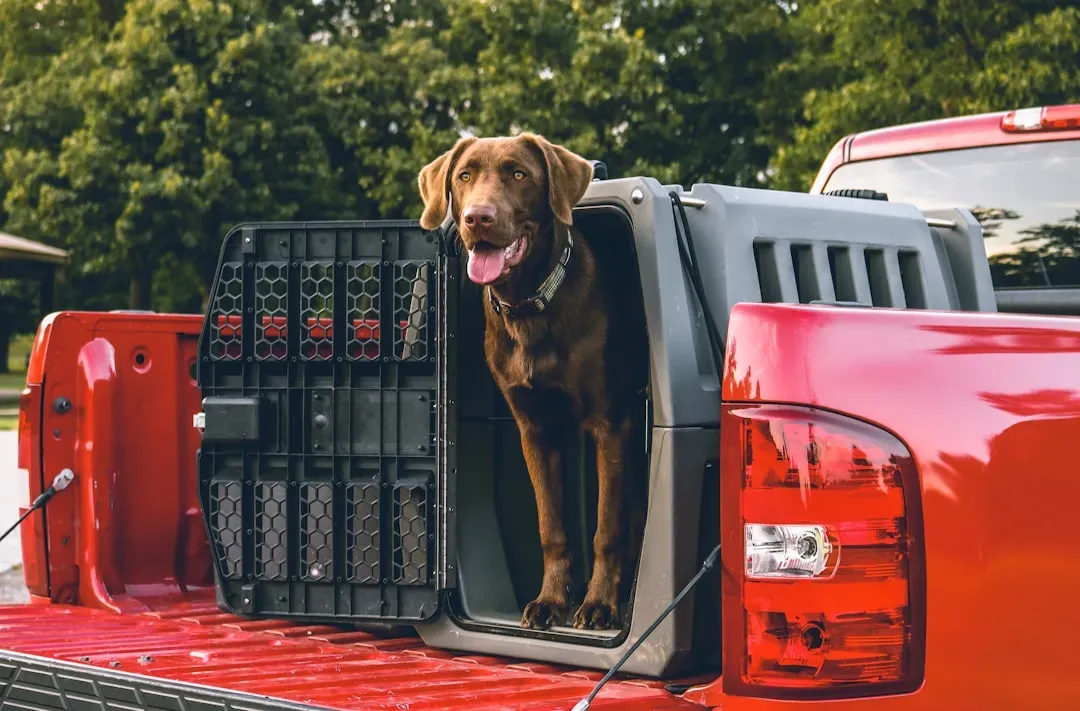
Staff watch the “door moment” closely – that instant the owner hands over the leash and walks out. It’s not really about whether the dog protests. It’s about how long, and how hard, that protest lasts.
Some dogs pull toward the door, whine, or bark a couple of sharp times. Completely normal. What reassures staff is watching the dog’s brain switch back on within a minute or two.
If, once the owner’s gone, the dog lets itself be led away, sniffs the hallway, or looks to a staff member for information – that’s the sign kennels want.
- Mild protest that fades within a couple of minutes usually means a fine night ahead.
- Hysterical screaming, flailing, or self-injury at the barrier is a real red flag.
A dog that glances at the closing door, then turns back to sniff a treat pouch or watch another dog go by, is showing emotional flexibility. That flexibility is exactly what separates a peaceful night from one spent pacing and panting.
#11 – The Body Language Stays Soft, Even When the Dog Is Unsure

Most owners misread confidence completely. They assume a “brave” dog is tail-high, chest out, charging headfirst into everything. Kennel staff know better: over-the-top bravado is often just stress wearing a louder costume.
What actually predicts a good overnight is soft, adjustable body language – even from a dog that seems unsure. That looks like a tail at mid-height with a loose wag, eyes that blink normally instead of staring hard, and a mouth that’s relaxed instead of pulled into a tight line.
Fast Facts
- Loose, mid-height tail wagging signals better coping skills than a stiff, high tail
- Normal blinking and a relaxed mouth are stronger calm-indicators than surface-level bravado
- Approaching, retreating, then re-approaching a new smell shows healthy emotional flexibility
- A hard stare paired with a stiff tail often predicts a noisier night
A dog might lean into their person, then still accept a gentle pet from a stranger. Or step toward a new smell, back up, then try again. That “try again” is exactly what kennel workers love to see – it means the dog can move in and out of something mildly scary without shutting down.
A dog with a stiff, high tail and hard, unblinking eyes might look confident to its owner, but reads as volatile to a pro. Those are frequently the dogs that bark all night or lunge at every passing cart.
#10 – The Dog Notices Other Dogs Without Losing Its Mind
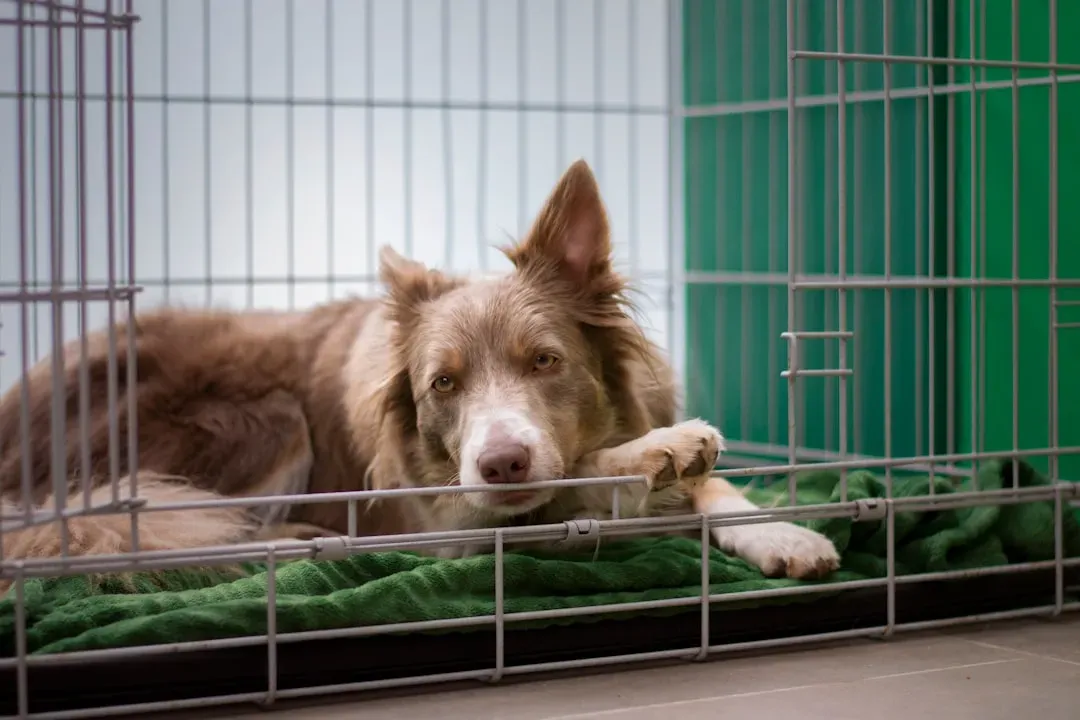
Kennel life means being surrounded by other dogs – smelling them, hearing them, watching them pass by all day. A dog doesn’t need to be a social butterfly to cope, but how it notices other dogs says a lot about how the night will go.
Staff look for dogs that glance over, maybe sniff the air, offer a loose body and a small tail wag, then move on when guided. They don’t slam to the end of the leash or hit full bark mode at every sighting.
Ironically, the “He just LOVES other dogs!” type often struggles the most those first few hours. Slamming the kennel door, nonstop barking, heavy panting – high arousal is exhausting to sustain and painfully slow to calm down from.
Moderate curiosity beats wild excitement or total shutdown every single time. A dog that can walk past occupied runs, throw a curious glance, and keep following its handler is almost always a dog that settles well later.
#9 – The Dog Can Be Touched All Over Without Melting Down
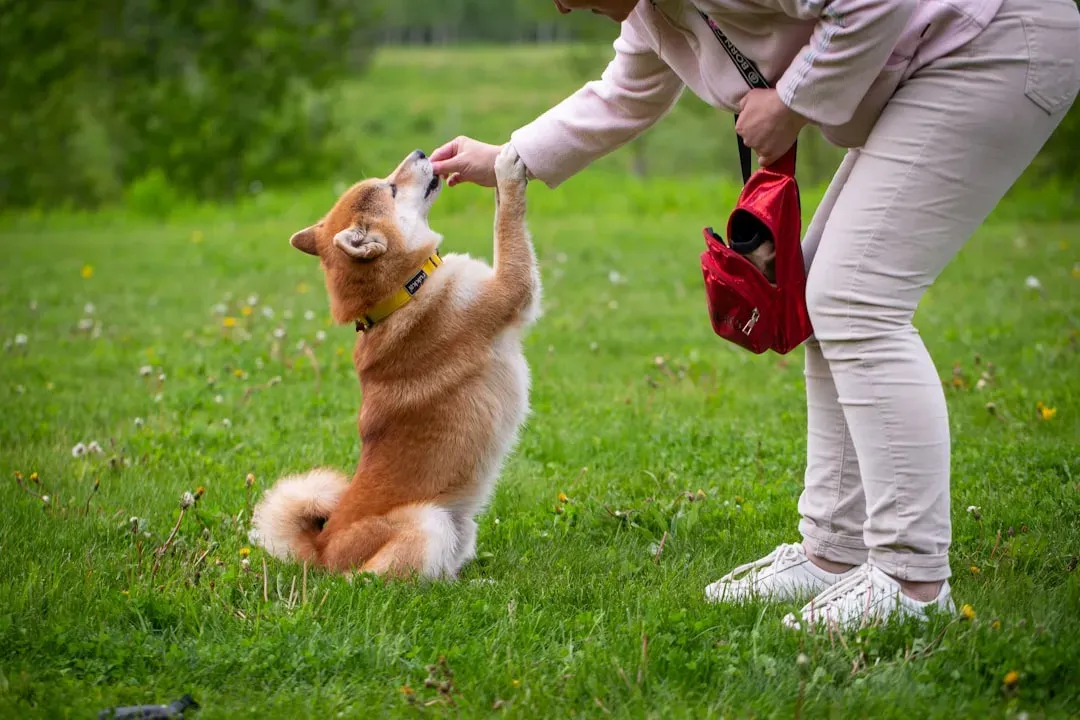
Here’s a blunt truth: kennels have to handle dogs physically. Collars come off, harnesses get adjusted, bedding gets checked, paws sometimes get wiped. A dog that tolerates gentle handling in a strange place is far more likely to be fine overnight.
Staff quietly test the waters right at intake, checking things like whether they can briefly touch the shoulders, back, and sides without a flinch, freeze, growl, or snap, and whether a paw can be lifted or a bit of drool wiped off without a fight.
A dog that turns to sniff the hand, wiggles, or steps away and then re-approaches is workable. A dog that goes from perfectly still to teeth with zero warning is a long-night candidate – even if it never actually bites, the anticipation of being handled can keep it wired for hours.
This doesn’t make a dog “bad.” Often it just means the dog has never been touched outside its own family bubble. But from a kennel’s point of view, easy-to-handle dogs sleep more, eat better, and need far less intervention overnight.
#8 – The Dog Settles Into the Run Within 20 Minutes
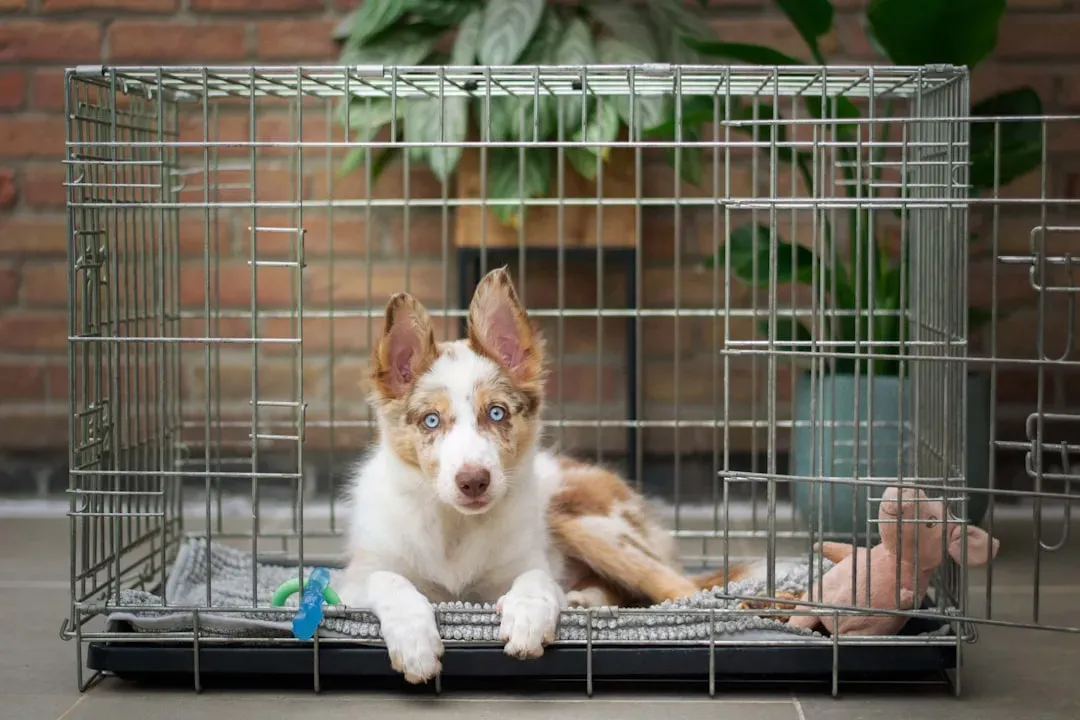
Here’s a pattern nearly every seasoned kennel worker will admit to: how a dog acts in the first 20 minutes alone in the run often predicts the entire first night.
Once staff walk away after intake, they watch – sometimes discreetly, sometimes on camera – for a specific sequence. Does the dog immediately start pacing, jumping, and shrieking non-stop? Or does it sniff the walls, check out the bed, take a drink, and lie down?
At a Glance
- Minutes 0-5: pacing, wall-sniffing, or checking out the bed is typical
- Minutes 5-15: settled dogs start exploring corners and taking water breaks
- Around minute 15-20: a full-body shake followed by a yawn often signals a stress reset
- Past 20 minutes of nonstop circling or gate-throwing suggests real separation distress
A dog that explores, maybe barks a few times in protest, then sighs and flops onto the cot is almost always fine overnight. Watch for the big full-body shake followed by a yawn and a curl-up – that shake is a classic stress reset, the physical version of a dog letting go of tension.
On the flip side, a dog that never stops circling, pants with wide eyes, or throws itself at the gate may be dealing with genuine separation distress. Those dogs sometimes need extra calming strategies, strategic feeding schedules, or even mild medication on a vet’s advice.
#7 – The Dog Can Be Redirected Away From Its Own Stress

No kennel expects a perfect, unbothered dog. What actually matters is whether the dog’s brain is still “online” enough to be redirected. If staff can interrupt the worry-loop, the dog will likely be okay overnight.
Redirection tests look almost too simple. A dog barking at neighbors gets called by name and offered a tossed treat. A dog pacing the front of the run gets a chew moved to the back corner to shift its focus. A dog staring at the door gets asked for a sit, rewarded, and left alone again.
If the dog can interrupt its own anxiety, even for a few seconds, and engage in something else, that’s a very good sign. Brains that can switch tracks during the day can also switch off enough to sleep at night.
The truly hard overnights belong to dogs so panicked they can’t eat, can’t respond to their own name, and can’t detach from the door or the sound of their own barking. Those cases are rare – which is exactly why kennels love dogs who stay just responsive enough to bribe.
#6 – The Dog Has a History of Coping in New Places
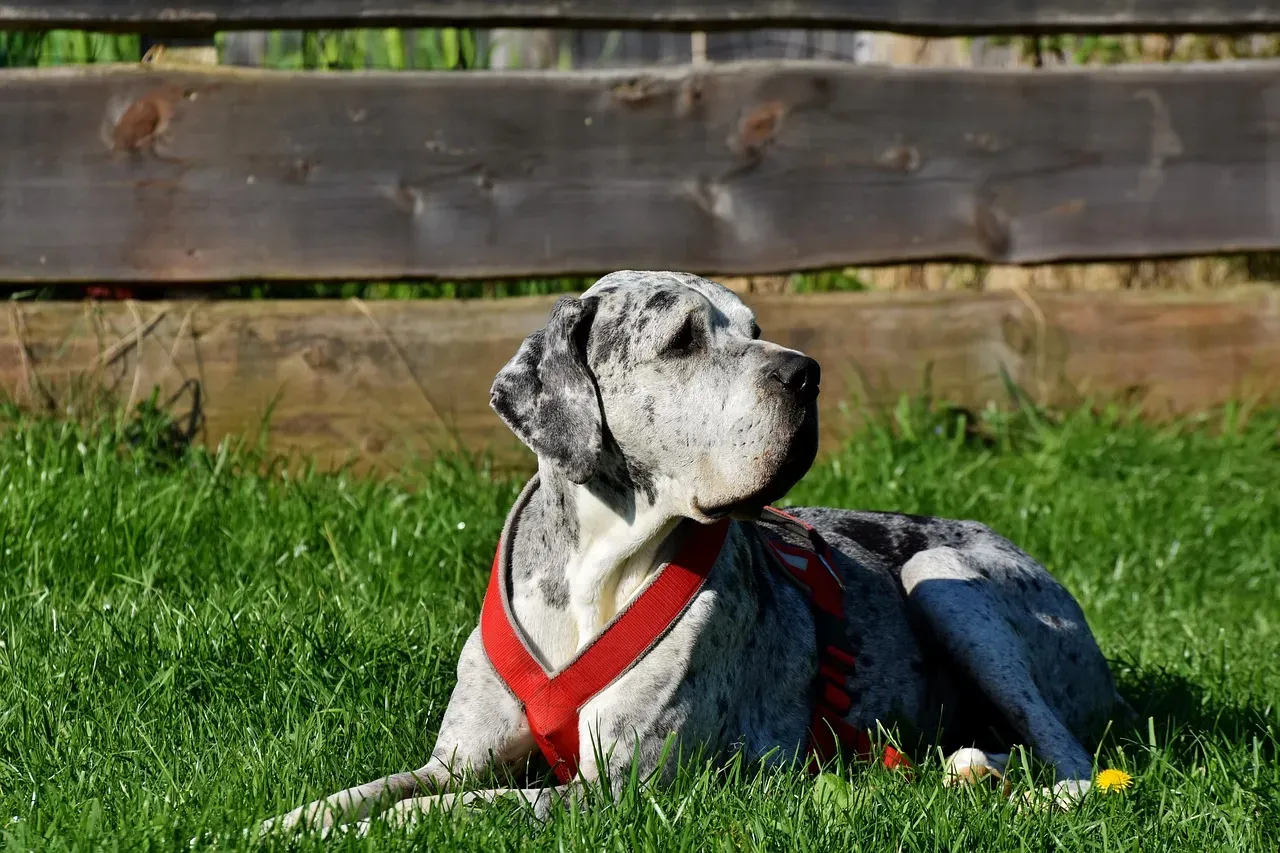
Kennels quietly love “well-traveled” dogs. One that has spent time at daycare, visited busy vet clinics or dog-friendly stores, stayed at a friend’s house, or gone on a road trip and slept in a hotel almost always adapts better than a dog who has never left the backyard.
Experience functions like emotional callus. Dogs who have repeatedly learned “new place, still safe, still reunited with my person” tend to file kennels into that same mental category. They might whine a little at drop-off, but their nervous systems already have a reference library labeled “strange but survivable.”
Quick Compare
- Well-traveled dog: settles faster and treats new places as “strange but survivable”
- First-timer dog: may whine longer and needs more time to file the kennel as safe
- Practice-stay dog: gives both owner and staff a preview before a longer vacation stretch
A five-year-old dog that has literally never spent a night away from its owner is a wild card, even if it’s bombproof at home. That first kennel stay can be a genuine shock to the system. Owners often blame the facility; insiders know the dog was simply never given the practice.
This is exactly why trainers recommend a “practice overnight” before a big vacation. A single test stay tells the kennel – and the owner – very clearly how the dog will handle the longer stretch that’s coming.
#5 – The Dog Can Rest When Nothing Interesting Is Happening

A surprisingly predictive sign: can the dog relax when nothing is going on? Kennels are full of dogs who are perfectly behaved when someone’s right there, then completely unravel the second staff step away.
At intake, behavior-savvy staff quietly watch for whether the dog settles at its owner’s feet during conversation, can lie down when people ignore it for a few minutes, and chooses rest over constantly demanding interaction.
Overnight is mostly “nothing happening.” No one is tossing balls at 2 a.m. Dogs that know how to switch into low-power mode are the ones napping between meals and potty breaks – while a dog that literally cannot relax without constant human engagement makes for a noisy night.
Ironically, some of the most obsessively “well-trained” dogs – the ones locked onto their owner for cues every second – struggle more than an average couch potato who’s used to chilling while people do their own thing. Self-entertainment is a wildly underrated skill in a kennel setting.
#4 – The Dog’s Bathroom Habits Stay Stable Under Mild Stress

This one isn’t glamorous, but every kennel worker knows it: poop tells the truth. How a dog eliminates under mild stress often predicts whether its gut and nerves will cooperate through the night.
Staff quietly track the first bathroom breaks, watching whether the dog goes within a normal time window, whether the stool is formed and reasonably normal, or whether the dog paces and refuses to go at all.
- Potties within a few minutes, even if distracted → system is functioning despite the new environment.
- Refuses to eliminate for 12+ hours from pure anxiety → much higher risk of overnight discomfort, accidents, or explosive diarrhea later.
Loose stool right away isn’t automatically a disaster – travel, diet changes, and excitement can all play a role. But dogs whose bodies can’t “switch on” enough to handle basic bathroom business tend to be the ones still keyed up well into the night.
#3 – The Owner’s Exit Is Calm, Consistent, and Boring
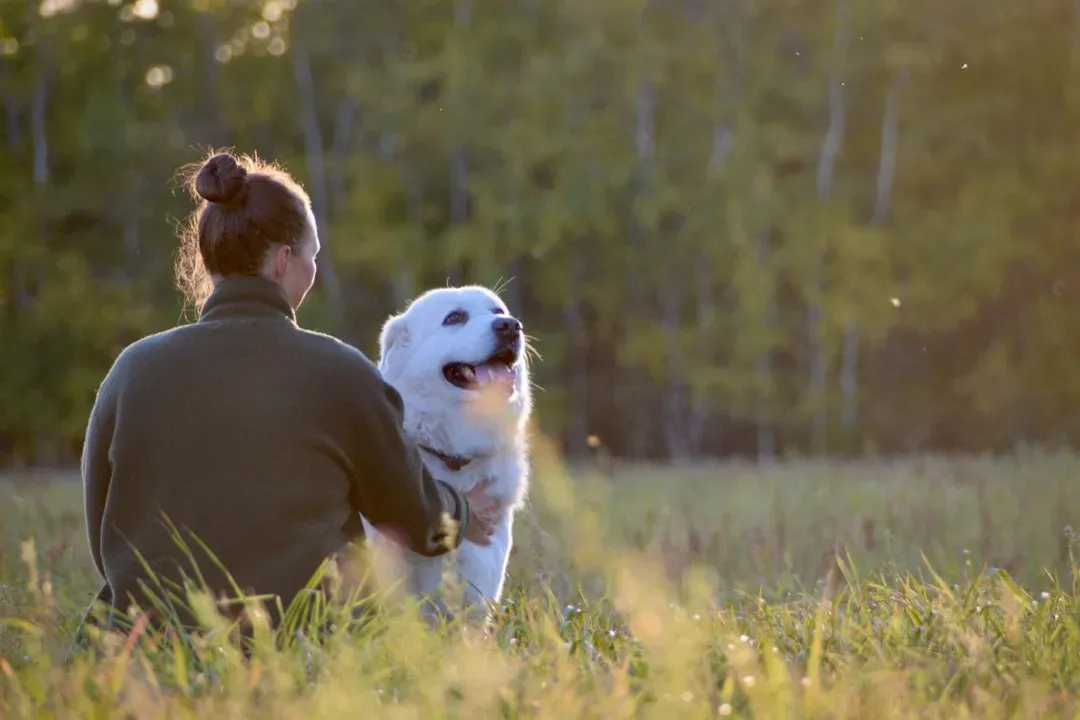
Here’s the part most owners don’t want to hear: your behavior at drop-off predicts your dog’s night more than anything printed on the kennel’s brochure.
Experienced staff can feel the difference between two exits instantly. One owner hands over the leash, gives a quick pat, says “see you tomorrow,” and walks out without a fuss. The other clings to the dog, cries, apologizes on repeat, and hesitates at the door three separate times.
In almost every case, the first dog settles faster. The second dog has just been handed a clear message: something terrible is happening. Dogs read our body language and tone constantly, and a dramatic goodbye unintentionally spikes their anxiety right when they need calm the most.
Dogs don’t lie. They react to energy and intention. If you feel it, they feel it too, and it comes out as behavior.
Cesar Millan
Kennel staff can’t say this out loud without starting an argument with a heartbroken owner. But internally, a calm, matter-of-fact hand-off earns a silent check mark: better odds this dog will be fine overnight.
#2 – The Dog’s History Matches Reality
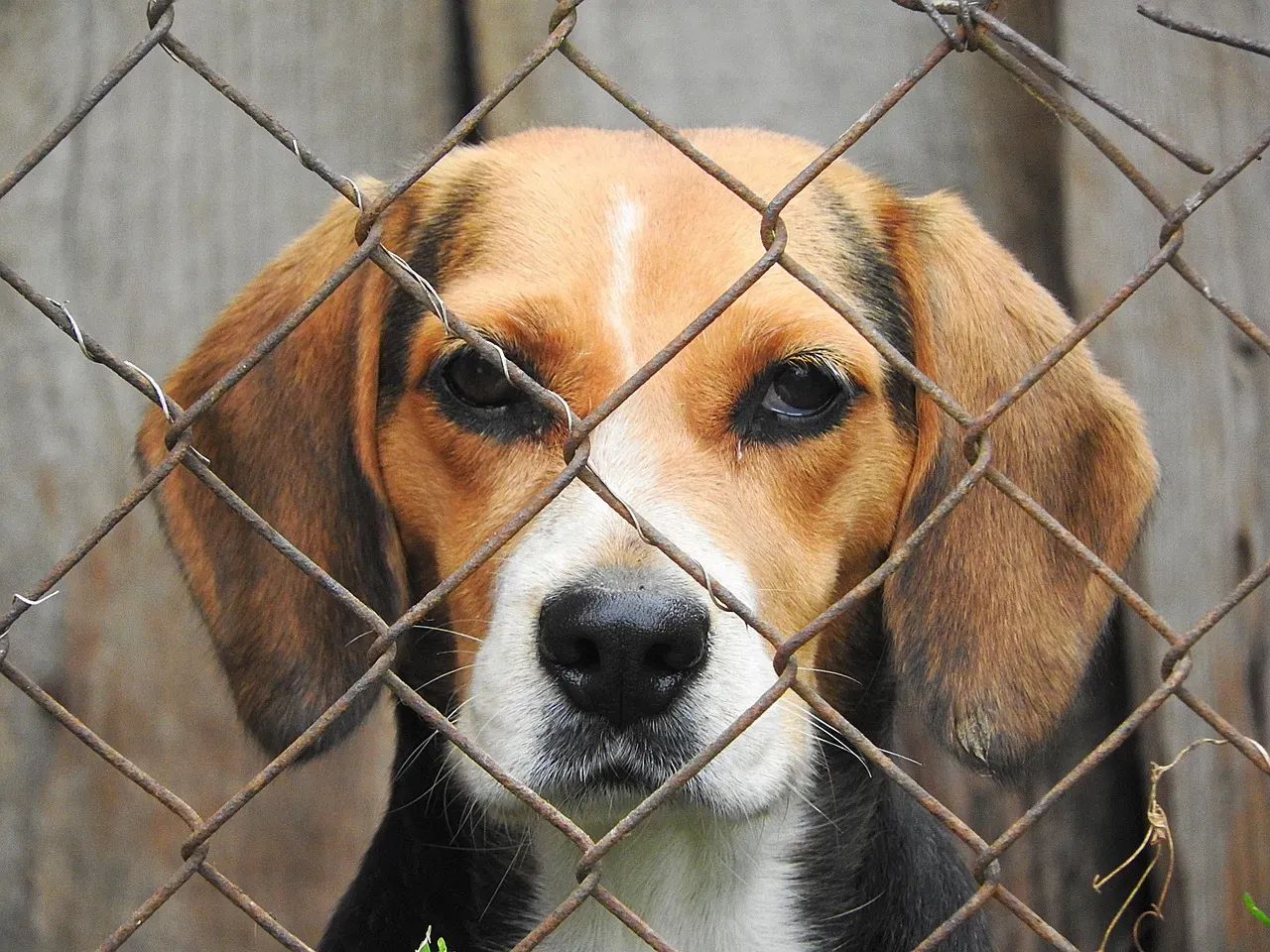
Nothing spikes a kennel’s stress like a surprise. When a dog is described as “easygoing, fine with everything” and then tries to bite during a routine collar removal, staff know the next twelve hours could get rough fast.
The dogs that do best overnight usually arrive with honest, unpolished history. “He barks in his crate for a few minutes but then settles.” “She’s nervous around men at first, food helps.” “He’s on anxiety meds, here’s exactly how we give them.”
When the paperwork matches reality, kennels can plan properly with quiet runs, extra checks, or specific handling techniques. Dogs who arrive with a transparent story – even a messy one – are far easier to support into a stable night.
The worst overnight candidates are the “surprise” dogs: silent separation screamers, unreported biters, dogs with chronic diarrhea the owner “forgot” to mention. Owners often think hiding an issue gives their dog a better shot at being accepted. Insiders know the opposite is true – radical honesty is one of the strongest predictors of a smooth night, and the dog is the one who pays for the omission.
#1 – The Dog Has a Calm, Predictable Relationship With Its Humans
The single biggest pattern kennels quietly talk about – and the hardest one for owners to hear – is this: the emotional climate at home shows up in the run.
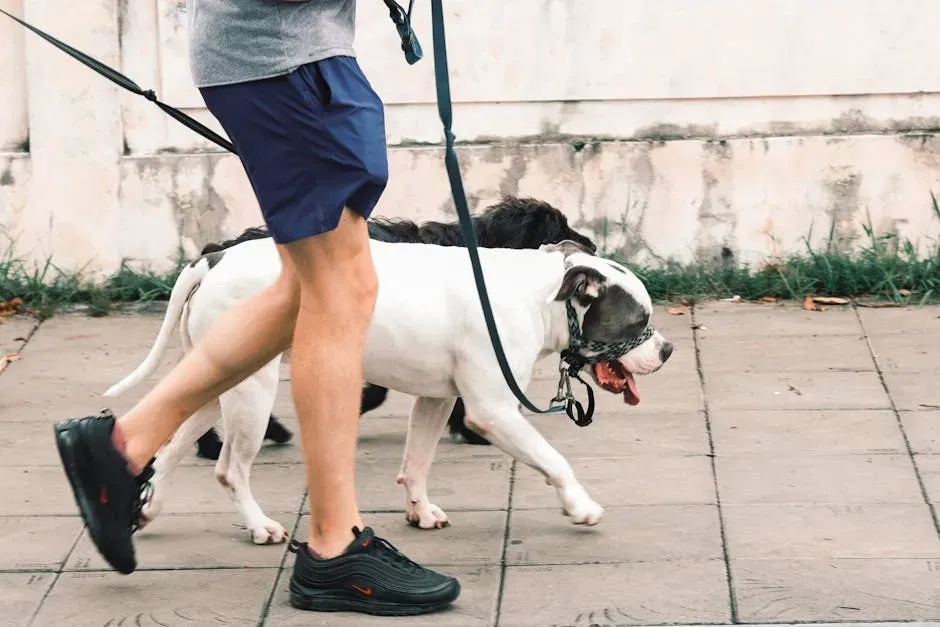
Dogs from generally calm, predictable households almost always cope better overnight than dogs living amid chaos. Staff notice it at drop-off in how the leash is handled, how the dog responds to simple cues, and whether the owner’s own energy is anxious or steady.
Why It Stands Out
- Set feeding and bedtime routines build a more balanced nervous system
- Short, healthy separations at home translate into easier kennel stays
- Overdependence – not love – is usually what undermines a dog’s coping skills
- Boundaries and healthy boredom at home tend to show up as calmer behavior at drop-off
Dogs with clear routines at home – set feeding times, consistent bedtime, regular (not frantic) exercise, and a household that neither ignores nor smothers them – walk into boarding with a more balanced nervous system. They’re used to structure, used to short separations, and used to life not being an emotional rollercoaster.
By contrast, dogs whose humans are fused to them around the clock – sleeping nose-to-nose, never left alone, every moment narrated out loud – often arrive with zero coping muscles. It isn’t love that’s the problem. It’s unpredictability and overdependence. Kennels can’t undo a lifetime of emotional chaos in one night, but when a dog’s home life clearly includes boundaries and healthy boredom, staff breathe easier immediately.
The Bottom Line
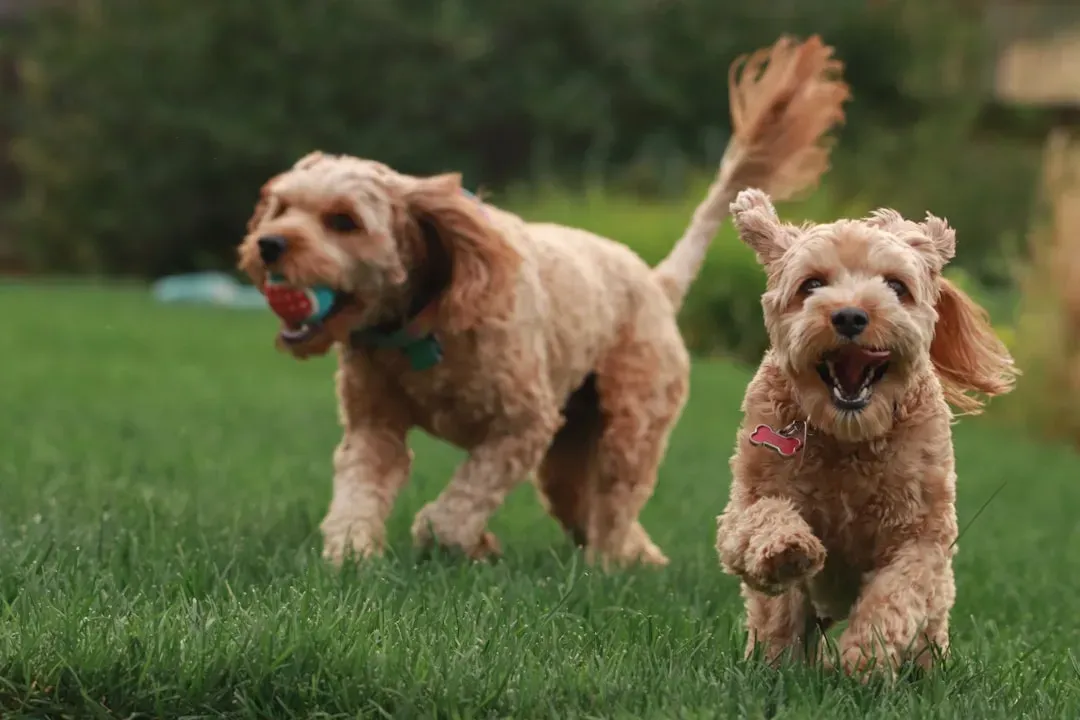
Kennels aren’t guessing which dogs will be fine overnight – they’re reading a language most owners were never taught. A dog that recovers quickly, takes treats, can be redirected, eliminates normally, and shows soft, flexible body language is quietly saying, “This is weird, but I can handle it.”
Just as crucial, a calm, honest owner who does a low-drama hand-off is stacking the deck in their dog’s favor, while tearful goodbyes and sugar-coated histories do the opposite. If I’m being blunt, most owners spend way more energy picking the “nicest” kennel than they spend preparing their dog to actually cope with one – and that’s backwards.
The real secret isn’t glamorous. It’s emotional flexibility, honest communication, and a few boring practice separations logged long before vacation week ever shows up on the calendar. If you board your dog soon, ask yourself honestly: how many of these fourteen green flags would your kennel actually see at drop-off – and which one are you finally willing to work on before the next stay?