
14 Old Sayings About Dogs and What the Research Actually Found

Your grandmother’s dog sayings weren’t just cute filler for greeting cards. A lot of them make bold, testable claims – about loyalty, guilt, bite risk, even whether an old dog can still learn. And here’s the part nobody expects: scientists have actually gone looking for proof.
Some of these old lines hold up embarrassingly well. Others get completely dismantled by the data, and a few turn out to be dangerous advice dressed up as folk wisdom. If you’ve ever repeated “let sleeping dogs lie” or “once a biter, always a biter” without a second thought, you’re about to find out which side of the science you landed on.
#1 – “A Dog Is Man’s Best Friend”
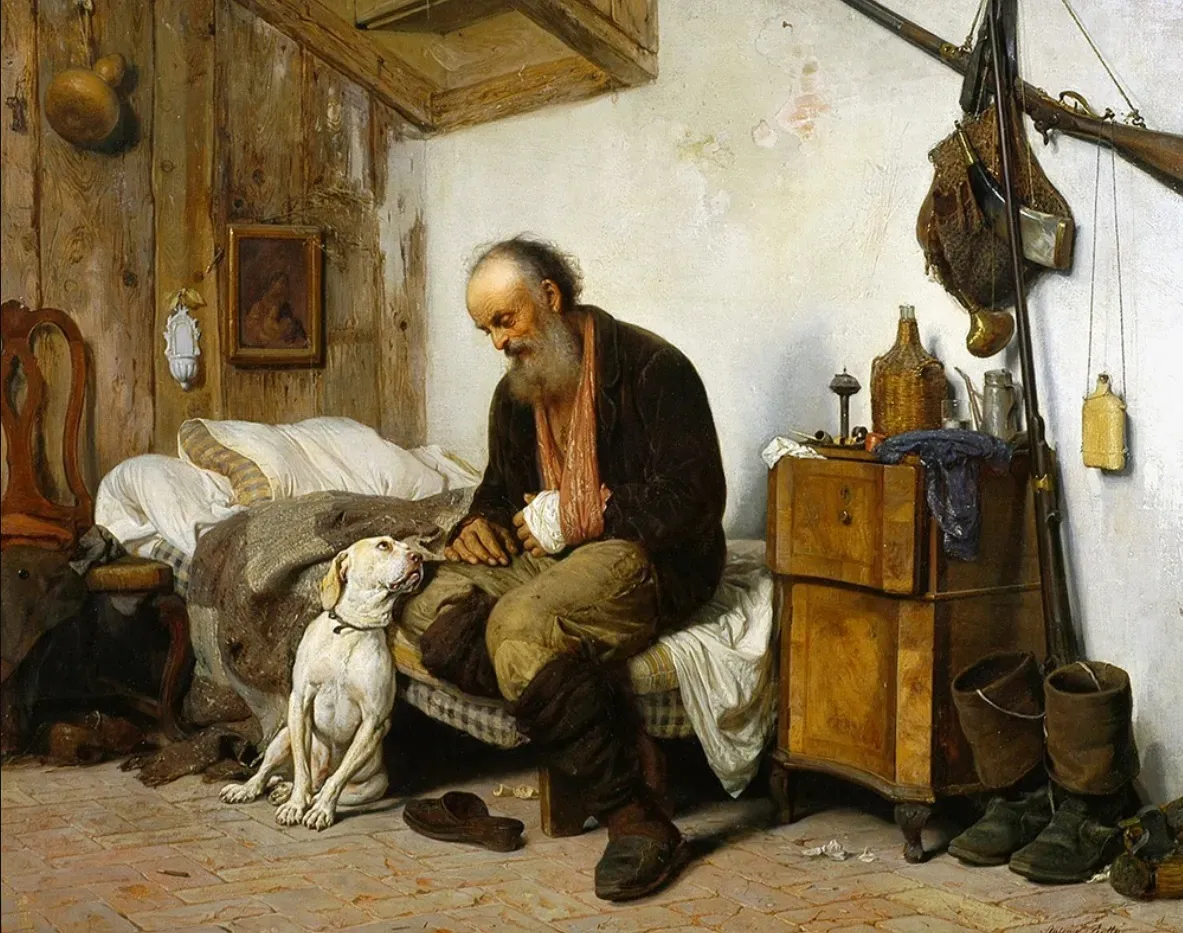
Everyone repeats this line like it’s a greeting card slogan, but researchers have actually tried to measure it – and the results are uncomfortable news for cat people.
Human-animal bond studies consistently show that dogs trigger oxytocin spikes in their owners similar to the bonding hormone surge between parents and infants. That’s not sentiment. That’s hormone data. In controlled lab settings, just 10 to 30 minutes of calm interaction with a familiar dog can lower cortisol, drop blood pressure, and lift reported mood.
Fast Facts
- Calm interaction with a familiar dog can lower cortisol and blood pressure in as little as 10 to 30 minutes.
- Many dog owners rank their dog as emotionally closer than some human family members.
- In stress tests, people often recover faster with their dog nearby than with a spouse present.
“Best friend” is a loaded phrase, and not every dog or owner earns it. But averaged across time spent together, emotional reliance, and physiological response, the old saying turns out to be more accurate than sappy.
#2 – “You Can’t Teach an Old Dog New Tricks”
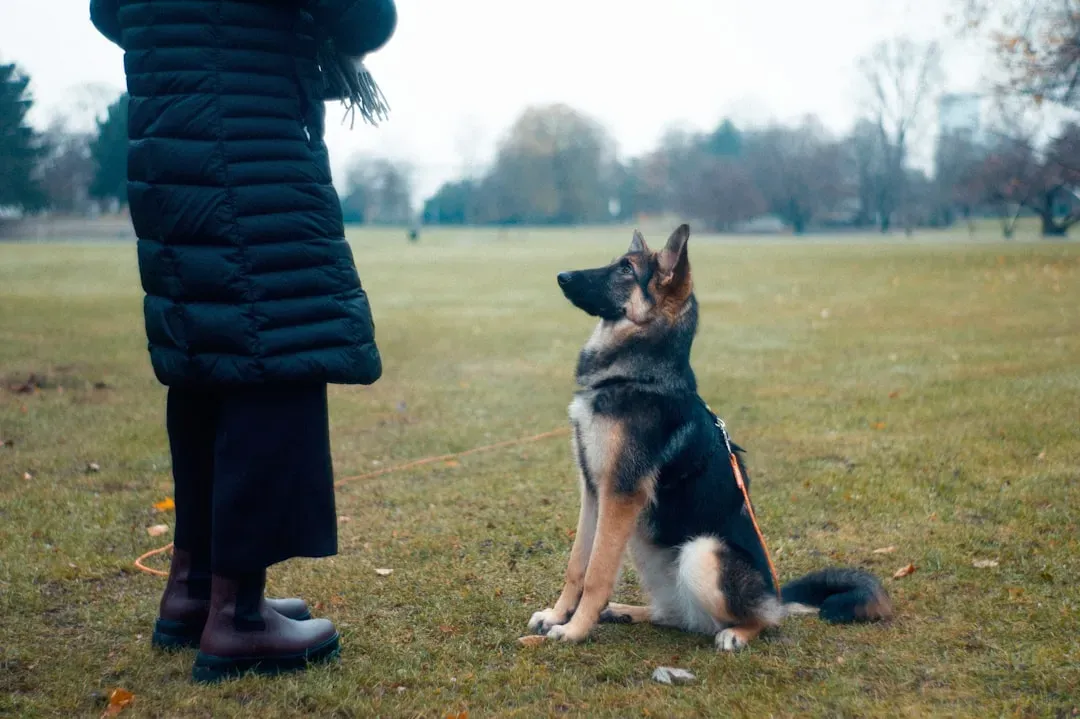
Trainers hate this one, and the science is even harder on it. Learning ability in dogs doesn’t fall off a cliff at some magic birthday. What actually changes with age is speed, motivation, and sometimes sensory function – not the basic capacity to learn.
Studies tracking senior dogs in cognitive tests show they can absolutely pick up new cues, solve novel problems, and even learn nose-work sports from scratch. They may need shorter sessions and clearer rewards, but the learning still happens.
- Arthritis, hearing loss, or fading vision can make certain tasks genuinely unpleasant for older dogs.
- Long-rehearsed habits, like pulling on leash for a decade, are more deeply wired and take longer to unwind.
What really trips people up is human patience, not canine capacity. Most owners give up faster on older dogs, then blame the dog. Trainers say some of their most emotional wins come from 8- to 12-year-old rescues learning house manners for the very first time.
#3 – “Let Sleeping Dogs Lie”

This one sounds like old-world superstition, but modern bite statistics quietly back it up. A significant share of dog bites, especially to children, happen when a dog is startled or disturbed while resting.
A sleeping dog’s startle threshold is lower than an awake dog’s. They can wake in a brief panic, especially if they’re carrying pain, anxiety, or a history of rough handling. Veterinary behaviorists regularly see “out of the blue” bites that weren’t random at all – someone leaned over a sleeping dog, hugged them in bed, or tried to shove them off the couch.
- Half-awake dogs react first and recognize you second; they don’t generalize safety well in that groggy window.
- Chronic pain, like arthritic hips or spinal issues, makes being jostled much more likely to trigger a defensive snap.
- Kids are especially at risk because they tend to climb on, hug, or accidentally fall onto resting dogs.
The modern, science-backed version of this saying is simple: if the dog is sleeping, eating, or has a bone, leave them alone. Plenty of trainers now push that as a non-negotiable household rule.
#4 – “Every Dog Has Its Day”

This one sounds philosophical, but it sneaks in a very specific claim – that luck or justice eventually favors every dog. Behavior science can’t measure destiny, but welfare research can measure opportunity. And what it shows is bluntly unfair.
Your odds of a good day as a dog depend heavily on breed, size, color, and where you happen to be born. Large black dogs are adopted more slowly. Certain breeds, or mixes that resemble them, are overrepresented in shelters and euthanasia statistics. Street dogs in some regions live hard, short lives with almost no veterinary care.
Worth Knowing
- Large, black-coated dogs are often adopted more slowly than lighter-colored or smaller dogs.
- Enrichment programs in shelters – short daily play, basic training, simple puzzles – dramatically improve dogs’ stress levels.
- Short-term foster placements and volunteer walks measurably raise welfare scores, even for dogs who aren’t adopted quickly.
So “every dog has its day” isn’t statistically true on its own. But it can be made truer through human intervention. Shelter reform, spay and neuter programs, and adoption campaigns are essentially attempts to force this saying into reality.
#5 – “Barking Dogs Seldom Bite”

People repeat this to calm themselves down when a dog is losing its mind at the fence. The data behind it is far messier than the saying admits.
Most barks genuinely are warnings, not attacks. Dogs bark to create distance, signal discomfort, or alert their humans, and researchers call this “distance-increasing behavior.” In many cases, especially behind a barrier, an intense barker will actually back off once the perceived threat retreats.
- Dogs showing stiff bodies, a hard stare, and growling on top of barking carry a higher bite risk.
- Fear-based barkers often lunge if the person ignores their warning and keeps approaching.
- Some dogs have learned that biting is the only signal that actually works, after their barking got ignored one too many times.
The safer, science-informed version is: a barking dog is telling you something, so listen before you assume it won’t bite. Treat it as a possible risk, not a guaranteed bluff.
#6 – “You Can’t Teach an Old Dog to Stop Chasing”

This is the more specific cousin of #2, and it’s one saying where instinct genuinely earns some respect. Prey drive and chase behavior have strong genetic roots. Herding breeds, sighthounds, and terrier types are often born wired to chase moving things harder than other dogs.
Once a dog has rehearsed chasing bikes, joggers, or squirrels for years, those neural pathways get deeply grooved. But “can’t change” is still too strong a claim.
- Under controlled conditions, many high-drive dogs can build rock-solid impulse control around moving objects.
- Management tools like leashes, long lines, and fencing paired with structured training dramatically cut chase incidents.
- The realistic goal often shifts from erasing the instinct to redirecting it into safer outlets like flirt poles or fetch.
Here’s the uncomfortable part: it’s rarely the dog’s age that’s the real barrier. It’s owner consistency and risk tolerance. People want a magic fix that erases years of reinforcement overnight. Science can’t offer that – but it can offer far fewer close calls, even in older, chase-obsessed dogs.
#7 – “Once a Biter, Always a Biter”
This is one of the most damaging sayings on the list, and research flatly contradicts its absolutism. Aggression is a behavior, not a permanent personality sentence.
Veterinary behavior clinics have documented dogs with confirmed bite histories significantly reducing or stopping aggressive incidents after structured behavior modification, medical workups, and changes to their environment. Pain, thyroid issues, poor vision, and chronic anxiety can all fuel biting. Treat the underlying issue, and the “biter” often looks like a completely different dog.
- Dogs who bite under intense provocation aren’t in the same risk category as dogs who bite unpredictably in calm situations.
- Management tools like muzzles, gates, and clear household rules drastically reduce risk.
- Long-term follow-ups show a large share of behavior cases never bite again after treatment.
Is the risk zero? No. A dog with a bite history still deserves structure, respect, and honest assessment. But the blanket phrase “once a biter, always a biter” ignores decades of evidence that behavior is context-dependent and, in most cases, modifiable.
#8 – “You Can’t Housebreak a Small Dog”
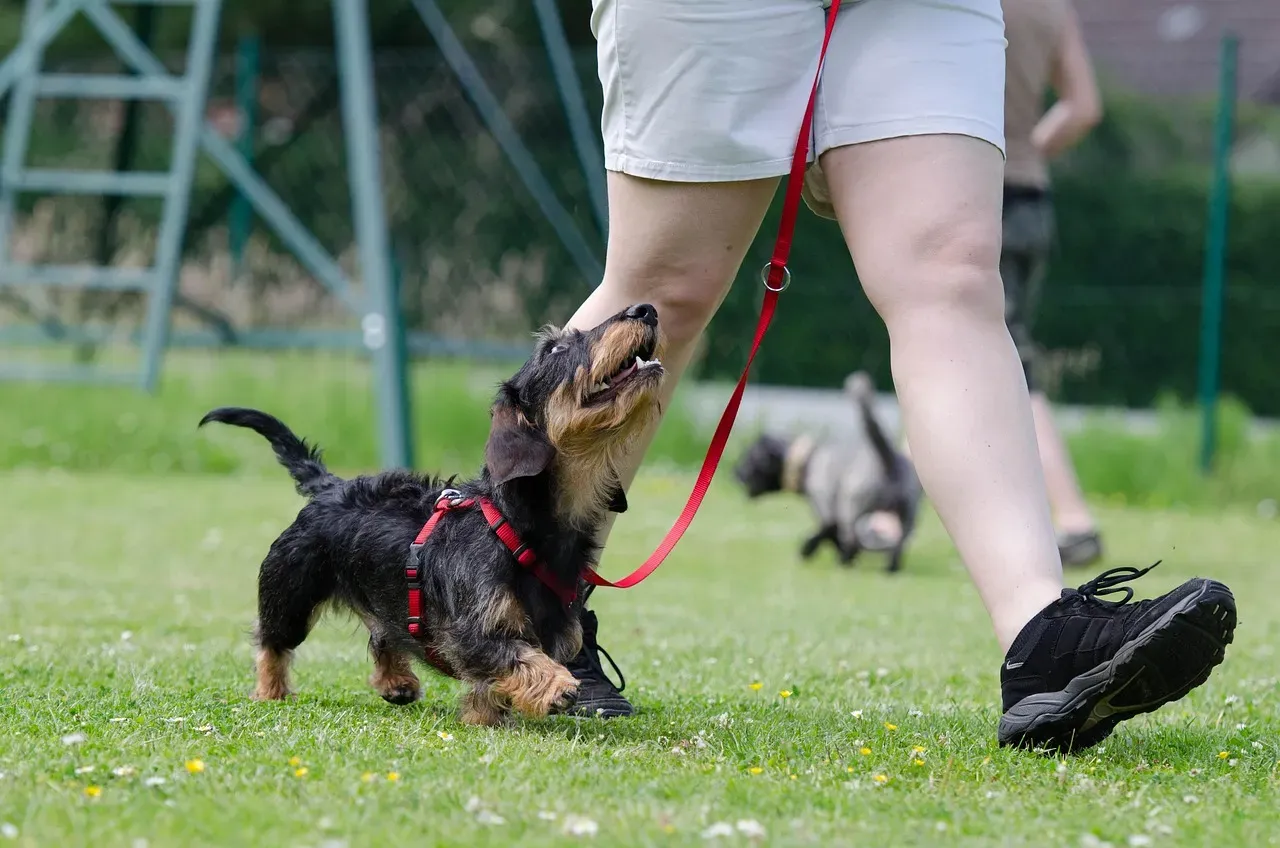
This one is secretly more about humans than dogs. Housetraining research rarely singles out toy breeds as untrainable. What it does show is that owners of small dogs are far more tolerant of accidents, and far less consistent about management. A three-pound puddle is simply easier to ignore than a seventy-five-pound disaster.
- Small dogs often get carried outside instead of walked on leash to a specific potty spot, muddying the association entirely.
- Owners are less likely to invest in formal training for toy breeds, assuming they’re “easy pets” by default.
- Cold weather and small bladders make frequent, structured outings even more essential – yet many owners do the opposite.
When small dogs get the same structure and expectations as large dogs, their housetraining success rates end up comparable. The saying persists mostly because people quietly lower the bar the smaller the dog gets.
#9 – “A Tired Dog Is a Good Dog”

Modern trainers repeat this constantly, but the research shows it’s only half-true. Physical exercise absolutely helps reduce some unwanted behaviors. Studies have linked regular walks and active play to lower rates of destruction, restlessness, and certain forms of anxiety.
But here’s the trap: leaning on physical exercise alone can backfire.
Quick Compare
- Physical exercise: burns energy fast, but high-drive dogs adapt over time and often need more just to feel the same level of tired.
- Nonstop ball-chasing: can leave over-aroused dogs cranked up instead of calm.
- Mental enrichment: snuffle mats and nose work often tire dogs out more effectively than another three-mile jog.
The science-backed update is that a mentally and physically satisfied dog is a good dog. Tired from mindless sprinting isn’t the same as calm and regulated, and plenty of frustrated owners blame the dog when “more exercise” fails to fix reactivity or anxiety.
#10 – “Old Dogs Just Sleep All Day”

This saying is part compassion, part excuse. Yes, senior dogs sleep more – aging brains, slower metabolisms, and joint pain all play a role. But researchers studying canine cognitive dysfunction, the dog version of dementia, warn that excessive sleep can be a red flag, not just a quirk of getting old.
When an older dog “just sleeps all day,” it may actually be avoiding movement because it hurts, or because it’s confused and withdrawn.
- Dogs with untreated arthritis often show “laziness” that vanishes once their pain is properly managed.
- Gentle enrichment, like short sniff walks or food puzzles, keeps senior brains sharper for longer.
- Cognitive decline can be slowed with diet changes, vet-prescribed supplements, and tailored activity.
The brutal truth is that “she’s old, she just sleeps” sometimes hides an untreated medical issue. Senior dogs benefit from proactive care, not just soft beds and sympathy, and letting them fade out quietly underuses what modern veterinary medicine can actually do.
#11 – “If the Dog Likes You, You’re a Good Person”

People lean on this one more than they’d admit – the idea that dogs have a sixth sense about human character. The evidence is genuinely mixed.
Experiments show dogs are remarkably sensitive to human body language, tone of voice, and emotional state. In lab tasks, they can distinguish between people who treated their owner kindly versus rudely, and they may even favor the “helpful” person. They also pick up on stress hormones and subtle posture changes most humans never notice.
- Dogs can be wary of perfectly decent people who move awkwardly, smell unusual, or resemble someone from a past bad experience.
- Friendly, confident people with poor boundaries around dogs, like hugging or looming, can still trigger fear.
- Some dogs are simply anxious or poorly socialized and distrust almost everyone equally.
Dogs clearly pick up on how people act in the moment, but they aren’t moral polygraphs. If your dog dislikes someone, it’s worth paying attention – it’s just not a verdict on that person’s soul.
#12 – “Dogs Look Guilty When They’ve Done Something Wrong”

Everyone thinks they know “that face.” Research absolutely shredded this one. In classic experiments, dogs were filmed in setups where they had actually misbehaved by eating a forbidden treat, and in other trials where they hadn’t misbehaved at all but the owner was told they had. Owners then walked in and either scolded or stayed neutral.
The famous “guilty look” – cowering, lip licking, squinting, avoiding eye contact – showed up most strongly when the owner was angry, not when the dog had actually done anything wrong. The expression tracks the owner’s behavior, not the dog’s memory of a crime.
- A looming, tense human.
- An angry tone of voice.
- A history of punishment tied to that exact context, like trash on the floor.
The modern consensus is that face isn’t guilt – it’s appeasement and anxiety. We’re the ones projecting moral meaning onto body language that’s really just saying, “please don’t be mad at me.”
#13 – “A Wagging Tail Means a Happy Dog”

This might be the most dangerously oversimplified saying on the whole list. Tail wagging is complex social signaling, not a simple smiley face bolted onto a rear end.
Researchers studying tail mechanics have found that dogs wag in different directions, speeds, and heights depending on their emotional state. A loose, full-body wag at mid-height usually signals friendly interest. A fast, high wag paired with a stiff body can signal tension, or even aggression.
At a Glance
- Loose, mid-height wag: usually signals friendly interest.
- Fast, high wag with a stiff body: can signal tension or possible aggression.
- Low, rapid wag: often nervous appeasement, not happiness.
- Right-biased wag: linked in some studies to more positive emotion; left-biased wag to more negative arousal.
Breed and tail shape can change how easy these signals are to read, but the underlying principle holds across the board. The real danger is people seeing any wag at all and assuming “safe.” That assumption is exactly how bites happen. The evidence-based translation is that a wagging tail means “emotionally activated” – you still have to read the rest of the dog.
#14 – “There Are No Bad Dogs, Only Bad Owners”

This is the internet’s favorite dog quote, and it’s where science forces the hardest, most uncomfortable nuance of all fourteen sayings.
On one side, the data is clear: environment, training methods, early socialization, and owner behavior have massive effects on aggression and fear. Harsh punishment, isolation, and neglect strongly correlate with bite risk and behavior problems. Switch from pain-based training to reward-based methods, and problem behaviors often plummet.
But genetics and individual variation are not fairy tales invented to let owners off the hook.
- Certain lines within breeds carry a higher genetic risk of fearfulness, sensitivity, or impulsivity.
- Early brain development, prenatal stress, and pure random variation can produce dogs who are simply harder to live with.
- Even in ideal, loving homes, a small subset of dogs still develop severe behavior disorders.
The strictly scientific version would be: there are very few truly “bad” dogs, but there are also loving owners who can’t always fix serious genetic or neurological problems through sheer effort. Blaming every bite solely on humans sounds compassionate, but it erases the reality that some dogs are struggling with hardware issues, not just software mistakes.
The Bottom Line

Stack these old sayings next to actual research, and a pattern jumps out fast. The phrases that emphasize listening to dogs’ signals, respecting their limits, and recognizing their emotional lives tend to age well. “Let sleeping dogs lie” and “a tired dog is a good dog” hold up once you update them with a little nuance.
The sayings that oversimplify – wagging tail equals happy, once a biter always a biter, that famous guilty look – fall apart the fastest, and they’re often the ones that get dogs hurt or misunderstood.
My honest take: the feel-good clichés are the most dangerous ones, not the harsh-sounding ones. A saying like “let sleeping dogs lie” protects a child from a bite. A saying like “there are no bad dogs” can leave a genuinely struggling dog without the medical or behavioral help it actually needs, because everyone assumed love alone would fix it. Dogs deserve better than folklore. They deserve owners willing to read the actual signals, not just the comfortable stories we’ve been repeating for a hundred years.
Which old saying do you think causes the most damage, or gets unfairly dismissed? Did we miss one you grew up hearing? Drop it in the comments.