
How a Kennel Knows Within One Night That a Dog Is Missed
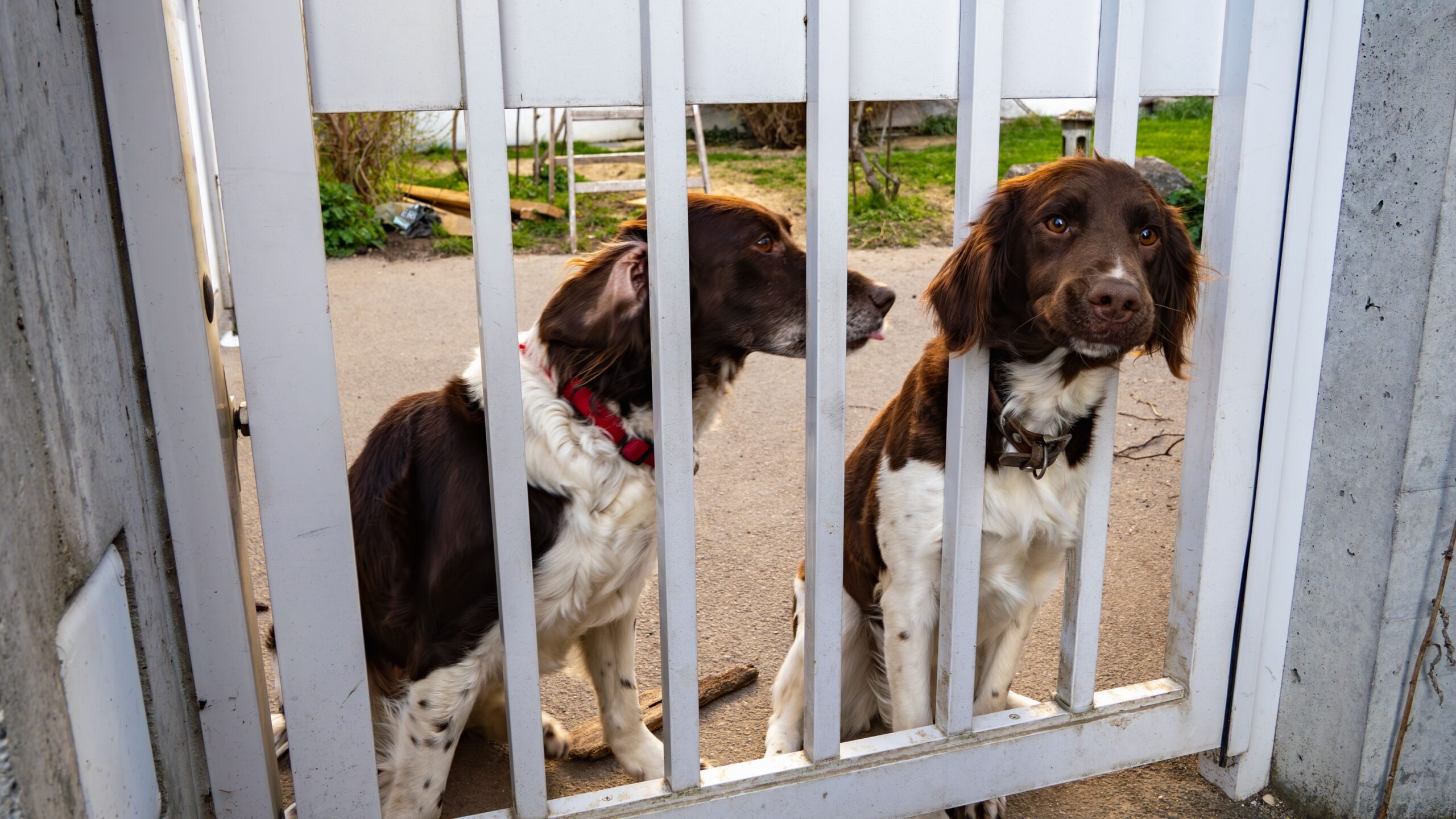
Most people picture kennels as glorified storage: a cage, a bowl, a bored dog waiting out the clock. So it sounds almost impossible that a kennel could know, after a single night, exactly how much a dog is missed back home. But ask anyone who has actually run a boarding facility and they’ll tell you the opposite is true. By morning, the dog has already confessed everything – who it sleeps next to, who it panics without, who it’s straining to hear coming down the hallway.
Nobody asked the dog a single question. They just watched. What follows is the quiet, unglamorous behavioral science behind how experienced kennel staff read longing, grief, and love in the space of one overnight stay – and why the reunion at pickup is really just the final confirmation of something the staff already knew hours earlier.
#1 – The First-Night Check-In: How a Dog’s Arrival Gives It Away
Kennels don’t wait until morning to start reading a dog. The arrival itself is already full of data, and staff are clocking it in the first ten minutes, often before the paperwork is even signed.
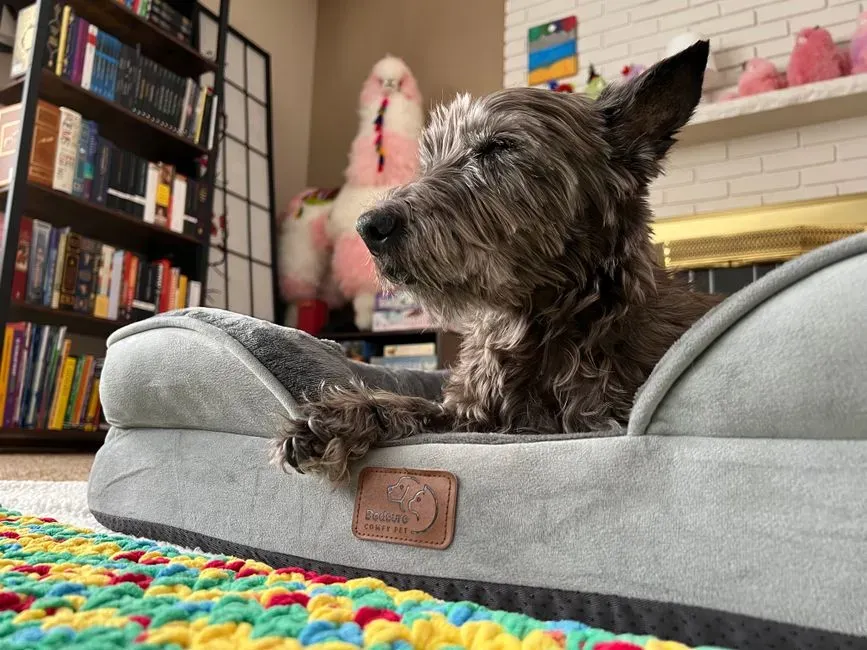
A dog that keeps twisting back toward the door, craning for a car that’s already left the lot, is broadcasting attachment loud and clear. Owners tend to wave it off as “just nerves.” Professionals look for patterns instead: Is the dog ignoring treats it normally loves? Is it scanning faces like it’s expecting someone specific to walk through? Is it sniffing the room, or only staring at the exit?
Then comes the handoff moment. Some dogs bolt off to sniff every corner of the new space. Others plant their feet and refuse to move. The ones who are deeply bonded at home often do a fast, almost desperate double-take at their owner’s retreating back.
The dog that freezes, then tries to follow, is usually the one who’ll spend the night missing someone specific. By the time the owner’s car clears the parking lot, staff already have a working theory. But that’s nothing compared to what dinner reveals.
#2 – Dinner Tells the Truth: Appetite as an Attachment Signal
Follow the food and you’ll find the feelings. In boarding, dinner is one of the most reliable emotional thermometers there is.
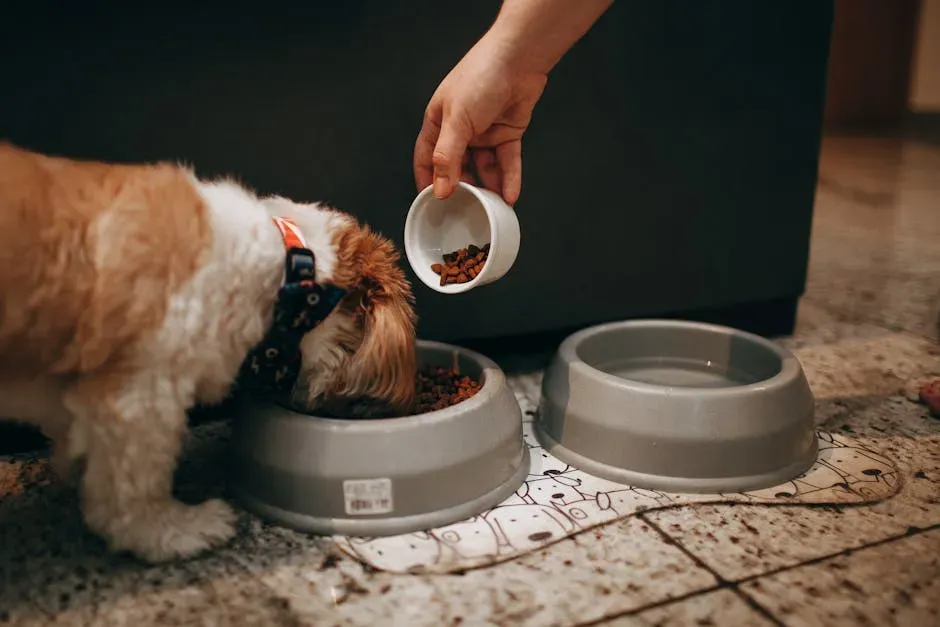
A dog that normally inhales its meals but suddenly sniffs, walks away, or won’t touch the bowl after check-in is waving a real flag. This isn’t pickiness – it’s chemistry. Cortisol, the body’s primary stress hormone, actively suppresses appetite, so a healthy dog snubbing high-value food is telling on itself.
- Complete food refusal on Night 1, despite being physically fine.
- Eating only after a staff member sits close by or hand-feeds a few bites.
Many dogs who are deeply missed at home show a specific ritual: staring toward the kennel door mid-meal, ears pricked, as if listening for keys or a familiar voice. Some will pick up a single piece of kibble, carry it toward the gate, drop it, and just stand there.
That “waiting at the door” behavior is a classic sign the dog genuinely expects its person to show up any minute. This is where an experienced kennel can say, with uncomfortable accuracy, “Someone really matters to this dog.” The nighttime routine reveals even more.
#3 – The Night Watch: How Restless Sleeping Exposes Who’s Missing

Most owners never see what their dog does at 2 a.m. in a strange kennel. Staff – or the cameras – do, and this is where the truth really surfaces.
Fast Facts
- Adult dogs typically need around 12-14 hours of sleep a day, spread across many short cycles rather than one long stretch.
- Stress hormones disrupt deep, restorative sleep first, which is why anxious dogs often look “awake but exhausted” by morning.
- Pacing loops, sudden alerting, and repeated waking are the three overnight behaviors staff log most often.
- A dog that settles into real deep sleep within the first hour is usually showing low separation stress.
A dog missing someone rarely just whines a little and crashes. More often it runs a whole cycle: protest, scanning, restless pacing, repeat. In those first overnight hours, staff watch for pacing loops from door to bed, sudden alerting at distant sounds, and the visible deflation when it isn’t their person after all.
Some dogs lie down but stay physically tight – ears flicking at every noise, eyes half open, never fully surrendering to sleep. Deep sleepers in new environments are usually either well-socialized or not strongly attached; the dog that can’t settle is almost always carrying a missing-person problem.
There’s also the “empty side of the bed” behavior – dogs used to sleeping against a human curl into the far corner instead, pressing into the wall like it’s a stand-in body. Paired with soft whining that stops the moment someone sits nearby, staff can almost guarantee this dog has a strong nighttime bond with someone who isn’t there.
#4 – The Early-Morning Test: Who They Look For First
If you want to know who a dog truly cares about, watch what it does the second it wakes up. Morning rounds aren’t just cleaning and feeding – they’re an emotional roll call.
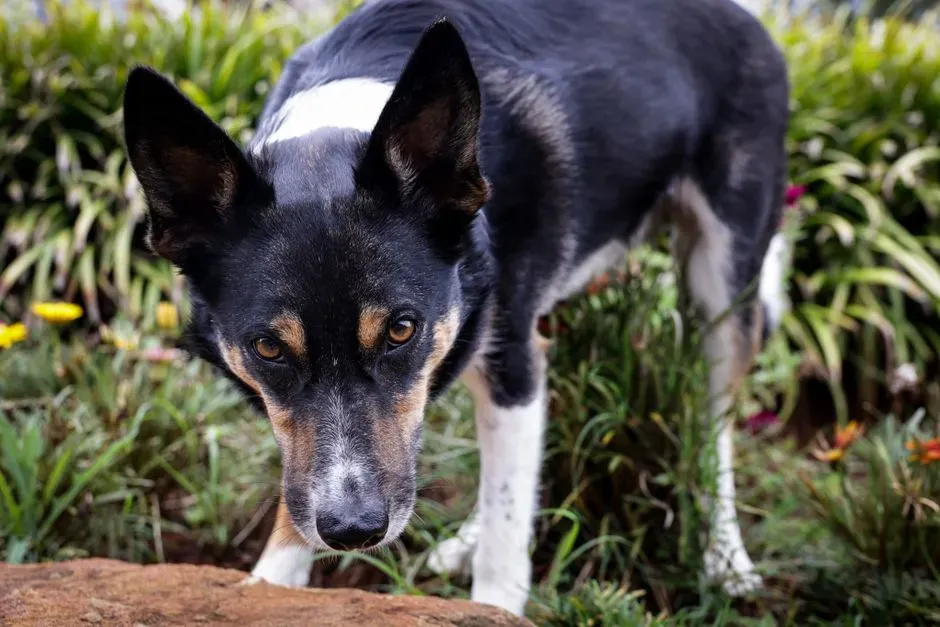
Dogs missing someone specific often jump up and rush the door, looking past the staff member as if hoping a second, more familiar figure is standing behind them. Others scan the hallway intensely, then visibly droop once they realize it’s only staff.
Confident, easygoing dogs shift quickly into “new day, what’s next” mode. Dogs who are quietly heartbroken take much longer. They might accept a few pets but keep cutting their eyes toward the exit or the windows, ignoring toys and treats entirely to just stand and stare.
By this first morning, staff are connecting the dots between arrival behavior, night pacing, and morning scanning. When all three line up, they can say with real certainty: this dog is deeply missing someone at home. One more test remains – how they act around other dogs.
#5 – Group Play vs. Gate Sitting: Social Choices Speak Volumes
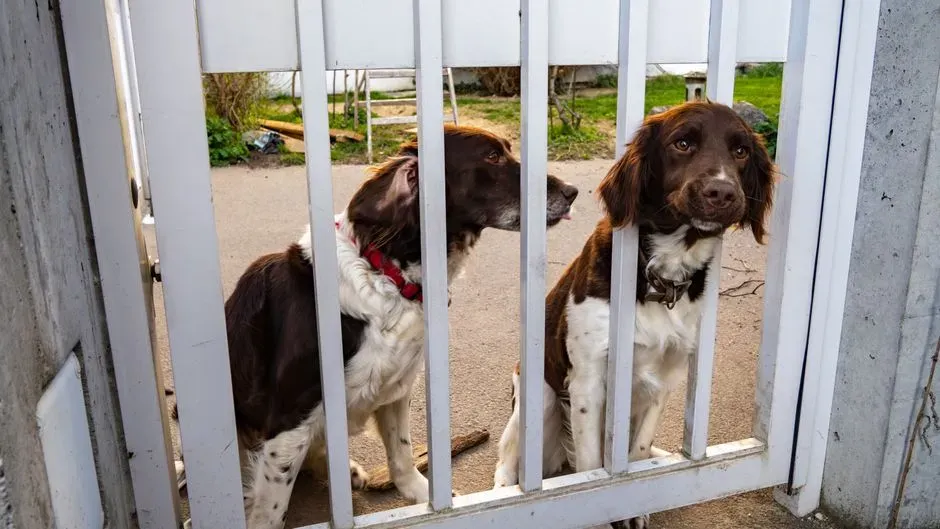
Group play isn’t just there to burn energy – it’s a behavioral goldmine. How a dog spends that time says a lot about how preoccupied it still is with the person it’s missing.
Two archetypes show up fast:
- The “Forget My Feelings” Player – dives into play hard, chases and wrestles like it’s having the time of its life, then suddenly burns out, stands at the fence, and stares back at the building where humans come and go. Play here is a distraction, not a replacement.
- The “Gate Guard” – skips play invitations entirely, sniffs politely, then takes up a fixed post by the door where humans appear. If staff move toward the exit, this dog shadows them, eyes locked, silently asking whether its person has arrived.
Kennel workers are blunt about it: the dog that picks humans over other dogs in a brand-new place is usually deeply bonded at home. Choosing the gate over guaranteed fun says, without a bark, “I miss someone.”
#6 – The Silent Language: Ears, Eyes, and Tail That Give It Away

You don’t need barking or howling to know a dog is missing someone. In fact, the quiet ones often worry professionals the most, because silent grief is easy to miss if you’re not trained to see it.
Key signals staff watch for include ears that perk sharply at anything resembling keys or a familiar voice, a tail held low and still in a kind of “waiting neutral” – not wagging, not tucked – and eyes that track doorways more than toys, food, or other dogs.
Worth Knowing
- A low, still tail is easy to miss but can signal more distress than barking ever does.
- The “false recognition” reaction – hope followed by collapse – can repeat dozens of times in one night.
- Quiet dogs are often misread as “doing fine” when they’re actually the most affected of the group.
One of the most telling micro-signals is what staff call the “false recognition” reaction: a dog hears footsteps outside, springs up with hopeful body language, then visibly collapses into neutral or mild distress the second it’s not their human. That rise-and-fall of hope repeats over and over in dogs that are intensely missed at home.
Sometimes there’s “protest grooming” too – licking paws or the floor near the gate, a kind of nervous nail-biting for dogs. Alone, it’s a small thing. Paired with the eye and ear work, it paints a clear picture of longing.
#7 – The Camera Doesn’t Lie: What Overnight Footage Reveals

Many modern kennels run overnight cameras, either for staff review or live streams for owners. What gets captured between midnight and 5 a.m. lets professionals rewind and study a dog’s entire emotional arc from that critical first night.
- Repeatedly waking, walking to the door, listening, then circling back to bed.
- Long stretches of staring at one fixed point – usually the direction of normal human entry.
- Sudden, frantic bursts of movement right after a sound, followed by obvious disappointment.
What you almost never see in a dog that isn’t missing anyone is extended, calm engagement with toys or its surroundings during those same hours. The “content loner” rearranges bedding, chews, sniffs thoroughly, then falls into deep, uninterrupted sleep.
Footage also shows how long a bonded dog stays semi-vigilant – sometimes for hours, as if refusing to fully rest until it’s sure its person isn’t coming tonight after all. That repeated “Is that them? No. Is that them? No.” loop is heartbreaking to watch, but it’s some of the most reliable evidence a kennel ever collects.
#8 – Intake Forms, Scent Items, and the “Home Story” Behind the Dog
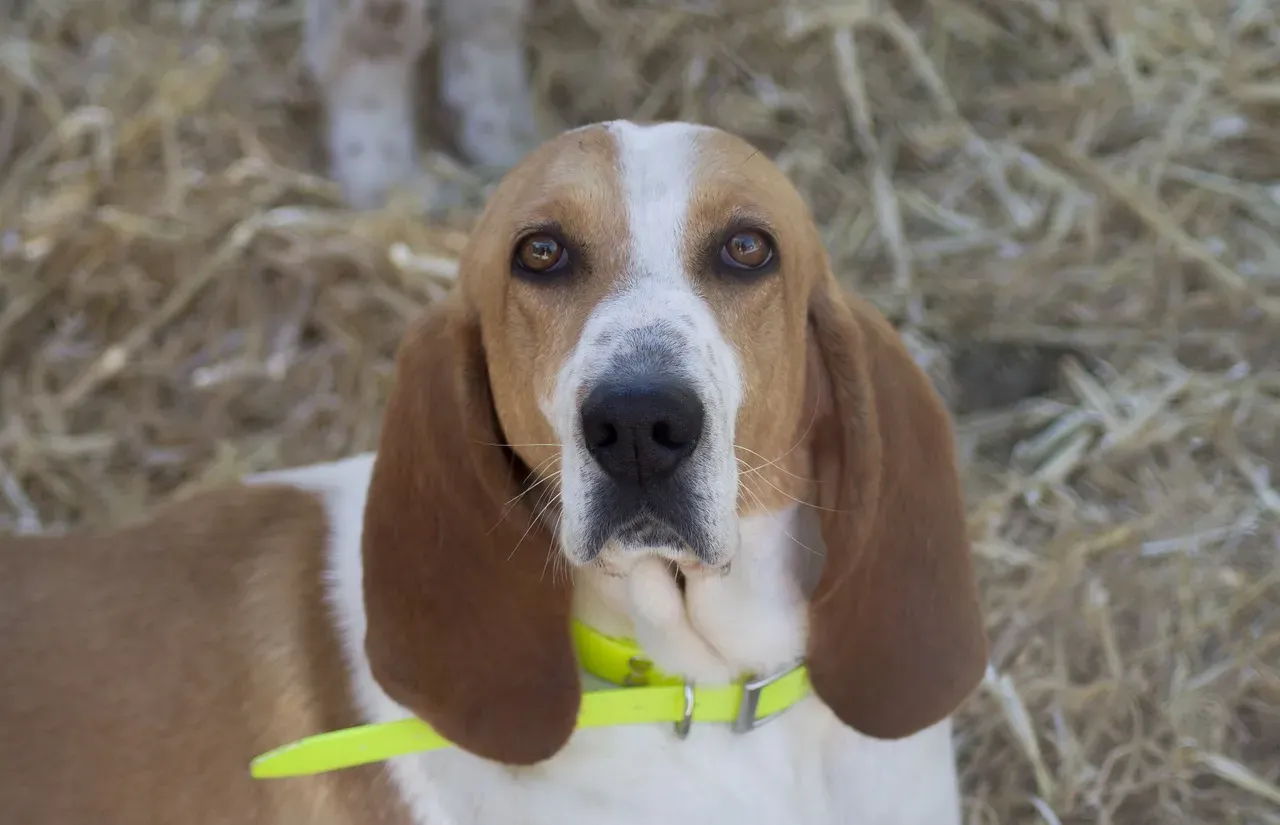
It’s tempting to assume every whining dog is heartbroken, but good kennels cross-check feelings with facts. Intake forms and conversations with owners add context that makes overnight behavior make sense.
Most reputable facilities ask where the dog normally sleeps, how long it’s typically left alone during the day, and whether it shadows one person more than others. The dog that normally spends 23 out of 24 hours within six feet of its human will feel a one-night absence like a seismic shift.
Scent items matter just as much. A shirt, blanket, or pillowcase from home becomes an anchor – dogs that obsessively curl around or bury their nose into that object all night are telling on themselves in the clearest way possible. Scent is a dog’s primary link to the people it loves; clinging to a scented reminder on Night 1 is the canine version of scrolling through old photos of someone you miss.
When behavior, body language, and history all line up, staff can say with confidence: this isn’t random stress. This is targeted longing.
#9 – Breed & Personality: Why Some Dogs Show It Loudly and Others Go Quiet
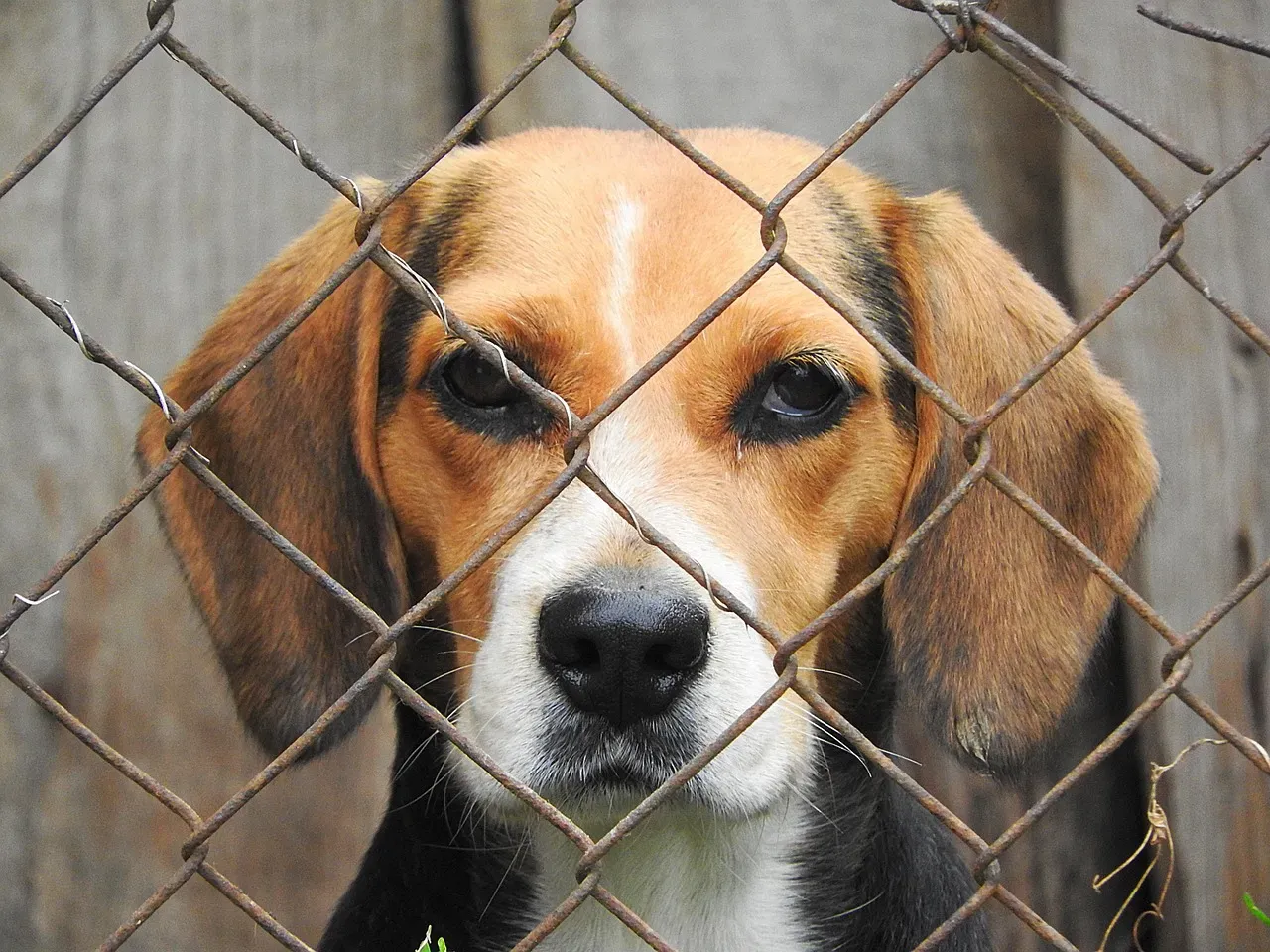
Here’s a truth some owners don’t love hearing: not every dog shows missing its person the same way, and volume doesn’t equal depth of feeling. Breed and personality shape how that first night looks.
High-attachment “velcro” types – many herding breeds, some shepherds, certain companion breeds – tend to whine or bark early, fixate on the door, and follow every staff member as if testing whether they might be “the one.” More independent breeds can be just as bonded but far more stoic, showing muted signs instead: ignoring other dogs, a total lack of curiosity, only perking up at human-related sounds.
Softer, more sensitive dogs often shut down rather than act out. They can look calm in the run while quietly refusing to engage, even with gentle encouragement. Professionals are trained not to reward the loud dogs and overlook the quiet ones, because the silent grievers are frequently the ones suffering most.
Quick Compare
- Velcro breeds: vocal early, fixate on doors, test every staff member who walks by.
- Independent breeds: stoic and quiet, but show a near-total loss of curiosity in anything non-human.
- Sensitive, soft-natured dogs: shut down rather than act out – often the hardest cases to spot.
Within one night, kennels can already tell which dogs are out-of-sight-out-of-mind and which are silently keeping score of every minute apart from their family.
#10 – Clinginess vs. Curiosity: How They Treat Staff as “Rebound Humans”
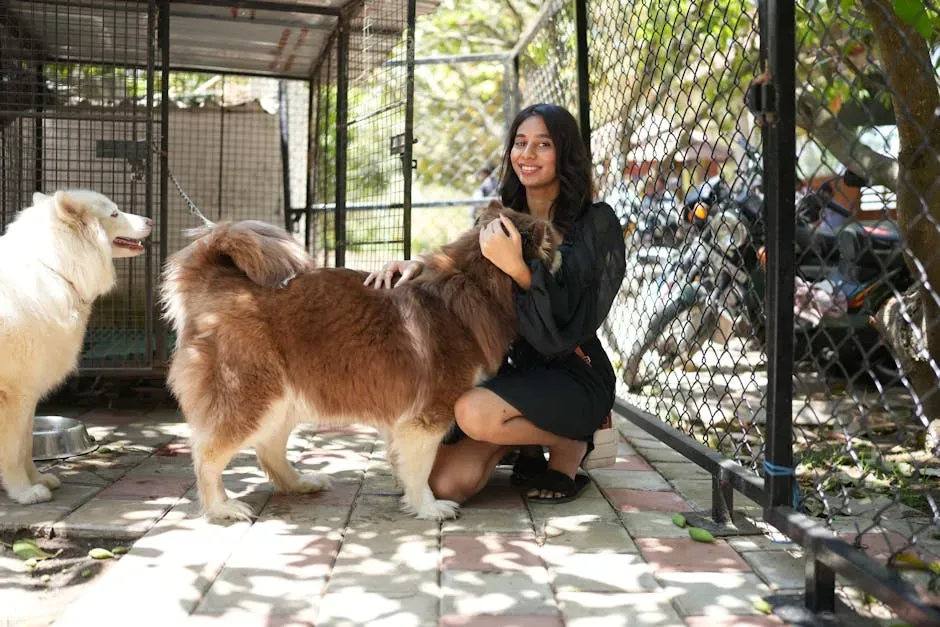
How a dog treats kennel staff after that first rough night is revealing in its own right. A dog missing its person doesn’t always “replace” them with whichever human happens to be nearby – and the difference between curiosity and clinginess is one of the fastest tells there is.
The curious boarder greets staff happily, explores the space, and transitions easily into play. It likes people but doesn’t need constant reassurance. The clingy mourner leans into every touch like it’s starved for it, tries to climb into laps, and visibly panics when staff step away – using human contact as an emotional life raft, not just enjoying it.
There’s a third profile too: the dog that avoids touch at first but shadows staff from a short distance, lying down nearby and watching intently. Not tactile by nature, but still choosing proximity – a substitute for the closeness it would normally have with its main person at home.
By the end of that first morning, kennels have essentially mapped whether this dog treats humans as interchangeable, or is clearly trying to recreate a very specific attachment it’s missing.
#11 – The Reunion Reaction: Confirmation of Everything Kennel Staff Suspected
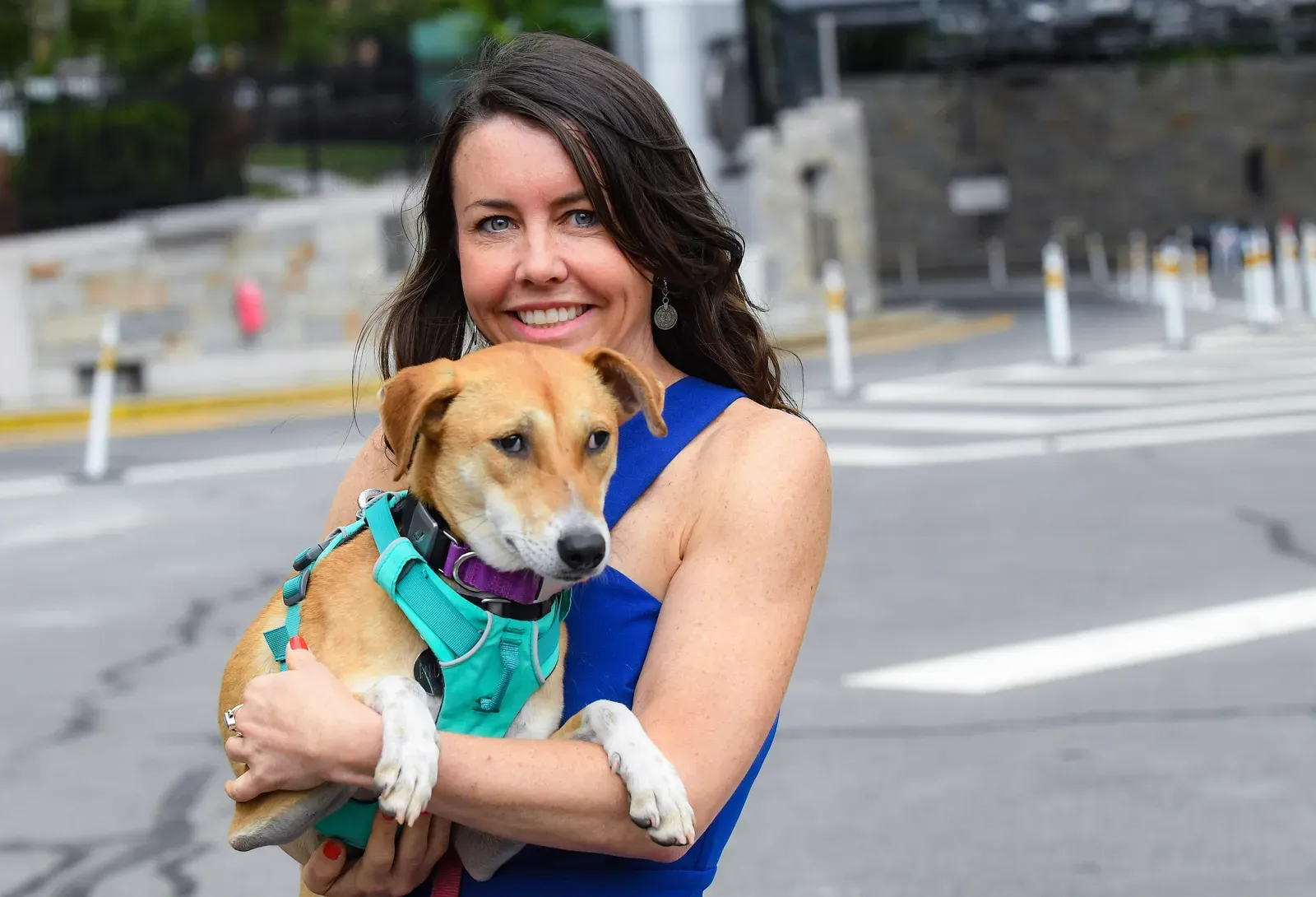
If you want undeniable proof a dog was missed at home, watch the reunion. Most people focus on the joyful chaos of it. Kennels notice something else – the way the dog’s entire emotional state reorganizes itself around the one person walking through the door.
They watch which family member triggers the strongest reaction, whether behavior toward staff instantly shifts the moment “their person” appears, and how fast appetite, tail carriage, and overall energy snap back to normal.
Dogs who were deeply missing someone often show a very specific pattern: friendly with staff all weekend, then the moment their person walks in, focus snaps like a magnet. They ignore treats, toys, even other family members for several seconds while they make sure this is real. Some let out a low, relieved whine they never made for anyone else.
At a Glance
- Sudden ignoring of treats, toys, and even other people once “their person” appears.
- A distinct low, relieved whine reserved only for that one specific reunion.
- Tail carriage and appetite snapping back to normal within minutes, not hours.
Here’s the part that gets staff every time: experienced kennels often know who a dog will bolt toward before the door even opens, based on which name or voice the dog responded to most all weekend. Pickup doesn’t reveal anything new – it just confirms what the first night already made obvious.
#12 – How Good Kennels Respond When They Realize a Dog Is Deeply Missed
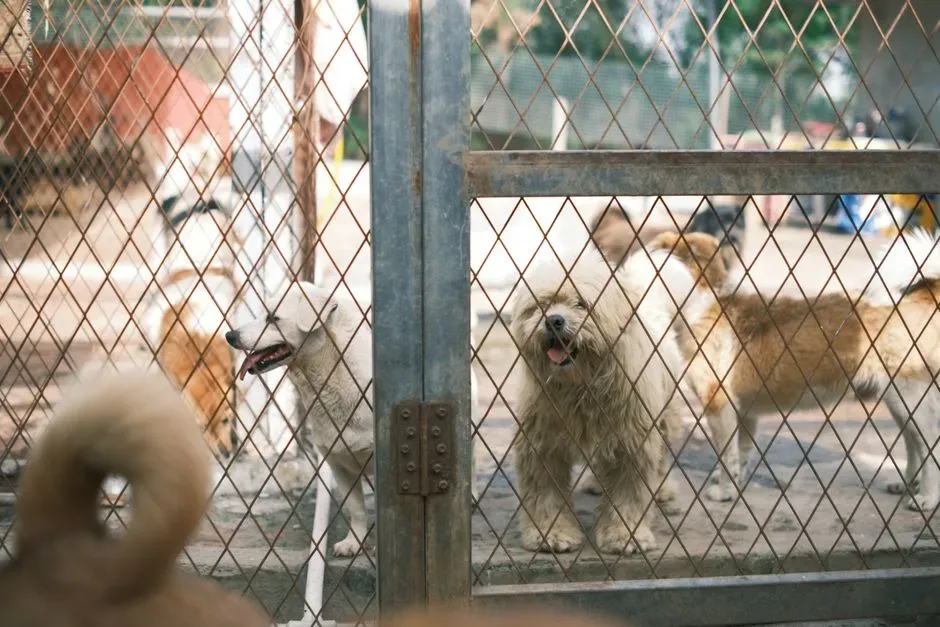
Once a team recognizes that a dog is aching for home – and home is aching back – the good ones don’t just shrug and move on. Care quietly shifts starting after Night 1.
Typical adjustments include extra one-on-one time in short, calm visits during quiet hours, feeding tweaks like hand-feeding or warming food to coax appetite, and routine anchoring – walking, playing, and feeding on roughly the same schedule the dog has at home.
- More structure and predictability.
- More familiar sensory anchors, especially smell and sound.
- More controlled, gentle human contact instead of random overstimulation.
Many facilities also lean harder on scent – moving the dog’s blanket or shirt to the prime sleeping spot, refusing to wash those items unless absolutely necessary, even rubbing the scent item on bedding to widen the “comfort zone.” This isn’t just kindness. Calmer, comforted dogs eat better, rest more, and stay healthier – and it happens quietly, often before the owner ever calls to check in.
#13 – The Uncomfortable Truth: Sometimes the Kennel Knows Before the Owner Does
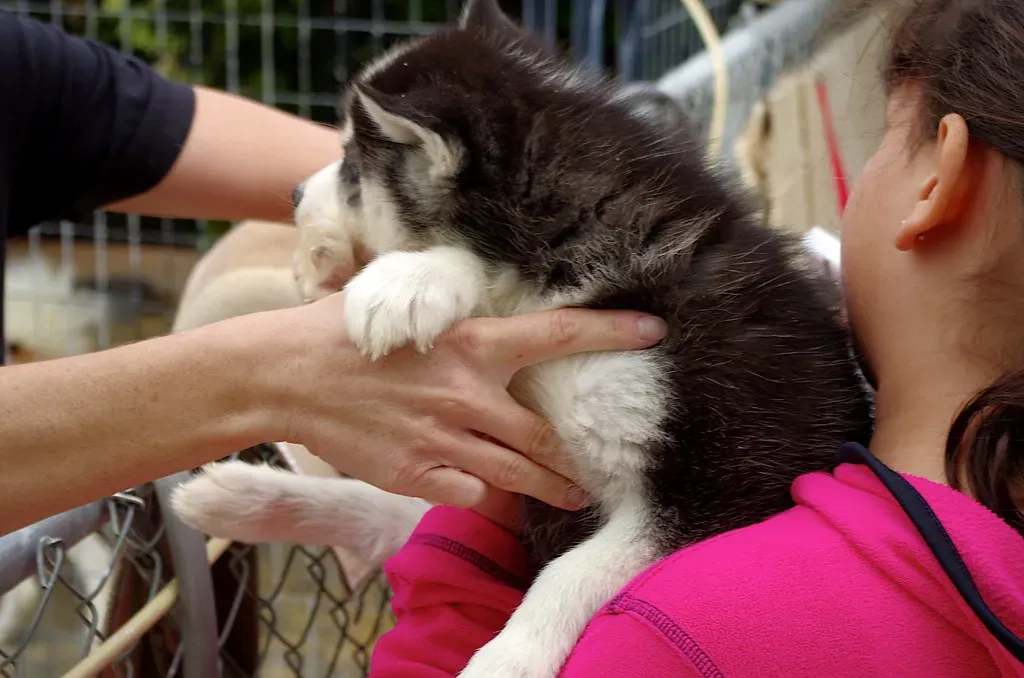
Here’s the part that stings: sometimes the kennel understands how deeply a dog is missed before the family fully does. Not because the family loves the dog any less, but because they’ve normalized its constant presence and never had to watch it cope without them.
Staff see the contrast up close. They know which dogs barely register their humans leaving, and which ones quietly fall apart – the dog that only sleeps soundly with someone sitting nearby, the one carrying a t-shirt like a security blanket all night. They also hear the worried check-in calls from owners who swear they’re “not the type to fuss.”
Often, the dog’s first-night behavior and the family’s next-day anxiety line up almost perfectly. Within one night, without a single word, a dog can tell a kennel exactly who misses them, how strongly, and how much that absence hurts on both sides.
Dogs are not our whole life, but they make our lives whole.
Roger Caras
The data isn’t romantic – it’s behavioral, consistent, and repeatable. But it feels like proof of something most owners already suspected: this was never “just a pet” to begin with.
The Bottom Line
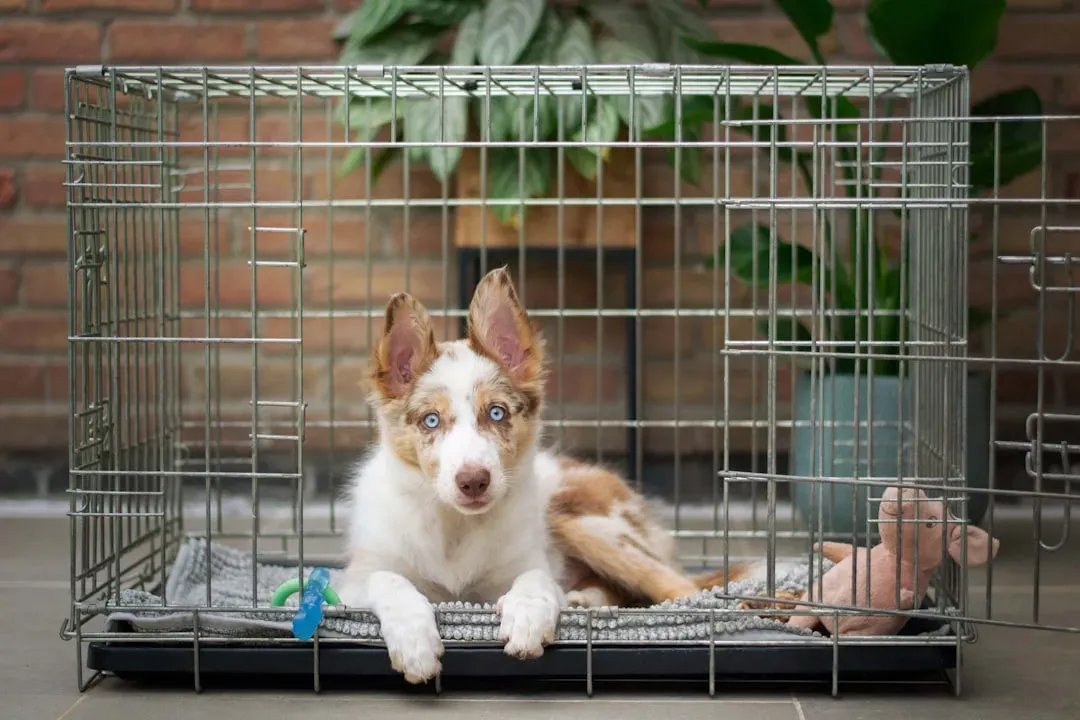
By the end of a single night, a good kennel doesn’t need guesswork or sentimental stories to know a dog is missed. They’ve watched the refusal to eat, the restless pacing, the door-staring at 3 a.m., the way a dog clings to a shirt that still smells like home, and the small, heartbreaking jolt of hope every time footsteps pass the gate.
It’s a pattern of hard, observable behavior pointing in one direction: this dog’s life is strongly tied to specific people. The uncomfortable, beautiful truth is that kennels often see the depth of that bond more clearly – and earlier – than anyone else, and the responsible ones adjust their care to honor it.
In my opinion, if your dog’s first night away makes trained professionals say, “Wow, this one really loves their people,” that’s not a problem to fix. That’s proof you’ve built something worth missing on both sides. Would you rather have a dog who barely notices you’re gone – or one whose very first night away quietly tells the world you matter?