
13 Things That Change for a Dog the Week the Children Go Back to School
Everyone braces for the chaos of new backpacks, alarm clocks, and school-morning meltdowns – but almost nobody braces for the dog. While parents are busy packing lunches and hunting for missing shoes, something quieter and stranger is happening at floor level: an entire world is collapsing for the one family member who has no idea why.
Behaviorists say the first week back to school can shift a dog’s sleep, appetite, mood, and even how they react to the mailman – sometimes overnight. The changes are subtle enough that most owners miss them completely, chalking up odd behavior to “he’s just being weird” or “she’s finally calming down.” What’s actually happening behind those confused eyes is a lot more layered than that, and by the end of this list, you’ll probably never look at that first Tuesday of September the same way again.
#1 – The Sudden Silence Hits Harder Than You Think
For a dog, sound is information. Back-to-school week rips half of it away overnight. The TV goes quiet, the cartoons stop, and the constant background track of stomping feet and shouted “Mooom!” simply vanishes.
Dogs who spent all summer marinating in kid-chaos can find that first silent weekday deeply unsettling. That noise wasn’t just noise to them – it meant “everyone is home, everyone is safe.” When it disappears, most owners misread the change entirely, assuming their dog is finally enjoying some peace and quiet.
In reality, a lot of dogs slide into a kind of mild monitoring mode. They pace. They stare at doors. Their ears prick at every sound outside, because their brain is running one loop on repeat: where did my people go, and when are they coming back?
- More window-watching than usual
- Bigger reactions to delivery trucks or passing cars
- Lingering near hallways or front doors
If your dog seems glued to the entryway this week, that’s not a personality change. That’s a dog trying to rebuild the mental map of a house that suddenly sounds wrong.
#2 – Separation Anxiety Quietly Spikes (Even in “Chill” Dogs)
This is the biggest stealth trigger of the entire back-to-school season. A dog who seemed perfectly relaxed all summer can start whining, scratching at doors, or barking nonstop the moment the school bus pulls away – with zero warning signs beforehand.
Dogs don’t understand “school schedule.” They only understand patterns: you used to be here, now you’re gone. If summer meant late wake-ups, shared breakfasts, and constant affection, that association was powerful. Losing it in a single week is, emotionally speaking, closer to a surprise breakup than a scheduling tweak.
Watch for these early red flags:
- Panting or pacing as backpacks come out
- Sudden clinginess right before departure
- Refusing treats in the minutes before you leave
The worst response is pretending it’s nothing and hoping the dog “gets over it.” Short practice departures, a puzzle feeder that appears only after the door closes, and calm, low-key exits – skip the high-pitched “Bye, buddy!” – help their brain link your leaving to something predictable instead of catastrophic.
#3 – Wake-Up Times Change Their Whole Internal Clock
When the alarm jumps from 8:30 a.m. to 6:15 a.m., your dog isn’t just getting up earlier. They’re being asked to rewrite an entire 24-hour rhythm overnight.
Dogs run on a circadian rhythm much like humans do, and back-to-school mornings can yank that clock forward by two hours in a single day. That mismatch often shows up as extra yawning during the afternoon, random 9 p.m. zoomies, or crashing hard right after dinner.
Since dogs can’t check a clock, they sync their internal timing to light changes, feeding times, and the sound of the household waking up – showers running, doors opening, cars starting. When mornings suddenly turn dark and frantic, the dog’s brain tags that chaos as the new “morning signal,” even though their biology is still set to summer time for days afterward.
Fast Facts
- Dogs sync their body clock to light, feeding times, and household noise – not an actual clock
- A sudden two-hour shift in wake time can take several days for their rhythm to catch up
- Common lag signs include afternoon yawning, late-night zoomies, or crashing early after dinner
If you can, shift feeding and walk times gradually by 15-20 minutes a day the week before school starts. Most families skip this step entirely – so if that’s you, just know your dog isn’t being dramatic this week. Their body clock genuinely got whiplash.
#4 – Their Exercise Drops Overnight (And the Fallout Isn’t Cute)

All summer, kids are accidental personal trainers. Fetch in the yard, being dragged around by toys, chasing bubbles – dogs often get far more movement from this than owners ever notice or count.
When school starts, that spontaneous exercise disappears instantly. For young or high-energy breeds especially, that’s the equivalent of a runner having their daily steps cut in half with zero warning.
By midweek, the fallout usually shows up as restlessness in the late afternoon, sudden “naughty” behavior like shoe-chewing or trash-digging, and more barking at every small sound outside. This isn’t a phase – it’s physics. Energy has to go somewhere, and dogs who used to burn it off with the kids now have nowhere to unload it.
- Add 10-15 minutes to the morning walk this week
- Squeeze in a 5-minute training session before you leave
- Use food puzzles or scatter feeding to occupy their brain once the house empties
Skip the adjustment, and don’t be shocked when the couch cushion pays the price.
#5 – Feeding Patterns Shift, and So Does Their Appetite

Back-to-school week quietly wrecks dog mealtimes more than most owners admit. Breakfast gets rushed. Someone forgets who already fed the dog. Dinner slides later because of homework or practice.
Dogs thrive on predictable feeding times, and sudden disruption can rattle more than their stomach – it can rattle their whole stress response. You might see a dog who suddenly “won’t eat breakfast,” one who inhales food then begs constantly afterward, or one who’s newly obsessed with dropped crumbs and abandoned lunchboxes.
Irregular meals can throw off hormones like ghrelin and cortisol, which regulate hunger and stress. That’s part of why some dogs seem extra hungry this week – their system genuinely can’t predict when the next real meal is coming.
- Assign one adult as “the feeder” for the first week
- Keep meal times within a 30-minute window no matter what else is chaotic
- Split breakfast into two smaller meals if mornings are too rushed
“He’ll eat when he’s hungry” works fine for some dogs. For anxious or sensitive ones, it just stacks stress on top of stress.
#6 – Their “Job” Disappears (And That Can Crush Confidence)
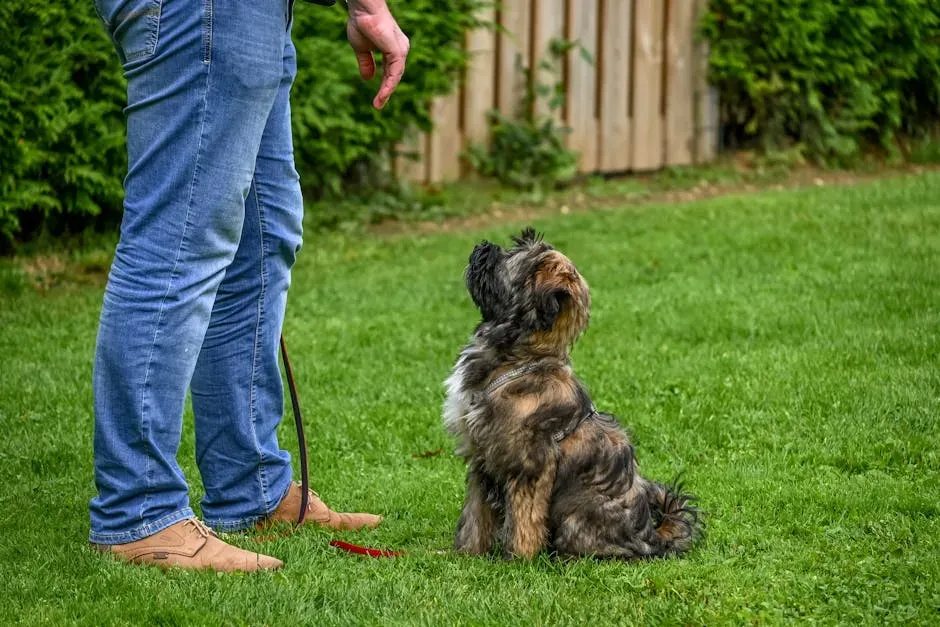
All summer, your dog probably had a job, even if you never clocked it. Maybe it was trailing the kids room to room, supervising backyard play, or lifeguarding beside an inflatable pool.
When the kids vanish for school, that unofficial job evaporates – and a surprising number of dogs feel genuinely unemployed. Working breeds like shepherds, collies, retrievers, and heelers are especially vulnerable, because they’re wired for purpose. Without one, they’ll invent their own jobs, and you might not love the ones they pick.
- Barking at every passing car as “perimeter security”
- Herding other pets or even adults around the house
- Obsessively guarding toys, windows, or doorways
The fix isn’t more cuddles – it’s a replacement role. A five-minute daily “search” game, basic trick training with a cue like “Time to work!”, or letting them carry a toy to greet the kids at the door can all restore a sense of purpose. Their self-esteem is tied to usefulness far more than most owners realize.
#7 – Afternoon Energy Becomes a Pressure Cooker
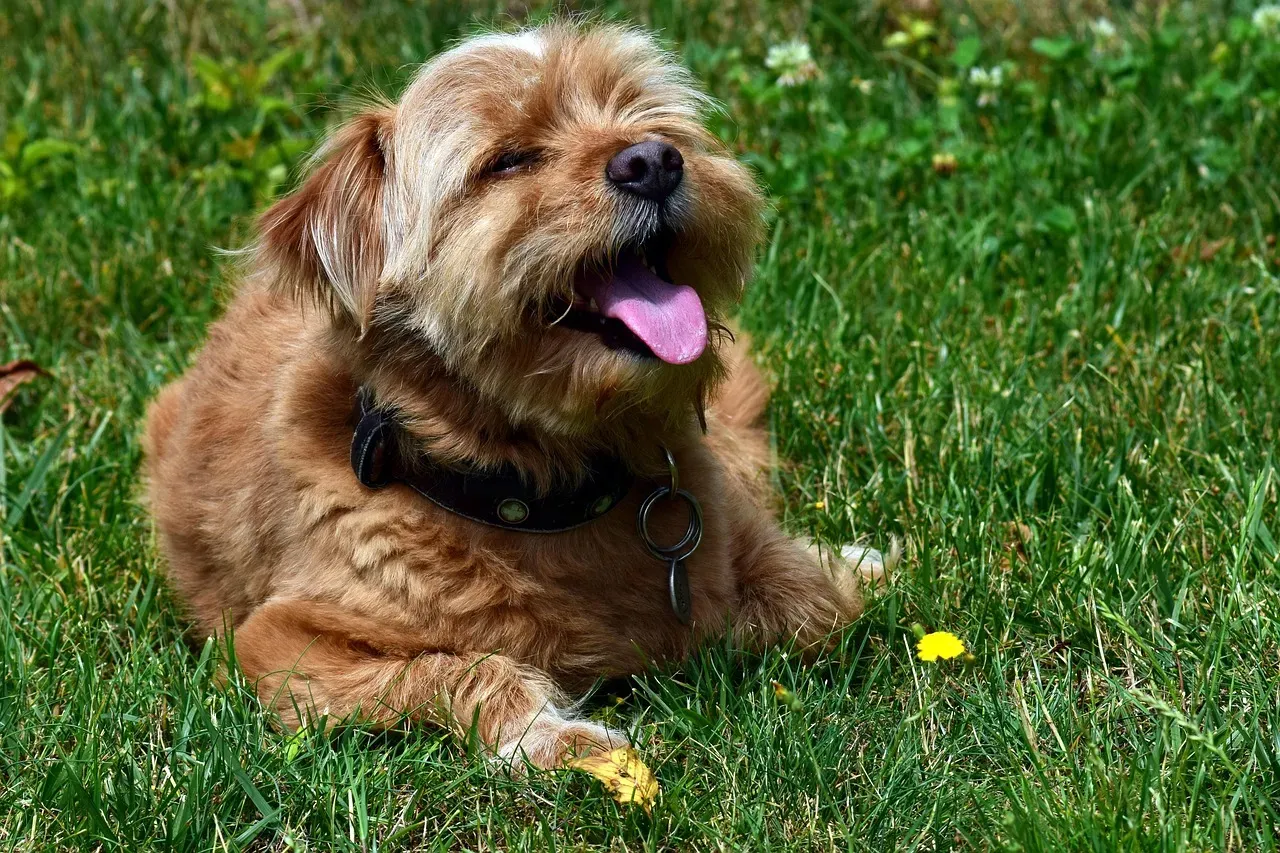
Somewhere around 3 to 5 p.m. during back-to-school week, the air in the house changes, and your dog feels it before you do. This is the window when the bus comes, the car pulls in, and everything explodes back into motion.
Dogs relearn fast that this is when the pack reunites, and their anticipation can build into real tension long before anyone’s home. You might catch them pacing at the exact minute school lets out, barking the second a car slows outside, or launching into over-the-top excitement the moment kids walk in.
Worth Knowing
- Dogs can learn to anticipate a bus or car engine within days of a new schedule
- The 3-5 p.m. reunion window often carries more emotional charge than any other part of the day
- Over-the-top greetings are usually relief, not poor training
For dogs already carrying anxiety from earlier in the day, this reunion is emotionally loaded – not just happy, but relieved. That relief can turn into jumping, mouthing, or bowling over smaller kids, and families often punish the excitement without ever addressing what built it up.
Giving your dog a “greeting job” – like sitting on a mat to earn treats as each person walks in – or having kids ignore the dog for sixty seconds before a calm greeting can turn this from chaos into the best three minutes of their day.
#8 – Sleep Patterns Get Weird (And Not Always in a Cute Way)
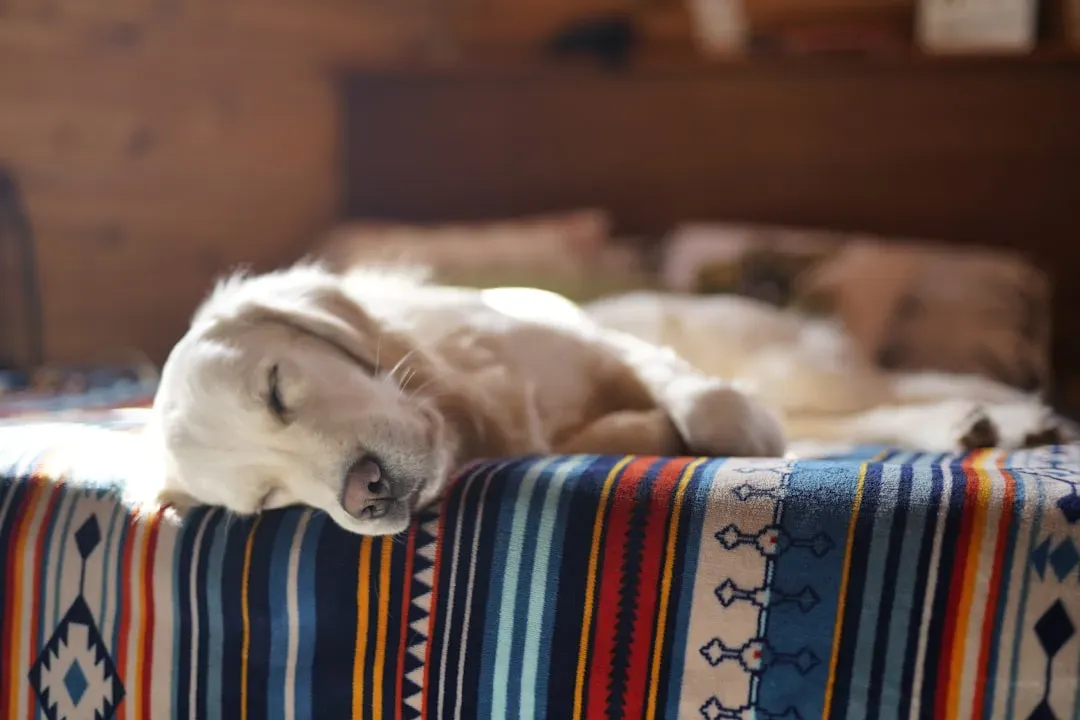
When kids are home all day, naps get constantly interrupted. Once school starts, you’d assume your dog finally catches up on rest – and many do. But there’s a twist: a sudden jump in daytime sleep can be a coping strategy, not real relaxation.
If the empty house feels confusing, some dogs basically shut down and sleep to avoid the stress of it. You’ll notice long, deep naps in the late morning, less interest in toys or self-play, and a dog who seems “lazy” but perks up dramatically the second someone comes home.
Other dogs go the opposite direction – hyper-vigilant, dozing lightly, waking at every noise, camping near the front door. That kind of poor-quality rest can amplify anxiety, just like it does in people, and often shows up as irritability with other pets or slower response when called.
Two minutes of calm petting, a quick sniff-based game, or a frozen lick mat during the quiet hours can break up “stress sleep” and replace it with rest that actually restores them.
#9 – Noise Triggers Become Sharper and More Annoying
Back-to-school week rewrites the entire house soundscape – earlier alarms, more door slams, backpacks clattering, buses squealing outside, new carpool patterns rolling through at odd hours.
Dogs hear far more than we do, and this sudden remix of daily noise can spike reactivity fast. What looks like a “sudden barking problem” is often just a dog trying to recalibrate to a soundtrack that changed overnight – barking at the bus that now shows up at 7:04 a.m. sharp, startling at the early hairdryer, bristling at neighbor kids with unfamiliar backpacks.
Quick Compare
- Summer soundscape: late alarms, relaxed mornings, familiar all-day noise
- School-week soundscape: early alarms, door slams, bus brakes, unfamiliar carpool patterns
- Net effect: a dog’s “alert triggers” recalibrate to the new normal within days
Yelling “Quiet!” or ignoring it both miss the window to actually help. Pairing new, repeatable sounds with treats for a few days, using white noise after the kids leave, and teaching a solid “look at me” cue to redirect focus all work far better.
Owners insist, “He never used to bark at that!” Of course he didn’t – the routine, timing, and emotional tone behind that sound were completely different a week ago.
#10 – Their Access to Kids’ Snacks Suddenly Changes
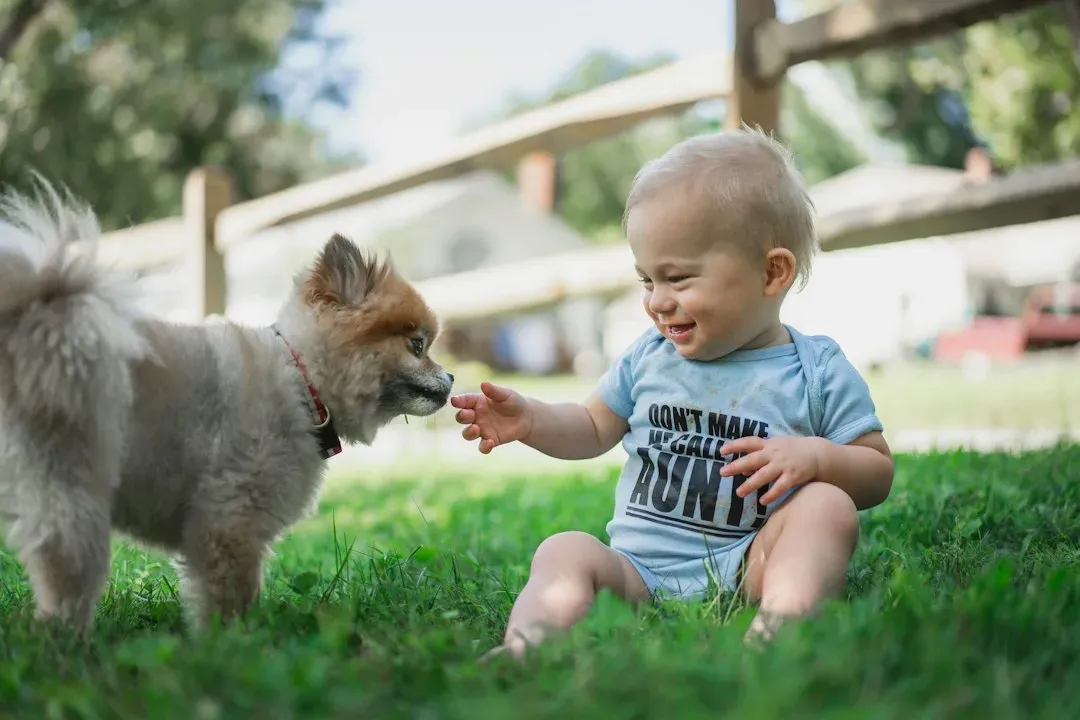
All summer, the house is basically a buffet at dog height – crumbs, forgotten snacks, unattended plates. When school starts, those opportunities vanish, or worse, get dangerously concentrated into rushed mornings and exhausted evenings.
Plenty of dogs quietly grieve the end of their snack-based side hustle. You’ll see more counter surfing during breakfast chaos, raided backpacks left on the floor, and a sudden obsession with the trash can.
It’s not just greed. Sneaking bites of PB&J or licking an ice cream drip is part of a dog’s social bond with the kids all summer. When that stops, some dogs double down – stealing socks, toys, wrappers – because those objects still smell like “their” children.
- Make “backpacks on hooks or in rooms” a non-negotiable rule
- Use a lidded trash can in the kitchen
- Give one small, predictable treat only when the lunchbox is hung up properly
People love to call this “being bad.” It’s really a dog trying to reconnect with a scent and routine that used to mean everything.
#11 – Emotional Clinginess Shifts from Kids to the Nearest Adult
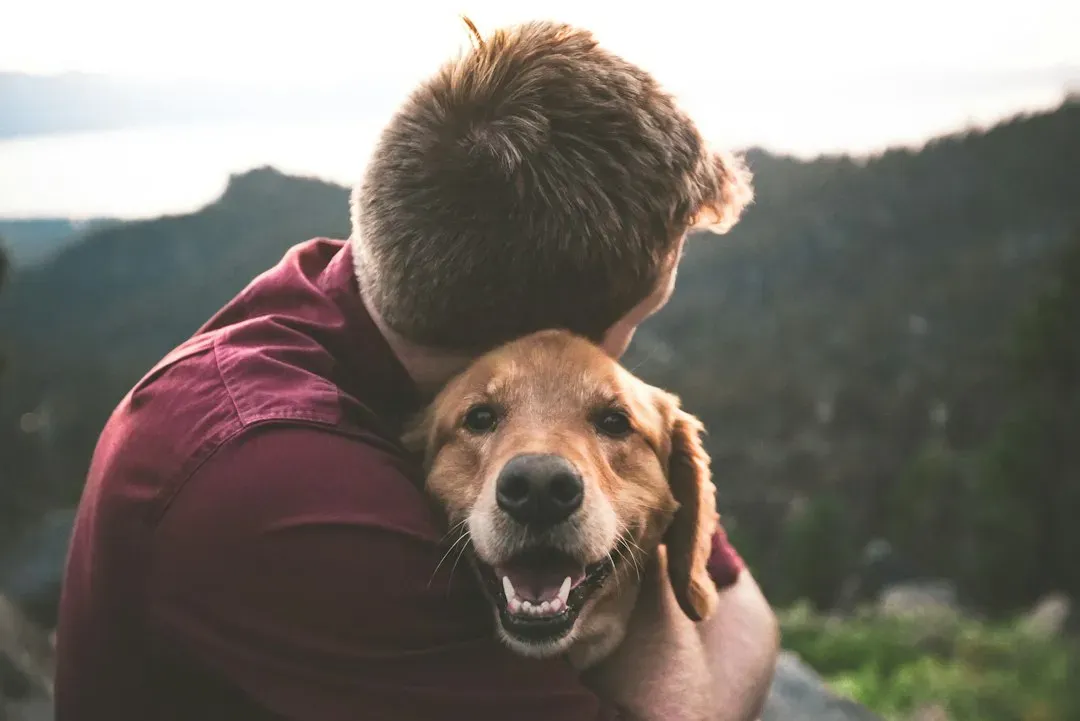
When kids go back to school, plenty of dogs quietly re-attach to whoever’s still home – often a work-from-home parent or a grandparent. This isn’t random favoritism. It’s emotional survival.
The dog’s brain is recalculating who its main anchor is now that half the pack disappears every morning. You might notice them shadowing that adult from room to room, lying under the desk during Zoom calls, or growing distressed only when that specific person steps away.
Dogs are astoundingly good at picking up on emotional patterns, even the ones we don’t say out loud.
Dr. Alexandra Horowitz, canine cognition researcher
This is where owners often go too far in one direction or another – either indulging the clinginess completely, which can lock in dependence, or pushing the dog away harshly, which adds anxiety on top of anxiety. A comfy bed nearby with a chew, short “door closed” practice moments, and making sure that adult also leads fun activities when the kids are home strikes a healthier balance.
#12 – After-School Chaos Can Overwhelm Sensitive Dogs
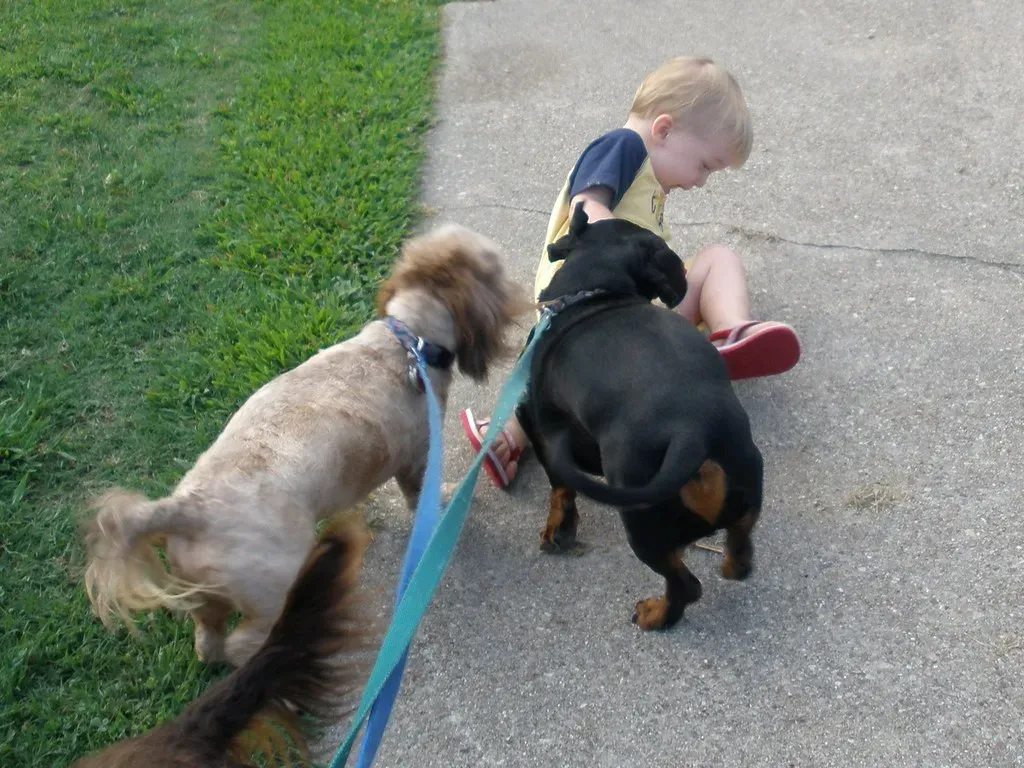
Everyone braces for the morning rush, but the real sensory overload often lands right after school. Backpacks drop. Voices rise. The TV blares. Someone’s mid-meltdown over homework before the front door even shuts.
For a dog who just spent seven quiet hours in a near-silent house, that explosion of noise and movement can be genuinely jarring. Two reactions tend to show up: the life-of-the-party dog bouncing and demanding play with everyone, or the overwhelmed dog retreating, hiding, or growling when touched.
Sensitive or older dogs reach sensory saturation fast, especially after hours of quiet waiting and listening. That’s when “out of character” snaps or grumbles show up around otherwise harmless, rowdy kids.
- Keep the first 10 minutes after school calm and structured
- Teach kids to let the dog initiate contact, not pile on at the door
- Give the dog a safe “quiet zone” – a crate or bed – that’s never disturbed
Some parents bristle at being told their kids are overwhelming the dog. But ignoring that reality is exactly how preventable bites happen.
#13 – Their Entire Definition of “Family Time” Gets Rewritten
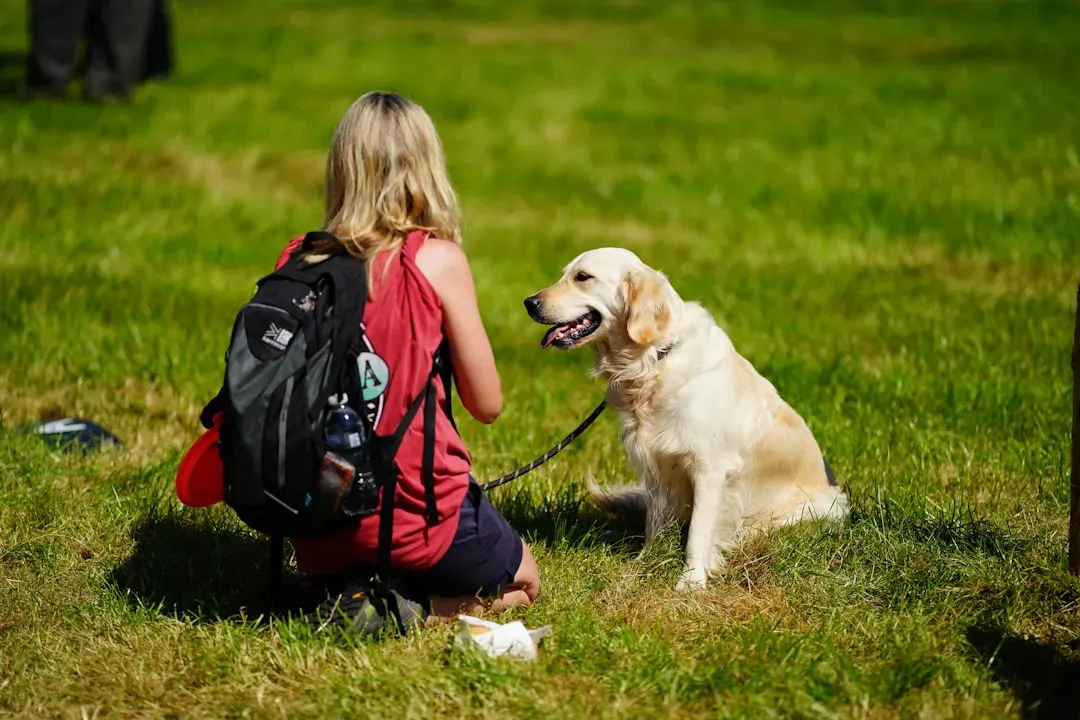
By the end of that first week, your dog has silently rewritten what “family time” even means. Summer meant all-day togetherness, midday cuddles, and late-night couch piles with the whole crew. Now their new normal is long lonely stretches, brief chaotic reunions, and shorter, more fragmented affection.
That emotional recalibration is the deepest change of all. Morning brings mild stress and anticipation. Midday swings between shutdown sleep and hyper-vigilance. Evening brings clinging, overexcitement, or quiet avoidance – a whole new emotional rhythm layered on top of a body clock that’s still adjusting too.
Whether this shift becomes healthy or harmful depends almost entirely on how the humans respond. A dog with predictable walks and meals, short but real one-on-one time, and clear, calm greetings and goodbyes will usually settle into the school-year rhythm within a couple of weeks. A dog handed chaos, yelling, and zero adjustment period can carry a low-grade anxiety through the whole year.
Most families pour enormous effort into easing their kids into the new school year and almost none into the fact that their dog’s entire world just flipped too. That gap is exactly where chewed shoes, strained bonds, and hard “what do we do about the dog” conversations quietly start.
Back-to-school week doesn’t just reshuffle a family calendar – it rewires a dog’s whole sense of reality: soundscape, job, sleep, food, and emotional anchors, all shifting in the space of a few days. Some dogs roll with it easily. Many quietly struggle, and their “bad behavior” is usually just untreated confusion wearing a different costume.
If we’re going to keep calling dogs family, then back-to-school season needs to be treated as a family transition – not just a kids’ one. The fix isn’t complicated: steady routines, real exercise, structured greetings, and a little patience for the one family member who never got a school-supply list, a first-day photo, or any explanation at all for why the house suddenly went quiet.