
13 Reasons a Dog Ignores a Cue It Genuinely Knows
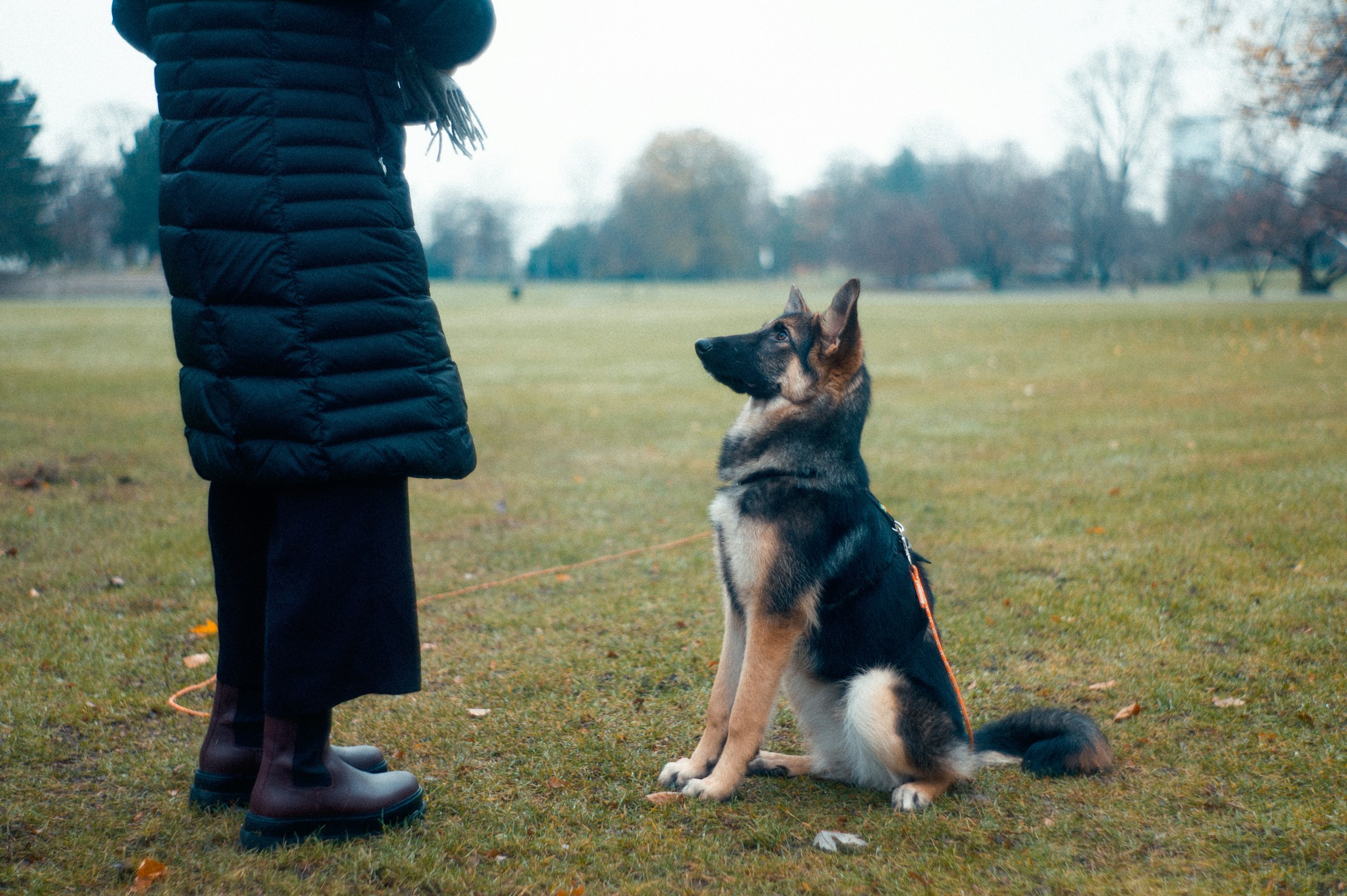
You swear your dog knows what “sit” means. They nailed it in class, they do it perfectly in the kitchen… and then at the park they stare straight through you like you’re speaking another language. It can feel infuriating, embarrassing, and honestly a little personal.
Here’s the twist most people don’t realize: when a dog “ignores” a cue it really does know, it’s almost never about stubbornness or dominance. It’s about motivation, emotion, environment, and how our human habits accidentally confuse the dog. Once you understand what’s actually going on inside your dog’s brain, those “disobedient” moments look completely different.
Let’s dig into thirteen science-backed, real-world – and what that says about your training, your relationship, and your dog’s inner world.
#1 The Environment Is More Interesting Than You Are
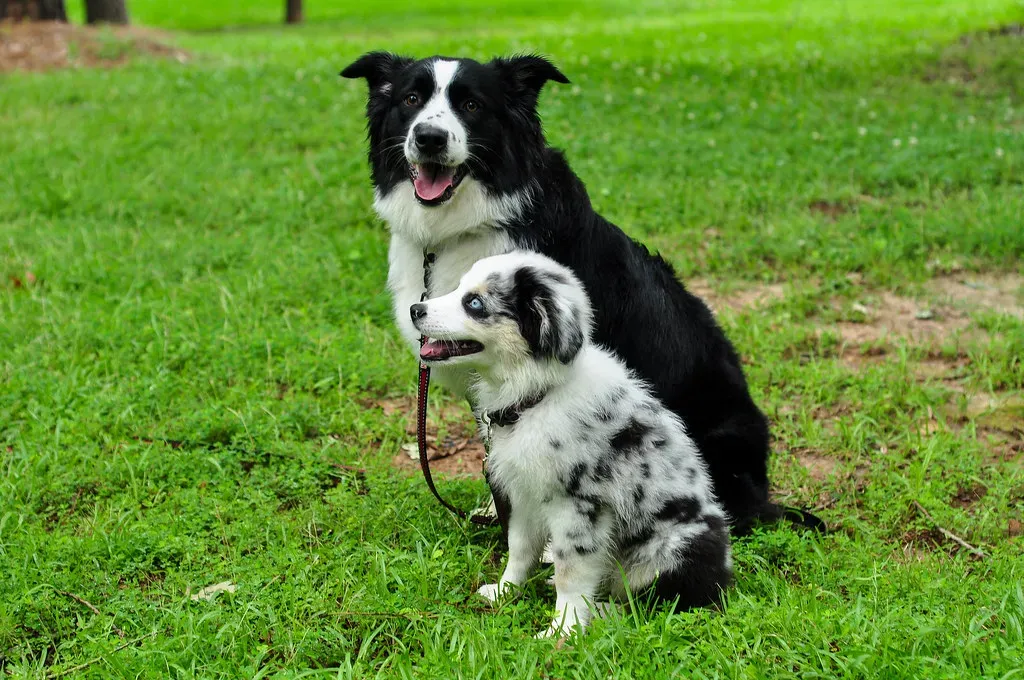
Ever tried whispering to a friend at a rock concert? That’s what it’s like asking your dog to sit in a busy park after they’ve only really practiced in your quiet living room. Dogs are experts at noticing movement, scent, and sound, and all of that competes directly with your cue. Squirrels, kids running, other dogs, food smells, traffic noises – your “sit” is just one tiny signal in a hurricane of stimuli.
From a dog’s point of view, it’s not “I won’t listen,” it’s “I literally can’t focus on that right now.” Their brain is built to prioritize novelty and potential rewards in the environment, like a sudden rustle in the bushes or a dropped sandwich. That is survival logic, not misbehavior. When we jump too quickly from basic, quiet practice to chaotic settings, we unintentionally set dogs up to fail.
Instead of assuming your dog is blowing you off, it helps to view the environment as a distraction dial that needs to be turned up gradually. Staying at the edge of the action, practicing short, successful reps, and only then inching closer can transform your “stubborn” dog into a star. The cue didn’t stop working; the surroundings just got louder than your voice.
- Your cue is competing with smells, motion, noise, and other dogs.
- Dogs are hardwired to prioritize new and exciting things over familiar ones.
- Gradual exposure to distractions beats jumping straight into chaos.
#2 The Cue Hasn’t Been Properly Generalized
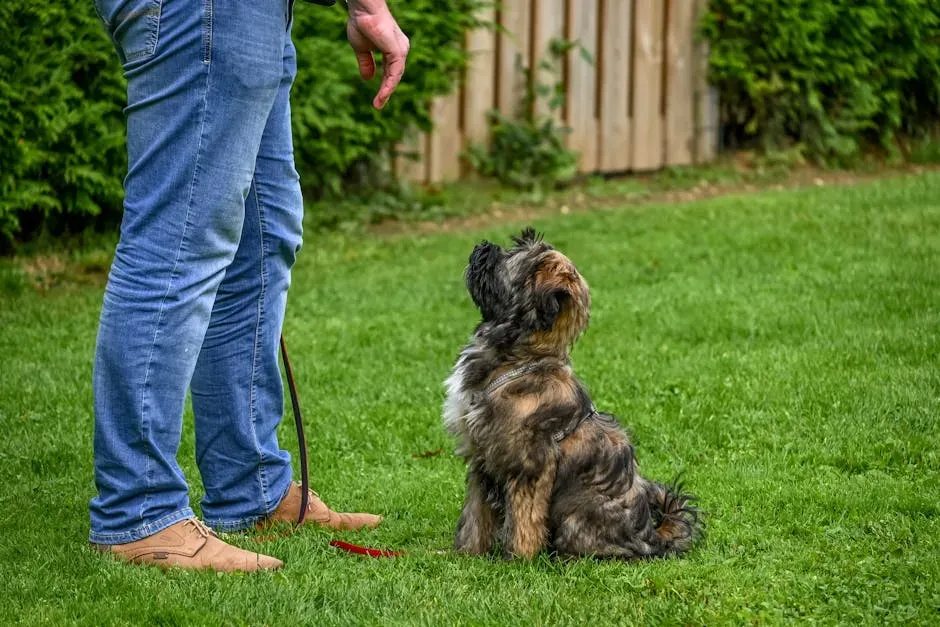
One of the biggest shocks for new dog owners is realizing that dogs do not generalize well. To us, “sit” is “sit” no matter where we are. To a dog, “sit in the kitchen when my person is standing in front of the fridge holding a treat” may be an entirely different behavior than “sit on wet grass while my person is ten feet away.” The human word is the same; the picture is not.
Generalization in training means the dog has learned to perform the behavior in many different contexts: different rooms, surfaces, distances, people, and levels of distraction. That takes repetition and intentional variety. If most of your practice has been in one spot, at one angle, in one tone of voice, your dog has actually learned something very narrow, not universal.
So when your dog suddenly doesn’t sit at the park, it may not be defiance. It can be a sign that you still need to teach “sit” in that environment. Working the same cue on the driveway, in the hallway, at a friend’s house, or at different times of day builds a flexible understanding. The more varied the practice, the more likely your cue will “stick” anywhere.
- Dogs link cues to specific pictures: location, posture, and context.
- If you only practice in one place, the dog’s understanding stays tied there.
- Rotating locations and conditions cements the cue in your dog’s brain.
#3 Stress, Anxiety, or Fear Hijack the Brain
A dog that’s anxious or scared is not being naughty; it’s trying to survive. When the nervous system flips into fight, flight, or freeze, thinking parts of the brain take a back seat. That means even well-known cues can temporarily disappear. You might see this around fireworks, vet visits, loud trucks, or even in subtle situations like tense interactions with other dogs.
Physiologically, stress hormones change how the brain processes information. Heart rate rises, muscles tense, and attention narrows to perceived threats. In that state, responding to “down” or “stay” just isn’t a priority. Some dogs freeze and seem shut down, others get jumpy or reactive, and both may ignore you even though they normally respond flawlessly at home.
If you suspect stress is at play, the answer is not louder cues or harsher corrections. It’s about reducing the intensity of the situation, creating distance, and working below your dog’s threshold. Gentle conditioning – pairing mild versions of the scary thing with good experiences – can gradually make cues possible again. Calm first, obedience second.
#4 Confusing or Inconsistent Human Signals
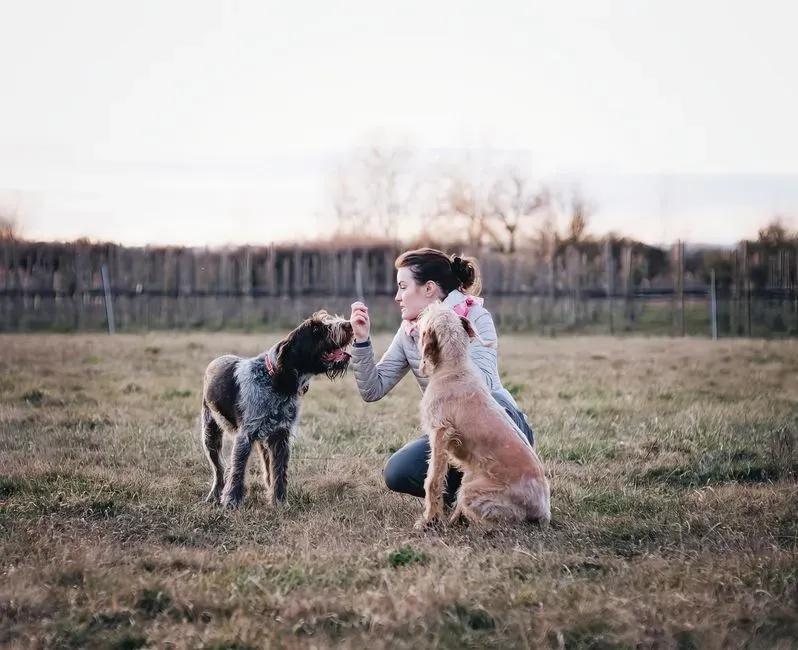
We love to think we’re being clear, but to a dog, humans are often walking bundles of mixed messages. Maybe sometimes “come” means “run to me for treats,” but other times it means “come so I can clip your nails or end your playtime.” Or one person in the house says “off,” another says “down,” and a third pats their legs without speaking at all. From a learning perspective, that’s chaos.
Dogs are masters at reading patterns. If the same cue predicts very different outcomes, or different cues seem to predict the same outcome, that pattern falls apart. The dog may start to hesitate or ignore the word because it has lost its clear meaning. Even our body language can contradict our words, like leaning over a dog in a way that feels confrontational while we ask them to come cheerfully.
Cleaning this up can have an almost magical effect. Decide on one word per behavior. Make sure everyone in the family uses the same words and rewards. Keep tone and timing as consistent as you reasonably can. The more predictable your signaling is, the easier it is for your dog to answer correctly, even in challenging moments.
- Multiple people using different words blurs the dog’s understanding.
- Sometimes the same cue predicts fun, sometimes something unpleasant.
- Consistency in words, tone, and outcome sharpens your dog’s response.
#5 The Reward Isn’t Worth It (Right Now)
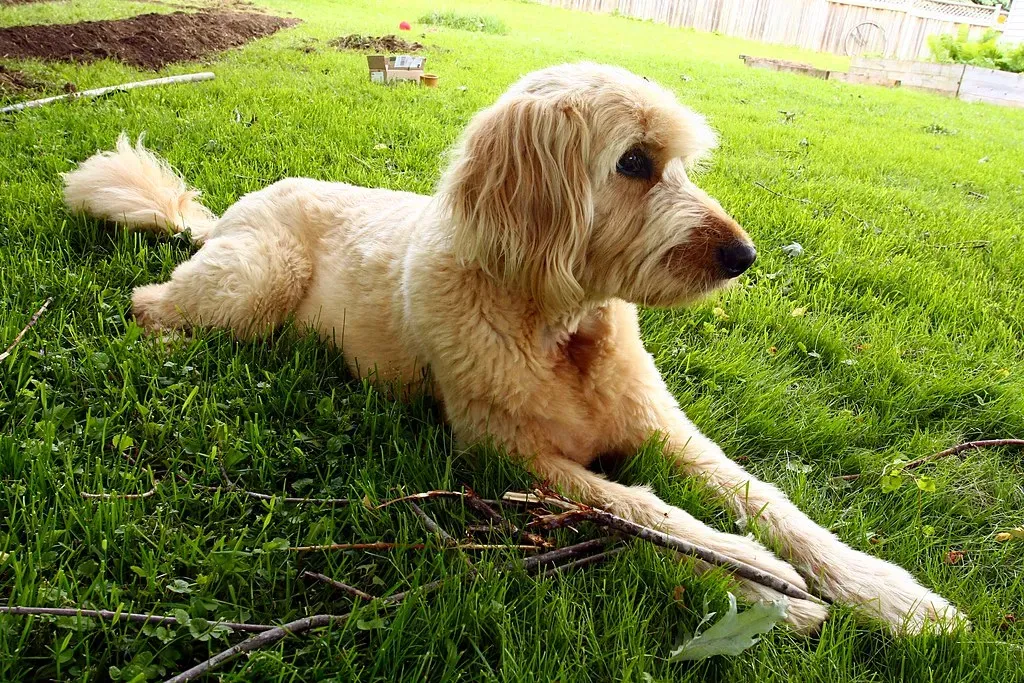
Behavior is an equation: “What do I get if I do this, and what happens if I don’t?” If your dog has learned that sitting gets a dry biscuit, but ignoring you means they can keep chasing their friend or sniffing an incredible smell, the choice is obvious from their point of view. The environment is outbidding your reward.
It’s common for people to fade treats too soon or to assume a low-value reward will compete with very high-value distractions. But dogs, like humans, weigh payoff all the time. We might skip dessert for five dollars, but probably not for five cents. Your dog is doing that same quiet math when they decide whether to respond to “come” at the dog park.
Adjusting your reward strategy – better treats, play, access to what they want, or even the chance to go back to sniffing – can change everything. In higher distraction settings, you often need higher value or more frequent reinforcement. Over time, responding to the cue can become a habit and a reliable predictor of good things, even when you don’t reward every single time.
#6 The Dog Is Physically Tired, Unwell, or in Pain
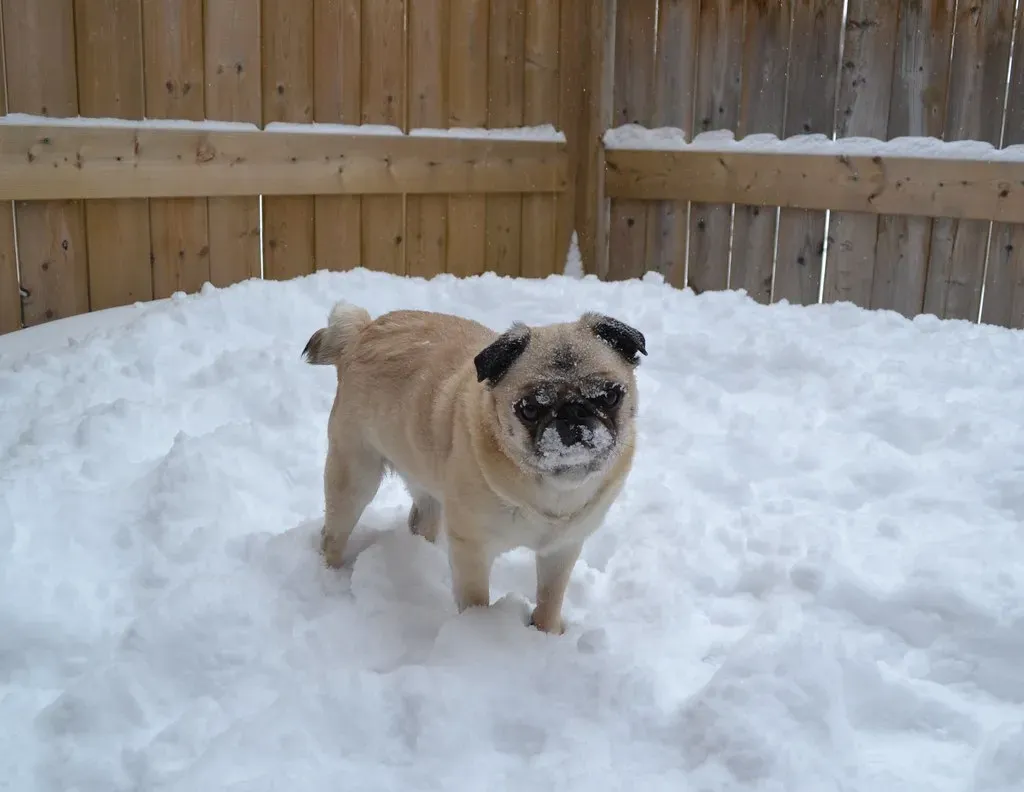
Sometimes a dog “ignoring” you is simply a dog who doesn’t feel good. Joint pain, muscle soreness, upset stomach, emerging arthritis, or even something as small as a cracked nail can make sit, down, or jump uncomfortable. A dog that used to drop into a perfect down and now hesitates or avoids it might not be defiant at all; they may be protecting themselves from discomfort.
Fatigue is another big factor. After a long, overstimulating day or an intense play session, a dog’s mental and physical energy tank is low. Just like a tired child struggles to follow simple directions, a tired dog may look “disobedient” when they are actually just spent. Their ability to concentrate and move smoothly is diminished.
If your dog’s responsiveness suddenly changes, or if ignoring certain cues seems linked to specific movements or surfaces, it’s worth considering a vet check rather than a stricter training plan. Adjusting exercise, using softer surfaces, or modifying positions can make cues more comfortable. When the body feels better, the brain can listen again.
#7 The Cue Has Become Background Noise
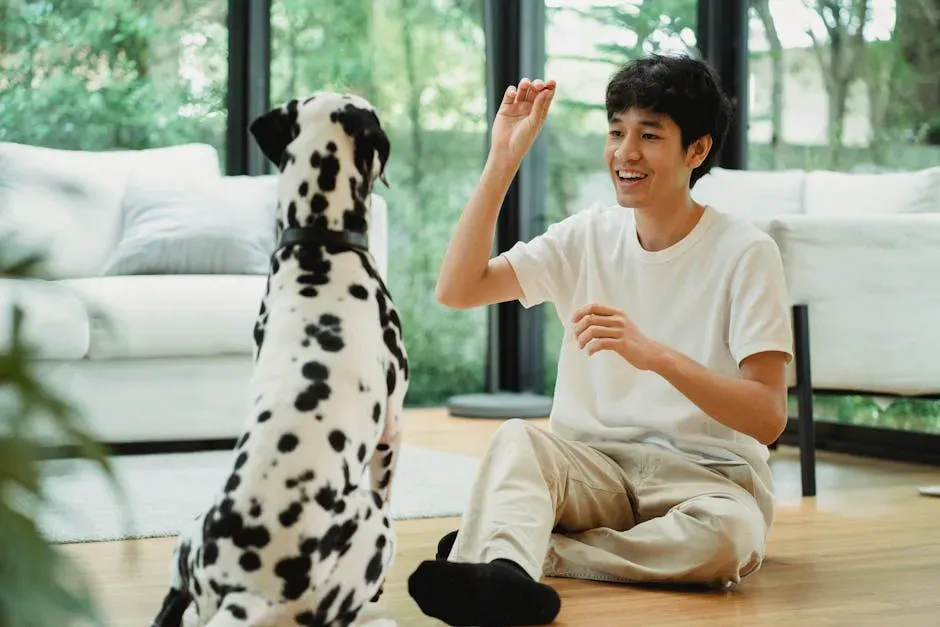
When we repeat a cue over and over, especially without consequences or clear follow-through, it can slowly turn into wallpaper. Saying “sit sit sit sit sit” actually teaches the dog that the word is just part of the human noise soundtrack, not a signal that requires action the first time they hear it. In psychology, this is called habituation: the brain stops responding to a stimulus that doesn’t matter.
Think about how you tune out a ticking clock or distant traffic. Your dog can do the same with your voice if it is constantly talking at them without meaningful patterns. Cues lose their crispness and become vague sound. That is when you start seeing the dog watch you calmly as you repeat the same word, only responding when you reach for the treat pouch or move toward them.
Rebuilding the meaning of a cue often means using it less, not more. Say the cue once, help the dog succeed if needed, and reward promptly. Avoid repeating it as background chatter. Short, focused training bursts where cues reliably predict an action and a payoff can sharpen their significance again.
- Repeated, unanswered cues turn into meaningless noise.
- Dogs learn they can wait until the third or fourth repetition.
- Using the cue once and helping the dog respond preserves clarity.
#8 The Dog Is Over-Aroused or Overexcited
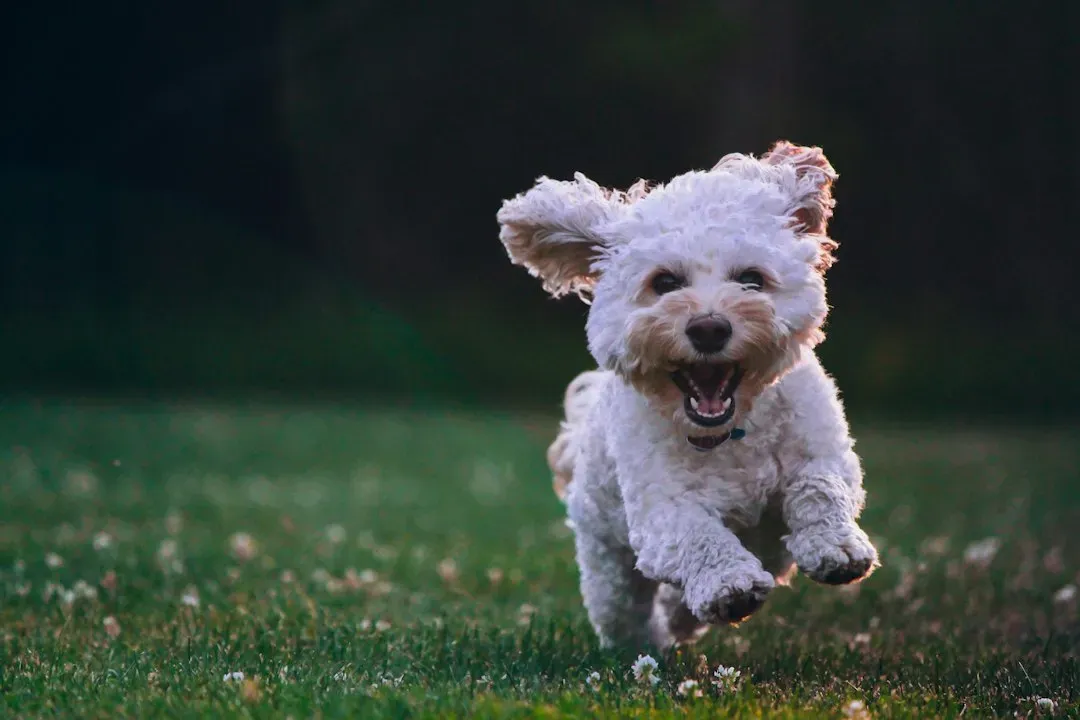
Over-arousal is that wired, buzzing state where a dog cannot seem to stop moving, panting, or scanning. It can look playful and silly, or it can edge into frustrated and pushy. In this state, many dogs struggle to access even well-learned skills. The brain is flooded with adrenaline and excitement, and self-control becomes harder than usual.
You may see this when guests arrive, at the start of a walk, near a fence with passing dogs, or during intense play. The dog might bounce, bark, mouth, or spin instead of sitting or staying. From the outside it can look like your dog forgot everything, but really their arousal level is just too high for fine motor behavior and careful listening.
Teaching calm and focus as skills – using things like pattern games, mat work, or sniffing breaks – can lower arousal enough for cues to land again. Sometimes the best move is to step away, give your dog a decompression walk, or engage in slow sniffing instead of trying to drill obedience in the middle of a frenzy. A calmer dog is a more obedient dog.
#9 The Dog Learned That Sometimes Ignoring Works Better
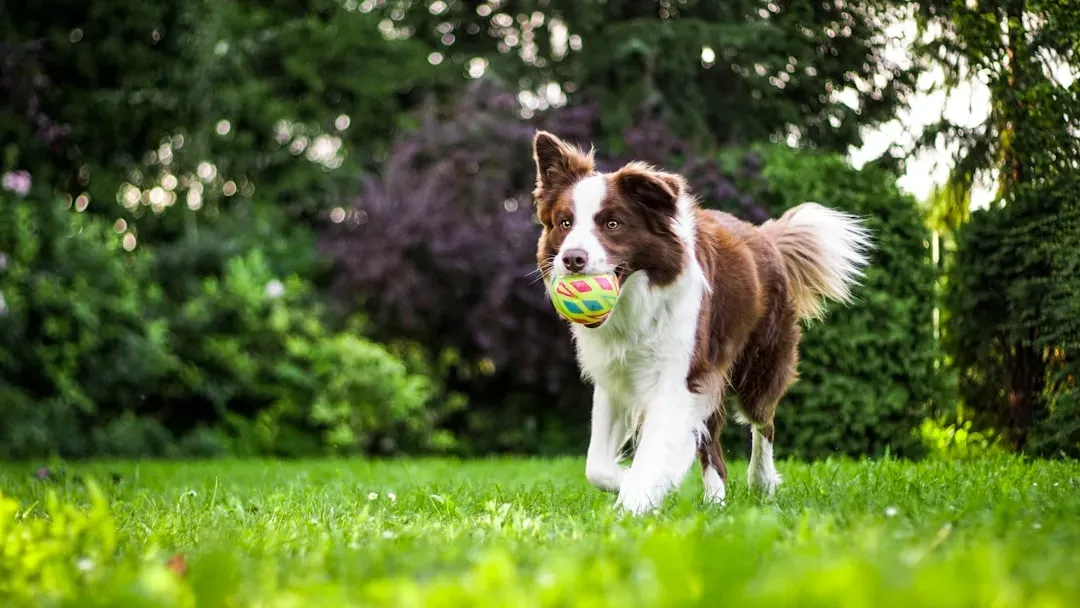
Dogs learn from consequences every single day, whether we intend it or not. If a dog ignores “come” and gets to keep playing, that moment is a powerful lesson: noncompliance can be rewarding. If “leave it” is followed by a chance to grab the dropped food anyway, the dog learns that persistence pays off. Over time, this can create a habit of trying to ignore cues first.
It is not spite; it is strategy. The dog is simply noticing patterns. They might realize that you only enforce a cue when you are close enough to physically intervene, but when you are far away, they can safely pretend not to hear you. Or they might pick up that “down” is optional unless you are holding a treat in your hand.
Turning this around means tightening up those patterns, but in a fair way. Make it easy for your dog to succeed at first by asking for cues when you can follow through. Reward generously and consistently when they respond. Avoid putting them in situations where ignoring you is possible and more fun than listening, at least until the habit of responding is strong again.
- Ignoring cues can be unintentionally reinforced by the environment.
- Dogs choose the behavior that has worked best in the past.
- Clear, consistent follow-through reshapes those choices over time.
#10 The Dog Associates the Cue With Something Unpleasant
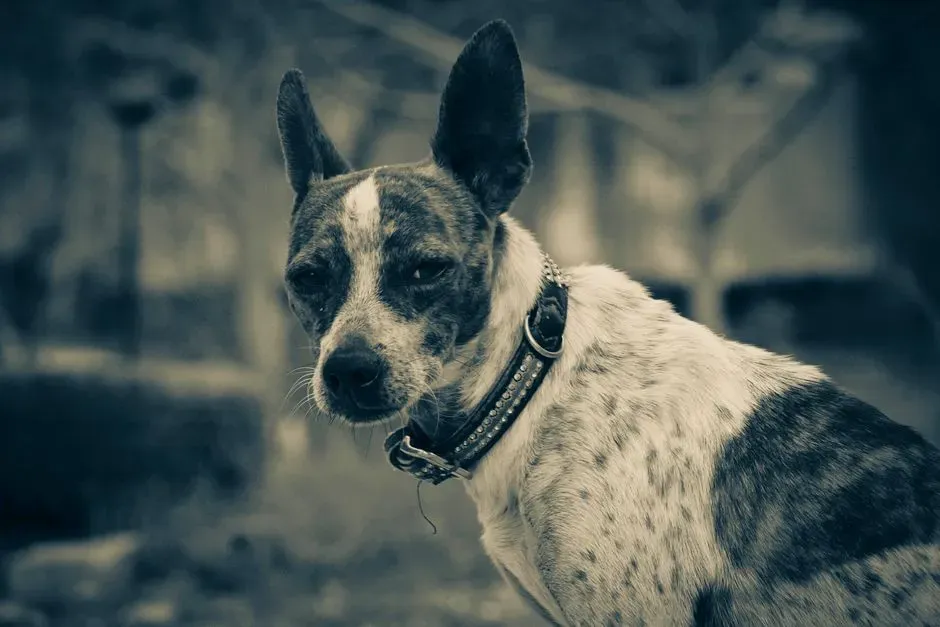
Sometimes a cue becomes poisoned: it starts to predict something the dog does not like. If “come” mostly happens before baths, nail trims, crate time, or the end of the dog park, your dog may start to feel wary when they hear it. The word itself becomes a little red flag that the fun is about to stop or that something uncomfortable is coming.
Dogs are emotional learners. They remember how they felt right after hearing a cue over and over. If those feelings tilt negative, responses fade. You will often see dogs pause, look away, or move slowly when they hear a cue that has picked up a sour association. They might even slink or offer displacement behaviors like sniffing the ground instead of complying.
One way to fix a poisoned cue is to introduce a fresh word and build a new, positive history from scratch. Alternatively, you can flood the old cue with genuinely good outcomes: call your dog, reward, and let them go back to what they love. Done consistently, the cue can regain its shine. The key is making sure the majority of experiences tied to that word feel good to your dog.
#11 The Cue Timing or Clarity Is Off
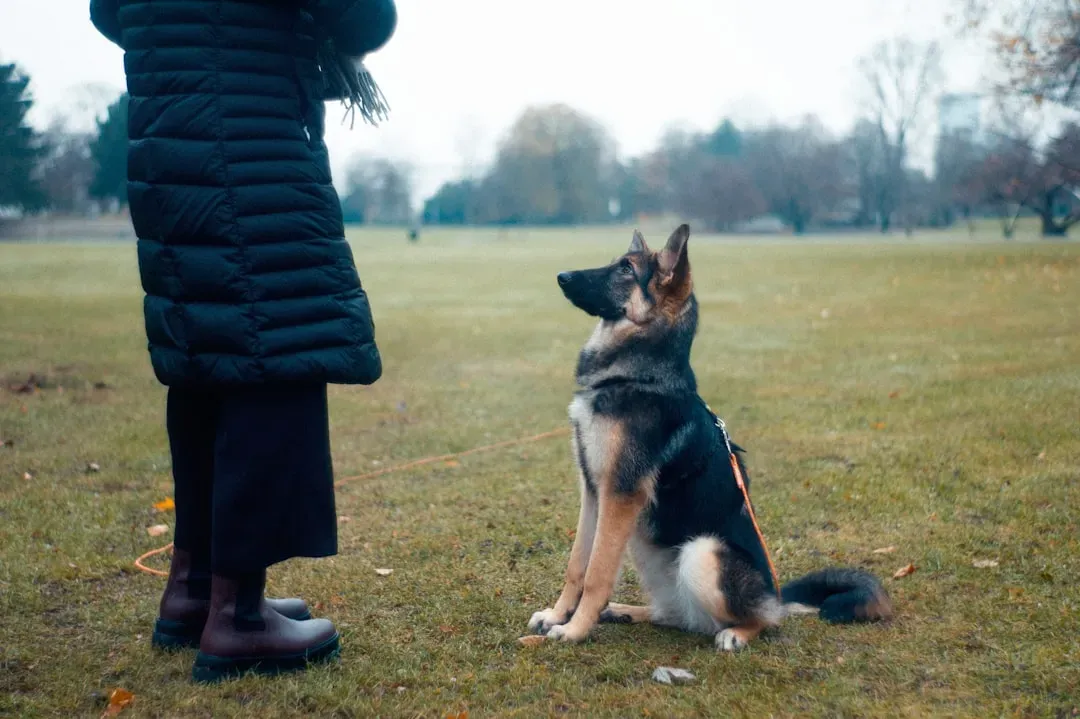
Dogs are brilliant at noticing what predicts what, but they need tight timing. If the cue comes too late or too early, or if it changes every time you use it, they may not actually know which part is the signal. Asking for “down” while your dog is mid-jump, or saying “stay” as you are already walking away, can blur the edges of those behaviors in your dog’s mind.
Our body language also speaks volumes. Standing tall and still while calmly saying “sit” is very different from bending over, reaching toward the dog, or gesturing vaguely while speaking. If the visual picture is always shifting, the dog may anchor to random elements instead of the actual word. Then when those random elements are missing, they seem to ignore the cue.
Sharpening timing means giving the cue before the behavior, not during or after it, and then marking and rewarding right when the dog gets it right. Keeping your gestures simple and repeatable, and not talking constantly in between cues, also helps. When the pattern is crisp, dogs respond much more reliably.
#12 The Dog Is Mentally Bored or Under-Stimulated
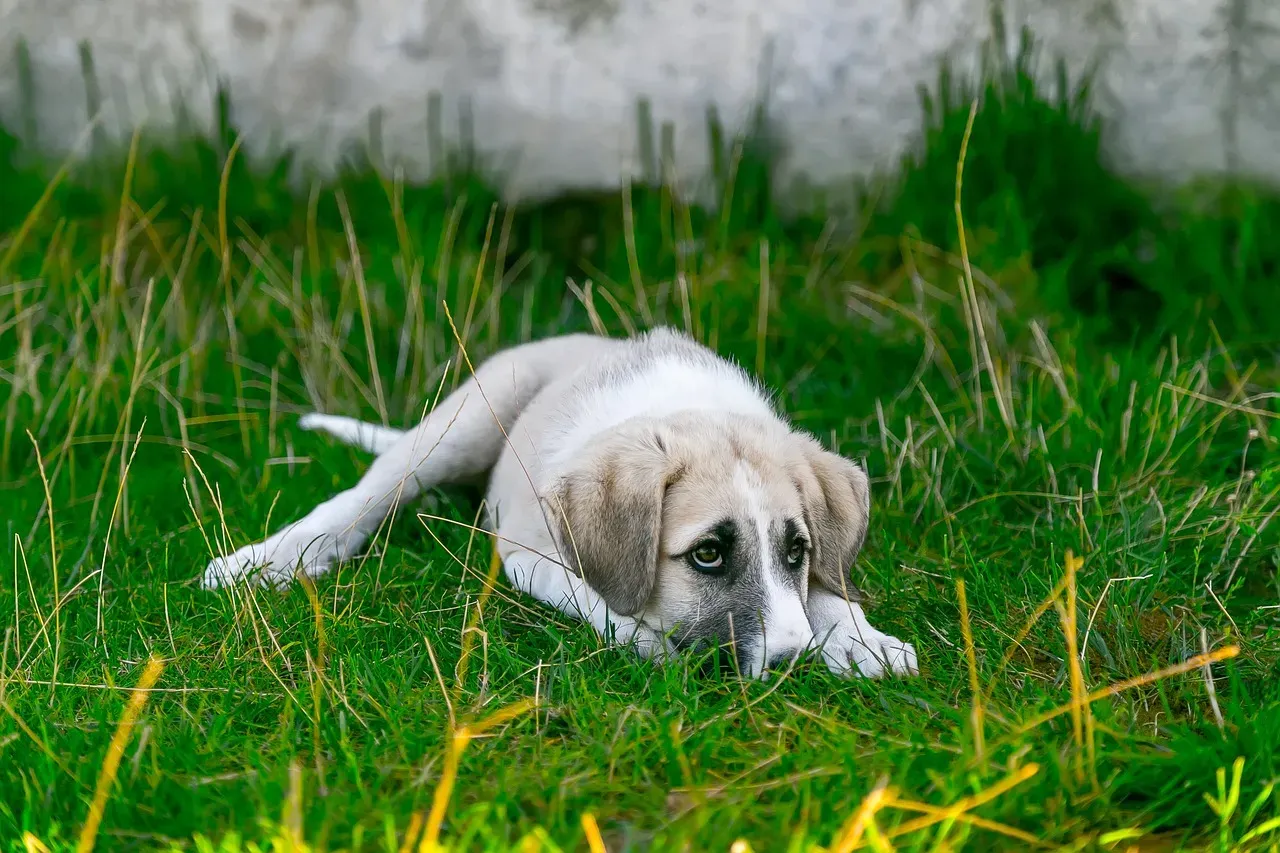
It sounds counterintuitive, but boredom can make a dog tune you out just as much as over-excitement. Some dogs, especially active or intelligent breeds, get used to routines very quickly. If training always looks the same – same order, same treats, same location – the dog might start to check out. The cue technically makes sense to them, they just do not care enough to respond.
This can show up as slow motion sits, delayed recalls, or a general sense that your dog is doing the bare minimum. They may look away, sniff, or wander during training, not because they are confused, but because the game is stale. Imagine doing the same easy puzzle every single day for months; at some point, you stop caring about your time or your score.
Injecting variety can reignite engagement. Changing rewards, adding play between reps, turning recalls into chase games, or teaching new tricks alongside old cues can wake up your dog’s brain. When training feels like a fun challenge instead of a dull chore, your dog is much more likely to respond eagerly to cues they already know.
- Repetitive, predictable routines can drain a dog’s interest.
- Bored dogs often respond slowly or half-heartedly to known cues.
- New games, rewards, and challenges make old cues feel exciting again.
#13 The Human–Dog Relationship Needs a Tune-Up
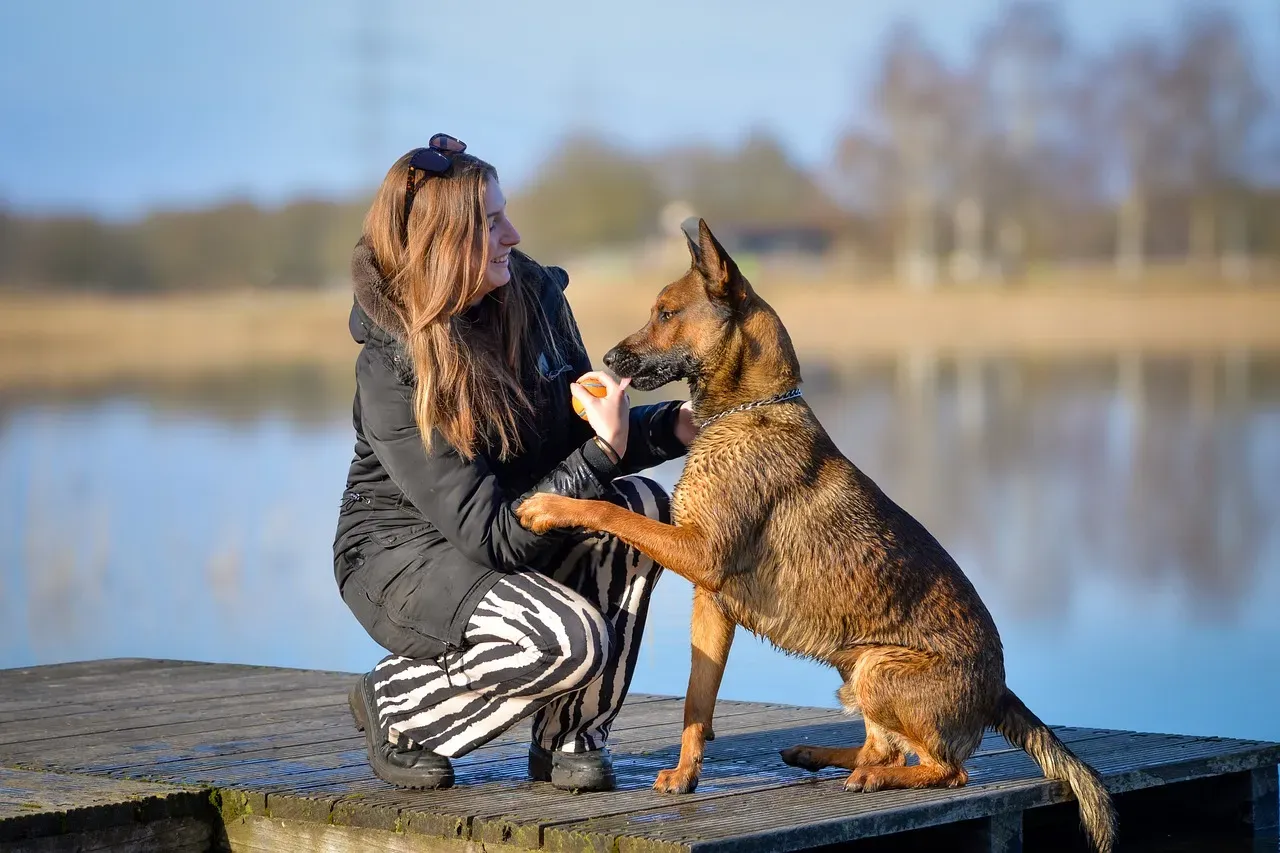
Underneath all the mechanics of training – cues, timing, rewards – there is a relationship. If a dog feels uncertain around you, or mostly experiences control and correction without much play and connection, their willingness to engage can fade. They may technically know what “come” means, but if being near you usually leads to stress, confinement, or criticism, responding may not feel safe or rewarding.
On the flip side, a dog who feels understood, enjoyed, and fairly treated is often eager to cooperate, even when things are confusing. Trust makes it easier for them to try, fail, and try again. It also softens the impact of inevitable mistakes on our part. I have seen dogs with somewhat sloppy training respond beautifully, simply because they adore working with their person and expect good things when they do.
Sometimes, the most powerful fix for “my dog ignores me” is not a new technique, but a shift in how you spend time together. More play, more calm affection, more decompression walks at your dog’s pace, and fewer harsh confrontations can subtly change how your dog feels about responding to you. Training lives inside that emotional bond.
Conclusion: It’s Not Stubbornness – It’s Communication
I still remember the first time I realized that my own dog’s “disobedience” was actually a message. She was not blowing me off at the park; she was overwhelmed, underpaid, and a bit confused by my mixed signals. Once I stopped taking it personally and started listening, everything shifted. Those ignored cues turned into clues about what she needed from me as a trainer and a partner.
When , there is always a reason. Maybe the environment is too intense, the cue is fuzzy, the reward is weak, or stress or pain are quietly in the background. Maybe your dog has learned that sometimes ignoring works better, or that a certain word predicts something they do not like. Blaming stubbornness is tempting, but it closes the door on all those possibilities instead of exploring them.
Seeing these moments as information rather than defiance is a small but radical mindset shift. It pushes us toward clearer communication, fairer expectations, and deeper trust. The real magic of training is not producing a robotically obedient dog; it is building a relationship where both sides are trying to understand each other, even when they miss the mark. The next time your dog “ignores” you, will you see a bad dog – or a conversation just waiting to be heard?