
Why a Second Dog Behaves Nothing Like the First
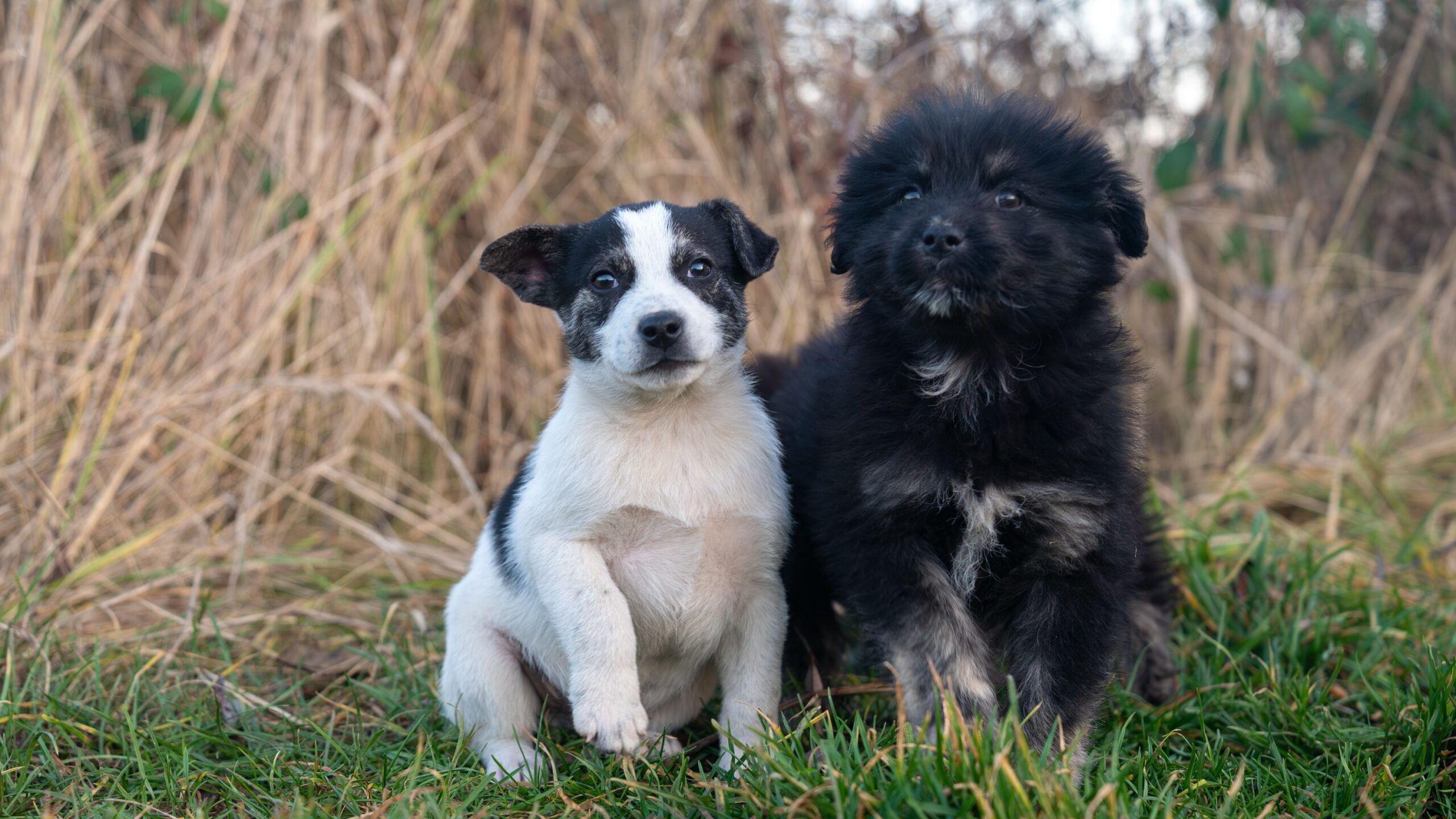
You bring home your second dog expecting a copy‑paste of your first: same rules, same routine, same training plan. Instead, you get a furry plot twist. Suddenly the calm, easygoing Labrador you started with is sharing the house with a tornado in puppy form who seems to ignore everything that used to “just work.”
If you’ve ever wondered how two dogs raised under the same roof can feel like they’re from different planets, you’re not alone. Dog trainers, behaviorists, and baffled owners see this every day. And no, it’s not that you “forgot how to train” or that the new dog is “broken.” There are real, fascinating reasons why your your first.
Let’s dig into what’s actually going on, so you can stop beating yourself up – and start understanding the complex, surprising world inside your dogs’ heads.
#1 Same House, Different Dog: Why Expectations Set You Up
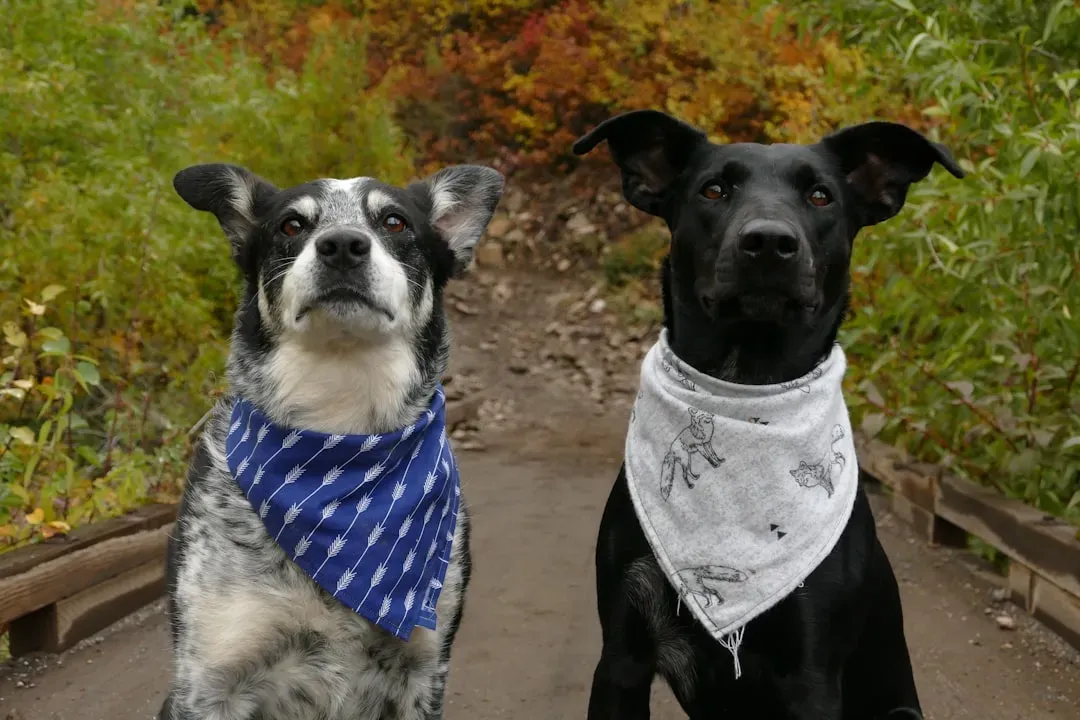
The biggest trap with a second dog starts before the new pup even walks through the door: expectations. With your first dog, you had no real baseline. Every new behavior, every success, every disaster felt like part of the learning curve. With the second, you unconsciously measure everything against dog number one, as if your first dog was the “default setting.”
That comparison is emotionally powerful. When the new dog doesn’t settle as fast, housetrain as quickly, or respond to their name as reliably, it feels like something has gone wrong. In reality, you’re just noticing differences that were always going to be there because dogs, like people, are individuals – not clones built from the same user manual.
What makes this even trickier is that we tend to rewrite our memories of the first dog. We forget how much they chewed, barked, or ignored us in the beginning, and we remember the polished, years‑in-the-making version of them. So your second dog is being compared to a highlight reel, not the messy, chaotic reality you actually lived through.
#2 Nature vs Nurture: Genetics Shape More Than Training Can Fix
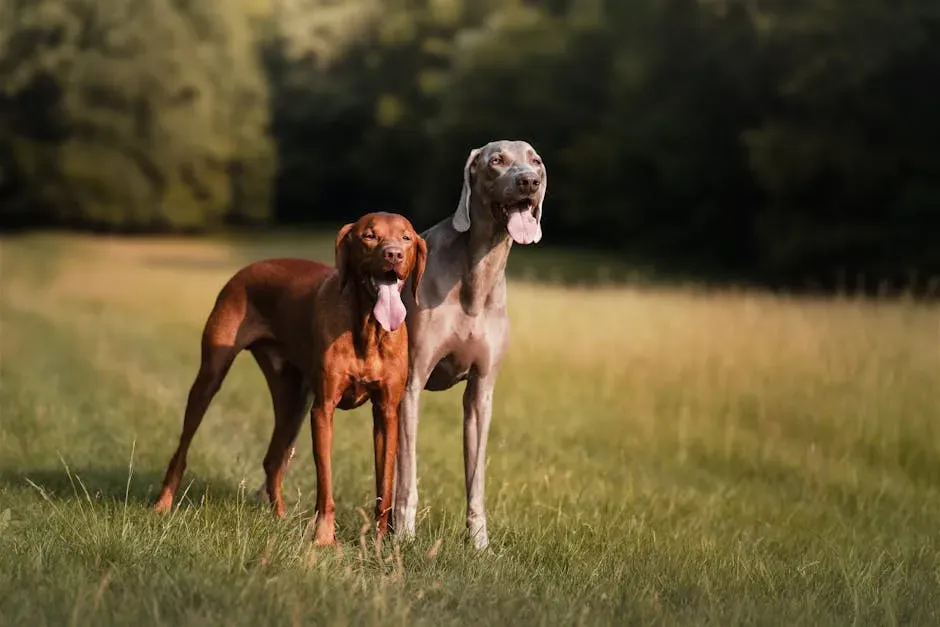
Even if you feed both dogs the same food, give them the same toys, and offer the same training, their genetics can push them in wildly different directions. Everything from breed type to specific family lines influences energy level, sociability, sensitivity to noise, prey drive, and even how fast they learn or how quickly they get stressed.
Think of genetics as the “operating system” under the surface. You can install all the same apps – training, routines, exposure – but if one dog was built with the temperament of an enthusiastic extrovert and the other with the mindset of a cautious introvert, they will respond differently to the exact same world. That’s not bad behavior; it’s biology.
This is why a second dog from the same breed – or even the same parents – can still behave very differently. Litters are like siblings: one kid is the social butterfly, another is the bookworm, another is the class clown. You wouldn’t expect those three children to act exactly the same just because they share a roof. Dogs work the same way.
#3 Breed, Type, and Purpose: What Your Dog Was “Designed” To Do
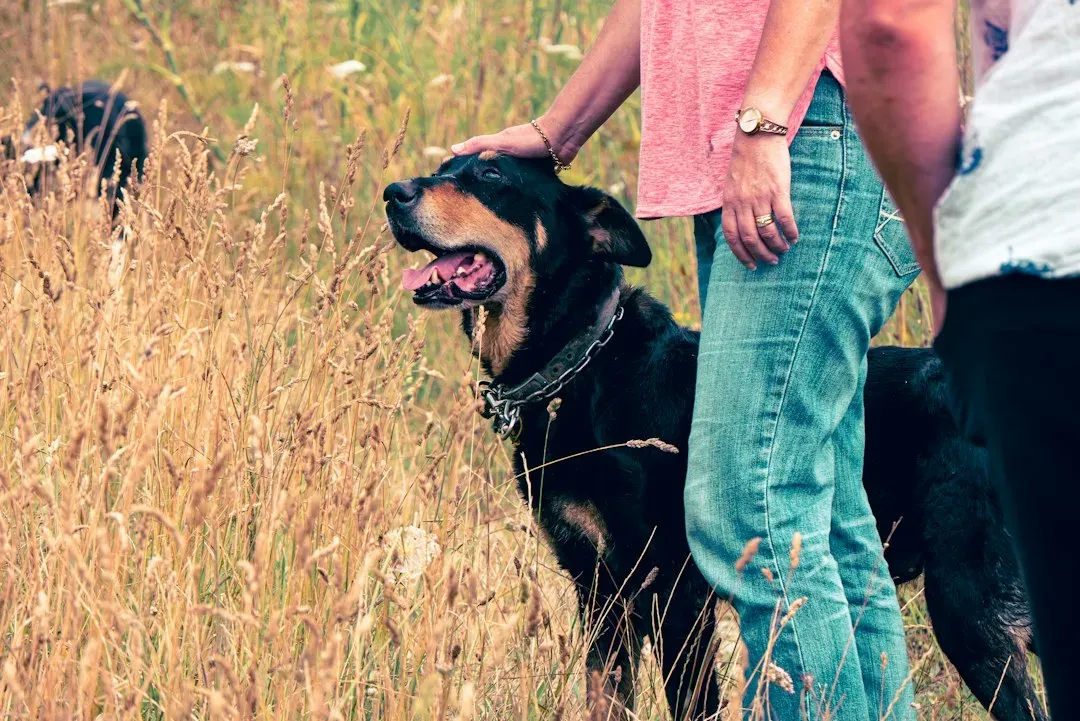
Most modern dogs are still carrying the behavioral fingerprints of the jobs they were originally bred for. Herding dogs are wired to notice movement, control it, and sometimes nip. Terriers have a streak of independence and a strong drive to chase and dig. Guardian breeds can be naturally suspicious of strangers, even with careful socialization.
If your first dog was a mellow mixed breed with a lot of “compromise” traits, and your second is a purpose-bred working dog, you’ve basically moved from driving a family sedan to handling a sports car. Both are technically “cars,” but one lets you cruise and the other demands more attention and skill.
Even if you stay within the same breed, different lines or backgrounds can tilt behavior. A retriever from a quiet pet line may act very differently from a retriever whose ancestors were hunting all day in fields. When you bring home a second dog, you may unknowingly be switching behavioral “models,” and that shift can show up as everything from higher intensity to stronger instincts.
#4 Early Life Experiences: The Invisible Luggage Your Second Dog Brings Home

Before your second dog ever steps into your home, they’ve already had a whole set of experiences shaping their brain and behavior. The conditions in the womb, the level of stress their mother experienced, their early weeks with littermates, and the quality of their breeder or shelter environment all matter more than most people realize.
A puppy raised in a calm, well-handled environment with gentle exposure to everyday sounds and people will often be more resilient and adaptable. Another puppy, even from the same situation on paper, might have had rough early handling, limited stimulation, or chaotic surroundings that leave them more reactive or cautious later on. These early experiences can tilt the scale toward confidence or anxiety long before training starts.
Adopted dogs, in particular, may have unknown history – past neglect, rough handling, or simply a lack of structure. When that dog behaves “nothing like” your easygoing first dog, it’s not a reflection of your skills. It’s the result of invisible luggage they carried in with them, and part of your job becomes unpacking it slowly and kindly.
#5 Sibling Dynamics: How Your First Dog Changes the Second
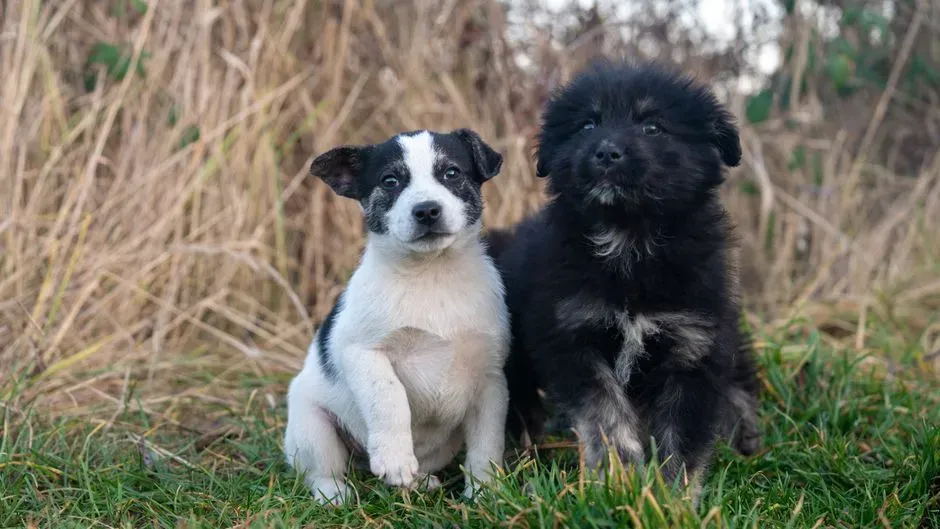
Once there are two dogs in the home, they aren’t just reacting to you – now they’re constantly reacting to each other. Your first dog becomes a walking, barking role model, for better or worse. The second dog is watching how the resident dog greets guests, responds to noises, plays, and even how they treat you.
If your first dog is anxious, reactive, or pushy, the new dog can mirror that behavior like a younger sibling copying an older one. On the flip side, a calm, confident first dog can help a nervous newcomer feel safer and more relaxed. But the interaction can also bring out new sides of both: the first dog might become more possessive of you or their toys, while the second tests boundaries and challenges the existing pecking order.
Some typical “second dog shocks” that come from this dynamic include:
- The new dog picking up bad habits like excessive barking or fence running.
- The first dog getting snappier or clingier now that they have competition.
- Play escalating into overarousal because the dogs hype each other up.
So when you compare dogs, you’re not just comparing individuals – you’re comparing entire social systems that changed the moment dog number two arrived.
#6 Your Own Growth: You’re Not the Same Owner Anymore
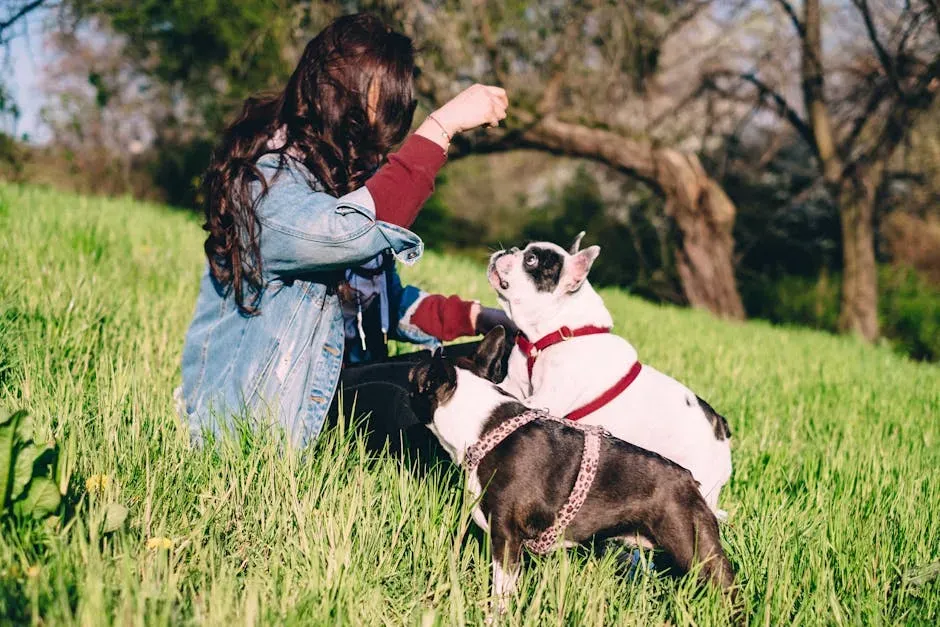
This part stings a little, but it’s crucial: you are a different person than you were with your first dog. With your first, you might have had more free time, more patience, or fewer responsibilities. Maybe you overinvested, obsessively trained, and researched everything. With the second, you might rely more on “what worked last time” and underestimate how much dedicated effort each new dog actually needs.
Your confidence also changes your behavior. With dog number one, you probably paid more attention to every small milestone. You celebrated recalls, loose-leash walk moments, and gradually built good habits. With number two, you may assume those things will just appear on their own because “they did before.” When they don’t, it feels like the dog is difficult, when in reality the level of conscious structure just isn’t the same.
On the flip side, maybe you’re actually stricter now. If your first dog’s chaos burned you out, you might swing too far in the other direction and be less forgiving, more tense, and quicker to label behavior as a problem. Dogs are very sensitive to our tone, body language, and emotional state, so your new mindset can absolutely shape how the second dog ends up acting around you.
#7 Personality, Temperament, and Emotional Style
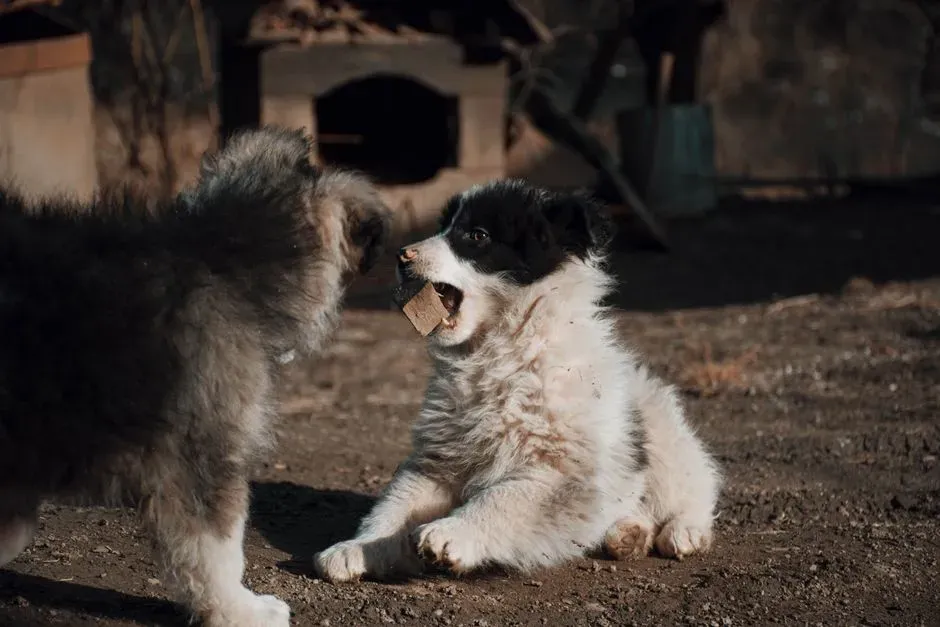
Under all the training and management, every dog has a core temperament and emotional style – something like a personality blueprint. Some dogs are naturally bouncy and impulsive. Others are sensitive, soft, or easily overwhelmed. Some think before they act; others launch themselves into every new experience and figure it out midair.
Behavior experts often talk about traits like boldness, fearfulness, sociability, and aggression thresholds. These traits influence how quickly a dog recovers from stress, how likely they are to bark at strangers, or whether they shut down in confusing situations. Your first dog might have been naturally resilient and easygoing, which made you look like a superstar trainer. Your second might be more anxious or intense, which means you have to work much more intentionally to get the same results.
To make this real, imagine two people learning to drive. One is naturally calm and unflappable, the other is jumpy and startled by every horn. You could give them the same instructor and car, but the experience and outcome will feel very different. When you live with dogs, you’re seeing the same principle play out right in your living room.
#8 The Age Gap: How Timing and Life Stage Change Everything
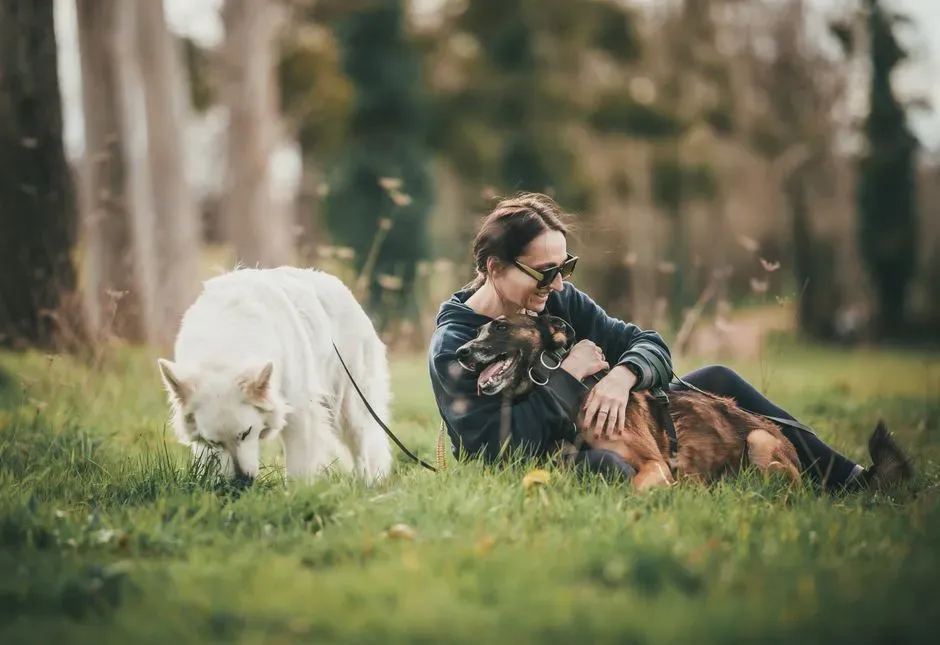
The life stage of both dogs when you introduce the second makes a huge difference. Bringing a high-energy puppy into a home with a senior dog is a completely different universe from pairing two young adults. Seniors may be less tolerant of rough play, more protective of their space, and grumpier when pushed, which can shape how the younger dog behaves and develops.
When both dogs are young and full of energy, you’ll often see a “chaos multiplier.” They egg each other on, run laps, invent games, and sometimes ignore you because playing with each other is far more interesting. Owners then say things like their second dog is “wild” or “out of control,” when what they’re really seeing is the combined energy of two young dogs in the same environment with not enough structure and decompression.
The age at which your second dog is adopted also matters. Puppies under about sixteen weeks are in a key socialization window where experiences can leave deep, lasting impressions. Older rescues may come in with firmly established habits and fears. So your first dog, who you raised from eight weeks, and your second, who arrived at two years old, were never going to behave alike, even if they sleep on the same bed.
#9 Common Second Dog Surprises (and Why They Happen)
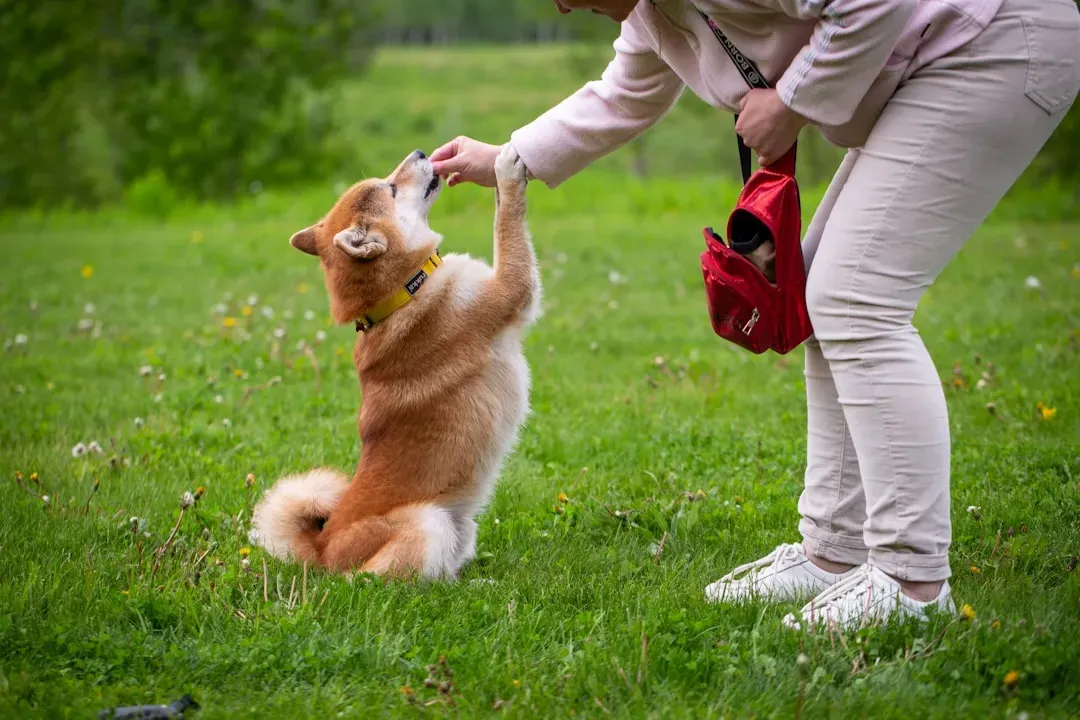
Most second-dog owners run into the same handful of unexpected issues. Knowing the “why” behind them can make them far less frustrating and a lot more solvable. Some of the most common surprises include sudden resource guarding, clinginess toward one person, selective hearing, and a huge spike in excitement when the dogs are together.
Here are a few scenarios many people recognize:
- The second dog seems obsessed with your first dog and ignores you – because the other dog is the most interesting, moving thing in the environment.
- House training regresses – because the new dog copies the old dog’s marking or gets too excited to finish outside.
- Training that worked perfectly with dog one falls flat – because dog two finds different rewards motivating, or gets overstimulated much faster.
None of this means your new dog is stubborn or defective. It means their brain is wired differently, their motivations are not the same, and the social environment they walked into is way more complex than what your first dog ever faced as a solo pet.
#10 Training Two Dogs: Why “What Worked Before” Isn’t Enough
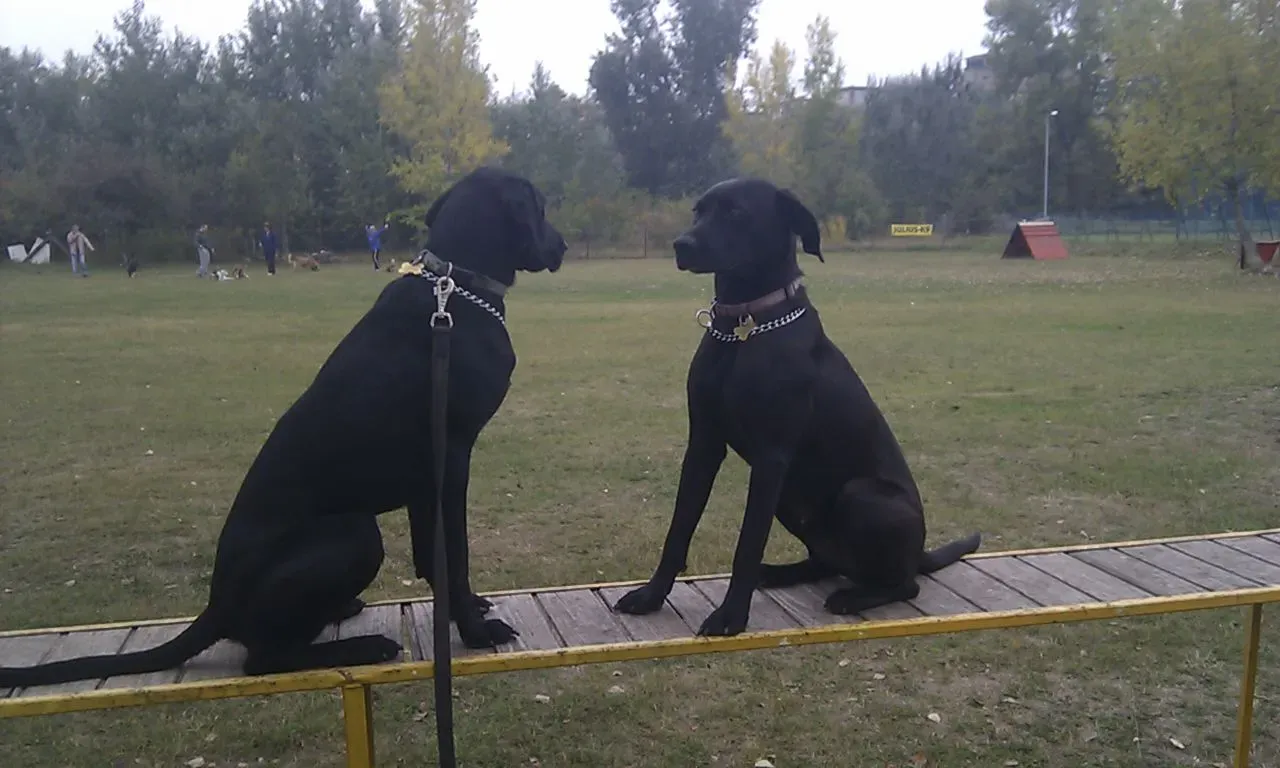
With your first dog, you probably trained in a relatively distraction-free bubble: just you and the dog figuring stuff out together. With two dogs, the baseline level of distraction is higher, and the training picture is more complicated. Teaching a recall, for instance, now means competing with a live, bouncing playmate who is making very strong offers to run the other way.
One of the biggest mistakes people make is trying to train both dogs at once too soon. The second dog is still learning who you are, what words mean, and which rewards matter. If the older dog is present, the younger one can either tune you out or simply follow the first dog’s behavior without truly understanding. That works until you need them to listen separately – and suddenly everything falls apart.
A more realistic, science-backed approach is:
- Train each dog individually in low-distraction settings.
- Gradually reintroduce them together for short, structured sessions.
- Rotate solo time, so each dog builds a strong one-on-one relationship with you.
This is slower than just hoping the first dog “teaches” the second, but it gives you something much more valuable: two dogs who actually understand you, not just a pair that sometimes behave because they follow each other.
#11 The Multi-Dog Household Effect: Stress, Space, and Systems
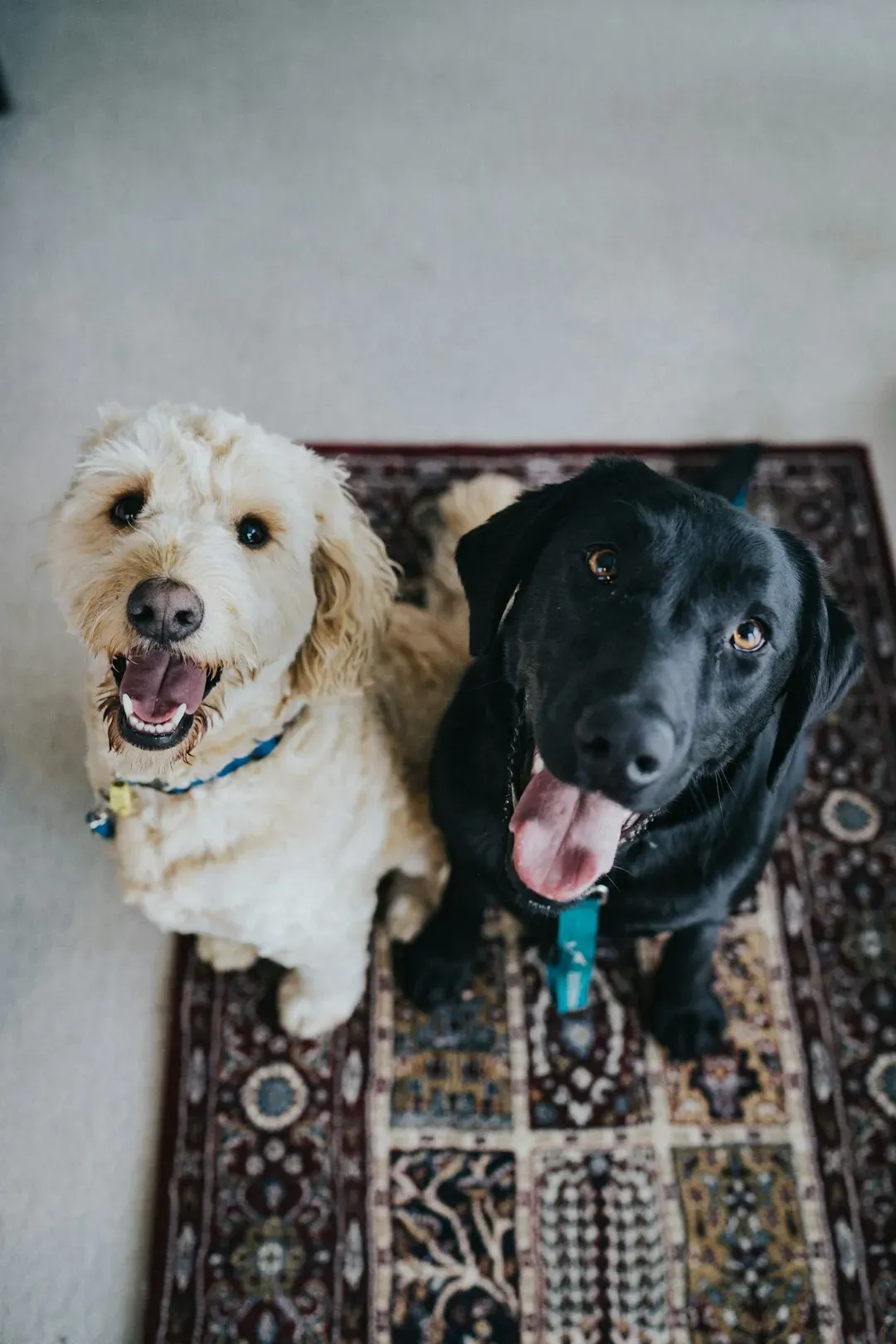
Once there are two dogs, your home stops being a simple one-to-one relationship and becomes a mini social ecosystem. That ecosystem can either support good behavior or make everything harder. Limited space, constant noise, and no separate rest areas can raise stress levels for both dogs, which then leaks out as barking, reactivity, or conflict over tiny things.
Humans often underestimate how much alone time and decompression each dog needs. Just because they can physically share a couch doesn’t mean they emotionally want to be together all day, every day. Dogs, like people, can get burned out by constant social contact, especially if one dog is always pestering and the other is always tolerating.
Small environmental tweaks can dramatically change behavior, such as:
- Using baby gates or crates to give each dog solo downtime.
- Feeding separately to reduce competition and guarding.
- Creating predictable routines for walks, play, and rest.
When those systems are missing, it’s easy to label the second dog as “too much,” when in reality the environment is simply too chaotic for two animals with different needs to thrive.
#12 How to Work With, Not Against, Your Dogs’ Differences
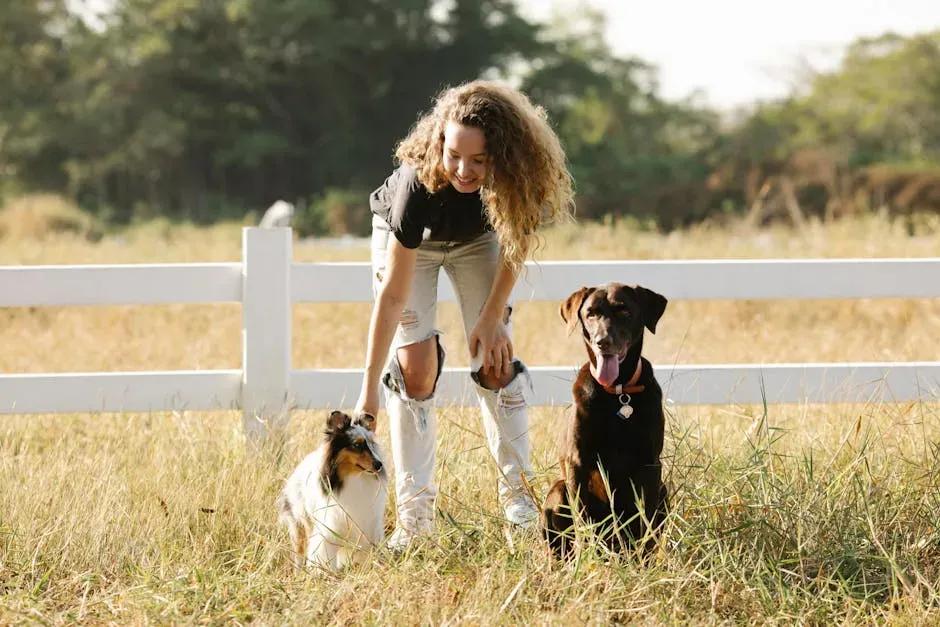
Once you accept that your second dog will not – and should not – be a replica of your first, things start to shift. Instead of trying to force them into the same mold, you can begin to tailor your approach to who they really are. That means noticing what actually motivates each dog, how much stimulation they can handle, and where their strengths naturally lie.
Maybe your first dog loved fetch but your second lives for sniffing and exploring. You can still meet both their needs by designing different walk styles or enrichment games. Perhaps one dog thrives in group classes while the other does better with short, quiet training bursts at home. Matching your strategies to their temperament is not “spoiling” them; it’s smart, humane behavior management.
Some practical mindset shifts that help a lot include:
- Dropping the idea of “better” or “worse” dogs and thinking in terms of “different.”
- Celebrating unique wins, like a shy dog choosing to approach a stranger.
- Building separate relationships: special one-on-one routines with each dog.
When you work with their differences instead of fighting them, life with two dogs stops feeling like a constant comparison – and starts feeling like a richer, more interesting partnership.
#13 Opinionated Conclusion: Stop Chasing Clones, Start Raising Individuals
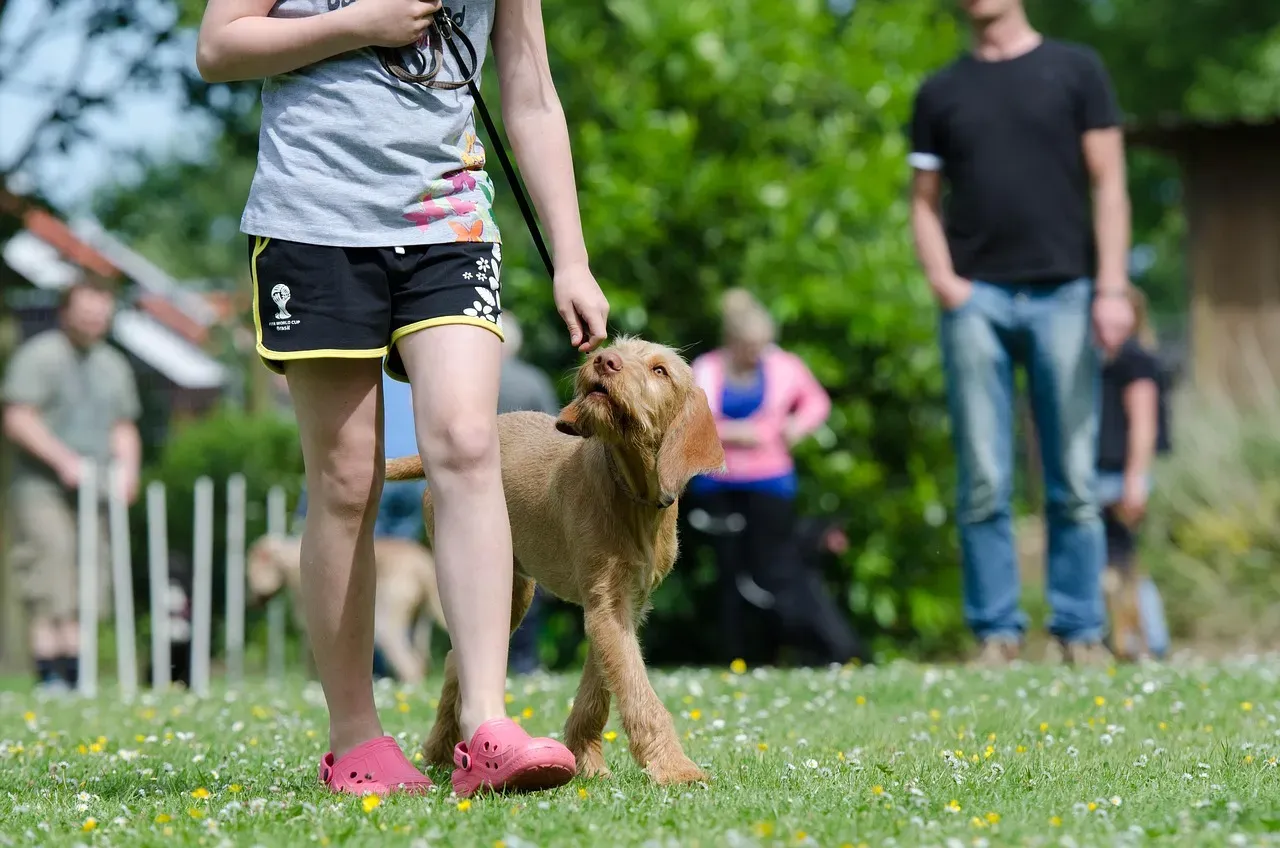
If there’s one uncomfortable truth I’ve seen over and over, it’s this: many of us secretly want our second dog to be a do‑over or a backup copy of the first. Sometimes that comes from grief over a dog we’ve lost. Sometimes it’s nostalgia for an easier season of life. Either way, it’s a heavy, invisible weight to put on a living, breathing animal who never asked to be a replacement.
Your because they are not the first – and that is not a problem to fix. It’s the whole point. Genetics, early life, personality, household dynamics, your own growth, and the sheer fact that the social environment has changed all combine to create a brand-new story. If we stop treating these differences as failures and start treating them as information, we get better dogs, better relationships, and frankly, better versions of ourselves.
I’ll be honest: my own second dog forced me to confront how much of my “good training” was really just luck with a naturally easy temperament. That was humbling. But it was also freeing, because once I dropped the fantasy of sameness, I could finally see who was actually standing in front of me – a complicated, frustrating, hilarious creature who didn’t need to live in anyone else’s shadow.
So maybe the real question isn’t why your , but why we ever thought they should. And once you let go of that expectation, what kind of relationship might you finally be able to build with the dog you actually have?