
9 Dog Breeds That You Should Always Be Gentle With
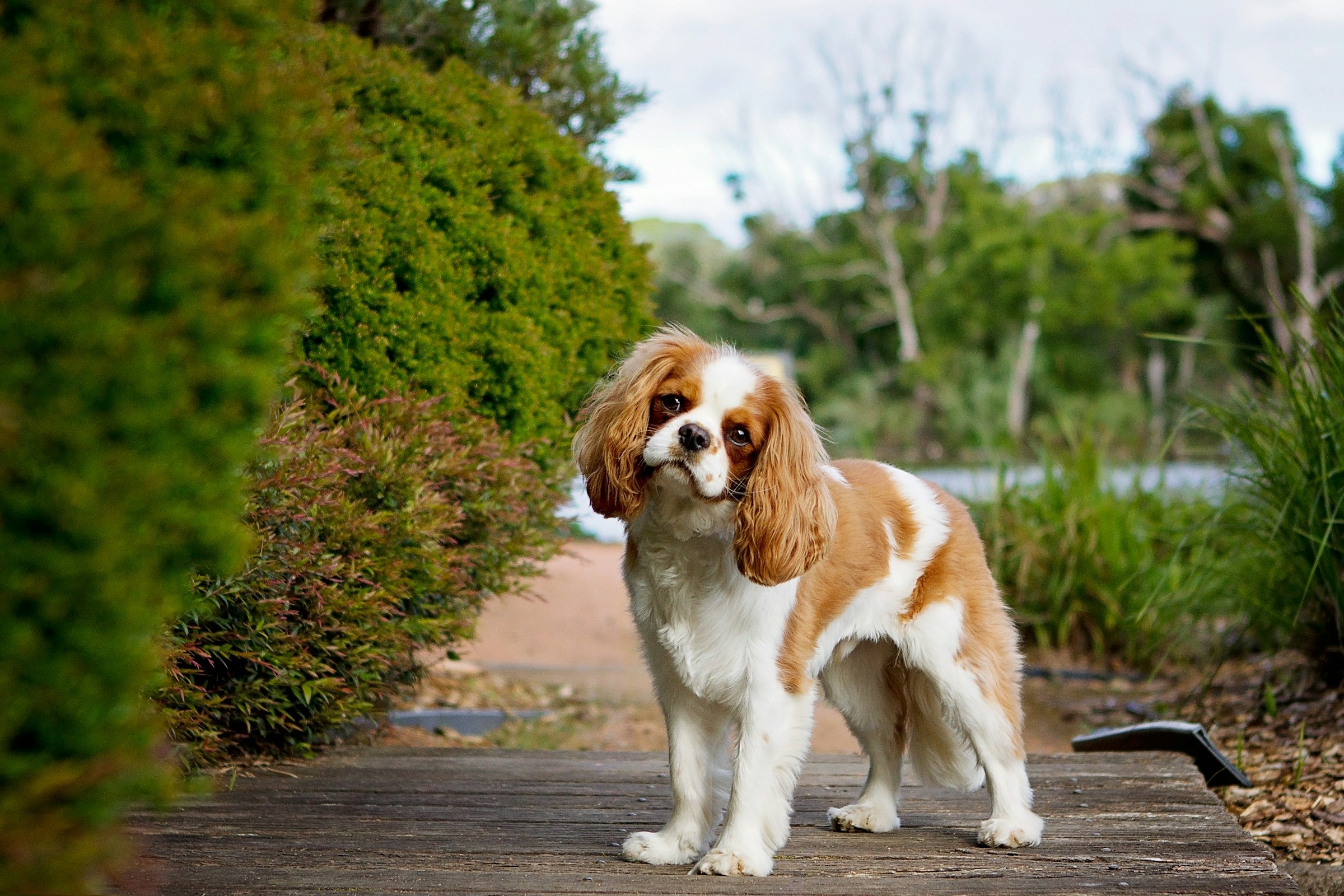
You know that feeling when a dog looks up at you with big, trusting eyes and you just instinctively soften your voice and move a little slower? Some breeds practically radiate that energy. They may be strong, clever, or athletic, but emotionally and physically, they really do best when handled with extra care, patience, and respect.
This is not about fragile “princess” dogs. It is about breeds that, for a mix of genetic, anatomical, and temperament reasons, are especially sensitive to rough handling, harsh training, or chaotic environments. Whether you already live with one of these dogs or are just a dog nerd like me who reads breed profiles for fun, understanding their softer side can be the difference between a stressed, reactive pet and a relaxed, deeply bonded companion.
1. Greyhound: The Speed Athlete With a Glass-Heart Vibe
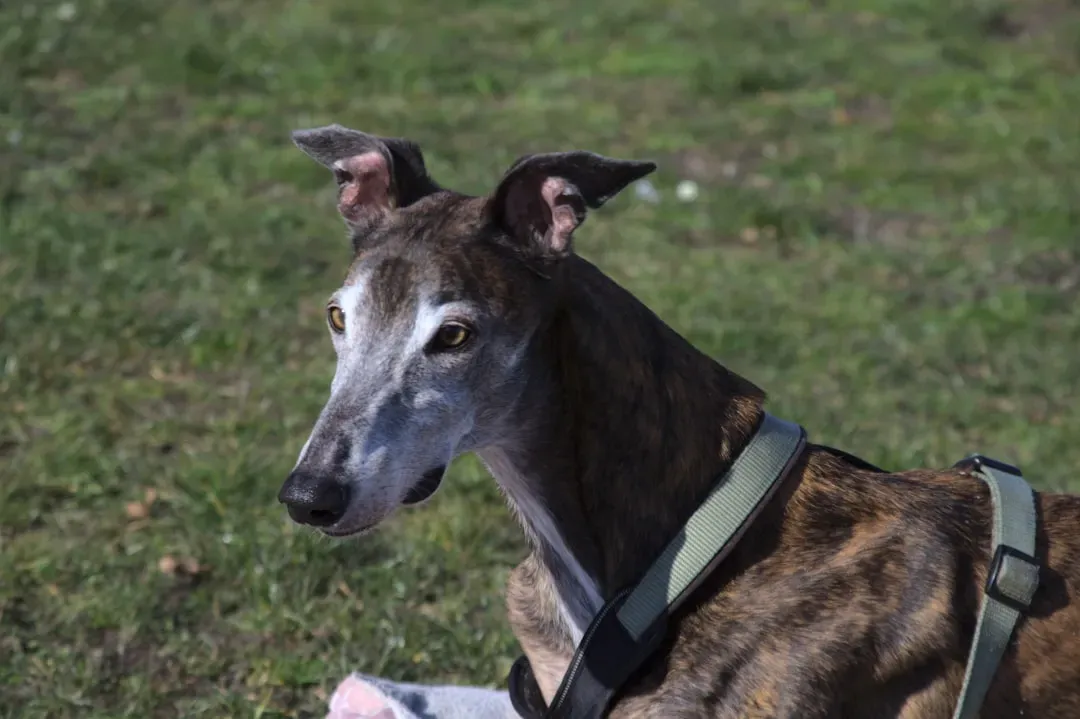
Greyhounds might be built like sleek supercars, but emotionally they are more like classic sports cars that need careful handling. Their skin is thin, their body fat is low, and their long legs and bony joints mean they can bruise, scrape, or strain themselves more easily than stockier breeds. A rough tug on the collar, overly intense play, or letting kids climb on them is not just unkind; it can genuinely hurt them.
On the emotional side, many Greyhounds, especially ex-racers, can be surprisingly timid or startle-prone. They often do best with calm voices, slow movements, and positive, reward-based training. If you think of them less like a rugged off-road truck and more like a finely tuned race car, it suddenly makes sense: they can do amazing things at full speed, but they need gentleness and control the rest of the time.
2. Cavalier King Charles Spaniel: A Big Heart in a Delicate Body
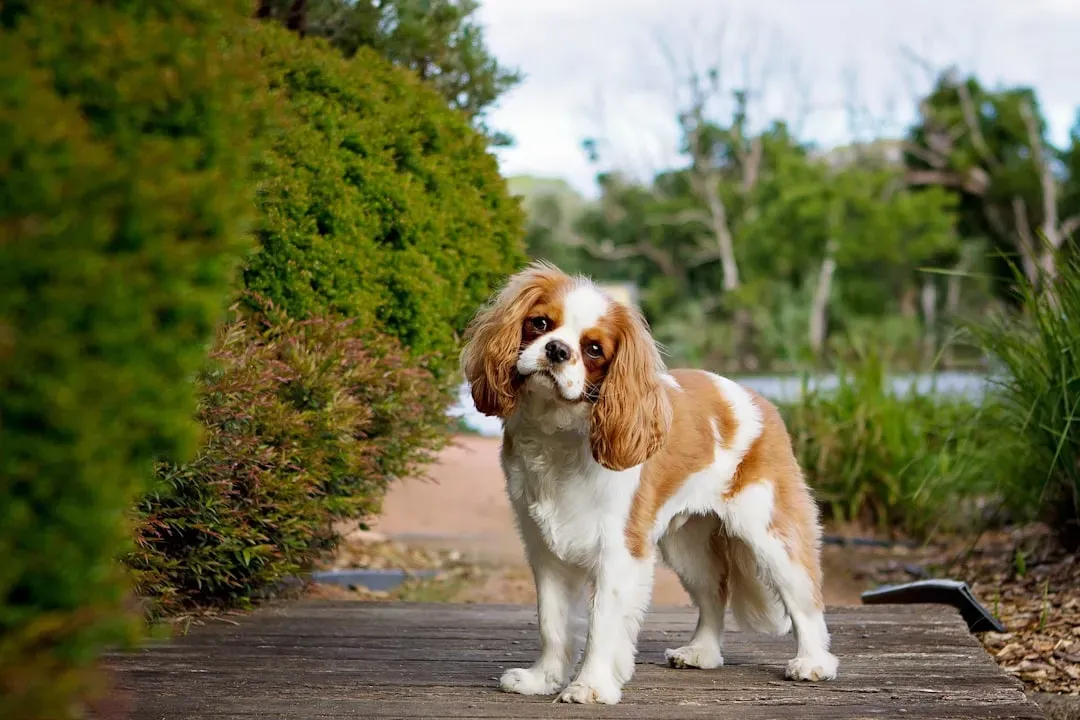
Cavaliers are often described as living, breathing cuddle toys, and that is exactly why people underestimate how careful you need to be with them. They are small, with relatively fine bone structure, so roughhousing, grabbing, or letting children carry them around clumsily can lead to falls, sprains, or even fractures. Their expressive eyes and flat face also demand gentle handling around the head and neck.
On top of that, this breed is famously people-oriented and emotionally sensitive. They can become anxious or shut down if exposed to yelling, punishing training, or long periods of isolation. Treat a Cavalier like a companion who depends on your emotional climate; speak softly, reinforce kindly, and you will see how quickly they blossom into confident little shadows who follow you everywhere.
3. Italian Greyhound: Tiny Legs, Huge Feelings

If Greyhounds are sports cars, Italian Greyhounds are like delicate drones made of glass and enthusiasm. Their ultra-fine bone structure, especially in the legs, makes them prone to fractures from simple jumps off furniture, rough play with bigger dogs, or being picked up the wrong way. That is why people experienced with the breed often have strict “no rough play, no high jumps, no wrestling with big dogs” rules at home.
Emotionally, Italian Greyhounds tend to be sensitive, attached, and sometimes a little dramatic. They can be easily spooked by loud noises or chaotic households, and they do not respond well to scolding or heavy-handed training. They thrive when you move and speak gently, use lots of positive reinforcement, and give them cozy, safe spaces where they can retreat under a blanket and watch the world from a distance.
4. Chihuahua: Tough Attitude, Surprisingly Vulnerable
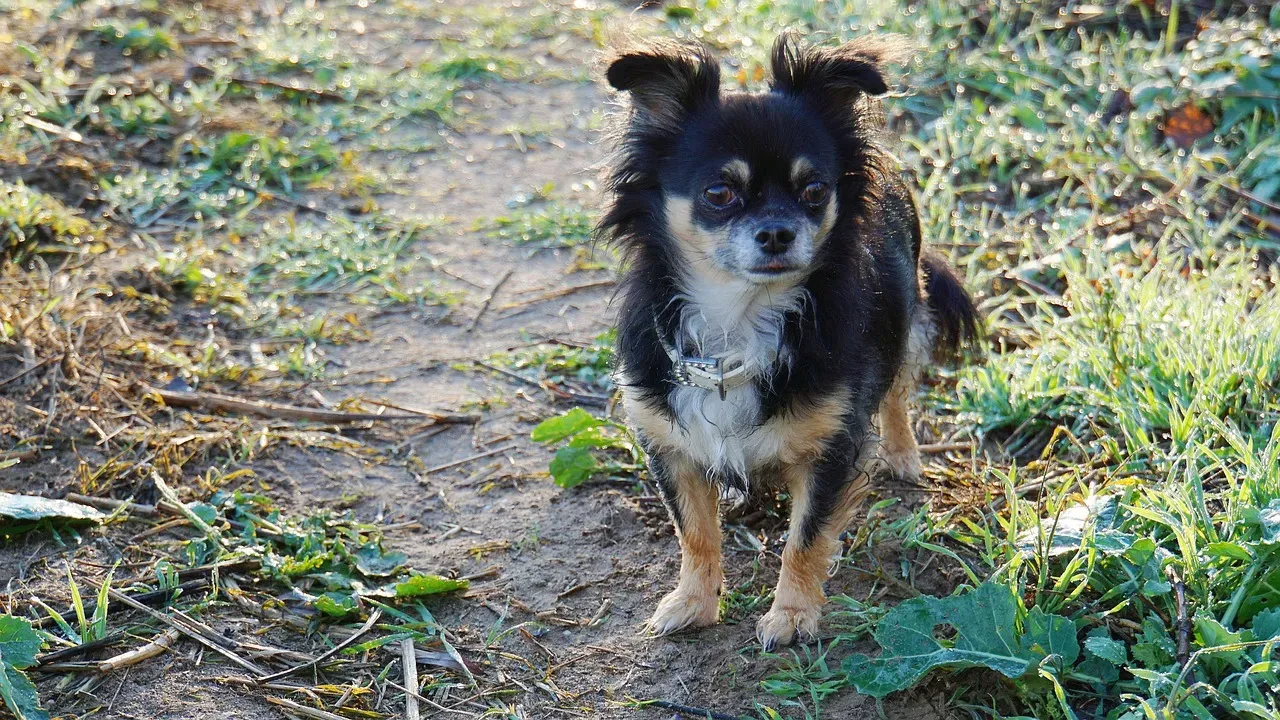
Chihuahuas often act like they own the room, but their bodies tell a different story. Being one of the smallest breeds means they are extremely vulnerable to being stepped on, dropped, or accidentally squeezed. Their tiny tracheas can be injured by hard tugs on a collar, which is why a well-fitted harness and careful handling are so important when walking or picking them up.
Then there is their reputation for being “snappy.” In many cases, that reactivity is a defense mechanism from living in a world where everyone is bigger and not always respectful of their space. When you treat a Chihuahua gently, honor their boundaries, and let them choose when to approach, many of them relax into affectionate, deeply loyal little companions. Rough handling just teaches them that the world really is as scary as they suspect.
5. Shih Tzu: The Lapdog Who Needs Respect, Not Just Cuddles
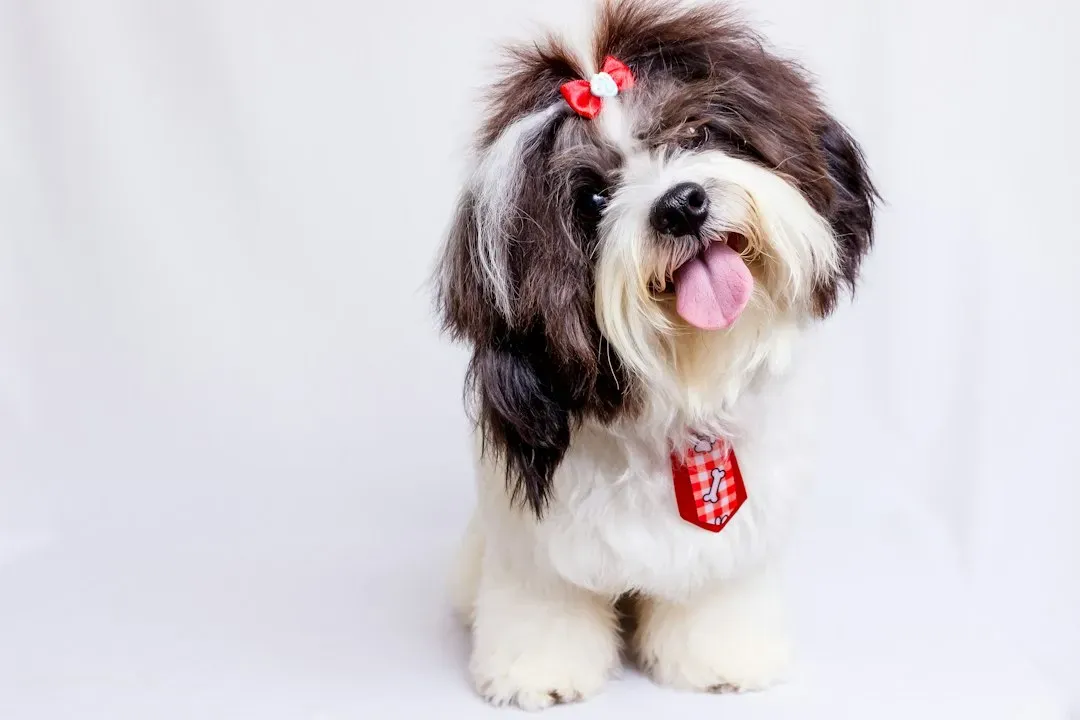
Shih Tzus were literally bred to be royal lapdogs, and that history shows in how much they crave closeness but also how delicate they can be. Their prominent eyes are particularly vulnerable to injury from rough play, pokes, or even being scrubbed too hard during grooming. Their short muzzle also means you should be gentle around the face and avoid any handling or play that makes breathing more difficult.
Many Shih Tzus have a calm, sometimes slightly stubborn personality, and harsh correction tends to either bounce off them or create quiet resentment. They respond best to consistent routines, soft guidance, and rewards that make them feel like they are choosing to cooperate rather than being forced. When you treat them with the same careful respect you would give a fragile, valuable antique, you get something far better than an obedient dog: you get a little friend who truly trusts you.
6. Basset Hound: Heavy Body, Sensitive Soul
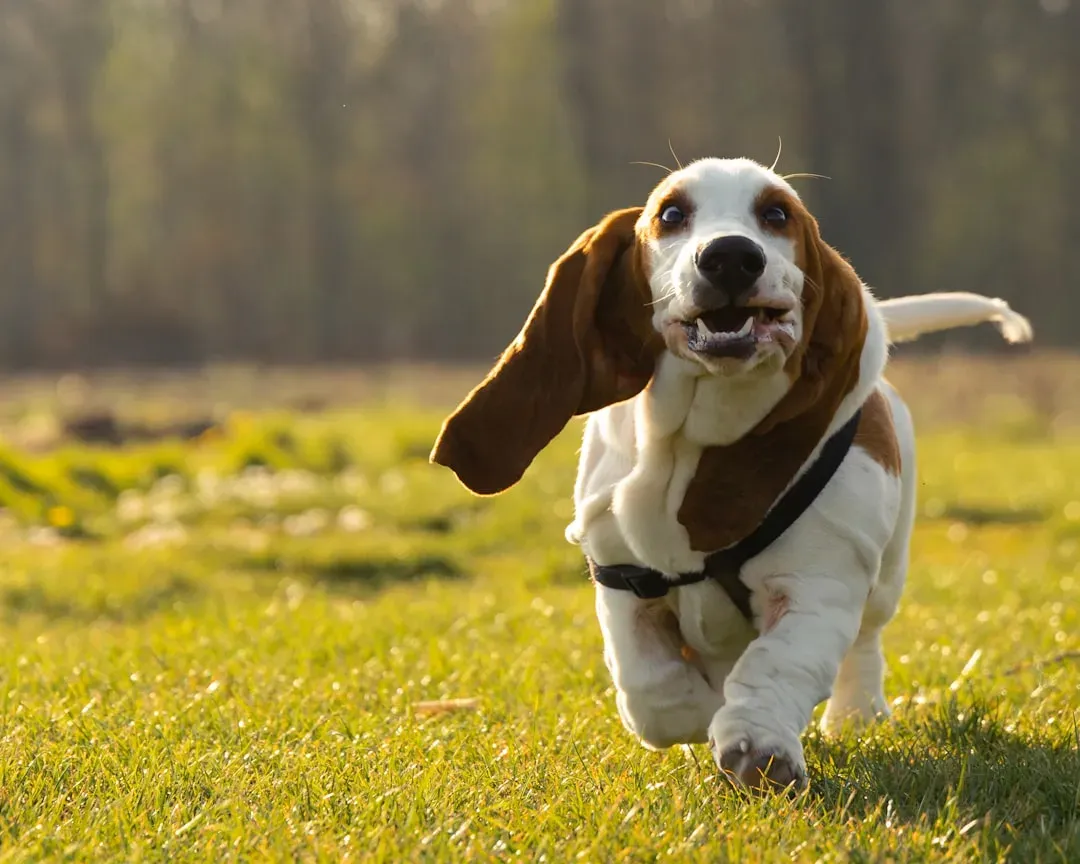
Basset Hounds look sturdy and low to the ground, but their long backs, short legs, and heavy build put a lot of mechanical stress on their spine and joints. Rough tug-of-war, jumping from furniture, or pulling on their collar can all increase strain in areas that are already working hard to support them. Lifting them the wrong way, especially without supporting the rear end, can be uncomfortable or even risky for their backs.
Temperament-wise, Bassets are often soft-hearted, sometimes stubborn, and deeply affected by the emotional tone of their home. Yelling or forceful training can make them shut down or become even more resistant. They respond best when you lean into patience, gentle repetition, and positive reinforcement. Think of them as sensitive old souls wrapped in a comical, droopy body: they may look like clowns, but they feel things deeply.
7. Maltese: Cloud of Fur, Fragile Frame
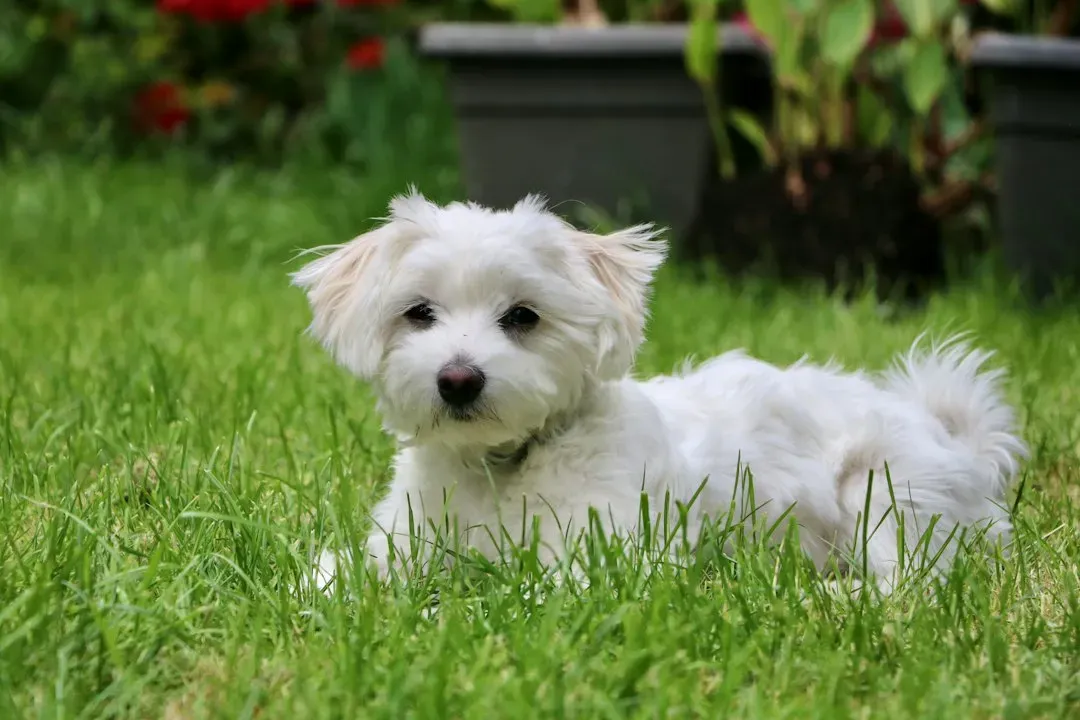
The Maltese looks like a walking cloud and, in some ways, is about as physically sturdy as one. Under all that hair is a fine-boned, lightweight frame that is not built for rough play, wrestling with big dogs, or kids who treat them like stuffed animals. Sudden yanks, accidental falls, or careless grooming can cause real harm, especially around the neck, spine, and joints.
Emotionally, many Maltese dogs are quick to bond and quick to worry. They thrive on gentle voices, predictable routines, and training methods that feel more like a game than a drill. Rough handling, including harsh words, tends to make them anxious and clingy rather than confident. When you treat a Maltese as if you are caring for a little living heirloom – gentle hands, soft touch, no rushing – you often discover they are braver and more playful than you first thought.
8. Dachshund: Bold Personality, Vulnerable Back
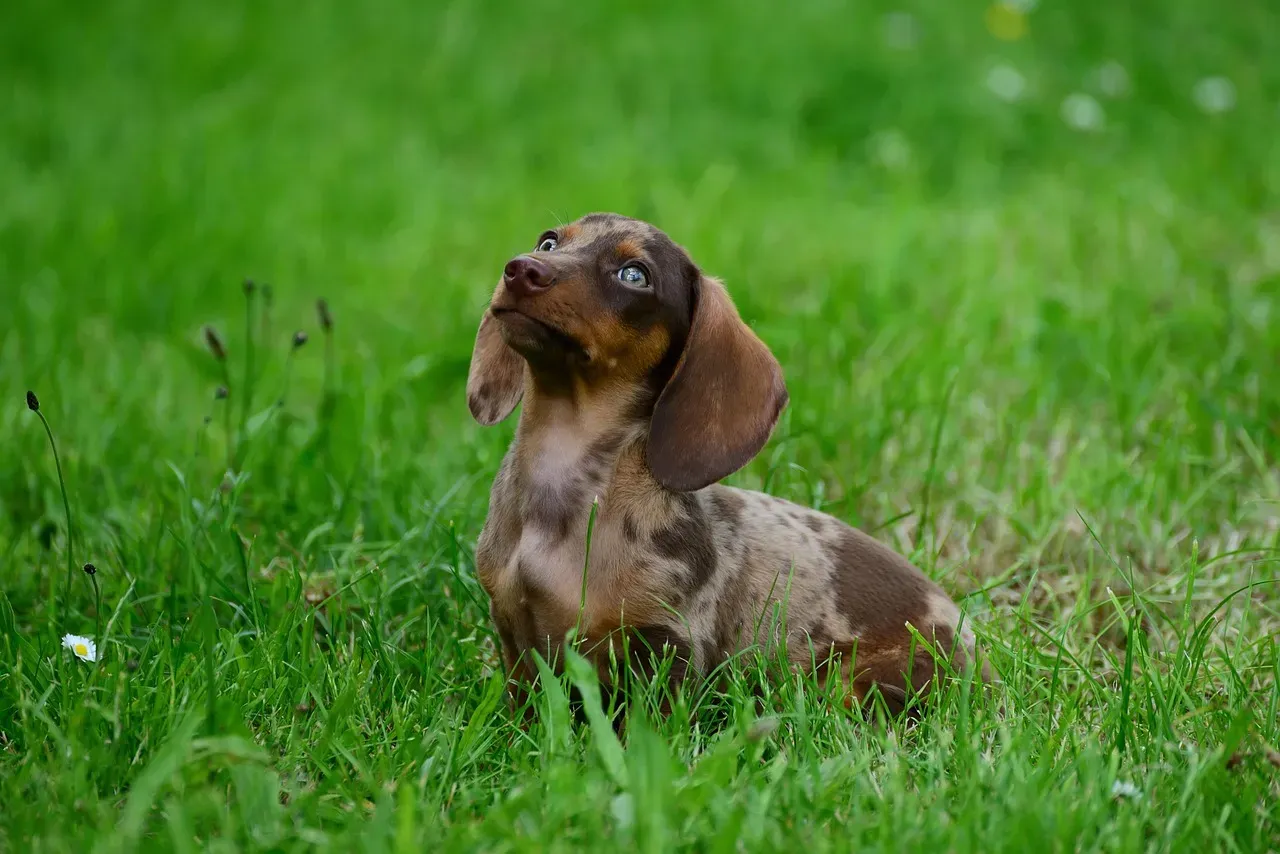
Dachshunds come with big-dog courage packed into a long, low body that is uniquely prone to spinal issues. Their elongated spine and short legs make them more susceptible to back problems, especially if they are allowed to jump from heights, use stairs excessively, or are picked up without supporting both the chest and the rear. Rough play that twists or jars their back can have consequences far beyond a temporary yelp.
Personality-wise, Dachshunds are often confident, independent, and sometimes a bit opinionated. It is tempting to match that intensity with firm, even harsh corrections, but that usually backfires, making them more defensive or stubborn. Gentle handling, thoughtful management of their environment (ramps, no rough tugging), and positive, structured training respect both their physical vulnerabilities and their fiery little spirit. You are not babying them; you are protecting a body design that is brave but biomechanically tricky.
9. Border Collie: Mentally Tough, Emotionally Sensitive
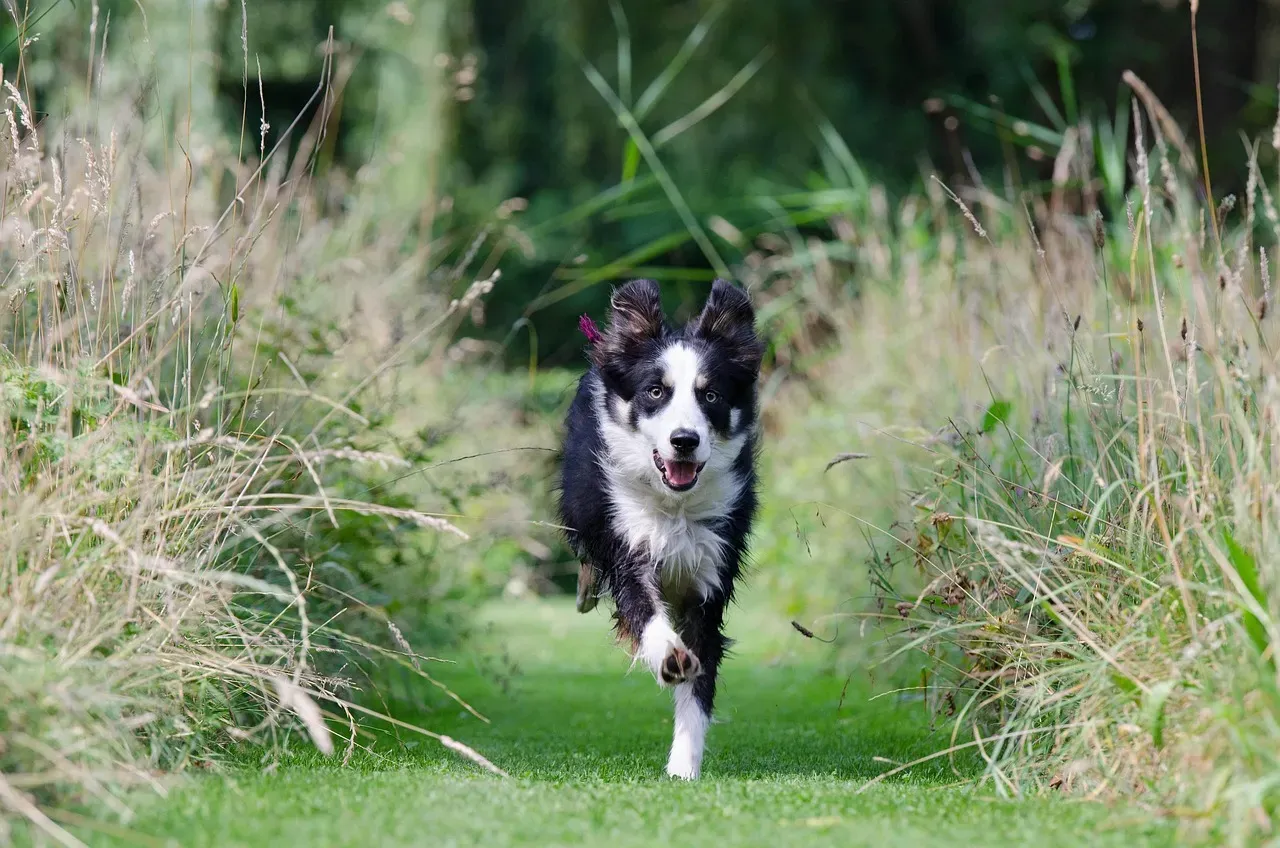
At first glance, the Border Collie might seem like the odd one out on this list. They are athletic, medium-sized, and famously smart. Physically, they are not as fragile as toy breeds, but their joints and soft tissues still pay a price if they are pushed into constant high-impact activities, rough frisbee sessions, or never given time to rest. Being gentle with them includes managing their workload and not treating them like a tireless machine.
Where they really need gentleness is in their mind. Border Collies are extremely sensitive to tone, tension, and chaos. Harsh corrections, shouting, or inconsistent rules can create anxious, obsessive, or reactive behavior surprisingly fast. When you pair clear structure with calm, reward-based training and a respectful attitude toward their need for mental downtime, you see how much “gentle” is not just about touch, but about the whole way you interact with a dog who is smart enough to read every tiny signal you send.
Conclusion: Gentleness Is Not Spoiling, It Is Good Science
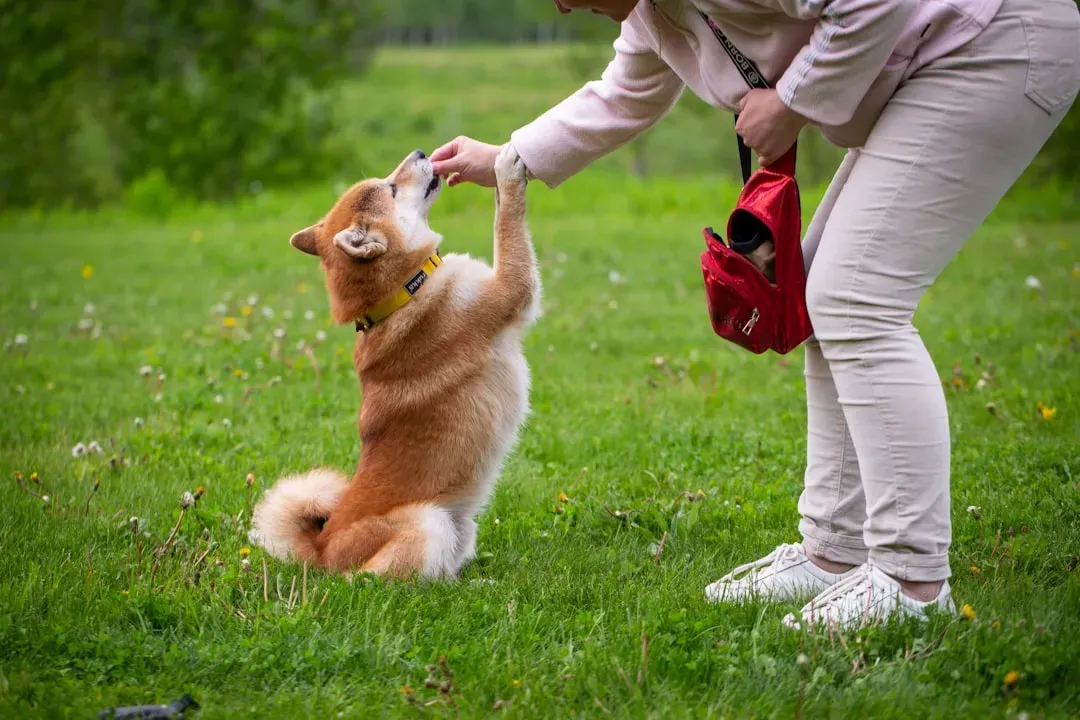
Looking at these nine breeds side by side, what jumps out is not that they are weak or overly delicate – it is that their bodies and minds each have specific limits that deserve respect. Some have thin bones or vulnerable spines, others have big feelings and easily stressed nervous systems, and a few have both. When we move slowly, handle carefully, and train kindly, we are not “spoiling” them; we are simply working with the dog in front of us instead of pretending they are all the same.
I used to think being firm was the key to a well-behaved dog, until I lived with a sensitive, fine-boned breed that shut down the second my voice sharpened. The moment I leaned into gentleness, everything changed: the dog relaxed, the training improved, and the bond felt deeper and more mutual. In the end, that is the real question this list raises: if being gentler gives you a happier, healthier dog and a better relationship, why would you ever choose to be any other way?