
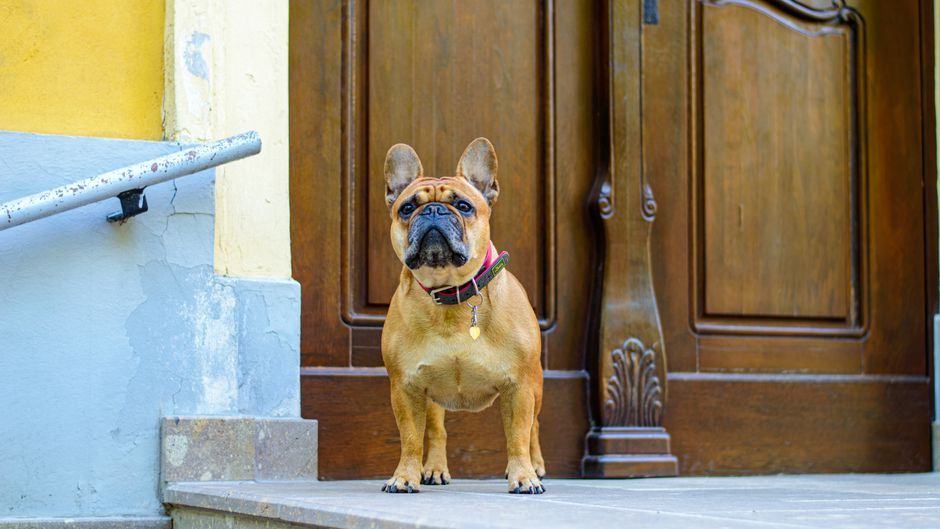
Picture this scene at the end of a long day. Your dog settles into bed, but instead of curling up against you for warmth and closeness, they turn toward the doorway. It feels deliberate, almost purposeful. Many owners notice this pattern and wonder what it reveals about their pet’s inner world.
Canine behavior experts point to deep seated reasons behind the choice. These positions often trace back to instincts that have persisted through generations of domestication. The behavior blends protection with a keen sense of surroundings in ways that still shape how dogs rest today.
The Evolutionary Roots Behind Door Facing Sleep
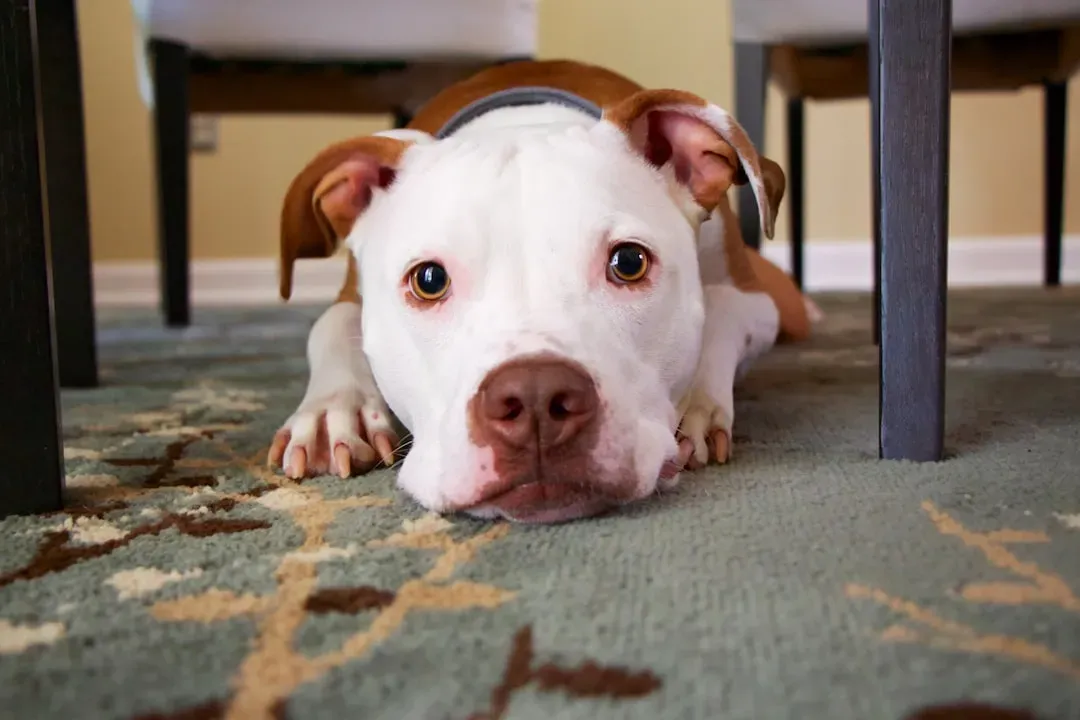
Dogs descend from pack animals that depended on constant vigilance to survive in the wild. One member often stayed alert while others rested, scanning for threats that could approach the group. This division of labor helped entire packs endure harsh conditions and unexpected dangers.
Modern dogs carry echoes of those ancient roles even in safe homes. Facing the door lets them monitor the primary entry point where sounds or movements are most likely to originate. Experts describe it as a remnant of self preservation strategies that once kept their ancestors alive.
How Heightened Senses Shape Resting Positions
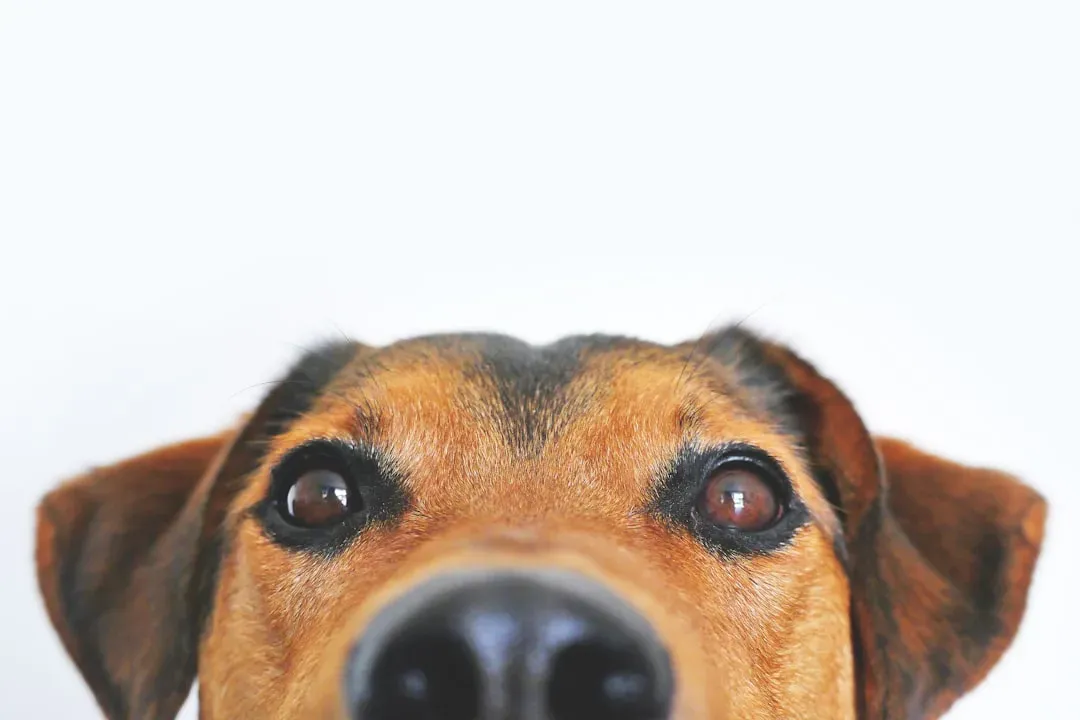
A dog’s nose and ears operate at levels far beyond human capability. Even during sleep, these senses remain partially active and ready to detect subtle changes in the air or distant noises. Positioning toward the door maximizes their ability to pick up on anything unusual right away.
This sensory advantage turns a simple nap into an act of environmental monitoring. Cool drafts or new scents often drift through doorways first, giving the dog early information. The choice reflects practical awareness rather than random habit.
Protection Instincts Versus Seeking Owner Comfort
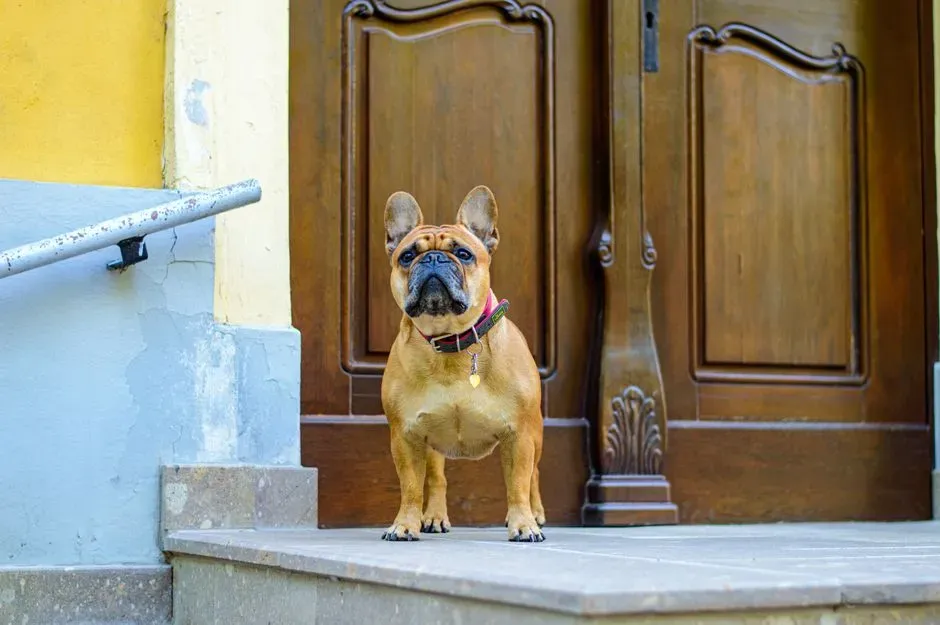
Many dogs show strong loyalty by staying near their people, yet some prioritize the doorway instead. This does not signal a lack of affection. It often means the dog has assumed a watchful role that feels natural to them.
They may still seek closeness during waking hours or at other times. The sleep position simply highlights how their priorities can shift based on context and instinct. Both behaviors can coexist without contradiction in the same animal.
Environmental Factors That Encourage This Habit
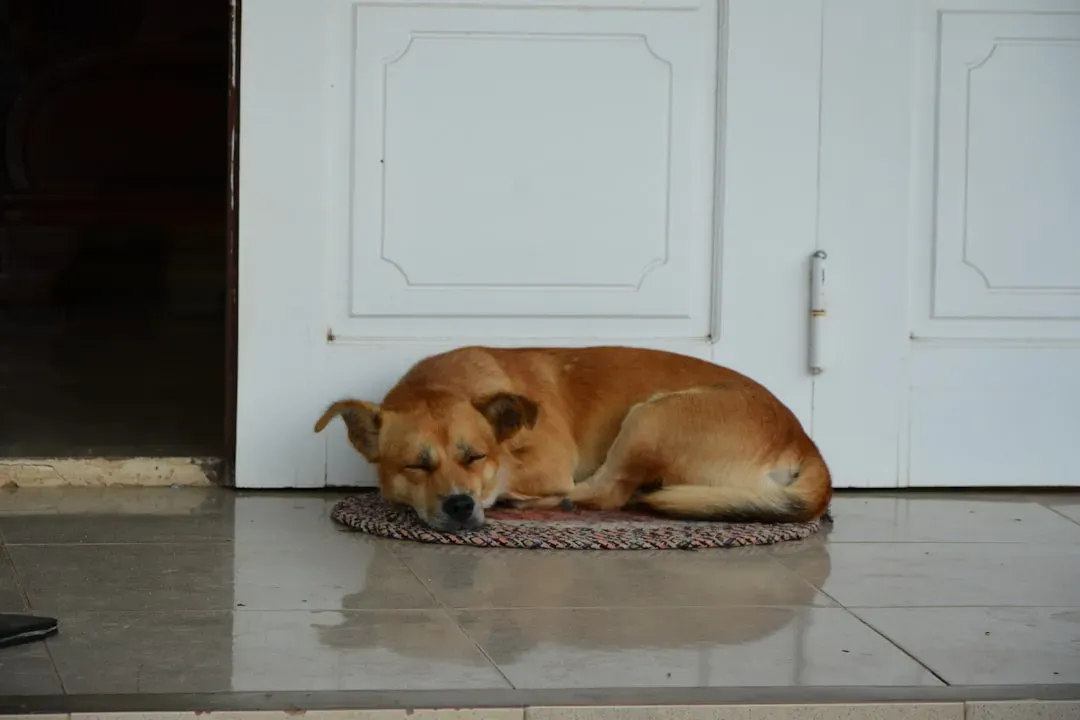
Household layouts play a quiet but important part in where dogs choose to rest. Doors represent transition points between inside safety and the outside world. Dogs seem to register these spots as natural observation posts.
Temperature differences and airflow around entrances can also draw them there for comfort. Combined with instinct, these everyday details reinforce the pattern over time. Owners sometimes notice the habit strengthens in new homes or during periods of change.
Breed Tendencies and Individual Personalities
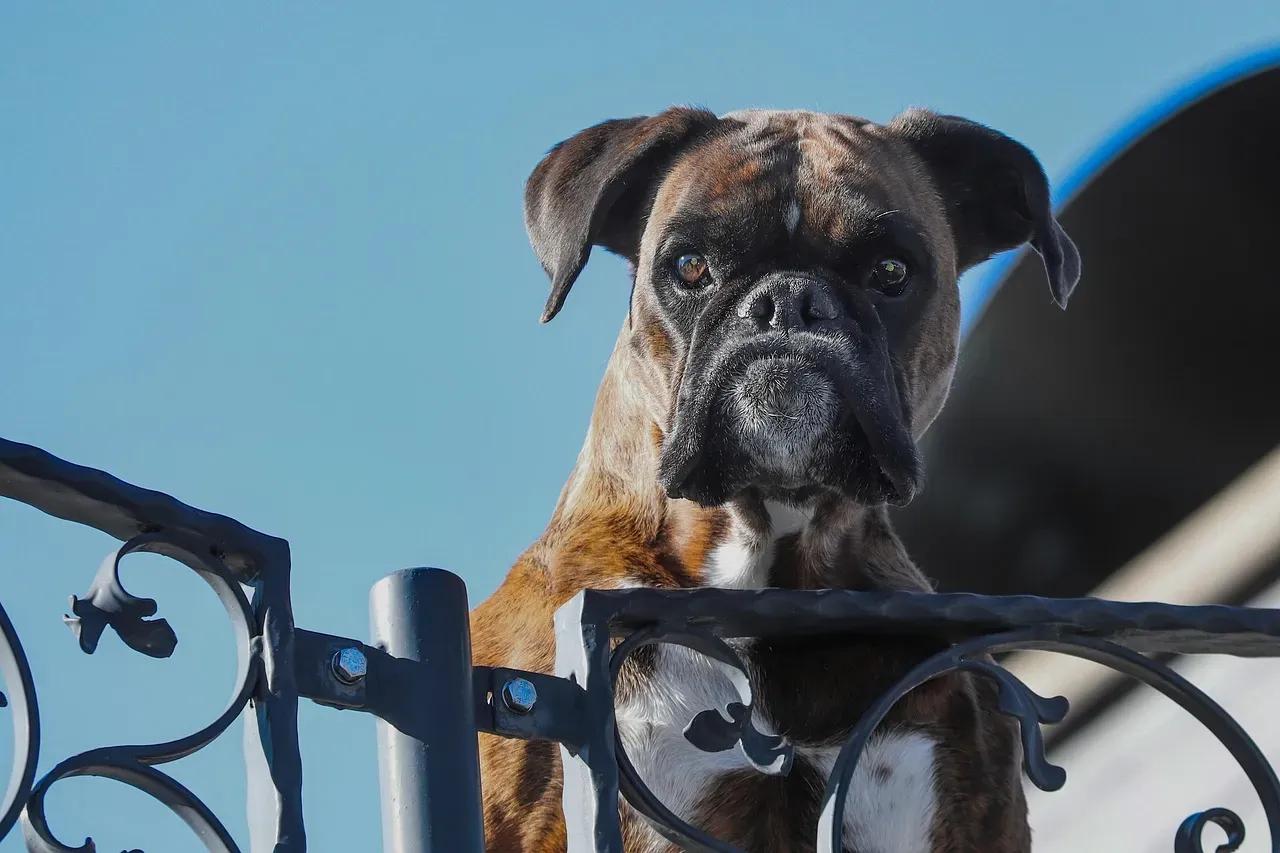
Working breeds with guarding backgrounds often display this behavior more consistently. Their genetic history emphasizes alertness and territorial awareness. Still, any dog can adopt the position depending on their unique experiences and temperament.
Personality traits like caution or confidence influence how strongly the instinct appears. Some dogs mix door facing with occasional cuddling, showing flexibility in their routines. Individual variation keeps the behavior interesting to observe across different pets.
Recognizing When the Habit Signals Something More
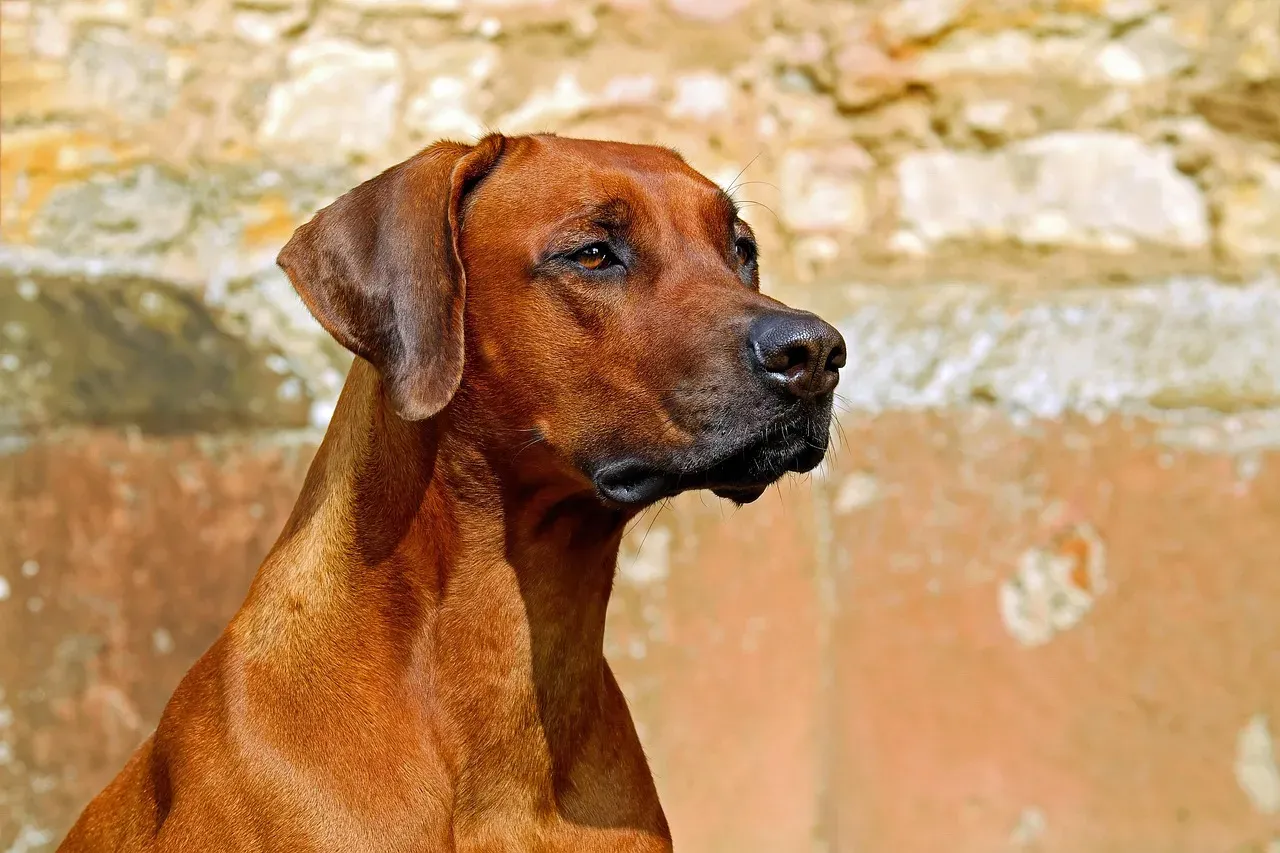
Most of the time this sleeping choice stays harmless and rooted in normal instincts. Yet sudden increases in vigilance or restlessness around doors might warrant closer attention. Changes in routine or health can sometimes amplify existing patterns.
Paying attention to other body language helps owners understand the full picture. Consistent door facing paired with relaxed breathing usually points to simple awareness. Tension or frequent shifting could suggest other factors at play.
Insights From Behavior Specialists on Canine Awareness
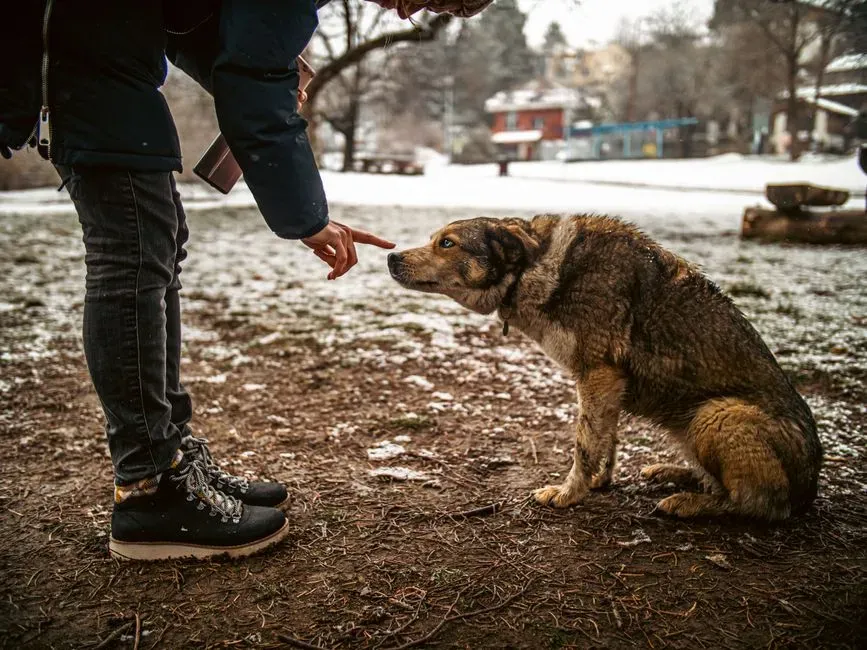
Veterinarians and trainers often link the behavior to evolutionary awareness rather than deliberate guarding. One expert noted that facing entry points allows dogs to stay informed without full alertness. This balanced state supports both rest and readiness.
Specialists emphasize that the instinct persists because it once provided real advantages. In today’s homes it manifests as quiet attentiveness instead of active defense. Understanding this helps owners appreciate the depth behind everyday actions.
A Thoughtful Look at What This Reveals About Our Companions
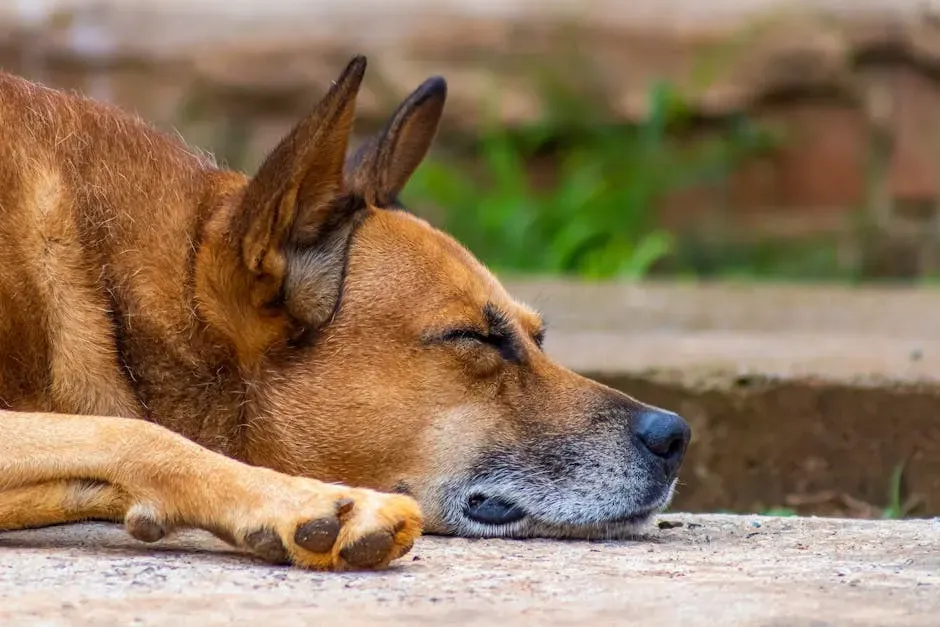
Observing these quiet choices deepens the connection between people and their dogs. It reminds us that even pampered pets carry layers of history in their actions. Respecting those instincts can lead to better environments that honor both comfort and natural tendencies.
Ultimately this behavior highlights the remarkable blend of loyalty and independence dogs bring into our lives. It invites us to see them not just as pets but as creatures shaped by time and survival. Small observations like sleep positions open windows into that enduring partnership.


