
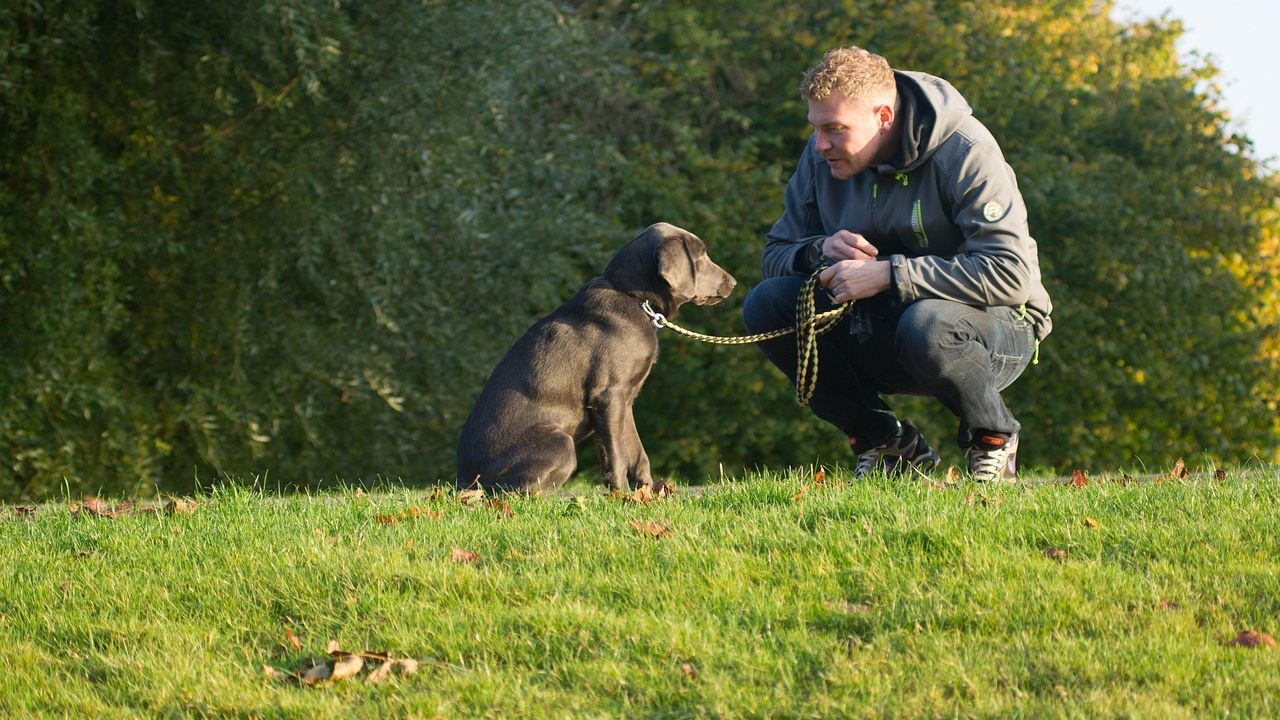
Dogs have a way of making their preferences known without saying a word. One person walks through the door and the tail starts thumping, while another gets a polite but distant sniff. It often leaves owners wondering what really tips the scale in a dog’s mind.
The answer seems to lie less in who fills the bowl and more in who shows up emotionally day after day. That quiet reliability builds something deeper than routine care ever could.
Understanding Canine Attachment
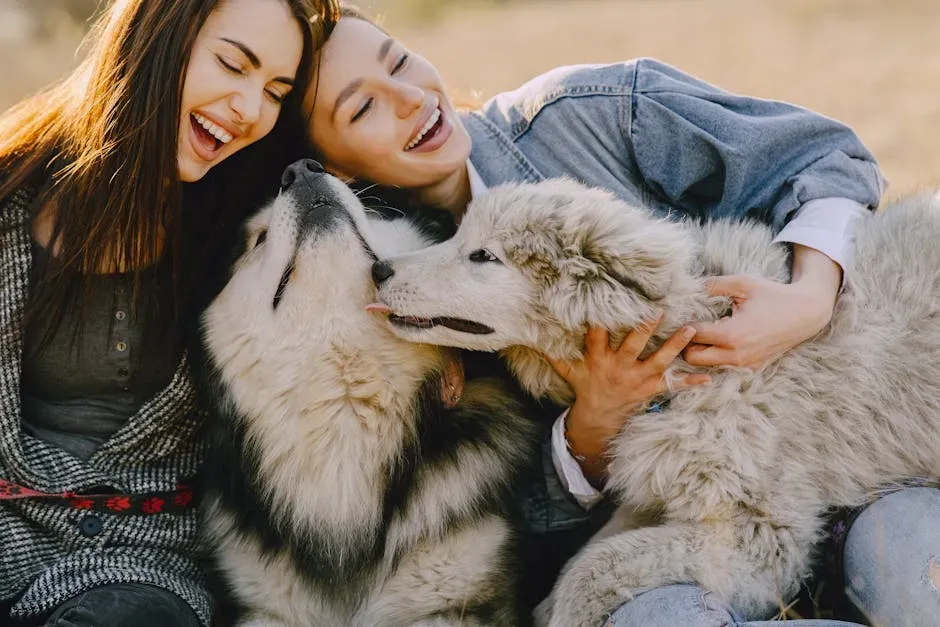
Dogs form bonds that mirror the secure attachments seen in human infants. They look to certain people for comfort during stress and seek them out when exploring new situations. This pattern emerges from repeated interactions where the person responds predictably and calmly.
Over time these moments create a sense of safety that goes beyond basic needs. A dog learns to trust the person who stays steady through changes in routine or mood. That foundation shapes which human feels like home.
Emotional Consistency Over Provision
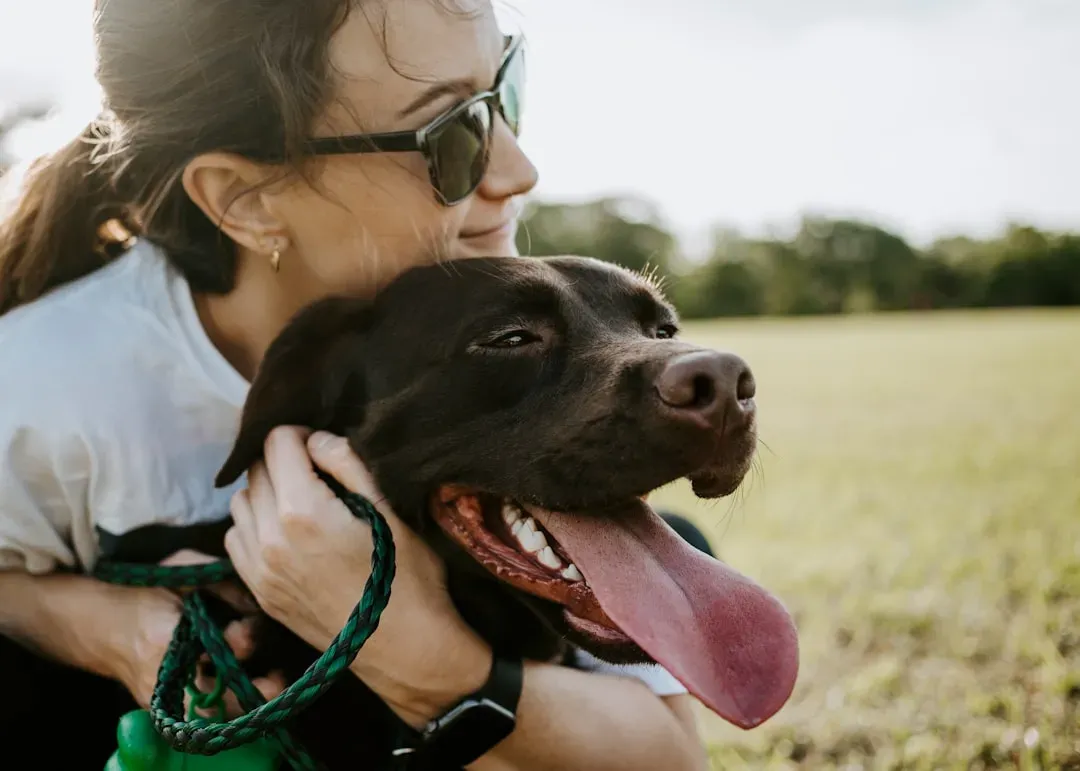
Feeding happens on a schedule and often involves multiple household members. It meets a physical requirement without necessarily building emotional depth. In contrast, consistent emotional presence shows up in small daily choices like tone of voice during play or patience during training mishaps.
Dogs notice when someone remains even tempered after a long day or offers gentle reassurance during thunderstorms. These steady responses signal reliability in ways a meal cannot match. The result is a preference rooted in felt security rather than simple association with food.
What Research Shows About Dog Preferences
Studies on dog human relationships highlight how responsiveness influences attachment strength. Dogs tend to approach and stay near people who have demonstrated sensitivity to their signals over time. This holds even when another person handles most of the feeding duties.
Observations in controlled settings reveal that dogs seek comfort from consistent caregivers during mildly stressful events. The pattern repeats across different breeds and living situations. It points to an underlying preference for emotional steadiness that develops naturally through everyday life.
Recognizing the Signs of a Strong Bond
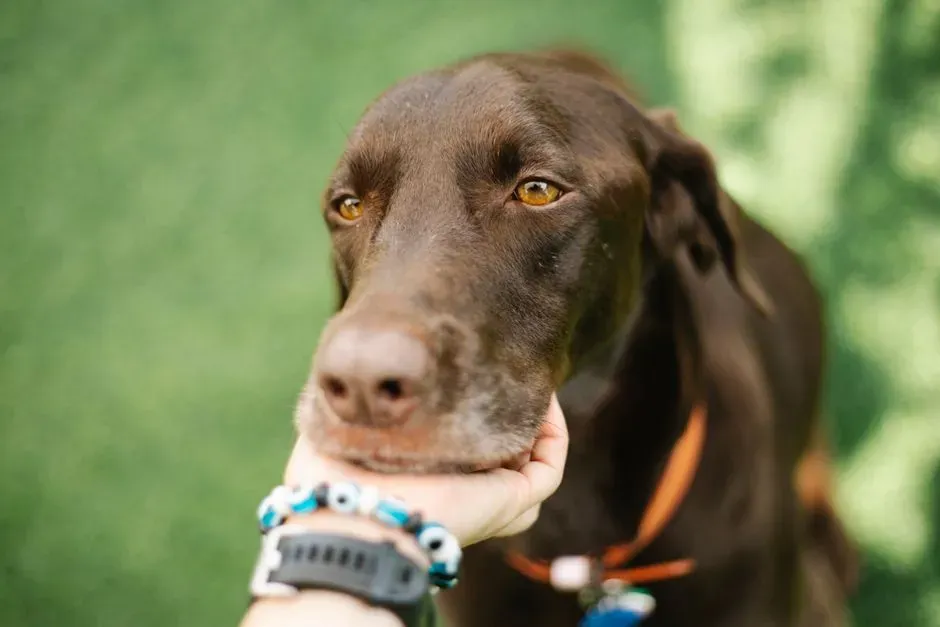
A dog often greets its favorite person with relaxed body language and sustained eye contact. They may follow that individual from room to room or settle nearby during quiet moments. These behaviors reflect comfort rather than excitement alone.
Another clue appears during separation. Dogs show milder distress when left with their preferred person compared to others. They also recover more quickly upon reunion. Such patterns emerge gradually and become reliable indicators of the bond.
Building That Consistent Connection
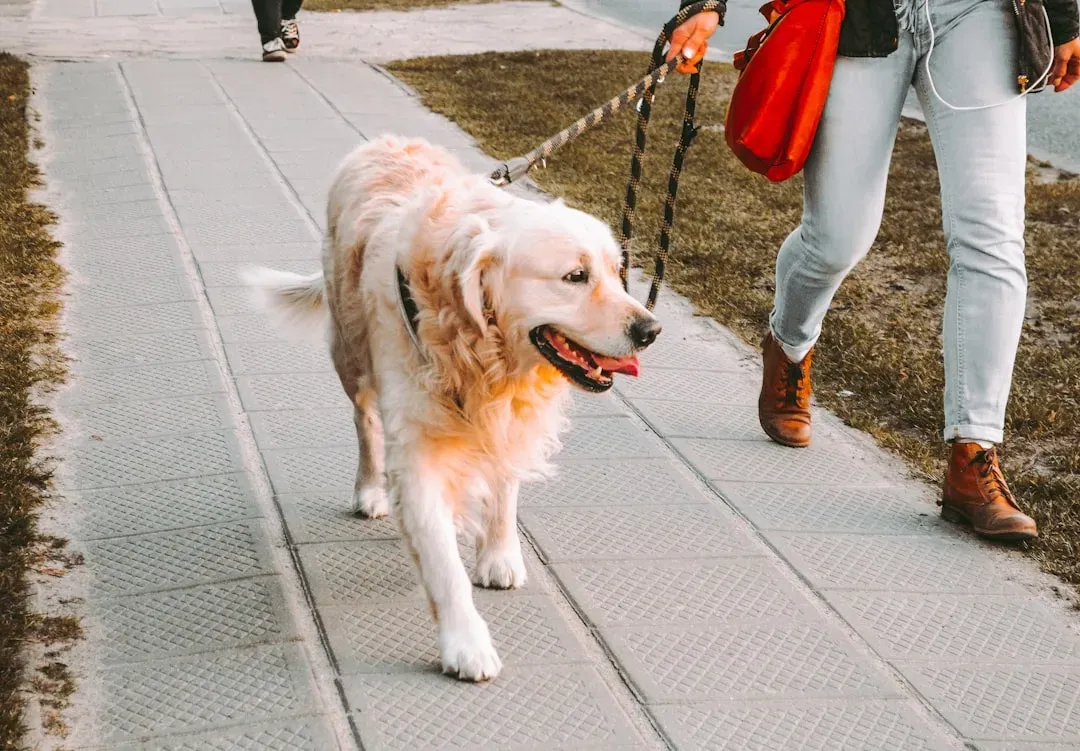
Small repeated actions matter more than grand gestures. Responding calmly to a dog’s cues during walks or play sessions reinforces trust. Maintaining a steady presence even on busy days helps the relationship deepen without extra effort.
Owners can strengthen this by keeping interactions predictable in tone and timing. Offering quiet companionship during rest periods or acknowledging subtle stress signals builds the same foundation. Over weeks and months these habits create the emotional consistency dogs seem to value most.
Common Misconceptions About Dog Loyalty
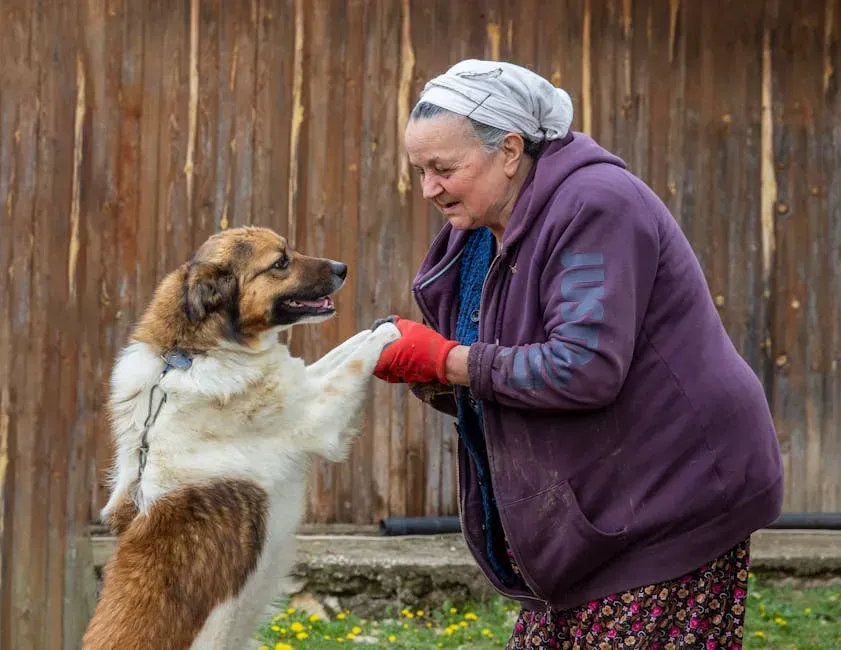
Many assume the person who buys the food or takes the dog to the vet automatically earns top status. Yet daily life shows otherwise when a dog consistently chooses another household member for affection. Loyalty in dogs appears more selective and tied to felt experience than to practical roles.
Another misconception holds that breed or age determines favorites. In reality the quality of interactions across any dog’s lifetime shapes preferences more strongly. This flexibility means bonds can shift if emotional consistency changes for better or worse.
Embracing the Emotional Side of Pet Ownership
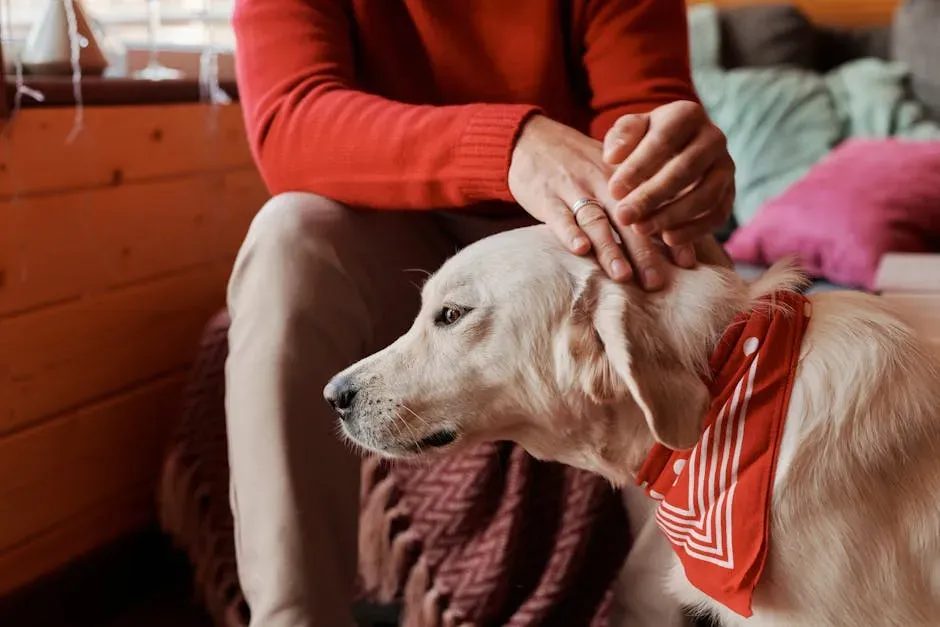
Recognizing this preference invites owners to focus on presence rather than performance. It shifts attention toward how one shows up emotionally in ordinary moments. That awareness often deepens the relationship for both sides.
Dogs remind us that steady connection carries more weight than any single act of care. Paying attention to those quiet consistencies can transform daily routines into something more meaningful. In the end the favorite person is usually the one who feels safest to be around.


