
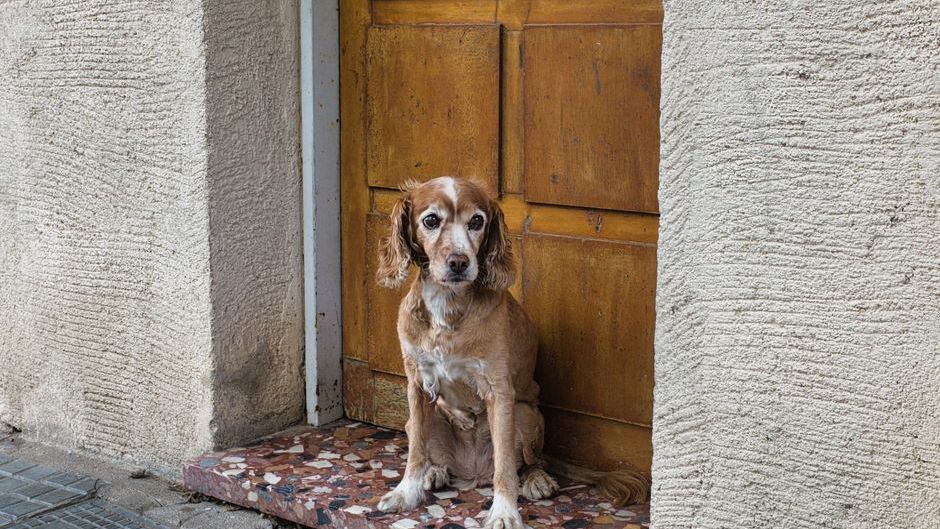
The Sudden Freeze Mid Ride
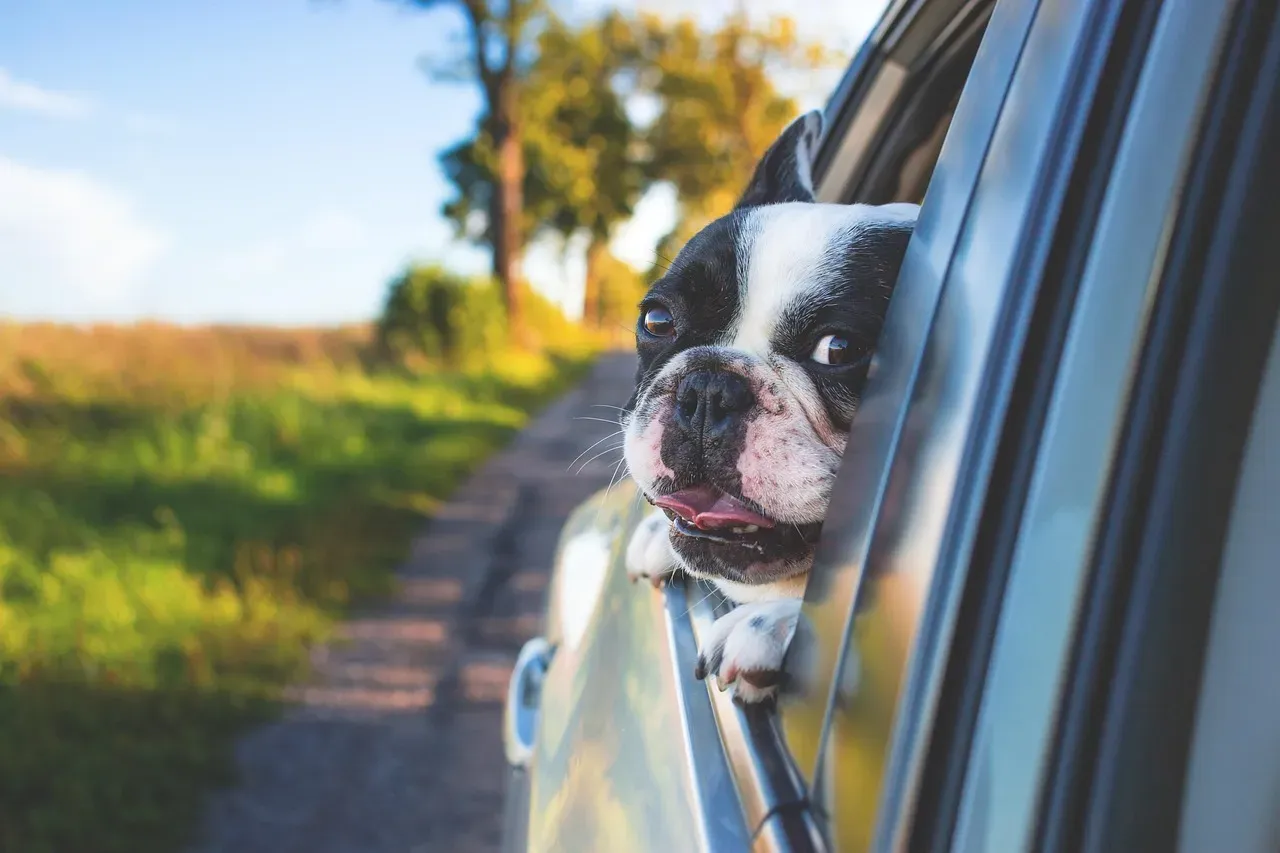
A dog might be happily watching the world go by through the window when the car takes a familiar turn. All at once the body goes still, ears drop, and the playful energy drains away in seconds. Owners often notice the change before they even reach the parking lot.
That stillness spreads through the whole frame as if the dog is trying to become invisible. Breathing can slow or quicken depending on the individual, yet the eyes stay fixed straight ahead. It is a quiet signal that the destination has registered.
The Tail Tuck and Backward Lean
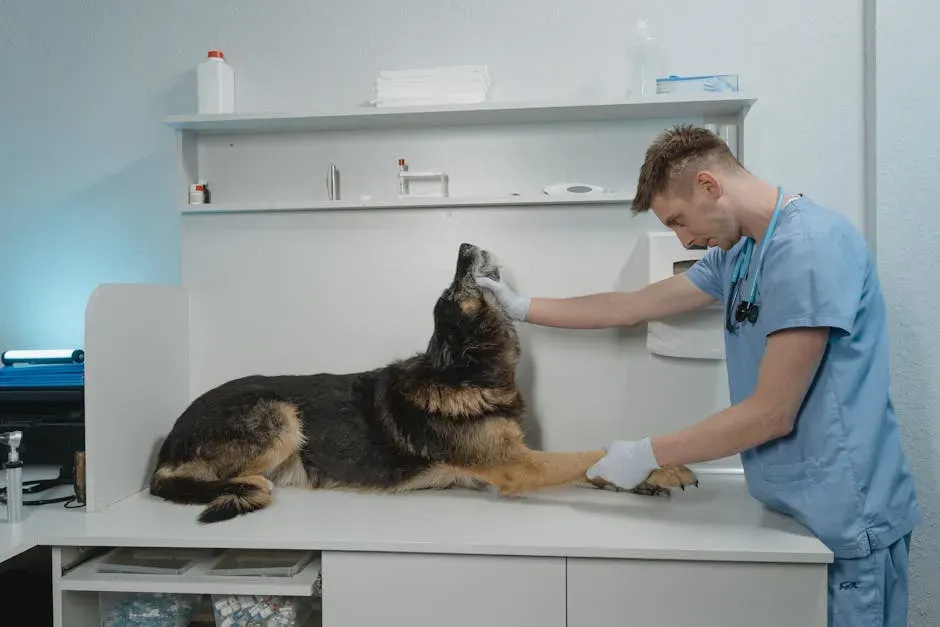
Some dogs press themselves against the back seat the moment the vet clinic comes into view. Their tail curls tightly under the body while the front paws push away from the door. The posture looks small even in a large breed.
Owners describe the lean as an attempt to merge with the upholstery itself. The motion is subtle at first, then more insistent as the car slows. It shows how quickly the association forms after just a few visits.
The Low Whine That Builds
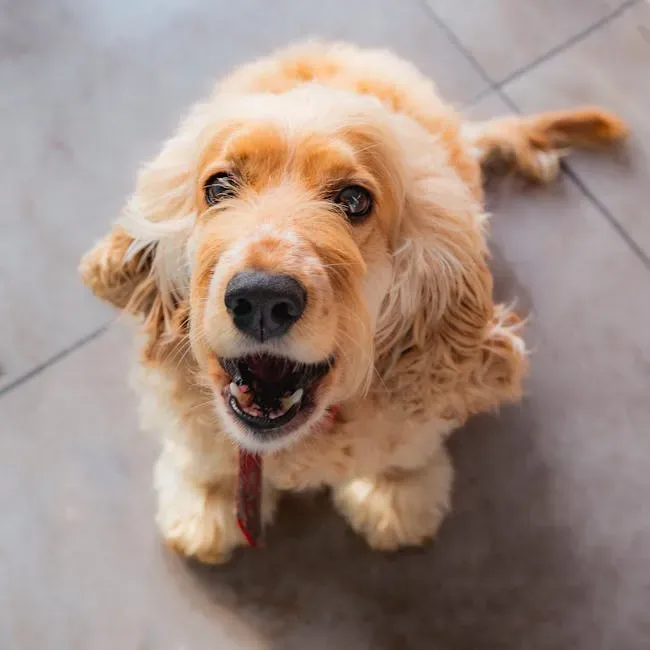
A soft sound starts in the throat once the building appears on the horizon. It grows steadily louder without ever becoming a full bark or howl. The whine carries a pleading quality that many people find hard to ignore.
Passengers sometimes try to distract the dog with treats or gentle words, yet the sound continues at the same steady rhythm. It seems tied directly to the visual cue rather than the motion of the car. The pattern repeats across different dogs and different clinics.
The Desperate Search for an Exit
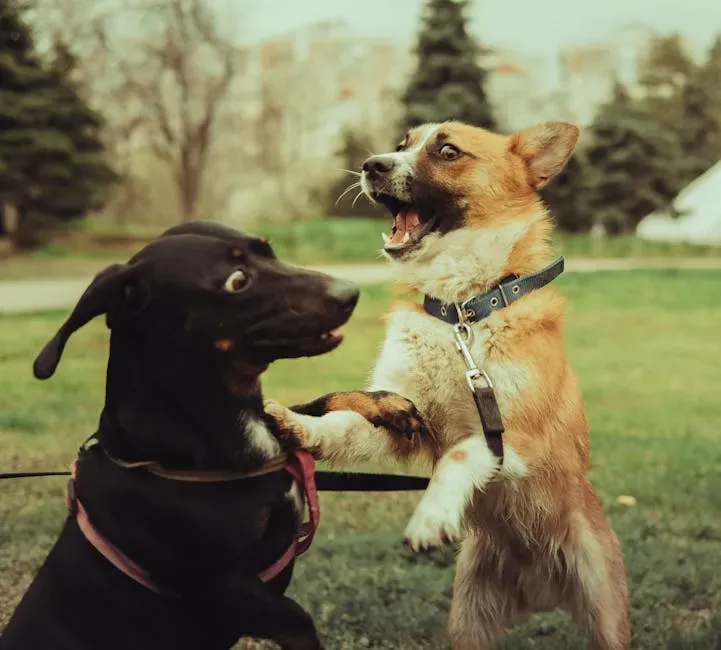
Once the car stops, certain dogs begin scanning every possible way out. They paw at windows, nudge door handles, and twist their bodies toward any gap. The urgency feels almost frantic even though the ride was calm moments earlier.
Owners learn to keep windows up and doors secure well before arrival. The behavior often starts the instant the engine cuts off. It highlights how strongly the location overrides earlier calm.
The Sad, Slow Blink at the Door
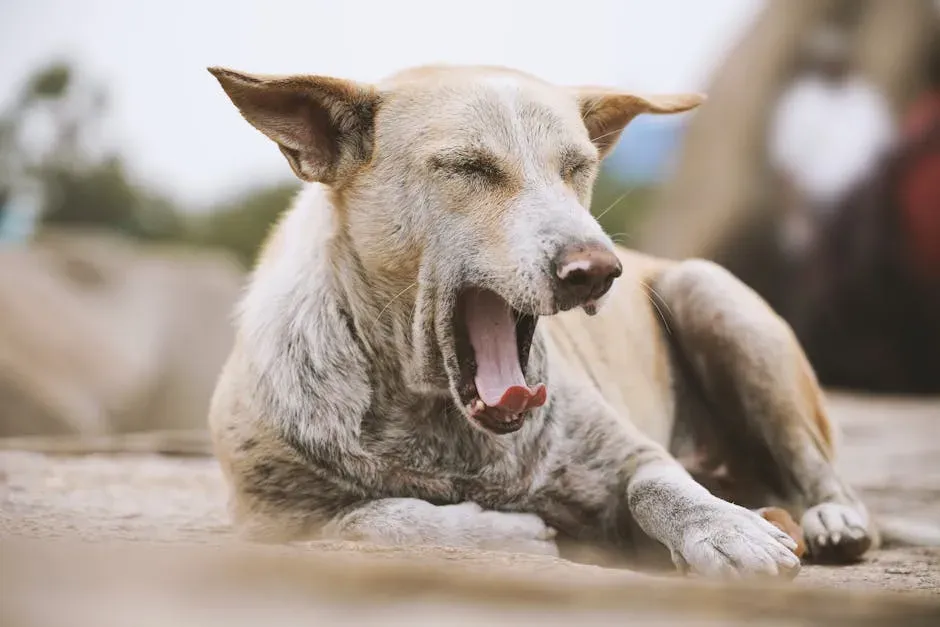
Some dogs sit in the open car door and simply stare at the clinic entrance. Their eyes close halfway and reopen in a drawn out rhythm that looks almost resigned. The expression carries none of the usual curiosity about new places.
Handlers sometimes wait a minute or two, hoping the dog will step out on its own. The blinks continue without any shift in posture. It is a small but telling pause before the inevitable walk inside.
The Full Body Tremble on Leash
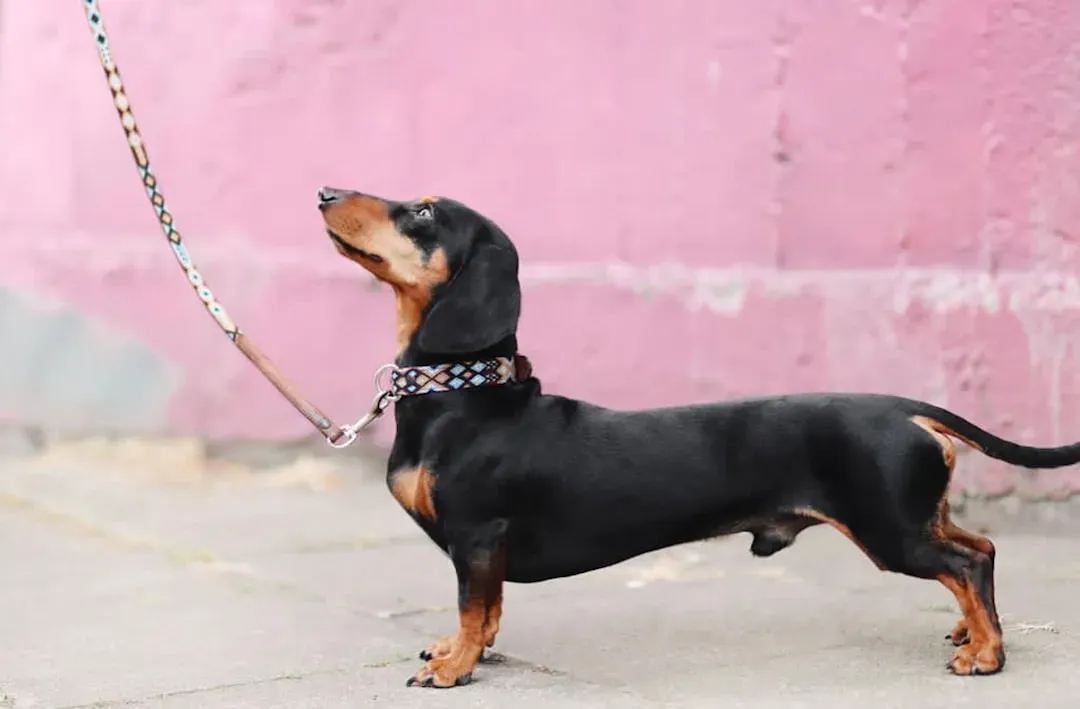
A visible shake runs through the legs and shoulders the moment paws touch the pavement outside the clinic. The tremor is steady rather than occasional, and it does not ease with reassurance. Even confident dogs can show this response after repeated visits.
The shaking stays present through the short walk to the door. Owners notice it eases only after the appointment ends and the car heads home. The contrast between arrival and departure makes the reaction stand out.
The Refusal to Cross the Threshold
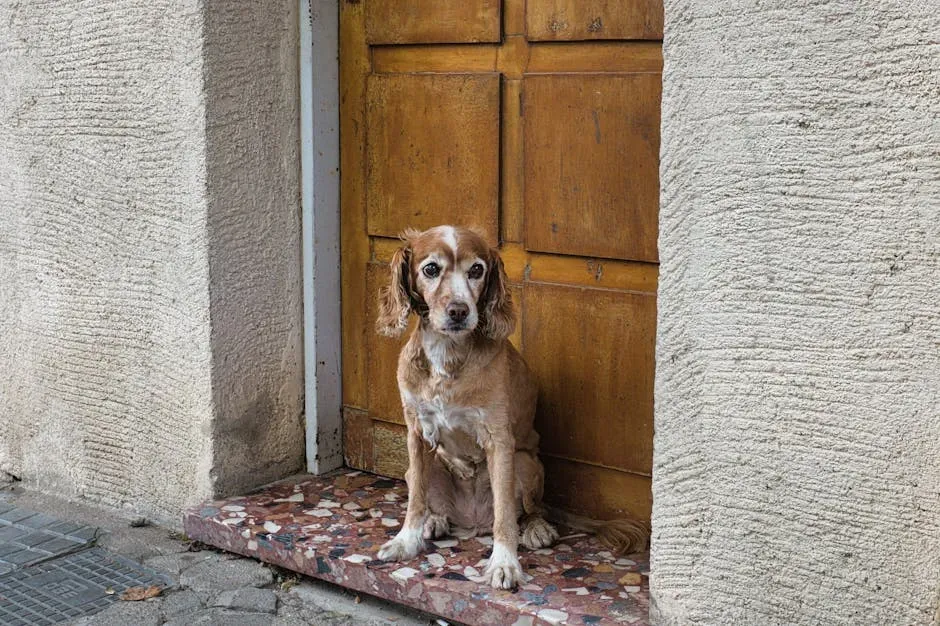
A few dogs plant all four feet at the clinic doorway and simply will not move forward. They lean back on the leash or sit down completely, turning the short distance into a negotiation. The stance is firm without any aggression.
Staff members often see this at the front desk and offer gentle encouragement. The dog may eventually step inside, yet the initial resistance is unmistakable. It shows how the threshold itself becomes part of the memory.
The Lingering Glance Back at the Car
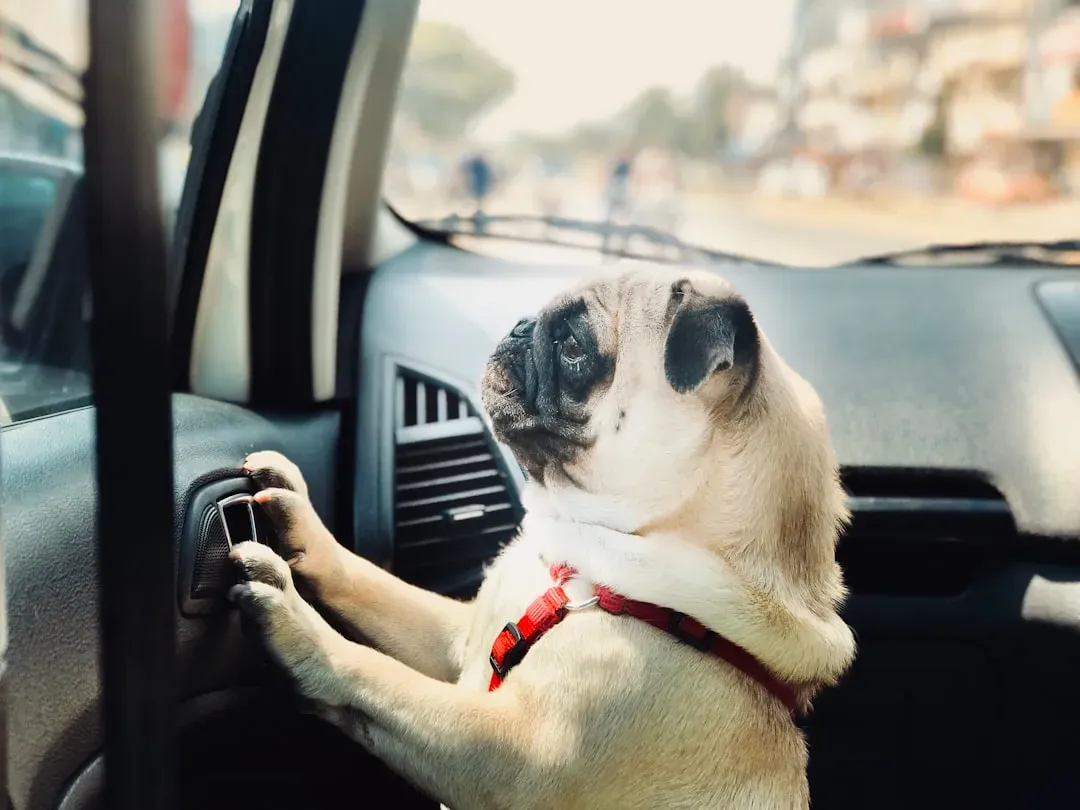
After the visit, some dogs pause at the exit and look toward the parked car with a long, steady gaze. The expression mixes relief with a trace of wariness, as if confirming the ordeal is truly over. The moment lasts only a few seconds yet feels weighted.
Owners recognize the look as the final note in the sequence that began miles earlier. The dog then climbs in and settles quickly for the ride home. That backward glance captures the whole arc of recognition and release. The pattern across these reactions suggests dogs form strong location based memories that shape their daily rides. Owners who notice the early signs can sometimes soften the experience with extra preparation or shorter practice trips. Still, the quiet shift in the car remains one of the clearest windows into how dogs read their world.


