
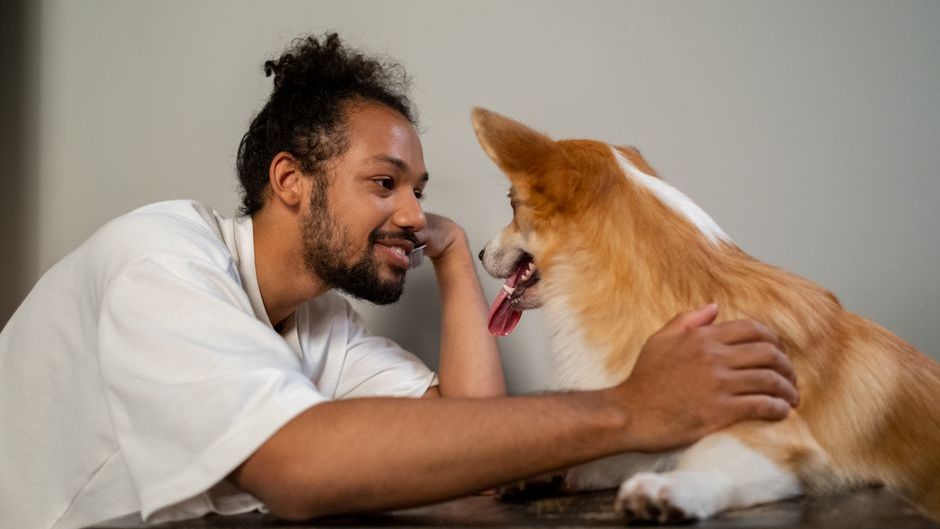
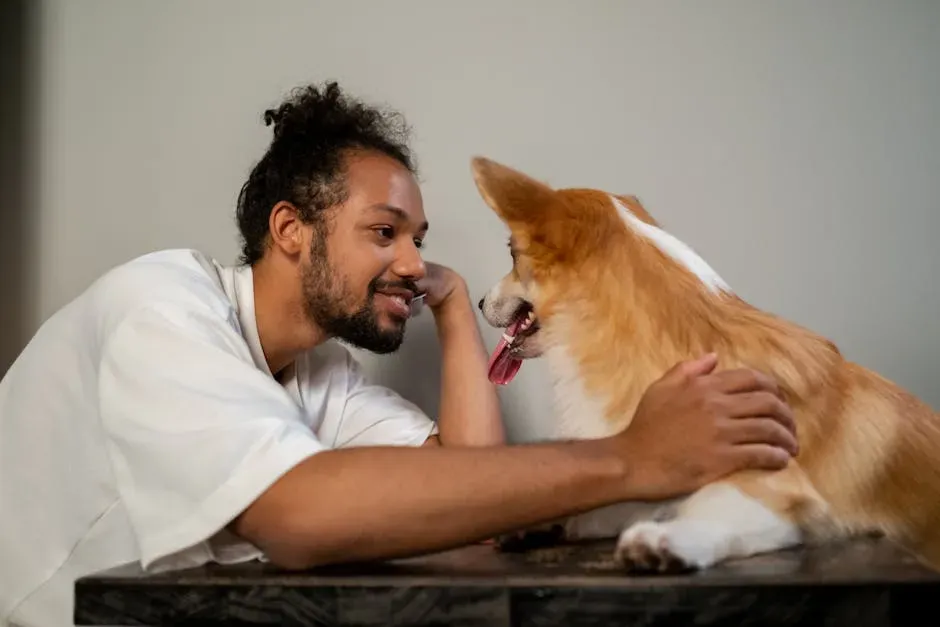
You have probably seen it in the park or at home. Someone leans down to their dog and says something like, we had a long day today, did not we, and then waits for the tail wag or the head tilt as if expecting a reply. The exchange feels natural to them, almost parental. It raises a quiet question about what kind of inner life makes that kind of conversation feel right.
Most people speak to pets in simple commands or cheerful tones. A smaller group carries on full conversations, complete with explanations, reassurances, and shared stories. That difference often signals more than just fondness for animals. It hints at a particular way of reading and responding to emotions that stands out even to psychologists who study how people connect with others.
Everyday Moments That Stand Out
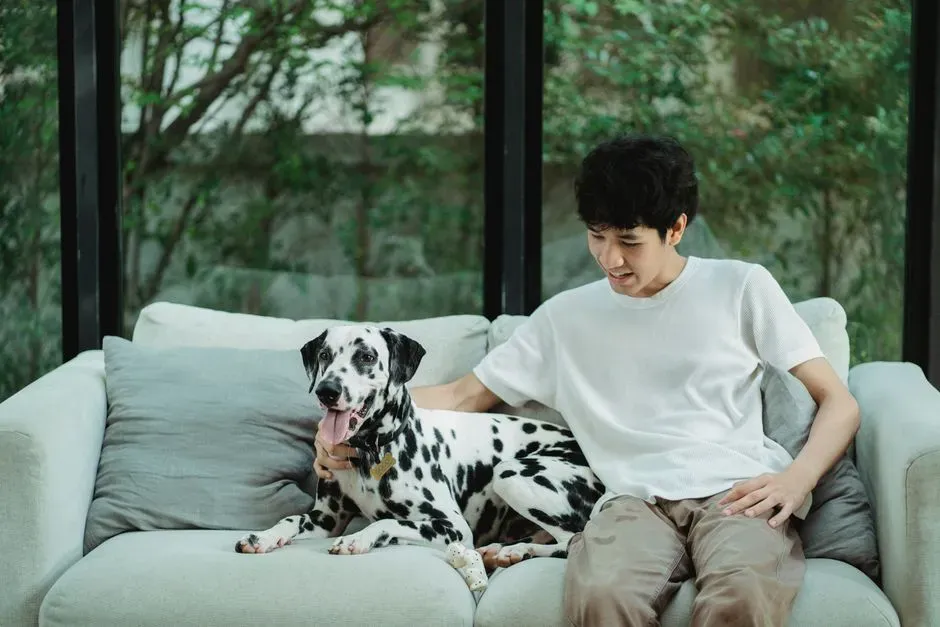
Picture the scene at the end of a workday. The person walks through the door and immediately fills the dog in on a difficult meeting, using the same measured voice they might use with a child who had a tough time at school. The dog listens with its usual attention, and the speaker seems genuinely lighter afterward. These small rituals happen without fanfare yet reveal a consistent pattern of treating the animal as a full participant in emotional life.
Another common example appears during storms or vet visits. Instead of quick reassurances, the owner explains what is happening, why the thunder is loud, or why the car ride feels strange. The language stays calm and explanatory. Observers sometimes smile at the detail, yet the approach reflects a steady habit of including the dog in the moment rather than managing it from above.
How Speech Patterns Reveal Inner Habits
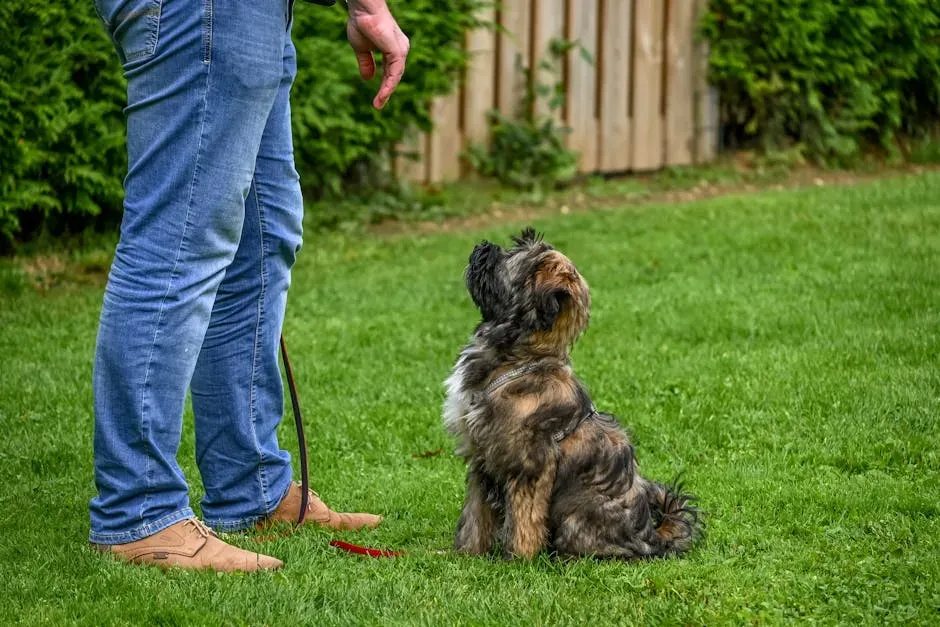
The choice of words matters. Full sentences replace baby talk. Questions invite a response even though none comes in human language. The speaker adjusts tone and pacing based on the dog’s body language, slowing down when ears flatten or brightening when the tail lifts. This back and forth shows an ongoing effort to stay in tune rather than simply project feelings outward.
Over time these conversations build a shared rhythm. The dog learns certain phrases signal comfort or play, while the person learns which topics calm the animal fastest. The exchange becomes two way in its own quiet way. Such patterns point to a practiced skill at noticing subtle cues and responding with care.
Emotional Intelligence in Action
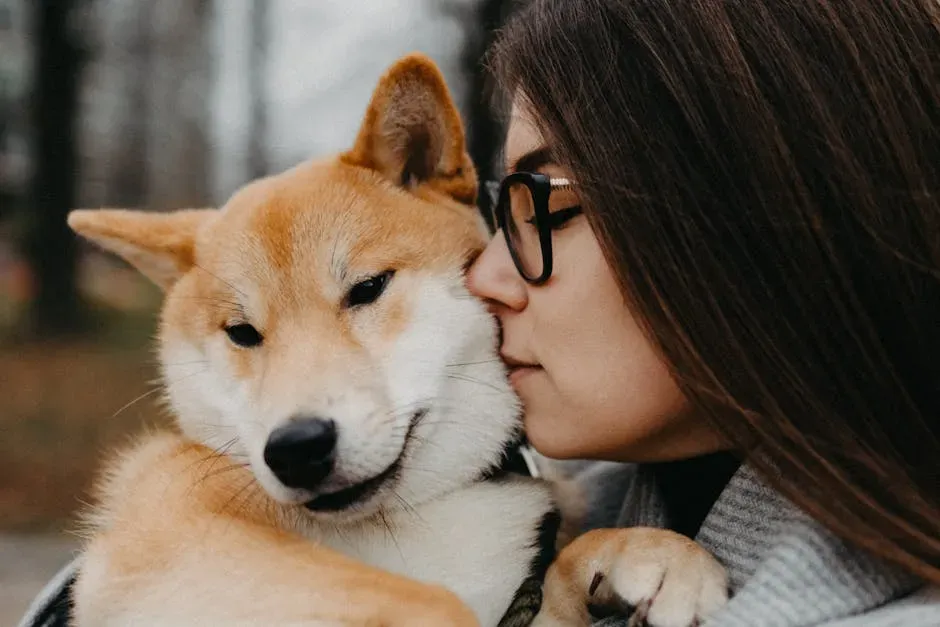
Emotional intelligence involves recognizing feelings in oneself and others, then using that awareness to guide behavior. When someone speaks to a dog like a child, they demonstrate both recognition and response in real time. They notice the dog’s state, name it in words, and adjust their own actions accordingly. The process repeats across ordinary days without conscious effort.
This skill extends beyond the moment. People who do this often show similar care in human relationships, pausing to check how others feel before moving forward. The pet conversations serve as daily practice that keeps the ability sharp. The result feels less like performance and more like a natural extension of how they move through the world.
The Rare Trait at the Center

Psychologists point to a specific capacity called inclusive emotional attunement. It describes the ability to extend genuine perspective taking beyond one’s own species and age group. Rather than viewing the dog as a lesser being, the person grants it full emotional standing in the exchange. This move requires both imagination and restraint, two qualities that do not appear together in everyone.
The trait stands out because it combines empathy with cognitive flexibility. The speaker must hold two realities at once: the dog experiences the world differently, yet the feelings are real and worthy of respect. Few people maintain that balance consistently. Those who do often earn quiet admiration from researchers who study how empathy scales across different relationships.
Why Researchers Take Notice
Studies of human animal bonds show that certain communication styles correlate with stronger overall emotional skills. When owners use explanatory language and wait for responses, they tend to score higher on measures of empathy and emotional regulation. The behavior is not the cause of those scores, yet it serves as a visible marker that researchers can observe without special equipment.
Admiration comes from the rarity of sustained, respectful engagement across species lines. Many people love their pets deeply. Fewer translate that love into patient, child like dialogue day after day. The consistency signals an inner steadiness that holds up under ordinary stress and small frustrations alike.
Effects That Reach Beyond the Dog
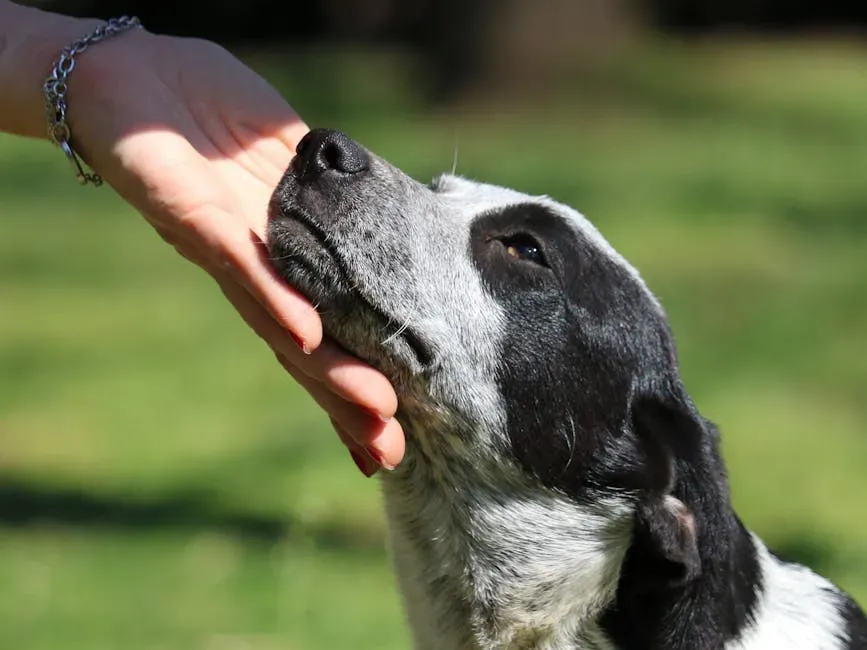
Owners who speak this way often report calmer households. The dog responds to the steady tone with less barking or pacing. Children in the home sometimes pick up the same habit, learning early that feelings deserve words even when the listener cannot answer back. The pattern spreads without lectures or rules.
Friends and family notice too. The same person who explains thunder to the dog tends to listen longer during difficult conversations with people. The skill transfers because the underlying habit of attunement stays the same. Over months and years the benefit compounds into stronger, more patient relationships across the board.
A Quiet Strength Worth Noticing

This way of relating to dogs reflects a deeper orientation toward the world, one that values emotional presence over control. It does not require special training or dramatic gestures. It shows up in ordinary kitchens and backyards, one patient sentence at a time. People who practice it rarely call attention to the habit itself.
In a culture that often prizes quick fixes and surface level interactions, the willingness to speak fully to a dog stands out as its own form of quiet competence. Psychologists notice because the behavior points to an emotional intelligence that remains steady even when no human audience is watching. That steadiness, once seen, is hard to forget.


