
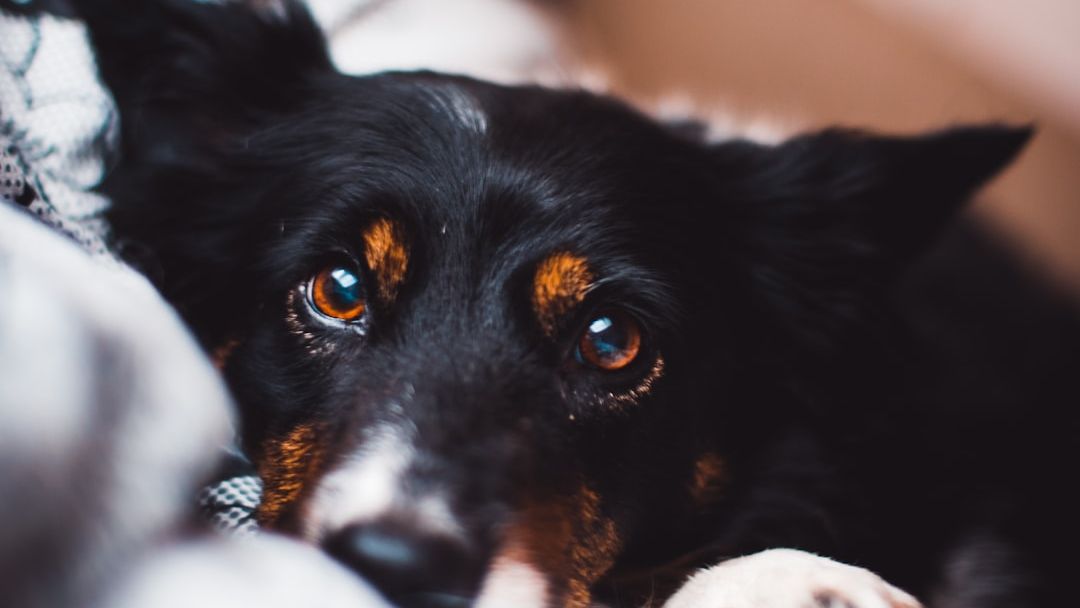
1. Fleeting Squints That Appear Without Warning
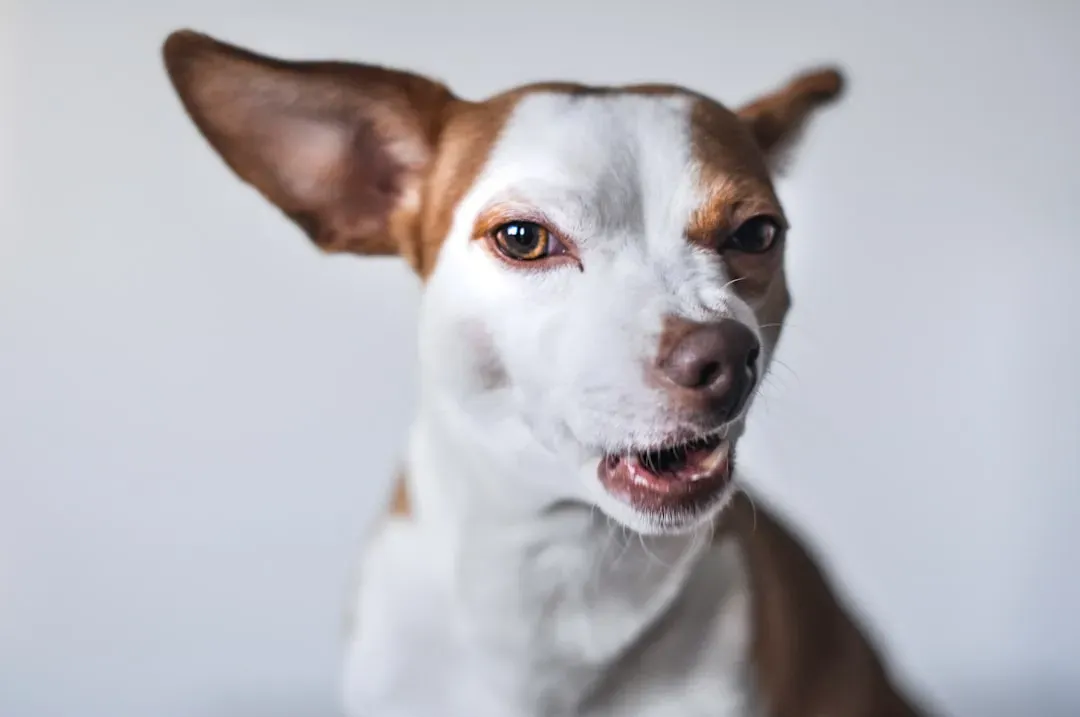
A quick narrowing of one or both eyes might last only a few seconds, yet it often signals underlying irritation or pressure. Owners frequently chalk it up to a bright room or a stray speck of dust. Over time these brief moments add up and point toward something more persistent.
Watch for the pattern during calm moments rather than after play. A dog that squints while resting on the couch may be protecting a sensitive cornea. Noticing this habit in different lighting conditions helps separate normal blinking from a protective response.
2. Faint Redness Along the Eye Rim
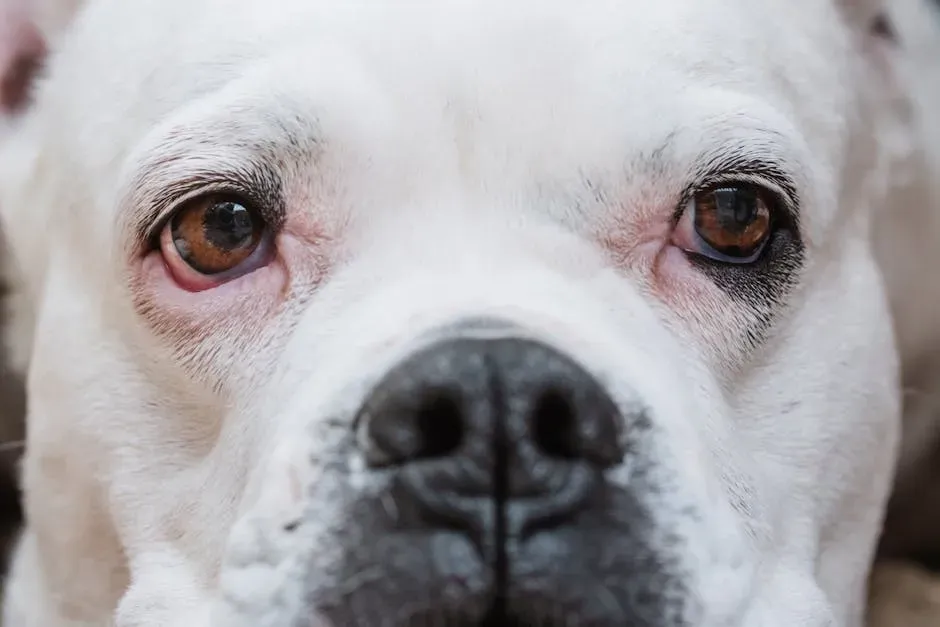
Light pink or reddish tinting around the sclera can develop slowly and stay mild for days. Many people assume seasonal allergies or a recent walk through tall grass caused it. The color often deepens when the dog feels stressed or tired.
Compare both eyes side by side in natural light. One slightly more flushed than the other deserves closer attention. Regular photos taken at the same time each day make these gradual shifts easier to track.
3. Extra Moisture That Never Quite Dries
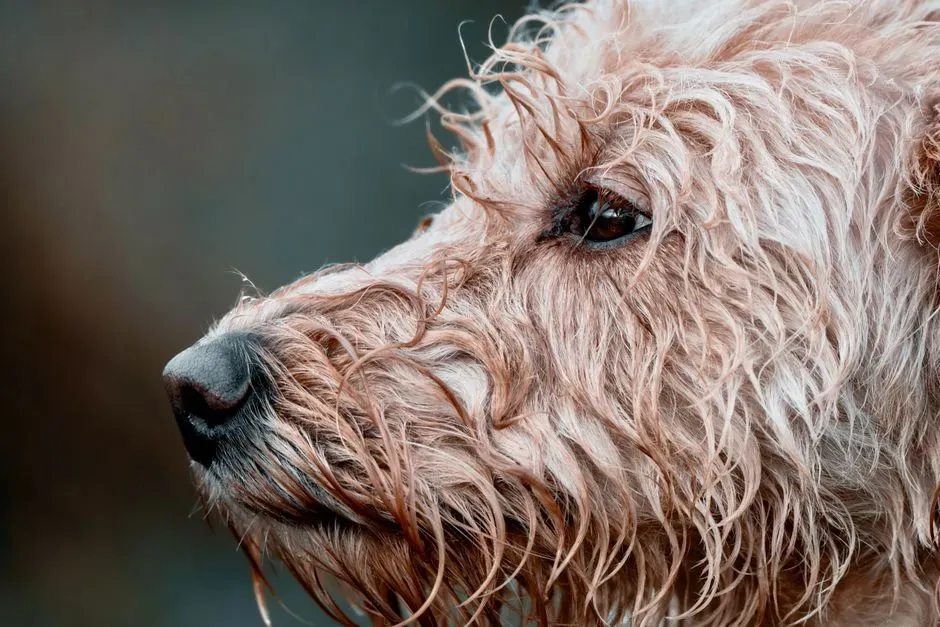
Tears that leave a thin streak down the cheek without any obvious crust or odor still warrant notice. The eye may look glossy rather than wet, and the dog rarely paws at it. This steady trickle can stem from blocked ducts or deeper inflammation.
Feel the fur just below the eye for dampness that returns within minutes of wiping. A dog that tolerates gentle blotting without resistance might still be uncomfortable. Tracking how often you need to clean the area reveals whether the issue stays constant.
4. Pupils That React Slowly or Unevenly
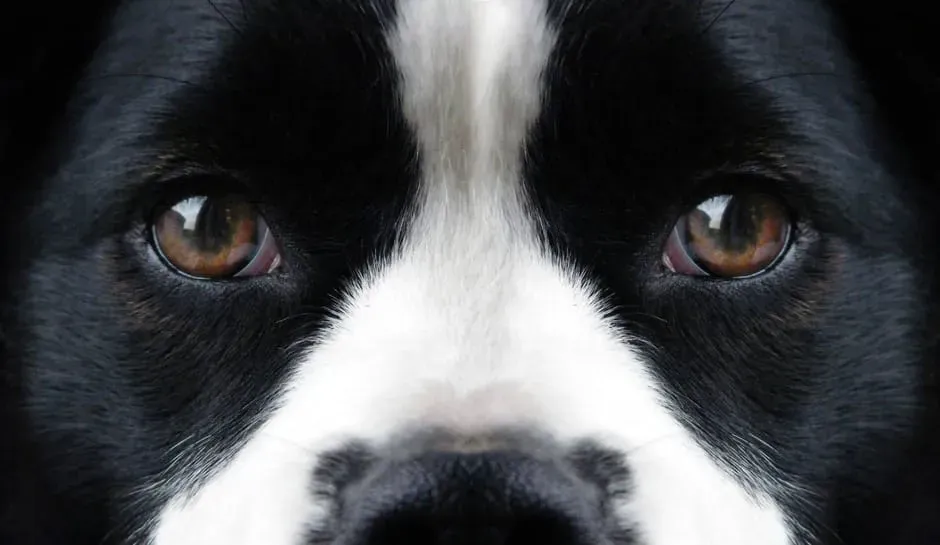
One pupil may stay larger or smaller than the other when light changes, or both may adjust more slowly than usual. This asymmetry often goes unnoticed because dogs move their heads quickly and owners focus on the overall expression. The difference becomes clearest in dim rooms where pupils should widen together.
Shine a soft flashlight from the side and watch the response over several seconds. A delayed or mismatched reaction can indicate nerve involvement or pressure inside the eye. Many owners only catch this during a vet visit when the room is already controlled.
5. A Glassy Sheen That Replaces the Usual Spark
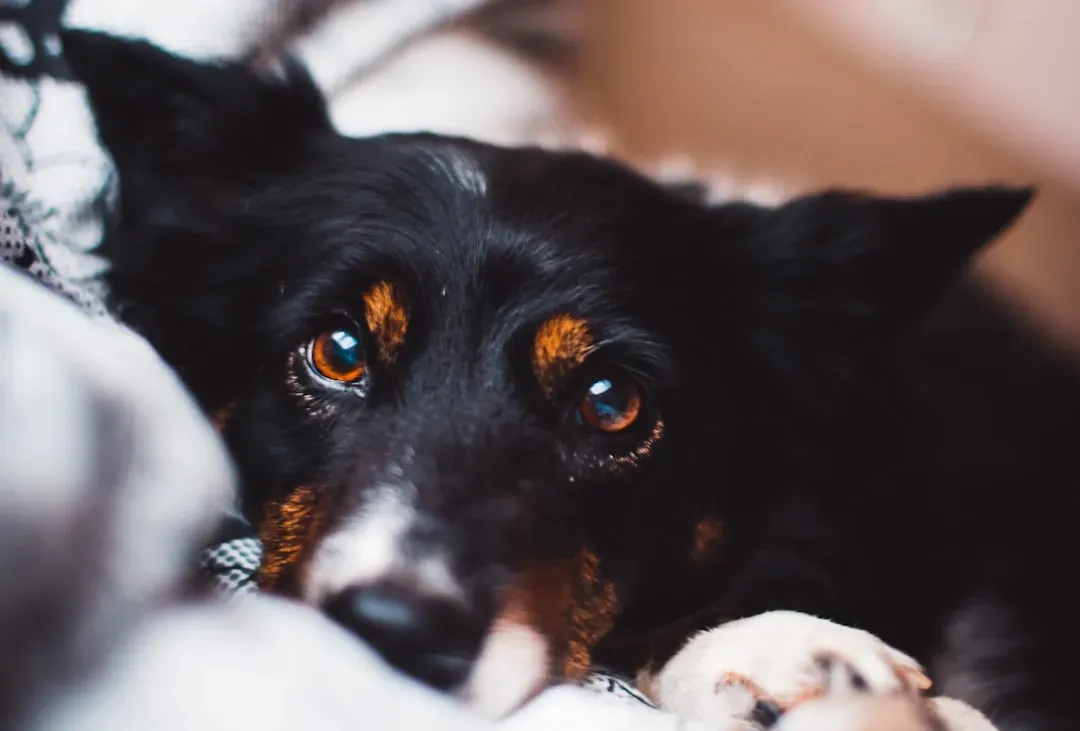
Eyes that once reflected light with warmth can take on a flat, distant quality even when the dog seems alert. The surface looks smooth rather than lively, and the dog may not track moving objects as sharply. This change tends to appear first in the morning before the dog fully wakes.
Compare recent photos with older ones taken in similar settings. The loss of that familiar glint often coincides with reduced interest in favorite toys or windows. Owners who spend quiet time observing notice it before friends or family members do.
6. A Thin Membrane That Edges Into View
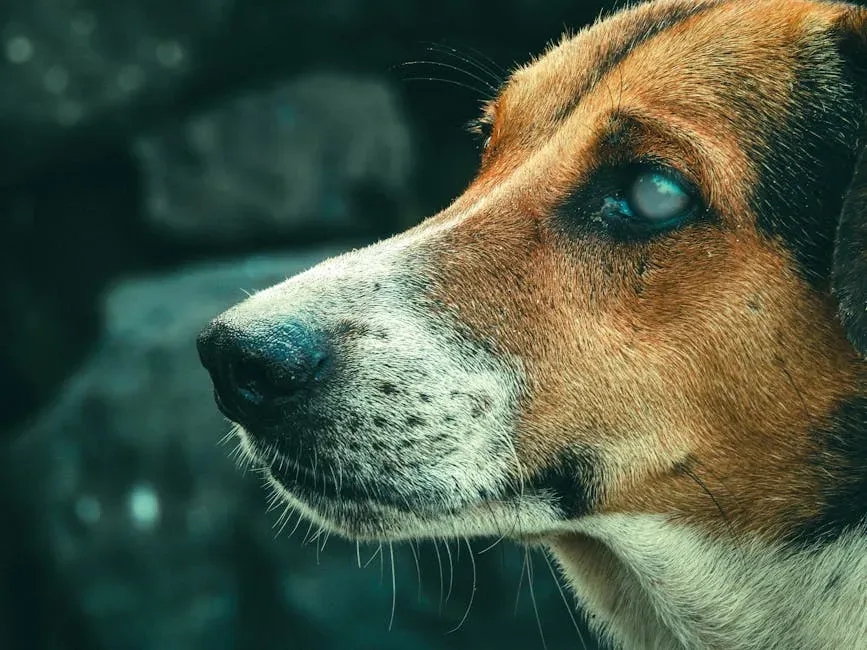
The third eyelid, normally tucked away, can creep forward just enough to create a faint pink or white crescent at the inner corner. It may appear only when the dog tilts its head or yawns. This protective layer rises in response to irritation or systemic discomfort.
Check both eyes while the dog relaxes on its side. One side showing more membrane than the other suggests a localized issue worth monitoring. Gentle handling during grooming sessions makes these small shifts easier to spot over weeks.
7. Reluctance to Face Direct Sunlight or Lamps
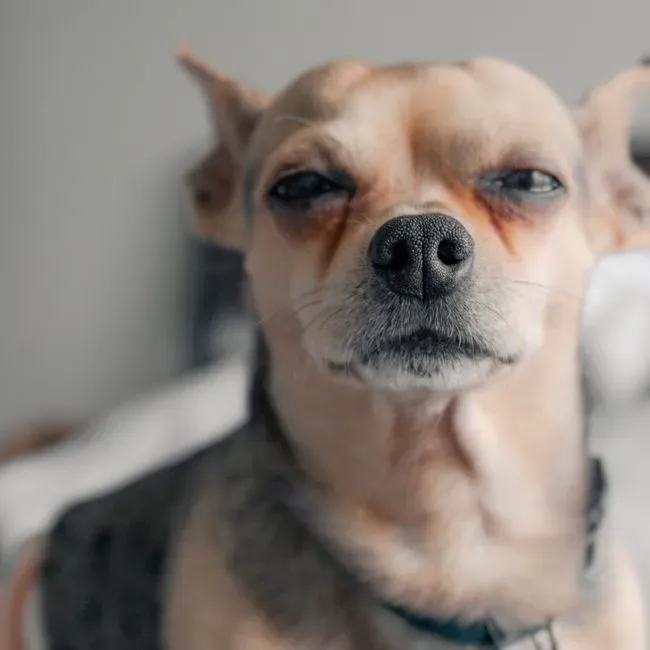
A dog that once loved sunny windows now turns away or squints harder when light hits its face. The behavior looks like simple preference until it repeats across different rooms and times of day. Head shyness during petting near the eyes often accompanies this sensitivity.
Observe how the dog navigates familiar spaces at dusk versus midday. Slower movement or hesitation near bright doorways can tie back to eye comfort. Noting these patterns during routine walks helps connect the dots before discomfort grows obvious.
The eyes offer a quiet window into a dog’s well being that deserves the same attention given to appetite or energy levels. Catching these signals early often leads to simpler treatments and faster relief. Paying attention to small daily details builds a clearer picture over time.


