
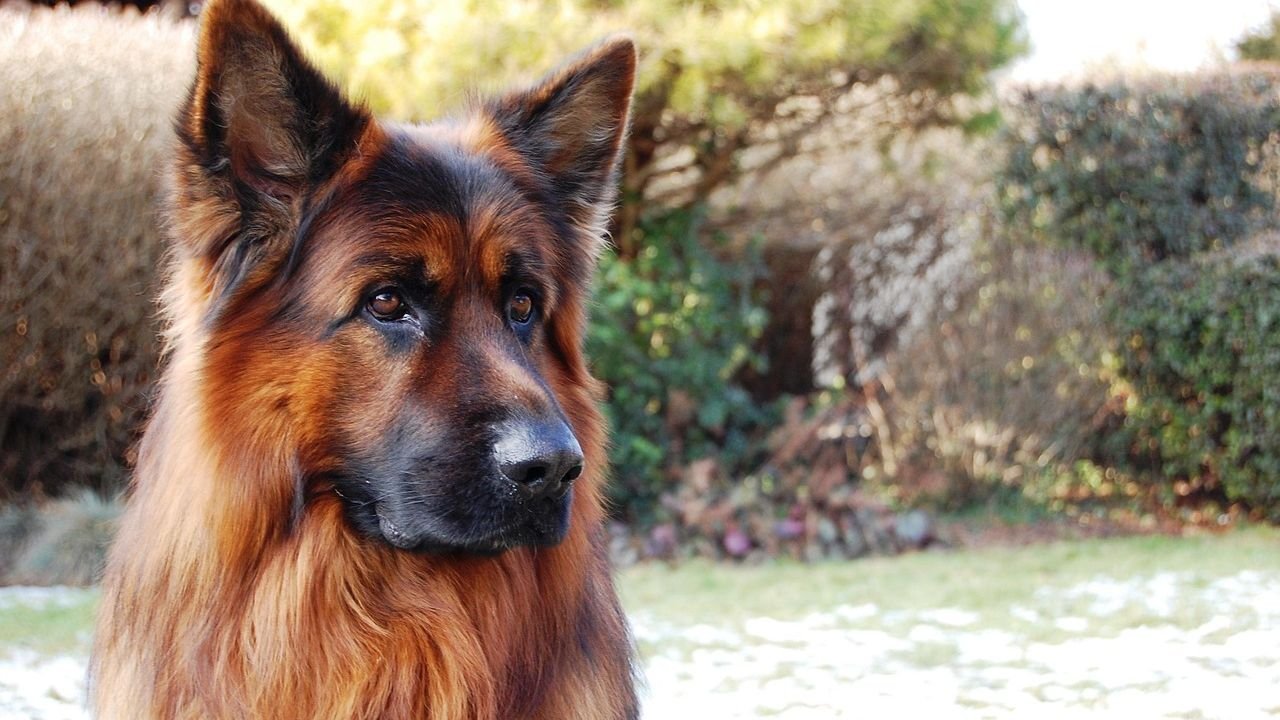
Picture this: you’re out for an evening stroll when a shadowy figure approaches from across the street. Your dog, usually carefree and bouncy, suddenly shifts, planting itself squarely between you and the stranger. That quiet move? It’s your pup’s way of saying, “I’ve got your back,” without a single bark.
Dogs have been our loyal companions for thousands of years, wired by instinct to guard their pack. These subtle signals often go unnoticed amid their wagging tails and playful antics. Recognizing them deepens that bond and helps you respond with empathy.
Positioning as a Living Barrier

Your dog slips in front of you during walks or when guests arrive, creating a buffer zone.[1][2] Ears perked and body stiff, they scan the “threat” with laser focus. This isn’t pushiness; it’s calculated protection, rooted in their pack mentality.
Picture Fido wedging between you and the mail carrier, hackles slightly raised. Reward calm behavior with treats to reinforce trust. If it escalates, professional training prevents misunderstandings.
The Piercing Vigilant Stare
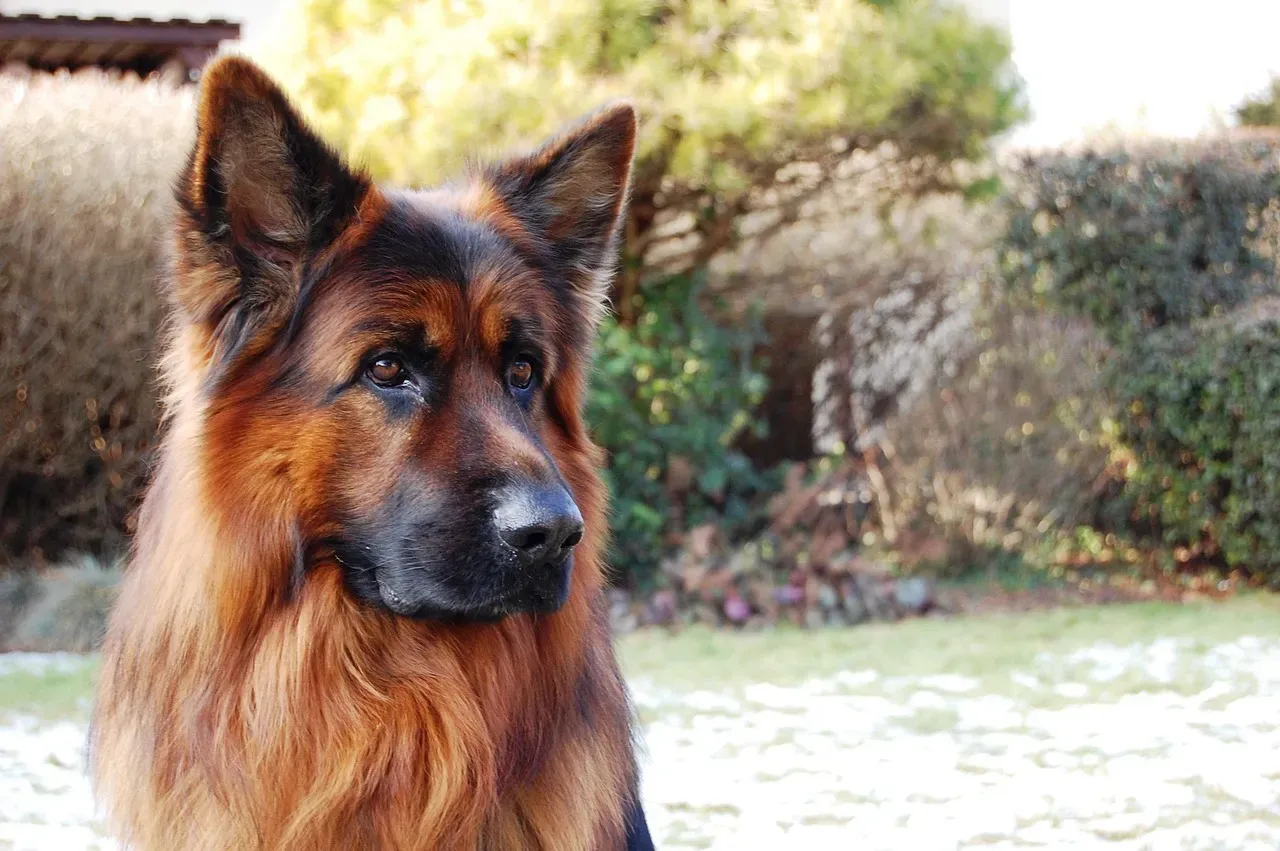
A hard, unwavering gaze fixed on newcomers or odd sounds signals assessment mode.[1] Unlike playful eyeing, this stare comes with frozen posture and forward-leaning stance. Your dog locks on potential dangers, buying time for you to react.
In a park, if your pup stares down a jogger veering close, note the tense jaw. Encourage relaxation with a gentle “sit” command and praise. This builds confidence without over-reliance on their guard duty.
Subtle Herding to Safer Spots
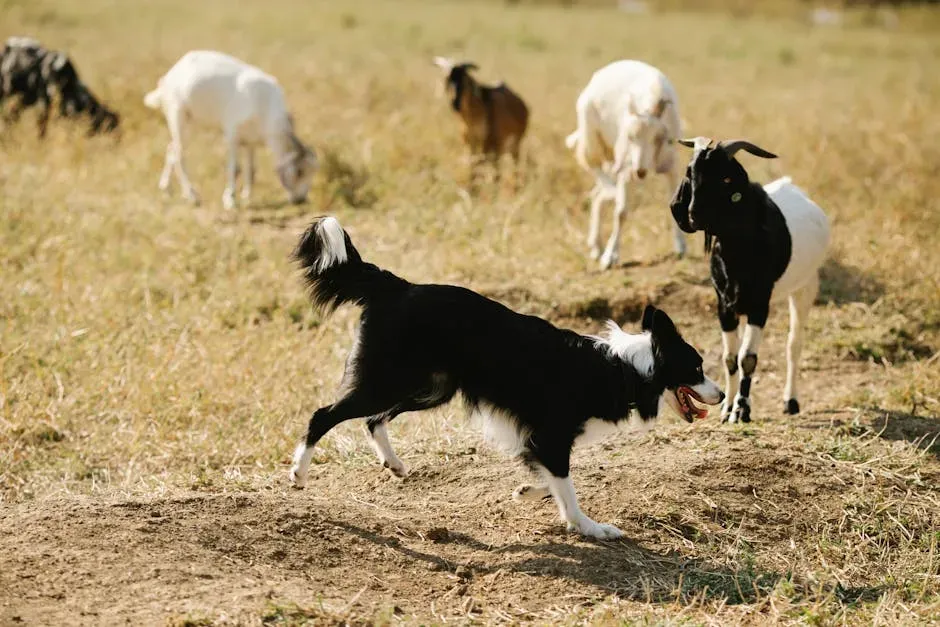
Dogs nudge or circle you away from “risky” areas, like busy streets or unfamiliar dogs.[2] Light body checks guide you back to perceived safety, echoing herding breeds’ instincts. It’s their polite way of steering the pack leader clear.
During a hike, a gentle paw on your leg pulls you from a rustling bush. Acknowledge with a pat and redirected walk. Training games sharpen this into cooperative navigation, not control.
Hyper-Alert to Subtle Noises
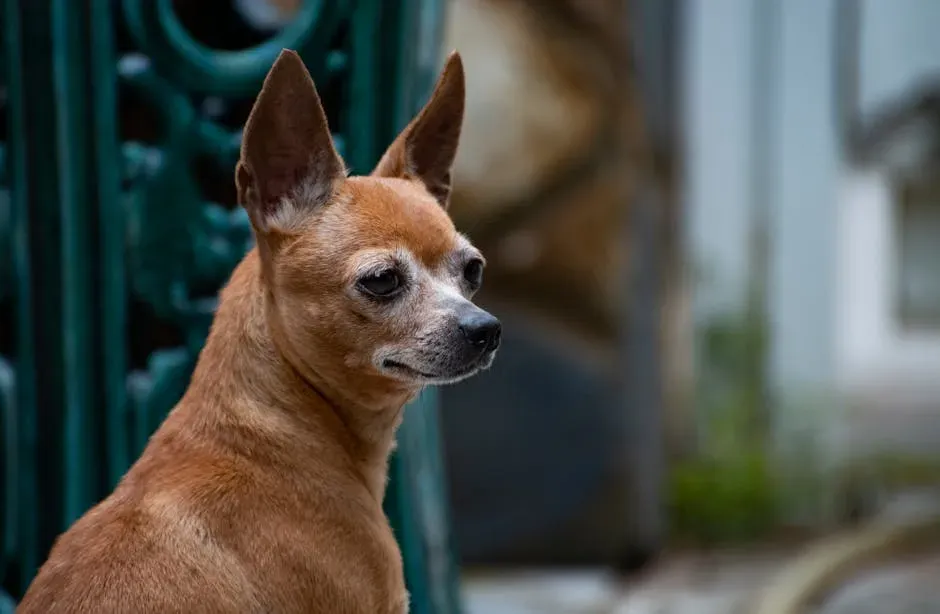
Head snaps toward distant sounds, body going statue-still before you even notice.[3] Superior hearing picks up threats early, from creaky doors to footsteps. They alert quietly first, escalating only if needed.
At night, ears swivel at a neighbor’s car door – your dog’s radar in action. Desensitize with positive exposures and calm cues. This keeps their senses sharp without constant anxiety.
Shadowing You Closely in New Places
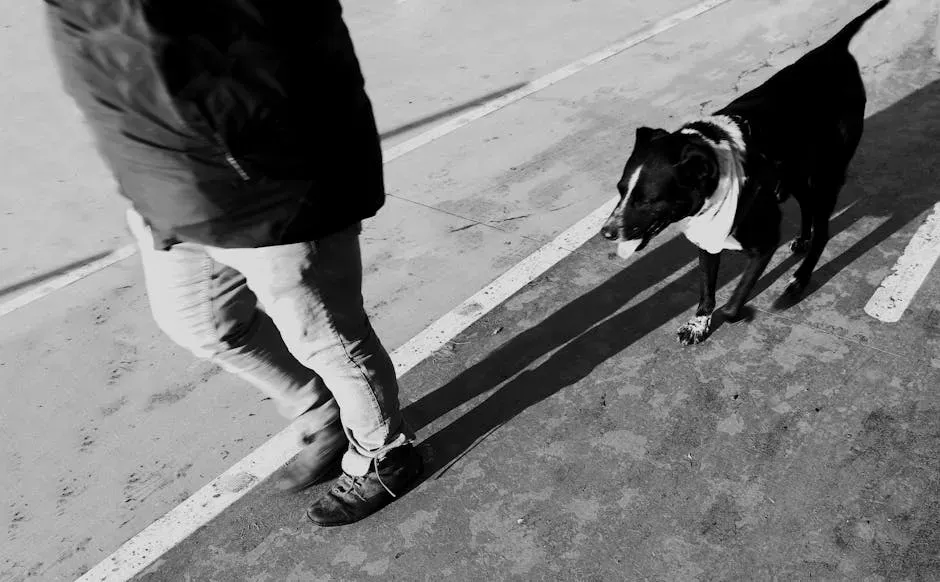
In crowds or new environments, they glue to your side, scanning horizons.[2] Velcro mode amps up around strangers, ensuring no one sneaks up. It’s loyalty dialed to defense.
At a farmer’s market, your dog presses against your leg amid the bustle. Offer reassurance with treats for loose-leash walking. Balance independence training so they thrive everywhere.
Tense Postures and Soft Growls
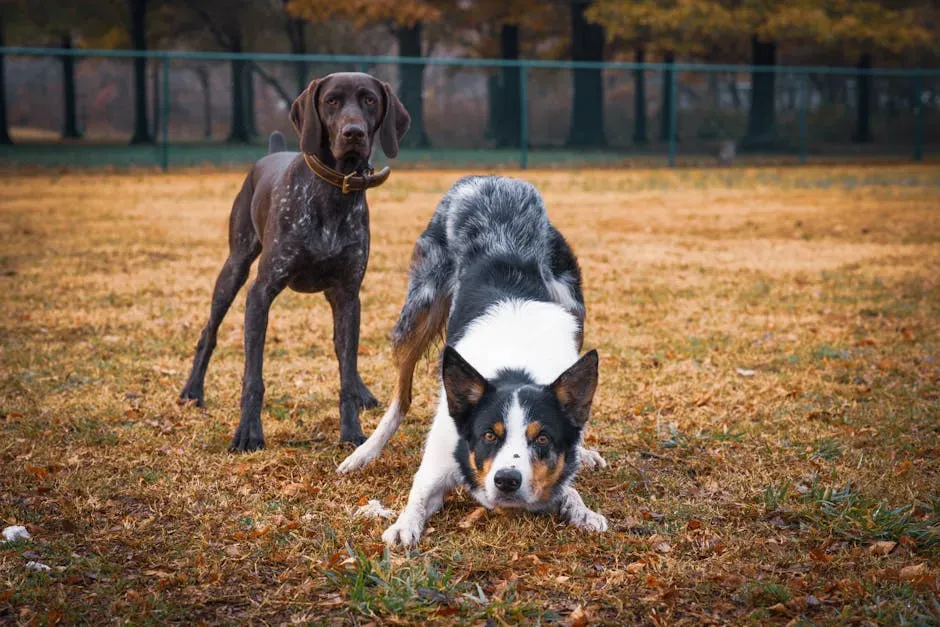
Stiffened muscles, raised hackles, or a low rumble under breath warn off intruders.[2] These cues escalate gradually, giving space before louder protests. Subtle at first, they demand attention.
When a delivery person knocks, watch for lip curl or frozen tail. Counter with door drills and rewards for calm. Vet checks rule out pain mimicking protectiveness.
Honoring Their Instincts Builds Stronger Bonds
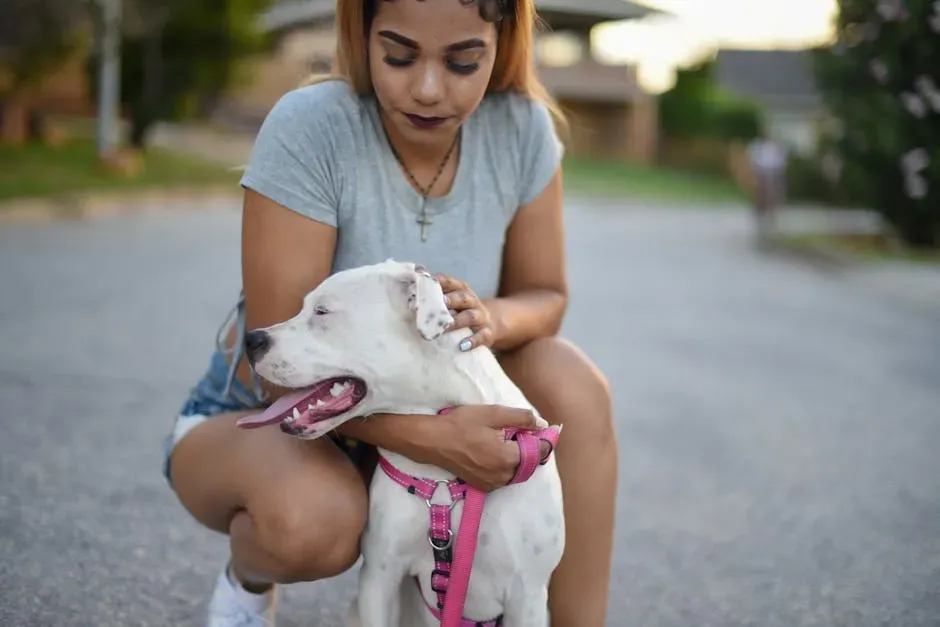
These behaviors show profound trust and devotion, even if threats are imagined. Appreciate them without encouraging excess – your calm leadership reassures most. Watch for patterns; overprotectiveness might signal stress or health issues needing a pro’s eye.
Next time your dog stands guard, give that ear scratch they crave. You’re not just owned; you’re cherished pack. Lean into this partnership for safer, happier adventures together.


