
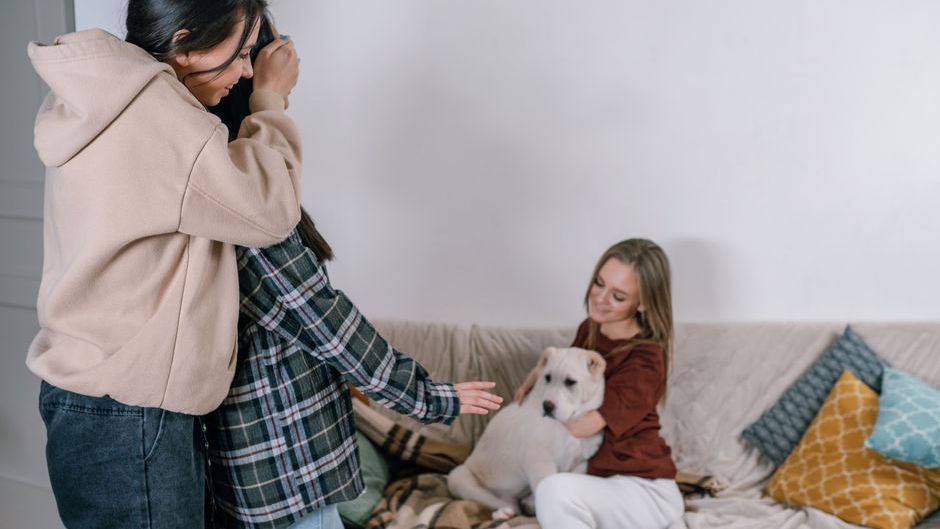
Picture this scene. You greet an old friend on the street with a warm hug, only to hear a familiar whine or soft cry from your dog at your side. It catches you off guard every time, turning a simple moment of connection into something unexpectedly tense.
Many owners notice this reaction and wonder what their pet is really feeling. The behavior often stems from a mix of instinct, emotion, and misunderstanding rather than any single cause.
Canine Perspectives on Human Touch
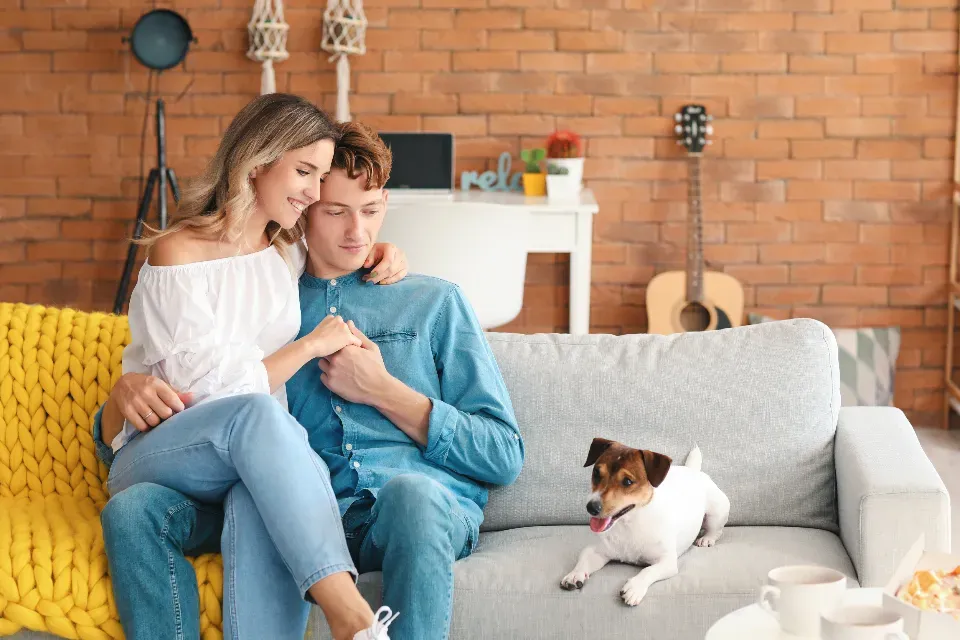
Dogs experience the world through a very different lens than people do. What feels like affection to us can register as something entirely else to them. Hugs involve close face to face contact and restraint that dogs rarely use with each other in friendly ways.
Side approaches and loose body language come more naturally in their social interactions. When an owner leans in for an embrace with someone new, the dog may simply fail to recognize the intent behind the gesture.
Jealousy as a Driving Force
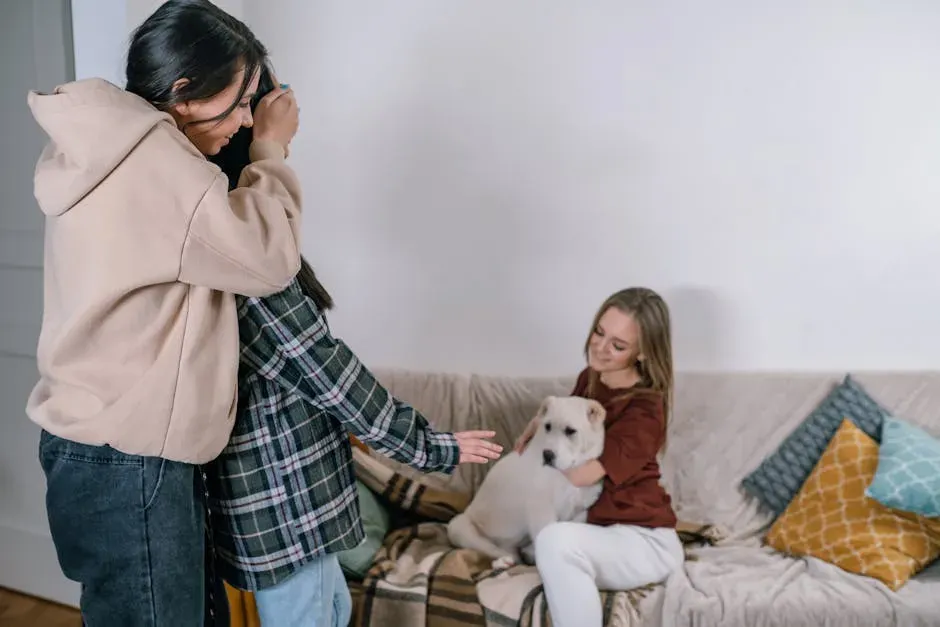
Research has shown that dogs can display jealous behaviors when they see their owners directing attention elsewhere. They may push in, vocalize, or try to interrupt the moment to regain focus on themselves. This response appears stronger in some dogs when the other person is unfamiliar.
The emotion likely ties back to their strong attachment to primary caregivers. Attention given to a stranger can feel like a sudden shift in resources and security that the dog wants to correct quickly.
Signs of Underlying Anxiety
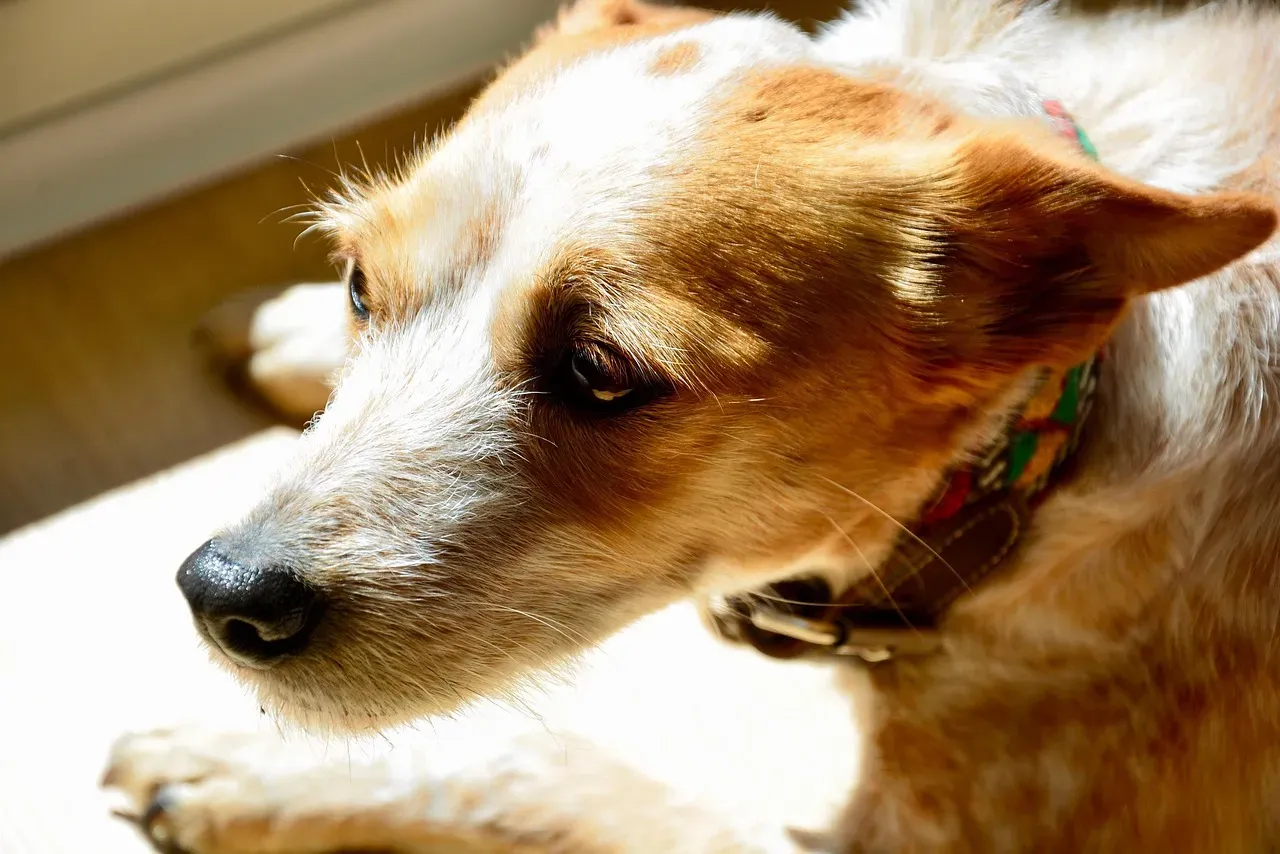
Some dogs cry because the situation triggers mild stress or uncertainty. Unfamiliar people combined with unusual human movements create an unpredictable environment. Vocalization serves as one way they communicate discomfort or seek reassurance from their owner.
Over time this pattern can become a learned habit if the crying consistently brings the owner back to them. It is not always dramatic fear but rather a low level unease that builds during these encounters.
Protective Instincts in Action
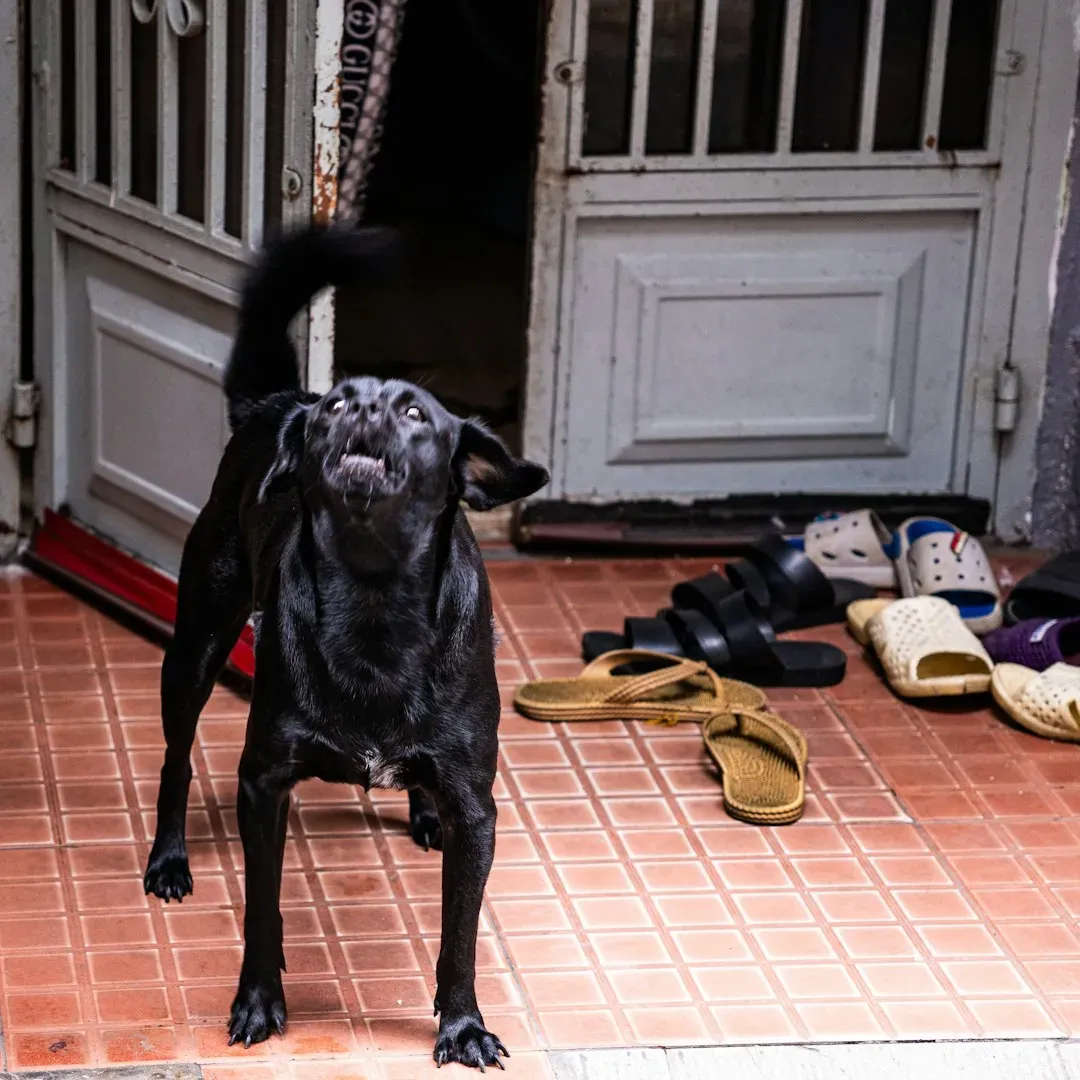
Many dogs view themselves as guardians of their family unit. When an owner hugs a stranger the dog might interpret the closeness as a potential threat that needs monitoring. Crying or whining acts as an early warning signal rather than outright aggression in most cases.
This instinct varies widely depending on breed tendencies and past experiences. Dogs with strong herding or guarding backgrounds often show heightened alertness during any close contact involving their people.
The Impact of Limited Socialization
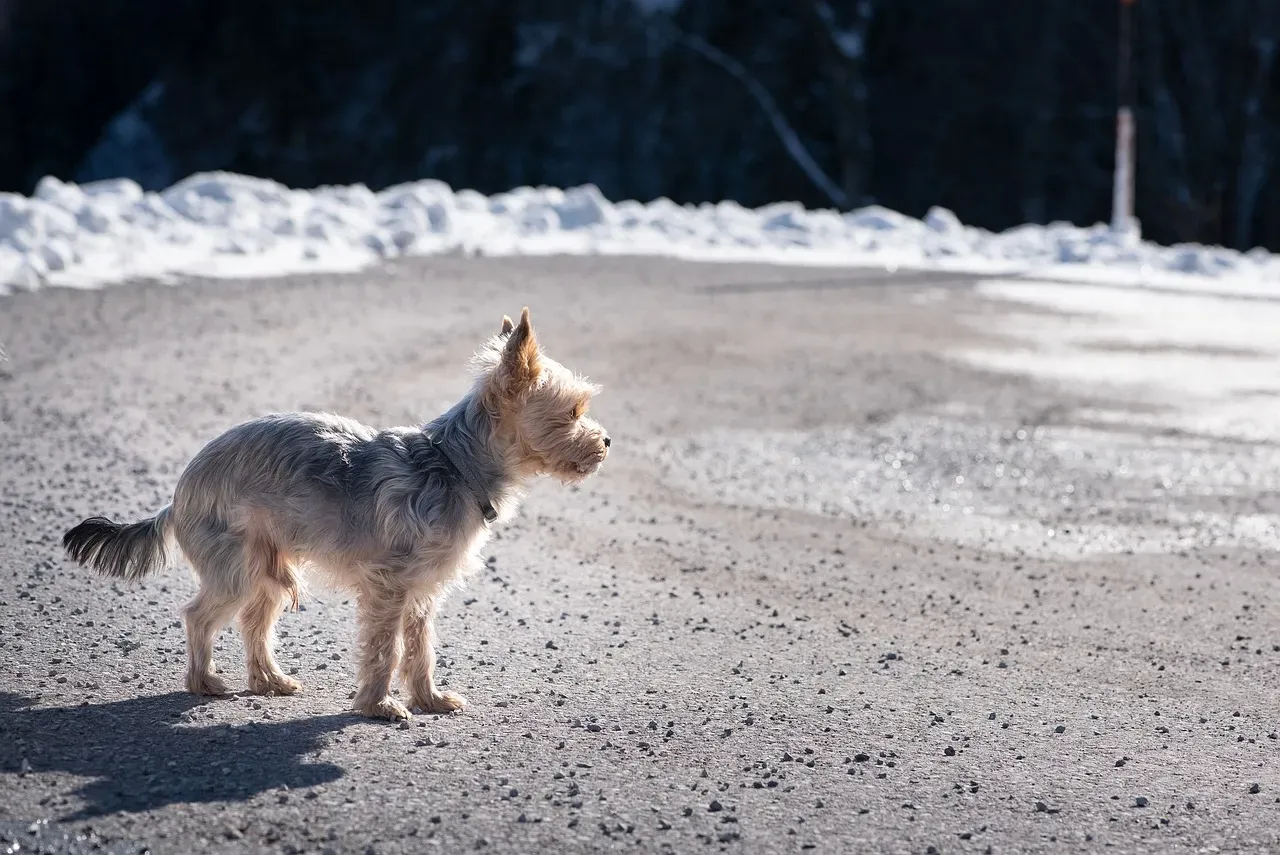
Dogs that missed early exposure to varied human interactions can find these moments especially confusing. Without positive associations formed as puppies they may default to caution when seeing novel behaviors like hugging. The cry reflects an attempt to make sense of something outside their usual routine.
Owners who adopt adult dogs sometimes discover this gap only after similar incidents occur repeatedly. Gradual, positive introductions to different social situations help close that gap over time.
Breed Traits and Personal History
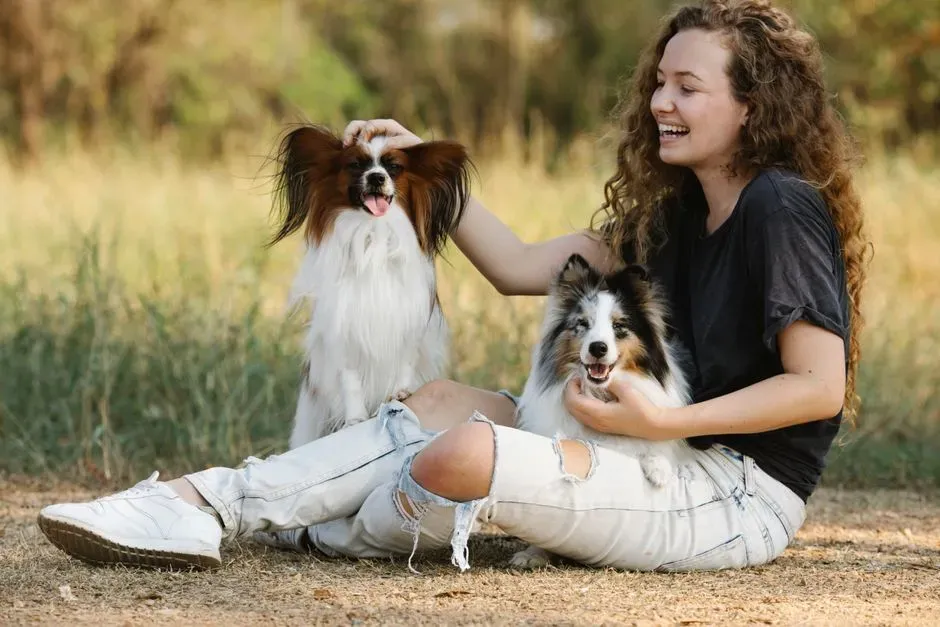
Certain breeds lean toward more vocal or watchful temperaments by nature. Combined with individual life experiences these traits shape how a dog responds to everyday events. A rescue with an unknown past might react more strongly than a well socialized family pet.
Even within the same litter personalities differ enough to produce varied reactions. What looks like sadness in one dog might simply be an expression of excitement or mild frustration in another.
Practical Steps for Owners
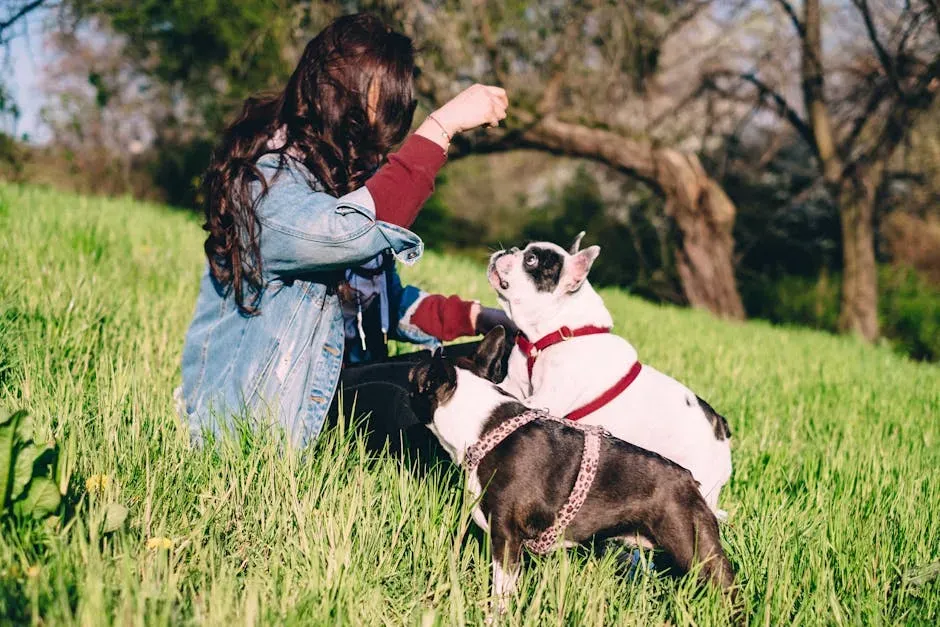
Training focused on calm greetings and counter conditioning can ease these reactions over weeks or months. Rewarding quiet behavior during hugs helps the dog form new associations with the activity. Consistency from all family members makes the biggest difference in progress.
Consulting a professional trainer or behaviorist offers tailored guidance when the response seems intense. Small adjustments in daily routines often bring noticeable relief for both dog and owner alike.
Looking Ahead With Compassion
Understanding these moments deepens the bond between people and their dogs rather than diminishing it. The cry is rarely about rejection and more often about connection in the only language the dog knows. Patience and observation turn potential frustration into opportunities for better communication.
In the end the sad truth is usually simpler than it appears. Our dogs want to stay close and included, and a little awareness on our part goes a long way toward making everyone feel secure.


