
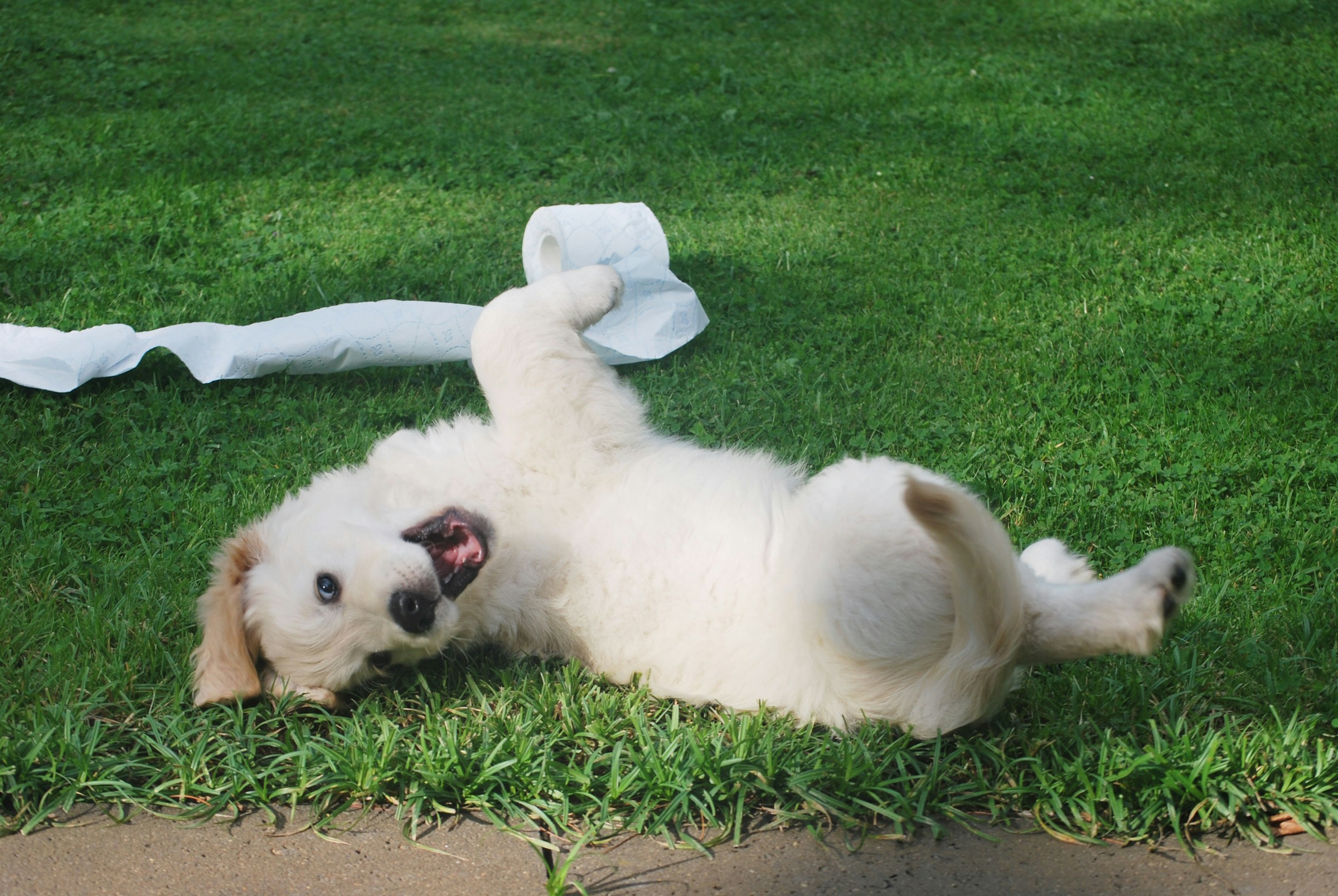
You’ve probably seen it a hundred times: your dog finishes peeing or pooping, then suddenly starts pawing and scratching at the ground like they’re trying to dig a tunnel to another universe. It can look dramatic, a little chaotic, and sometimes even embarrassing if they’re flinging grass and dirt everywhere. Most people assume they’re just trying to bury their business like a cat, but that’s only part of the story – and honestly, not even the most interesting part.
Once you understand what’s really going on, that funny little post-potty ritual starts to look less like random weirdness and more like a secret dog-language written in scent and scratch marks. It’s a mix of instincts, communication, and emotional expression that your dog probably doesn’t even consciously “decide” to do. Let’s break it down so the next time your dog does their dramatic ground-scratching performance, you’ll see the hidden meaning behind the show.
The Surprising Truth: It’s More About Scent Than Sight
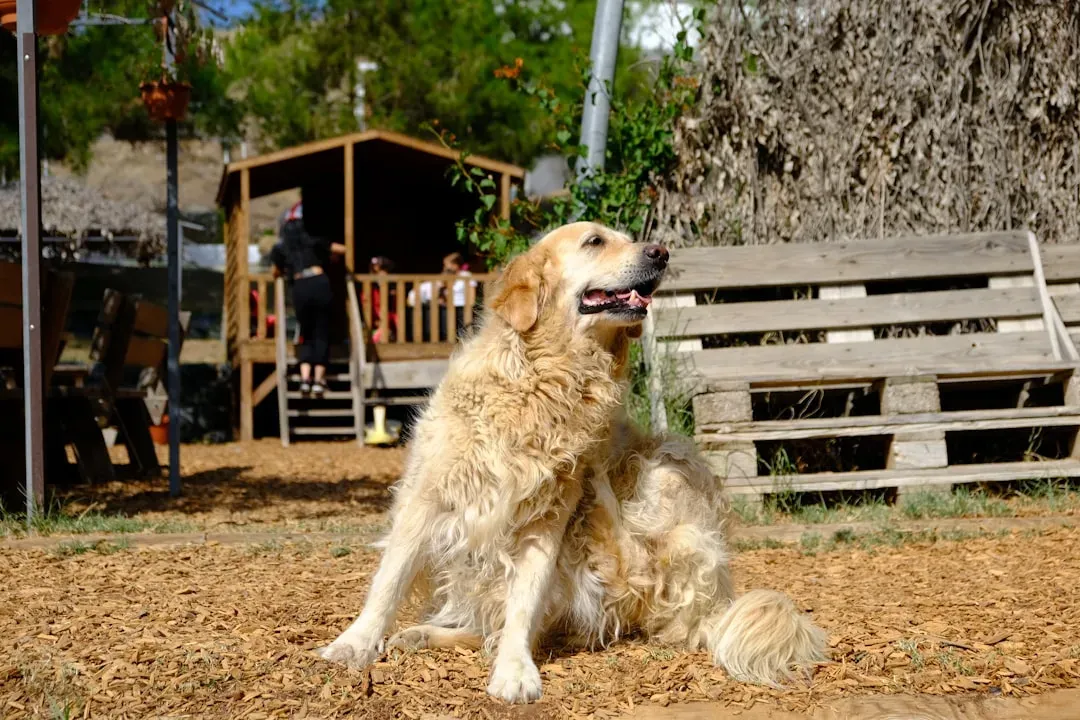
It’s easy to think your dog is trying to cover up their poop the way a cat carefully buries theirs, but dogs are actually wired very differently. While cats are often trying to hide their scent, dogs are usually doing the exact opposite: they’re advertising it. Scratching the ground spreads the smell around, breaks up the dirt or grass, and helps carry those odors a little farther, like stirring a pot to release more steam.
On top of that, your dog’s paws themselves carry scent from specialized glands, so when they scratch, they are layering their own personal “signature” over the area. Think of it like signing a painting with a bold, messy flourish, not covering it up with a towel. What looks like cleanup duty to humans is, in dog terms, more like turning up the volume on a message they’re leaving behind.
Built-In Instincts: A Throwback to Wild Ancestors
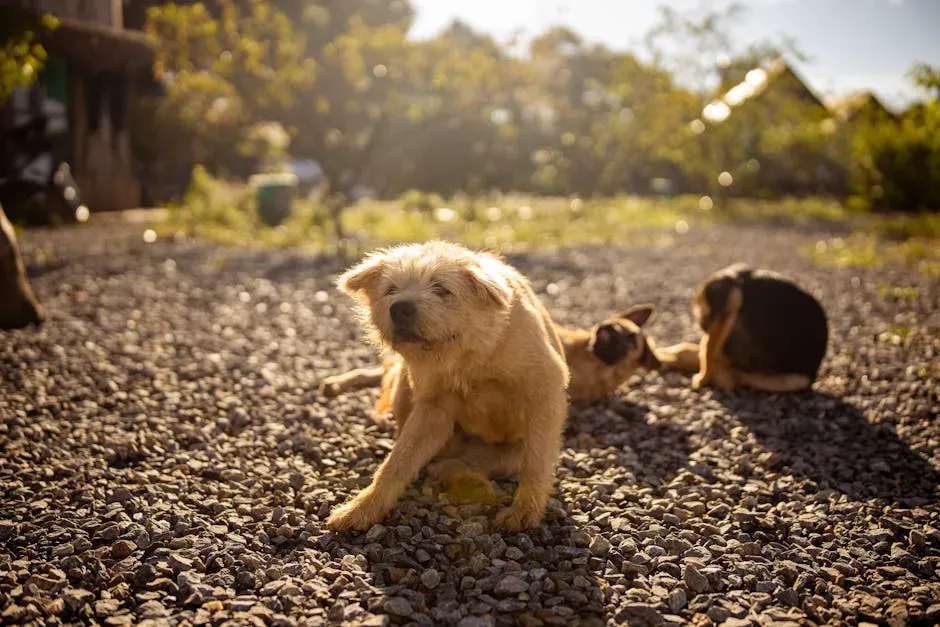
Even though your dog might sleep on a memory foam bed and eat from a stainless-steel bowl, their brain still carries instincts shaped by wild canid ancestors. In the wild, leaving clear scent marks after going to the bathroom helped animals claim territory, communicate their presence, and avoid unnecessary conflicts with other packs. Scratching the ground was one way to reinforce those boundaries: “This spot is taken. I was here. I live around here.”
Your couch-loving companion is not consciously thinking about territory negotiations when they scratch after peeing on your lawn, but those old survival programs are still humming in the background. It’s a bit like how you might lock your front door without thinking – automatic, baked-in behavior that once had serious survival value. That ancient wiring still fires today, even in the safest suburban backyard.
Paw Pads as Tiny Scent Billboards
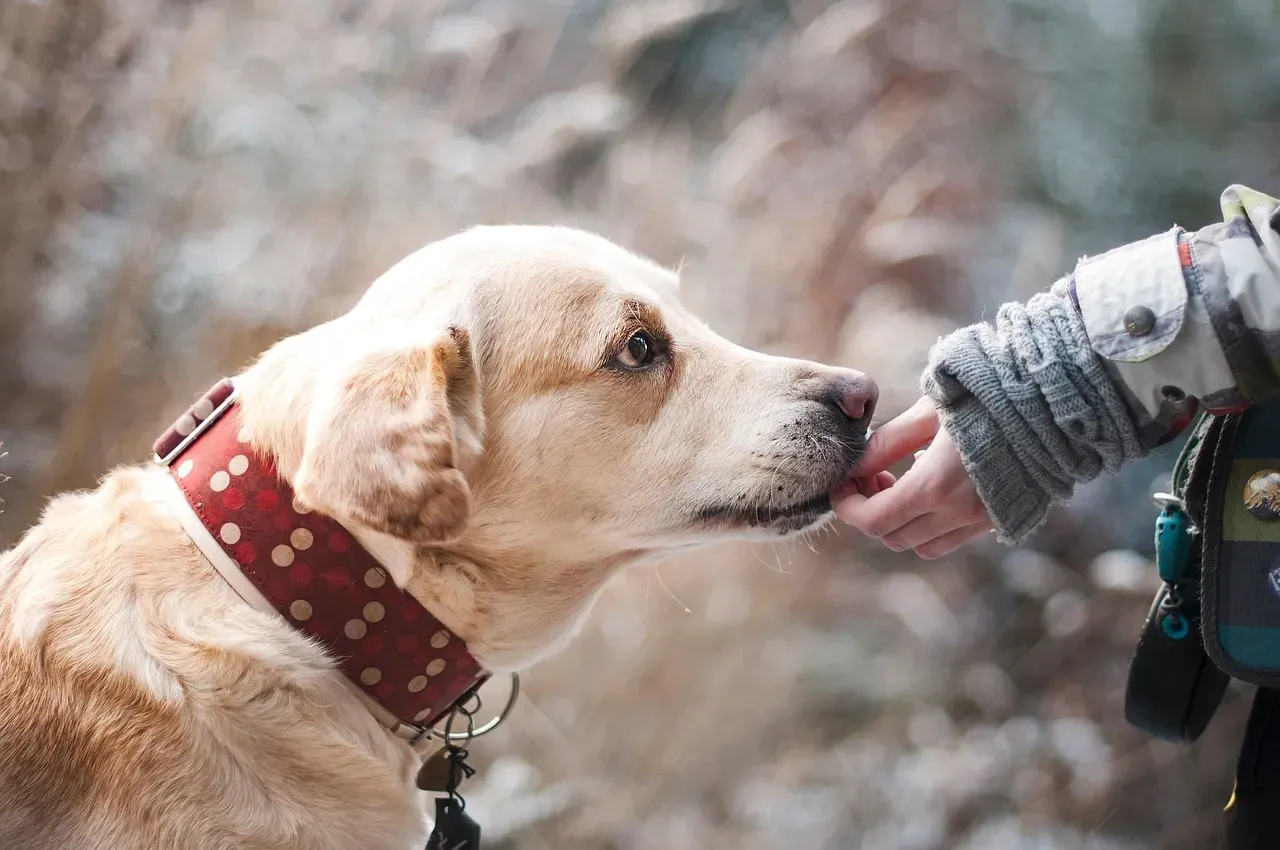
Here’s the part a lot of people miss: your dog’s paws are not just for walking and zoomies; they also have scent glands tucked in between the pads. When your dog scratches the ground, they’re not only disturbing the soil or grass – they’re literally rubbing their scent into the surface. It’s like your dog is planting a scented business card on the ground, saying, “Hi, this is me, remember this smell.”
Dogs passing by later can “read” those scent marks the way we read signs or messages, picking up information about who was there, their sex, and sometimes even clues about their emotional or physical state. So when your dog scratches after going to the bathroom, they are not being weird or rude – they are participating in an invisible conversation that only noses can hear. That quick flurry of paws turns a simple toilet break into a full-on social broadcast.
Marking Territory: A Loud, Confident “I Live Here”
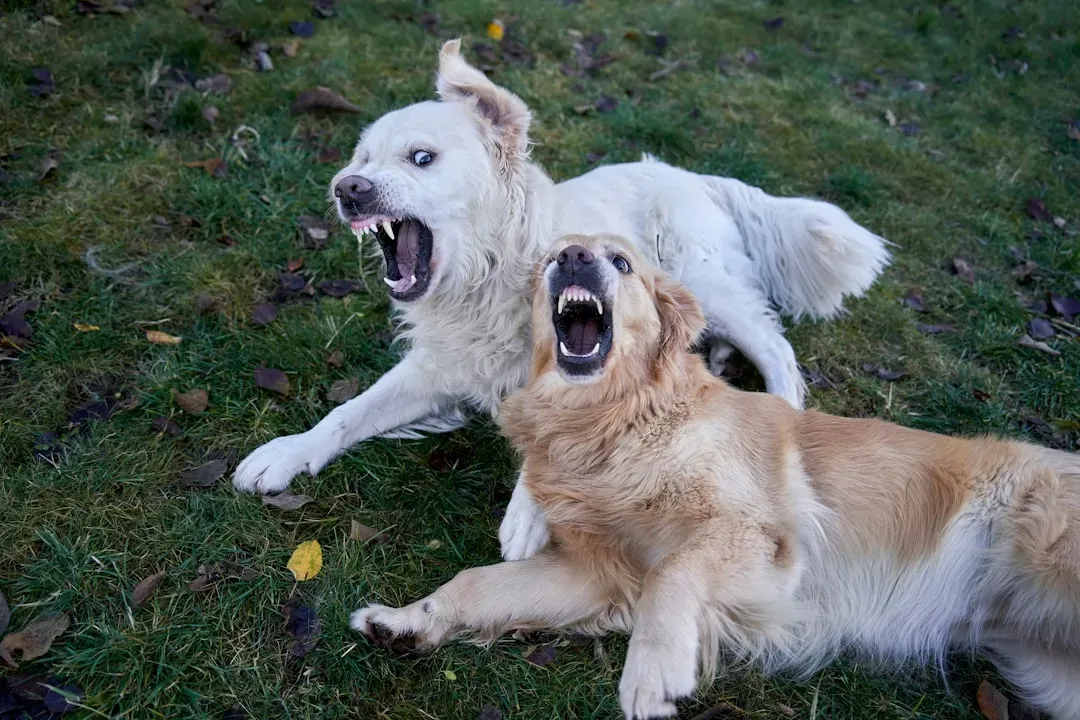
For many dogs, that post-potty scratching is basically a bold territorial announcement. It combines the scent from their urine or feces with the smells released from their paw pads and the disturbed ground. To another dog, that combination is like a big, bright billboard shouting, “This is part of my space” or at least “I pass through here a lot.” It’s not always aggressive, but it is confident.
Some dogs do it more intensely when they feel the need to reinforce their presence – after spotting another dog on a walk, in a busy dog park, or on the edges of their home turf. Even smaller, less physically imposing dogs may scratch harder as if they’re trying to “sound bigger” through smell. It’s your dog’s version of turning up the bass on the speaker so everyone down the street can feel it.
Confidence, Emotions, and a Bit of Dog Drama
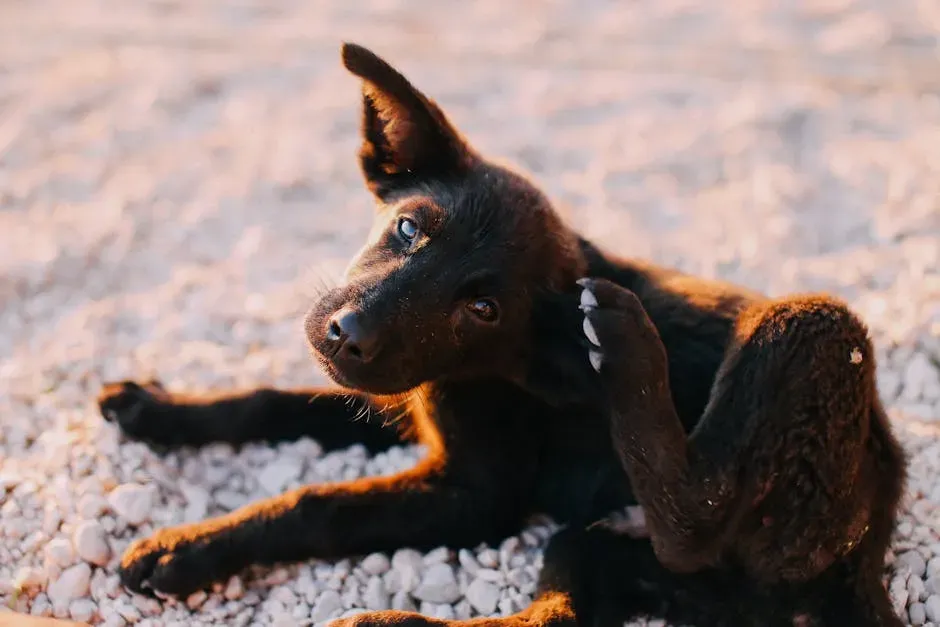
Not every dog scratches the ground with the same intensity, and that’s not random. Often, more confident or socially assertive dogs will scratch more frequently or more dramatically, almost like a proud strut after finishing their business. It can be part emotional release, part ritual, and part habit, all rolled into one. You might even notice they do it more after a big exciting walk or in places where lots of dogs have been.
On the flip side, some shyer or more anxious dogs might do it only occasionally, or hardly at all, because their internal “broadcast” settings are turned down. And then there are the dogs who seem to scratch mostly when they’re fired up – after seeing a squirrel, hearing a loud noise, or feeling extra amped. In those moments, the scratching can look like a bit of dog drama, a physical way of shaking off tension and saying, “That was a lot, but I’m good, I’m still here.”
Healthy Habit or Red Flag? When to Worry
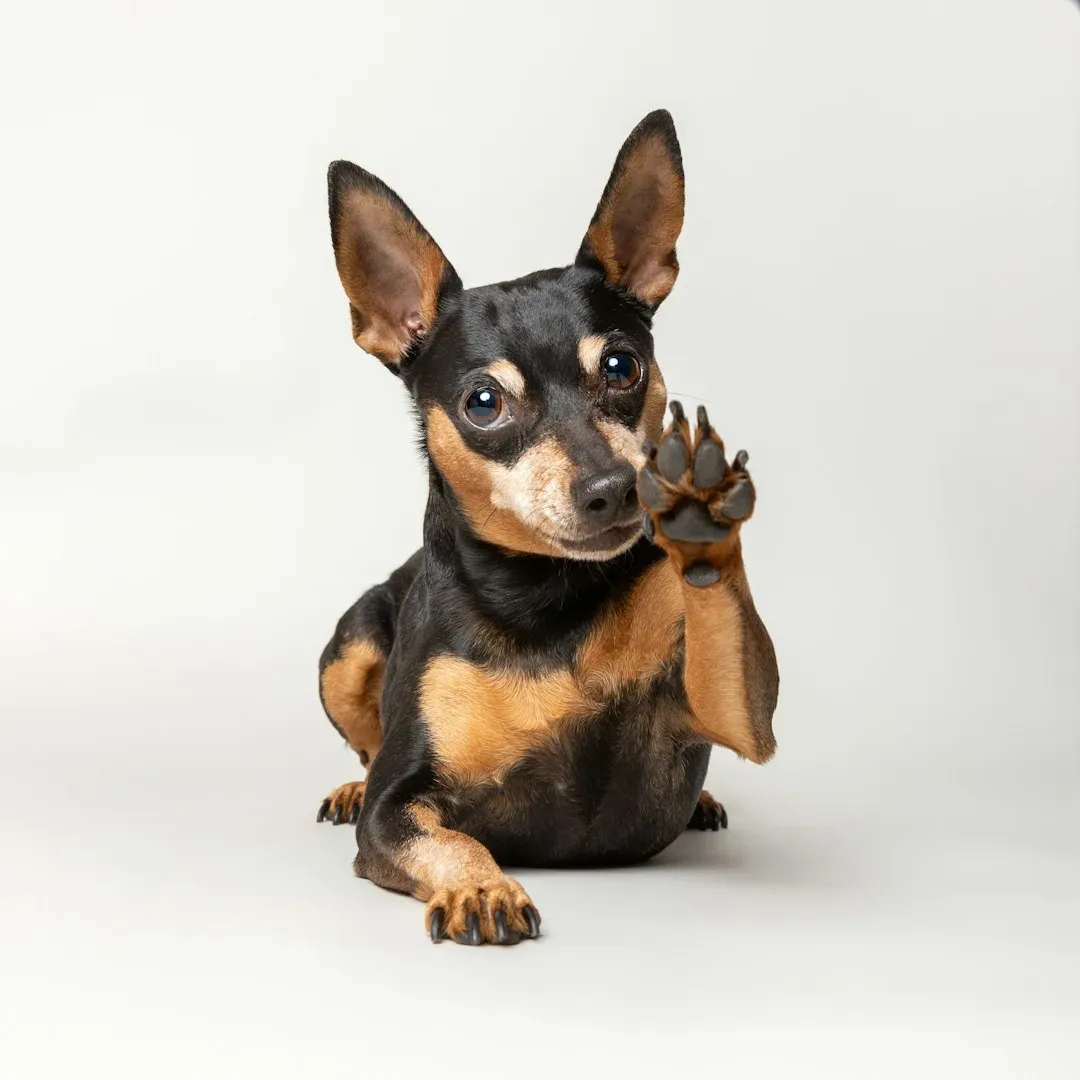
In most cases, scratching the ground after going to the bathroom is totally normal, natural behavior and not something you need to train away. But it’s worth watching for changes. If your dog suddenly starts doing it obsessively, looks uncomfortable, or seems fixated on their rear or paws, that can sometimes hint at medical issues like anal gland problems, skin irritation, or paw pain. A quick check with your vet is never overreacting if something feels off.
It’s also a good idea to pay attention to where they’re scratching. If your dog is tearing up your lawn or kicking rocks around in a way that could hurt their pads, you might gently redirect them to a safer surface or move them along sooner after they go. Normal scratching is brief and purposeful, not frantic and endless. Trust your gut: you know what your dog’s “usual” looks like, so any big changes are worth taking seriously.
While it might be tempting to scold them for making a mess, punishing a dog for instinctive marking behavior usually just adds confusion or anxiety. Instead, adjust the environment when you can – walk them on surfaces that are less fragile, or position them away from delicate garden beds. Their instincts are not misbehavior; they’re just being very honest dogs living by old rules in a human-run world.
What You Can (and Probably Shouldn’t) Do About It
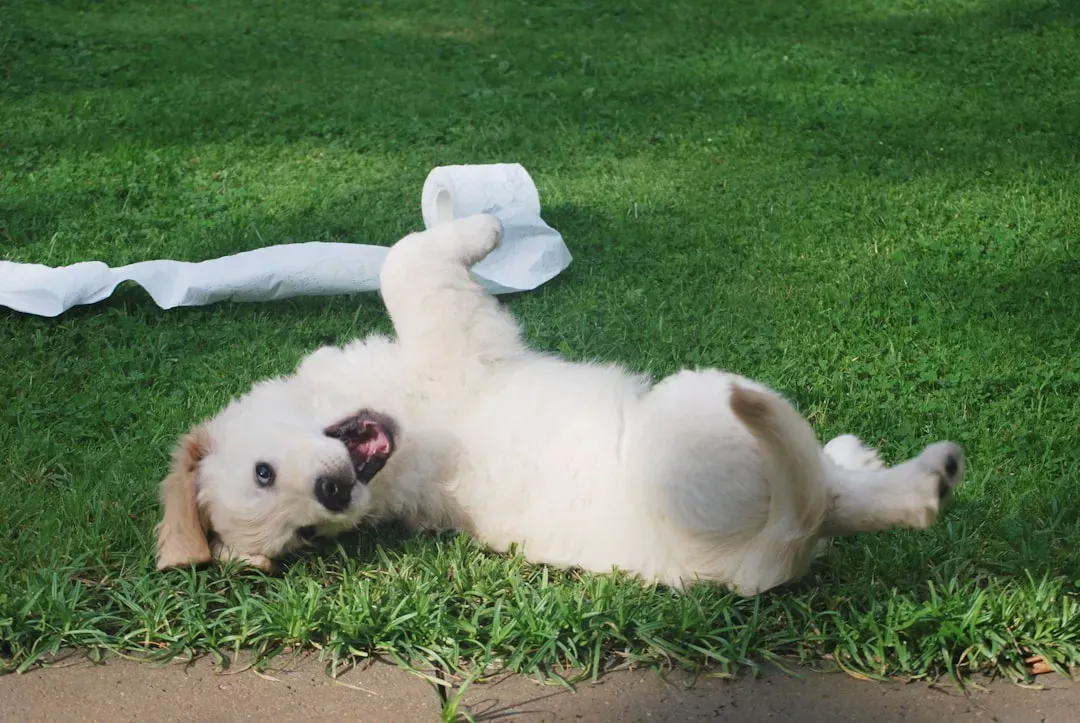
If you’re hoping to completely stop the behavior, you’ll likely be fighting a losing battle against millions of years of instinct. A better goal is usually management, not elimination. You can guide your dog to potty in spots that can handle some scratching, give them enough time to do their little ritual, and then cheerfully move them along once they’re done. Over time, many dogs settle into a pattern that works for both their instincts and your yard.
Personally, once I understood what my own dog was “saying” with those dramatic post-poop scrapes, I stopped seeing it as a bad habit and more as a quirky personality trait. It’s a tiny window into their inner world – a reminder that under the goofy grin is a creature shaped by wild history and subtle communication you can’t fully see. You do not have to love the dirt spray, but respecting the motivation behind it makes life with a dog feel more like a partnership and less like a constant clean-up project.
Conclusion: A Small Ritual With a Big Story Behind It
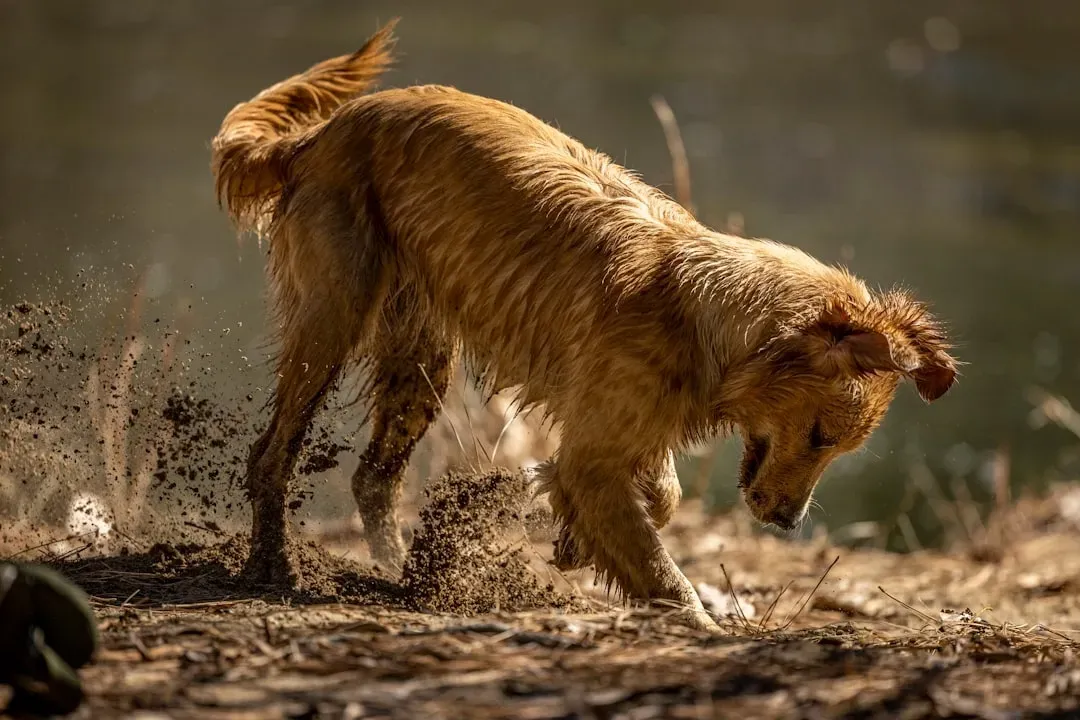
When you zoom out, that quick scratching of the ground after your dog goes to the bathroom is a perfect example of how animals live in multiple worlds at once: the wild past and the domesticated present. It is not just about “cleaning up” or hiding anything – it is about scent, territory, communication, and emotion all bundled into a few seconds of dusty paws. Ignoring that deeper layer is like watching someone sign their name in the air and insisting they are only stretching their fingers.
I think we underestimate dogs when we reduce everything they do to being cute, annoying, or “just instinct,” as if instinct were something shallow. This little ritual is proof that there is a lot happening behind the scenes, even in the most ordinary bathroom break. So next time your dog kicks up grass with way too much enthusiasm, maybe let them have their moment and see it for what it is: a confident, ancient signal that says, “I was here, I matter, this is my world too.” Did you ever imagine that a simple scratch in the dirt carried that much meaning?


