

If you think booking flights and a beach resort is expensive, try owning a dog that quietly eats your travel budget year after year. Between grooming, vet bills, food, and surprise emergencies, some breeds are like driving a luxury car you never fully pay off. The emotional payoff is massive, but so is the bill.
What shocks many new owners is not the purchase price, but the long-term costs that creep in slowly: that extra-special diet, the specialist vet, the professional groomer who knows how to handle that tricky coat. By the time you add it all up, you realize you could have gone on a pretty decent family vacation instead. Let’s dig into the breeds that are most likely to turn your household budget into a very well-funded dog-care plan.
Tibetan Mastiff: The Giant Guardian With Giant Bills

The Tibetan Mastiff is one of those dogs that looks like it walked straight out of a fantasy movie, with a lion-like mane and an intimidating presence. That impressive size often comes with equally impressive costs: large-breed food bills, strong and secure fencing, and regular health checks to keep joints, heart, and thyroid in good shape. When you are feeding a dog that can weigh as much as a grown adult, your monthly food budget can start to look like a small mortgage payment.
These dogs can also come with higher insurance premiums, especially in areas where large guardian breeds are flagged as higher risk. Add in training costs – because a powerful, independent-minded guardian absolutely must be well trained – and you are looking at a yearly spend that can easily rival a trip for four to a decent resort. I remember meeting one owner who joked that their Tibetan Mastiff was their “canceled vacation fund on four legs,” and they were only half joking.
French Bulldog: The Instagram Darling With Medical Maintenance
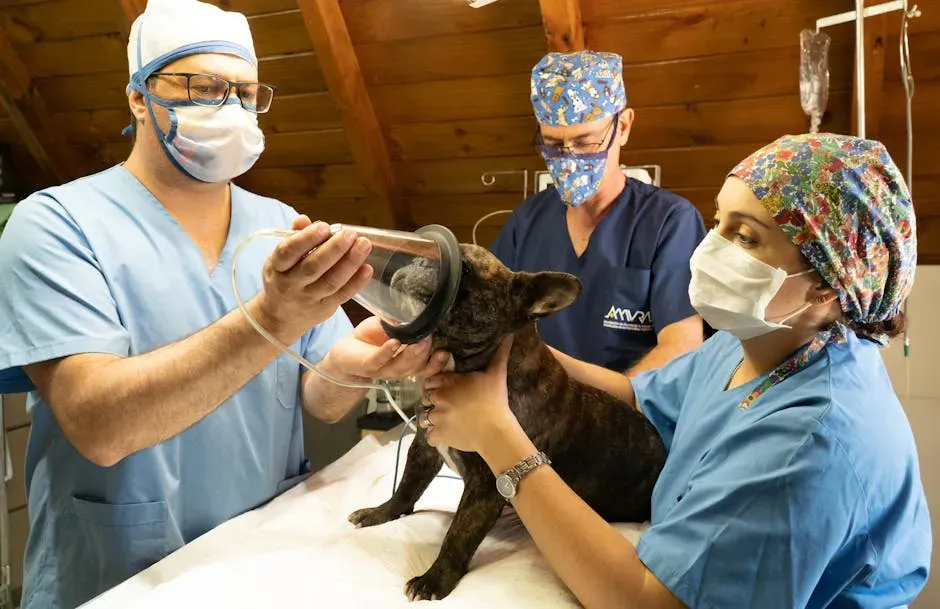
The French Bulldog might be small, but its costs can be anything but. This is a brachycephalic (flat-faced) breed, and that cute smushed nose can be linked to breathing issues, overheating risks, and potential surgery if airway problems become severe. Routine vet visits can become more frequent, and owners often end up shelling out for specialists or corrective procedures.
On top of health care, Frenchies tend to be trendy, city-living companion dogs, which often means owners invest in pet sitters, dog walkers, and premium food brands. If you travel, boarding a Frenchie somewhere that understands their breathing and temperature needs can be more expensive than basic kennels. When you add it all up – vet care, insurance, special cooling gear for summers, and professional services – your yearly Frenchie budget can easily outstrip the cost of that all-inclusive family vacation you keep postponing.
English Bulldog: A Walking Vet Bill You’ll Completely Fall For

The English Bulldog is famously charming, goofy, and full of personality, which is exactly why people fall head over heels for them. But this is also a breed known for a long list of potential health concerns: skin infections in skin folds, hip and elbow issues, breathing difficulties, eye problems, and more. Even responsible breeders who work hard on health testing cannot eliminate all risk, so ongoing veterinary care is something owners really have to plan for.
Between regular checkups, medications, potential surgeries, and sometimes specialized diets, the yearly cost of keeping a Bulldog comfortable and thriving can be eye-watering. Grooming might be simple, but cleaning folds, managing allergies, and watching weight to protect joints all take time and money. For many Bulldog owners, skipping a vacation or cutting back on extras becomes a normal trade-off, because their dog’s comfort and health come first every single time.
Bernese Mountain Dog: Gentle Giant With Short Life and High Costs

Bernese Mountain Dogs are big, soft-hearted family dogs, and people often describe them as walking teddy bears. Their size alone pushes up costs: large-breed food, bigger crates, stronger leashes, and potentially more expensive medications, since many drugs are dosed by body weight. They are also prone to certain health conditions, including joint issues and cancers, which can mean specialist visits and advanced treatments.
Because their typical lifespan is relatively short compared to many other breeds, the tough reality is that health costs are often condensed into fewer years. Owners who go through surgeries, chemotherapy, or extended palliative care can end up spending the equivalent of multiple family trips just to buy their dog more comfortable time. It is emotionally brutal and financially draining, but many Bernese owners will tell you they would do it all again because the bond with these dogs is that deep.
On top of that, these dogs are coated in a thick, tri-colored fur that sheds heavily and can mat if not maintained. While you can groom at home, a lot of owners opt for professional grooming to handle the undercoat properly, especially during seasonal shedding. Regular grooming sessions, plus high-quality joint supplements and careful nutrition, can quietly turn into a serious annual expense – one that would easily cover flights and a hotel for the whole family.
Standard Poodle: The Smart, Stylish Dog With Salon-Level Grooming
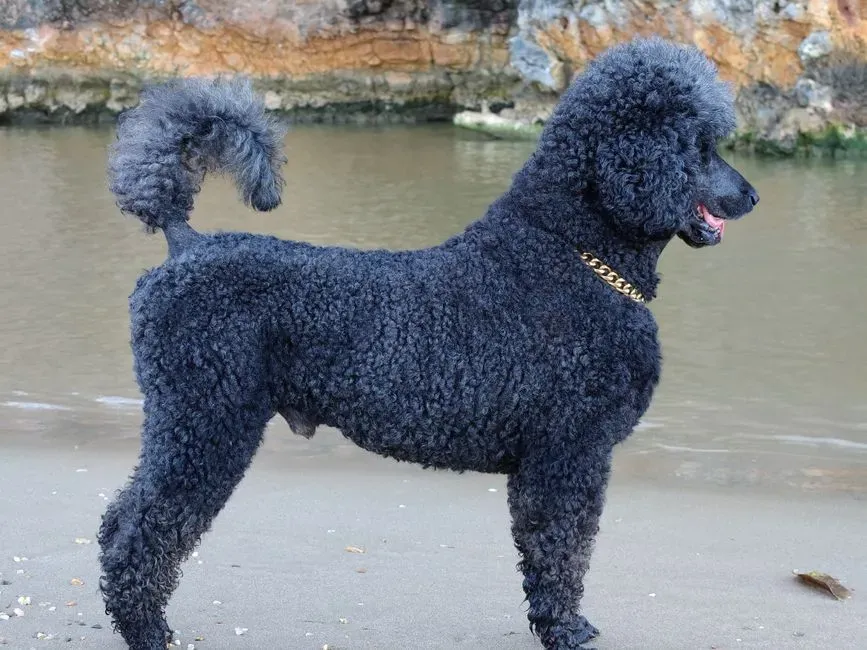
Standard Poodles are brilliant, athletic, and surprisingly sturdy dogs, but there is one cost that overshadows almost everything else: grooming. Their curly, non-shedding coat needs consistent, professional care to avoid matting and skin issues. If you are keeping a traditional or show-style clip, salon visits every four to six weeks are common – and those visits are not cheap.
Even if you learn to groom at home, you will likely invest in quality clippers, grooming tables, shampoos, and plenty of time. Add in training classes, puzzle toys, and dog sports like agility or obedience to keep that sharp mind busy, and your yearly spend rises again. For many Poodle owners, the total is comparable to what they might otherwise put toward a getaway, except the payoff is a stunning, joyful dog who turns heads at every park instead of a stamp in a passport.
Samoyed: The Fluffy Cloud That Sheds Money and Fur

Samoyeds look like living snow clouds with permanent smiles, but that gorgeous double coat comes with major grooming commitments. Regular brushing, professional grooming to manage the undercoat, and specialized tools to deal with seasonal shedding all add up. I once brushed a Samoyed for an hour and ended up with enough fur to fill a throw pillow, and that was just a basic maintenance session.
These dogs are also active working breeds that need exercise, mental stimulation, and high-quality food to stay healthy and happy. Many owners end up paying for dog daycare, dog walkers, or structured activities like sledding or herding games, especially if they work long hours. When you combine grooming, premium food, health checks for hips and joints, and activity costs, your yearly Samoyed budget can quickly rival a week in an all-inclusive resort – except your “resort” is your living room, full of white fur.
Cavalier King Charles Spaniel: Small Size, Surprisingly Large Vet Bills

The Cavalier King Charles Spaniel looks like the definition of an easy lap dog: small, sweet, and content to curl up beside you. But this breed is linked to several serious health concerns, including heart issues and certain neurological conditions, which can involve regular screenings, medications, and sometimes advanced imaging or specialist care. Those gentle, liquid eyes hide a breed that can be medically complex and expensive over time.
Because they are so affectionate and people-oriented, many owners invest heavily in their comfort, which often means top-tier veterinary care. That can involve yearly heart scans, dental cleanings, and careful monitoring that is not cheap. By the time you add medication, insurance, grooming for those lovely feathered ears, and perhaps dog sitters for when you do try to escape for a weekend, the yearly tally often blows past what many families spend on a vacation.
Chow Chow: The Lion Dog With Big Fur and Bigger Care Needs

Chow Chows are striking, almost bear-like dogs with dense fur and a famously independent temperament. Their thick coat can require significant grooming, either by a dedicated owner at home or by a professional groomer who knows how to handle potential matting and skin issues under all that fluff. Some Chows also have conformational features, like deep skin folds and heavy coats, that make them more prone to certain skin and eye problems.
On top of grooming and potential medical costs, training and socialization are absolutely essential with this strong-willed breed. Many owners invest in experienced trainers, behaviorists, and structured classes to make sure their Chow grows into a safe, stable companion. When you factor in training, grooming, quality nutrition, and health screenings, the yearly cost can quietly climb into “we could have booked a fancy family holiday with this” territory.
Rottweiler: Powerful Protector With Big-Body Expenses

Rottweilers are loyal, confident, and incredibly devoted, but they are also big, muscular dogs that can be costly to maintain. High-quality food to support their build, joint supplements, and regular vet checks to monitor hips, elbows, and heart can make the yearly budget substantial. Many owners also choose comprehensive insurance, since large-breed emergencies and surgeries are often more expensive due to their size.
Because of their strength and public perception, responsible Rottweiler owners frequently pour money into training, socialization classes, and sometimes specialized behavior work. In some areas, they may also face higher housing or insurance hurdles, adding extra financial friction. By the time you tally food, training, medical care, and insurance, you can easily hit a figure that competes with the cost of flying the family somewhere sunny – except your Rottweiler is the one making you feel safe and protected at home.
Irish Wolfhound: The Gentle Giant With Short, Expensive Years

Irish Wolfhounds are among the tallest dog breeds on the planet, and living with one is a bit like sharing your home with a slightly furry horse. That size dramatically magnifies costs: huge food portions, giant beds, oversized crates, and medications that often have to be dosed for a truly large body. Routine procedures like dental cleanings or surgeries can also cost more because of the anesthesia and equipment needed for such big patients.
Unfortunately, Irish Wolfhounds tend to have relatively short lifespans and are prone to certain serious health conditions, including heart issues and bone cancers. That can mean expensive diagnostics, specialist care, and emotionally heavy decisions about treatment. Many owners willingly spend what amounts to multiple family vacations’ worth of money for just a bit more time with their hound, because the emotional connection with these calm, dignified giants feels priceless in the moment.
Akita: Noble Companion With High-Commitment Costs

Akitas are powerful, noble dogs with a strong protective instinct and a thick double coat. Their grooming needs are not always extreme, but when they blow their coat seasonally, the volume of fur is astonishing, and many owners turn to professional grooming at least a few times a year. Their size also drives up the cost of food, flea and tick prevention, and any medications they might need.
Because Akitas can be independent and sometimes wary of other dogs, responsible owners often invest heavily in early training, socialization, and in some cases ongoing behavior work. Good trainers who understand the breed are not always cheap, but they are crucial if you want an Akita that can safely navigate modern life. Add in quality nutrition, vet care for potential autoimmune or joint issues, and possibly higher liability insurance, and it is easy to see how an Akita’s annual costs can quietly match or surpass the price of that family adventure you keep putting off.
Conclusion: When Your Dog Becomes Your “Vacation”

Looking at all these breeds side by side, a pattern jumps out: it is rarely just the purchase price that makes a dog expensive. It is the long-term layering of grooming, medical care, food, training, and lifestyle adjustments that quietly snowball until you realize your dog costs more each year than flying to a beach with drinks included. I have caught myself more than once thinking, while paying a vet bill, that I could be sitting on a balcony somewhere warm – then looking at the dog next to me and realizing I would not trade them for any plane ticket.
There is no shame in deciding that a lower-maintenance, more affordable breed – or even a mixed-breed rescue – is a better fit for your life and budget. In fact, being honest about what you can comfortably afford is one of the most loving things you can do for a future dog. Expensive breeds are not “better,” they are just different, and they demand a level of financial commitment many people do not fully expect. If you had to choose right now, would you rather budget for one unforgettable family vacation each year, or for the four-legged family member who quietly becomes your everyday, stay-at-home adventure?


