
Dog costs can creep up in a sneaky way. One month it is a new bed, the next it is a surprise vet bill or a grooming session that somehow costs as much as your own haircut. Many owners quietly worry they are overspending, but they are equally scared of cutting back and accidentally harming their dog’s health.
The good news is you can absolutely save money without short-changing your dog’s wellbeing or happiness. It is less about buying the cheapest things and more about making smarter, longer-term choices. Think of this as moving from “random pet purchases” to “strategic dog parenting” – practical, science-aware, and still very loving.
1. Switch From Convenience Treats to Nutritious, Budget-Friendly Rewards

Many dog owners blow a surprising chunk of their budget on treats that are basically fast food in a cute bag. Highly processed treats can be calorie-dense, not very filling, and sometimes full of unnecessary additives. Over time, that can lead to weight gain and bigger vet bills, all while draining your wallet for very little benefit.
A simple shift is to use healthier, single-ingredient options like small pieces of plain cooked chicken, green beans, or carrot sticks for rewards, combined with part of your dog’s regular kibble. You get far more training “currency” per dollar, while controlling calories and keeping ingredients simple. It feels less glamorous than a fancy treat pouch, but your dog only cares that something tasty is coming from your hand, not how it was packaged.
2. Buy Quality Food in Bulk – But Choose the Right Formula
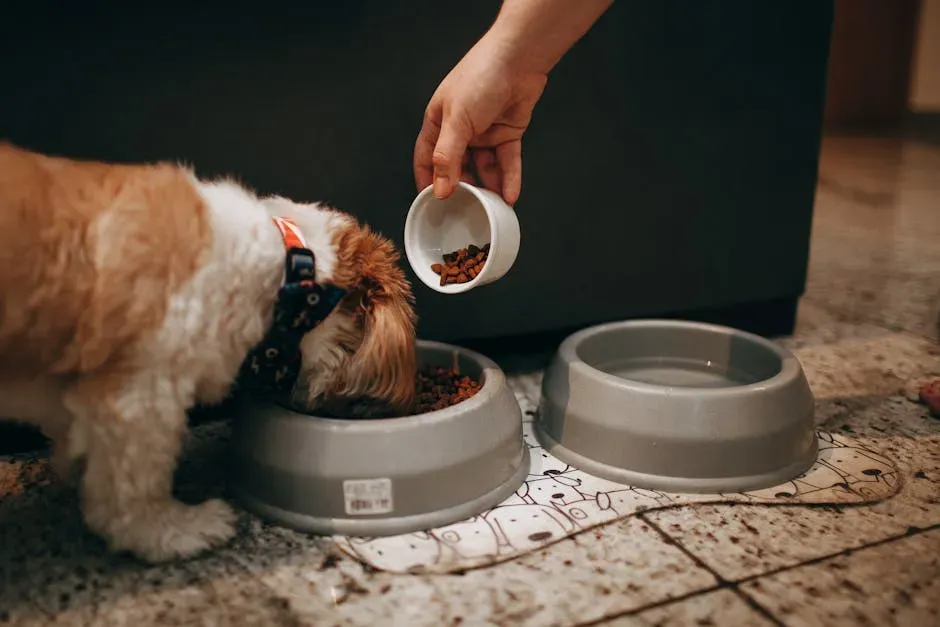
Food is one of the biggest recurring costs, and buying truly cheap, low-quality food is usually a false economy. Poor nutrition can show up later as skin problems, digestive issues, or joint troubles, which cost much more than you saved. The trick is to find a complete, balanced diet that suits your dog’s life stage and health needs, then buy it in larger bags from cost-effective sources.
Compare price per pound across reputable brands and consider subscribing through a retailer only if you genuinely go through that amount regularly and store it well. Use airtight containers, keep the food in a cool, dry place, and do not overbuy beyond what your dog can reasonably finish before the “best by” date. I once bought a huge bag just because it was cheap, then had to throw some away when it went stale – that was not saving, that was self-sabotage.
3. Prevent Problems Instead of Paying for Fixes

Skipping routine care to “save money” is one of the costliest mistakes dog owners make. Regular checkups, vaccinations recommended by your vet, parasite prevention, and dental care might feel like boring expenses, but they are insurance against far bigger problems. A preventable disease or advanced dental infection can lead to painful, expensive treatments that blow your budget wide open.
The better strategy is to treat preventive care as non-negotiable, then ask your vet how to prioritize within your budget. Many clinics offer wellness plans, bundled services, or discounts for things like vaccines or dental cleanings at certain times of the year. You can also spread out routine tests over the year instead of doing everything at once, as long as you and your vet agree it is medically reasonable.
4. Learn Basic Grooming Skills at Home
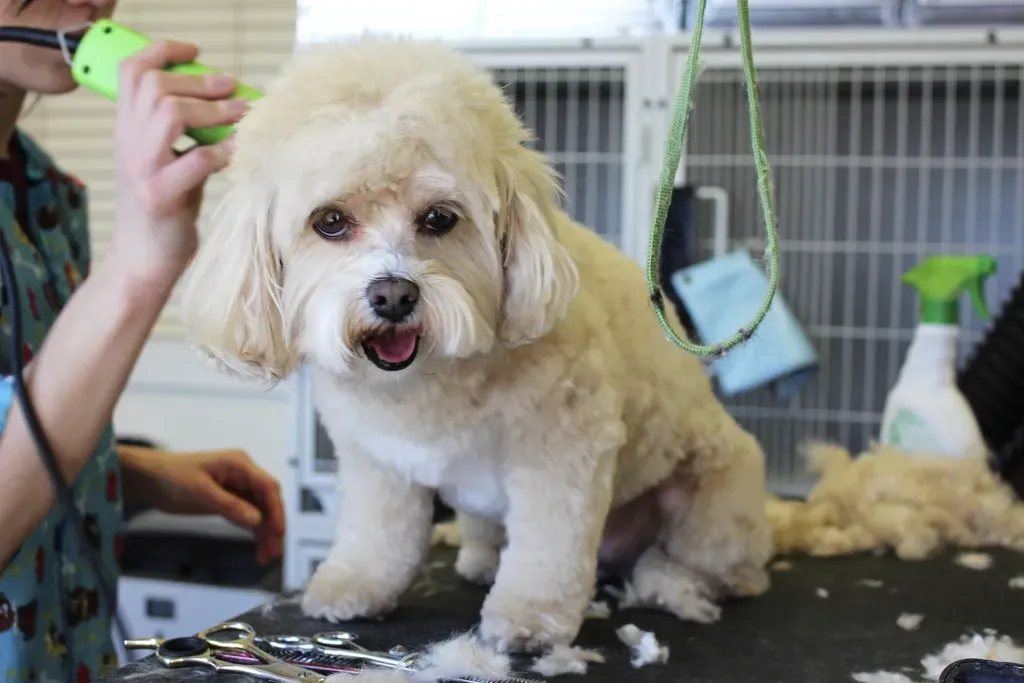
Professional grooming adds up quickly, especially for breeds with long or curly coats. While some dogs truly do need expert grooming, a lot of routine maintenance can be done safely at home if you invest a bit of time in learning. Brushing, nail trims, simple sanitary trims, and regular ear checks can all stretch out the time between full grooming appointments.
Start small so you and your dog both stay calm: brushing sessions with treats, gently touching paws before trying nail trims, and using good-quality tools rather than the cheapest clippers you can find. Grooming becomes less a stressful chore and more a quiet bonding ritual, like brushing a child’s hair. You save money on appointments, and your dog benefits from more frequent, low-stress care.
5. Turn Daily Life Into Free Enrichment Instead of Buying Endless Toys
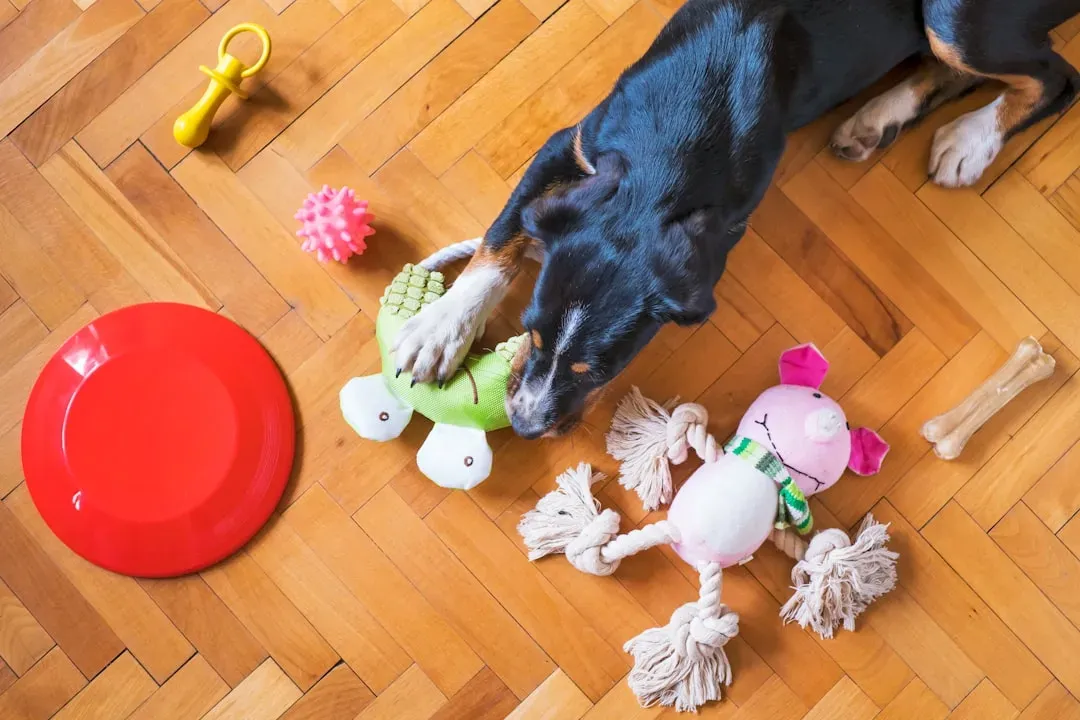
It is easy to believe your dog needs a constant stream of new toys to stay happy, but enrichment is really about mental challenge and interaction, not price tags. Many dogs lose interest in toys quickly simply because they are always available and predictable. You can get more value out of fewer toys by rotating them and making their appearance feel like an event.
On top of that, you can use common household items (safely) for enrichment: cardboard boxes for snuffle games, rolled towels for scent hides, or frozen stuffed Kongs using part of your dog’s regular food. A simple game of hide-and-seek in the house or a short training session often tires a dog more than another plush toy they will shred in minutes. The shift is from “buying entertainment” to “creating experiences.”
6. Focus on Exercise and Weight Management to Avoid Hidden Medical Costs

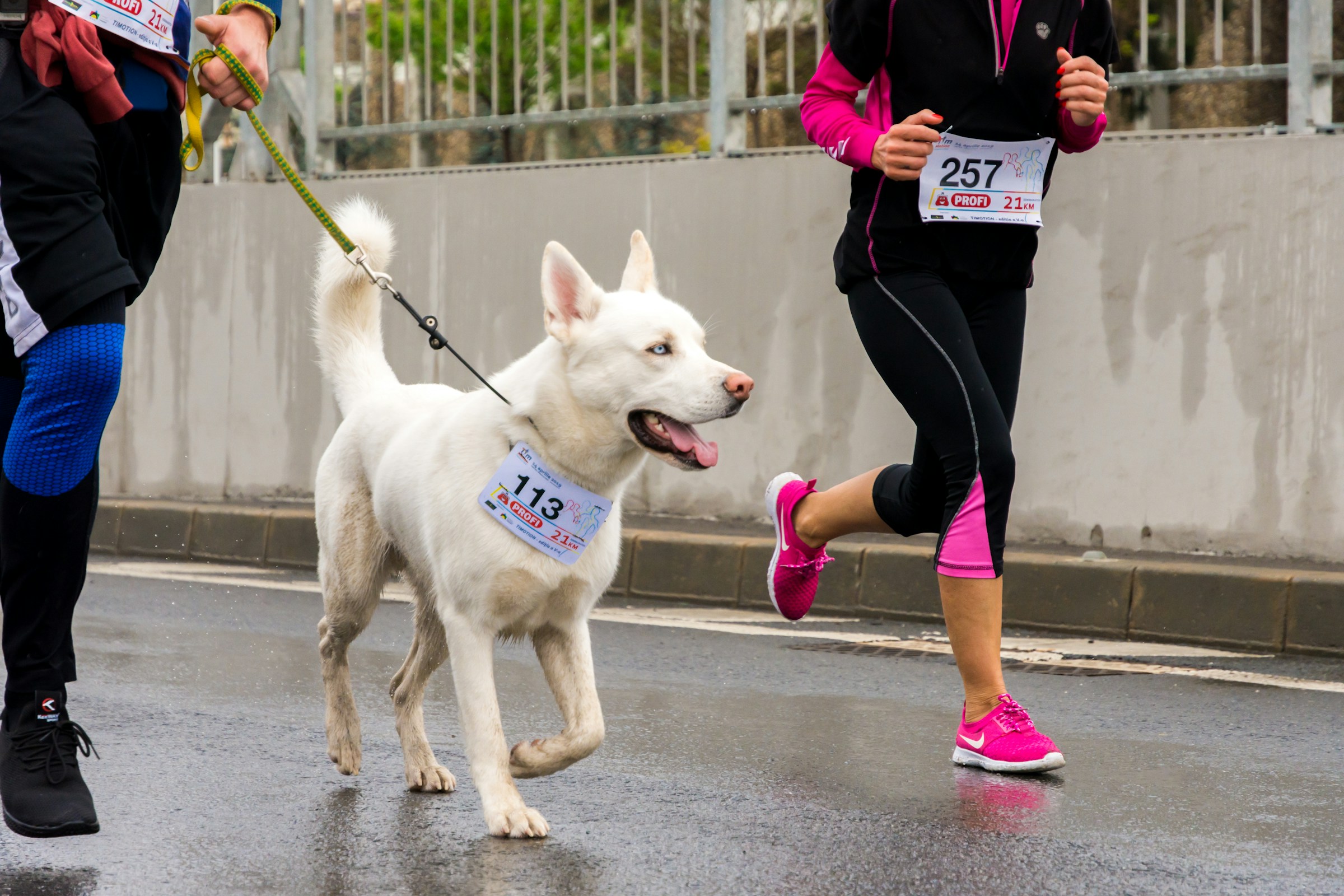
One of the cheapest and most powerful health tools you have is simply keeping your dog at a healthy weight with regular exercise. Extra pounds on a dog’s frame are not just a cosmetic issue; they increase the risk of joint disease, diabetes, heart problems, and even certain cancers. Treating these conditions can be extremely expensive, and honestly, heartbreaking to watch.
Talk to your vet about your dog’s ideal weight and how much they should be eating, rather than guessing or following what is printed on the bag without context. Then build daily movement into your routine: brisk walks, short training sessions, recall games, or safe off-leash play where allowed. Think of it as protecting both your dog’s future comfort and your future bank account at the same time.
7. Use Smart, Evidence-Based Supplements (and Skip the Gimmicks)
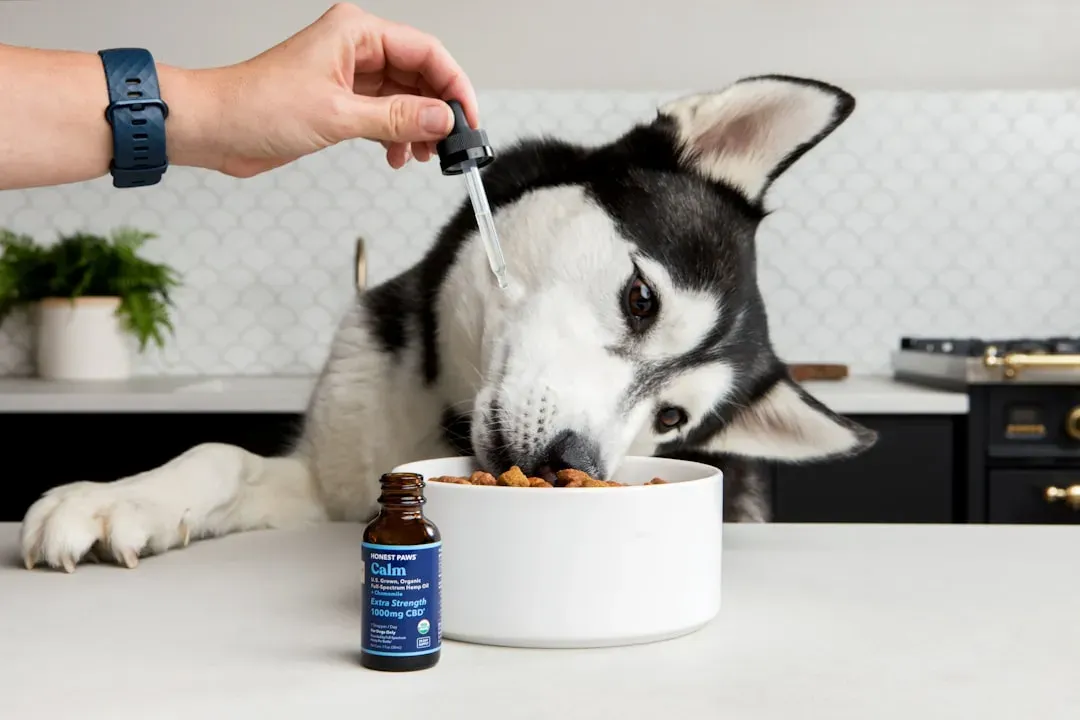
The supplement aisle for dogs looks like a candy store mixed with a pharmacy, and that is how a lot of people end up spending a small fortune. Many products are poorly regulated, under-dosed, or simply unnecessary if your dog already eats a complete, balanced diet. Throwing random powders and chews at vague concerns is rarely money well spent.
Instead, ask your vet if your dog truly needs any specific supplement, such as a joint support product for large breeds or seniors, or omega fatty acids for certain skin or joint issues. When a supplement is genuinely indicated, it can be cost-effective by preventing or slowing more serious problems. The key is to use a small number of targeted, vet-recommended products rather than a crowded shelf of “maybe this helps” items.
8. Choose Durable, Well-Fitting Gear Over Cheap Replacements

Leashes that fray, harnesses that do not fit, beds that flatten in a month – constantly replacing low-quality gear quietly drains your budget. Worse, poorly made equipment can be unsafe, leading to escapes, injuries, or chewed-off pieces that end up swallowed. In my own experience, the cheapest harness I ever bought lasted three weeks; the better one I grudgingly paid more for has been going strong for years.
Cut costs by buying fewer items but choosing sturdy, washable, and appropriately sized gear that can grow with your dog where possible. Look for products with good stitching, solid hardware, and designs that do not rub or restrict movement. Buying secondhand from reputable sources can also work for things like crates, elevated beds, or certain toys, as long as they are intact and easy to clean.
9. Plan Ahead for Vet Bills With a Budget or Pet Insurance
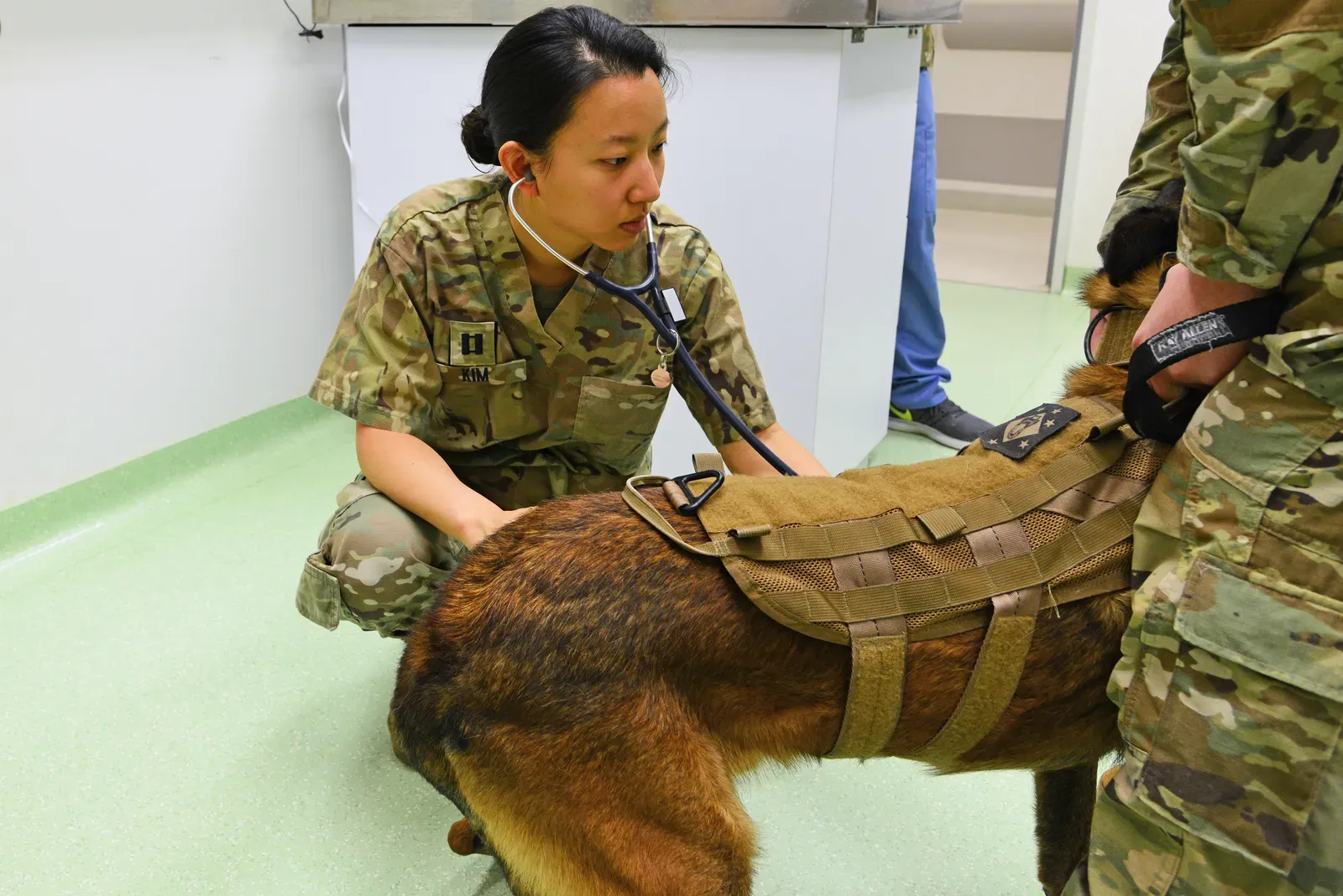
Unexpected vet bills are often what make dog ownership feel financially scary. A sudden injury or illness can throw everything off, and in the panic, people either go into debt or feel forced into heartbreaking choices. While you cannot avoid emergencies completely, you can soften the financial blow with planning.
Some owners set aside a small automatic amount each month into a separate savings account just for pet care. Others choose pet insurance to help with big, unexpected costs, especially for young dogs or breeds prone to certain issues. What matters is not the exact method but having a realistic plan; hoping nothing ever happens is not a strategy, it is wishful thinking.
10. Train Good Manners Now to Avoid Costly Problems Later

Training might not look like a money topic at first glance, but behavior problems get expensive very fast. Chewed furniture, damaged doors, noise complaints, bites, or injuries from pulling on the leash can all have financial consequences. Investing time in basic manners and impulse control makes your dog easier to live with and less likely to create costly chaos.
You do not need endless paid classes, though a good one can be worth every dollar. There are many reputable, science-based training resources you can study at home, then put into practice for a few minutes a day. Consistency and kindness matter more than fancy equipment, and a well-trained dog fits into more situations, which often means fewer boarding or special management costs too.
11. Use Community Resources, Clinics, and Fair Discounts
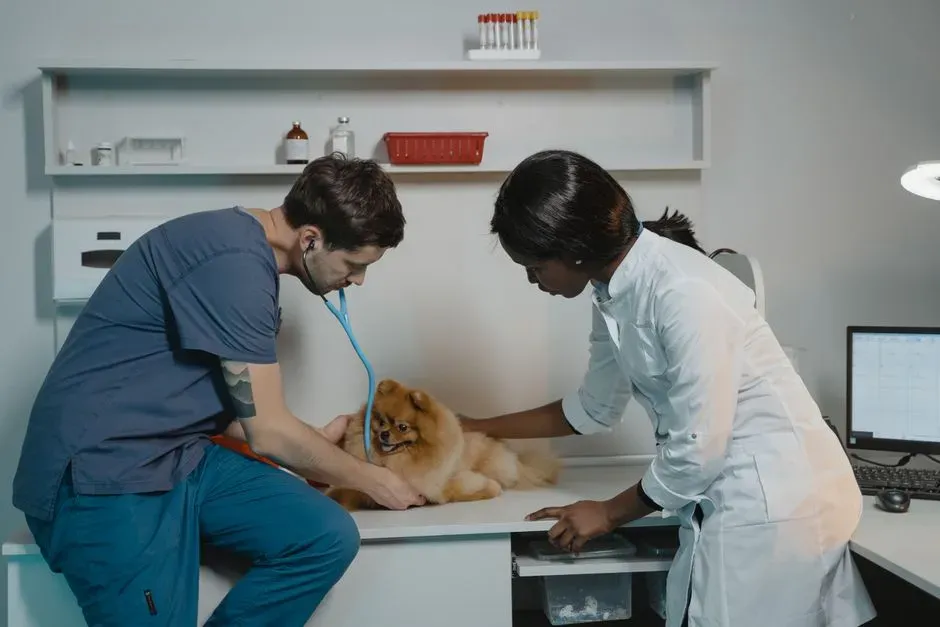
Depending on where you live, there may be low-cost vaccination clinics, spay-neuter programs, or community vet services that quietly make responsible care more affordable. Some veterinarians also offer sliding-scale fees or payment options for clients in genuine financial need. The key is to ask respectfully, not demand a discount, and to be honest about what you can manage.
Local shelters and rescue groups sometimes run free microchipping events or discounted wellness days, which is good for your dog and your budget. It can feel awkward to talk money with professionals, but you are not the first person to have a budget. Working with your situation openly is far better than avoiding necessary care because you are embarrassed to ask.
12. Be Honest About “Wants” vs “Needs” – For You and Your Dog

A lot of dog spending is really about our emotions, not their needs. Matching outfits, seasonal bandanas, themed toys, subscription boxes – they are fun, and there is nothing wrong with enjoying some of them. But when money is tight, these are the easiest areas to trim back without affecting your dog’s health or happiness at all.
Try a simple rule: before buying something, ask whether it will truly improve your dog’s physical comfort, safety, or mental wellbeing in a meaningful way. If the honest answer is no, consider waiting a week and seeing if you still want it. Most dogs would choose an extra walk, some training games, or couch cuddles over a trendy new accessory every single time – and those things are free.
Conclusion: Spend Less, Care Better

Cutting your dog’s expenses is not about being stingy; it is about being intentional. When you put your money into nutrition, prevention, comfort, and connection instead of impulse buys and gimmicks, you actually upgrade your dog’s quality of life while spending less overall. Saving does not have to feel like deprivation when you know your choices are protecting your dog’s future health.
My bias is clear: I think love shows up in the boring, consistent decisions far more than in the flashy purchases. If you use even a few of these strategies, you might find that your dog’s life gets richer while your bills get lighter. Looking at your current spending, which “smart swap” feels most urgent to make for your dog today?


