
10 Quiet Moments a Dog Foster Carer Watches for in the Opening Fortnight
Everyone assumes the big stuff matters most: the first wag, the first walk, the first time a scared dog lets you scratch behind an ear. That’s the story people post about. It’s not the story that’s actually true.
The real information shows up when nothing is happening at all – when the TV’s off, the house has gone still, and the dog thinks no one’s watching. Seasoned foster carers have learned to read those blank, boring minutes like a second language. Here’s exactly what they’re looking for, and why it matters more than any cute trick ever could.
#1 – The First Time the House Goes Totally Silent
That first silent stretch after you bring a foster dog home isn’t peaceful. It’s diagnostic. Are they panting? Frozen mid-step? Pacing in the shadows, or lying with their back pressed to a wall, eyes tracking every twitch in the room?
That moment tells you exactly how their nervous system is handling the adrenaline crash. Many new carers mistake stillness for calm, when it’s often shutdown or quiet overwhelm – lip licking, slow blinking, a tail tucked tight even though nothing scary is happening.
A dog who can’t settle when everyone else sinks into the couch might be anxious, undersocialized, or simply unfamiliar with indoor life altogether. But a dog who eventually sighs, curls into a donut, and half-closes their eyes near you – even without touching you yet – is quietly handing you a blueprint for the trust that’s coming.
Fast Facts
- Rescue groups often reference the “3-3-3 rule”: roughly 3 days to decompress, 3 weeks to learn the routine, and 3 months to feel truly at home.
- Stress hormones from the shelter-to-foster move can take several days to fully clear a dog’s system.
- Pacing, non-exertion panting, and a tucked tail are among the most common first-day stress signals.
- A dog eating and sleeping normally within 48 hours is generally an encouraging early sign.
#2 – How They React When You Stand Up for No Reason
Most people judge a foster dog by the loud moments – walks, feeding, play. Experienced carers know the real personality test happens in a quiet room, when you simply stand up. No warning, no cheerful “let’s go!” Just you, shifting your weight and crossing the space.
Do they flinch, bolt, or slink away like they’re bracing for something bad? That silent recoil can hint at rough handling in their past, or just a dog who’s never shared close quarters with a person before. Do their eyes follow you with soft curiosity, or does their whole body go rigid?
Some dogs quietly position themselves between you and the doorway. Others offer a small, hopeful tail thump against the floor. Carers file this away as the dog’s baseline startle response, because it shapes how every future introduction – kids, guests, even the vacuum – is going to go.
#3 – The Way They Breathe When You Pretend Not to Notice Them

Foster carers get low-key obsessed with breathing. Not during play, but during the dull, scrolly parts of the evening when the dog believes it’s off duty and no one’s paying attention.
Fast, shallow breaths with fixed, unblinking eyes usually mean the dog is quietly marinating in stress, even when absolutely nothing is happening. That’s not calm – that’s simmering. Slow, audible sighs followed by deep, rhythmic breathing is the gold standard: a body finally letting itself downshift.
Many fosters lie at the edge of the room, angled away from you but with one ear tipped in your direction. The first time their breathing slows in your presence, without eye contact or coaxing, carers quietly note it as the real first sign of safety – the moment the dog’s body started believing them.
#4 – Where They Choose to Put Their Back When the Room Is Still
In the first fortnight, where a foster dog parks their body says more than any bark ever will. Some glue themselves to corners, radiators, or the space under a table – anywhere nothing can sneak up behind them. Others sprawl dead-center in the room like they’ve lived there for years.
A dog who keeps backing into tight spaces is often hypervigilant or fearful, still mentally mapping every exit in a house that hasn’t earned their trust yet. But a dog who quietly relocates closer over the days – first the doorway, then the rug, then finally your feet – without ever being called, is showing a slow, hopeful burn of attachment.
That creeping proximity is one of the most under-celebrated milestones in fostering. And if they choose a bed in the hallway instead of the main room, they might just be pulling night-shift duty as the house’s unofficial security guard.
Quick Compare
- Hypervigilant: hugs corners, backs into tight spaces, stays close to exits.
- Settling in: gradually drifts closer to shared spaces over several days.
- Fully at ease: sprawls in open floor space with back exposed and muscles loose.
#5 – Their Eyes During the Nothing’s-Happening Window
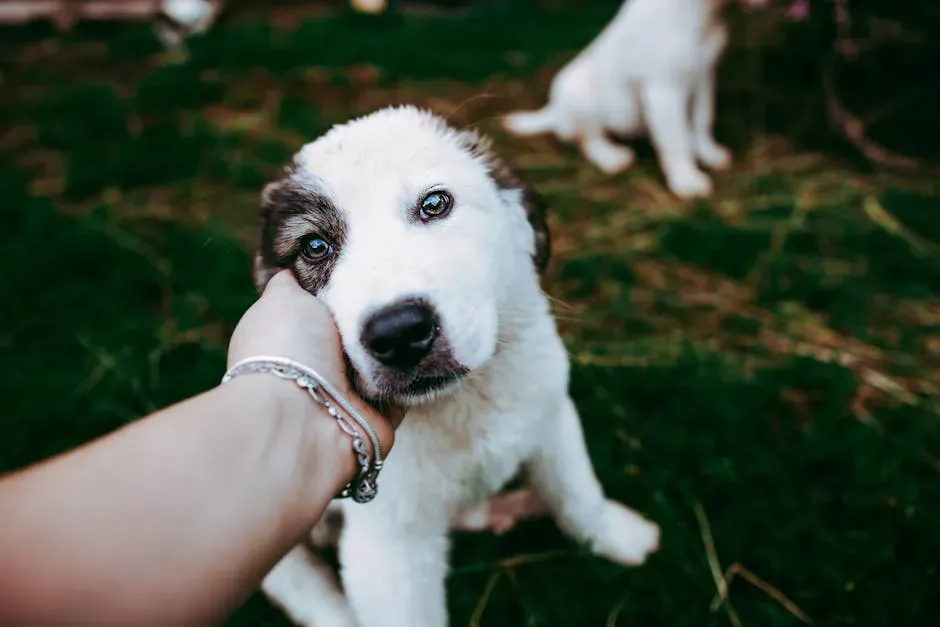
Everyone melts over puppy-dog eyes when food or toys are involved. Foster carers watch the eyes when nothing is on offer at all – midday, no treats, TV off, you’re just folding laundry or drinking coffee.
Soft, almond-shaped eyes that slowly blink and drift away signal a body starting to believe the environment is safe. A hard, unblinking stare with a frozen posture usually means fear or defensiveness, even from a dog who hasn’t “done” anything.
Some fosters steal quick glances and look away – the cautious, flirty start of a connection you build on. Others track every movement like a security camera, nostrils flaring in total silence. Carers use these quiet eye audits to decide the pace of everything that follows: invite a cuddle now, or let decompression run a little longer.
#6 – The First Time a Sudden Noise Happens and No One Reacts
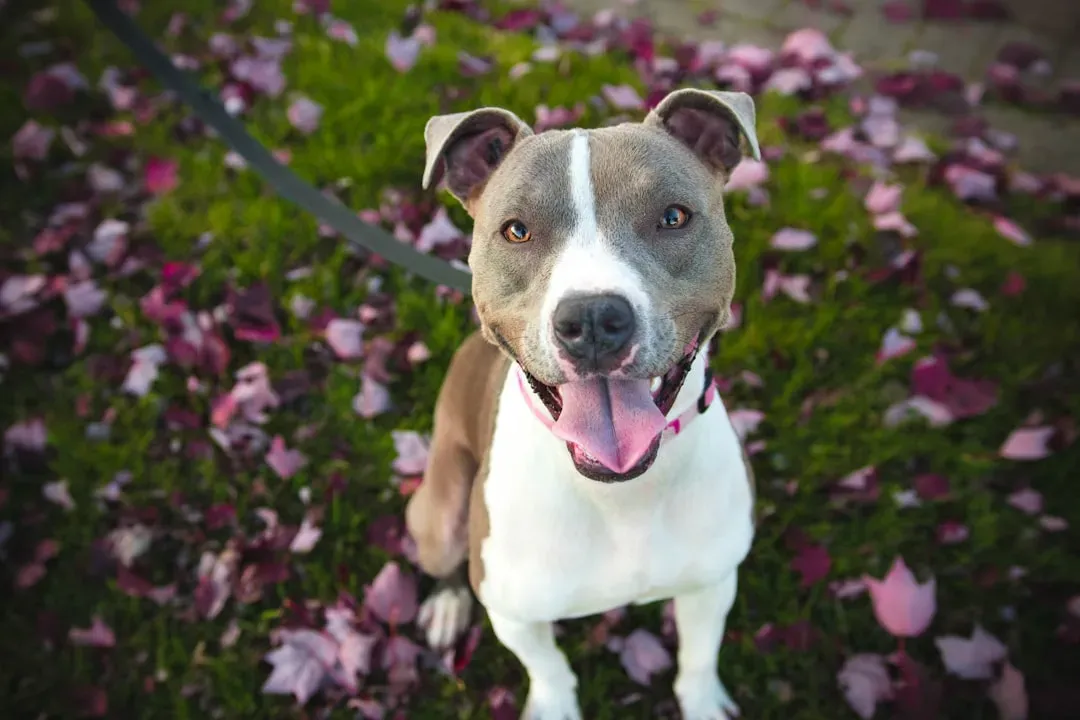
Most people focus on how a foster dog handles fireworks or the vacuum. The smarter test is quieter: what happens the first time there’s a sharp noise – and absolutely nobody responds? No “it’s okay,” no rushing over. Just life, continuing.
A dropped spoon, a car backfiring outside, a phone buzzing on the table – does the dog launch to their feet, bark, spin? Fine, that’s just data. What matters is what happens the second or third time, once nothing bad has followed.
Some dogs start silently checking your face for a read. If you stay loose and unbothered, they begin copying you – shorter startles, faster recovery. The real win isn’t the absence of a reaction. It’s a dog reacting, then settling itself without you having to step in.
#7 – The Bedtime Routine They Quietly Write for Themselves
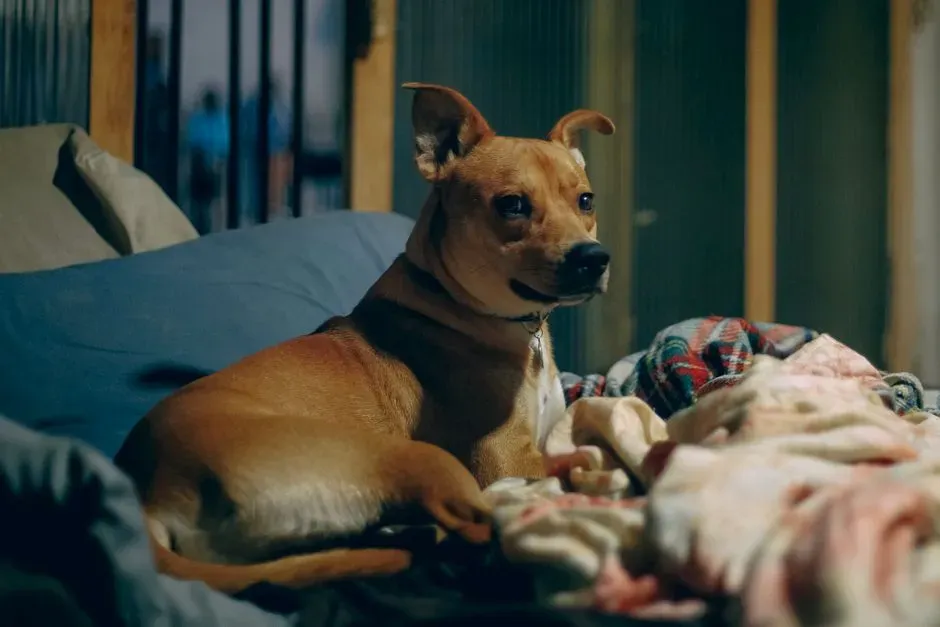
You think you’re setting the schedule. In reality, during those first two weeks, the dog is secretly writing their own version – and carers watch it closely. The last thirty to forty-five minutes before lights-out are some of the most revealing of the whole day.
Does the dog start pacing, shadowing you to the bathroom and back, unable to lose sight of you? Separation anxiety often whispers here long before it screams the first time you actually leave the house. Or do they drift, unprompted, to a crate or chosen corner, circle once, and settle with a sigh?
That’s a dog quietly drafting their own safe-place policy – priceless information for whoever adopts them later. Some will even stash a toy or chew in that spot like a tiny survivalist stocking a bunker.
Worth Knowing
- Shadowing a carer room to room in the evening is often one of the earliest whispers of separation anxiety.
- Dogs who circle and settle unprompted are frequently signaling they feel safe enough to disengage.
- Stashing a toy or chew in a chosen sleep spot is often self-soothing, not possessiveness.
- A consistent bedtime routine in week one often predicts smoother crate training later on.
#8 – How They Handle Boredom When You Refuse to Entertain Them

New carers often build a 24/7 circus without meaning to – constant talking, touching, entertaining, trying to make up for whatever the dog went through. Experienced carers do something ruder and far more useful: they engineer boredom on purpose.
Some dogs spiral into anxious pacing or attention-barking the moment the stimulation stops. That’s not neediness – that’s a nervous system that has never learned how to downshift on its own. Others resource-guard the one toy they can find in an otherwise dull room, a quiet red flag you don’t want to discover for the first time at a crowded family barbecue.
But a foster who can eventually flop down, chew casually, or nap while you scroll your phone is showing you something priceless. Tolerating boredom without exploding is one of the most underrated skills a dog can bring into adoption.
#9 – The First Time They Choose You Over the Doorway
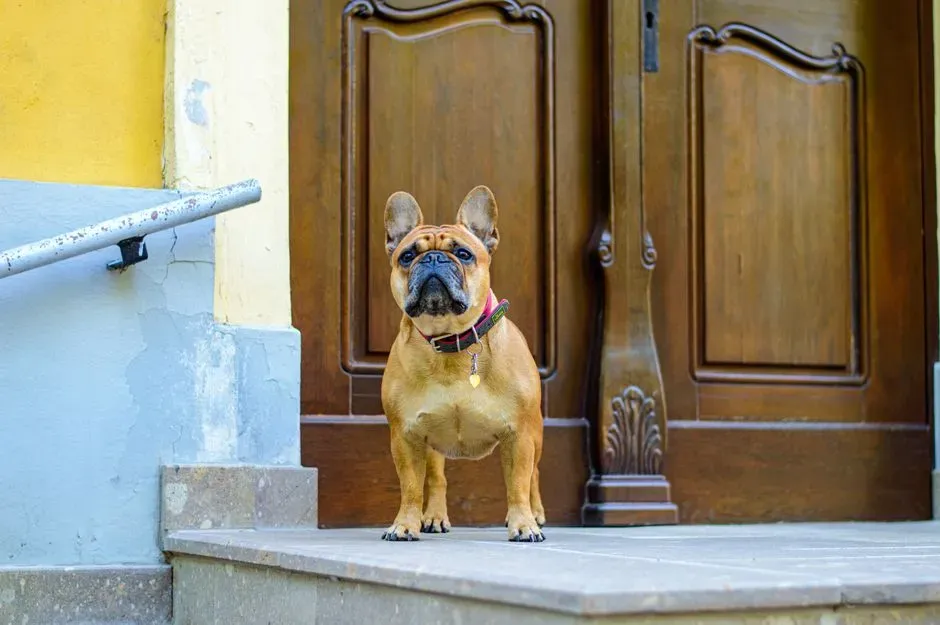
Every transition in those early days – room to room, inside to outside, couch to kitchen – is a tiny loyalty test. Carers watch for one specific half-second moment: when a dog hesitates between following you and guarding the exit.
A dog who constantly plants themselves near doors and windows is mentally half-gone, still living in escape-hatch mode even while their body sits indoors. The first time they trail you instead – giving up a clear sightline to the outside in favor of the hallway you’re walking down – is a genuine shift.
Until one has loved an animal, a part of one’s soul remains unawakened.
Anatole France
Choosing a person over an exit is one of the clearest, quietest signs of attachment forming. Many trauma dogs won’t offer overt affection for weeks, but they’ll show you everything in that one doorway decision.
#10 – The Way They Wake Up When the House Is Still Asleep
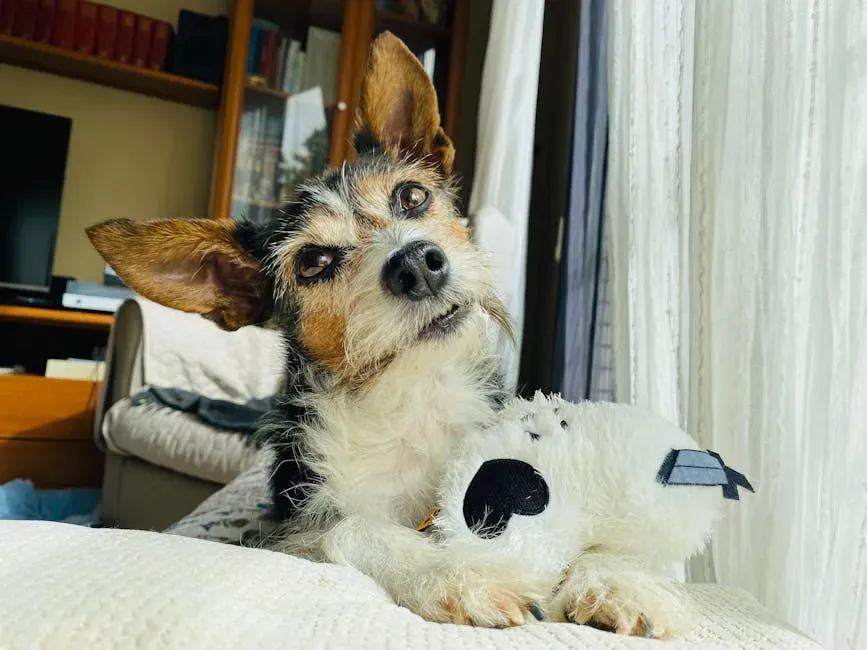
The most revealing moment of all often happens before anyone’s had coffee. Seasoned carers know to listen for it: the first stirrings of a foster dog in a house that’s still fully asleep. No one talking to them, no alarms, just dawn light and their own thoughts.
Do they bolt upright at every creak, panting and scanning, unable to rest until every human is accounted for? That hypervigilant dawn patrol is exhausting for everyone involved, and it usually means their nervous system is still bracing for survival mode.
Or do they stretch, yawn, and cautiously peek out from the crate, waiting to see what the day expects of them? The holy grail is the morning they stay half-asleep while you shuffle around – maybe a lazy tail thump, but no full alert. That’s the morning their nervous system finally exhaled, long before any adoption photo gets posted.
At a Glance
- Bolting upright at every creak signals a nervous system still bracing for threat.
- Stretching, yawning, and slow blinking on waking are strong signs of relaxation.
- Staying half-asleep through household noise is often the clearest “I feel safe here” signal.
- Morning calm tends to arrive later than evening calm in most foster dogs.
The Real Takeaway
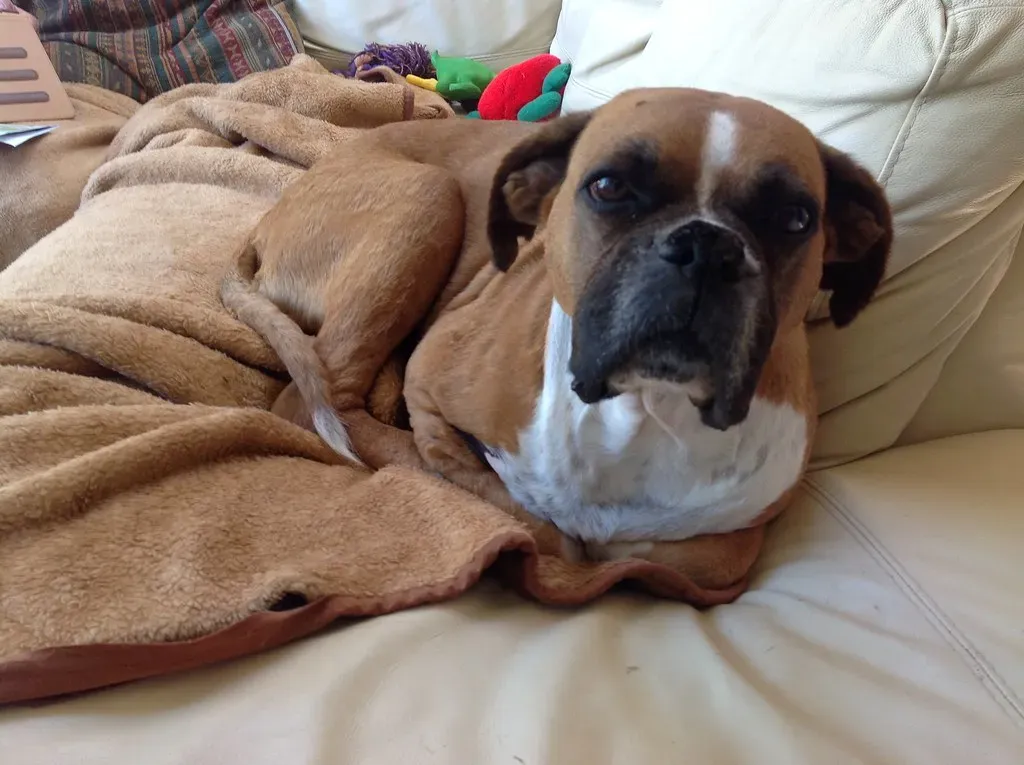
Everyone loves the big, dramatic before-and-after story. But dogs don’t heal in the Instagram moments – they heal in the quiet ones nobody bothers to film.
The opening fortnight isn’t really about teaching “sit.” It’s about decoding sleep, breath, gaze, posture, boredom, and those half-second choices between you and the exit. That’s the unglamorous work foster carers do while the rest of the world just sees a lucky dog.
Here’s the opinion that’ll ruffle feathers: if you’re not willing to watch those quiet moments with the same intensity you’d give a cute trick, you’re not really fostering – you’re dog-sitting with extra paperwork. The real magic is in the stillness, the sighs, the shifts that never make it to social media.
Did we miss a quiet moment your own foster dog used to speak volumes? Tell us in the comments – we want to hear it.