
21 Things Owners Do in a Waiting Room That Dogs Read as a Warning
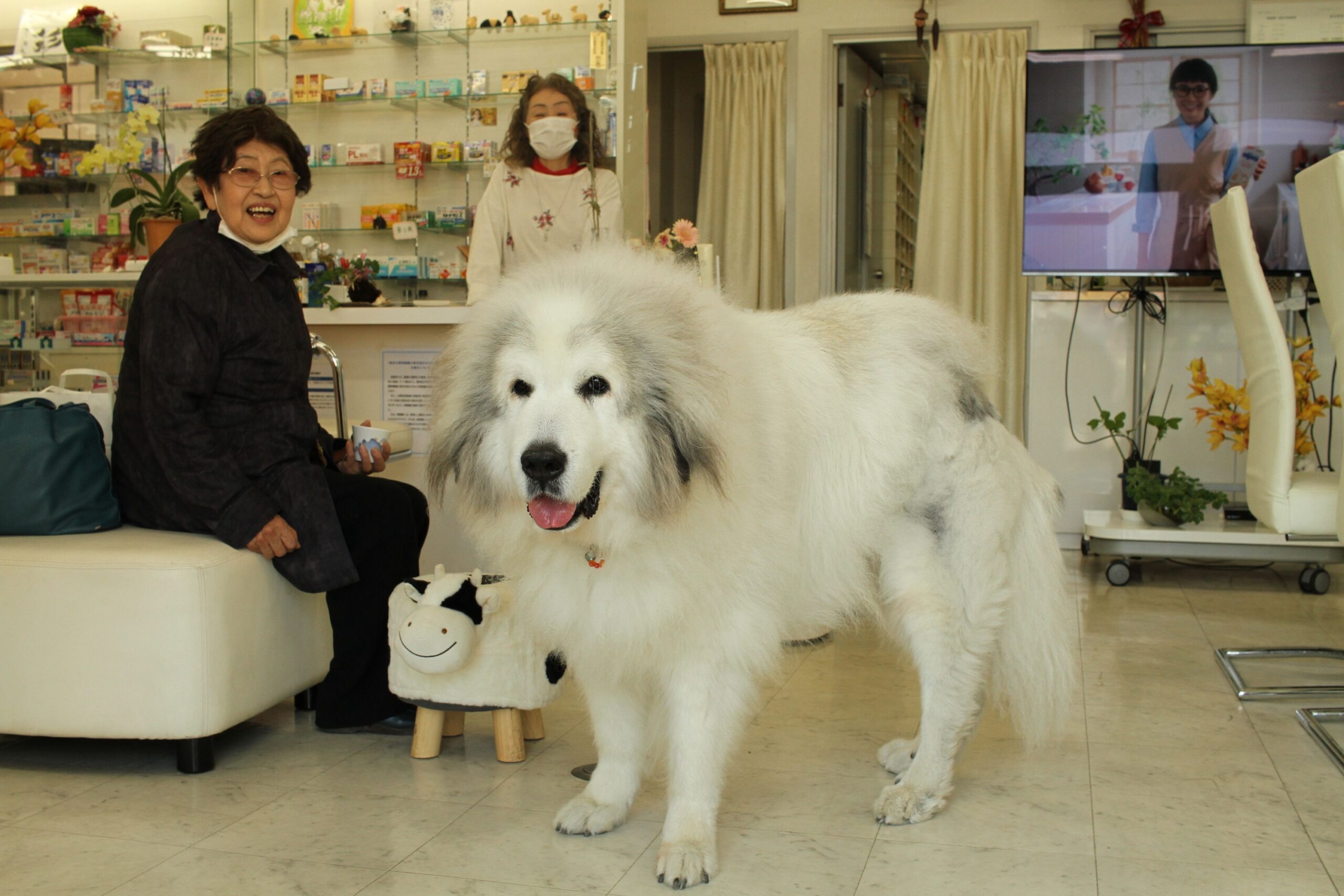
Most people treat the vet waiting room like dead time – a place to check email, sigh at the wait, and let their dog just exist beside them. But to your dog, that same room is more like a tiny airport during a lockdown: every sound, smell, and flicker of your body language gets scanned for danger. Dogs aren’t reading the posters on the wall. They’re reading you.
Here’s the twist nobody warns you about: the things that feel most loving to a nervous owner are often the exact things that convince a dog something terrible is about to happen. Trainers and behaviorists see the same 21 patterns over and over, and once you know them, you’ll never sit in a waiting room the same way again.
#1 – The Tight-Leash Death Grip
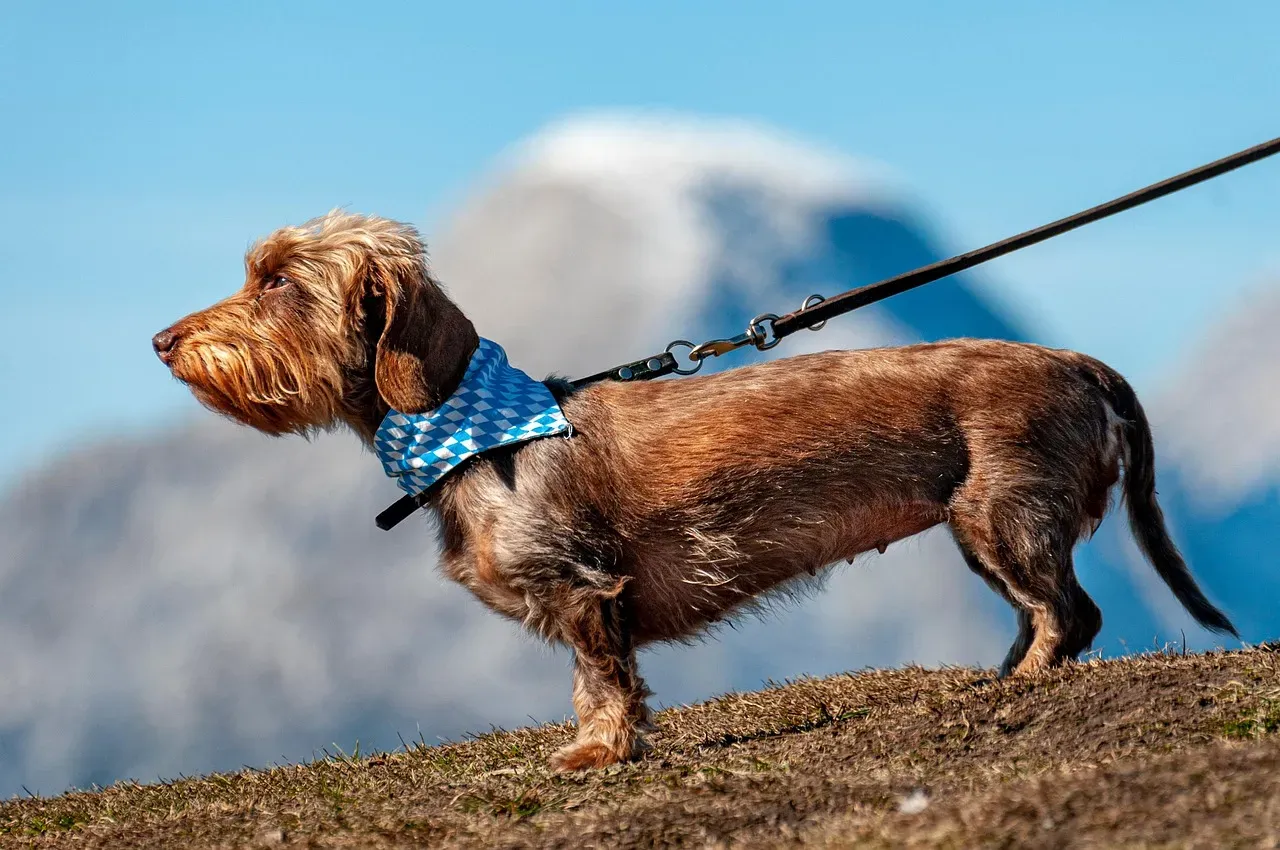
You think you’re keeping your dog safe. Your dog thinks, “Something bad is coming.” That classic move – choking up on the leash until your knuckles turn white – feels protective to humans, but to dogs it screams danger. A super-tight leash locks their body into fight-or-flight mode, spiking adrenaline and turning every nearby sound into a threat. Many owners clamp down the instant another dog walks in, which only confirms the dog’s worst fear: “Yep, that thing really is scary.”
Over time, dogs start associating the entire lobby with that trapped, choking feeling. They pull harder, you grip tighter, and it becomes a feedback loop of shared panic. A better move is a short but loose leash, a relaxed hand, and your body turned slightly sideways instead of squared off like a wall. That quiet posture tells your dog, “I’ve got this – you don’t have to.”
#2 – Nervously Chattering in a High-Pitched Voice
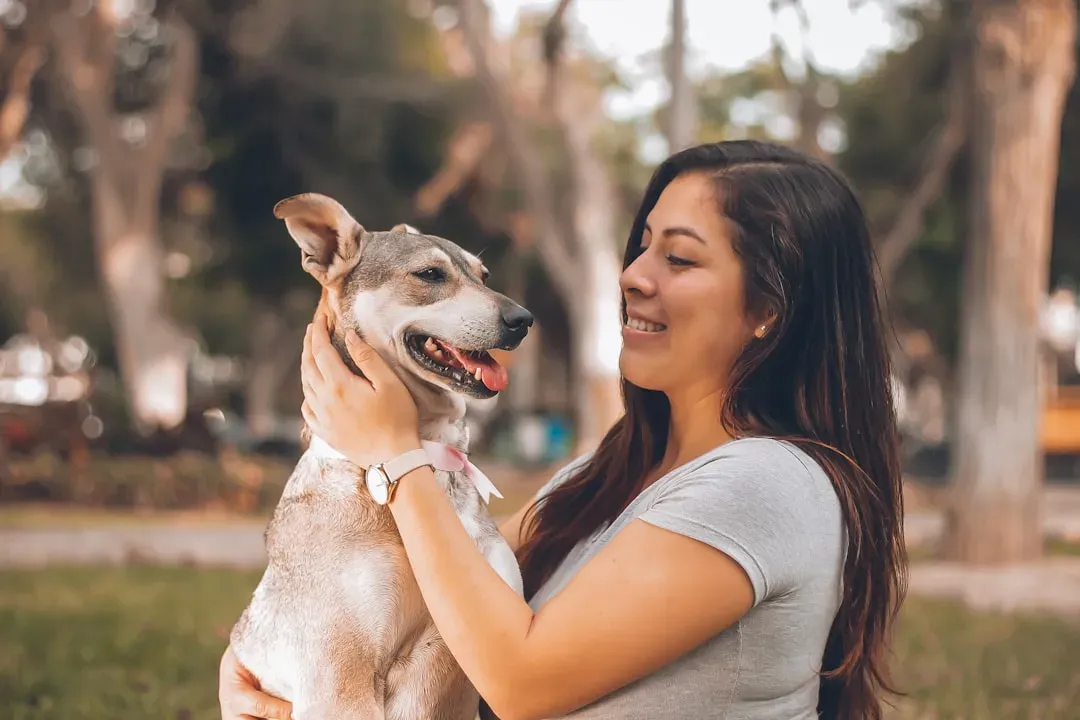
You think you’re soothing them. Your dog hears a siren. When we’re anxious, we default to baby talk – “It’s okay, it’s okay, you’re fine, shhh!” – in a high, shaky tone. Dogs read pitch and rhythm far more than words, and a rapid, high-pitched voice sounds agitated, not calm. Many dogs interpret it simply as, “My human is scared, so I should be too.”
Then we make it worse by talking even faster as they get more restless, unintentionally cheerleading their own panic. The fix is almost embarrassingly simple: talk less, and when you do, use a low, slow, almost boring tone with short phrases like “You’re safe” or “We’re waiting.” Reward calm silence instead of narrating their anxiety, and watch how quickly the temperature in the room drops.
#3 – Constantly Staring at Your Dog’s Face
You think you’re checking on them. They think you’re asking, “What’s wrong, what’s wrong, what’s wrong?” Locked eye contact feels caring to humans, but in a tense space, a direct stare reads as social pressure to many dogs. Surrounded by strange smells and sounds, having your person laser-focus on their every twitch can feel like an interrogation.
It gets worse when they show a tiny stress signal – a lip lick, a yawn, a paw lift – and you react with “Are you okay, buddy?” You’ve just turned a normal coping behavior into a big, scary event. Instead, try soft, sideways glances and quiet check-ins from your peripheral vision, angling your body slightly away. The message becomes, “I’m not panicking, and I’m not putting you on the spot either.”
#4 – Yanking the Leash When They Sniff
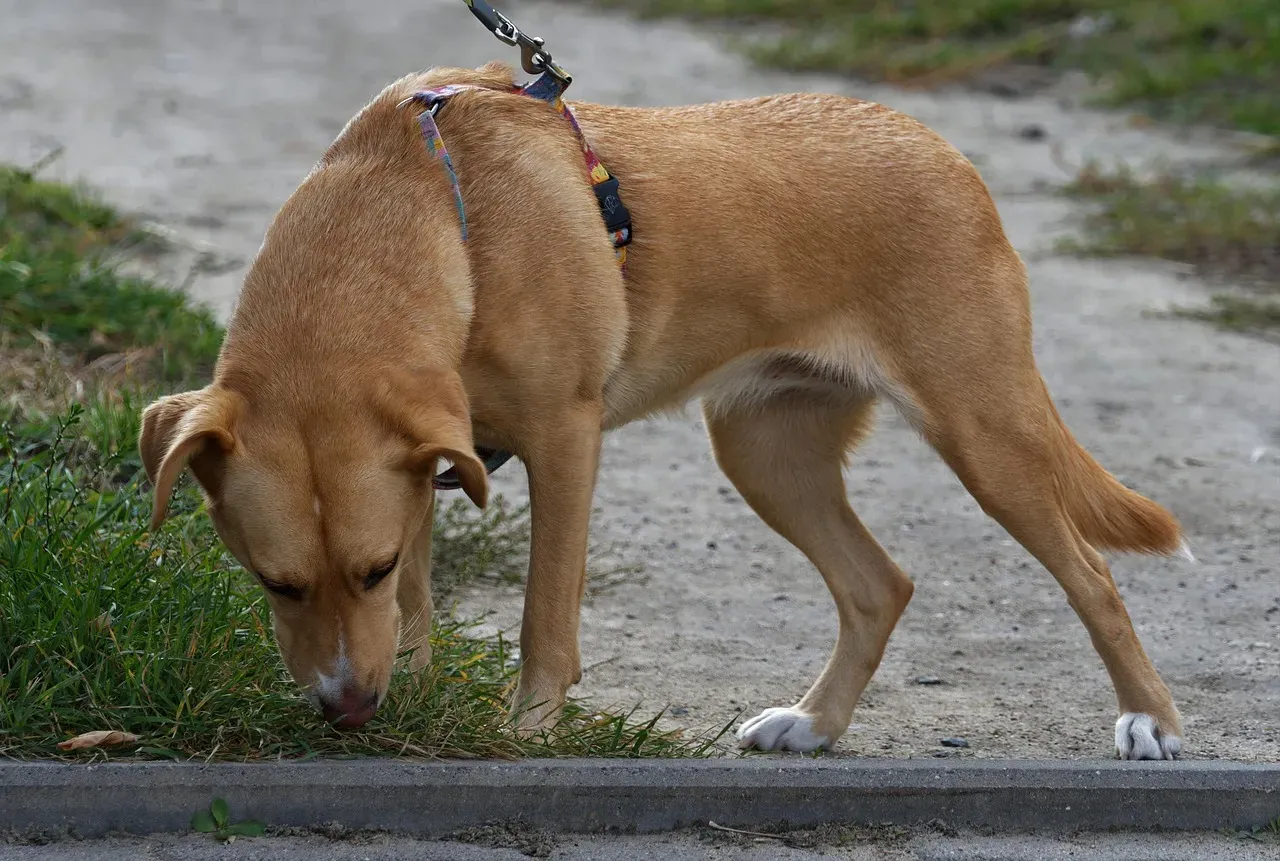
You think you’re keeping them “behaved.” They think you’re blocking their only safety tool. Sniffing isn’t your dog being rude in the lobby – it’s your dog reading the room. Those quick sniffs at the floor, the chair leg, the door frame answer real questions: Who’s been here? Are they scared? Is there blood or disinfectant nearby? Cutting that off with a sharp leash pop is like slapping a phone out of someone’s hand in a sketchy neighborhood.
Repeatedly correcting sniffing in a high-stress place doesn’t create good manners – it creates helplessness. Your dog is worried, and you’ve just denied them the one thing that could reassure them. Let them sniff on a short, slack leash and quietly reward when they finish on their own. You’ll often see their shoulders visibly drop afterward, as if they’ve checked the headlines and can finally exhale.
#5 – Ignoring the Whisper-Level Warning Signs
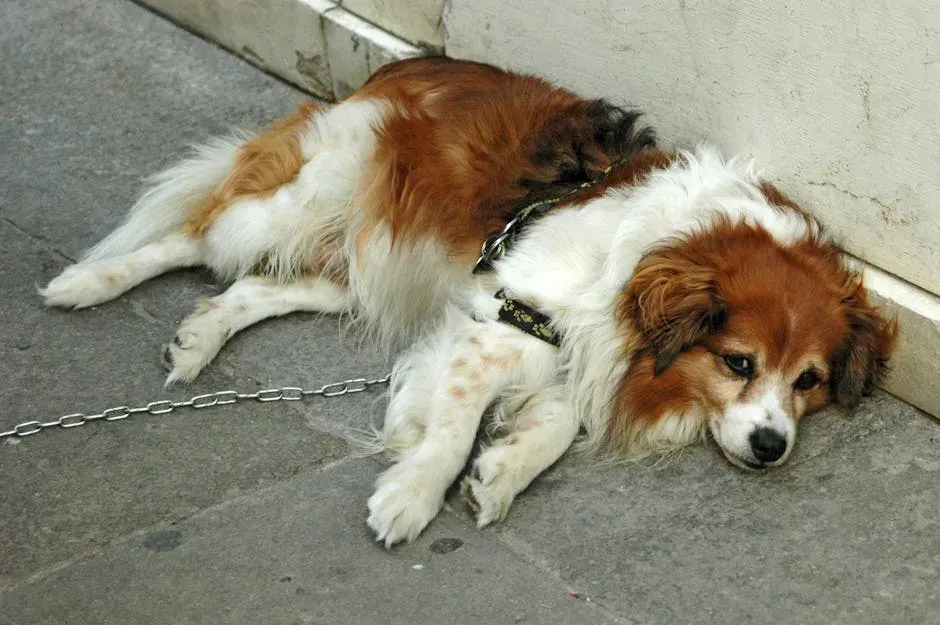
You think they’re “being dramatic.” Their body is quietly begging you to notice. Most owners only react once a dog is shaking, whining, or trying to bolt. But dogs send whisper-level warnings first: repeated yawns, lip licking, turning the head away, lifting a paw, refusing treats. When you scroll your phone while they plead through these tiny signals, they learn a harsh lesson – subtle communication doesn’t work, only full-blown panic does.
That lesson trains dogs to skip the mild stuff entirely and jump straight to meltdown next visit. Instead, treat those small signals as early alarms. See a string of lip licks? Shift farther from the door and start a calm treat game. Notice a tense, clamped mouth? Turn your body sideways and slow your breathing. Dogs who learn “my human responds to my first whisper” rarely feel the need to scream.
At a Glance: Stress Signals From Mild to Severe
- Out-of-context yawning or quick lip licks with no food nearby
- Turning the head or whole body away from a person or dog
- Stiff posture, pinned ears, or refusing treats they’d normally love
- Pacing, whining, or trying to hide behind your legs
- Growling, snapping, or attempting to bolt
#6 – Forcing Them to Greet Every Dog or Person
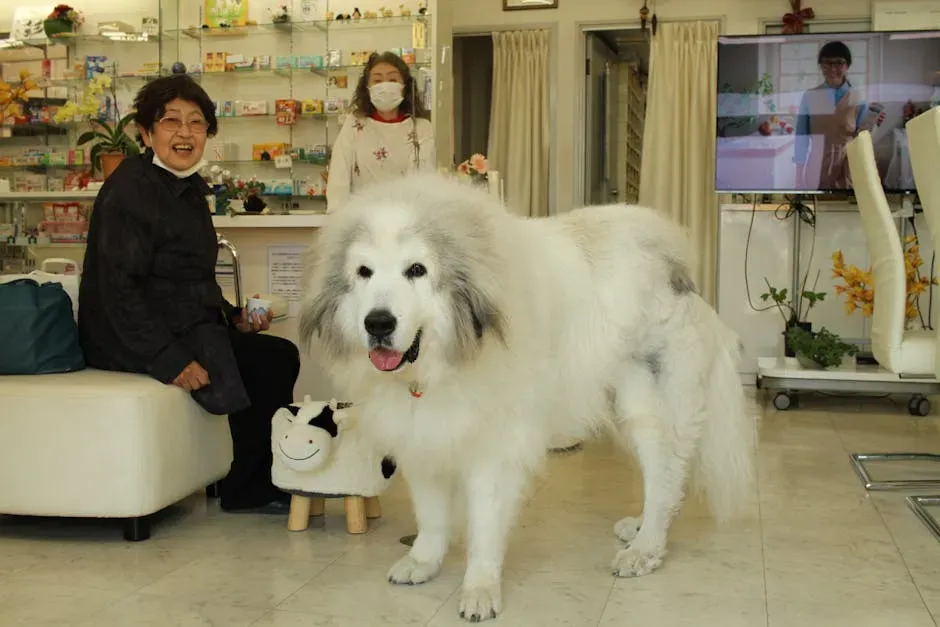
You think you’re “socializing” them. They think you’ve shoved them into a crowd with no exit. The waiting room isn’t a dog park – it’s full of animals who may be in pain, medicated, or terrified. Yet many owners drag their dog toward every wagging tail or friendly stranger, which for a nervous dog feels like being pulled into a hug from a stranger in a hospital hallway.
Even easygoing dogs can feel cornered on a short leash in tight quarters, and if another animal growls or snaps, your dog learns the vet lobby equals unpredictable danger. Socialization only works when it’s optional. Ask, “Do you want to say hi?” and watch the answer in their body – loose and leaning forward, or stiff and turning away. Honoring the “no thanks” teaches them you’re their security guard, not their social director.
#7 – Picking Them Up the Second They’re Unsure
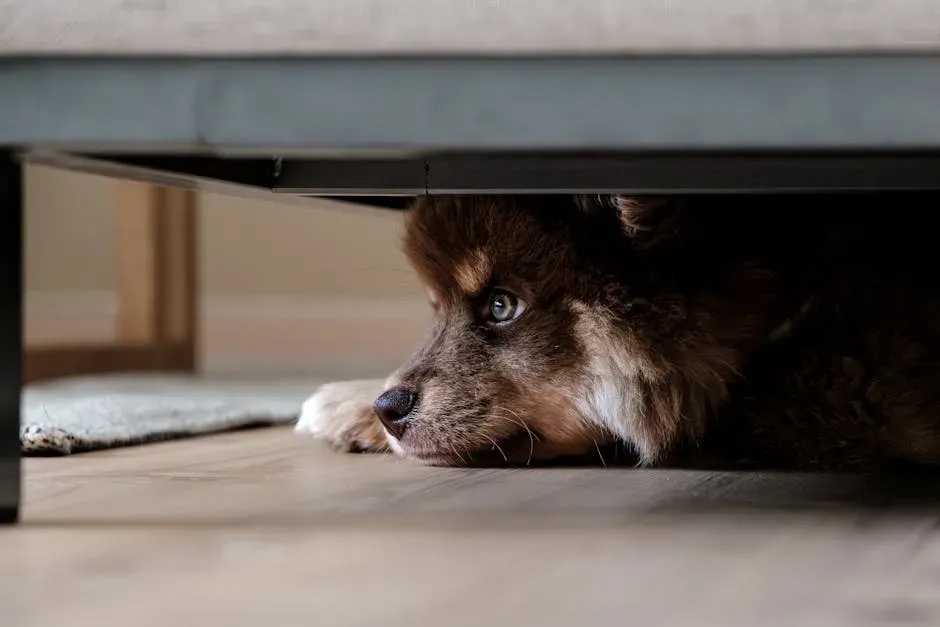
You think you’re comforting them. They feel trapped. Scooping a small dog up every time they stiffen sends a clear message: “You’re not safe down there.” Being held while stressed actually removes their main coping tool – the ability to create distance from what scares them. Now they’re stuck at eye level with strangers and other animals, unable to turn away.
Some dogs eventually start panicking the moment you reach down in a lobby, because they’ve learned it means bad things are coming. A better strategy is building safety on the ground: bring a mat, sit them beside your chair with your body as a shield, and reward them for choosing to lean into you rather than being lifted by force. Save picking up for genuine medical necessity, not every flicker of nerves.
#8 – Over-Comforting Every Whine or Paw Scratch
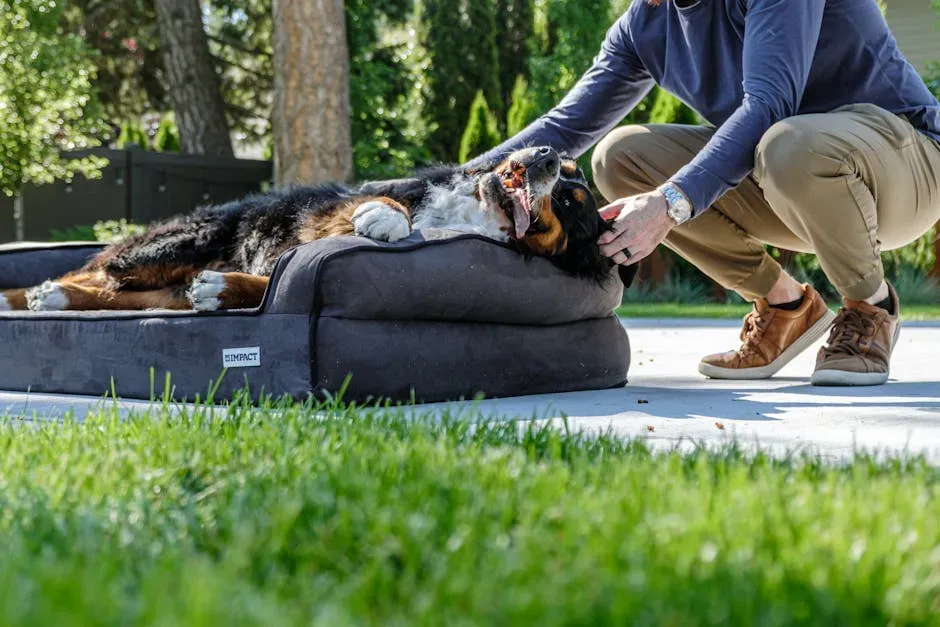
You think you’re being empathetic. They think panicking is the magic button for attention. This one sparks arguments among dog people, but behavior professionals see it constantly: the dog whines, the owner instantly pets, coos, and feeds. Repeated enough times, the dog learns that escalated distress equals a guaranteed jackpot. That doesn’t mean the fear is fake – but it does mean it’s getting amplified.
The goal isn’t to ignore anxiety, it’s to reward calm instead of the spiral. If every restless shift earns intense stroking and baby talk, plenty of dogs stay agitated because it “works.” Instead, quietly acknowledge them – a simple “I see you” – and save the best rewards for the micro-moments when they exhale, sit, or look away from the door. You’re not being cold; you’re giving their nervous system a reason to settle.
#9 – Arguing With Staff or Showing Visible Frustration
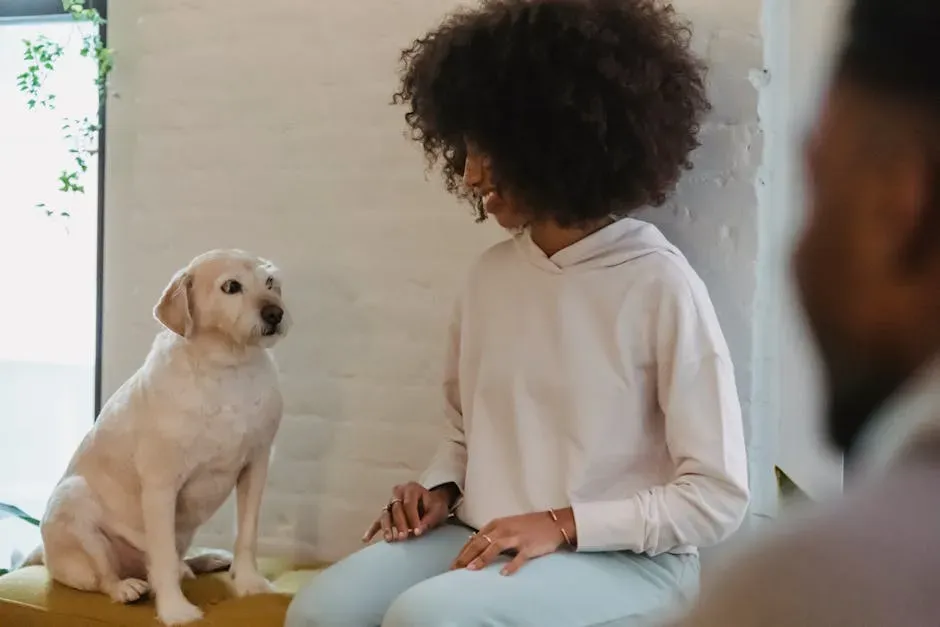
You think you’re just venting. Your dog thinks the whole room just turned hostile. Dogs are social eavesdroppers who read tone, posture, and facial tension far more than the actual words being said. When owners argue about wait times or bills, dogs watch their safest person get loud and sharp, and that alone can flip them from wary to fully alarmed.
Even eye-rolling, heavy sighs, and a clenched jaw cue your dog that something is very wrong. Calm advocacy is fine; visible rage is a problem. If you’re genuinely upset, step outside for a breath while someone else holds the leash, or ask calmly for an update instead. Your dog doesn’t know you’re mad about paperwork – they just know you’re angry in a place that already smells like fear.
#10 – Marching Straight to the Desk Without Letting Them Pause
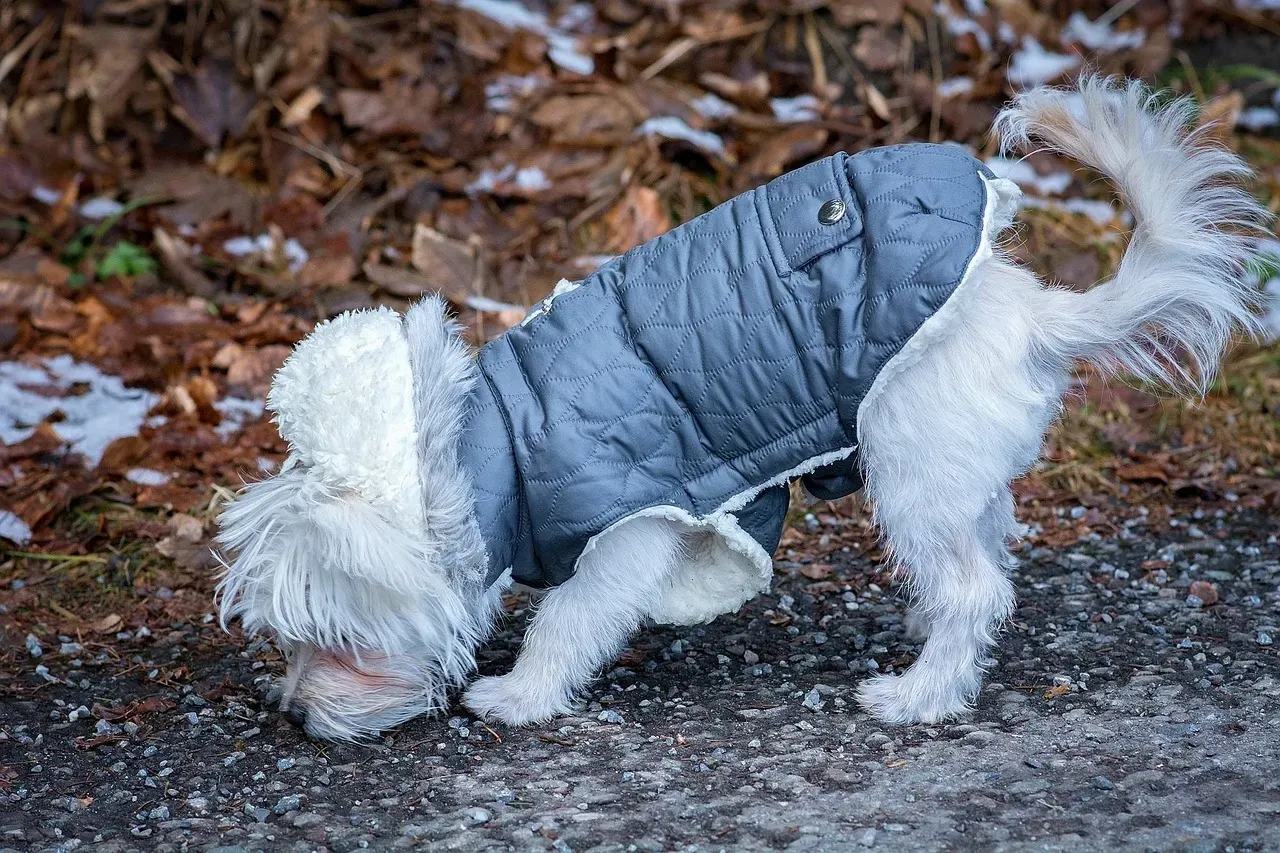
You think efficiency helps. They feel ambushed. Many owners stride in, head down, straight to reception, dragging their dog behind them like luggage – no sniff break, no pause, no chance to scan the room. That threshold moment, the door swinging open into a flood of new smells and sightlines, is enormous for a dog. Rushing it tells them, “You have no control here,” which primes them for resistance and reactivity later.
A tiny ritual can change everything. Step inside, stop two steps in, and let them sniff the floor and air for ten to twenty seconds before moving to the desk. That pause isn’t spoiling them – it’s letting their brain catch up. Dogs who get to orient first are far less likely to explode when someone suddenly appears in scrubs.
Quick Compare: Rushed Entry vs. Paused Entry
- Rushed: Straight to the desk, no sniff break, dog trails behind like luggage
- Paused: A ten-second sniff stop just inside the door before moving on
- Rushed result: Dog stays hyper-alert, scanning for threats the whole visit
- Paused result: Dog’s brain gets a moment to orient, lowering baseline stress
#11 – Scolding Growls or Warning Signals
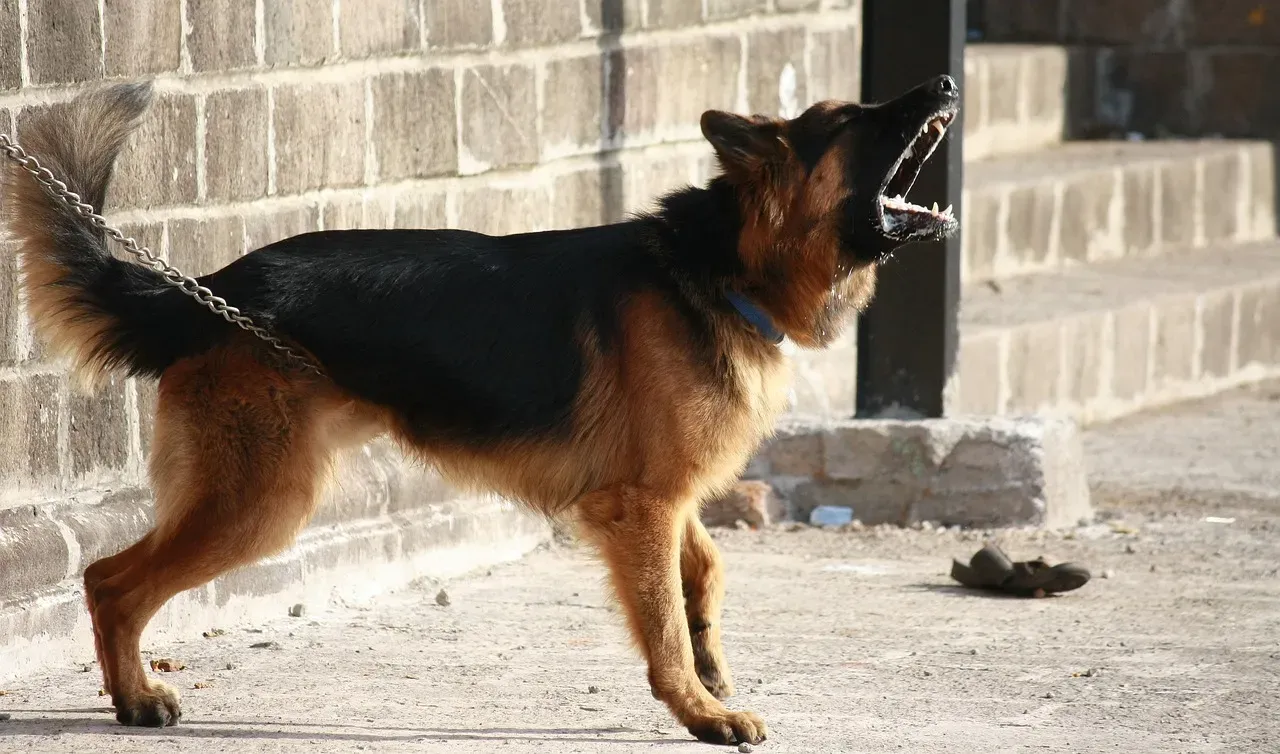
You think you’re correcting bad behavior. They think you just punished honest communication. Growling, low woofs, and hard stares aren’t misbehavior – they’re safety valves. When you snap “No!” or jerk the leash the moment your dog growls at a passing tech, you’ve told them, “Don’t warn me – skip straight to silent panic.” That’s exactly how owners accidentally raise dogs who go from fine to a sudden bite with no visible build-up.
A growl is information, not a rebellion – punishing it doesn’t remove the fear, it just removes the warning.
Common principle taught in modern dog behavior training
In a room packed with triggers, you want your dog to feel safe saying “too close” so you can adjust for them. If they growl, your first job is to add space, turn your body sideways, and block the view – then calmly reward the moment they settle. Scolding a warning doesn’t fix the fear; it just pushes it underground, where it’s far more dangerous.
#12 – Parking Right Next to the Busiest Spot in the Room
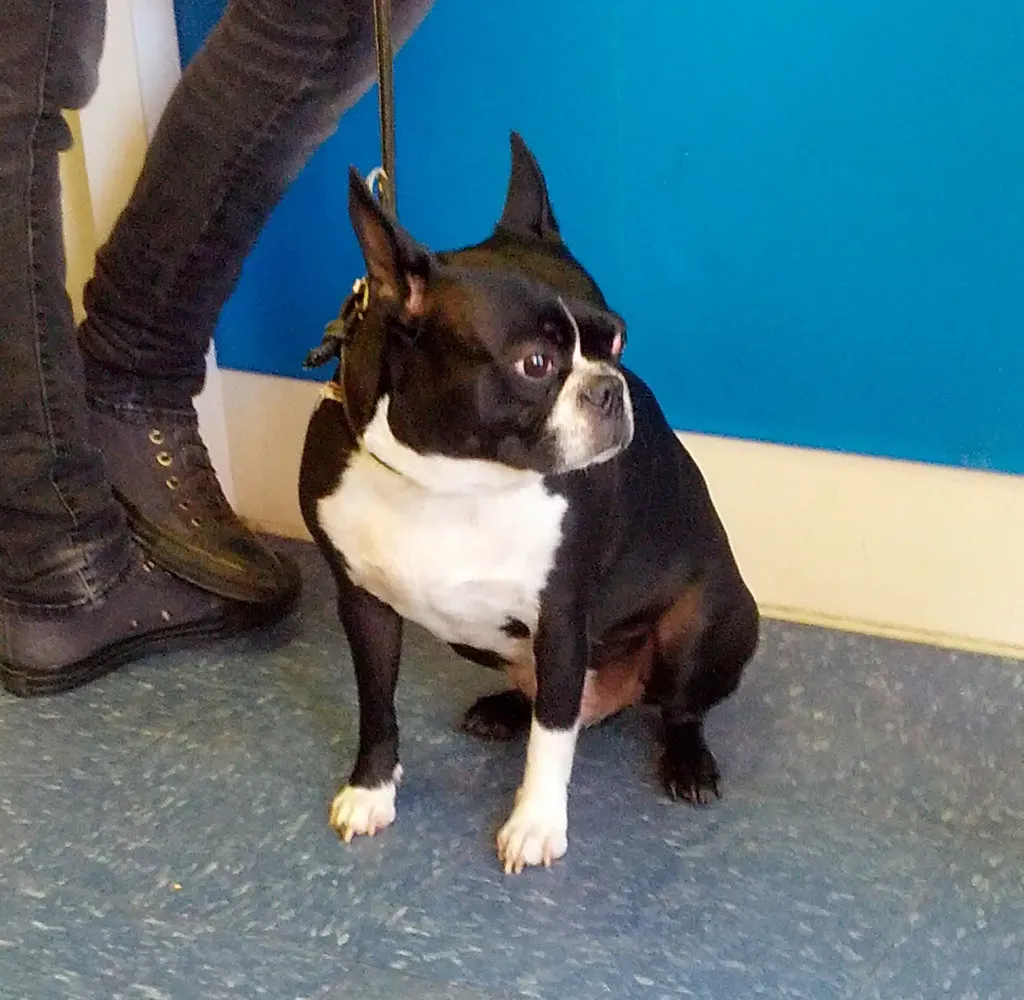
You think any chair will do. They see a war zone. Most people plop into the first empty seat, even if it’s facing the door, next to the scale, or five feet from a barking dog. To your dog, that’s the noisiest, least defensible corner available – constant door swings, strangers brushing past, techs hauling equipment. It’s sensory chaos dressed up as a waiting room.
A quieter corner, a bench with a wall behind it, or even a visual barrier like a magazine rack or your own legs can cut perceived threat dramatically. If your dog is already anxious, just ask the front desk if there’s a quieter area – many clinics will happily say yes. Choosing the worst possible seat and then wondering why your dog is vibrating with stress is a human mistake, not a dog flaw.
#13 – Overloading Them With Too Many Smells From Home

You think you’re bringing comfort. You might be layering confusion instead. Blankets, toys, even your own worn shirt can genuinely help some dogs. But dragging in a whole bed, three toys, and a chewed bone creates a strange clash – a deeply familiar object dropped into a deeply unfamiliar, high-stress place. For some dogs, that contrast actually gets sharper: “Why is my bedtime blanket here? Something must really be wrong.”
It gets messier if those items also carry the scent of other pets from home, layering “who else is here” confusion on top of vet smells. One simple, consistent comfort item – a single small mat or a favorite non-squeaky toy, used every visit – is usually enough. The key is consistency, not volume, so the waiting room doesn’t turn into a traveling circus of competing scents.
#14 – Letting the Leash Turn Into a Tangled Trap
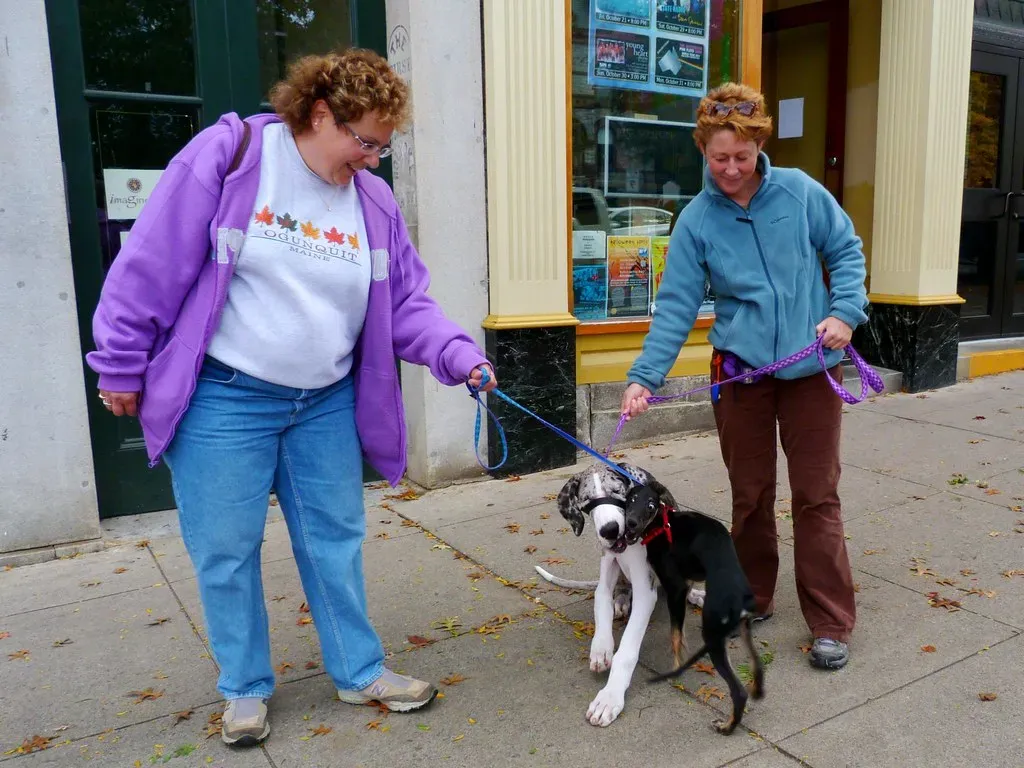
You think it’s harmless fidgeting. They feel physically trapped and primed to explode. Nervous owners unconsciously wrap the leash around their hand, loop it under the chair leg, or let it snake around their dog’s paws. The dog shifts, hits tension from multiple directions, and suddenly feels tethered inside a web. In a fearful brain, physical restriction equals “I can’t escape if something happens,” which amplifies every sound and sight nearby.
A clean leash picture – six feet of length, one or two loose loops in a relaxed hand, no furniture traps – changes how free your dog actually feels, even in a tiny space. If you know you fidget when anxious, try a hands-free leash clipped around your waist and simply rest your hand near the clip. The more escape routes your dog senses, the less likely they are to preemptively react.
#15 – Wearing Strong Perfume or Fresh Hand Sanitizer
You think you’re being polite. Your dog is drowning. Dogs live in a scent-first world, and a heavy cloud of perfume, cologne, or fresh hand sanitizer can be overwhelming – even painful – to a nose already saturated with iodine, alcohol wipes, and the pheromones of every nervous animal that’s passed through. Some dogs sneeze, paw at their face, or turn away frantically, and owners often misread it as bad behavior.
This doesn’t mean showing up unwashed. It means skipping the last-minute body spray in the car or the strong essential oils right before the appointment. If you do use sanitizer in the lobby, let your hands air out before touching their face. Comfort doesn’t feel like comfort when it arrives as a stinging chemical cloud to a nose ten thousand times more sensitive than yours.
#16 – Saving the Big Treats for Full-Blown Panic
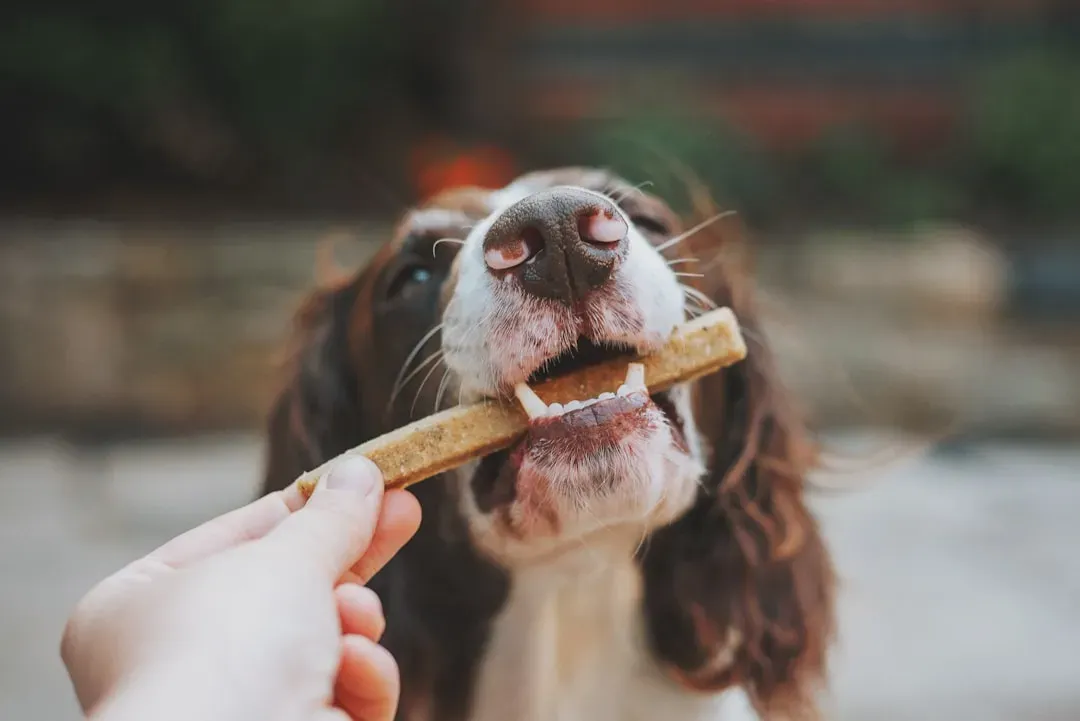
You think you’re rewarding bravery. You might be accidentally paying the fear. Treats can be powerful at the vet, if the timing is right. The common mistake is ignoring the dog while they’re relatively calm, then whipping out the high-value snacks only once they’re shaking or barking. Over time, some dogs learn a simple pattern: maximum freak-out equals maximum payoff. They’re not faking it – they’re just noticing what actually gets rewarded.
The smarter approach is front-loading: start a slow trickle of tiny treats the moment you walk in, as long as your dog is under threshold – sniffing, sitting, glancing around calmly. Dial it back if they escalate, focus on distance instead, and reopen the snack bar the moment they offer even a small sigh or softer gaze. You’re teaching their brain that regulation, not hysteria, is what makes the good stuff happen.
Fast Facts: Treat Timing That Actually Works
- Start rewarding the instant you walk in the door, not after the meltdown
- Pea-sized treats keep a steady trickle going without overfeeding
- Pause treats the moment your dog escalates, and add distance instead
- Resume the second they offer a sigh, a soft glance, or a relaxed sit
#17 – Scrolling Your Phone and Checking Out Emotionally

You think you’re just passing the time. They think their anchor has vanished. Dogs don’t understand doomscrolling as a coping mechanism – they just see their safest person go glassy-eyed, head down, posture collapsed into a glowing rectangle. To a nervous dog, that emotional absence is enormous, because their one safe person is mentally gone while the door swings and strange animals shuffle past.
You don’t need to hover, but staying present – body oriented toward them, occasional soft eye contact, a calm word here and there like “Door,” “Sit,” or “Good” – tells them, “I’m with you in this.” If you must fill out forms on your phone, do it in short bursts, then put it away and reconnect. That small return says, “I came back. You’re not facing this alone.”
#18 – Arriving Late and Rushing In
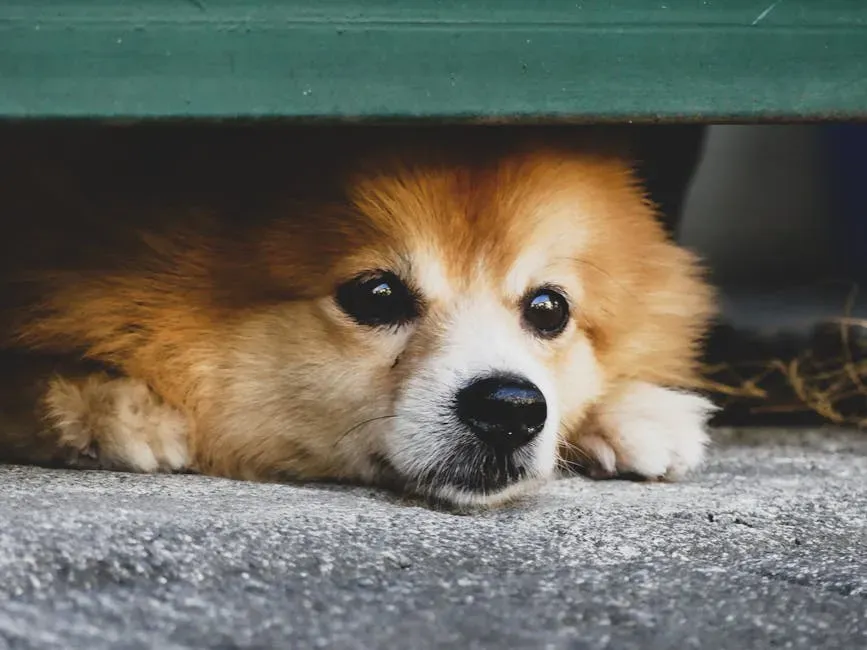
You think you’re just in a hurry. They feel thrown straight into chaos. Sprinting into the clinic, apologizing to the desk, fumbling for your wallet – that frantic energy is contagious. Your heart rate spikes, your movements get jerky, your voice clips short, and dogs are experts at reading arousal states. They rarely separate your stress from the environment’s stress; they simply conclude, “My human is frantic here, so I should be on high alert too.”
Being ten minutes early isn’t just polite to staff – it’s a gift to your dog’s nervous system. Walk a slow loop outside, let them sniff the bushes, and enter calmly instead of storming in. That small window of decompression before the door even opens often matters more than anything that happens inside.
#19 – Reaching for Harsh Gear “Because They Only Pull Here”
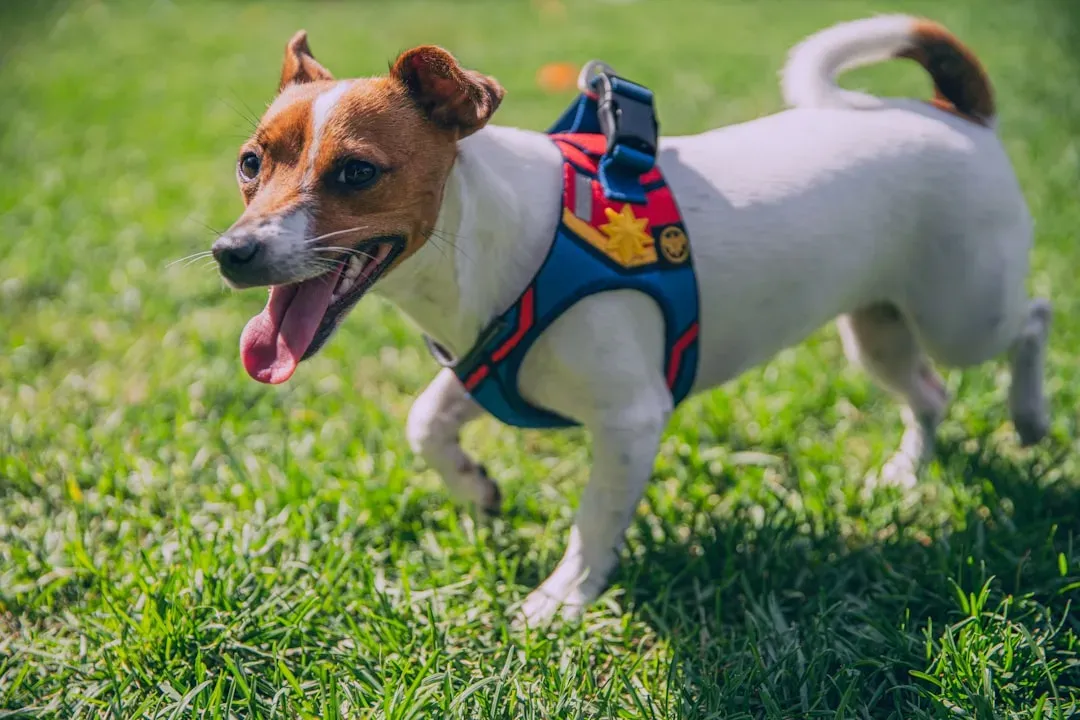
You think you need stronger tools. They think this building hurts. Many owners break out the “special” gear for vet visits – prong collars, tight head halters never properly introduced, or back-clip harnesses cinched to the last hole – justified with “He only pulls here.” From the dog’s perspective, this one building becomes the place where movement itself equals pain, right when they’re already terrified by unfamiliar smells and animals.
That pairing is brutal: fear plus physical discomfort every time they lunge or even shift their weight. No wonder some dogs start planting their feet in the parking lot before you even reach the door. If training equipment is necessary, it should be well-fitted, introduced gradually at home, and never used as the only way to drag a panicked dog through the entrance. The tool isn’t the villain – the timing and the association usually are.
Worth Knowing: Gear Red Flags to Watch For
- Any collar or harness only used on “hard” days, never practiced at home first
- Equipment cinched tighter than normal just to stop pulling in the moment
- Gear introduced for the very first time inside the clinic itself
- A dog who starts resisting before you even reach the front door
#20 – Pretending You’re Not Nervous

You think you’re hiding it well. Your dog already knows. Owners love to say, “He just knows when it’s a vet day,” without realizing why – because they act different. You grip the leash tighter at home, skip the usual play, speak less, or simply smell different from a stress response. Dogs have lived alongside humans for thousands of years; they are professionals at catching our micro-shifts.
When you fake “everything’s fine” while your whole body is screaming dread, dogs get a scrambled, even scarier message. You don’t need to be a Zen master, but honest regulation helps – slow breaths, a simple spoken “I’m a bit nervous too, but we can handle this,” and the same calming routine every visit. Authentic, imperfect calm beats forced cheer every single time.
#21 – Leaving Them Alone in the Waiting Room
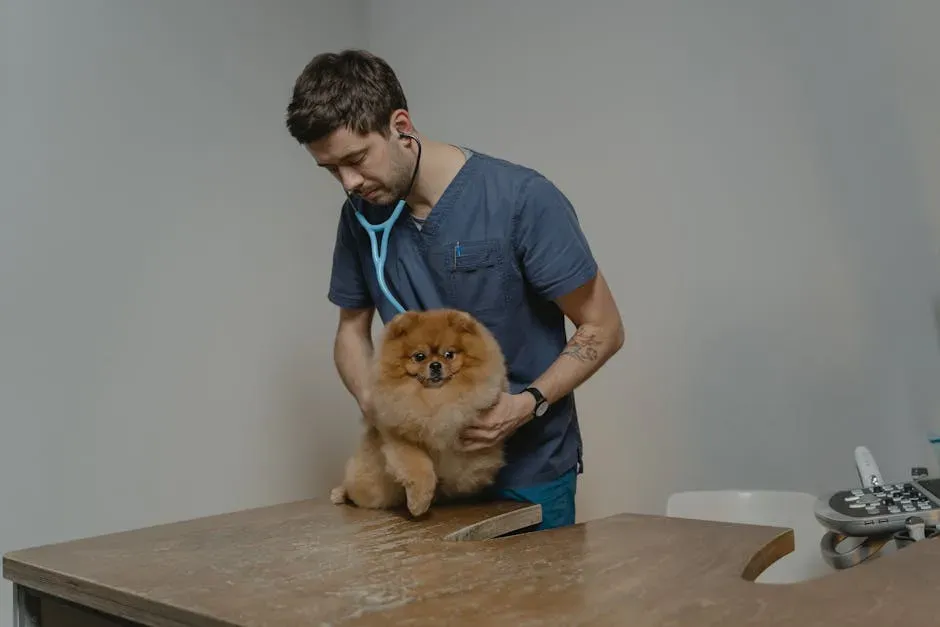
You think, “I’ll just run to the car for one minute.” They think they’ve been abandoned in the scariest place they know. This is the big one, and yes, people genuinely do it – tying the leash to a chair or leaving the dog with a total stranger while they step outside. For a fearful dog, that single act can permanently brand the vet clinic as the place where their person actually disappears when they need them most.
Even confident dogs can spiral when the one familiar anchor vanishes into a sea of strange sounds and species. Emergencies happen, but plan as though you’ll never need to leave – bring everything from the car before you go in. If you absolutely must step away, ask staff if your dog can come with you or wait with a trained tech instead. The waiting room isn’t doggy daycare; it’s a high-stress zone where your presence is the only thing holding their world together.
The Bottom Line
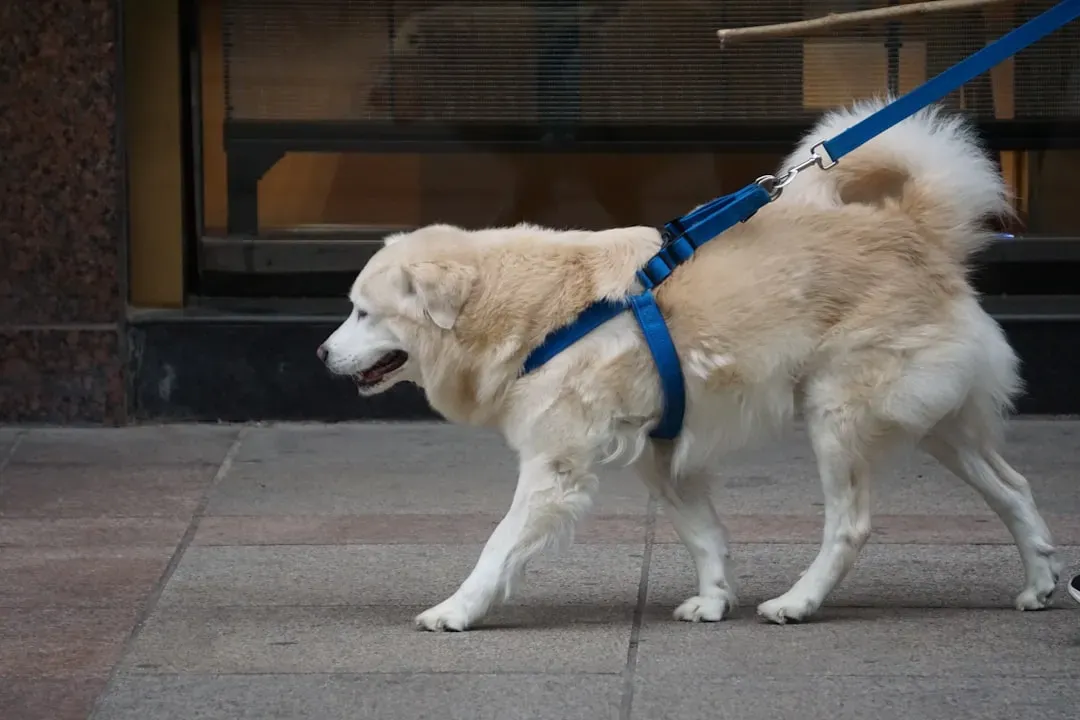
Here’s the uncomfortable truth: in a vet waiting room, it’s rarely the other dogs or the clinic itself that your dog reads as the biggest warning sign. It’s you. The tight leash, the frantic voice, the rushed entrance, the sudden emotional checkout – these are the exact signals that tell your dog whether to brace for disaster or breathe through it.
Most owners genuinely love their dogs, but our instincts around fear are often backwards. The good news is that none of this requires perfection – a looser leash, a calmer tone, an earlier arrival, and a little respect for their space can flip the entire script from “danger zone” to “hard but doable.” You don’t have to be a professional trainer. You just have to stop accidentally shouting “warning” with your body language. Which one on this list hit closest to home for you?