
11 Reads a Physio Reads in a Dog Long Before It Reaches the Treatment Table
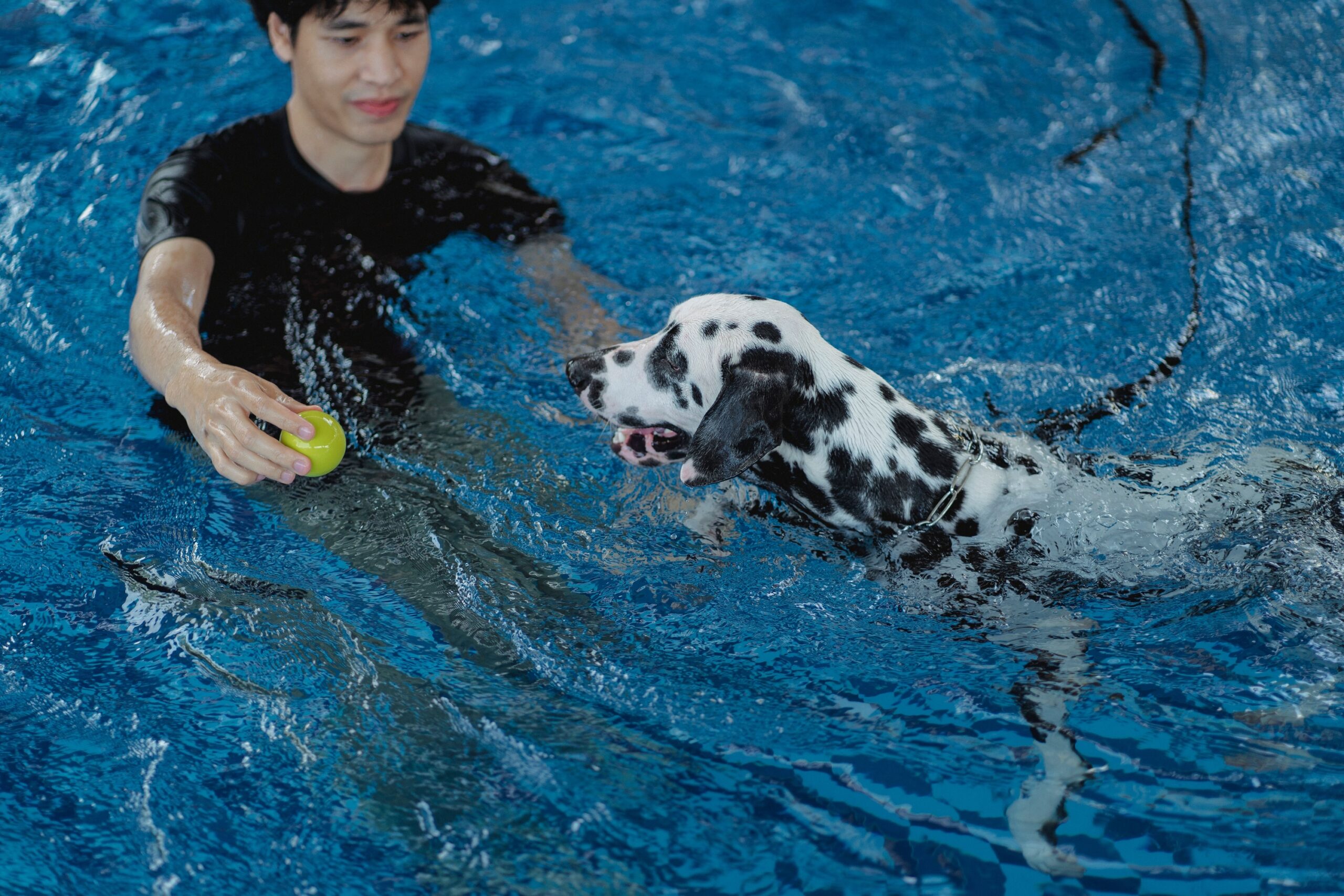
You booked the appointment because your dog seemed “a little off.” You expect the physio to spend the session pressing on joints, bending legs, hunting for the sore spot. But by the time hands actually touch fur, the real work is already done.
A skilled canine physio has been reading your dog since the car door opened, and most of what they’ve clocked has nothing to do with a limp. It’s in the wag, the stance, the way your dog glances at its own hip. Here’s everything they see before you’ve even said a word.
#1 – The Way the Dog Jumps Out of the Car
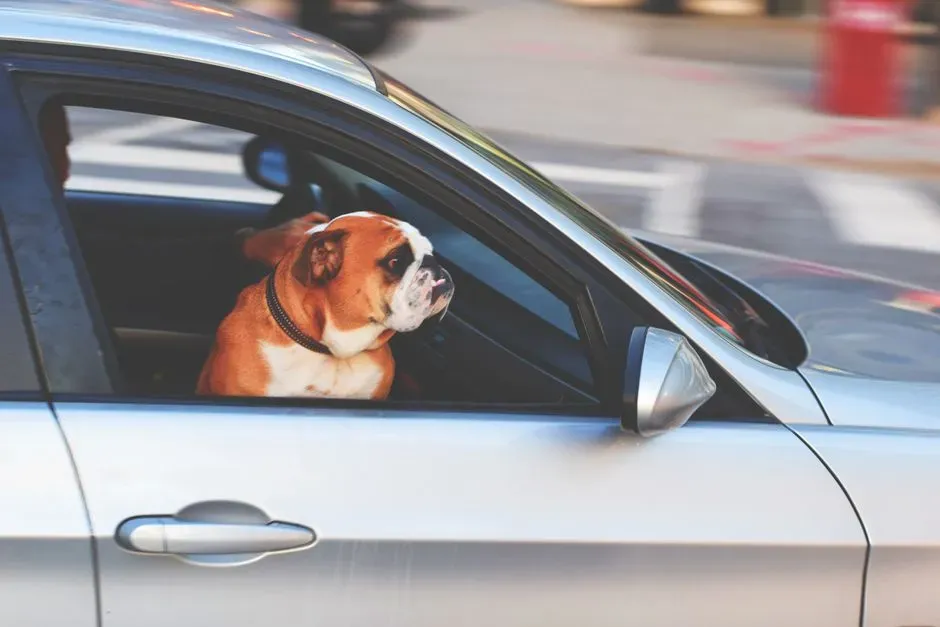
The first giveaway isn’t on the table, it’s at the trunk door. A physio watches how your dog exits the car like a slow-motion replay. Do they launch out confidently, or “pour” themselves down with stiff, careful steps? Do they hesitate, test the ground, or immediately favor one side?
That split second often says more than a fifteen-minute explanation of “he’s been a bit off lately.” A dog that rotates its body to keep weight off a hind leg, or drags itself out front-end first, is flashing a neon sign for back, hip, or stifle discomfort.
They also notice how your dog prepares to jump. Dogs who used to leap now pause, scan the distance, then slide out sideways. Others plant their front paws and “climb” instead of springing.
These aren’t quirks, they’re load-sharing strategies that quietly became habits. If the car exit looks cautious, the rest of the session rarely turns out “normal.”
#2 – The First Five Steps on the Ground
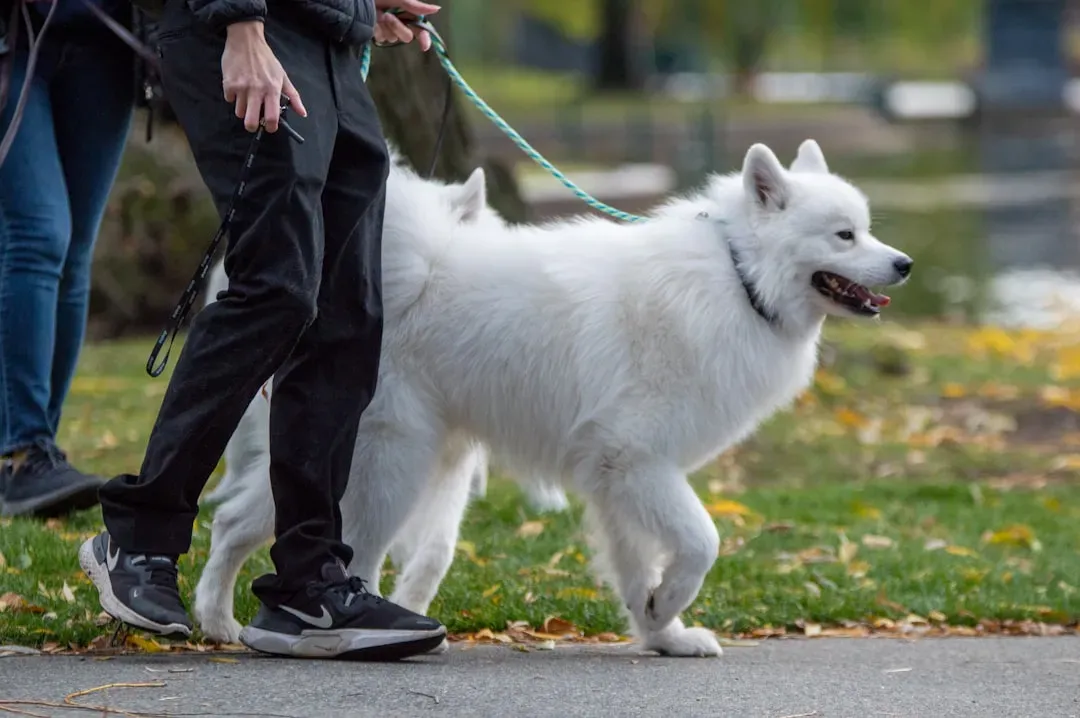
Most owners start talking the second the dog hits the pavement. Physios go quiet instead. The first five to ten steps are gold, because that’s when the dog’s autopilot kicks in, before it has time to “perform” or mask anything.
A slight head bob, a shorter stride behind, a tiny hip sway, these reveal compensations you’d never catch with the dog standing still. Front-leg pain often shows up as a head lift when that limb lands. Hind-limb pain can look like a bouncing rear end, a bunny hop, or a tail that swings harder to one side.
Therapists watch tempo and track too. A dog that weaves or walks a narrow “tightrope” line may be protecting its back. One that slaps its feet down loudly, or tiptoes instead of rolling through the paw, is telling on sore joints or nerve sensitivity.
Fast Facts
- Head bob on landing: usually points to a front-leg issue
- Bunny hop behind: often signals hip or lower back discomfort
- Tight, narrow track: a possible sign of spinal guarding
- Loud foot-slap or tiptoeing: hints at joint or nerve sensitivity
If those first five steps are guarded or oddly careful, a good physio already has a shortlist of suspects before you’ve even reached the front desk.
#3 – Posture While Standing “Doing Nothing”
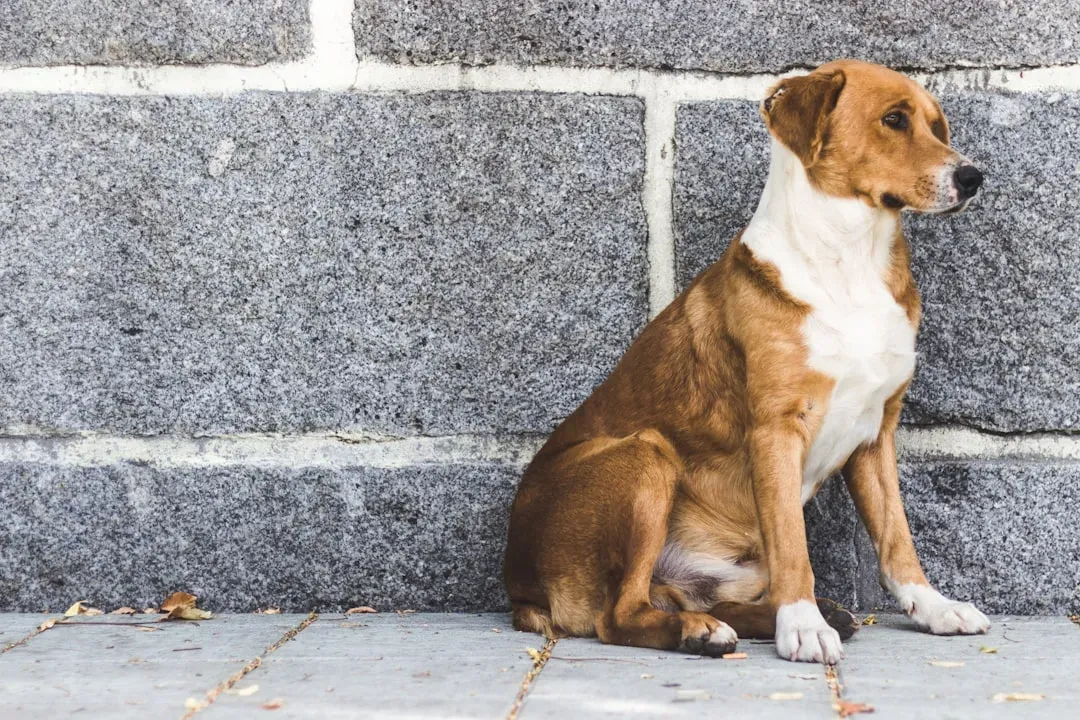
Ask most people what they see when a dog just stands there, and they’ll say “he’s just standing.” A physio sees a posture report card. Is the dog parked square, or is one leg always slightly forward? Do the hocks sink, the elbows flare, the back curve like a hammock?
A dog that never stands square is almost never pain-free. It’s shifting weight to protect somewhere, even if that somewhere hasn’t caused a limp yet.
Two details scream for attention: the head and the core. A low, stretched-forward neck may mean the dog is offloading its shoulders. A tight belly and rigid back can mean it’s guarding spinal pain or rib restriction. Even outward-rotated paws or a subtle lean against the owner’s leg hint at something underneath.
While the owner is proudly explaining training titles or funny habits, the physio is quietly mapping a 3D pain pattern from posture alone. If standing looks like work instead of rest, treatment planning starts before the dog ever lies down.
#4 – Tail Carriage and “Baseline” Wag
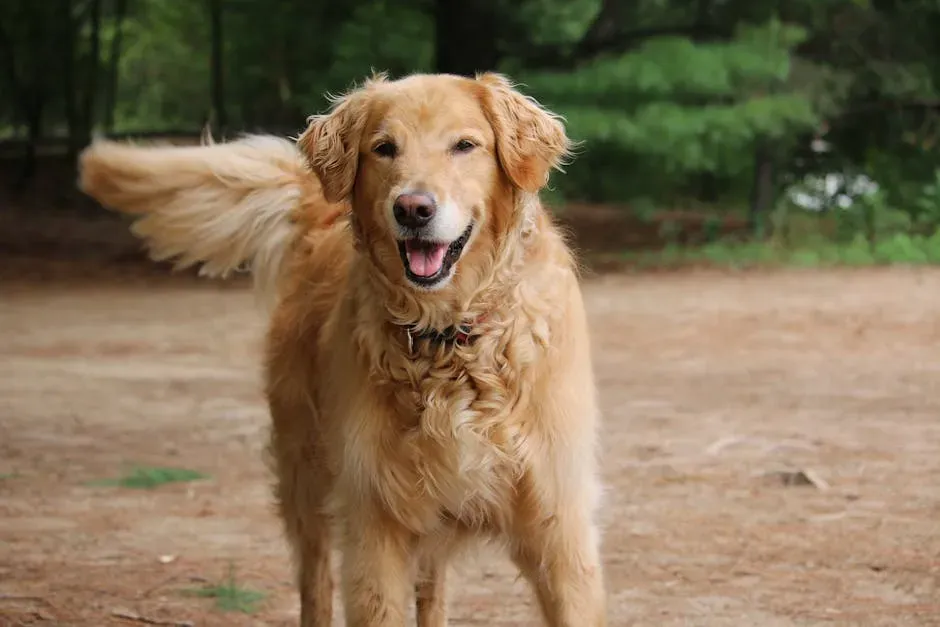
Most people see a wag and assume happy dog, all good. Physios are more skeptical, in a useful way. The tail is a live feed from the spine, pelvis, and emotional state, all running at once. A dog that used to carry its tail high but now keeps it at half-mast isn’t just “calmer with age.”
Changes in tail height, stiffness, and swing arc are early flags for lower back, sacroiliac, or hip trouble. Physios notice whether the wag is whole-body or isolated. A big, loose sweep tells one story. A fast, tight vibration at just the tip tells another, often a dog wagging from the mid-tail out while keeping the base rigid to avoid pain.
Some dogs even corkscrew the tail to one preferred side to dodge painful ranges of motion entirely. And the classic “tucked tail” isn’t always nerves, it can signal pelvic pain or discomfort sitting.
The body doesn’t lie, even when the dog is trying its best to hide it.
Common veterinary rehabilitation principle
#5 – Eye Expression and Micro-Reactions to the Environment
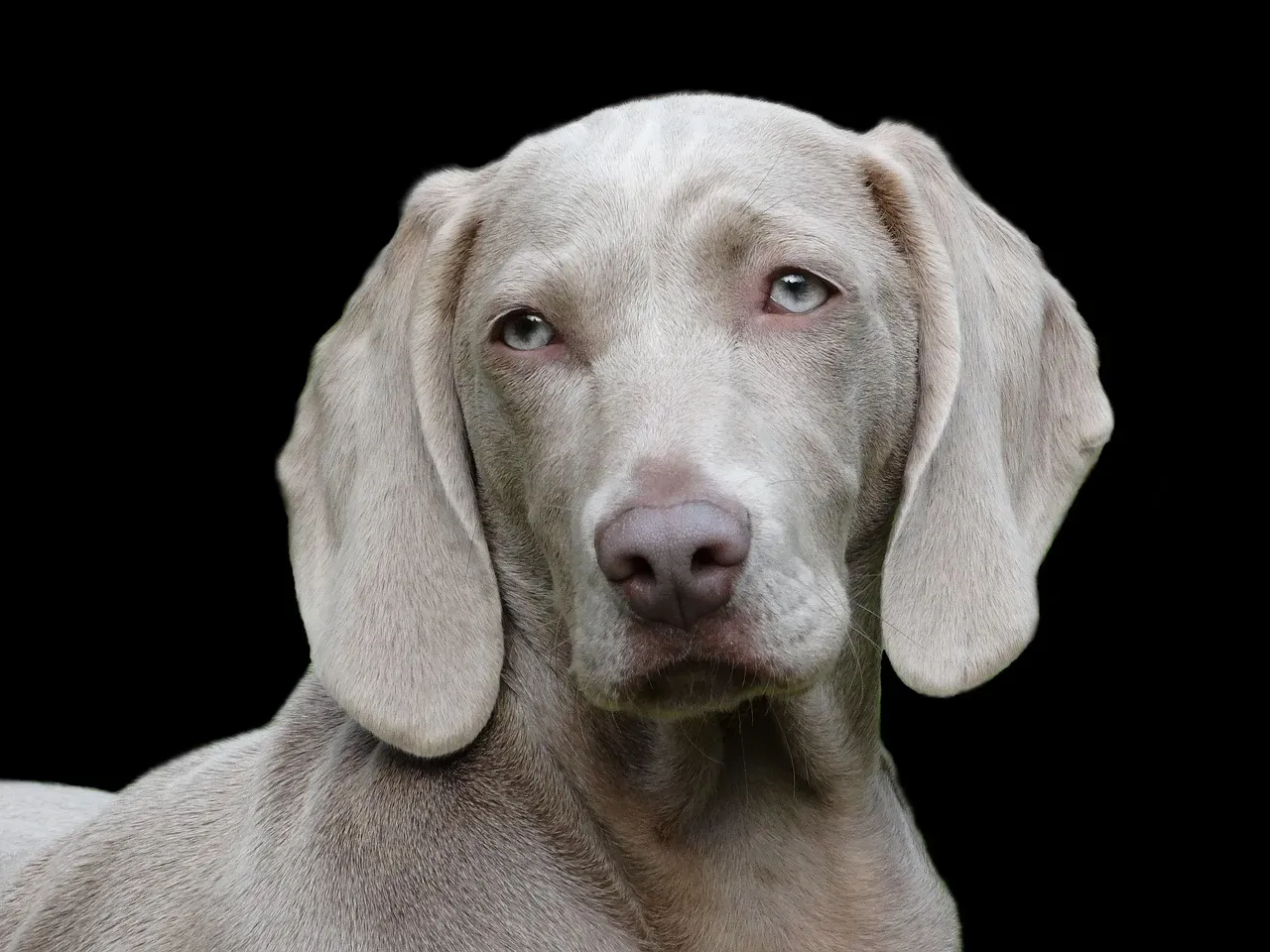
You can’t palpate a muscle from across the parking lot, but you can absolutely read a dog’s eyes. A seasoned physio notices how a dog scans the space, how quickly the pupils dilate, whether the eyes look soft, wide, or hard.
A dog that keeps glancing back at its own hip, flank, or a particular leg is literally telling you where it hurts. Owners usually miss this and assume the dog is just distracted.
Subtle blink patterns matter too. Some dogs blink rapidly or look away the moment something approaches a sore area. Others freeze their gaze entirely, bracing for expected discomfort. Add in ear position and facial tension, tight lips, a wrinkled brow, a clenched jaw, and the physio has a real-time gauge of pain and coping before a single hand makes contact.
If a dog’s eyes shift from curious to guarded the moment you move toward one side, that side is already under suspicion.
#6 – How the Dog Greets (or Avoids) People and Other Dogs
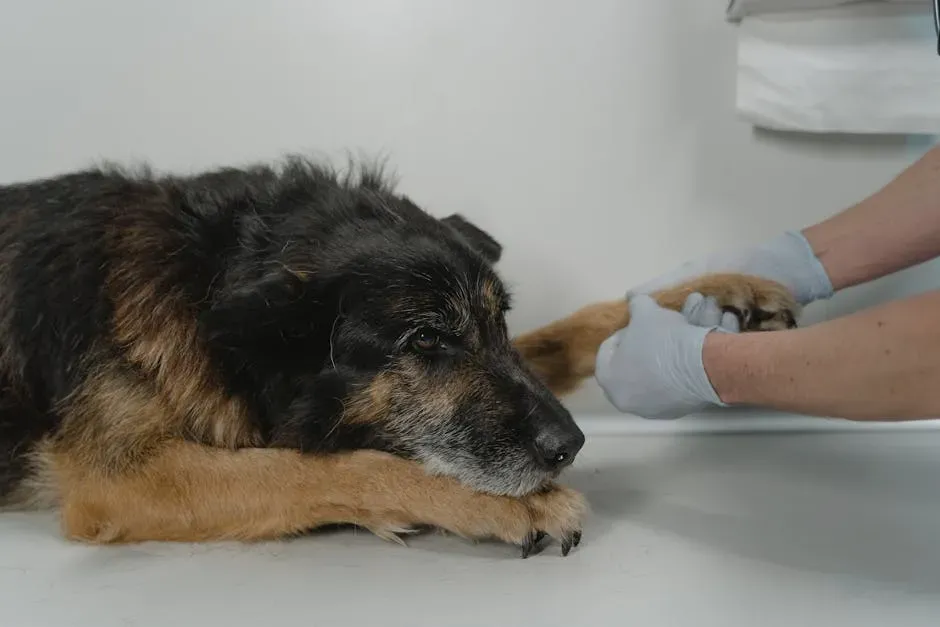
Owners love to brag, “he loves everyone,” or apologize, “she’s just a bit grumpy with strangers.” A physio hears something else entirely: what does this body allow her to tolerate? Dogs in chronic discomfort often shift their social behavior long before they ever limp.
The suddenly antisocial dog is very often the quietly painful dog. A previously friendly dog that now ducks away from hands over the back or hips isn’t becoming moody, it may simply be avoiding touch that’s started to hurt. Some dogs swing the opposite way, becoming clingier, leaning into people or wedging between legs to offload weight.
Worth Knowing
- Sudden aloofness can signal touch aversion rather than a mood change
- Increased clinginess may be a way to offload weight onto a person
- An incomplete play bow often points to front-end pain
- Snapping when hips are touched is usually a boundary, not aggression
Even the play bow gets evaluated. A dog that offers play but never fully drops its chest, or keeps its elbows off the ground, is flagging a front-end issue. One that avoids roughhousing or snaps when its hips are bumped isn’t being “snappy,” it’s setting a boundary around a sore spot.
Behavior changes that look like personality shifts are often orthopedic stories hiding in plain sight, and the physio is reading every chapter before you even check in.
#7 – The Dog’s Default Speed and “Effort Vibe”
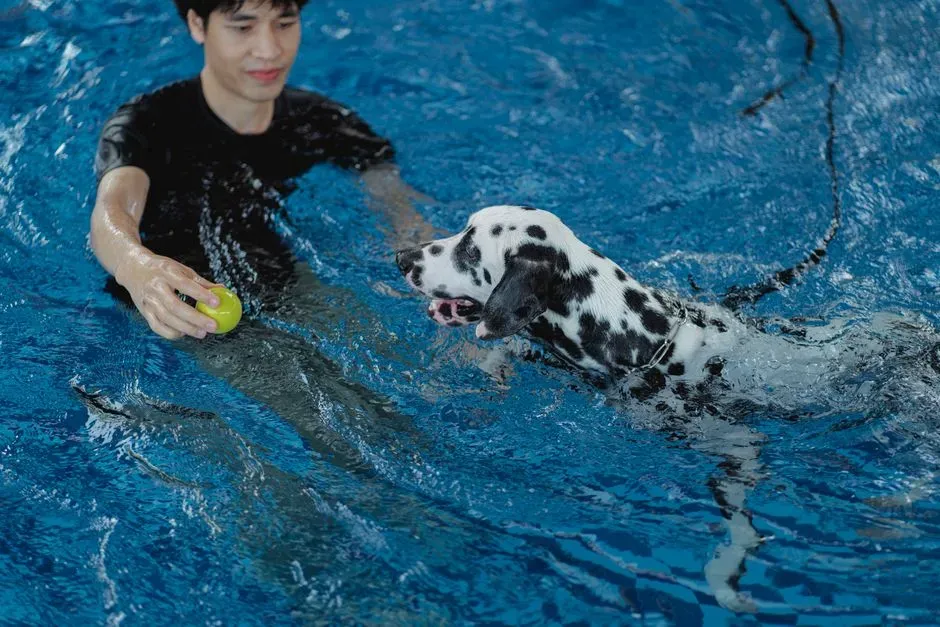
Ask an owner if their dog is slow or fast and you’ll hear “oh, he’s just chilled” or “she’s just high-drive.” A physio doesn’t take that at face value. They’re watching how much effort it visibly takes for that dog to get from point A to point B.
When a dog’s natural speed drops over weeks or months, with no obvious training or age explanation, pain is often the quiet culprit. Some dogs who used to power-walk everywhere now trail behind, yawning at the end of the lead. Others rush ahead in bursts instead of sustained motion, working around fatigue or joint irritation without slowing down long enough to show it.
Then there’s the opposite pattern: dogs who move too fast because slowing down exposes instability. They trot rather than walk because the trot pattern feels more secure for a sore back or hips.
A good physio filters all of this through age and breed, a retired greyhound’s “slow” isn’t a bulldog’s “slow.” The real question is whether the speed matches the dog’s story. If it doesn’t, the physio is already planning what to test hands-on.
#8 – Transitions: Sit, Lie Down, and Turning Around
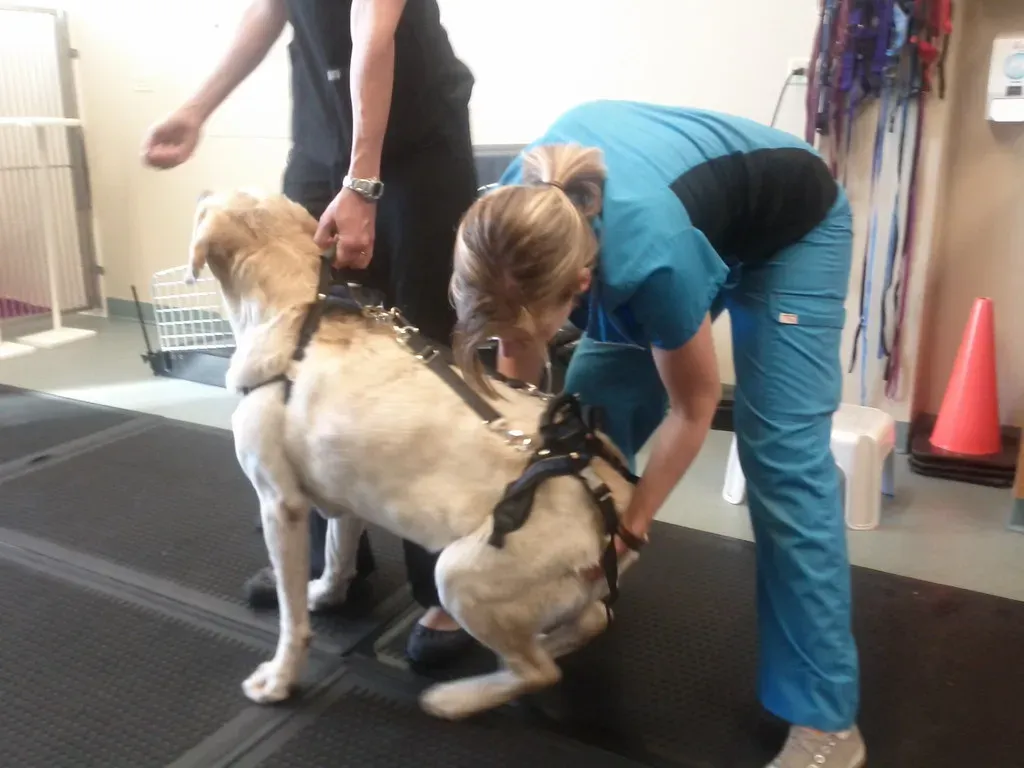
Most owners only notice the end result: “he can still sit,” “she still lies down.” Physios obsess over the getting there. A normal sit is smooth. A painful sit is a messy negotiation, a leg swung out, a heavy plop, a hover halfway before committing.
Two transitions carry the most information: stand to sit, and stand to down and back up again. A dog that takes forever to sit, shifts weight side to side, or consistently tucks one leg under is avoiding flexion somewhere, often knees, hips, or the lower spine.
Getting up is just as revealing. A dog that drags itself up using its front legs is protecting its back. One that pushes hard off one side may be compromised on the opposite limb. Turning in tight spaces matters too, dogs with spinal or stifle issues tend to avoid tight circles in favor of wide, careful arcs.
By the time a dog has performed three transitions in the waiting area, an experienced physio already has a mental list of joints that need closer manual assessment.
#9 – Coat, Muscle Tone, and How the Dog “Fills” Its Frame
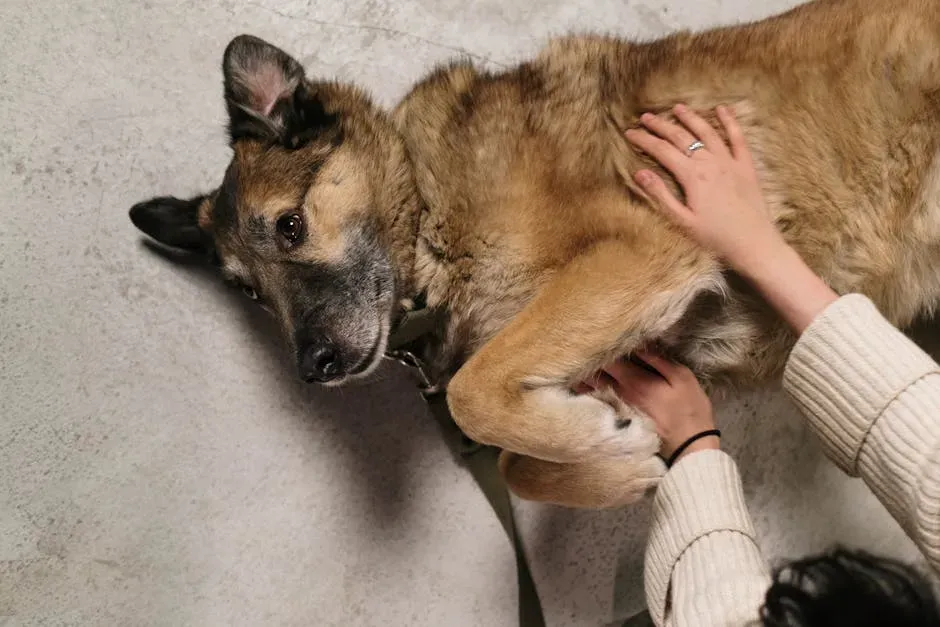
A dog’s body is a topographic map, and the coat, the muscle, even how the harness sits all carry clues. Physios scan for asymmetric muscle bulk, one thigh more defined than the other, a shoulder that looks flatter, a dip near the hip.
When one side of the body looks subtly deflated compared to the other, that’s long-term offloading in action. You don’t lose muscle in a week. It’s compensation that’s been quietly brewing for months, sometimes longer than the owner has noticed anything wrong at all.
Quick Compare
- Even muscle tone: generally a sign of balanced movement
- One thigh smaller: often chronic hind-limb offloading
- Flatter shoulder on one side: may point to front-end compensation
- Harness twisting one way: can reveal a persistent postural lean
The coat tells its own story. Dogs often over-groom or chronically lick sore areas, leaving saliva-stained fur or bald patches. Areas too painful to fuss with can look unkempt by comparison. Even a harness that always twists to one side can reveal a persistent lean or rotational bias.
By the time the dog reaches the treatment room door, a skilled physio has already sketched which muscles are overworking, which are slacking, and which joints are the likely culprits.
#10 – Breathing Pattern, Panting, and Vocalization
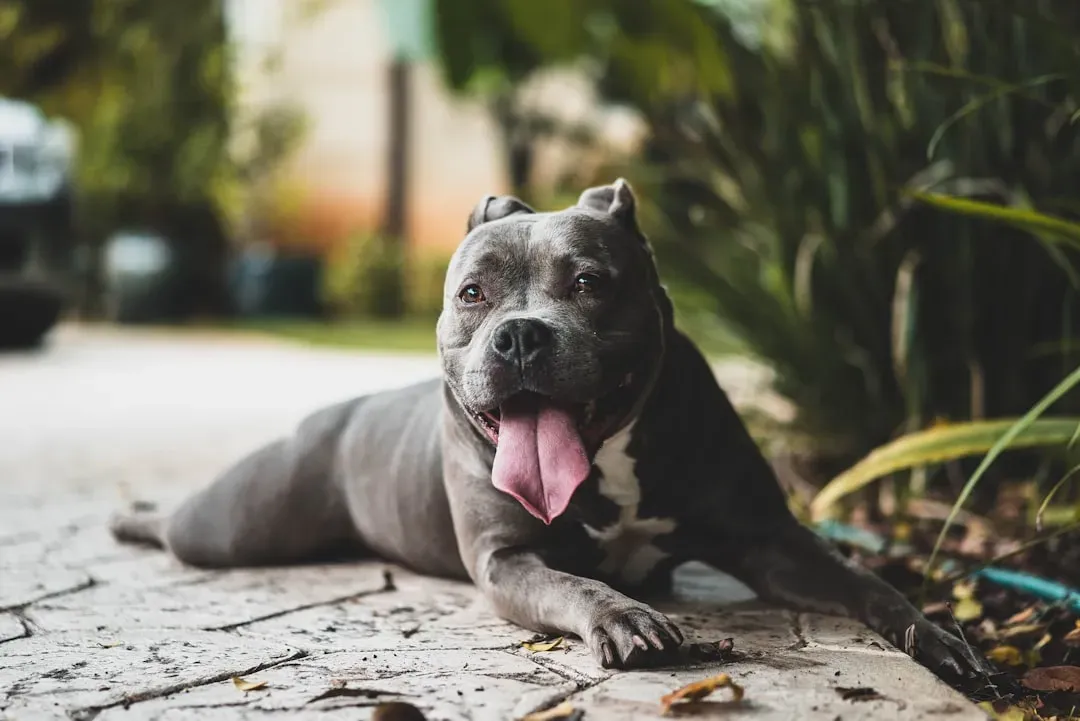
Owners chalk up panting to “he’s excited” or “it’s hot out.” Physios are less forgiving. They’re listening to rhythm, depth, and timing. A dog that pants hard with minimal exertion, especially in cool conditions, may be compensating for pain, stress, or even an underlying cardiac or respiratory issue.
Pain spikes the body’s stress response, and often the breath gives it away first. Physios notice if a dog holds its breath during certain transitions, then exhales sharply once it’s over, a classic sign of bracing around a painful movement.
Soft grunts when lying down, tiny whines when turning, a subtle “oof” when the hindquarters hit the floor, these are red flags. Chronic pain doesn’t always scream. Sometimes it just sighs a little too often.
Even jaw and tongue position matter, excessive drooling or a tongue hanging to one side can reflect tension the dog can’t otherwise express. When breathing looks strained before exercise has even begun, the physio knows this isn’t just a musculoskeletal puzzle, it’s a whole-dog issue.
#11 – The Dog-Owner “Energy Gap” and Story Mismatches
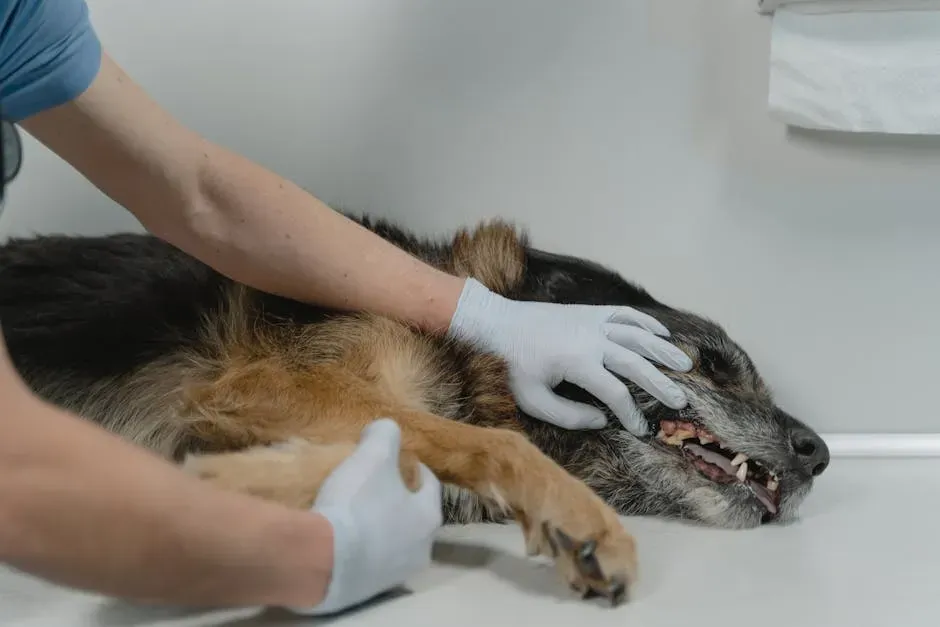
Here’s the one that quietly separates average practitioners from truly sharp ones: reading the relationship itself. Many owners are convinced their dog is fine because it still eats, still plays, still follows them around the house. But the body is telling a different story, and good physios trust the body first.
They watch how the dog orients to its owner. Is it glued to them for security, or ignoring them because staying comfortable is taking all its bandwidth? Does the dog jump up on the owner at the car but refuse the same movement inside the clinic? That inconsistency is data. A dog that fetches at home but hesitates to trot ten meters on flat clinic ground isn’t being stubborn, it’s likely conserving energy for what matters most to it.
At a Glance
- Eats and plays fine at home, but hesitant to move in the clinic
- Jumps into the car, but balks at the same height indoors
- Owner lifts the dog often, hinting at unspoken pain
- Energy seems saved for only the dog’s favorite activities
Physios also watch how the owner handles the dog, lifting it into the car, guiding it up steps, clipping the lead. Awkward or compensatory lifts can explain new pain. Over-protective avoidance of all movement can quietly de-condition the dog even further.
When a dog’s body language is shouting “I hurt” while the story says “he’s just lazy,” the physio’s job becomes part detective, part educator. That dynamic starts long before the treatment table.
The Bottom Line
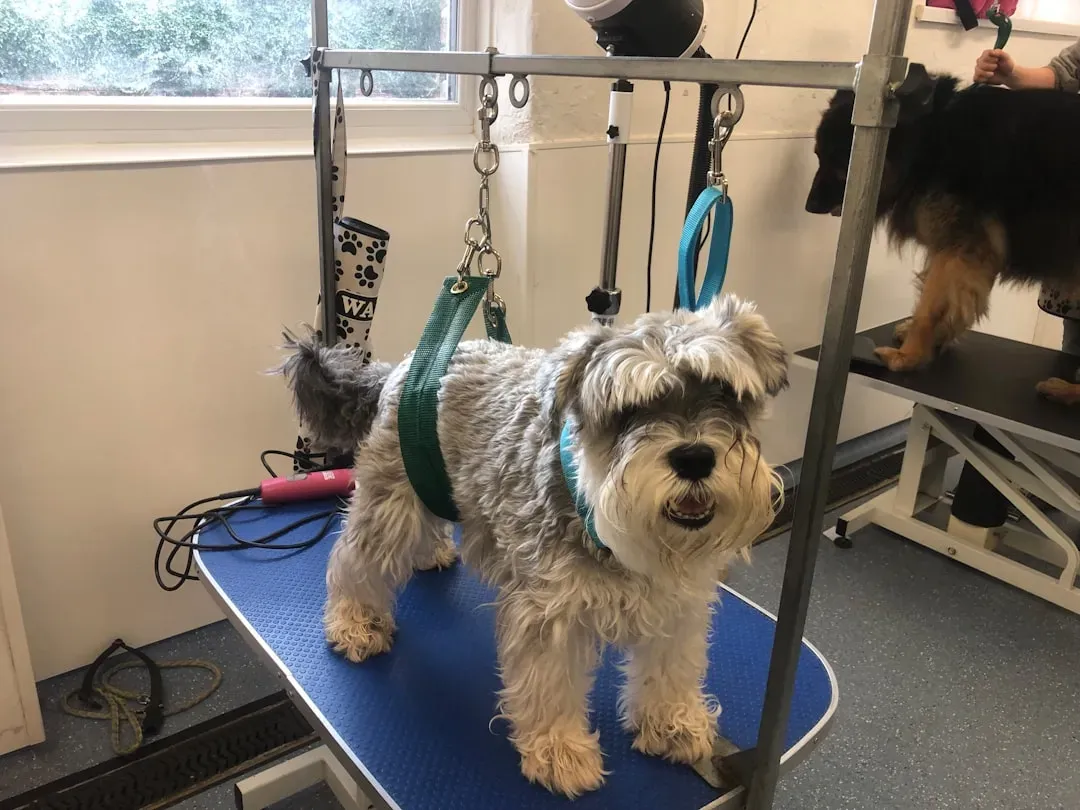
Most people think a physio appointment starts when the dog is finally on the table and the hands come out. In reality, the assessment has been running since the trunk popped and the dog took its first hesitant, or over-eager, step into the parking lot.
The way a dog exits the car, takes its first steps, carries its tail, breathes, transitions between positions, and relates to its owner can reveal more about pain than any single “poke here, does it hurt?” test ever could.
Here’s the uncomfortable truth: owners misread or normalize a lot of early warning signs. “He’s just getting older.” “She’s just calmer now.” “That’s just how he sits.” Those phrases delay help more often than they describe reality. Good canine physios don’t buy those stories, they read the dog’s body, not the human’s excuses, and that’s not dramatic, it’s just fair to an animal that can’t explain itself in words.
If you recognized your own dog in even three of these clues, the honest question isn’t whether they’re “fine.” It’s how long you’ve been telling yourself they were.