
15 Moments a Dog Remembers About a Person It Has Not Seen in a Long While
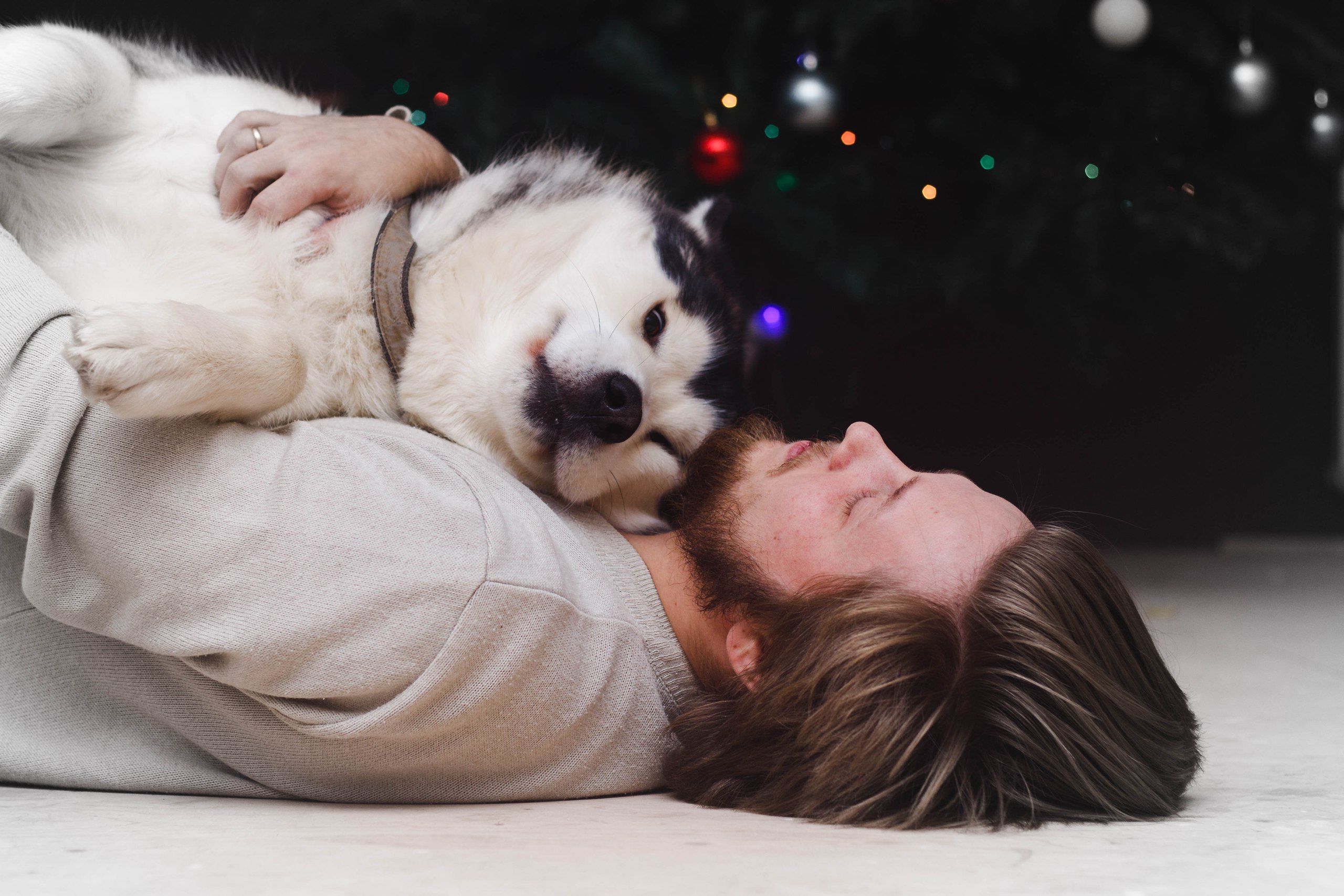
Everyone loves saying dogs “live in the moment” and forget you the second the door closes. Reunion videos keep quietly proving that wrong. A dog goes stiff for half a second, sniffs the air, and then absolutely loses it – tail a blur, whole body shaking – over something that has nothing to do with your face.
That reaction isn’t random joy. It’s a dog running through a mental file it built moment by moment, long before you ever left. Some of what’s in that file will make you smile. Some of it might make you wince a little. Here are the 15 exact moments a dog is most likely replaying the second it sees you again, and what each one quietly reveals about who you really were to it.
#1 – The Exact Way You First Greeted Them
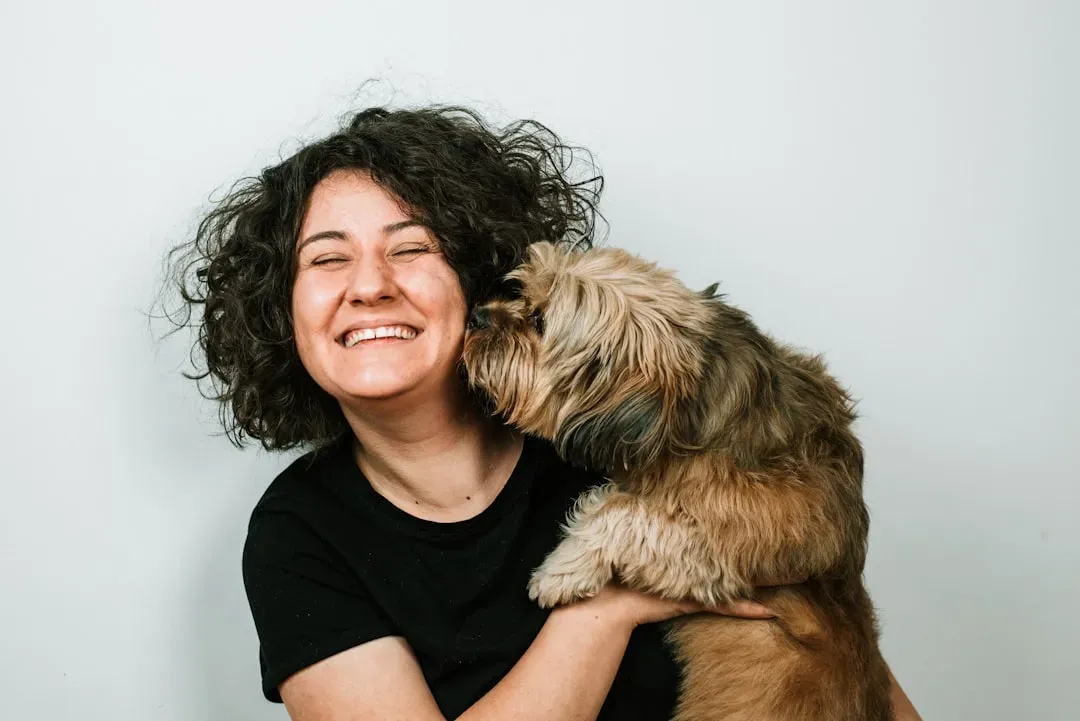
Your dog doesn’t just remember that you greeted them – it remembers how that greeting felt in its body. The first time you knelt down, softened your voice, and let them sniff your hand before doing anything else, that moment got filed away as data. Dogs are wired to link feelings to specific events, and that first safe welcome told their nervous system something simple: this human is good news.
That first impression can shape how relaxed a dog feels around you for years. Even after a long stretch apart, the exact posture and tone you used when you reappear can flip that original memory straight back on, like a switch nobody else can find.
Most owners have no idea how much weight those early seconds carry. If you crouched instead of looming, if you waited instead of grabbing, your dog remembers the difference. It’s why some dogs launch at one person and hang back with another who’s just as familiar. That’s not sentiment – it’s pattern recognition doing its job, and the reunion greeting is simply the sequel to a scene their body already knows by heart.
#2 – The Routine You Built Together
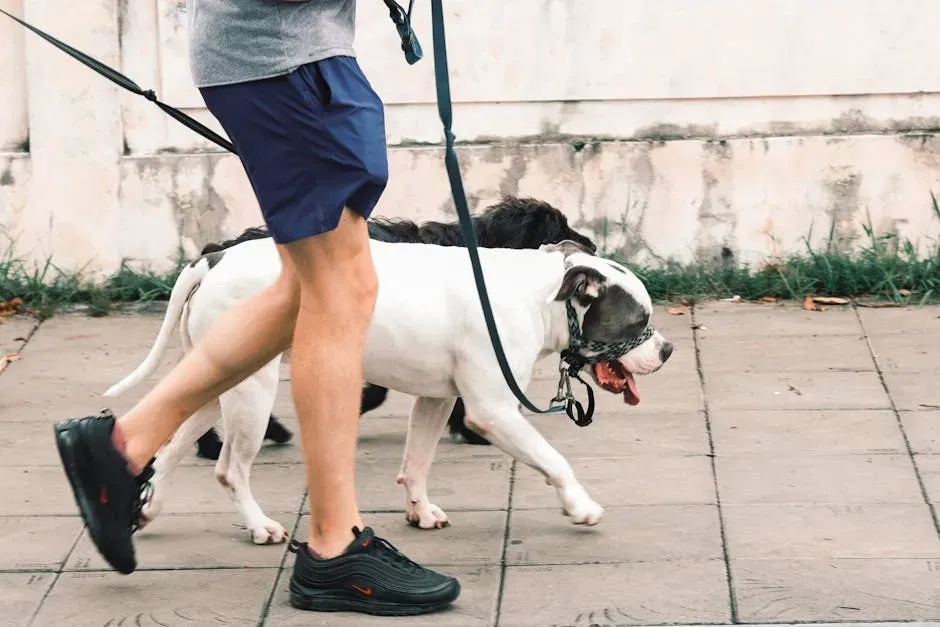
Dogs are obsessed with patterns. They don’t just recall isolated days; they remember the rhythm of a whole life lived with you. If you always woke up, went straight to the kitchen, and said the same phrase before breakfast, that entire chain became one memory, not three.
Dogs can anticipate regular events based on internal and environmental cues, not just clocks. So when you reappear after months or years, it can take one familiar sequence – keys dropping, shoes off, the fridge door swinging open – to light up that old schedule in their head like nothing happened.
This is why people swear their dog “instantly goes back to normal” the second they walk in. Grab a leash at the old 6 p.m. walk time and watch the pre-walk dance return, muscle memory and all. But routines cut both ways: if your old rhythm was chaotic or tense, that comes back too. The dog isn’t being nostalgic. It’s pulling out the old script because that’s the fastest way to figure out how to act around you again.
#3 – How You Smelled on the Best Days
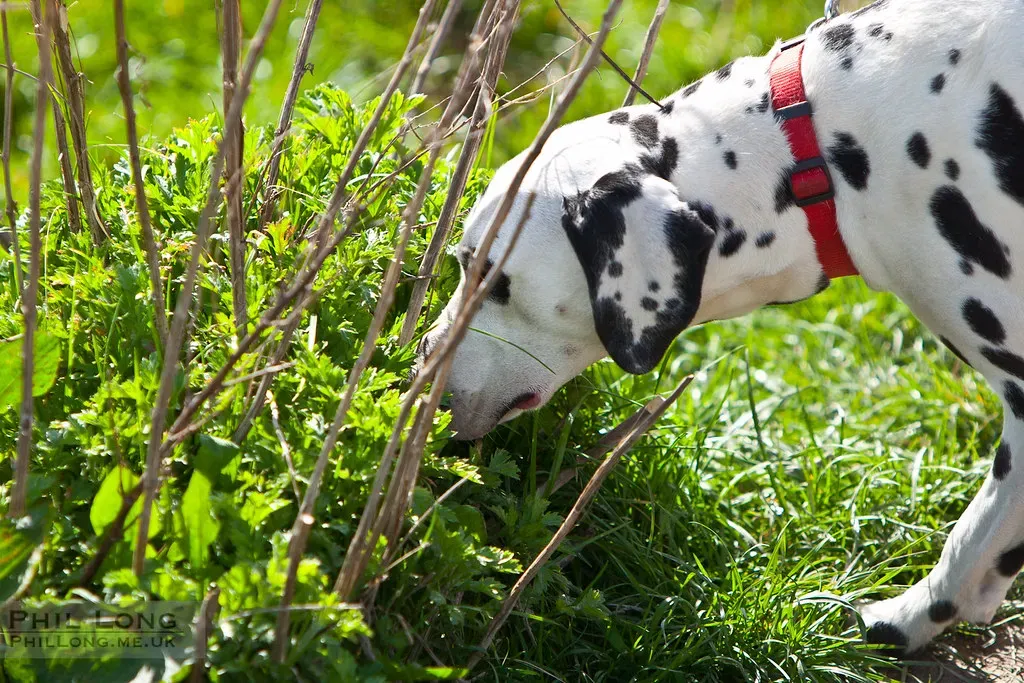
Humans overrate faces. Dogs live in a smell-based universe, and in studies, a dog’s brain reward centers light up more for a familiar human scent than for food. Your natural scent – skin, sweat, laundry detergent, even your car – builds a layered signature they catalog like a fingerprint. That’s why a dog who hasn’t seen you in years can still explode with joy over a whiff of your old jacket.
Here’s the part people don’t talk about: dogs don’t store your smell in a vacuum. They store how it paired with emotion. The way you smelled after a hike, after a stressful day, after crying on the couch – it all gets tagged with a feeling attached.
Fast Facts
- Dogs carry roughly 300 million scent receptors, compared to about 6 million in humans.
- Brain scans show reward centers activating more strongly for a familiar person’s scent than for food.
- A dog’s nose is estimated to be tens of thousands of times more sensitive than ours.
- Strong scent memories can stay intact for years when they’re tied to emotion.
So when you reunite, your scent doesn’t just register as “this is Alex.” It registers as “this is Alex, who used to take me to the lake, who used to share pizza crusts on movie nights.” It’s also why some dogs act unsettled if your scent has changed dramatically from illness or a new life – their brain has to reconcile the same human wrapped in an unfamiliar smell, and for a moment, that confuses them more than any haircut ever could.
#4 – The Way You Played, Not Just That You Played
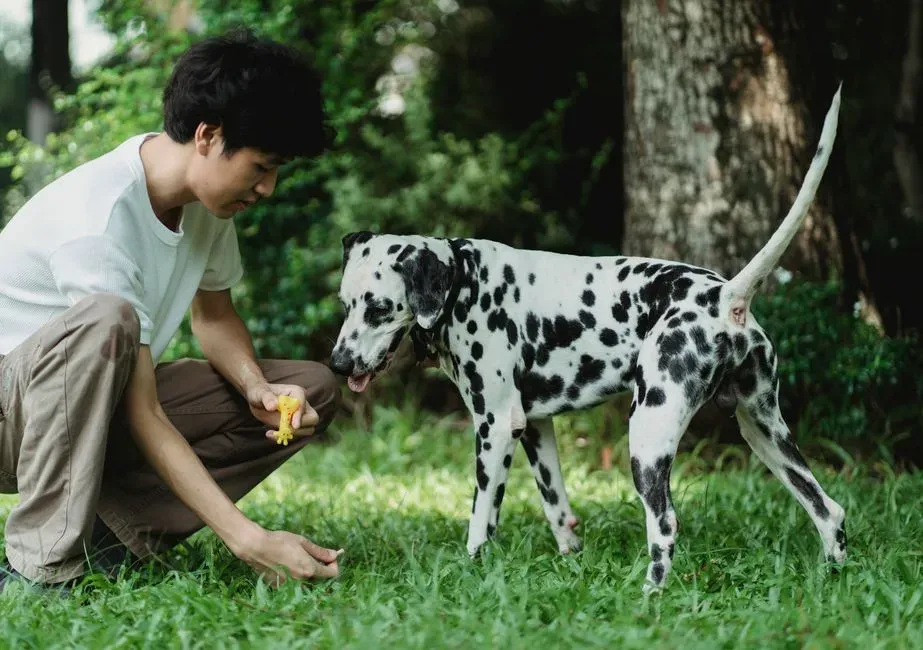
Most people remember the games – fetch, tug, chase. Dogs remember the frame around those games: the timing, the intensity, the private rules you used. If you always did “one last throw” and said the same phrase every time, that line became a memory anchor all its own.
Dogs can tell the difference between casual play and the specific, hyped-up style they shared with one particular person. Show up years later and slip into your old silly voice or fake-out throw, and the dog doesn’t relearn the game – it just hits resume.
There’s an uncomfortable side to this too. If your play was rough or unpredictable, that memory surfaces just as fast. People love to say “he loved when I chased him and grabbed his collar,” then watch that same dog stiffen or lick its lips the second you reenact it. On the flip side, if you were the one who played gently and respected “I’m done,” you become the safe partner in their head – the one they’ll run to first when a room full of old faces shows up at once.
#5 – The Moments You Protected Them When They Were Scared
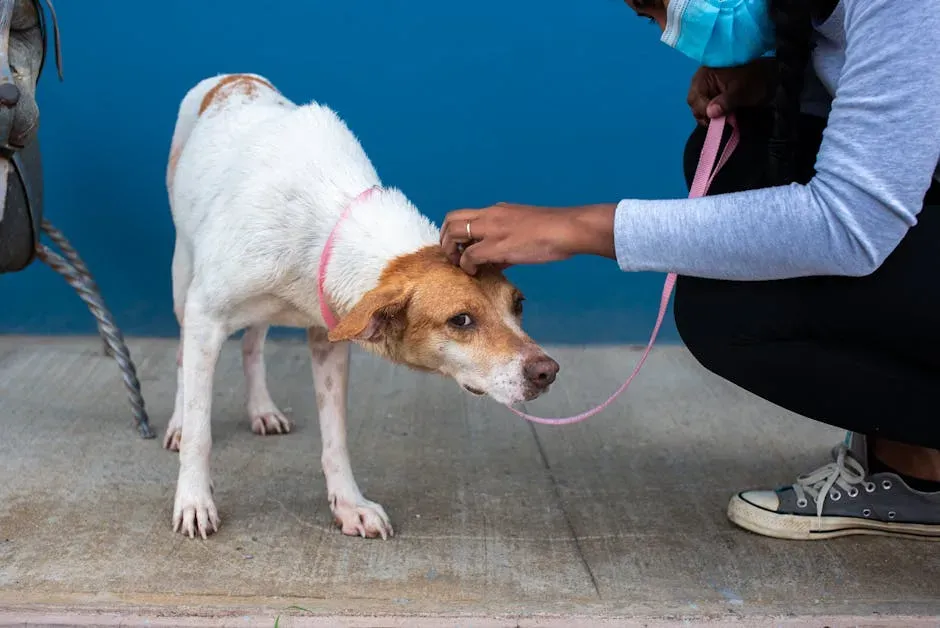
Fear memories are sticky. A dog won’t remember a random Tuesday, but it will absolutely remember who showed up during its worst panic – thunderstorms, fireworks, vet visits, a chaotic move. When a dog is terrified, its brain encodes not just the threat, but exactly who was nearby and how they responded.
If you consistently became the calm, steady presence – sitting on the floor, speaking low, not forcing contact – that turns into a lifelong association: with this person, I survive scary things.
This cuts both ways, and it’s the part owners don’t love hearing. If you yelled during fear, or dragged them toward the thing that scared them, your presence gets coded differently. Some dogs will still run to you because you’re familiar, but their body stays tense – tail low, heart pounding. During reunions that shows up as excitement tangled with hyper-vigilance, a dog that’s thrilled you’re back but can’t quite relax. That’s not devotion. That’s conflict, and the dog remembers exactly which one you were: a shield, or a stress amplifier.
#6 – The Sound and Rhythm of Your Voice
You can dye your hair, gain weight, switch your whole style, and your dog won’t blink. Change your voice dramatically, though, and you’ll see real confusion. Dogs are tuned to prosody – the melody and rhythm of speech – more than the words themselves. Research shows they process tone and meaning in different parts of the brain, similar to humans.
That means your specific laugh, your “let’s goooo” walk cue, even the sigh you make sitting down on the couch, all become part of your recognizable identity, no less unique than a fingerprint.
Worth Knowing
- Dogs appear to process the emotional tone of speech mainly in the right hemisphere.
- Word meaning seems to get handled more on the left side, echoing how human brains split the job.
- A familiar voice alone can trigger recognition, even paired with an unfamiliar scent or appearance.
- Consistent verbal cues learned early tend to produce faster, more reliable responses later in life.
People instinctively squeal at their dog after a long absence, and the dog zooms in wild with joy – it’s not the volume, it’s the emotional tone underneath it. But dogs don’t forget your angry voice either. If you had a specific way of snapping their name as a scold, that sound can resurface instantly in their posture the moment you slip back into it. They’re not being dramatic. They’re responding to a familiar audio file loaded with history.
#7 – The Food Rituals You Shared, Including the Naughty Ones
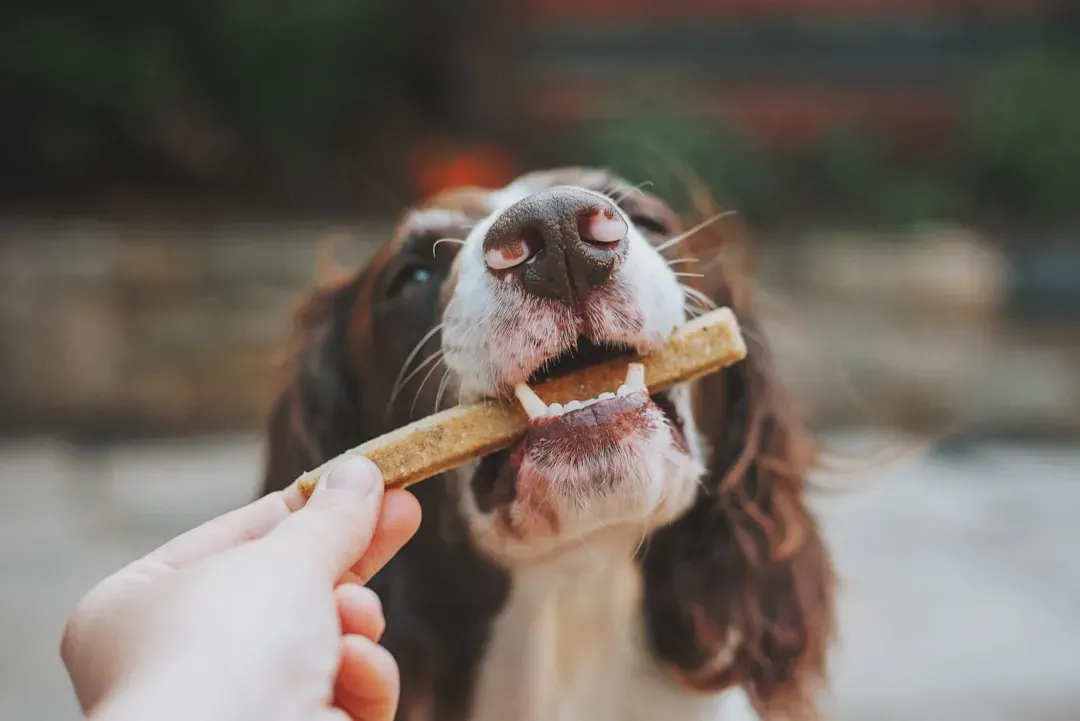
Ask a dog what it remembers about you, and food comes up fast – not just meals, but how you handled them. Were you the one who “accidentally” dropped bits under the table? The one who made frozen treats in summer? Dogs form strong associations between specific people and specific food experiences, especially the novel, high-value ones.
Here’s where owners quietly sabotage their dog and then romanticize it later. If you were the chronic “treats for everything” person, your dog remembers you as a walking vending machine. It sounds cute, but it can turn into frantic, rude behavior years later – jumping, whining, pawing the second you sit down with a plate.
The memory underneath is simple: proximity to this human equals a random jackpot. If instead you were structured, feeding on schedule and using treats with intention, your dog is more likely to greet you with enthusiasm that’s actually organized. Same history, same dog, completely different rulebook – and the reunion just reactivates whichever one you taught.
#8 – The Places You Explored Together
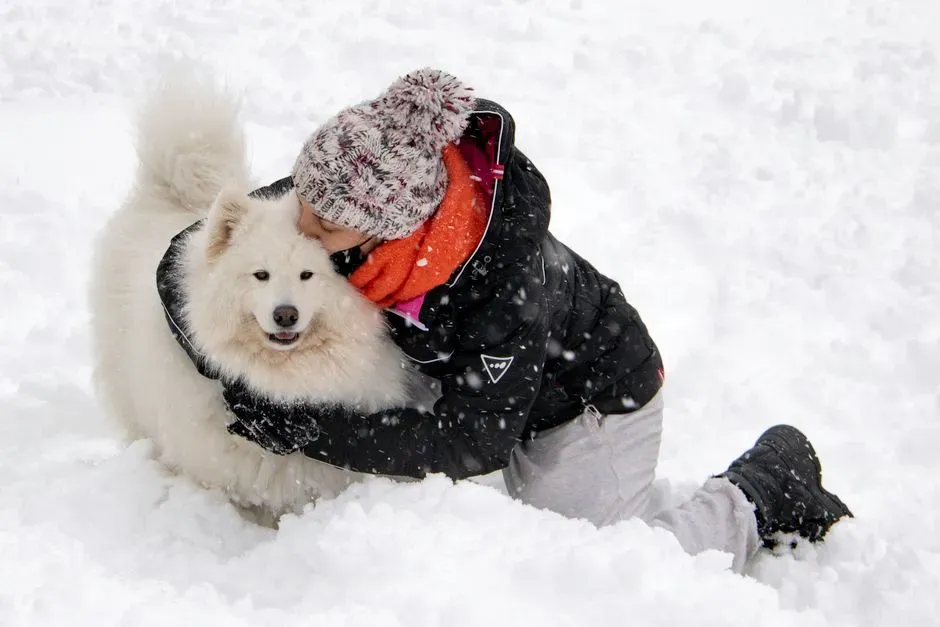
Dogs map the world through smell, but they attach those maps to companions. A park, a street corner, a hiking trail, even an elevator, can be forever linked to the person who made it meaningful. Spatial memory in dogs is strong – they remember paths and landmarks long after they’ve stopped visiting them.
When those routes coexist with a specific human, the memory deepens into something closer to: this is where we went when you were around.
During reunions this shows up in weirdly precise behavior. Visit your old apartment building after two years and your dog might drag you straight toward the exact stairwell you used to climb together, or pause at the corner where you always waited for the light and glance up like, we still do this, right? For dogs with mostly quiet, indoor lives, those rare exciting outings become emotionally oversized. Losing the person often meant losing the places too – so when you recreate even one route, the dog can act almost overwhelmed, whining, zooming, constantly checking that you’re still there.
#9 – The Rules You Enforced, Fair or Not
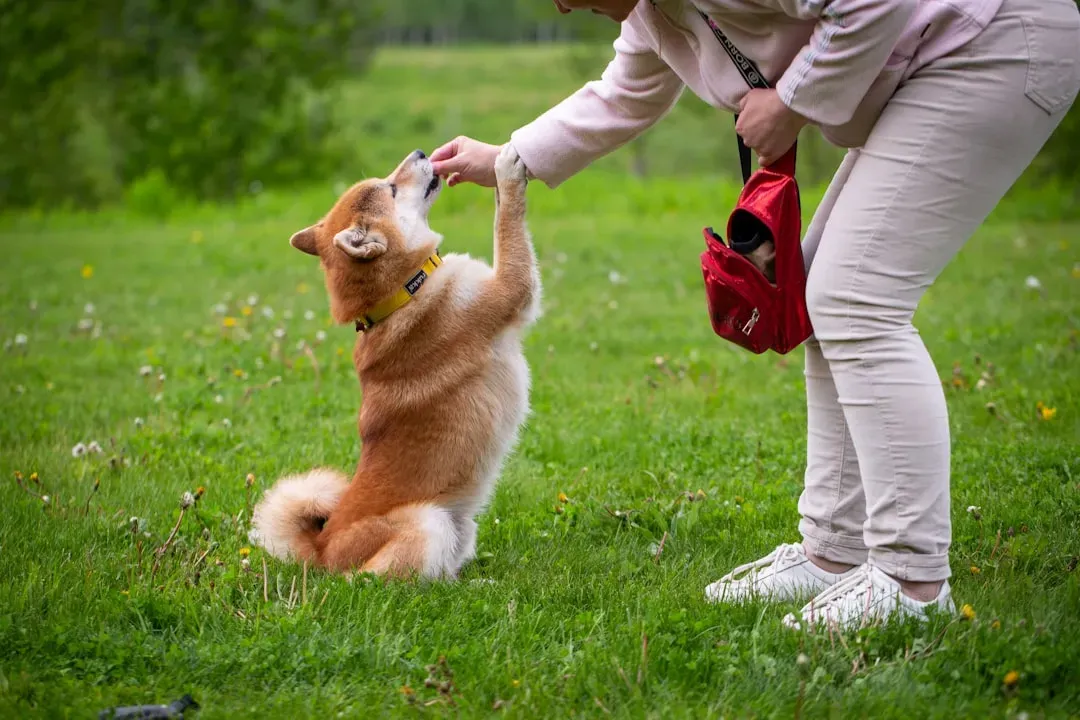
People like to think dogs just remember love. In reality, they remember rules – what each human allowed and what each one punished. If you never let the dog on the couch but your roommate always caved, the dog knows exactly whose lap is safe. Dogs are sharp social strategists; they learn fast which person enforces boundaries and which one can be negotiated with.
After a long separation, you’ll see this instantly in how they test – or carefully don’t test – your old limits.
Quick Compare
- Consistent, fair rules: Dog settles quickly and tests boundaries gently before relaxing.
- Harsh or unpredictable rules: Dog approaches cautiously, watching hands and posture closely.
- Permissive but inconsistent rules: Dog keeps probing, unsure which version of you showed up.
This is where it gets uncomfortable. If your training leaned on harsh corrections or unpredictable punishment, your dog doesn’t file that under “discipline.” It files it under safety calculations. On reunion it may approach you more cautiously, flinch from a hand reaching toward its collar, or freeze the instant your voice rises. That’s memory, not defiance. If instead you were consistent but fair, the dog falls right back into your old rules with visible relief. Dogs don’t actually crave dominance. They crave clarity, and whichever version of clarity you taught is exactly what comes back with you.
#10 – The Times You Were Sick, Sad, or Just Different
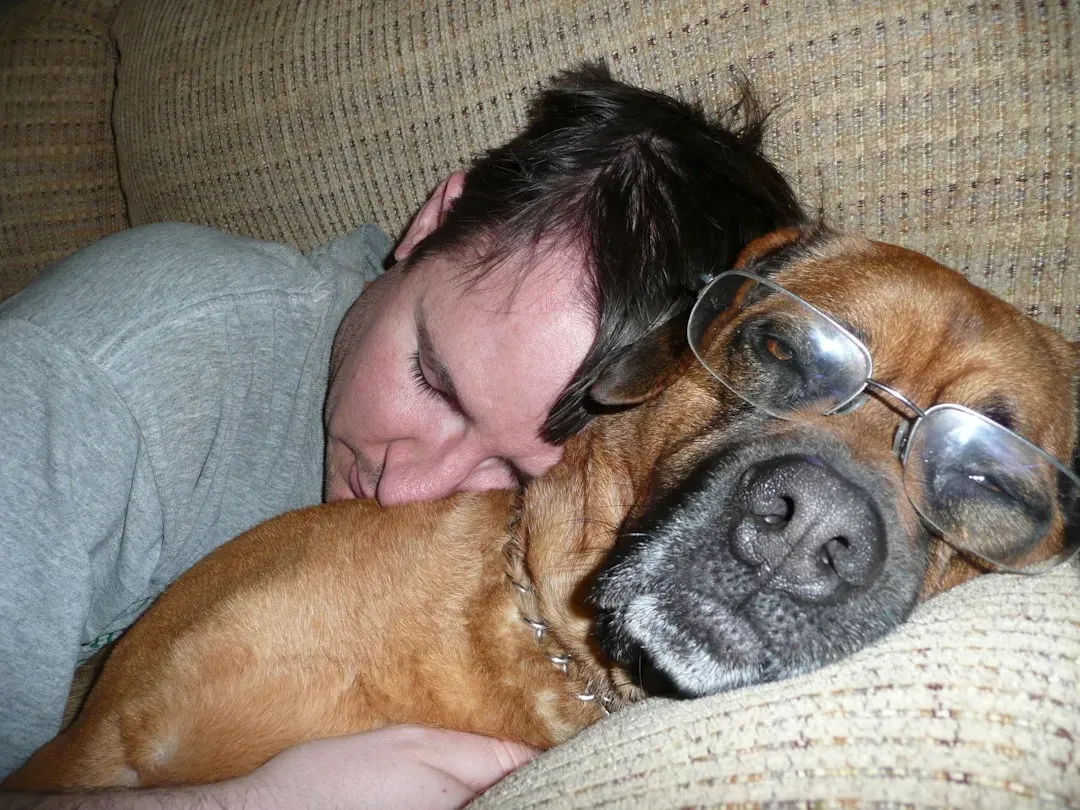
We talk a lot about how dogs remember what we did for them, but they also remember when we weren’t ourselves. Dogs are strangely good at noticing changes in gait, posture, sleep, and mood. Some evidence even suggests dogs can detect certain illnesses or stress states by smell alone. If you went through a stretch of crying often, sleeping longer, or moving slower, your dog links you to that whole emotional landscape.
That can make reunions genuinely surprising. Maybe the last chapter of your relationship with that dog happened during a breakup, a depression, or an illness. The dog remembers that version of you – low energy, less play, more quiet contact.
Come back healthier and more animated, and you might catch a flicker of confusion before the joy takes over, its brain adjusting: same scent, same cadence, different vibe. Some dogs go the other way and get more intense around people they once comforted, rushing to press against your legs the moment your heart rate spikes again, even years later. It remembers being your stability just as clearly as you remember it being yours.
#11 – The Bedtime Rituals You Shared
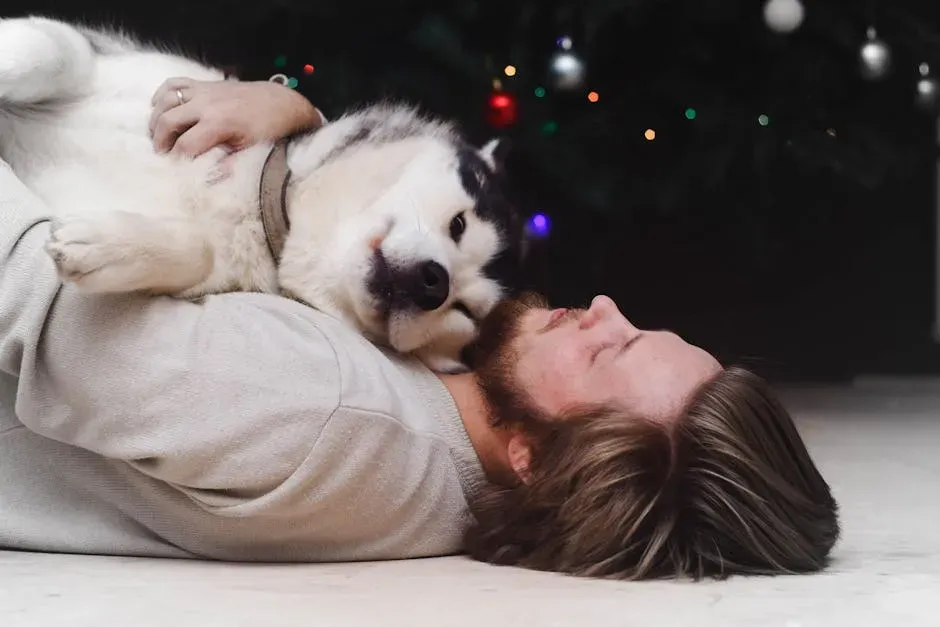
Nighttime routines are some of the strongest emotional anchors in a dog’s life. Bed isn’t just sleep – it’s safety, warmth, vulnerability. Did your dog curl up behind your knees? Sleep on your chest? Wait for the light to click off and the same phrase every night? Repetitive pre-sleep behaviors create powerful comfort associations in mammals, dogs included, and that last five minutes before sleep can become one of the deepest imprints of “us” a dog carries.
After a long absence, this shows up in almost eerie ways. Stay overnight after years apart, and a dog that seems to have forgotten most daytime habits will suddenly insist on the exact sleeping position it used with you, or pace restlessly until you finally lie down, then relax at your feet like a missing piece just clicked back into place.
If instead you used to banish them harshly at night – locked away with yelling or tense energy – nighttime with you may feel more fraught than comforting. People call that separation anxiety. Sometimes it’s simply a dog remembering that the hours behind that closed door were the worst part of every day.
#12 – The One Big Fight or Fright You Wish They’d Forget
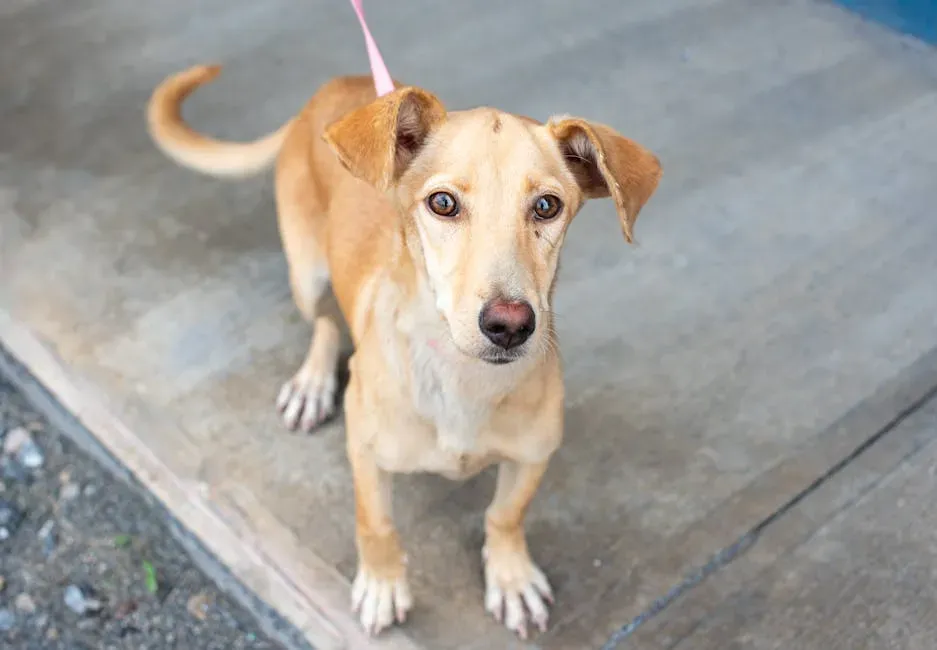
Here’s the part owners secretly worry about. You lost your temper and screamed. You yanked the leash too hard. You stepped on a paw and downplayed it. Dogs have excellent memory for single intense events, especially ones involving pain or fear. A single traumatic episode can shape a dog’s response to specific cues for years.
The uncomfortable part is that a dog doesn’t separate “you” from “what happened” as cleanly as people do. If the incident involved an object – a broom, a specific collar – the fear may attach to that object around anyone. But if the source was you, your hand, your foot, your sudden movement, the memory attaches squarely to your presence.
Everything can look fine at a reunion until you repeat that same movement or tone, and the dog flinches, licks its lips, or slinks away. That’s not grudge-holding. That’s pattern detection built for survival, and love alone doesn’t erase it. What helps is stacking new, calmer memories on top of the old one, if you’re lucky enough to get that second chance.
#13 – The Secret Language Only You Two Used
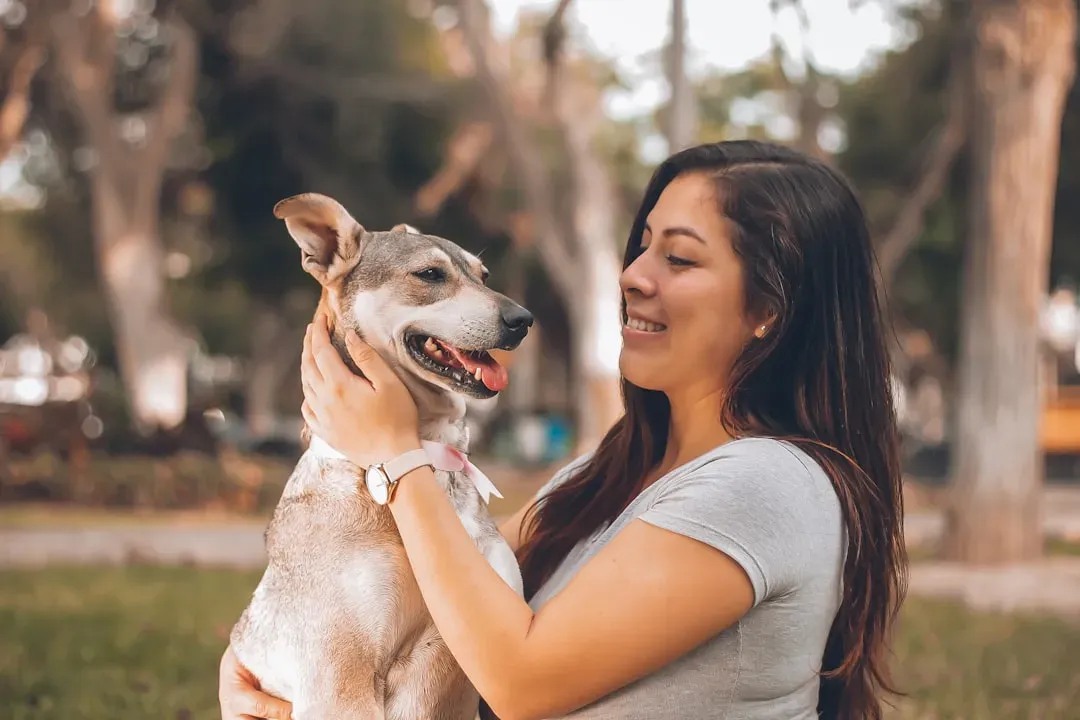
Every close dog-human pair eventually builds a weird private language – half-words, nonsense syllables, inside jokes. Maybe you always said “smooshface” in a certain tone, or had a ridiculous victory dance after successful potty trips. Dogs are masters of micro-cues; they attach meaning to the tiniest, most personal habits. Those idiosyncrasies become secret memory keys nobody else has a copy of.
At a Glance
- Dogs can link specific sounds, gestures, or phrases to one person rather than to command words in general.
- These private cues often trigger stronger, faster reactions than standard commands like sit or stay.
- A dog may ignore a stranger’s identical command while responding instantly to your version of it.
- This kind of personalized signal can stay intact even after years apart.
After a long absence, a dog may react politely but carefully to your basic commands – sit, come, down. Strangers know those words too. But the moment you accidentally drop one of your old nonsense phrases, or trip on the same step and curse the exact same way, the dog’s whole body can change. Tail speed shifts, eyes soften, the posture melts into: oh – it’s you, you.
That’s the real line between a dog recognizing a familiar human and a dog reactivating a bond. Anyone can feed it, walk it, and say the right commands. Only you have that one singular cluster of quirks that used to mean home, and it can remember that long after you’ve assumed it moved on without you.
#14 – The Last Day You Spent Together
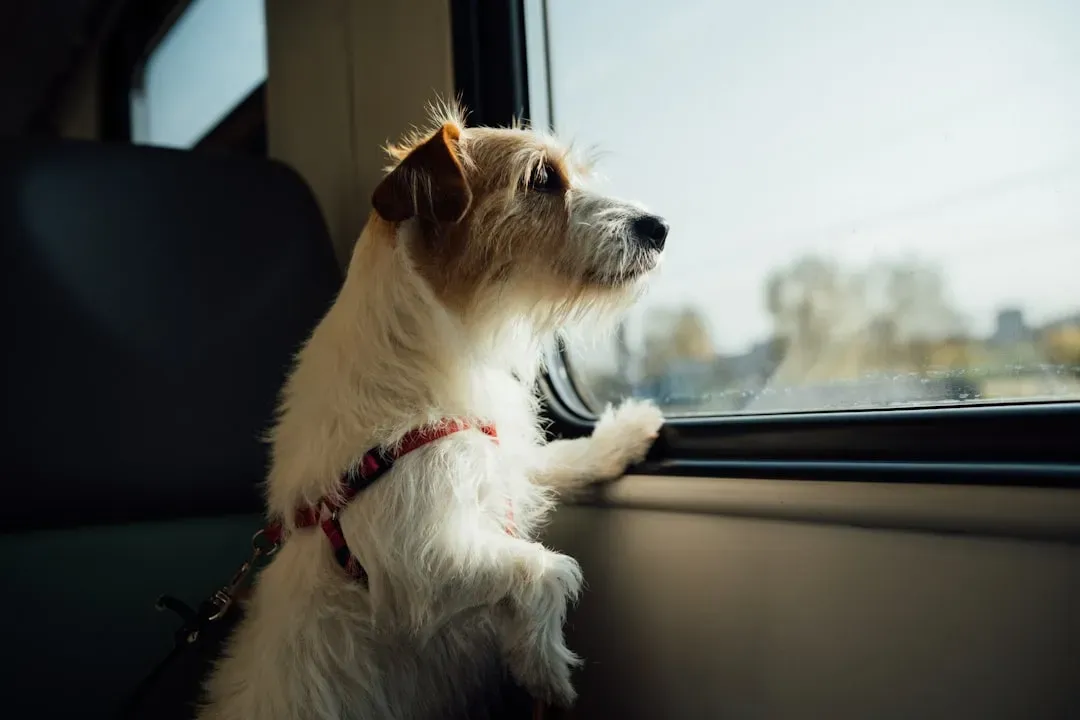
We like to imagine dogs remember “a whole era,” but often what they hold onto are flashes – especially the last big event before everything changed. Moving out, going to college, a breakup, a rehoming: the goodbye day itself can loom disproportionately large. Transitions with heightened emotion, unusual packing behavior, and disrupted routine are prime memory material for dogs.
If that day was full of tension, rushed goodbyes, or confusion, parts of it may sit sharper in a dog’s mind than a hundred ordinary mornings ever will.
Some people try to soften this with an extra-special last day – extra play, extra treats, a long walk. That helps, but the dog still clocks your anxiety spike, the boxes, the unfamiliar visitors. Years later, its nervous system isn’t replaying that day like a film, but it remembers the shape of it: last time this person’s energy felt like this, something big changed. That’s often why reunions start cautious instead of instantly joyful – the dog is quietly running the question, is this another ending, or a beginning?
#15 – The Feeling of Belonging You Gave Them, or Didn’t
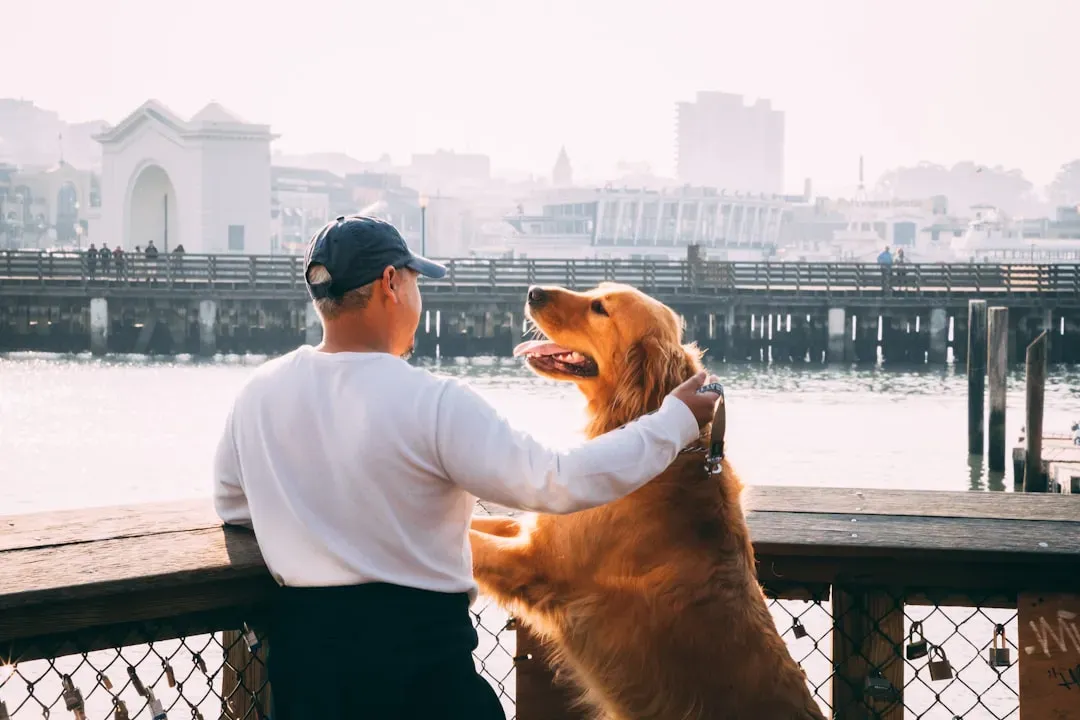
Strip everything else away, and one memory quietly outweighs the rest: did this person make me feel like I belonged? Not just fed and housed, but included – talked to, touched kindly, given a real place in the daily rhythm of a family. Dogs are social animals; long-term security comes from relational stability far more than from toys, training, or even food quality. A dog that knew, deep in its bones, “I’m their dog,” will often meet that person with bone-deep joy even after years apart.
You’ve seen this in the reunion videos people argue about online. Some dogs explode into wild zoomies. Others press silently against a chest, eyes soft, breathing slow. Either way, if you were their emotional anchor, that sense of belonging comes surging back first, before anything else even has a chance to register.
Dogs are our link to paradise. They don’t know evil or jealousy or discontent. To sit with a dog on a hillside on a glorious afternoon is to be back in Eden, where doing nothing was not boring – it was peace.
Milan Kundera
The uncomfortable flip side is real too: dogs that were technically “owned” but treated as background objects often respond flatter on reunion. Polite, even happy, but not transformed. Dogs don’t automatically deify whoever held the leash. They remember how it felt to exist in your orbit, and they respond exactly accordingly.
The Bottom Line
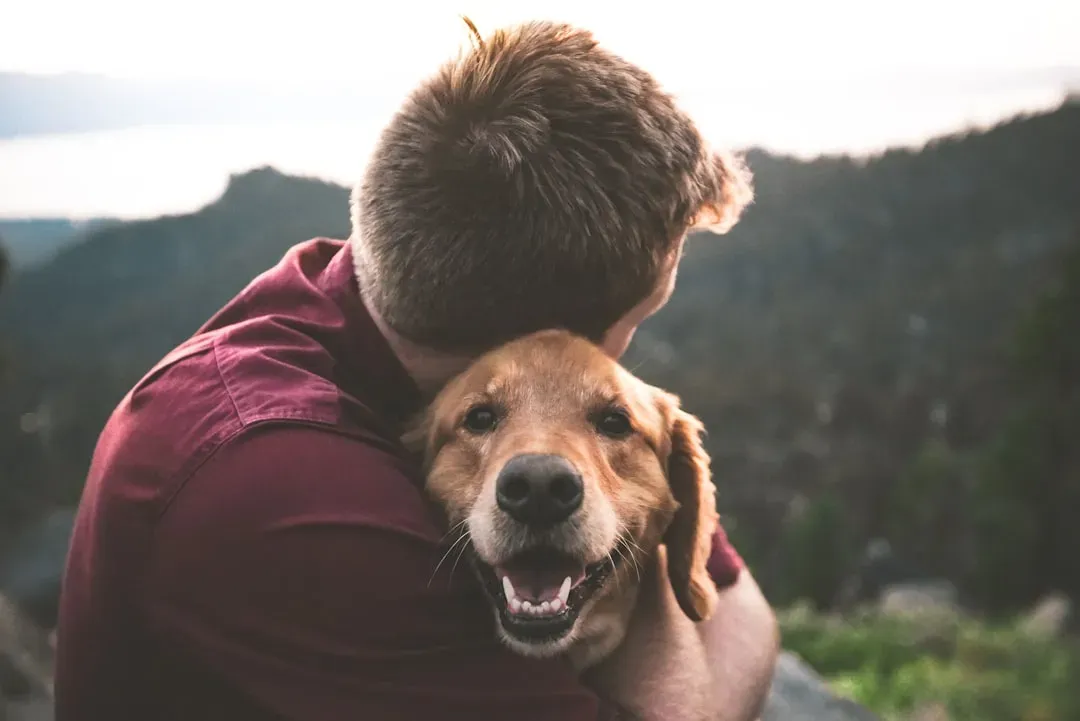
Dogs don’t remember us in the neat, greeting-card way we like to imagine. They remember routines, smells, sounds, and – more than anything – how safe or unsafe their bodies felt around us in specific, ordinary moments. Your voice, your rules, your worst day, your best game, your one bad mistake: it all gets woven into a single living file labeled you.
When you reappear after months or years, a dog doesn’t flip through nostalgia. It runs that whole file in an instant and behaves based on exactly what’s inside it. That’s why one dog collapses into your arms like no time passed, while another hesitates, quietly checking you for signs of the old chaos before it decides how much of itself to hand back over.
Here’s the opinion nobody wants attached to their name: “a dog never forgets you” is only half true, and it’s the easier half. The harder truth is that a dog never forgets who you really were to it – comfort or confusion, safety or stress, and it keeps the receipts either way. So before you get soft over how happy your dog is to see you, ask the honest question: are you actually sure you’d like the version of yourself it’s been carrying this whole time?