
13 Tells a Dog Picks Up on in a House It Has Only Just Walked Into
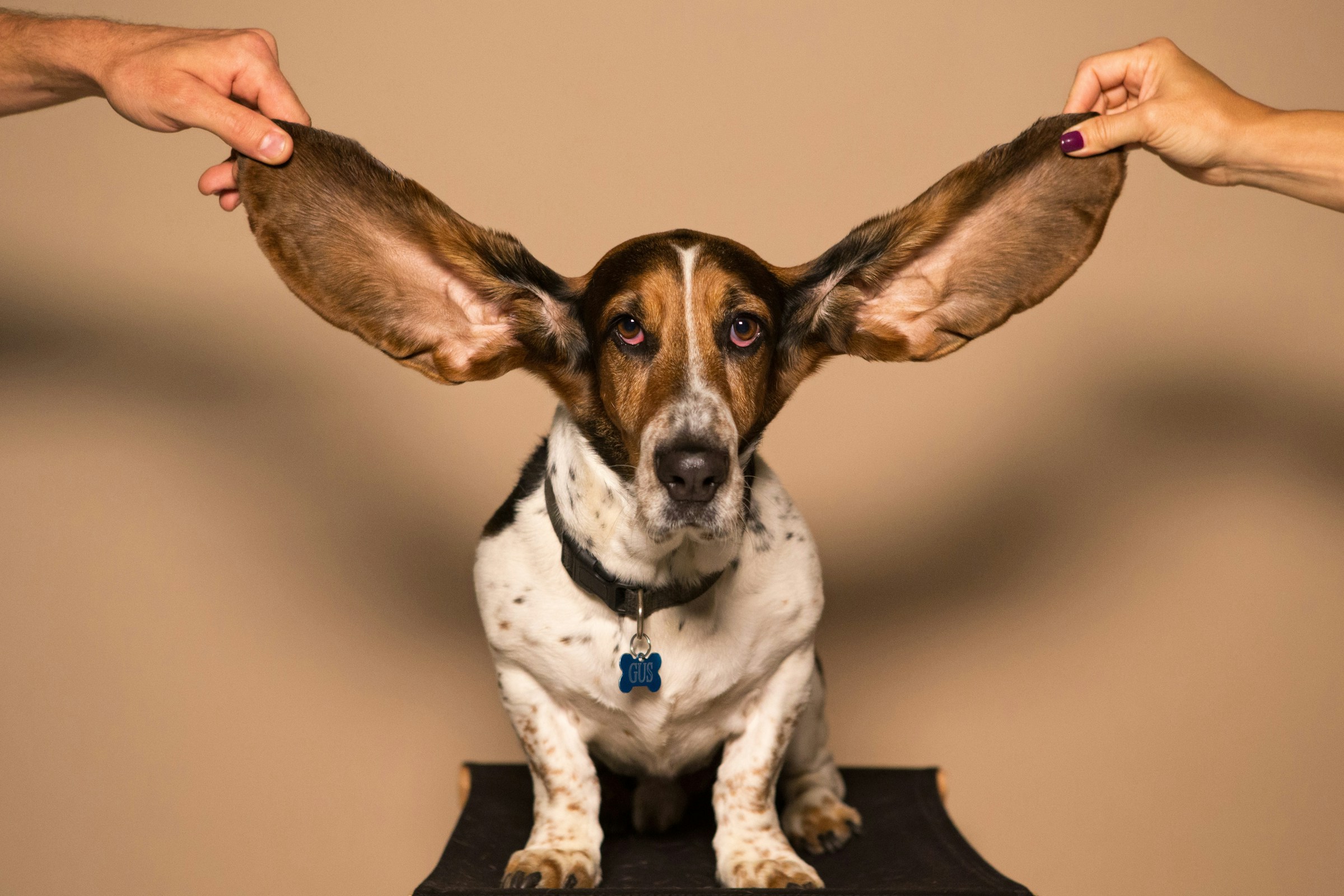
You think your dog trots through the front door hunting for snacks and a comfy rug. That’s the story most people believe. The real story is way stranger: in the first 30 to 60 seconds inside a new house, your dog is running a full-blown investigation, and you’re not even aware you’re being read.
Behavior researchers and trainers say dogs process a stack of invisible signals the moment they cross a threshold – chemical traces in the air, the way a floor vibrates, the tension in a stranger’s shoulders. They’re not being weird or difficult. They’re building a complete emotional profile of your home before you’ve even taken your shoes off. Here’s everything your dog is quietly clocking, and why it explains so much of what looks like “random” behavior.
#1 – The Invisible Scent Map on Every Surface

The first thing your dog notices in a new house isn’t the couch or the paint color – it’s the smell. A dog’s nose can detect up to 100,000 times more scent detail than yours, which means your living room reads like a wall of case files. Every person, pet, spilled drink, and stressed-out argument leaves a chemical footprint behind, and your dog is scanning it like headlines on a front page.
They’re not just clocking “food happened here.” They’re piecing together who lives in the house, roughly how many people and animals pass through, and whether someone is sick, anxious, or hormonal. That’s why some dogs hesitate at the door or creep in slowly – they’re not scared, they’re overloaded. If your dog sniffs one chair obsessively, it’s usually because someone with a strong emotional state sat there recently. They can literally smell adrenaline and cortisol.
Fast Facts
- Dogs have up to 300 million scent receptors, compared to roughly 6 million in humans.
- The part of a dog’s brain devoted to analyzing smell is many times larger, proportionally, than ours.
- A dog’s wet nose helps capture and dissolve scent particles for sharper detection.
- Scent-tracking breeds can follow a trail that’s days old.
#2 – The Emotional “Weather” Hanging in the Air

Walk into a tense office and you feel it immediately, right? Dogs do the same thing in a new house, except they’re better at it than you are. They pick up on tight shoulders, clipped speech, stiff walking, and forced laughter – all the micro-tells humans miss because we’re busy being polite.
Here’s the part most owners don’t realize: dogs fuse your emotional state to the physical space itself. Walk your dog into a house where people just had a loud argument, and your dog will often act wary, clingy, or oddly quiet – even if everyone’s smiling again by the time you arrive. Some trainers believe a dog’s reputation for being “nervous in crowds” or “great with kids” often traces back to fast emotional impressions like these, locked in from a single visit.
#3 – The Ghosts of Animals You Never Knew Existed

You might swear there’s no other pet in the house. Your dog usually knows within seconds that you’re wrong. To them, a new house is haunted – by the old dog who lived there years ago, the cat that vanishes when guests show up, the neighbor’s dog who once wandered through the yard. Hair, dander, saliva, and old urine molecules create a signature that lingers far longer than you’d expect.
That’s why some dogs beeline for corners, stairs, or the space under a table the second they walk in. They’re not being rude – they’re checking the pet registry. If your dog freezes or tiptoes instead of exploring, they may have picked up traces of a confident, unneutered dog that’s spent serious time in that house. Owners often mislabel this as “random reactivity” when it’s really a defensive reaction to smells you’ll never notice.
#4 – The Hidden Soundscape You’ve Learned to Ignore
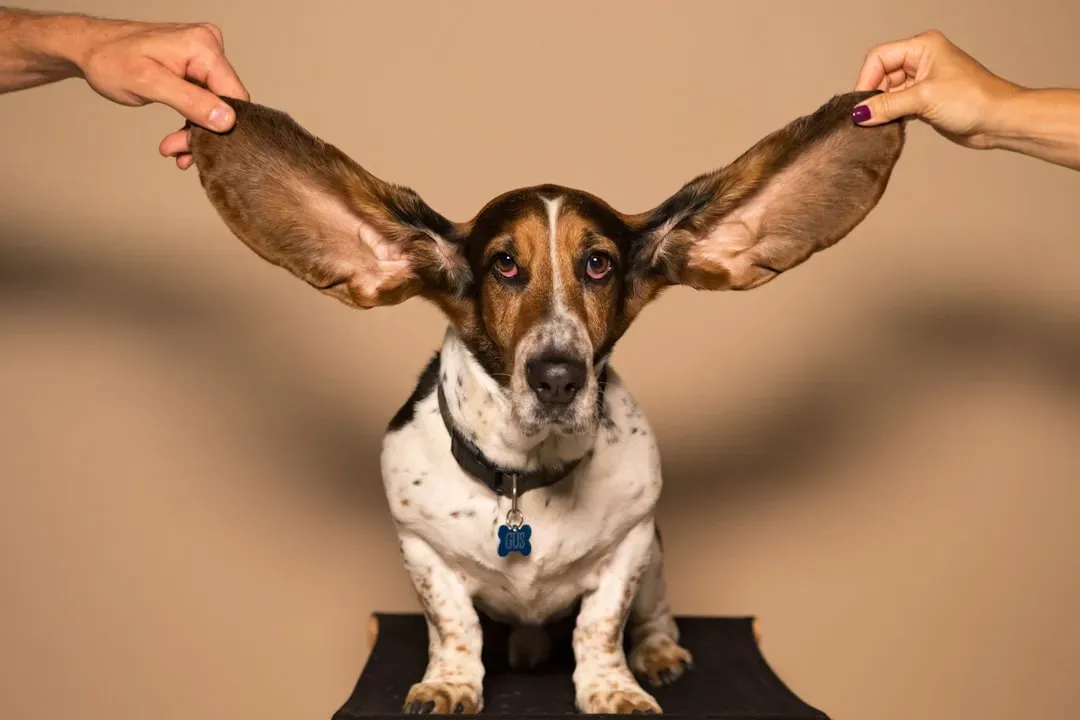
You hear “quiet.” Your dog hears a full layered soundtrack – humming fridges, electrical buzz, ticking pipes, distant traffic, a TV bleeding through the wall, a neighbor who slams doors on a schedule. Dogs walk in and immediately start sorting these sounds into “safe” and “pay attention to this.”
Here’s the twist: high-pitched electronics, chargers, and old light fixtures can genuinely torment certain dogs. You hear nothing; they hear a constant whine, and in an unfamiliar house that can tip into what looks like anxiety or clinginess. Watch for ears flicking toward the same corner, staring at “nothing,” or sudden barking at a wall. They’re not seeing ghosts – they’re reacting to frequencies you’re physically incapable of hearing.
Worth Knowing
- Dogs can hear frequencies up to roughly 45,000 Hz, well above the human ceiling of about 20,000 Hz.
- Sound-sensitive dogs often settle faster with a white-noise machine or fan running nearby.
- Ear position – forward, pinned back, or swiveling – is one of the fastest clues to what’s grabbing their attention.
- Homes with older wiring or fluorescent lighting can produce a hum only dogs seem to notice.
#5 – The Floor’s Verdict: Traction, Temperature, Trust
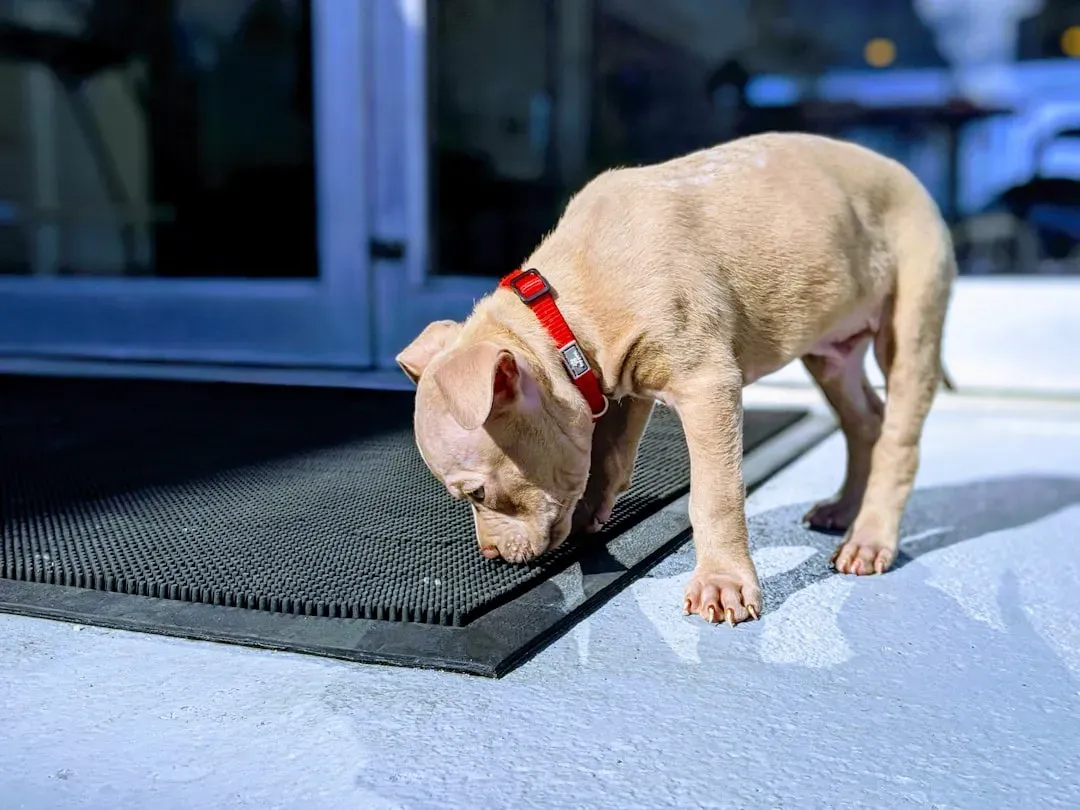
You notice the color of the floor. Your dog notices whether it’s about to betray them. Slick hardwood, cold tile, plush carpet – each one gets an instant risk assessment: can I move fast here, will I slip, is this going to hurt my joints? One bad step can make a dog distrust an entire room for the rest of the visit.
Older dogs, big breeds, and dogs with old injuries are especially sensitive to this. A shiny laminate floor in a strange house can feel like black ice under their paws, which is why some dogs refuse certain rooms or hug rugs and runners like life rafts. It isn’t stubbornness – it’s self-preservation. When your dog pauses in a doorway, glances down, then looks back at you, they’re basically asking, “We good here?”
#6 – The Invisible Territory Lines No One Marked

Most people assume territory is an outdoor concept – yards, hydrants, parks. But dogs carve up indoor territory too, especially in a brand-new house. In the first few minutes, they’re scanning for high-value zones: entries and exits, choke points like hallways and stairs, and vantage spots like couches and windows where they can watch everything at once.
Here’s what most people miss: dogs can feel where another animal has claimed space even without a fresh scent mark. Scent soaking, paw oil, and repeated sleeping spots build invisible borders. When your dog hesitates outside a bedroom or circles three times before entering a narrow hallway, they may be bumping into someone else’s boundary – and quietly deciding whether they’re allowed to be the lookout here, or just a guest who should stay close to you.
#7 – The House’s Rhythm, Predicted Before Dinner

Even on a first visit, a house has a rhythm, and dogs pick up on it almost instantly. They’re listening for how doors close, how fast people move between rooms, how many footsteps go up the stairs. It’s essentially a live simulation running in their head: what does an average day in this place actually feel like?
Dogs are routine addicts, and a new house’s rhythm can either soothe them or wind them up fast. A slow-moving, soft-spoken home tends to calm even anxious dogs, while a loud, high-traffic house with kids sprinting down hallways can spike arousal before you’ve hung up your coat. Within minutes, your dog has already forecast whether they’ll be able to rest here or whether they need to stay on alert.
At a Glance
- Calm, slow-paced households tend to lower a visiting dog’s stress level within minutes.
- Loud, high-traffic homes can spike vigilance almost as soon as the door opens.
- Dogs often mirror the energy of the humans closest to them.
- A predictable rhythm – regular meals, walks, quiet hours – helps nervous dogs settle faster.
#8 – Reading the Room: Who’s Actually Safe
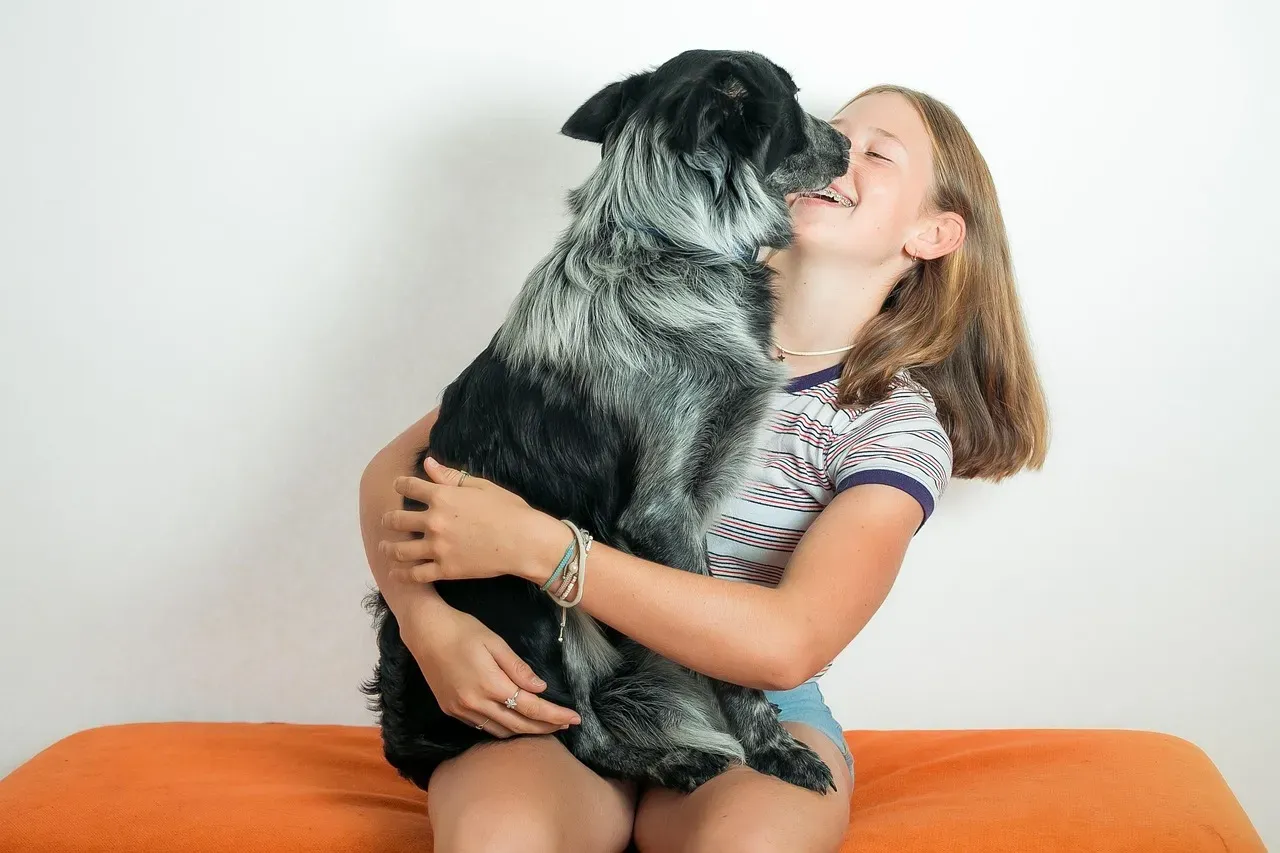
Most humans think they’re the ones evaluating the dog. In reality, your dog is evaluating every human in the room, and doing it fast. They scan faces, posture, and approach style to sort people into friend, neutral, or maybe. They notice the details we brush off – eye contact that’s a touch too direct, someone looming instead of crouching, baby talk that doesn’t match a tense jaw.
Here’s the uncomfortable part: some dogs distrust certain people on sight, and they’re not always wrong. If someone’s smiling but their muscles are tight and their movements are jerky, plenty of dogs will simply avoid them – that’s not rudeness, that’s self-protection built over thousands of years of reading predators from allies. They also clock who controls the resources – who holds the treats, who opens the doors, who speaks in a calm, steady tone. That person becomes the safe base fast.
Dogs are not our whole life, but they make our lives whole.
Roger Caras
#9 – The Smell of Stress, Sickness, and Secrets

This is the part people really underestimate: your dog is smelling your actual body chemistry. Walking into a new house, they’re not just picking up perfume and cooking smells – they’re catching hormones, medications, and illness markers on skin, sweat, and breath, including elevated cortisol, blood sugar shifts, and even certain infections.
Science has already confirmed trained dogs can detect seizures, some cancers, and diabetic changes, but you don’t need a medical-alert dog for this to matter day to day. Ordinary pets often go clingy around someone who’s sick, exhausted, or emotionally burnt out, and that effect gets amplified in a strange house where every scent already feels louder. If your dog beelines to one person, sniffs them repeatedly, then plants themselves at their feet, there’s a decent chance that person’s chemistry is running hot, tired, or off – and your dog noticed before anyone else did.
#10 – The Air Itself: Fresh, Toxic, or Suffocating

You might call a house “stuffy” or “fresh.” Your dog takes that assessment to another level entirely, evaluating breathability the second they step inside. Strong cleaning products, scented candles, plug-ins, cigarette residue, vape clouds, and musty basements all hit their nose far harder than yours ever will.
A smell you find pleasant can be genuinely irritating to a dog – they’ll lick their lips more, sneeze, snort, or steer clear of rooms where the air feels “thick.” A house loaded with air fresheners and bleach might look spotless to you but reads as a red flag to them, while a well-ventilated home with natural smells – wood, fabric, a little cooking – tends to calm them almost instantly. If your dog starts yawning a lot or angling toward an open door or window, they’re telling you the air is too much.
#11 – Mapping the Exits Before You Even Sit Down
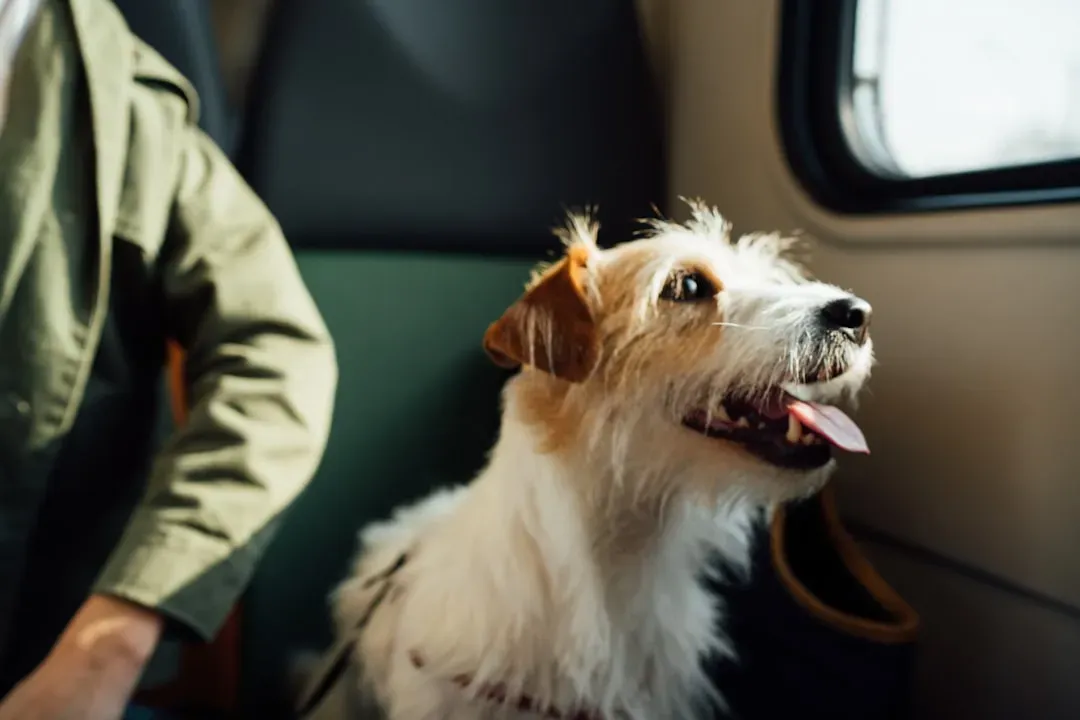
Your dog doesn’t need a floorplan to understand a house’s layout. Within minutes, they’re mentally mapping entrances, exits, dead ends, and escape routes – it’s hardwired instinct, not paranoia. Even the softest couch potato has a tiny survivalist inside asking, “If something goes wrong, where do we run?”
They’re clocking doors that open easily versus heavy ones, narrow hallways where they could get cornered, and stairwells with multiple ways out. Dogs with a history of confinement, rough handling, or shelter life are especially tuned to this, often choosing resting spots specifically because they can see two ways out. It’s not drama – it’s strategy, and it shapes exactly where they’ll relax or refuse to settle.
Quick Compare
- Confident dogs: quick scan, then settle near the center of activity.
- Anxious or rescue dogs: repeated pacing, choosing spots with two visible exits.
- Senior dogs: favor quiet corners close to a trusted person.
- Puppies: often skip the exit check entirely, too distracted by novelty.
#12 – The Unspoken Rules, Learned in Minutes
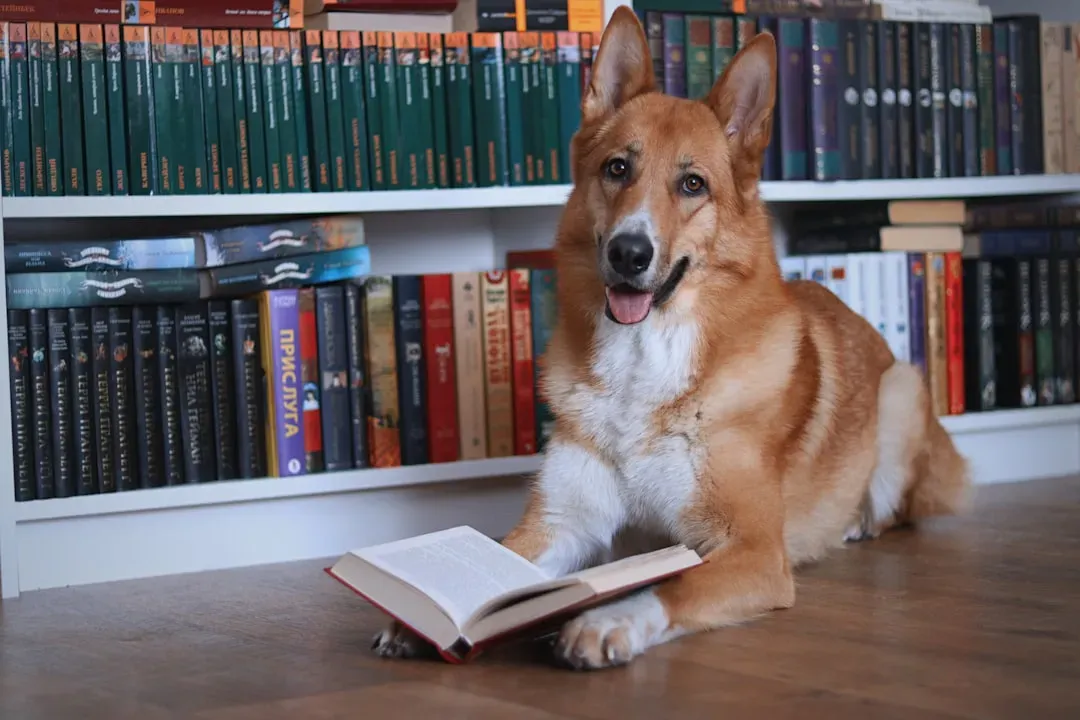
This one catches a lot of owners off guard: dogs absorb house rules fast, even on the very first visit, by reading patterns instead of listening to speeches. Before anyone’s said a word, your dog is already noticing whether other dogs are allowed on the couch, whether people shoo them from the kitchen, which doors stay shut, and where humans tense up when animals get close.
Dogs are exceptional pattern matchers, picking up on micro-corrections – a tiny hand wave, a subtle body block, a faint scolding tone – that humans forget they’re even doing. That’s why some dogs jump straight onto your couch at home but sit politely on the floor at a friend’s place without ever being formally trained for it. By the time you’re wondering whether to say “off,” your dog already got the memo.
#13 – The Final Verdict: Does This Place Feel Like Home?
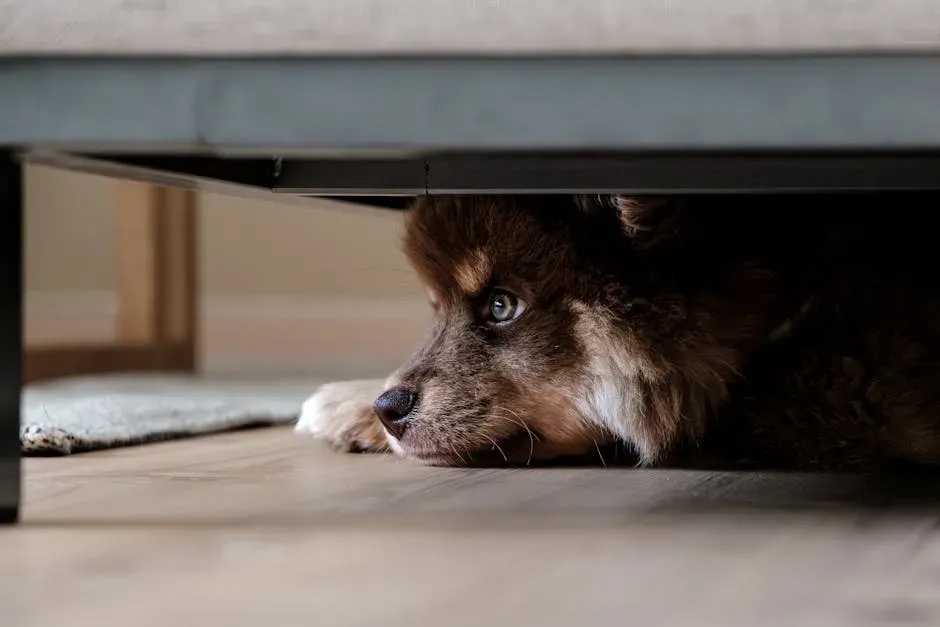
Here’s the part few people admit out loud: not every house feels good to every dog. In those first few minutes, your dog runs a rapid emotional calculation – do I feel safe here, seen here, relaxed here – built entirely from everything above.
When a house passes the test, you’ll see it fast: a deep exhale, a shake-off, a stretch, then a claimed spot and a full-body flop. They explore loose and wiggly instead of low and creeping. But when a house fails the test, dogs rarely throw a tantrum – they cling, pace, and shadow you room to room. Owners often blame separation anxiety, when the truer, harsher answer is that their dog has decided this environment isn’t fully safe yet, and their instinct is probably right.
Dogs don’t just walk into a new house – they interrogate it, reading scent maps, emotional residue, hidden sounds, old animal traces, air quality, floor safety, and unspoken rules, all within the time it takes you to say hello. The uncomfortable truth is that your dog is usually more honest than the room itself about whether a place feels calm or quietly chaotic. Maybe the real question isn’t “why is my dog so sensitive,” but what exactly they’re sensing that the rest of us have simply trained ourselves to ignore.