
25 Things People Do Around a Nervous Dog That Make the Next Visit Worse
Most people think a nervous dog just needs a little love and they’ll magically come around. Give it time, be nice, maybe toss a treat, and surely the dog will figure out you’re one of the good ones.
Here’s the part nobody warns you about: well-meaning humans accidentally teach anxious dogs that visitors mean chaos, pressure, and no way out. That’s why the second, third, and fourth visit often feel worse than the first, not better. It’s not that the dog “hates you.” It’s that a long list of ordinary human habits are quietly convincing their brain that you are the problem, and the list is longer than you’d think.
#1 – Walking Straight Up and Staring Them Down
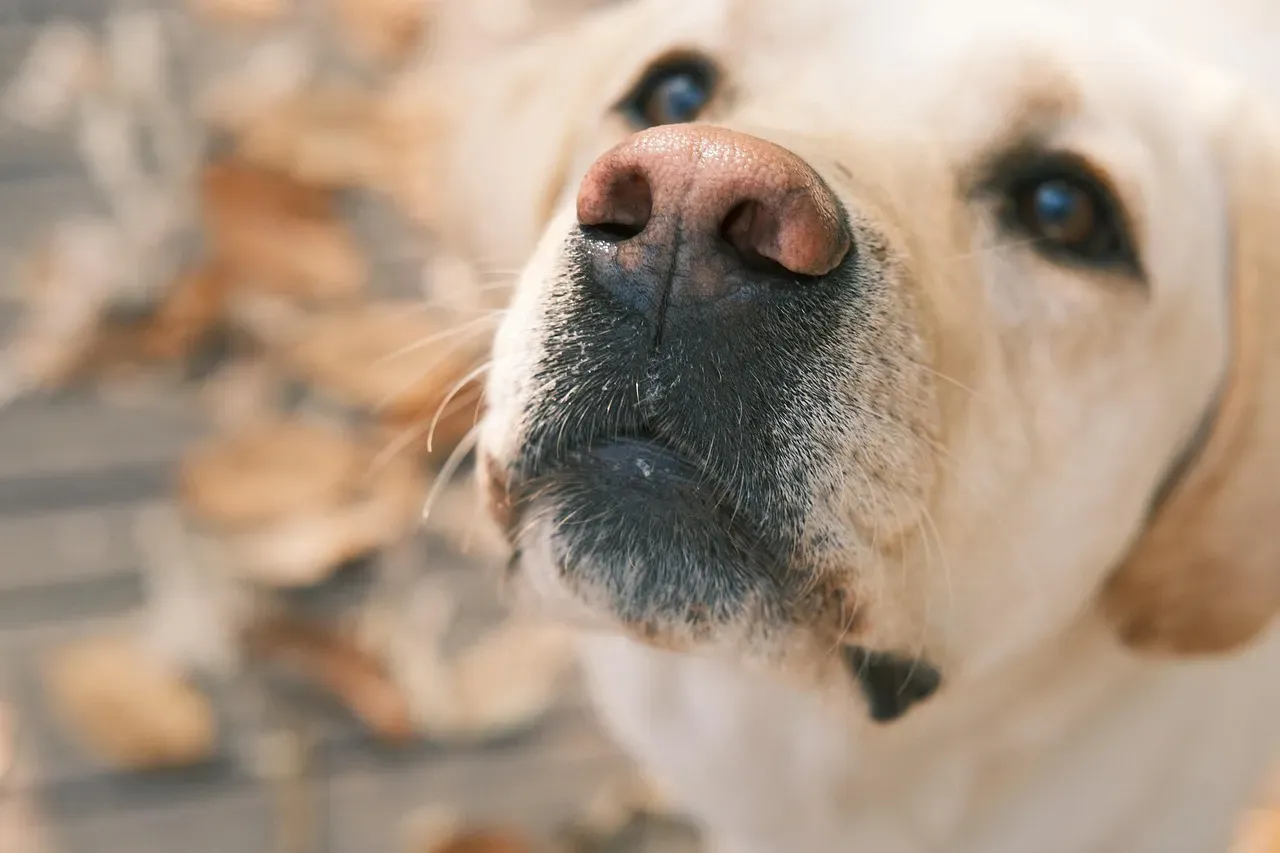
Most people think direct eye contact reads as “friendly interest.” For a nervous dog, it reads as the opposite. Walking straight toward a fearful dog while locking eyes is dog language for pressure and threat, and their brain jumps to “do I bark, freeze, or bite” before you’ve even said hello.
You might mean well, but your body is saying, “I’m coming, and you can’t get away.” A safer approach is to turn your body slightly sideways, skip the eye contact, and give the dog a curved path instead of a head-on march. Talk to the human, not the dog. Ironically, dogs feel safest around people who act like they’re no big deal, and they remember exactly who respected that invisible bubble.
#2 – Reaching Over the Head for a Pat
The hand-over-the-head pat is the human default, and it’s one of the worst things you can do to a nervous dog. Anxious dogs often see a hand coming down from above as unpredictable and trapping, especially if they’ve ever been grabbed or pushed before. You’re placing your arm over their escape route while leaning in, which is a lot of pressure in dog terms.
A better move is simple: keep your hand low and by your side, let the dog come sniff first, then gently scratch under the chin or chest only if they lean in. If they back away or freeze, you stop, full stop. When visitors ignore this and keep reaching anyway, the dog quietly learns a new rule for next time: bark sooner, before the hands get close.
#3 – Talking in an Overexcited Baby Voice
People assume a high-pitched, squealy voice is comforting. “Who’s a good boy, it’s okay, it’s okay!” To a stressed dog, that frantic tone can sound like an alarm going off, not reassurance. High energy plus high pitch reads as “something big is happening,” which ramps up their nervous system instead of settling it.
Calm, low-key speech does the opposite. Short, neutral comments like “hey buddy” or “you’re alright,” paired with slow movement, tell the dog there’s nothing to freak out about. Avoid chanting “it’s okay” while hovering over them, because you’re literally pairing that phrase with fear. By the next visit, your voice alone can trigger anxiety, since it’s now linked to the last scary moment.
#4 – Ignoring the Dog’s Quiet “No Thanks” Signals
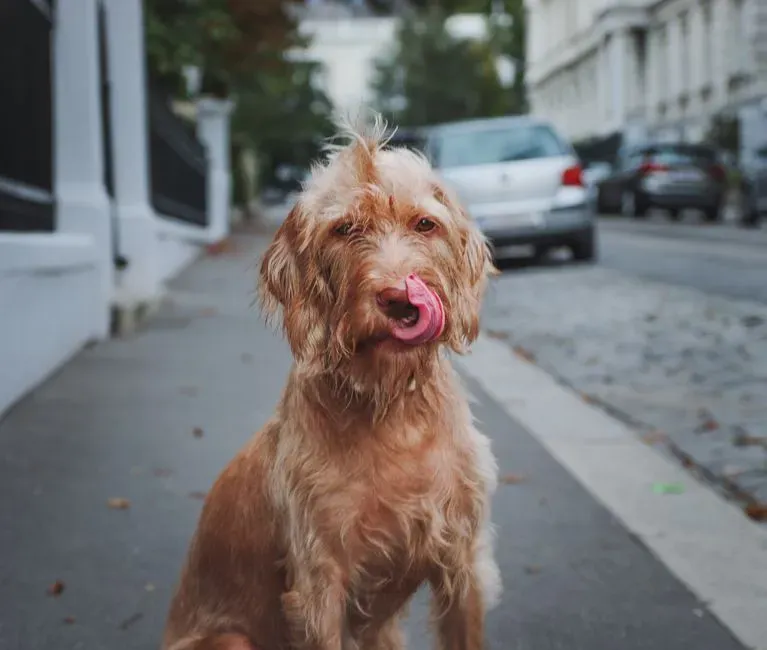
Most people only notice a dog is stressed once it barks, growls, or snaps. By then, that dog has already said no about twenty times in smaller ways. Lip licking, yawning when not tired, looking away, a stiff body, or slowly backing up are all early signs of discomfort, and they’re easy to miss if you’re not watching for them.
Respecting those whispers matters. If the dog leans away, stop reaching. If they move behind their owner, give them room. If they sniff and then step back, don’t follow. When visitors blow past those cues over and over, the dog is forced to escalate to be heard. That’s often how “he was fine until he bit” stories start. He wasn’t fine. People just weren’t listening.
Fast Facts
- Lip licking when there’s no food around
- Yawning even though the dog isn’t tired
- Looking away or turning the head
- A stiff, frozen body posture
- Slow, deliberate steps backward
#5 – Forcing Physical Contact “So They Get Used to It”
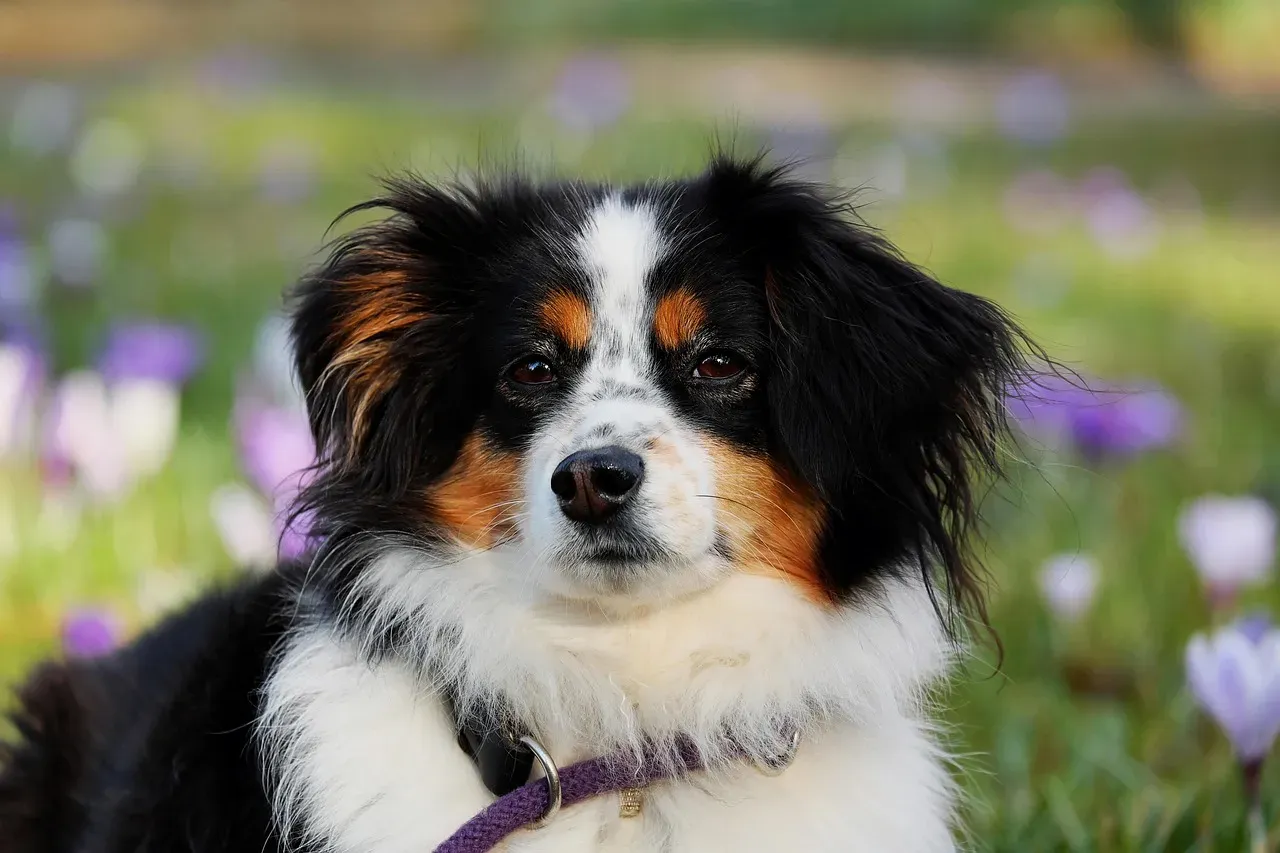
This one is a genuine myth. “He just needs to be handled more so he gets over it.” In reality, flooding a nervous dog with forced petting or restraint usually deepens the fear instead of curing it. Their brain doesn’t file it as “no big deal.” It files it as “I can’t stop people from touching me, so next time I need a bigger reaction.”
Instead of forcing contact, let the dog choose if and when to close the gap, keep interactions short and gentle, and let them leave without being called back. Think of it like someone with a fear of heights: shoving them to the cliff edge doesn’t cure the fear, it cements it. On the next visit, even your shoes on the porch might spike their heart rate, because you’ve become the person who removes their sense of escape.
#6 – Crowding Them Into Tight Spaces
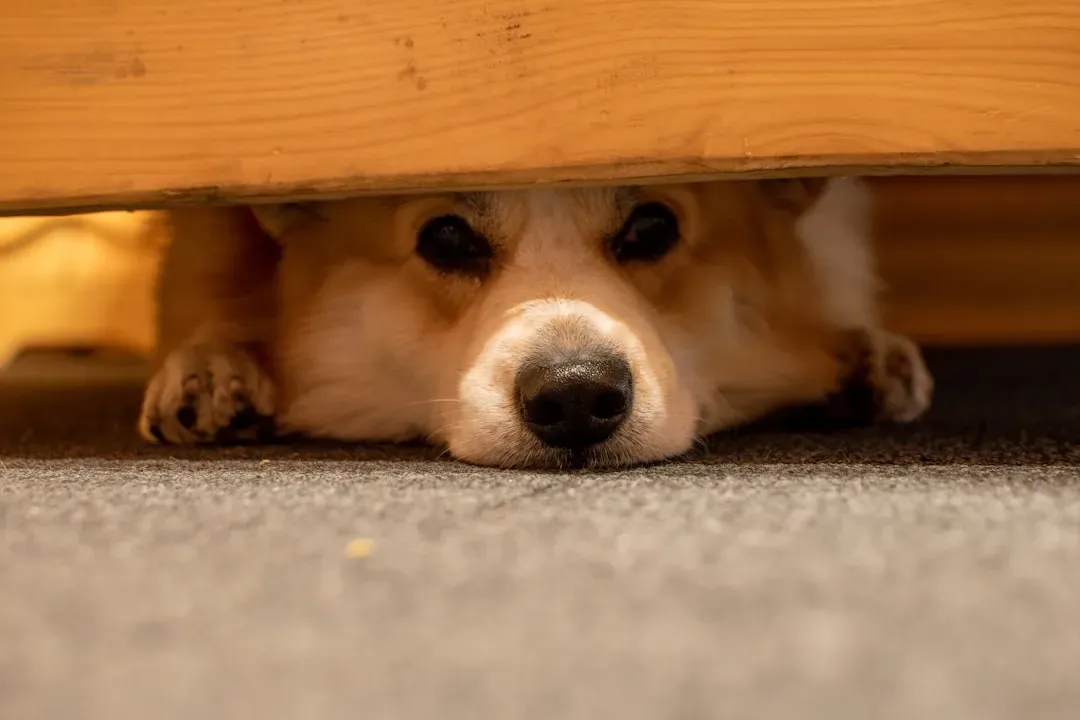
Humans don’t always notice how corners, hallways, and under-table spots feel to a dog. A nervous dog trapped between the couch and a coffee table, with a visitor bending over them, has exactly one thought: there is nowhere to go. Lack of an escape route is one of the fastest ways to turn nervousness into defensive aggression.
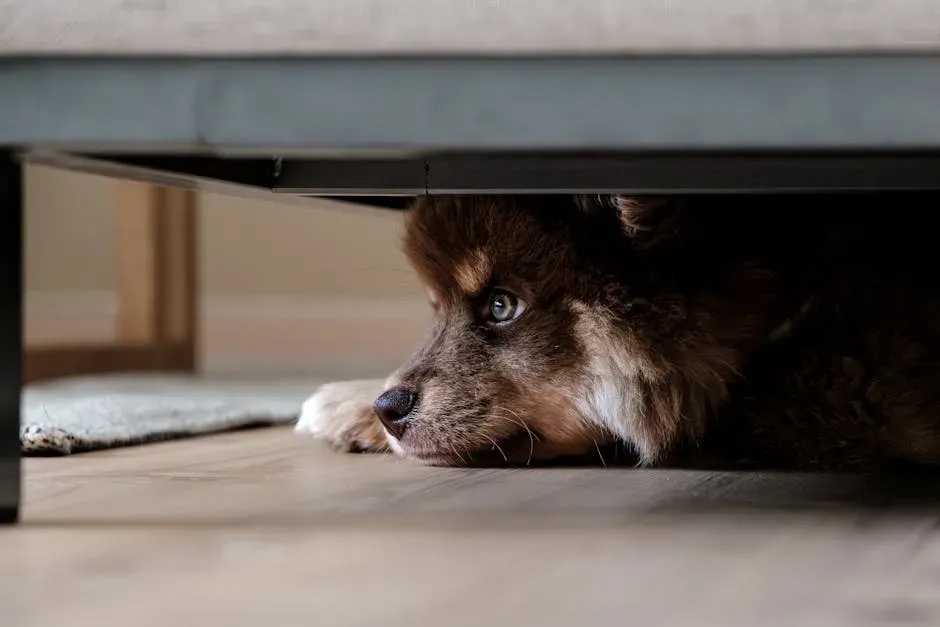
If a dog retreats under a table or behind furniture, that’s their safe zone. Hovering nearby, peeking in, or reaching under there tells them even their hiding spot isn’t safe anymore. Instead, ask the owner where the dog feels comfortable, give that spot a wide buffer, and physically position yourself so the dog always has a way to walk away from you. Dogs remember the people who let them retreat without chasing.
#7 – Using Food to Lure Them Closer Too Soon
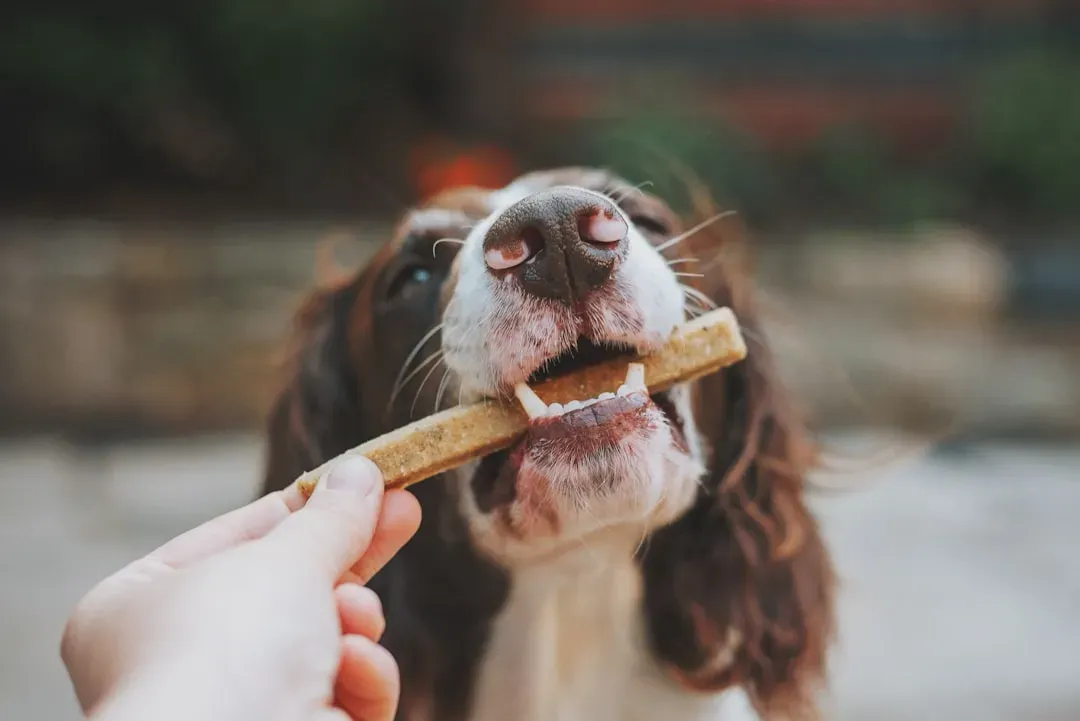
Treats are powerful, and they’re misused constantly. People assume, “if I offer a cookie, they’ll see I’m nice.” But luring a nervous dog into your space with food can create an ugly internal conflict: their stomach wants the treat, their brain wants distance. Many dogs will dart in, grab, and immediately flinch or retreat, feeling worse than before.
Used well, food should mark bravery at a distance the dog chooses. Toss the treat away from you so they can eat while moving toward safety, only inch closer if their body stays loose, and never use treats as bait to get a touch in. When dogs learn food is the trap that brings scary people closer, they may approach next time but panic the second they arrive. That’s often where “he bit as he took the treat” stories come from.
#8 – Moving Too Fast, Too Big, or Too Unpredictably
Nervous dogs watch every inch of your body. Fast arms, sudden standing, dropped bags, big gestures while laughing, all of it is data to them. Jerky, unpredictable movement tells a fearful dog that this creature is out of control and might lunge. They’re already rehearsing an escape route while you’re just shifting in your seat.
Slow everything down. Stand up in stages instead of one explosive movement, avoid looming over them as you walk past, and keep your hands anchored instead of waving them around. Kids are often the biggest offenders here, not out of malice, just nature, and many dogs store a permanent mental snapshot of “small humans equal chaos.” On the next visit, even a zipper or a chair scraping the floor can put them on high alert, because they’re bracing for another jump scare.
#9 – Laughing Off or Dismissing Their Fear
“Aw, he’s fine.” “He’ll get over it.” “Don’t mind him, he’s being dramatic.” To humans, this is casual small talk. To the dog, it means no one is going to protect them. When nervous dogs learn their fear gets minimized, they stop trusting their humans to advocate for them, so they take the job on themselves through bigger barks, bigger growls, bigger displays.
Smart visitors say things like, “he looks uncomfortable, I’ll give him space,” or “I don’t need to pet him, I just want him to feel safe.” That language shapes what the owner allows too. Reassuring the human while you crowd the dog sends exactly the wrong message, and by the next visit, the dog is already braced to be ignored and pushed through again.
#10 – Getting Offended When the Dog Doesn’t “Like” You
People secretly expect dogs to adore them, and they take it personally when a nervous dog barks, hides, or refuses to come over. Acting hurt, insisting on “winning them over,” or announcing “dogs always love me” is human ego, not canine empathy. The dog doesn’t dislike you. They’re trying to survive their own brain chemistry and history, and none of it is about your charm.
The more you make their reaction about you, the more pressure you add to the room. Genuinely giving the dog permission to skip interaction this time can do more for their long-term opinion of you than any treat or forced cuddle ever could. Dogs remember the people who didn’t demand emotional labor from them while they were scared.
#11 – Ignoring the Owner’s Rules and Boundaries
Every anxious dog has some version of house rules around strangers: no reaching over the gate, don’t follow into the safe room, wait for the dog to come to you. When visitors decide those rules are “over the top” and ignore them, they actively sabotage the dog’s progress, and the dog regresses a little more each time guests come over.
If the owner says don’t look at him when you walk in, or he does best if you sit first and ignore him, take that as gospel, not a suggestion. Pushing back with “oh, he’s fine, I know dogs” is a red flag to anyone who actually understands behavior. Next time you show up, the dog won’t remember your name. They’ll remember you as the person who broke the only rules that kept them feeling safe.
#12 – Arriving in a Loud, Explosive Way
Slamming car doors, yelling up the driveway, banging on the door, ringing the bell over and over, it all hits a nervous dog like a thunderclap. The visit starts at a ten out of ten stress level before you’ve even taken your shoes off, and once that adrenaline is up, it can stay elevated for hours.
Ask the owner what kind of arrival is least triggering. Text instead of hammering the doorbell, come in calmly without yelling greetings down the hallway, close the door gently, then talk. The first thirty seconds of your arrival often decide how the next two hours will go. Dogs have remarkable place and sound memory, so if your visits always open with a mini fire drill, they’ll start spinning the moment your car pulls into the driveway next time.
#13 – Insisting the Dog “Face Their Fears” All at Once
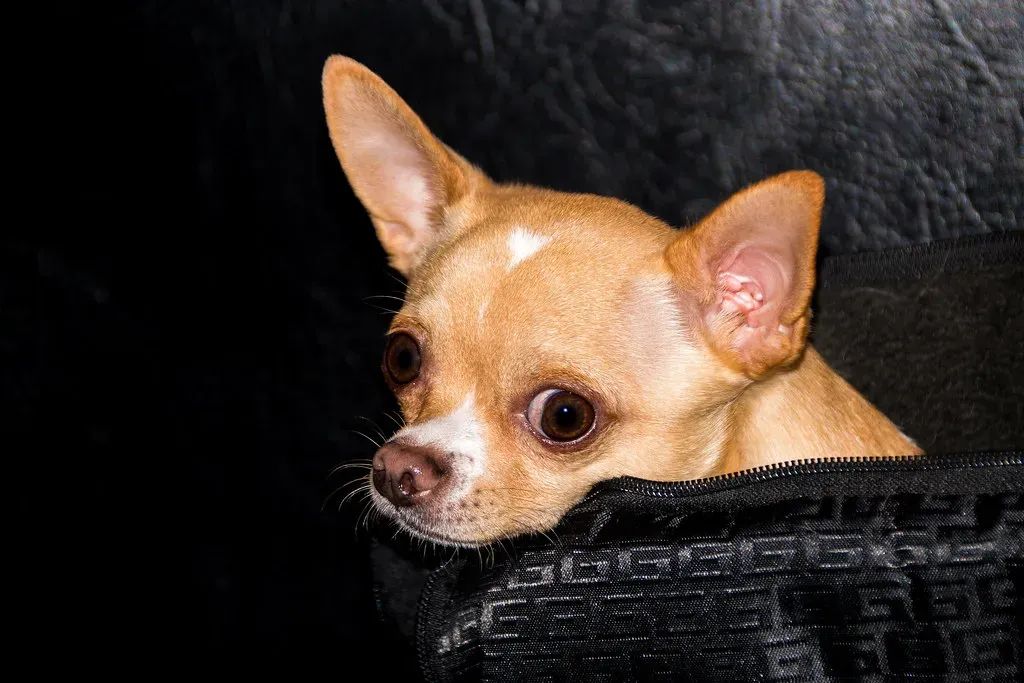
There’s a huge difference between controlled, gradual exposure and what most people actually do, which is dragging a fearful dog into the middle of their worst trigger and calling it confidence building. Forcing a nervous dog to sit in a crowded living room or holding them while people pass them around doesn’t teach bravery. It teaches learned helplessness, or it teaches a much bigger escape attempt next time.
Real progress looks smaller and slower: the dog can see you from a distance and stay relaxed, they choose to step closer and can retreat, and sessions end on a calm note instead of a meltdown. When visitors insist on facing fears in one big session, they’re really just rehearsing panic, and the dog’s brain files your presence as a predictor of overwhelm.
#14 – Misreading Tail Wags and “Kisses” as Happiness
One of the most dangerous misconceptions out there: “if the tail is wagging, he’s happy.” A wagging tail just means arousal, and nervous, conflicted, or even aggressive dogs wag their tails too. Fast, high, stiff wagging with a tight body often signals “I’m not okay, but I’m gearing up,” not an invitation for a hug.
Licking gets misread the same way. Quick, darting tongue flicks toward your hand or face can be appeasement, a dog trying to defuse tension, not affection asking for more. Experts read the whole dog, eyes, ears, mouth, posture, movement, never just the tail. When visitors mislabel stress as sweetness, they keep pushing long after the dog has hit its limit, and by the next visit, the dog may skip the subtle warnings entirely and go straight to something stronger.
Quick Compare
- Loose, low, wide wag: relaxed and comfortable
- Fast, high, stiff wag: aroused, tense, possibly fearful
- Tight, tucked wag: anxious and bracing
- Slow, cautious wag: unsure, still deciding
#15 – Hovering Over Them When They’re Lying Down
A dog finally settles onto their bed or couch, and a visitor sees their chance. “Now I can pet him, he’s calm!” Standing over a lying dog, bending at the waist, reaching down, is one of the most intimidating postures a human can take, because the dog is at a physical disadvantage and has to scramble just to get away.
Ask the owner if the bed is a no-visitor zone, because it probably should be. If the dog gets up and approaches you, great. If not, let them be, and sit down at their level elsewhere so they can make the choice. Dogs who get disturbed on their resting spot often decide they can’t relax at all when visitors are around, so next time they pace, bark, or hide instead of settling, and owners misread it as “he’s getting worse.”
#16 – Picking Them Up or Restraining Them “For Safety”
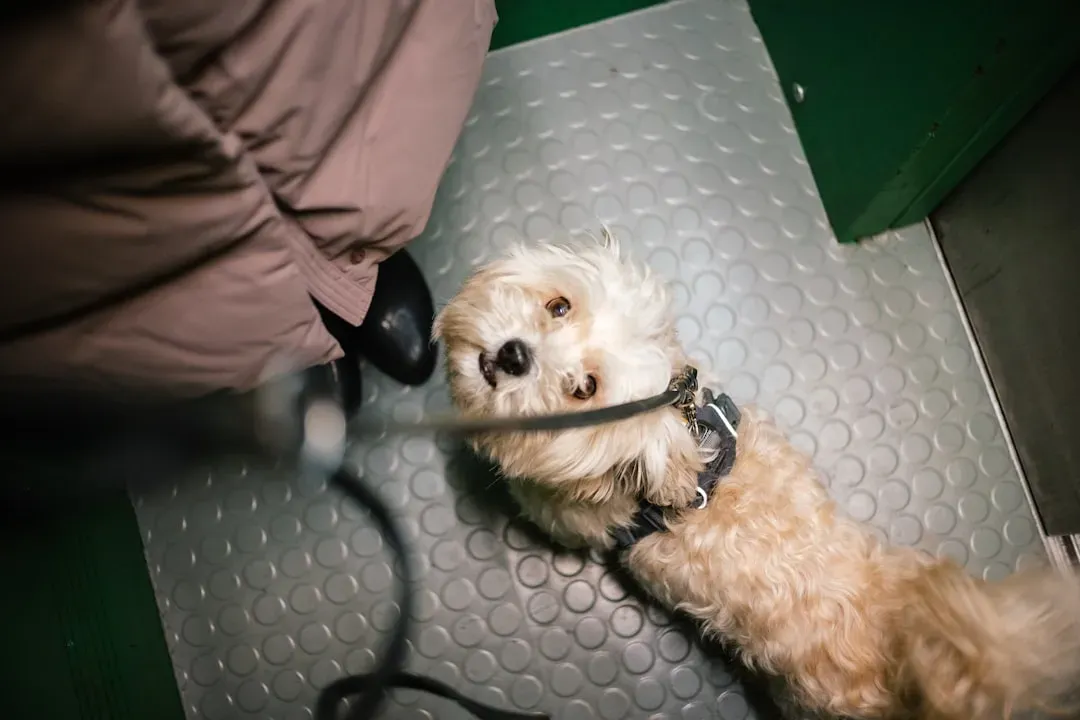
Small dogs get the worst of this one. Someone visits, the dog gets barky, and the instinct is to scoop them up or pin them in a tight hug so “they don’t nip.” From the dog’s perspective, their only defense, movement, was just taken away at the exact moment they felt threatened. That’s a perfect recipe for panic.
Physical restraint can turn a warning bark into frantic squirming and growling, and it teaches the dog that visitors mean being trapped in someone’s arms. It also raises the odds they redirect a bite onto whoever’s holding them. A better fix is physical barriers instead of restraint: baby gates, a leash on a harness, or a separate room with something to chew. When dogs get to choose “farther away” instead of “exploding,” future visits get quieter, not louder.
#17 – Letting Kids Interact Without Strict Rules
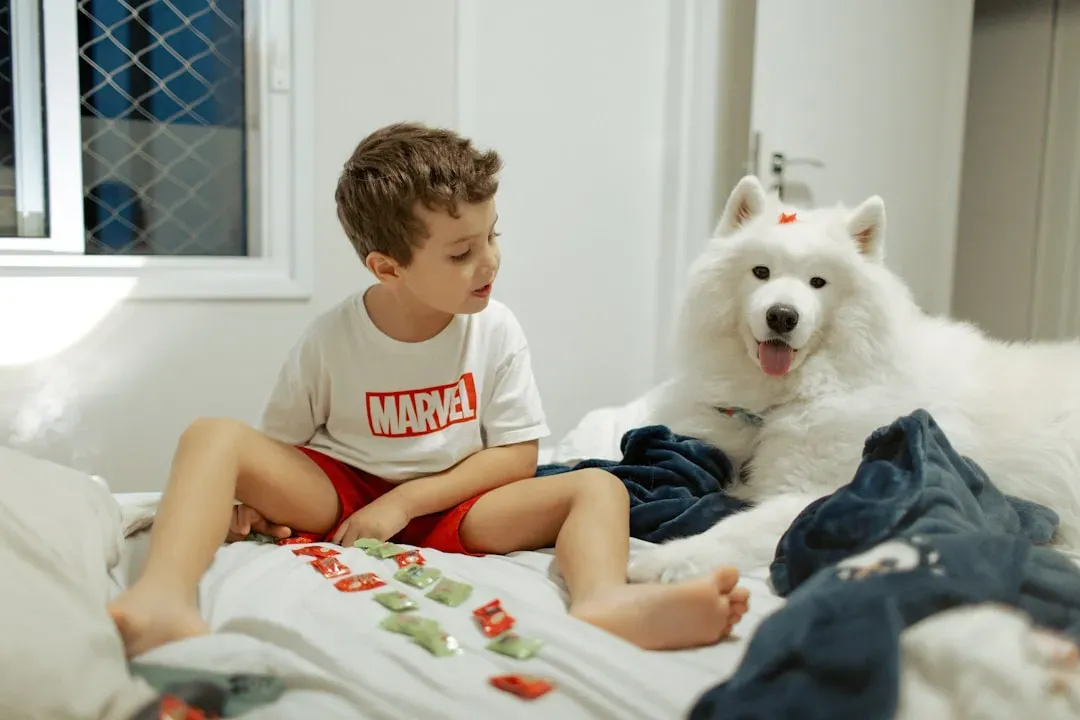
Kids and nervous dogs can coexist, but never casually. Unpredictable, bouncy, grabby child behavior is one of the biggest triggers for an already-anxious dog, and it only takes one incident, one hug around the neck or one chase with a toy, to stamp a permanent “small humans are scary” label on that dog’s brain.
Adult visitors need to enforce a strict rule: no touching unless the dog comes to you and an adult says yes. Ban running, shrieking, and toy-waving near the dog’s safe zone. Many “aggressive toward children” cases start as “he just tolerated it, until one day he didn’t.” Nervous dogs who survive one chaotic kid scenario rarely relax at the next visit. They start from maximum suspicion the moment they hear little feet at the door.
Worth Knowing
- No touching unless the dog approaches first
- No chasing, shrieking, or toy-waving nearby
- An adult always says yes before any contact
- Hugs around the neck are off-limits, always
#18 – Using Punishment to Stop Barking at You
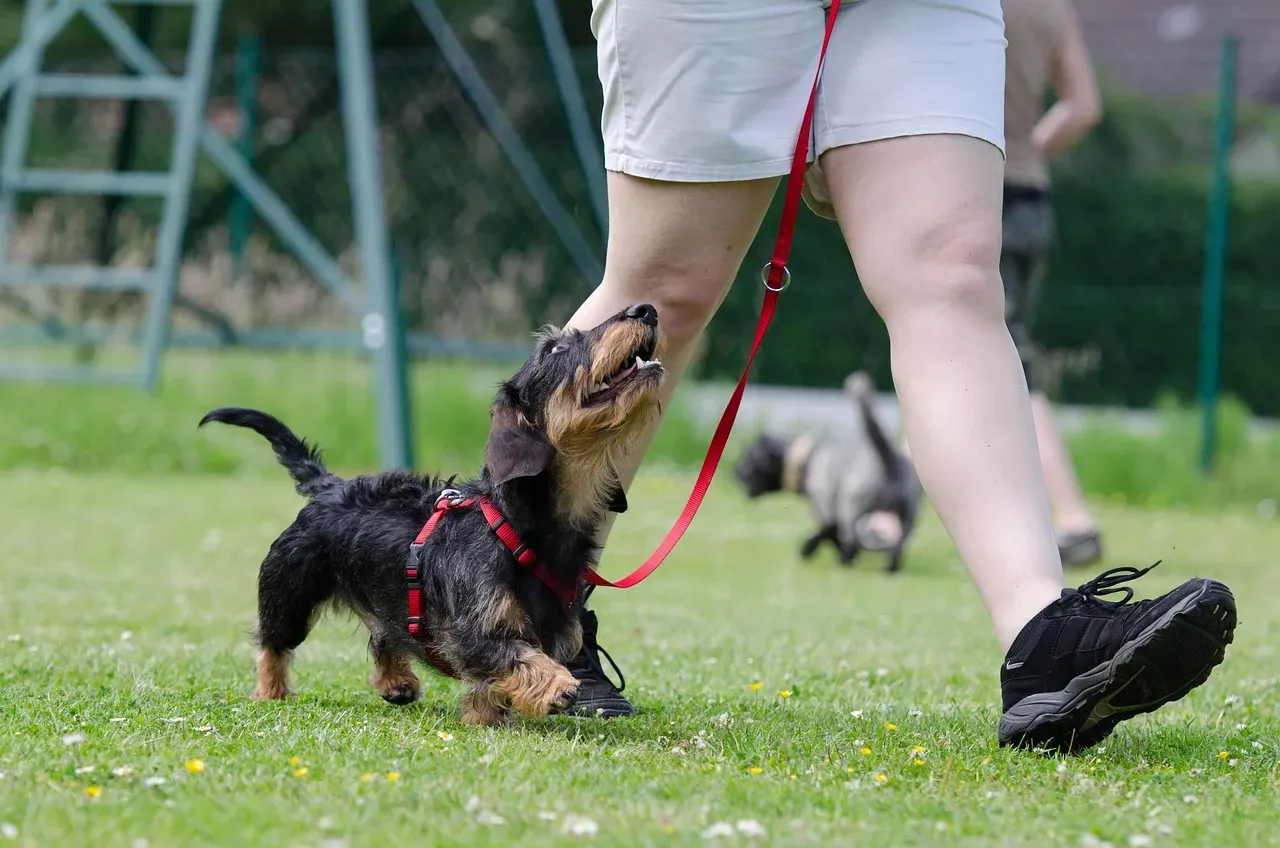
Some visitors, and even some owners, will yell, snap their fingers, jerk the leash, or use a spray bottle when a dog barks at them. That might quiet the dog in the moment, but it welds your presence to pain, fear, or discomfort in their mind. You don’t just become scary. You become scary and unpredictable, which is worse.
Barking is communication, not disobedience. The dog is saying you’re too close, I’m not ready, back off. Rewarding even one second of quiet with distance, soft praise, or a treat tossed away from you teaches the dog that calm gets results. When punishment is used instead, the next visit often brings faster, harder escalation, because quiet didn’t keep them safe last time either.
#19 – Overstaying When the Dog Is Clearly Cooked
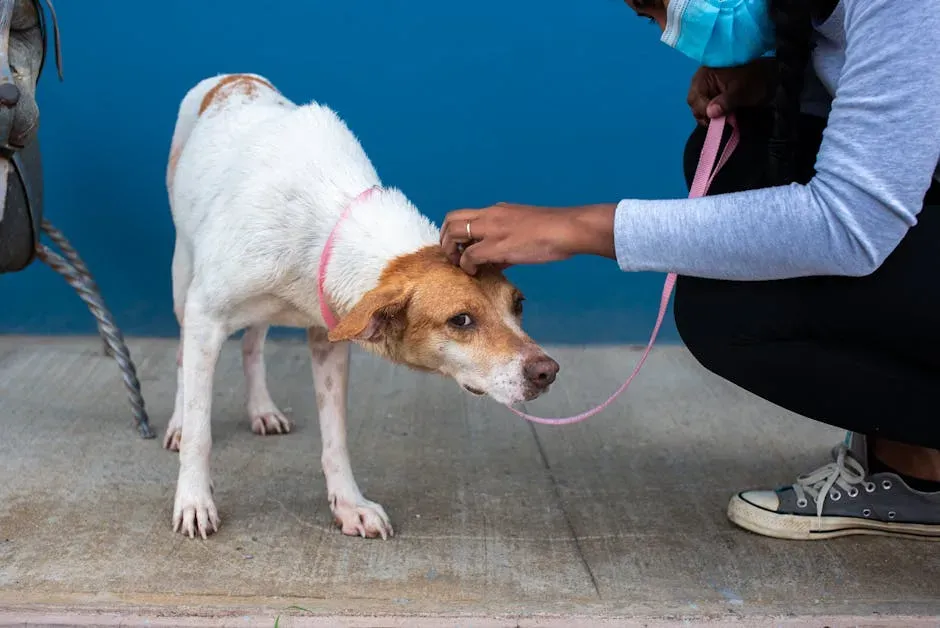
Nervous systems get tired, just like ours do. Many anxious dogs can hold it together for the first twenty to forty minutes, then hit a wall where every small noise feels like too much. Visitors who linger for “just one more drink” or push for “one more interaction” send the dog well past its coping capacity.
Watch for pacing, panting, hiding behind furniture, or startling at sounds they normally ignore. The kindest thing you can do for a fearful dog is leave while they’re still doing okay, so their last memory is “the visitor was here and nothing bad happened,” not “the visitor stayed until I fell apart.” If every visit ends in a meltdown, the dog’s brain will jump straight to that feeling the moment you walk in next time.
#20 – Smelling Like a Walking Dog Park
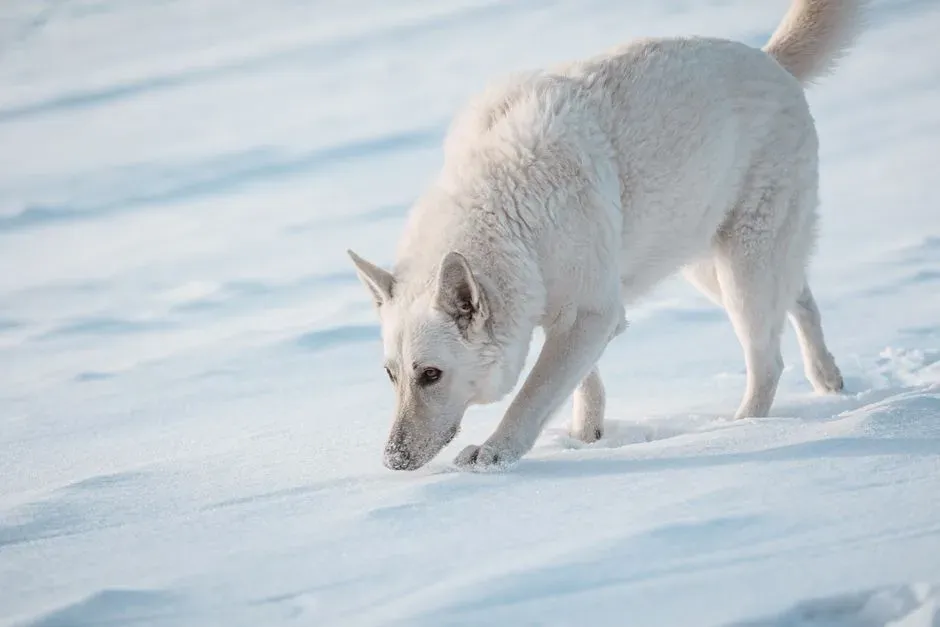
Dogs live through their noses. When you arrive coated in the scent of five other dogs, a cat, and the daycare you just toured, you bring an invisible cloud of intensity right into their living room. For a nervous dog, that’s a flood of information, and it can feel like strange dogs have invaded their territory even though none are actually there.
You can’t erase your scent, but you can wash your hands, change an outer layer if you’ve had heavy dog contact, and avoid crowding them while you’re carrying it all. Let them sniff your shoes or bag from a distance rather than lifting things up to their face. If you always smell like too many strangers, some anxious dogs will start pre-reacting before they’ve even looked at your face, and by the next visit, they may bark the instant your scent hits the air.
#21 – Forgetting to Be the Same Person Every Time
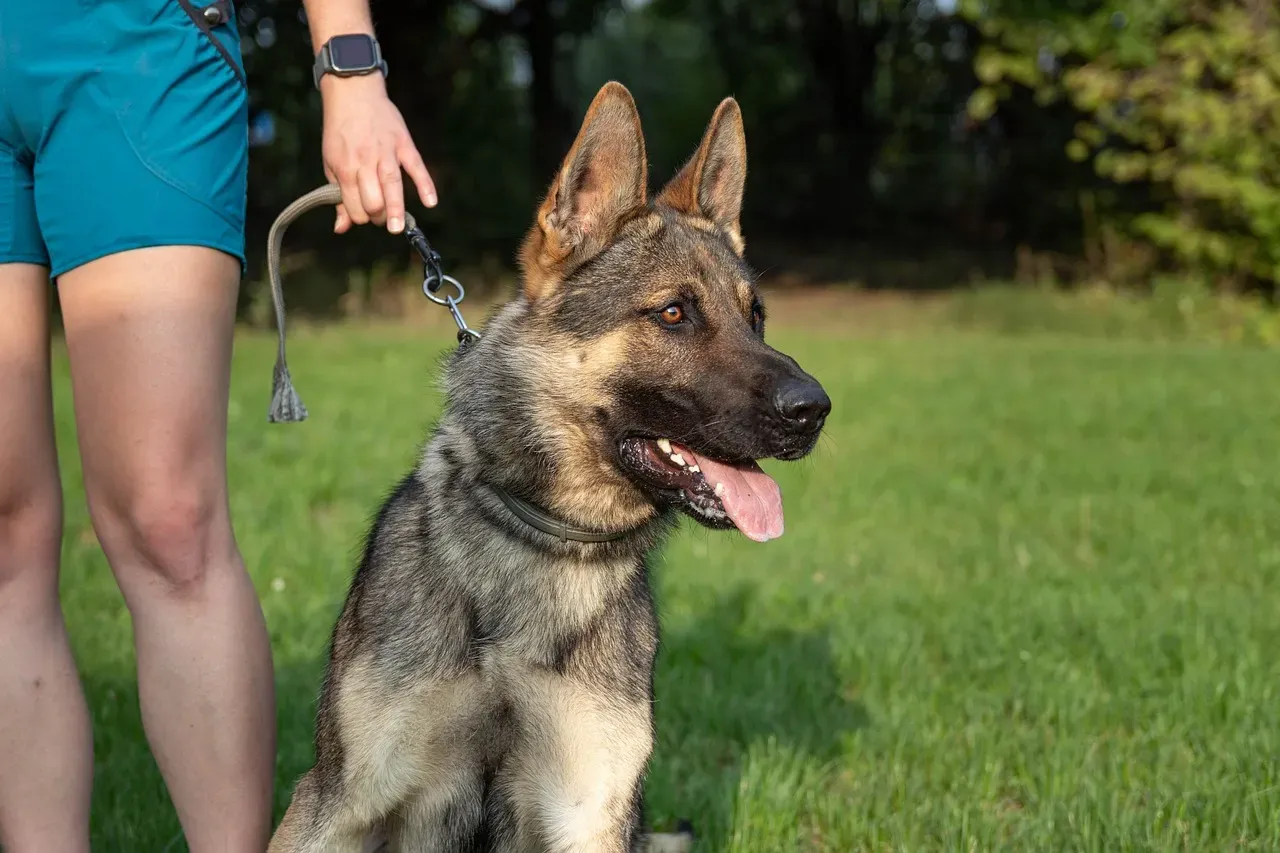
Nervous dogs thrive on patterns. When one visit you’re calm and quiet, and the next you’re loud and playful and all over them, they simply can’t predict who you are. That unpredictability is deeply unsettling for an anxious animal, and they stop trusting the “safe version” of you because the wild card keeps showing up unannounced.
Think about consistency in how you enter, how much you talk directly to the dog, and whether you try to pet them at all. If you’ve decided you’re the person who ignores the dog unless they clearly ask for interaction, be that person every single visit. Nervous dogs notice the smallest shifts, and inconsistency delays trust more than almost any single mistake.
#22 – Treating One Good Visit as “Problem Solved”
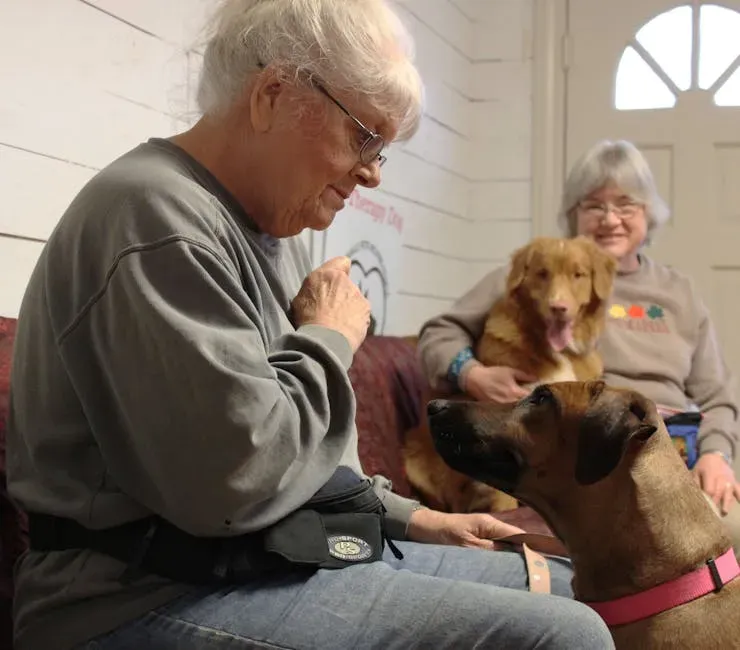
This one quietly ruins a lot of hard-won progress. A nervous dog finally has one decent visit with you, fewer barks, maybe a sniff, maybe even a tail wag, and people instantly relax every rule. They assume the dog is “fixed” instead of understanding trust as a fragile, cumulative process, so next time they push twice as fast and twice as hard.
Suddenly you’re trying to pet more, standing up and walking around more, inviting more people over at once. From the dog’s view, the deal changed overnight. The safe, predictable visitor became intrusive again. Relapses after a “good” visit are common precisely because people stop acting like a safe person and start acting like a casual stranger. Long-term trust means treating the second, third, and fourth visit with the same patience as the first.
At a Glance
- Keep the same calm energy every single visit
- Don’t rush more contact after one good visit
- Let the dog set the pace, not the calendar
- Treat visit four with the same patience as visit one
#23 – Expecting Them to React the Same to Every Stranger
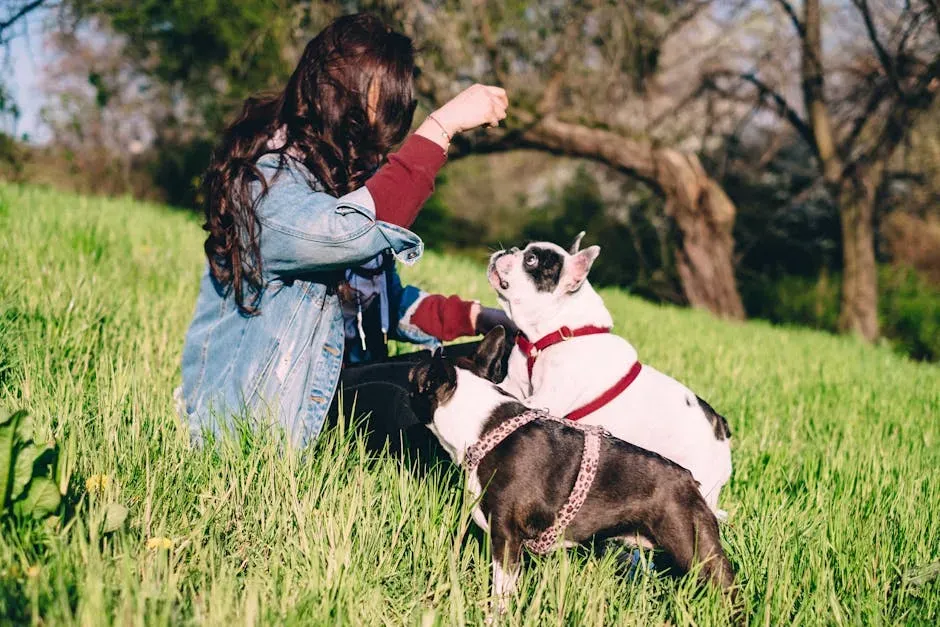
Visitors love to compare themselves to others. “He’s fine with your brother, why is he weird with me?” Dogs don’t have one single “stranger” category. They have a library of specific humans, body types, scents, and energy patterns, and a tall guy with a deep voice reads completely differently than a woman in a big hat or someone using a cane.
If you fall into a category that scares them more, you have to work harder, not resent the dog for it. Bigger, louder people should be extra still and quiet. People with unusual gear should remove what they can if the owner says it helps. Assuming someone else’s success with the dog entitles you to the same reaction only adds edge to your body language, and that edge is still there on the next visit, whether you notice it or not.
#24 – Assuming Your “Dog Experience” Automatically Helps
Dog people are often the worst around nervous dogs, because they’re sure they already know what they’re doing. Prior experience with friendly, social dogs can make you overconfident and under-cautious with fearful ones, and the techniques that charm a golden retriever at a brewery, big energy, direct interaction, roughhousing, are poison around a dog who’s already anxious.
Real skill looks like letting the owner lead even if you’re a trainer or a vet tech, asking “what helps him feel safe” instead of launching your usual routine, and being willing to do less, not more. Dogs don’t care how many puppies you’ve raised. They care how you act around them right now. Overconfident visitors collect more bites precisely because they ignore warnings they think they’re too experienced to need, and the next visit, that dog is loading before your shoes even hit the floor.
#25 – Trying to “Win Them Over” Instead of Just Being Boring
This is the quiet root of nearly every mistake on this list: people are obsessed with making the nervous dog like them. They try too hard, move too much, talk too often, and constantly check in. Is he better? Can I pet him now? Does he like me yet? All of that focus turns the dog into a project and turns your presence into pressure.
Here’s the paradox nobody expects: for nervous dogs, the safest humans are the boring ones. The ones who sit down, chat with the owner, and mostly pretend the dog isn’t there. The ones who don’t take it personally if the dog never says hello that day. When you stop auditioning for the dog’s approval, your energy drops and you become predictable, and that’s exactly when a truly anxious dog finally exhales.
The Bottom Line
Nervous dogs don’t get randomly worse with visitors. They get carefully taught, visit after visit, that humans won’t listen to their signals, won’t respect their space, and won’t let them opt out. Every reach over the head, every forced cuddle, every “he’s fine” while he’s clearly not, quietly convinces that dog to bark sooner, growl louder, or disappear faster next time.
The fix isn’t magic, and it definitely isn’t more love. It’s less ego, more restraint, and a willingness to be the most boring, predictable person in the room. If that sounds extreme, it’s only because most people wildly underestimate how frightening ordinary human behavior looks to an anxious animal.
Get it right, though, and the payoff is real: a dog who learns visitors don’t always mean chaos, and a next visit that actually gets better instead of spiraling. Which of these mistakes have you seen, or made, the most around a nervous dog?