
10 Small Moments in a Day a Dog Waits for That Nobody in the House Has Noticed
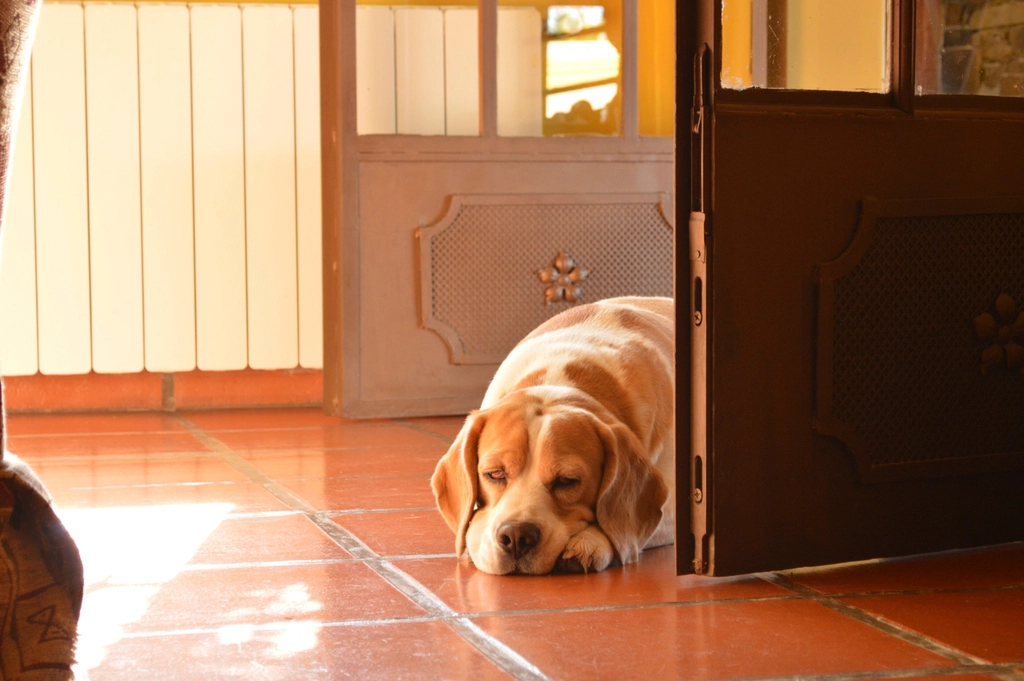
Ask most people what their dog does all day and you’ll get the same tired answer: they sleep, they eat, they wait by the door. It sounds boring, almost forgettable. But if you actually watched your dog frame by frame, you’d catch something strange – a series of tiny, invisible countdowns running in their head that you’ve never once acknowledged.
These aren’t the big, obvious moments like walk time or dinner time. They’re smaller, quieter, and honestly a little heartbreaking once you notice them. Behaviorists and longtime owners describe them as the real emotional heartbeat of a dog’s day – and by the time you finish this list, you’ll never look at your dog’s “downtime” the same way again.
#1 – The First Eye Contact of the Morning
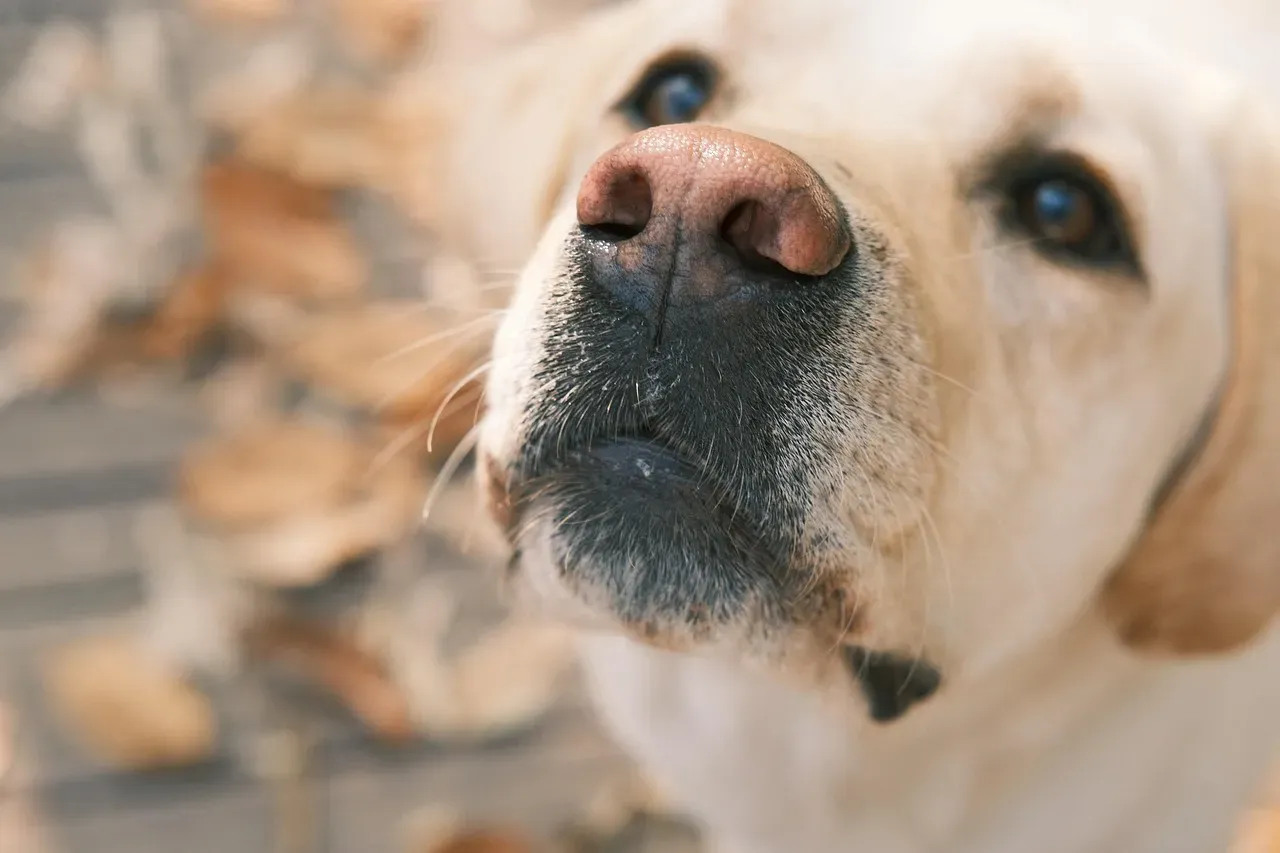
Your dog’s real “good morning” doesn’t start with your alarm. It starts the split second you finally look at them. That first eye contact is a tiny, silent event they’ve been lying in wait for – ears tuned to your breathing, watching for the moment your head turns toward them instead of your phone.
The instant your eyes meet, something shifts. Their tail starts, their body loosens, and their day officially begins. That tiny glance works like a green light: “We’re together again. We’re okay.”
Skip it, and some dogs will wait patiently for minutes, barely moving, hoping your gaze eventually lands on them. Others will nudge your hand – not begging for food, just begging to be seen. That two-second glance can quietly set the emotional tone for their entire morning, and most of us never even clock it.
#2 – The Sound of Keys, Even When You’re Not Leaving Yet
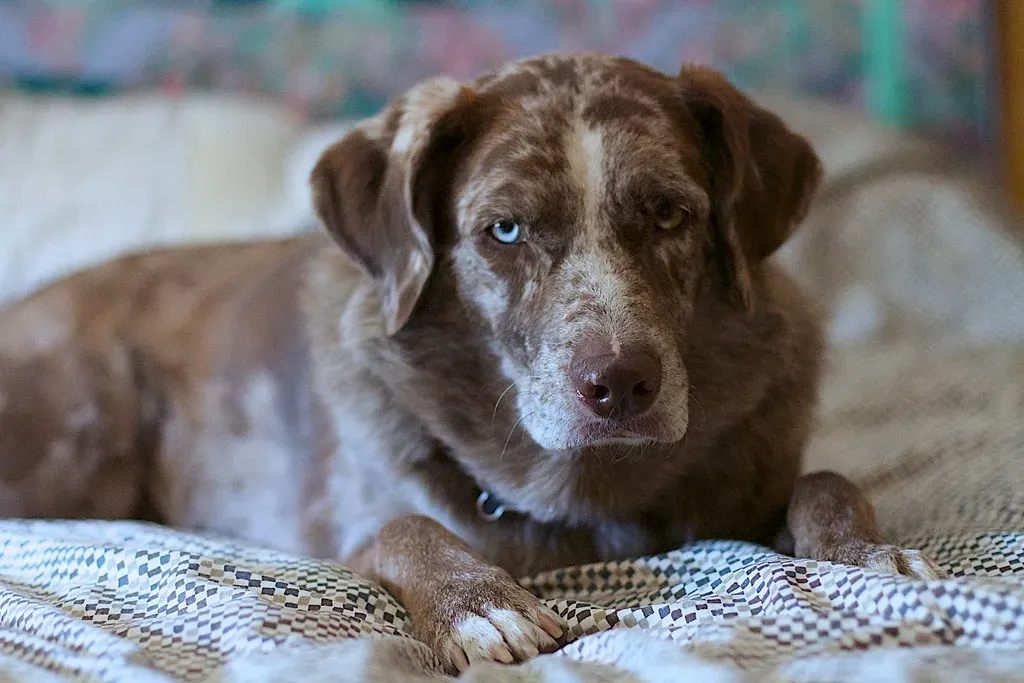
You probably think keys only matter the moment before you walk out the door. Your dog disagrees. To them, that jingle isn’t a simple announcement – it’s a prediction game they’ve been quietly running for years.
Dogs learn to tell your car keys from your spare set, the rustle of a bag from the sound of your footsteps after the jingle. Every combination tells a different story: are you leaving, staying, or taking them along? That means the seconds before and after the sound are spent in a state of low-key suspense you never register.
Grab your keys and sit back down, and some dogs relax instantly, filing it away as a false alarm. Others stay alert, ready to bolt to the door if you so much as shift your weight. We call this clinginess. It’s really years of unspoken suspense, built entirely around one small metal sound.
Worth Knowing
- Dogs can hear much higher frequencies than humans, giving them an early warning system for tiny sounds like keys or zippers
- Their ears contain more than a dozen independent muscles that swivel to pinpoint exactly where a sound is coming from
- That sensitivity means a jingle from another room can register long before you even notice you made it
#3 – The Half-Opened Fridge Moment
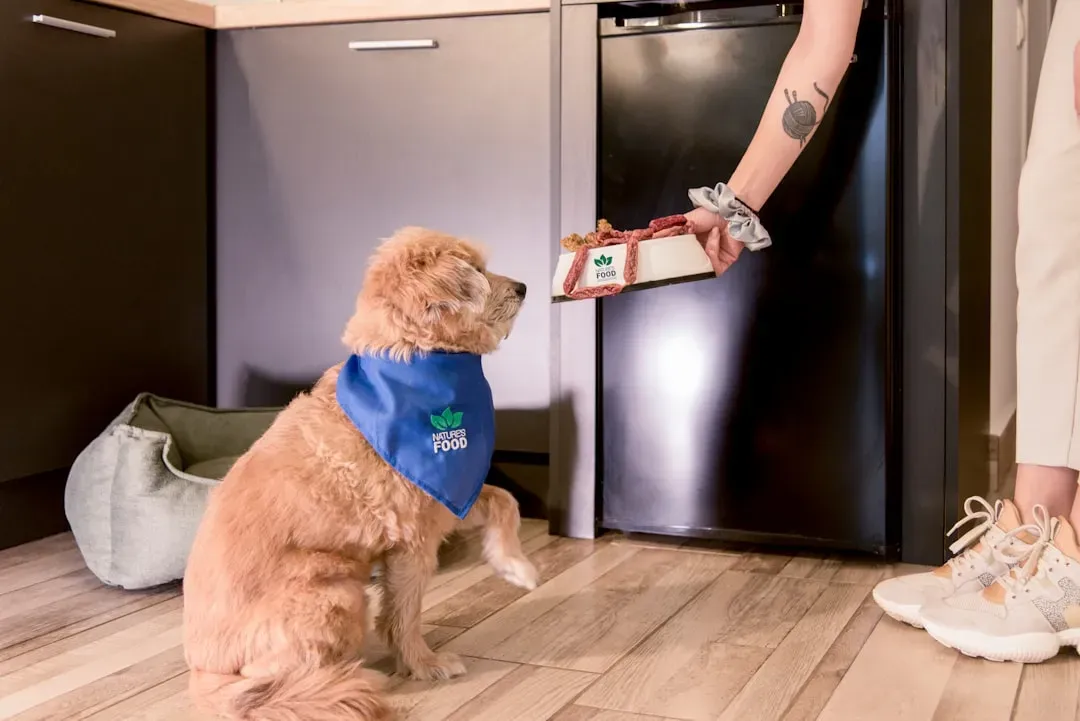
Everyone knows dogs love food. What people miss is how much they love the possibility of food – and nothing sets that off faster than the fridge door cracking open just a few inches. That half-second suction sound works like a starting pistol.
Most dogs appear instantly, not begging yet, just hovering with sharp, quiet focus. They’re studying your every move to answer one question: is this for me?
- Which shelf you reach for
- How long you stand there
- Whether you grab a “shared” food like cheese or something they never get
Over months, they build a private mental map: fridge, rustling bag, slow pause – maybe a treat. Even from another room, ears flick at every seal pop and jar twist. To them, every fridge opening is a tiny gamble worth paying attention to.
#4 – The Quiet Check of Every Door You Close
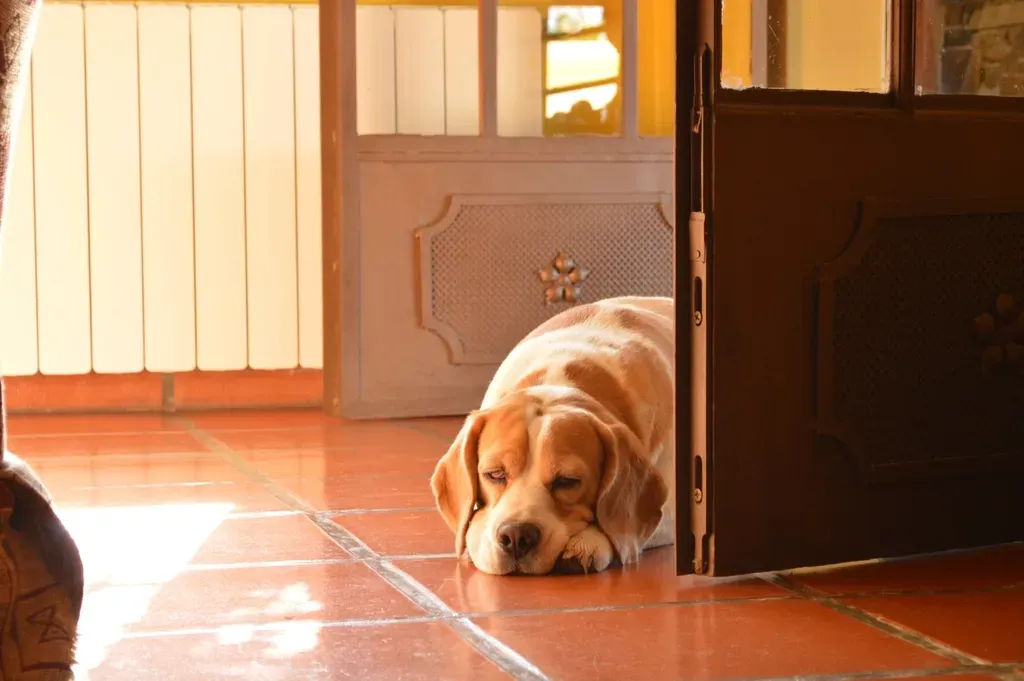
You shut a door and move on without a second thought. Your dog doesn’t. Every closed door – bedroom, bathroom, office – kicks off a small waiting game: is this temporary, or am I being shut out?
Many dogs wander over seconds later to sniff the crack or listen, not dramatically, just with quiet concern. In multi-person households, this becomes a constant low-level puzzle, with your dog quietly patrolling like security, tracking who’s accessible and who isn’t.
They’re not being needy. They’re doing a job nobody assigned them. Every closed door is a tiny separation, and every turn of the knob afterward is a tiny reunion – one you barely notice and they never stop tracking.
#5 – The Two Seconds Before You Say Their Name
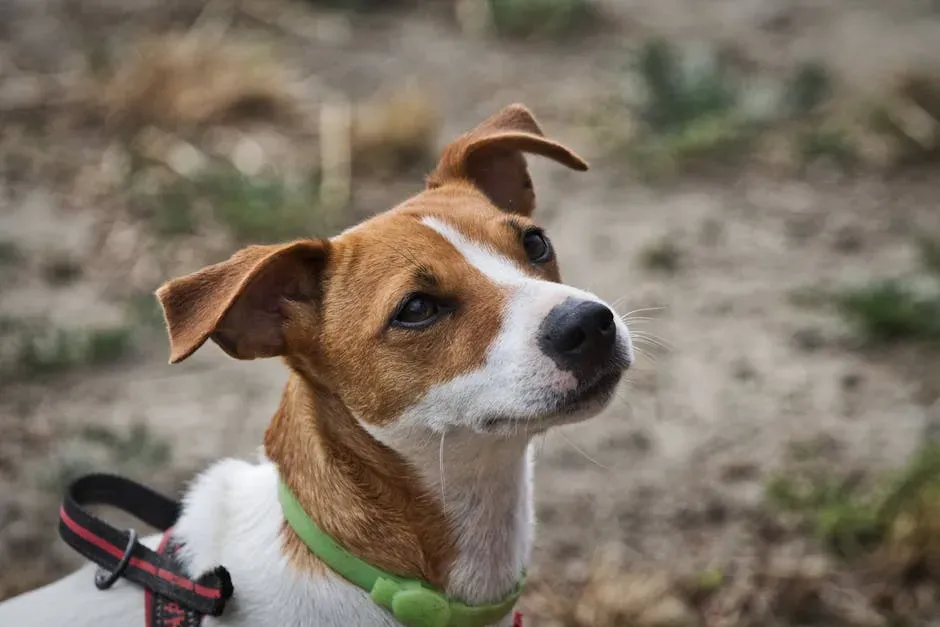
You assume your dog lights up the moment you call their name. What you don’t see is how intensely they read the silence right before it – the sucked-in breath, the shift of your weight on the couch, the slight turn of your shoulders toward them.
Dogs are experts at catching these pre-name cues. Often, they already know their name is coming a second or two before you say it out loud. They’re essentially reading your mouth before you speak.
This tiny gap carries real emotional weight. A happy tone paired with their name usually means treats or cuddles; a sharp tone usually means correction or a bath. So they watch your face in that pause, bracing or wiggling depending on what they expect next – an invisible second most owners never think twice about.
Fast Facts
- Dogs communicate mostly through body language, tone, and posture rather than words
- Repeated daily routines let dogs anticipate what’s coming next based on subtle physical cues
- A shift in your shoulders or a change in your breathing can be enough for a dog to predict your next move
#6 – The “Maybe We’re Going Somewhere” Clothing Change
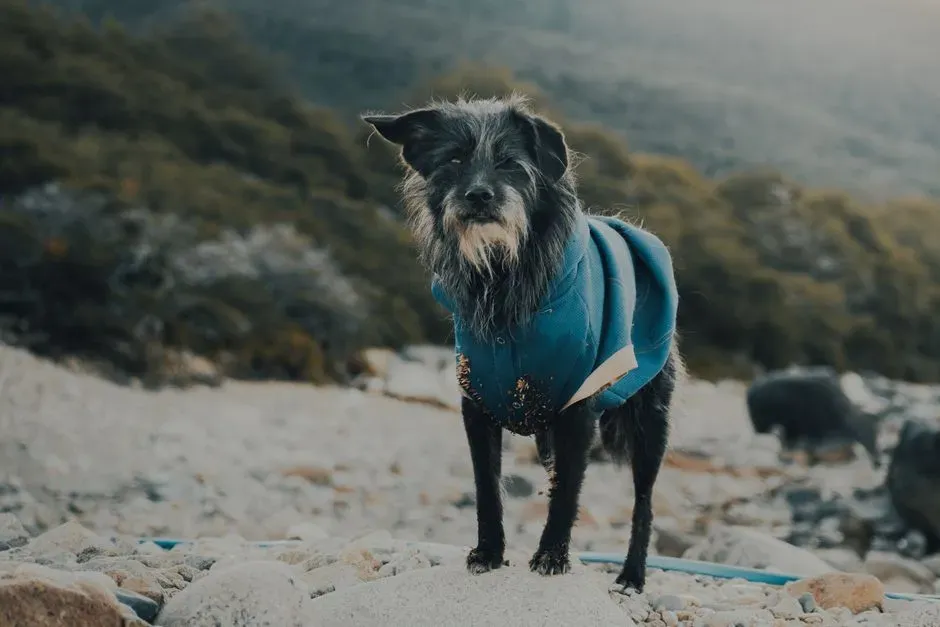
To you, changing clothes is just changing clothes. To your dog, certain outfits mean adventure, and they are quietly clocking every zipper and shoelace as you get dressed.
- Work clothes versus “walk clothes”
- Gym shoes versus “park shoes”
- Pajamas versus the outfit that means the day is over
The instant they spot a walk-linked item – a certain jacket, those rattling sneakers – their internal volume jumps. Some dogs hover in the doorway pretending to just hang out, tail twitching as each garment goes on.
If you put on the fun shoes and then sit back at your laptop, they may pace or sigh, stuck in a loop with no release. They already left the house with you emotionally. When that trip doesn’t happen, it isn’t just disappointment – over time, it can curdle into the restlessness we mislabel as bad behavior.
#7 – The Moment the House Finally Goes Quiet
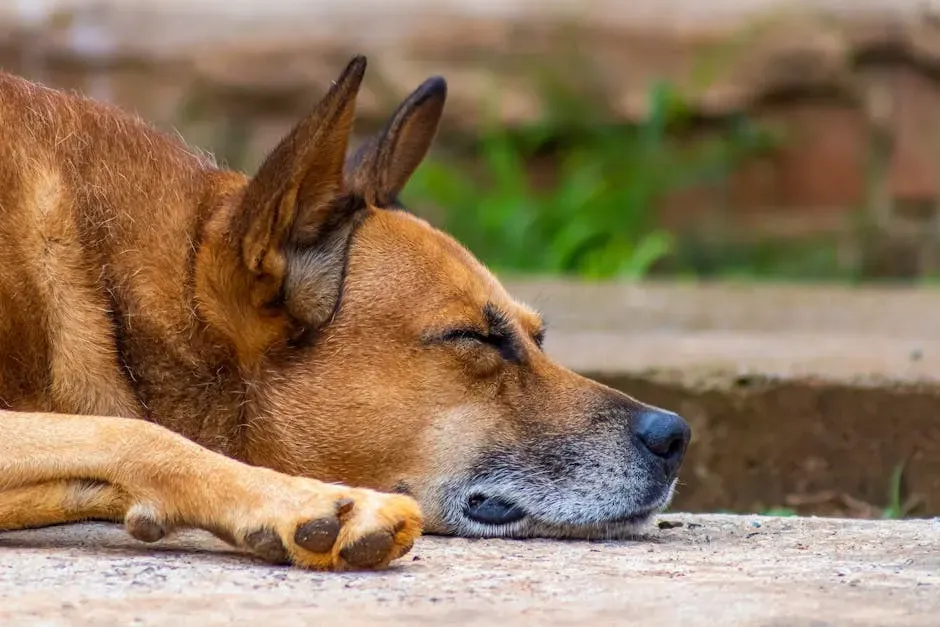
Most people assume dogs crave constant activity. In reality, one of the most important moments in their day is when everything finally calms down – the TV off, the kids in bed, the phones put away.
Many dogs wait for that late-evening quiet like a secret appointment. They stretch, drink water, then softly approach you, as if to ask: now that the chaos is over, can we actually be together?
Dogs are not our whole life, but they make our lives whole.
Roger Caras
This is often when “shadow dogs” – the ones who follow you everywhere – finally go from alert to fully relaxed. For anxious or high-energy dogs, this may be the only window where they feel safe enough to melt into deep sleep beside you. That first real sigh in a silent room is their nervous system finally exhaling.
#8 – The Invisible Territory Check at the Window
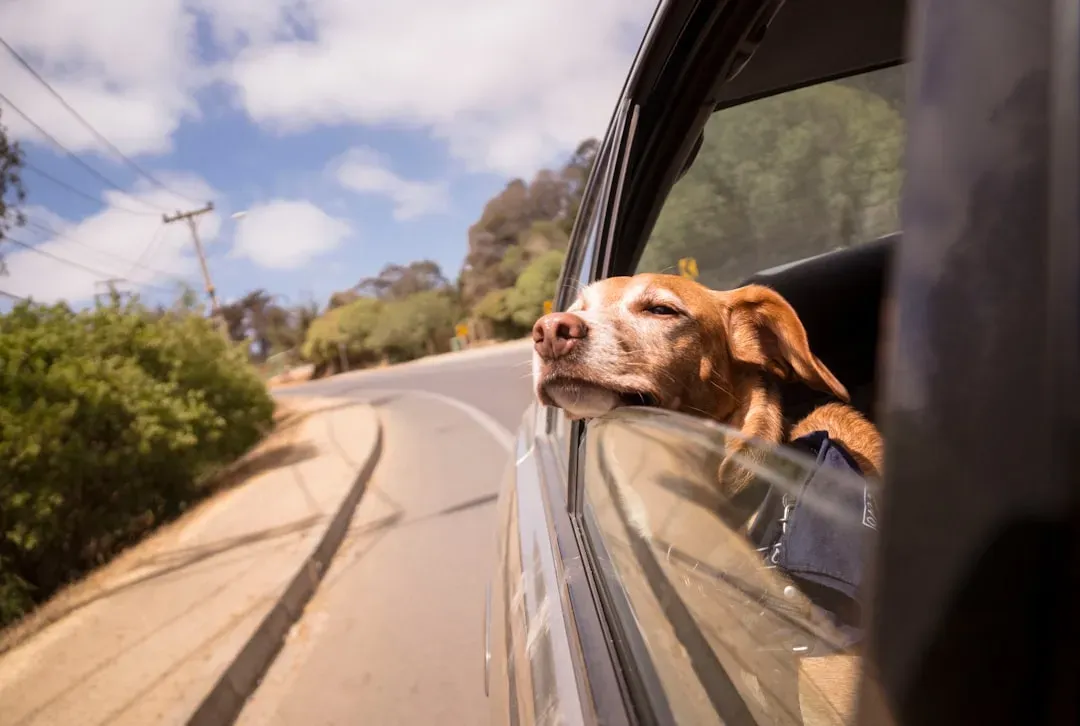
You notice your dog barking at someone walking past. What you miss is the anticipation phase beforehand – the time they spend at the window, silent, simply watching.
Many dogs run quiet patrols several times a day: padding to the same window, checking the same corner of the yard, standing still and listening. It looks like daydreaming. It’s actually a job.
Dogs are pattern machines. They know the mail truck’s timing, the neighbor’s dog, the kid on the scooter at 4 p.m., and they wait for these events like clockwork. When something breaks the pattern, that’s when the barking finally starts – but the real work happened quietly, minutes earlier, while nobody was watching.
At a Glance
- Many dogs build a mental “schedule” of neighborhood sounds and routines within days
- Window-watching taps into a dog’s natural instinct to monitor territory for changes
- A break in the usual pattern – an unfamiliar car, a stranger’s pace – is what actually triggers the bark you hear
#9 – The Exact Second You Sit Down With Food
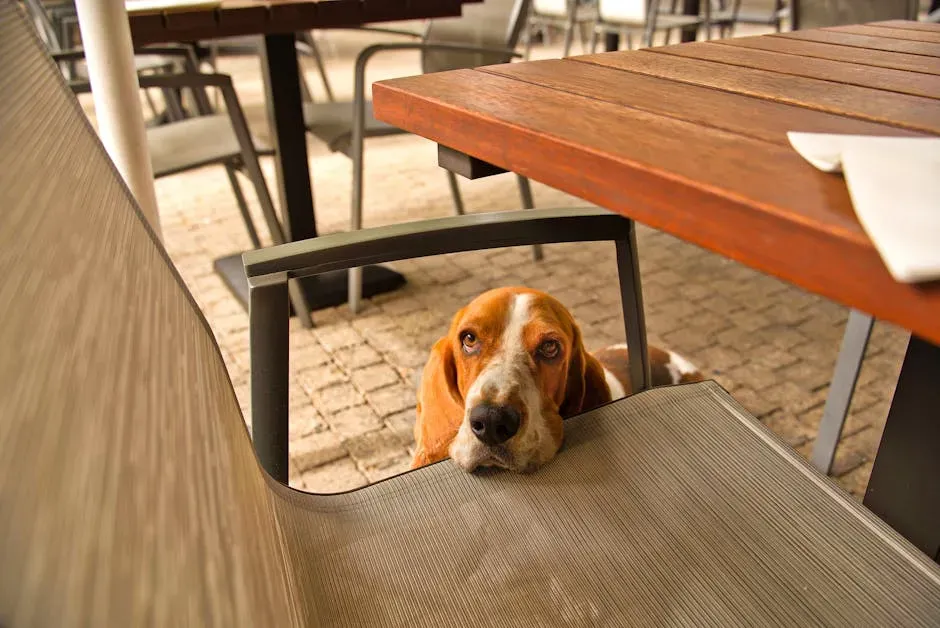
You assume your dog is obsessed with your lunch. What they’re actually obsessed with is the transition – the moment you stop moving around and finally settle into a chair with a plate.
Dogs quickly learn the difference between you snacking while rushing around, which is low odds for them, and you sitting down with a full plate and time to kill, which is high odds. So they wait for the exact second your weight settles into the seat.
That’s when they move in – the slow head on the knee, the soulful eyes, the strategic spot under the drop zone. Even in homes that never feed from the table, dogs still wait for this moment, not always for food, but because a sitting human is calmer, steadier, and easier to approach.
#10 – The Subtle Shift That Means “We’re Done for the Night”
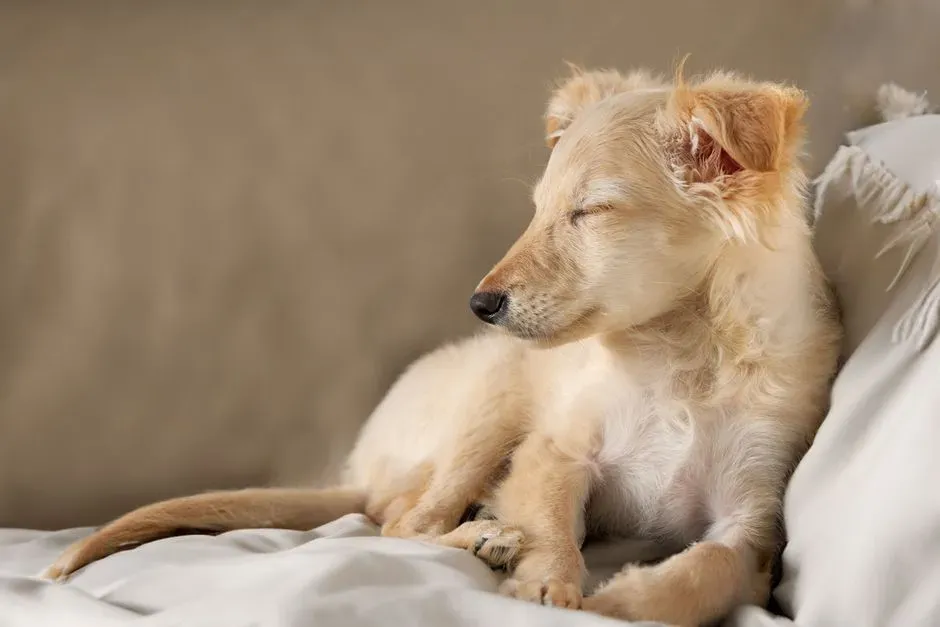
You think bedtime starts when you announce it. Your dog usually knows several minutes earlier, tracking a sequence of tiny cues most people never notice they’re giving off.
- Your voice getting softer or shorter
- The last light you turn off, night after night
- The moment your phone hits the charger
- That one specific sigh you don’t even realize you make
For many dogs, this sequence is the emotional equivalent of the credits rolling – the story is over, everyone’s safe, and the set is closing down. That’s when they finally commit to their sleep spot, whether it’s your bed, their crate, or the hallway where they can watch both the bedroom and the front door.
Even in inconsistent households, dogs keep scanning for that final “we’re done” signal. That’s why some dogs leap up the second you rise from the couch after hours of ignoring the TV – to them, that rise is the real cue that the day is finally, officially over.
The Bottom Line
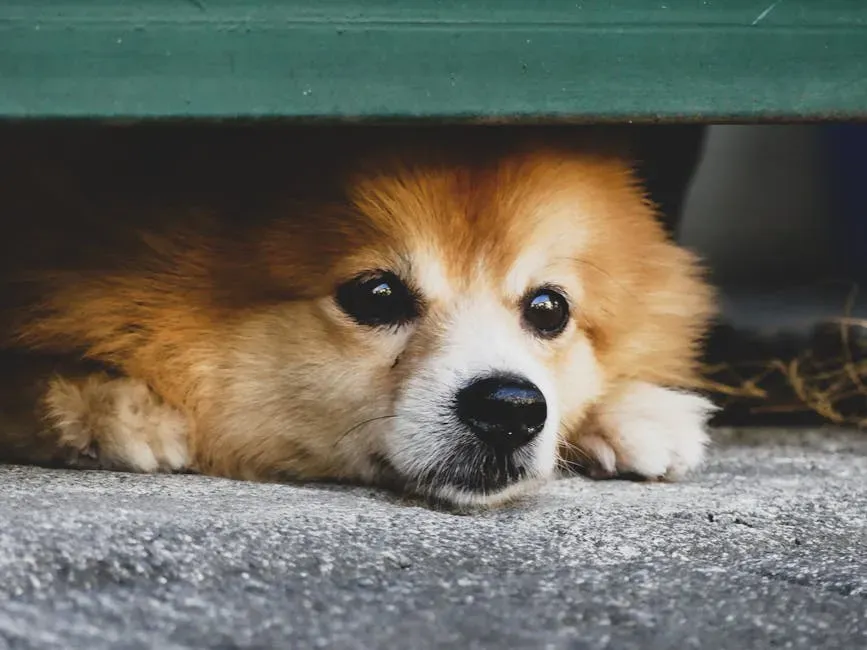
Once you start noticing these tiny waits, it’s genuinely hard to unsee them. Your dog isn’t killing time between walks and meals – they’re living inside a world of micro-rituals and half-second cues that hinge entirely on you.
The first eye contact in the morning, the jingle of keys, the fridge crack, the late-night quiet – these are the plot twists in a movie only your dog is watching, one you star in without ever reading the script.
Here’s the opinion I’ll stand behind: most of what gets labeled “bad behavior” is really just frustration built up from a lifetime of unresolved, unnoticed waiting. Look up a little sooner. Say their name a little kinder. Follow through on the walk you already dressed for. It costs you nothing, and it might be the difference between a dog who’s anxious and a dog who’s finally, quietly at peace.