
12 Moments a Dog Notices in a Car Journey It Has Only Ever Taken Once
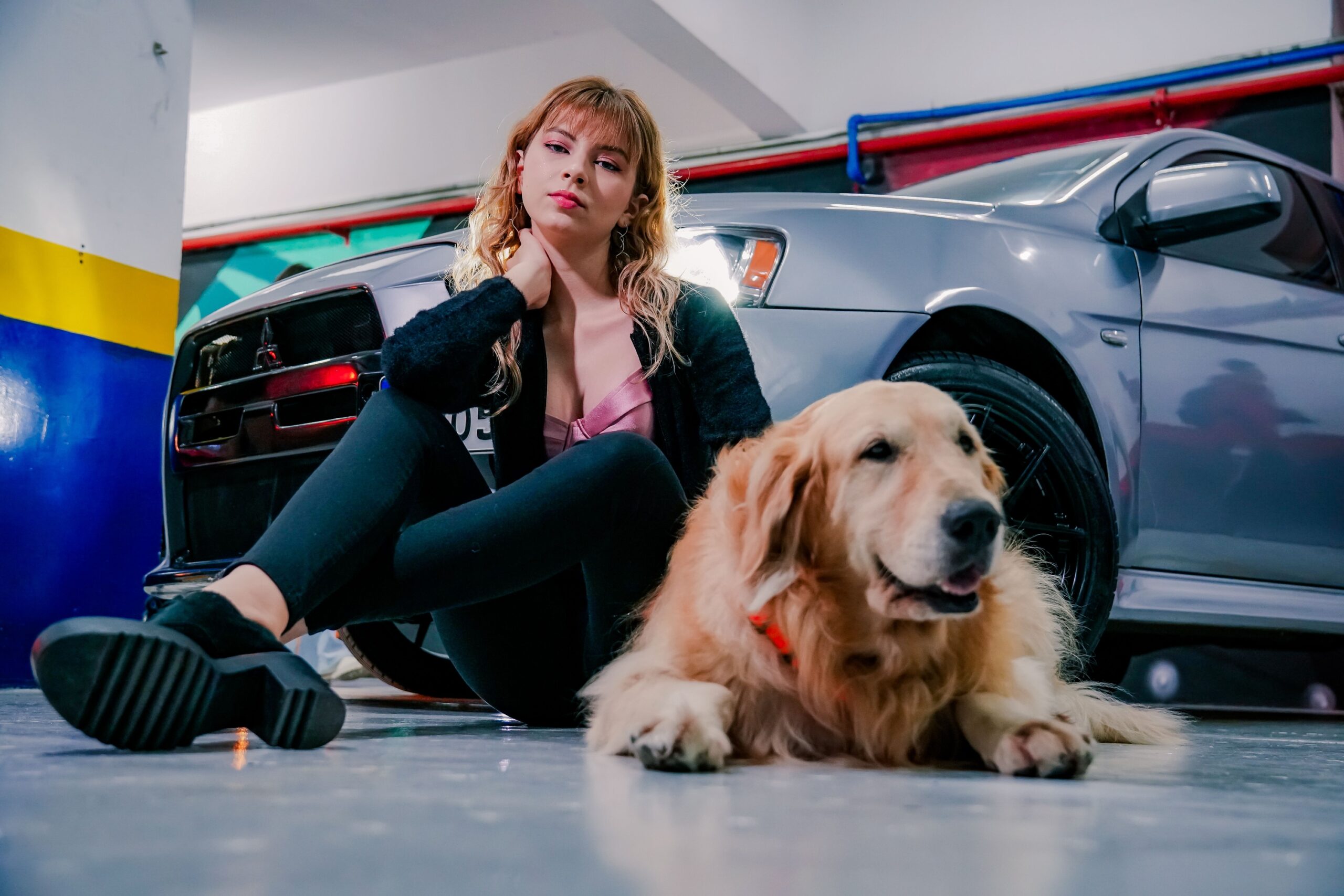
Everyone treats a dog’s first car ride like a cute photo opportunity – ears flapping, tongue out, tail going a mile a minute. But behaviorists know something most owners never think to ask: that single unrepeatable drive is quietly writing the rulebook for every car journey that dog will ever take. The vet visits, the beach trips, the long road moves years from now – they all trace back to this one ride.
Your dog isn’t just along for the ride. It’s building a private map of sounds, smells, and gut feelings in real time, and it’s doing it faster than you’d ever guess. Miss what’s happening in that first trip, and you miss the one window you’ll ever get to make every future ride easier. Here’s what your dog was actually clocking, moment by moment, on that first drive – starting with a sound you probably didn’t even notice yourself making.
#1 – The Moment the Keys Jingle
The real car journey doesn’t start in the driveway. It starts the instant your dog hears the keys. That little jingle can become as loaded a signal as a crinkling treat bag, and on day one, your dog has no idea what it means yet – they’re reading you instead.
Are you rushing? Tense? Grinning like it’s an adventure? Dogs pick up on posture and tone faster than we notice we’re broadcasting it. That first jingle gets filed away instantly, linked to the leash clip, the front door swinging open, your voice saying “come on!” If that chain ends in stress, keys quietly become a warning sign. If it ends in praise and fun, they become the opening bell for something good – a tiny sound that ends up deciding whether every future car day starts calm or wound tight.
#2 – The First Sniff of Outside Air by the Door
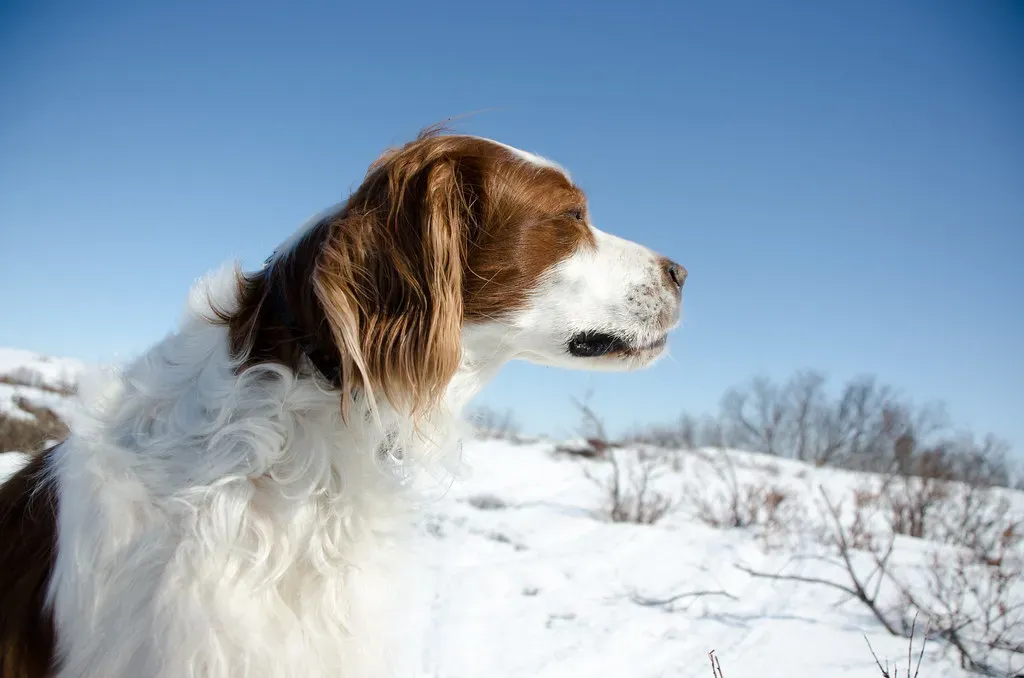
Before the car even comes into view, your dog gets hit with a wall of information you can’t perceive. Humidity, exhaust, grass, the neighbor’s dog, the ghost-scent of your parked car – dogs process the world through scent thousands of times more intensely than we do, and this is the exact moment “today’s smell” gets stitched to “car ride.”
Fast Facts
- Dogs have up to 300 million scent receptors, compared to roughly 6 million in humans.
- The part of a dog’s brain devoted to analyzing smell is proportionally far larger than a human’s.
- A dog’s nose is sensitive enough to pick up scent traces in parts per trillion – enough to “read” an entire driveway in seconds.
Here’s the part most owners never consider: your dog is also smelling you. Your sweat, your shampoo, your stress hormones. If you’re nervous about how they’ll behave, they already know before you’ve said a word. A calm walk to the car with a sniff break can quietly encode safety right here. Rush it, and the whole trip starts under a stress cloud your dog never chose and can’t explain.
#3 – The First Glimpse of the Big Shiny Box
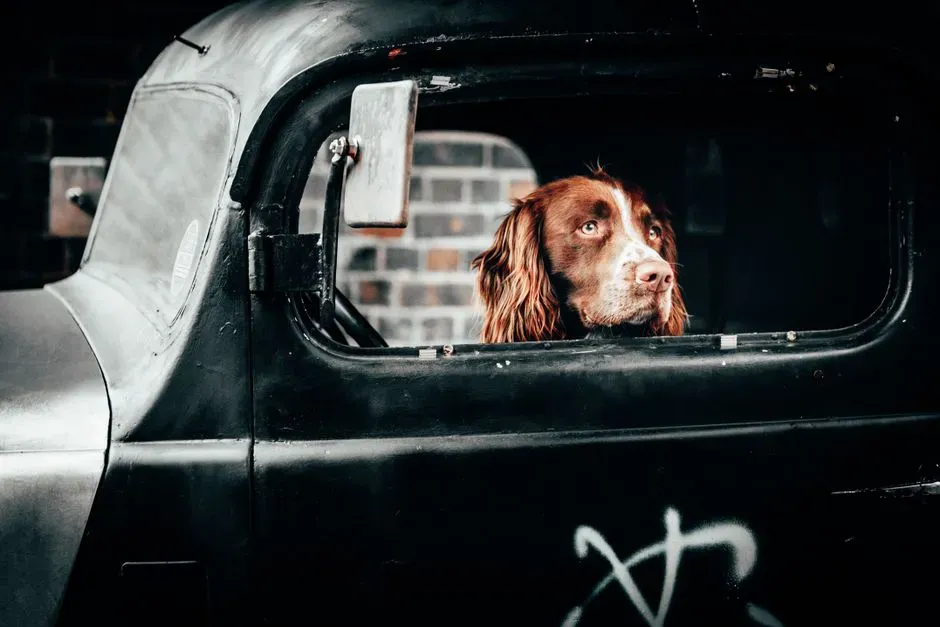
To you, it’s just the car. To a dog seeing it for the first time as something they’re expected to enter, it’s a massive, reflective, noisy stranger. Plenty of dogs freeze, circle, or sniff the tires before they’ll go anywhere near the door – and that hesitation isn’t stubbornness, it’s a nervous system doing its job.
This is where owners make their first real mistake without realizing it: lifting or dragging the dog in “just this once.” That one forced entry can brand the car as a trap for life. Letting them investigate first – sniff, peek, get a treat right on the threshold – builds a small piece of consent into the moment. Whether that giant metal box felt like a threat or a puzzle they solved together can echo in their body language for years.
#4 – The Weird Texture Under Their Paws
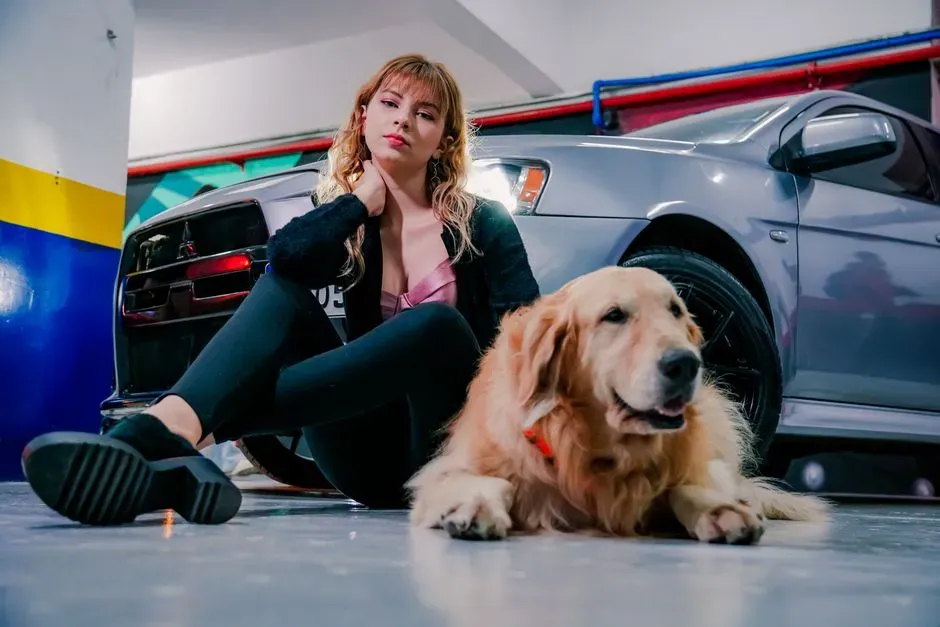
Once inside, your dog hits another first: the floor itself. Dogs are wired for stable, predictable ground – wood, tile, grass. Suddenly they’re standing on slippery mats or shifting leather seats, and for an animal that lives low to the ground, unstable footing reads as danger, not inconvenience.
If their paws slide on a turn or a hard brake, they don’t process it as physics – they feel like they’ve lost control. Many dogs labeled “car anxious” aren’t actually scared of the ride; they’re scared of the ground under them. A nonslip mat or a secured crate gives them one defined safe island. Skip it, and the lesson they learn is simpler and worse: in the car, I’m always one bump away from falling.
#5 – The First Roar of the Engine
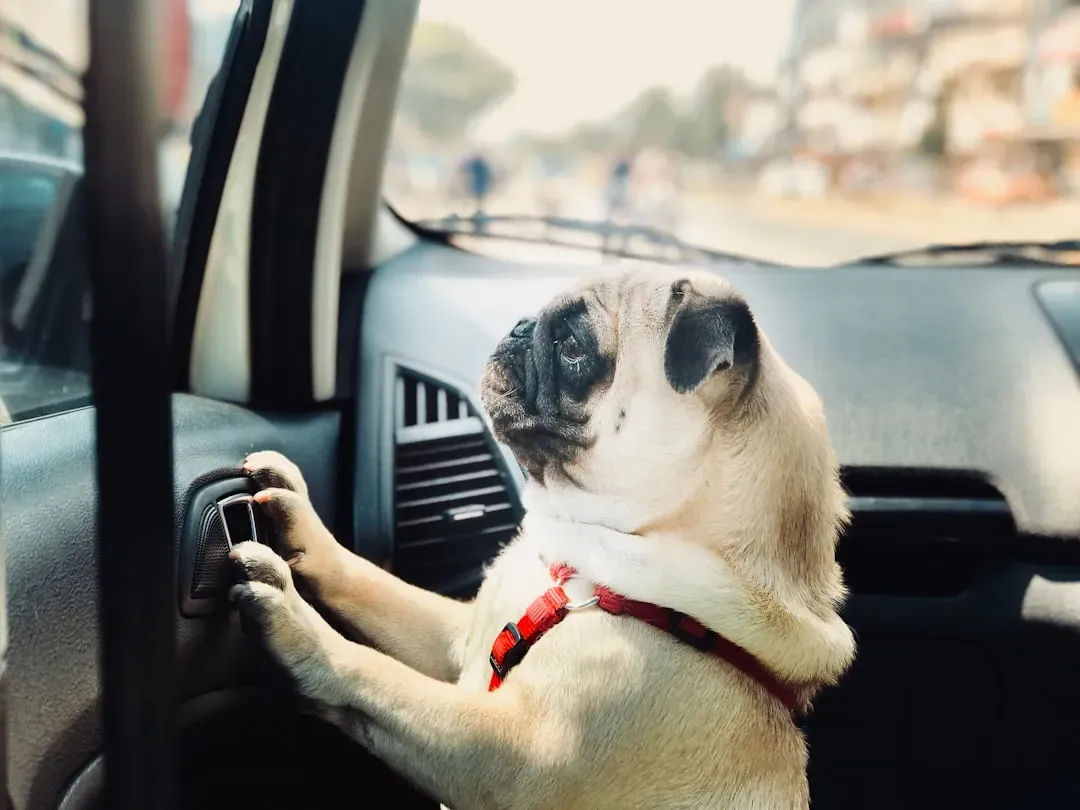
The second the engine turns over, your dog’s whole nervous system lights up. To us it’s background noise – a low rumble, a whine, a few clicks. To fresh ears, it’s a sudden storm rising up from underneath them, and dogs are sensitive to frequencies we’ve simply learned to tune out.
Watch closely and you’ll catch it: wide eyes, a lip lick, a yawn that isn’t boredom at all. How you respond in that exact second matters more than almost anything else on the whole trip. Laugh it off, toss a treat, stay easy and warm, and the noise gets paired with calm. Ignore it while you fuss with your seatbelt and playlist, and your dog learns the engine is something that makes their heart race while nobody helps.
#6 – The First Strange Motion of the World Outside
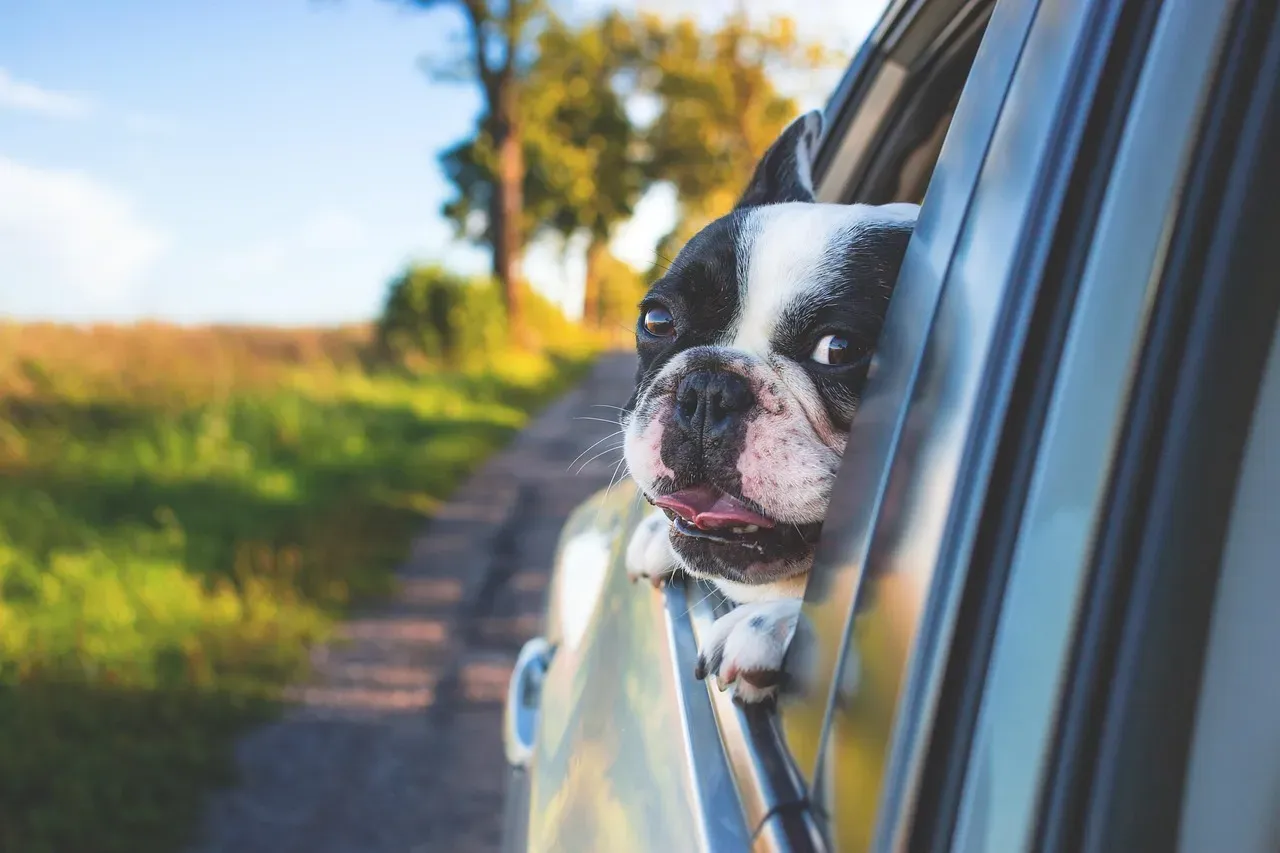
Once the car starts rolling, the sensory overload really kicks in. Trees and houses slide sideways, people flicker in and out of view, and dogs don’t naturally read motion the way we do. That first glimpse of a moving world while their own body stays still is genuinely disorienting.
Quick Compare
- Confident first-timer: loose body, relaxed ears, glances out the window, settles within a few minutes.
- Overwhelmed first-timer: stiff posture, tight panting, refuses to look outside, tries to hide on the floor.
- In between: occasional whining or shifting that fades once the car reaches a steady speed.
Some dogs glue themselves to the window. Others duck down and stare at the floor, trying to escape the visual noise entirely. Here’s the controversial part: letting a brand-new car rider hang their head out the window isn’t freedom, it’s a flood of uncontrolled information hitting a brain that hasn’t decided if any of this is safe yet. A window view paired with a cozy, covered corner to retreat to gives them a choice – and that choice is often what decides whether “moving world” means exciting or nauseating for the rest of their life.
#7 – The First Cocktail of New Sounds
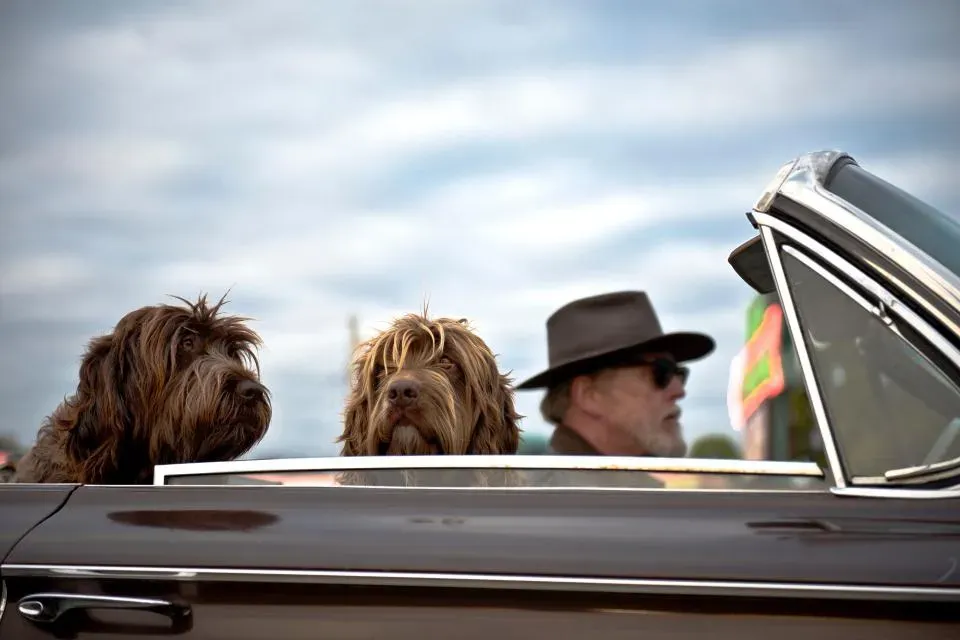
A car ride isn’t one sound, it’s hundreds stacked on top of each other. Turn signals click, wipers scrape, the AC hums, a horn blares out of nowhere. For a dog experiencing all of it for the first time, it’s like getting dropped into a nightclub with zero warning – every noise is a new question: is that dangerous, is that for me?
This is where your own behavior becomes the loudest signal in the car. Do you blast music to soothe yourself, or shout at the traffic? Or do you stay boringly, reliably calm when a truck roars past? Dogs are studying your face for every unexpected sound. Stay steady, and their nervous system learns that noise spikes are just part of the ride – not an incoming disaster.
#8 – The Moment They Smell Where You’re Really Going
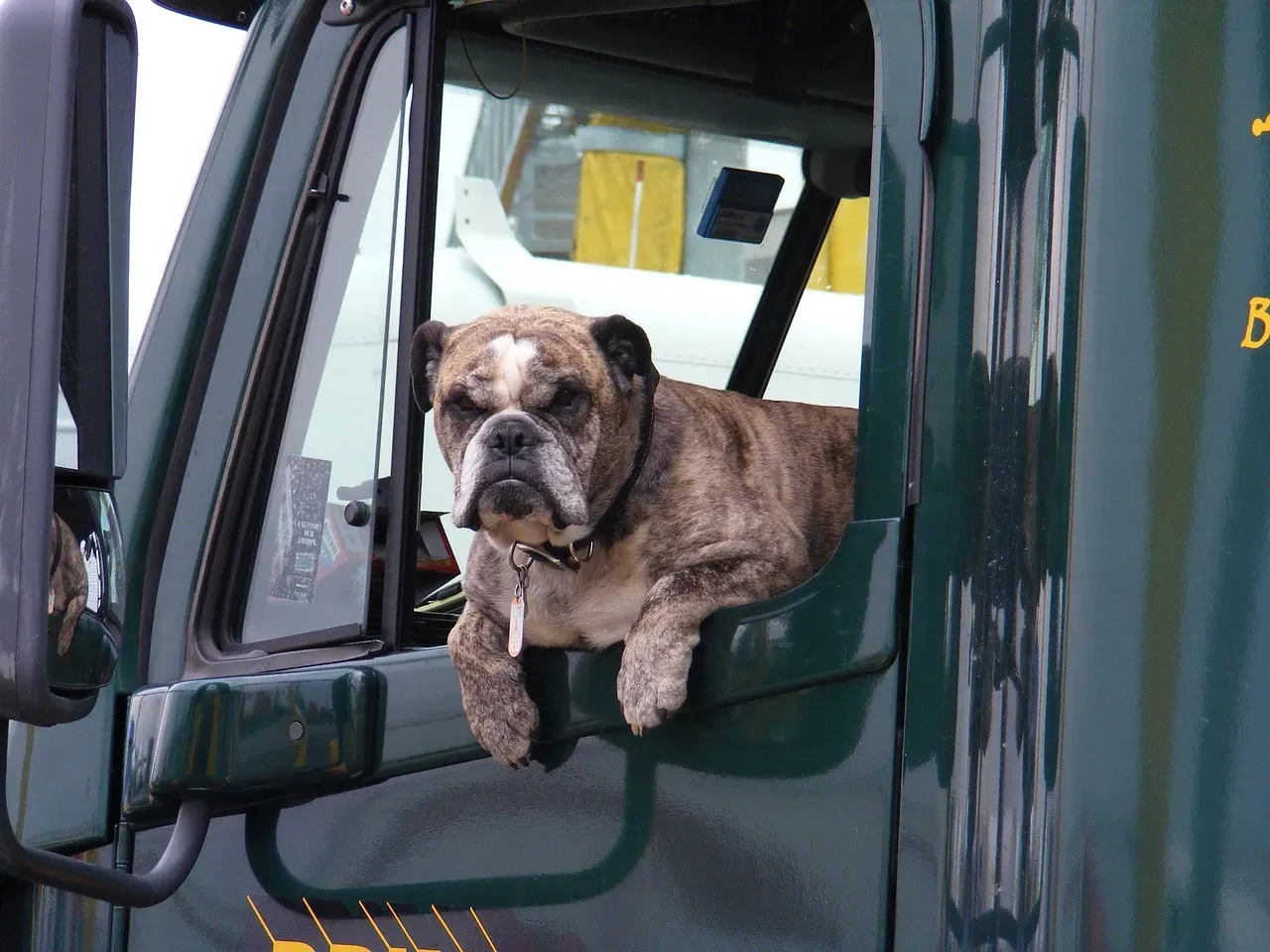
At some point, your dog realizes the car isn’t just a moving room – it’s a path to somewhere specific. As the drive continues, the smells outside keep shifting: neighborhoods, woods, salt air, or the unmistakable disinfectant-and-fear smell of a vet parking lot. The destination itself, and your emotional shift as you get close to it, fuses onto the whole idea of “car trip.”
Dogs are relentlessly honest pattern-detectors – whatever the destination feels like the first time is the headline they write for what cars are for.
Common wisdom among veterinary behaviorists
Trainers argue over whether a dog’s first real drive should ever end at the vet. If it has to, stack in comfort: treats reserved only for the car, a calm exit, a short walk after. If you have a choice, make it end somewhere neutral or good – a quiet park, a friend’s yard, anywhere nothing scary happens.
#9 – The First Time They Lose (or Gain) You in the Seat Shuffle
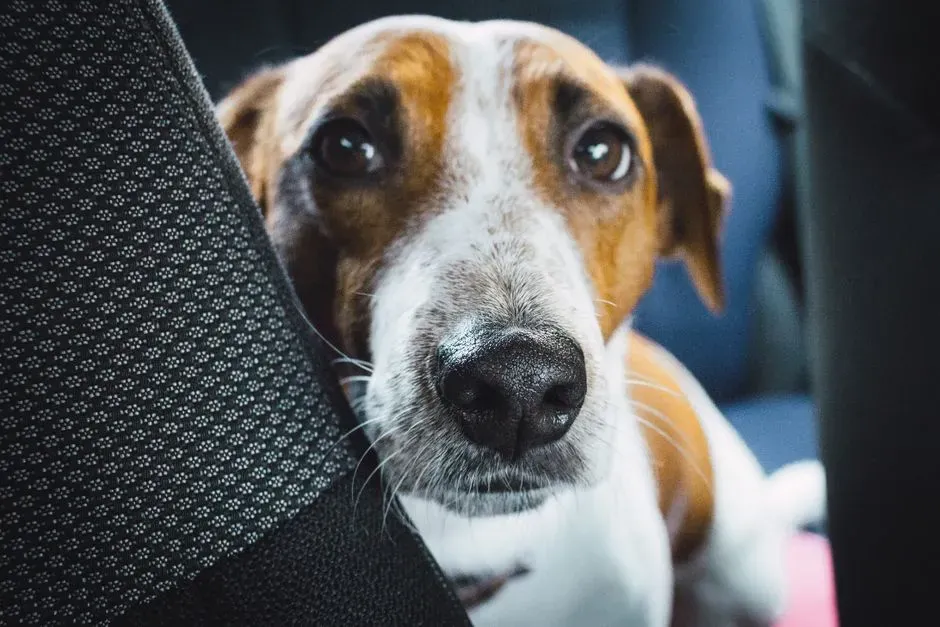
Where you physically sit matters more than most owners ever guess. On that first ride, your dog is also mapping exactly where you are relative to them – front seat, behind them, out of sight entirely. Dogs form rapid attachment maps in new environments, constantly asking: where’s my person, and can I reach them if I get scared?
If you’re completely invisible – crated in the back of a tall SUV, no voice, no eye line – some dogs quietly spiral into feeling abandoned. A mirror, an open sightline, or just calm chatter can say “I’m still here” without breaking any safety rules. On the flip side, letting a frightened first-timer climb into your lap feels kind in the moment but teaches them the only safe place in a car is pressed against your body – a habit that turns dangerous fast once the ride becomes routine.
#10 – The First Flicker of Nausea or Discomfort
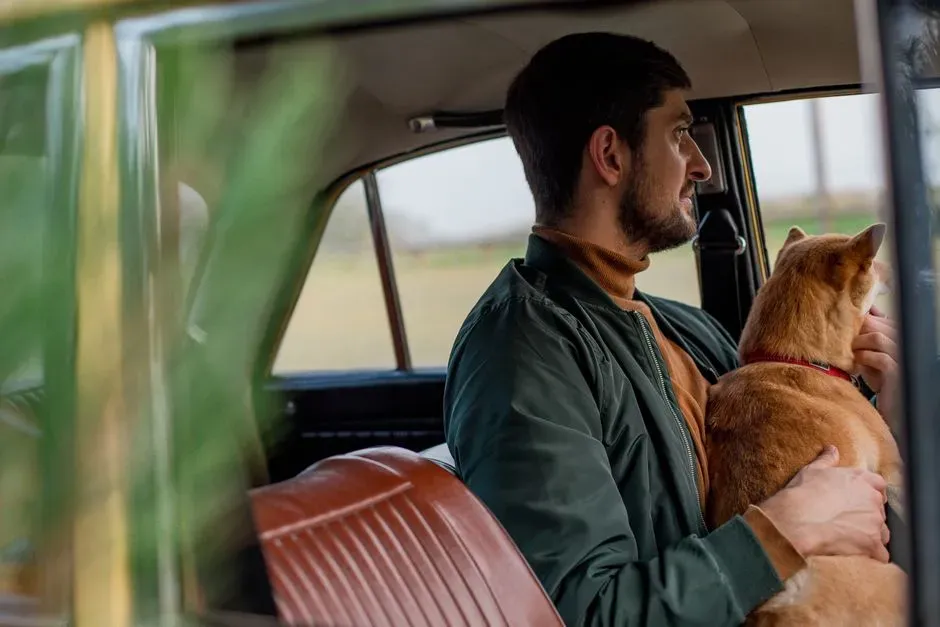
Motion sickness in dogs isn’t random luck – it’s often a sensory mismatch between what their eyes see and what their inner ear feels, and that first ride is where it usually shows up. They might not throw up at all; the early signs are quieter – drooling, yawning, lip-licking, going strangely still.
Worth Knowing
- Excessive drooling before any obvious sickness appears
- Repeated yawning or lip-licking, even when not tired
- Restlessness or whining that doesn’t match the noise level
- Sudden stillness or a “frozen” posture
- Vomiting, most often within the first 20 to 30 minutes of a new rider’s first trip
What’s wild is how permanent this association can become. Dogs who feel queasy on that first ride often grow into dogs who panic at the mere sight of the car years later, long after the actual nausea has faded – because their brain remembers the discomfort, not the timeline. Crack a window, slow down, keep that first trip short, and you give their body a real chance to adapt before the memory sets.
#11 – The First Return to Something Familiar
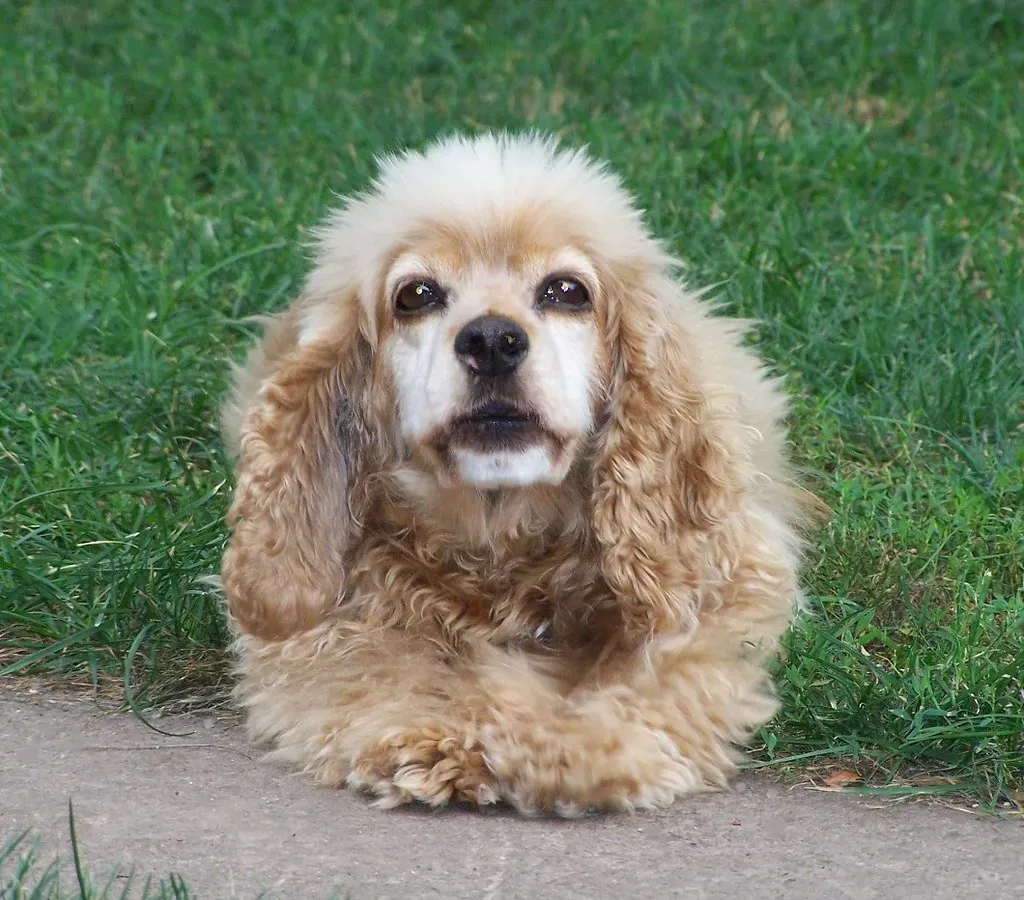
The end of the journey isn’t the end of the experience – it’s the verdict. When the engine cuts and the doors open, your dog gets flooded with smells again: driveway, parking lot, beach air. But what sticks hardest is the transition back to solid, familiar ground.
If they leap out, shake off, and get met with praise and water, the car becomes a bridge back to stability. If they stumble onto hot pavement, get yanked by the leash, or get rushed straight into more stress, the car becomes one more link in a chain of strain. A short sniff break and your own calm energy work like closing credits: I survived, my person is still relaxed, I can handle this again.
#12 – The Moment They Step Back Into the House
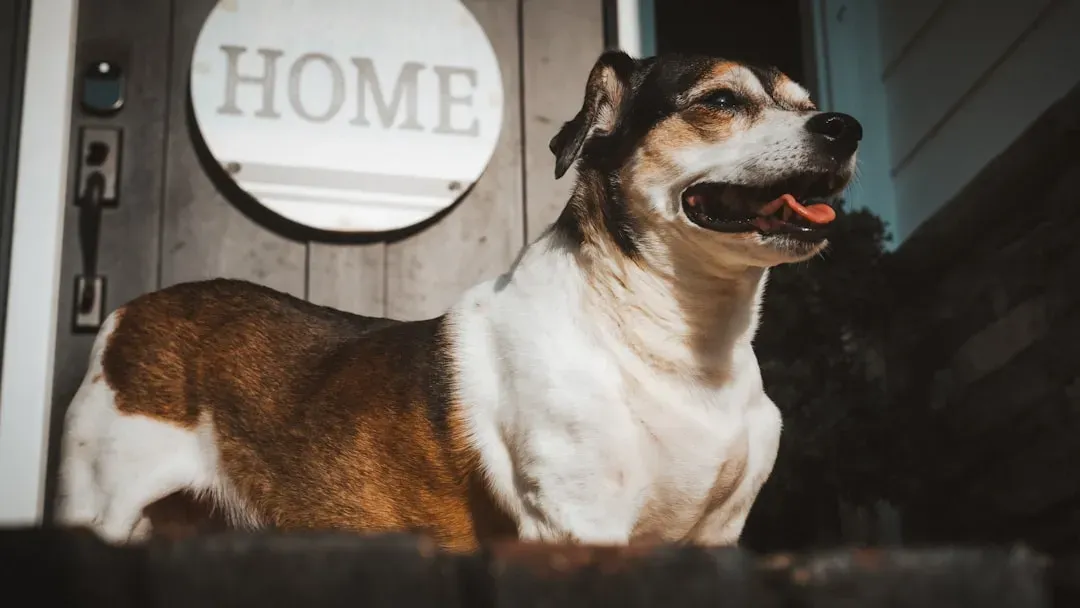
The real impact of that first drive lands the second your dog crosses the threshold back home. This is where their brain stitches the entire story together – keys, door, big shiny box, noise, motion, destination, and back again. They trot onto familiar floors, check their water bowl, maybe collapse in their bed.
Here’s what most people miss completely: their behavior in the next ten or fifteen minutes is the clearest review you’ll ever get of how that ride actually felt. Zooming around loose and happy, or pacing and hiding from you? Celebrate the moment, offer a chew, go back to normal, and their brain files the whole thing as “weird but survivable” – maybe even fun. Scold them for being wound up or ignore their exhaustion, and they file the entire outing as unsafe. Dogs remember emotional arcs, not details, and the feeling they carry to bed that night quietly writes the script for every car ride still to come.
The Bottom Line
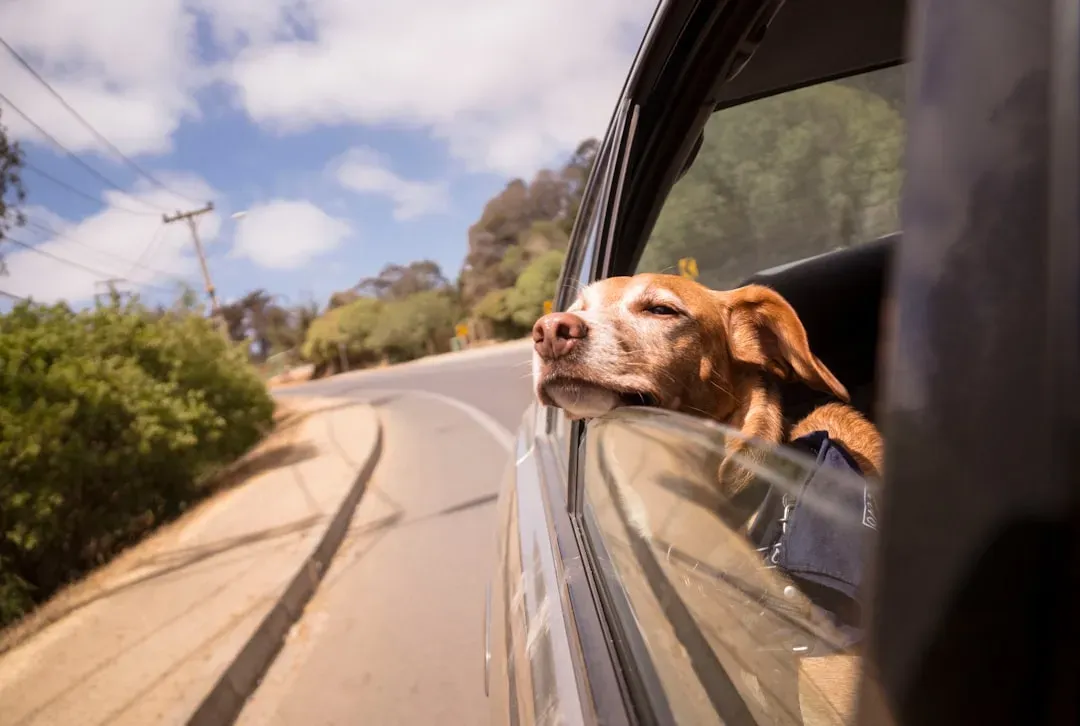
A dog’s first meaningful car journey isn’t a cute milestone – it’s a full learning script written in a single take. From the jingle of the keys to that last step back onto familiar floors, every micro-moment teaches them what “car” means: safety or chaos, adventure or dread.
At a Glance
- Keep the keys-to-car walk slow and calm, not rushed.
- Let your dog sniff and approach the car on their own terms.
- Add a nonslip mat or secured crate for stable footing.
- Choose a low-stress first destination whenever possible.
- Celebrate calmly once you’re home to lock in a good memory.
Here’s the part that should bother more owners than it does: most long-term car problems in dogs aren’t mysterious at all. They’re logical responses to one rushed, overwhelming first experience that nobody realized mattered at the time. Slow that first trip down, protect their footing, keep the volume low, and pick a destination that isn’t pure stress, and you’re not spoiling your dog – you’re future-proofing every ride you’ll ever take together.
Honestly, more people should treat a dog’s first car ride like a vaccination: one careful, deliberate dose that protects against years of fear. So go back to your dog’s first ride in your memory – what would you change, and does it show in how they travel today?