
12 Small Signs a Kennel Reads in a Dog on the First Night Away From Home
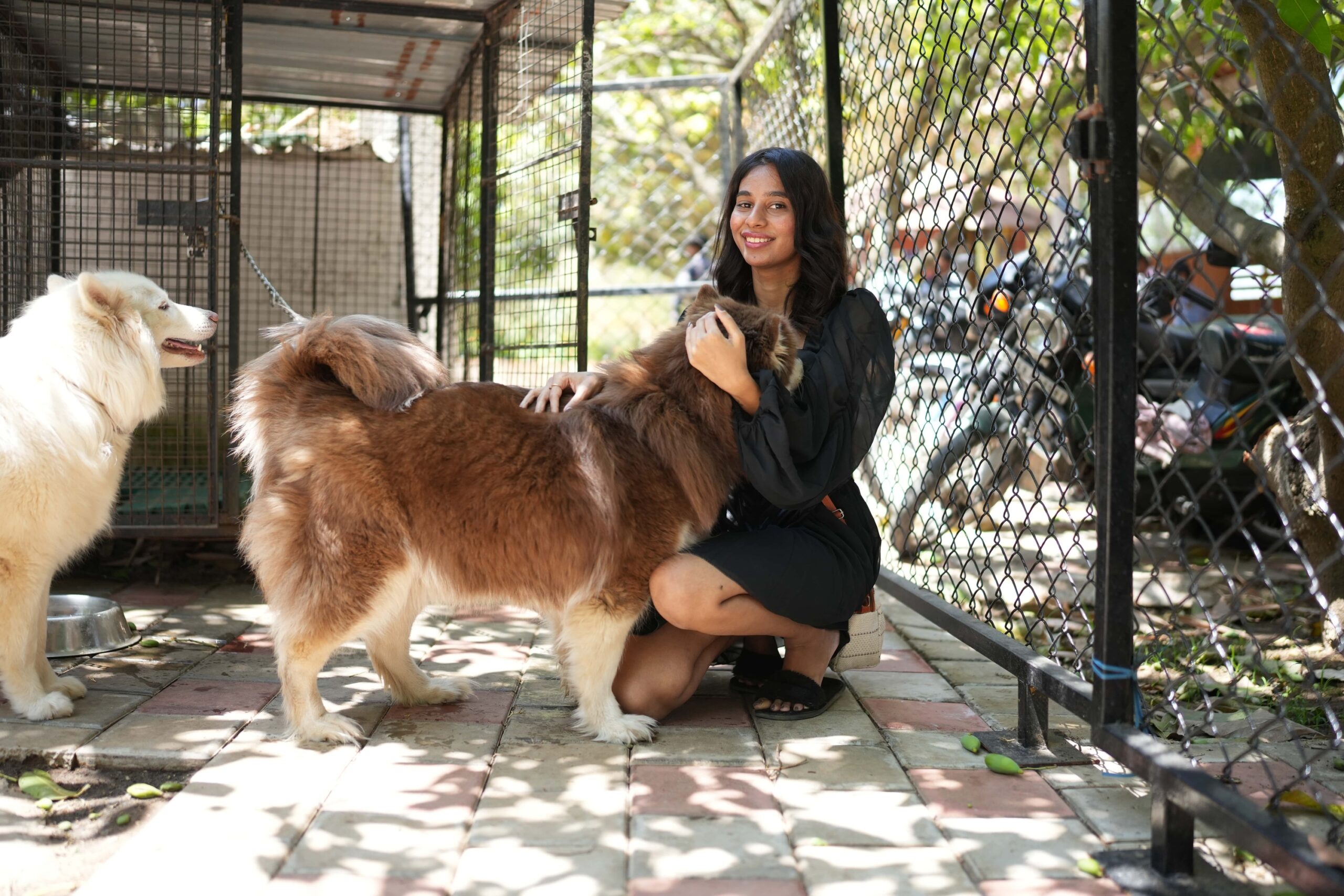
You drop your dog off, they wag their tail at the sight of a chew toy, and you drive away telling yourself, “He’s going to be just fine.” Most owners believe that if the tail is moving, the dog is coping. Kennel staff know better, and what they’re actually watching for has almost nothing to do with the tail.
On that first night, a dog’s real emotional state shows up in a dozen tiny, easy-to-miss behaviors – the kind no owner ever sees because they’re already back home. Some of these signs look like nothing. Others look like the opposite of what they actually mean. Here’s what experienced kennel staff quietly track while you’re convinced everything is fine.
#1 – How They Take the First Step Into the Run
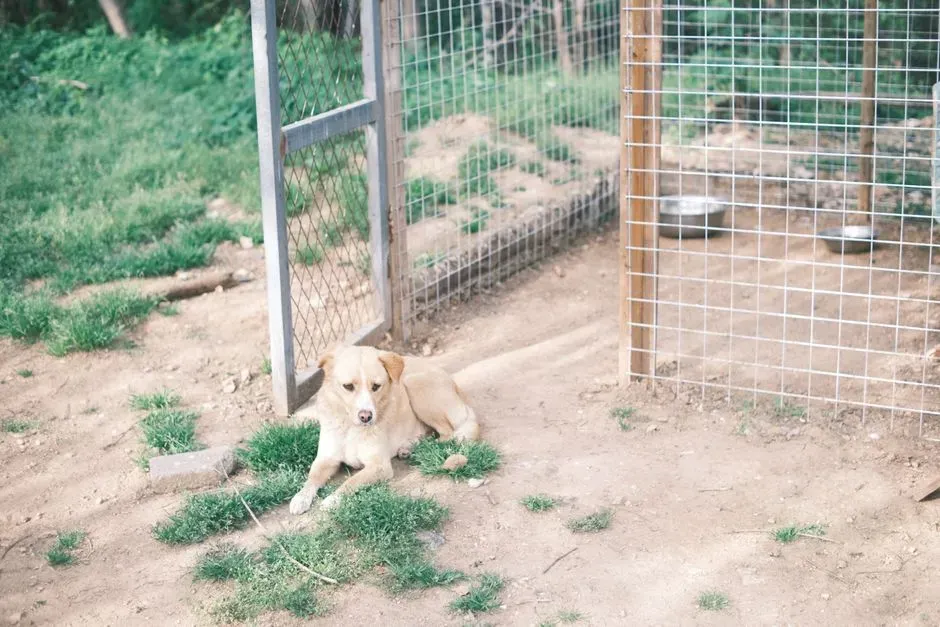
The very first step into the kennel run tells staff more than any cute intake photo ever could. A confident dog walks in with a loose body and easy curiosity. A worried dog might freeze at the threshold, lean backward, or plant their paws like they’ve hit an invisible wall.
Trained staff clock the tiny stuff: splayed toenails, a backward glance at the owner, a sniff that turns into a stall instead of a stride forward. A dog that walks in, does a quick perimeter check, and shakes it off usually has solid coping skills. One that needs coaxing for every single step is already flagged for a rougher first night.
#2 – The “Shake Off” (Or Total Lack of It) After Drop-Off

Most people assume a full-body shake just means a dog is drying off or being goofy. In behavior work, that shake is often a built-in stress reset – basically a nervous system reboot after something uncomfortable just happened.
Dogs that shake loose and easy after a tense moment are usually better at moving through stress instead of sitting in it. But when there’s no shake at all – just a stiff, silent dog frozen in place – staff read that as a warning sign, not calm behavior. That dog often gets extra check-ins and slower handling for the rest of the night.
#3 – Their Relationship to Food in a Strange Place
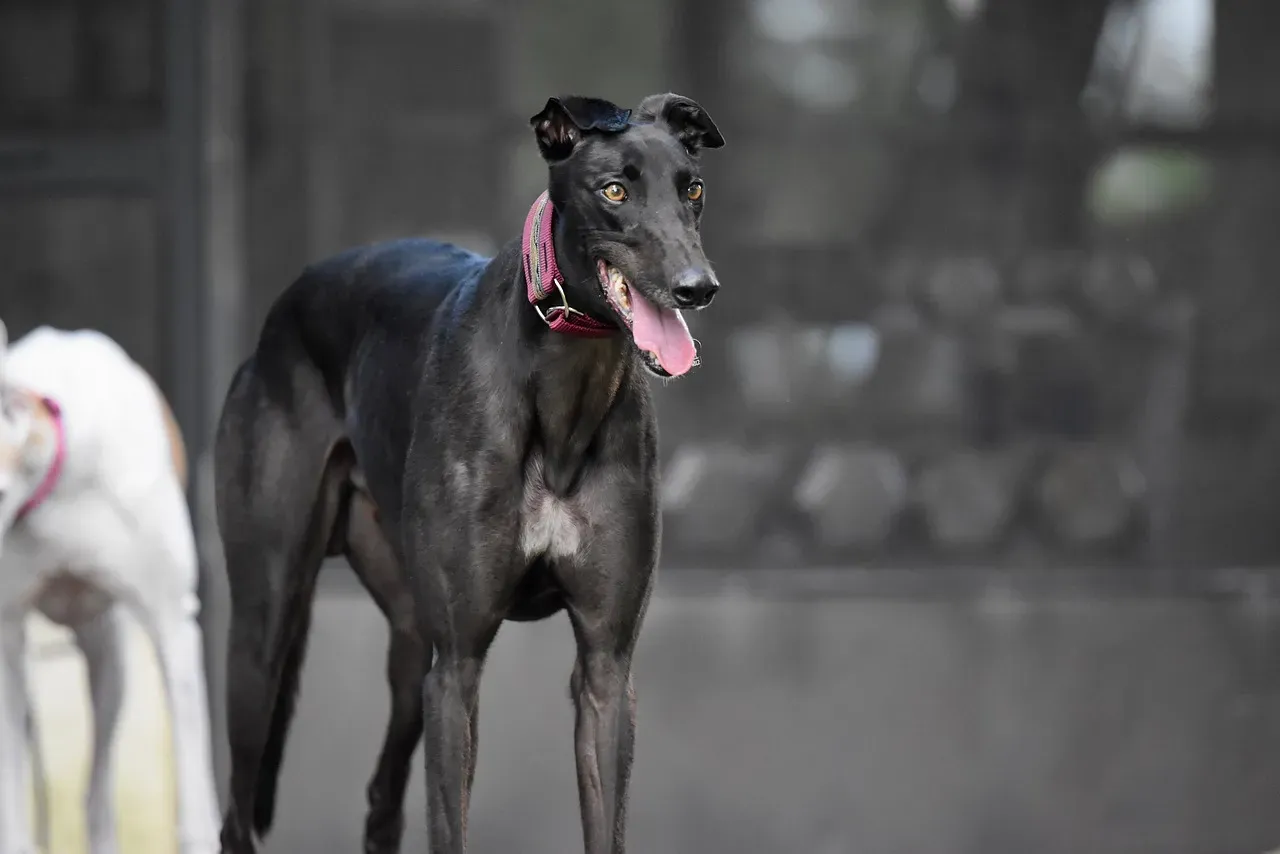
Every owner insists their dog “will eat anything.” The first night in a kennel tests that claim fast, because food is one of the clearest stress barometers a dog has. Some dogs inhale their dinner like nothing happened. Others won’t touch even their favorite treats, and that refusal is a real red flag, not pickiness.
Staff don’t just check whether the bowl is empty – they watch how the eating happens. Does the dog nibble slowly while watching the door? Gulp and then chug water? Only eat once every human has left the room? A dog that eats comfortably with a person nearby is usually more secure than one who can only eat in total isolation, or won’t eat at all.
Fast Facts
- Stress can shut down appetite even when the food is a favorite treat
- Eating only in total isolation often signals a dog feels unsafe around people
- Fast gulping followed by heavy water drinking can point to anxiety, not hunger
- Eating calmly beside a handler is an early, encouraging sign of trust
#4 – Potty Habits Under Pressure
Where and when a dog goes to the bathroom in a new place is a much bigger behavioral clue than most owners realize. A dog that sniffs, circles, and pees in the designated outdoor spot isn’t just house-trained – they’re relaxed enough to let their body function normally in a strange environment.
The concerning cases look different: dogs holding it for 12-plus hours because they’re too shut down to go, dogs having sudden accidents despite years of solid house training, or dogs who only toilet the instant the handler walks away. Holding everything in can lead to real urinary issues. Sudden accidents usually mean anxiety, not defiance – and good kennels respond with more frequent breaks and quiet decompression time instead of correction.
#5 – The Way They React to Neighboring Dogs
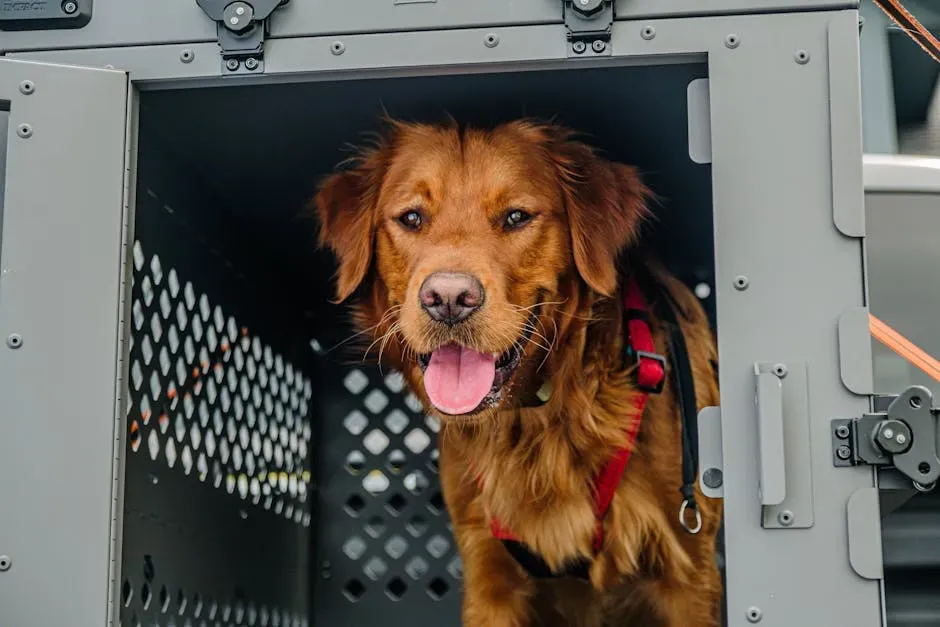
Owners like to ask, “Will he make friends?” On night one, kennel staff are asking something different: how does this dog handle constant noise and unfamiliar dogs in close quarters? That answer predicts far more than social skills – it predicts sleep quality and safety for weeks to come.
Some dogs rush the front of the run and bark at every movement. Some retreat to the back and avoid eye contact completely. Some glance, sniff the air, and settle, as if to say “not my business.” A dog that screams back at every noise needs strategic placement and visual barriers. A dog that goes rigid and silent around barking neighbors might look well-behaved to an untrained eye, but staff see suppressed panic underneath.
#6 – The “Check-In” Glance (Or Total Avoidance)
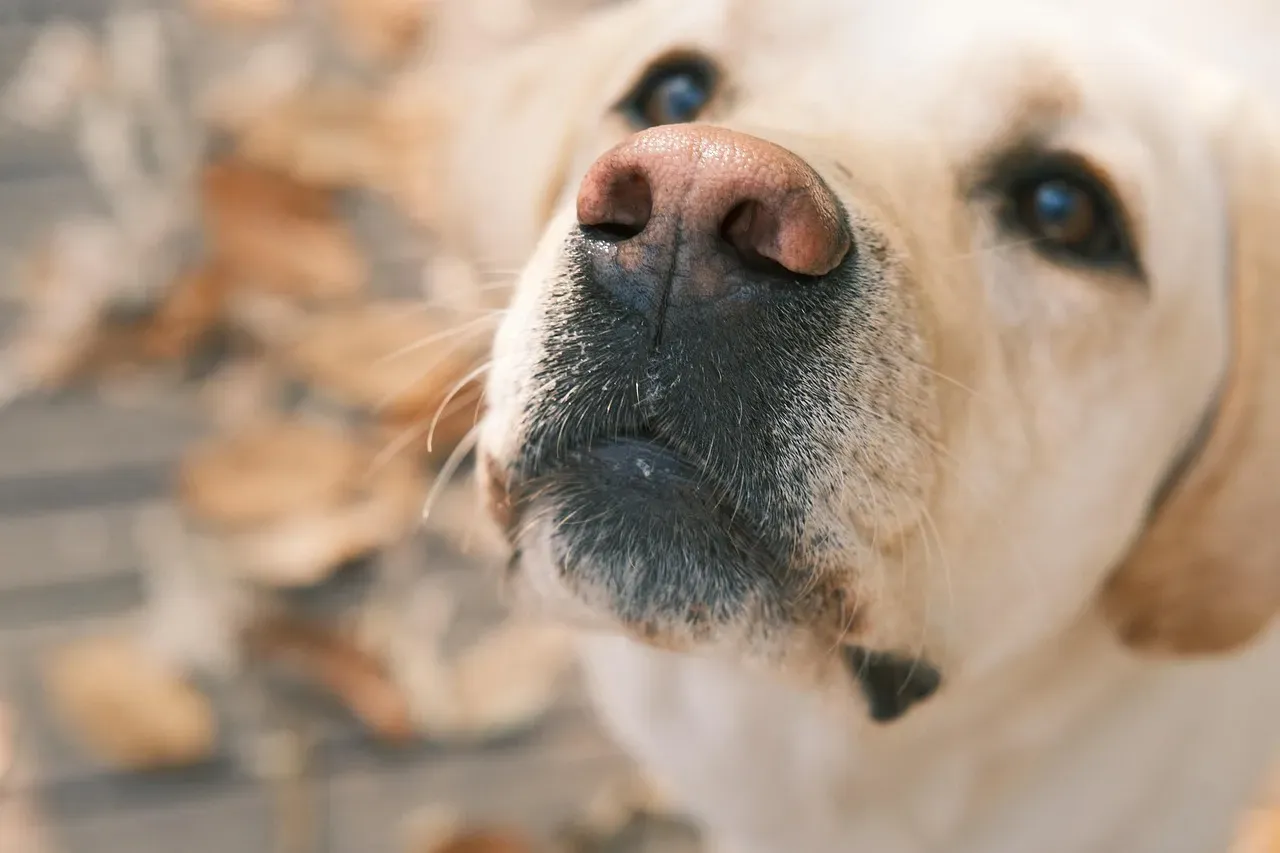
One of the most human-feeling signs staff track is the check-in glance – that quick, soft look a dog gives a person as if to ask, “Are we okay?” Whether that glance shows up at all tells staff how much relational security this dog is looking for in a strange place.
Some dogs come to the front repeatedly, make gentle eye contact, then wander back to sniffing or resting – a dog who’s nervous but still willing to trust. Others avoid eye contact entirely, staring at a wall or the door instead. Total eye avoidance paired with a stiff body is a shutdown signal, not calmness, and intense fixed staring can mean hypervigilance rather than affection.
#7 – Vocalization Style: Whiner, Barker, or Silent Worrier

Some noise on night one is expected. What matters to kennel staff is the pattern. A short whine when the owner leaves, followed by settling, is completely normal. What raises concern is a dog cycling through whining, barking, howling, and scratching for hours, especially as the building quiets down.
Staff flag three patterns in particular: the nonstop rhythmic barker who can’t self-soothe, the intermittent whiner who escalates as the night wears on, and – the one that worries pros the most – the eerily silent dog who never makes a sound but sits frozen and wide-eyed. Silence paired with dilated pupils and refusal to rest can be just as loud as barking, and it often gets missed by anyone not specifically trained to look for it.
Quick Compare
- Short whine at drop-off that settles fast: normal adjustment
- Nonstop rhythmic barking: can’t self-soothe, needs handler intervention
- Escalating whine-to-howl cycle overnight: rising anxiety, not stubbornness
- Total silence with wide, frozen eyes: the most overlooked shutdown signal
#8 – Body Position in the Run: Front Guard vs. Back Wall
Where a dog chooses to plant their body inside the run is a surprisingly clear map of their emotional state. Some dogs post up at the front gate like sentries, watching every movement. Owners often mistake this for excitement. Seasoned staff know it’s usually full alert, not relaxation.
Others glue themselves to the back wall, sometimes tucking into a corner. That posture can mean genuine rest, or it can mean withdrawal. Staff pay attention to whether the dog is loose and curved or stiff like a statue, whether they shift positions naturally, and whether they come forward when gently invited. A dog that can move between front and back and eventually lie down with a relaxed spine is coping. One locked into a single extreme gets extra support.
#9 – How They Respond to Routine (Lights, Feeding, Walks)
Kennels run on routine – lights dimming, feeding windows, last potty rounds – and on night one, staff quietly track how a dog reacts when that energy shifts. Some dogs visibly soften when hallway traffic slows; their breathing evens out and they finally curl up. Others ramp up the second the lights change, suddenly pacing or whining like nighttime itself is a threat.
At feeding time, does curiosity win or does the noise overwhelm them? At last call, do they walk out willingly or dig in their heels? After a final staff check, do they settle faster or get more agitated? Dogs that adapt to predictable patterns tend to settle by night two. Dogs that treat every shift like a fresh crisis usually need highly consistent handling to build trust in the routine itself.
#10 – Micro-Stress Signs: Lip Licks, Yawns, and Pacing Patterns
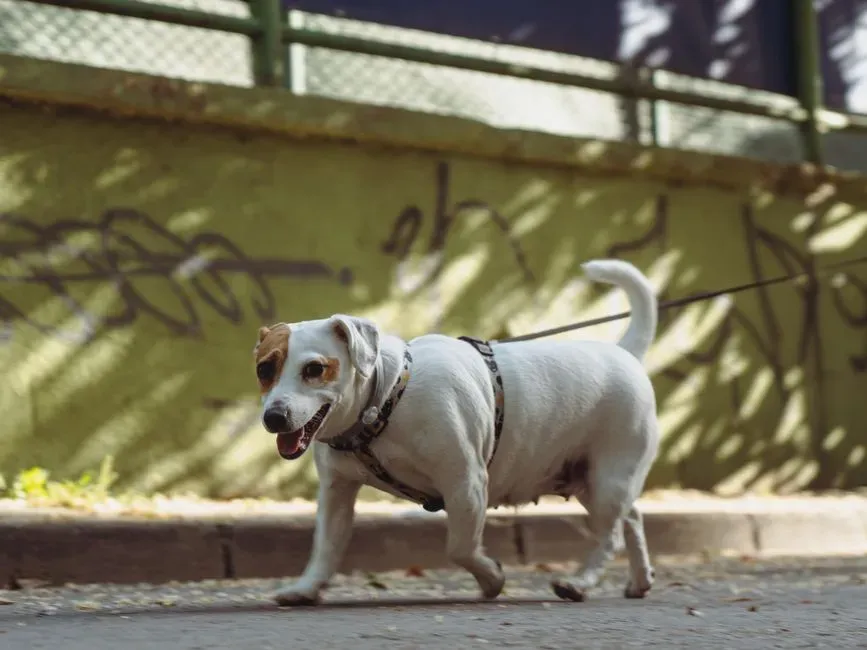
Most owners only notice the obvious stuff – panting, shaking, barking. Kennel staff are trained to catch the quiet stuff: rapid lip licking, tongue flicks, stress yawns, and pacing in tight, repeated loops. These are a dog’s quiet way of saying “I’m not okay” long before anything looks dramatic.
A dog doing slow, exploratory laps while sniffing around is probably just settling in. A dog tracing the exact same path over and over, tail tense, barely sniffing anything, is stuck in a mental rut. One or two yawns during a long day is normal; a cluster of yawns in a static, tense moment usually means stress, not sleepiness. Staff respond by adjusting bedding, adding visual barriers, or offering a snuffle mat to redirect the dog’s focus before things escalate.
Worth Knowing
- Lip licks and tongue flicks often show up seconds before a bigger stress reaction
- A single yawn is normal; clustered yawns in a tense moment usually aren’t
- Tight repetitive pacing loops read very differently than loose, curious sniffing walks
- Snuffle mats and visual barriers are simple tools staff use to break the cycle
#11 – Willingness to Take Gentle Handling and Touch
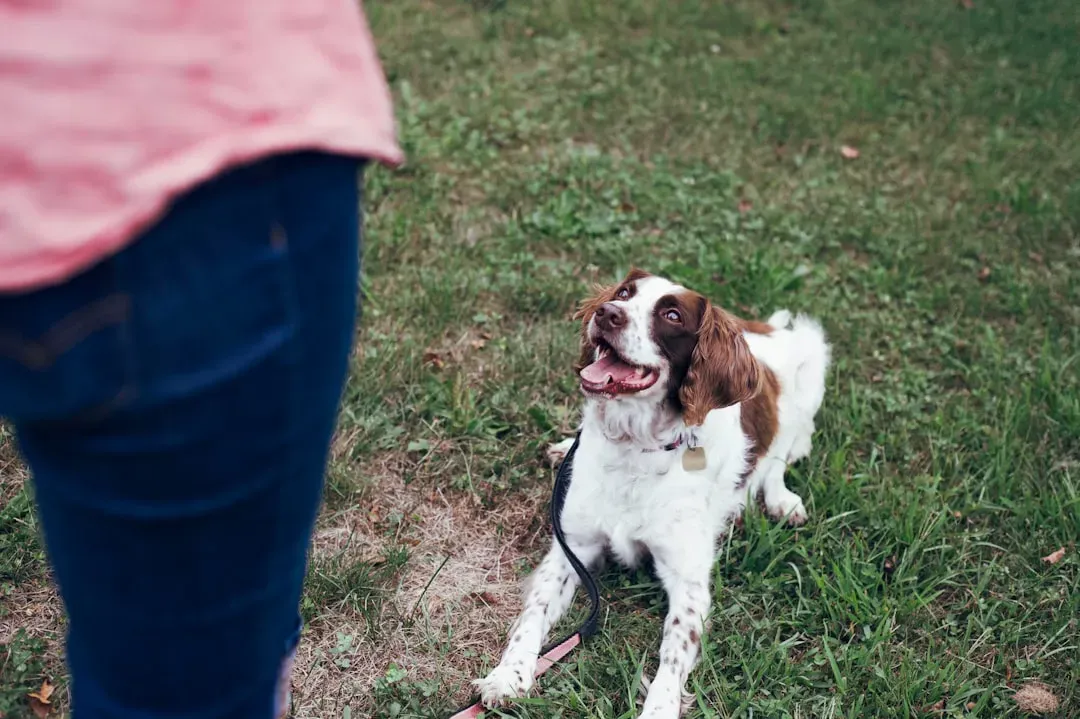
Not every kennel prioritizes hands-on comfort, but the good ones do, and they read the reaction carefully. A brief neck scratch or soft word on night one isn’t about cuddling – it’s a test of how this dog handles safe, low-pressure contact in a brand-new place.
Does the dog lean in and soften, or flinch and freeze with hard eyes? Are they fine with touch while the door’s open but panic once it closes? Here’s the part that surprises people: a dog who is frantically clingy, scrambling for attention and unable to disengage even while being petted, is often more distressed than the quiet dog watching calmly from the back. Smart kennels plan handling around that distinction, not around which dog seems friendlier.
#12 – How (and If) They Finally Fall Asleep

The most telling sign usually comes last. When the building goes quiet and the final footsteps fade, does your dog circle once, sigh, and curl into a loose ball? Or do they lie stiff, eyes half-open, startling at every creak? Sleep quality on night one is one of the clearest windows into how safe a dog actually feels.
Veteran staff can walk through after lights-out and read the room instantly. Deep sleepers with floppy paws and loose jaws have found some security. Dogs hovering between dozing and hypervigilance are still “on duty,” unable to fully let go. Dogs still pacing or panting late into the night aren’t just adjusting – they’re in active distress, and good facilities write that straight into the notes for the next shift.
At a Glance
- Deep sleep: loose jaw, floppy paws, slow and steady breathing
- Vigilant dozing: eyes half-open, ears still tracking every sound
- Active distress: pacing, panting, or repeated position changes late into the night
- Only true deep sleep suggests a dog feels genuinely safe in the space
The Bottom Line
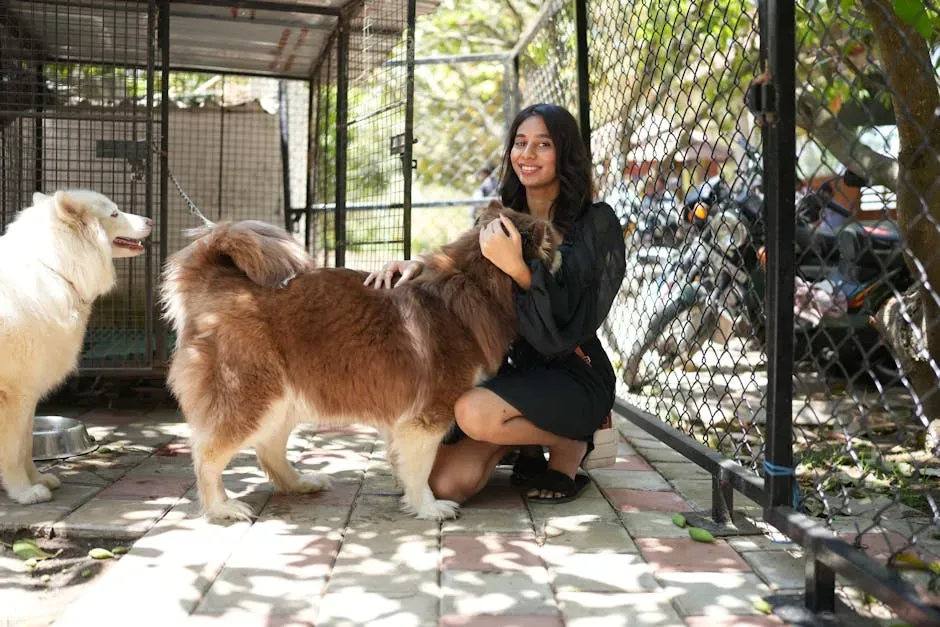
Most owners judge a kennel by the lobby, the Instagram photos, or how happy their dog looks at pickup. None of that matters as much as what happens on night one, when nobody’s watching but the staff. The doorway pause, the missing shake-off, the untouched dinner, the back-wall posture, the too-quiet dog who never really sleeps – these aren’t cute quirks. They’re the whole story, told in whispers instead of barks.
A serious, dog-centered facility uses every one of these signals to adjust placement, handling, and routine in real time. And frankly, some of the flashiest “luxury” kennels are the worst at this, because they’re busy selling cameras and lobbies instead of training staff to actually watch the dog. If your dog could choose, they wouldn’t pick the nicest waiting room. They’d pick the people who noticed they didn’t shake it off.