
The 11 Cues a Dog Gives Off Once It Has Worked Out Who Is Leaving Next
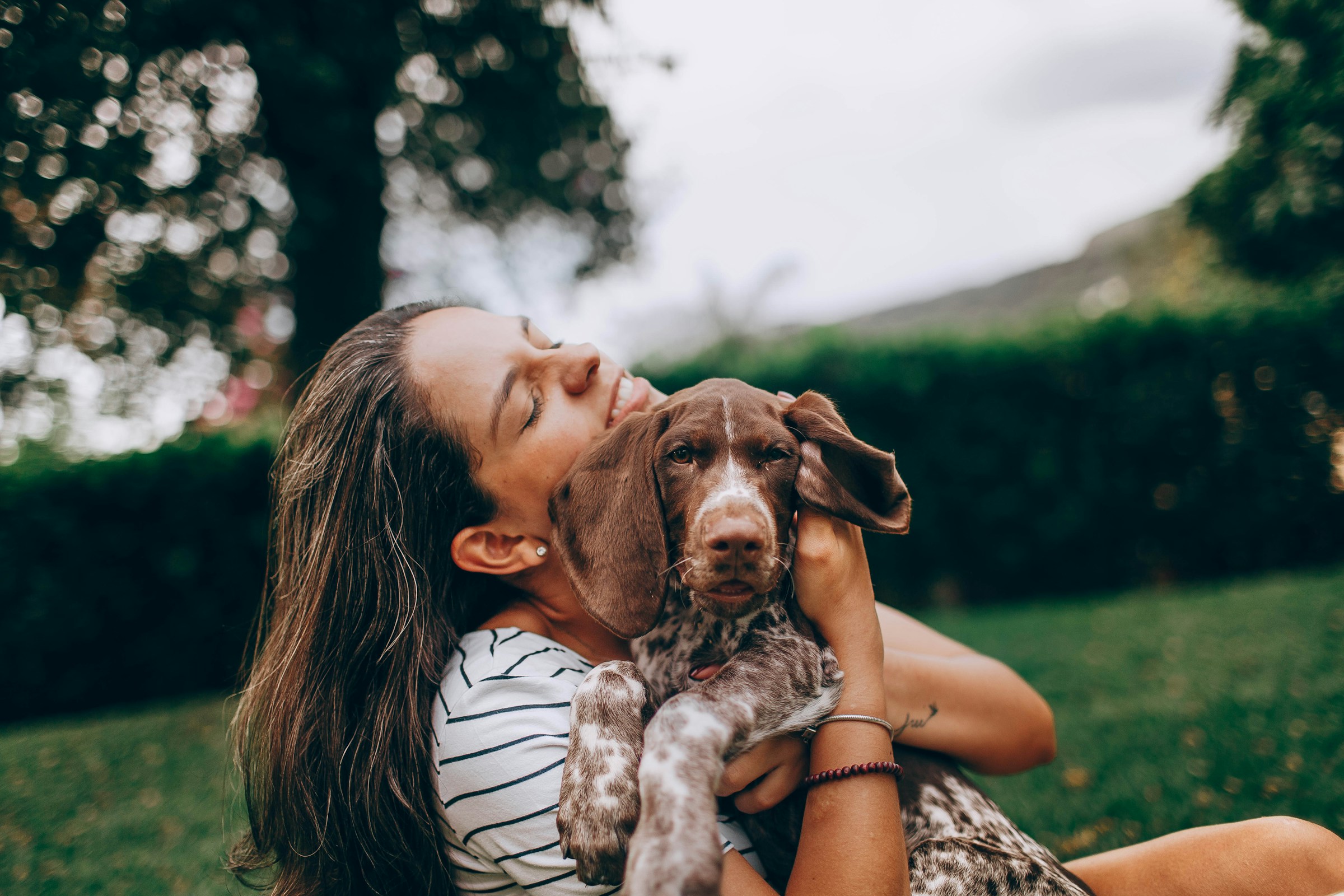
You grab your keys and your dog barely glances up. But ten minutes earlier, that same dog was pacing, staring at the hallway, and shadowing you so closely you nearly tripped over him. That gap – between what you noticed and what he’d already figured out – is bigger than most owners ever realize.
Dogs aren’t reacting to your exit in the moment. They’re running a prediction they built over months of watching your shoes, your coffee mug, and the exact way you sigh before grabbing your bag. By the time you’re at the door, the verdict is already in. Here are the eleven tells that prove it – and once you spot them in your own living room, you won’t be able to look away.
#1 – The “Shadowing” Dog That Picks a Favorite Human
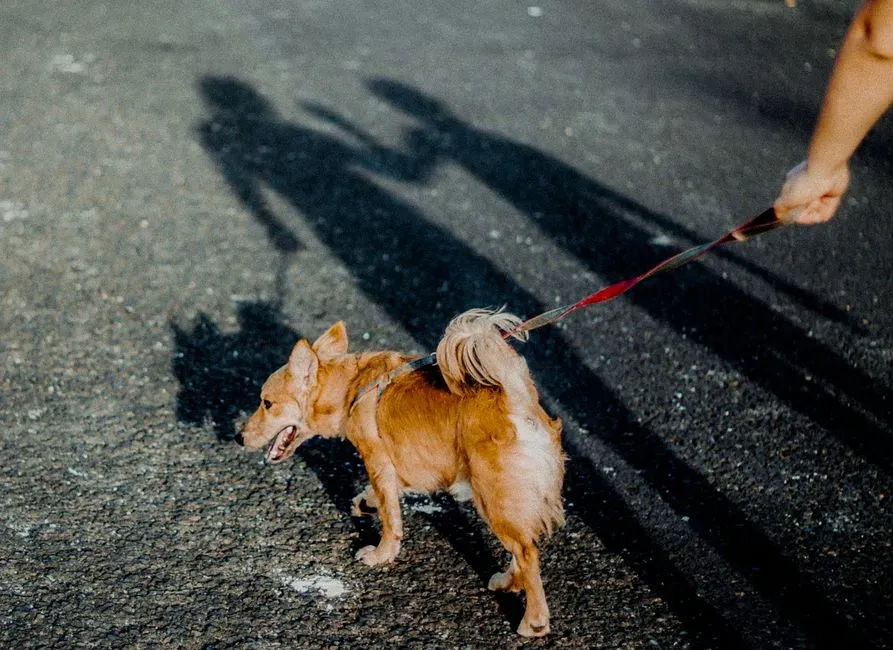
Once a dog has figured out who’s about to leave, the first cue is simple: they glue themselves to that person. Watch a busy morning closely and you’ll see it – your dog trailing one human from room to room while ignoring everyone else entirely. They park outside the bathroom door, wedge into the bedroom doorway, or plant themselves between the leaving person and the closet where the shoes live.
It looks clingy, but it’s strategy. The dog isn’t shadowing every human in the house – only the one whose routine they’ve fully decoded. They know the sequence by heart: shower, coffee, laptop, shoes, keys, gone. Staying close buys them a few extra seconds of contact before separation hits, and dogs will take every second they can get.
#2 – The Early “Energy Shift” Before Anyone Touches the Door
Here’s where it gets a little spooky. Before keys jingle or a jacket zips, many dogs show a visible shift aimed squarely at the person they know is leaving. One moment they’re relaxed; the next, their whole body tightens around that one human. Tail carriage changes, ears angle differently, and their eyes lock onto that person’s smallest movements.
Dogs are relentless pattern readers, and you’ll usually see one of two reactions play out:
- Hyper-alert restlessness, with the dog micro-following every step.
- Total stillness, watching from one fixed spot like they’re bracing for it.
What’s striking is that this shift happens even when the routine is off-script – an unusual early exit, a last-minute trip – because the dog updates its internal prediction the moment your tone or pace changes. If you’ve ever felt like your dog knew you were leaving before you did, you weren’t imagining it.
#3 – Strategic Guarding of Shoes, Bags, and Doorways
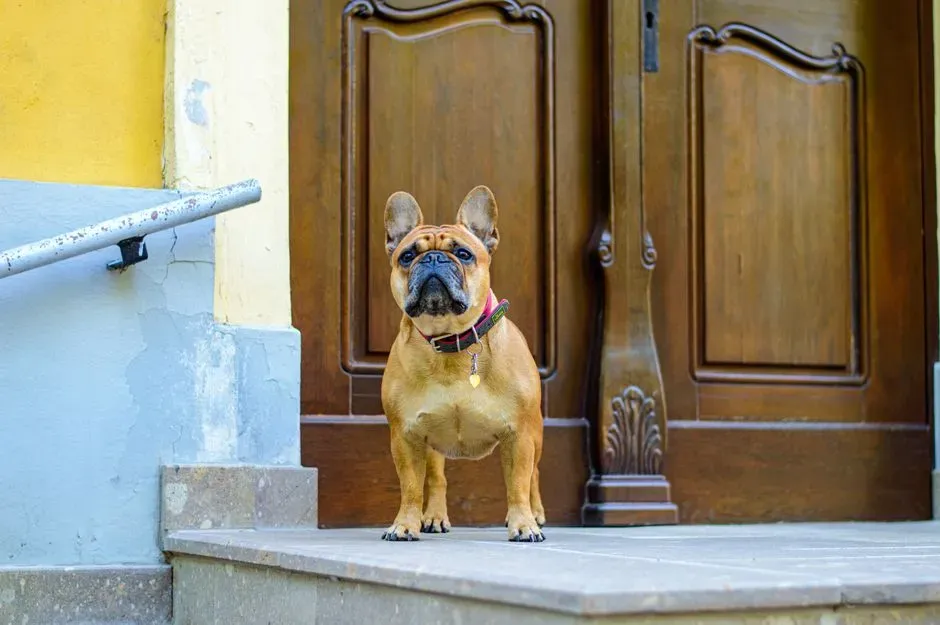
Once a dog connects certain objects to your disappearance, you’ll see a genuinely clever cue: they start guarding the exit tools. Not aggressively, usually – more like a calculated roadblock. A dog that’s worked out who’s leaving next might lie across that person’s shoes, sit on their bag, or flop directly over the front door threshold.
It looks adorable. It’s actually a speed bump. This behavior almost always targets one chosen human’s belongings – not everyone’s sneakers, just Dad’s work boots or the specific tote Mom carries to late shifts. Every second you spend stepping over the dog or nudging them aside is a second they’ve successfully stolen back. Watch which items they guard; that short list tells you exactly who they can’t stand to lose.
Worth Knowing
- Shoes and bags near the door carry the leaver’s freshest scent, making them prime “guard” targets.
- Lying across a threshold is a classic blocking posture, not a sign of aggression.
- Guarding almost always targets one person’s belongings, not the whole household’s.
- The behavior often fades within seconds once the door actually closes.
#4 – Selective Affection: One Person Gets the “Emergency Cuddles”
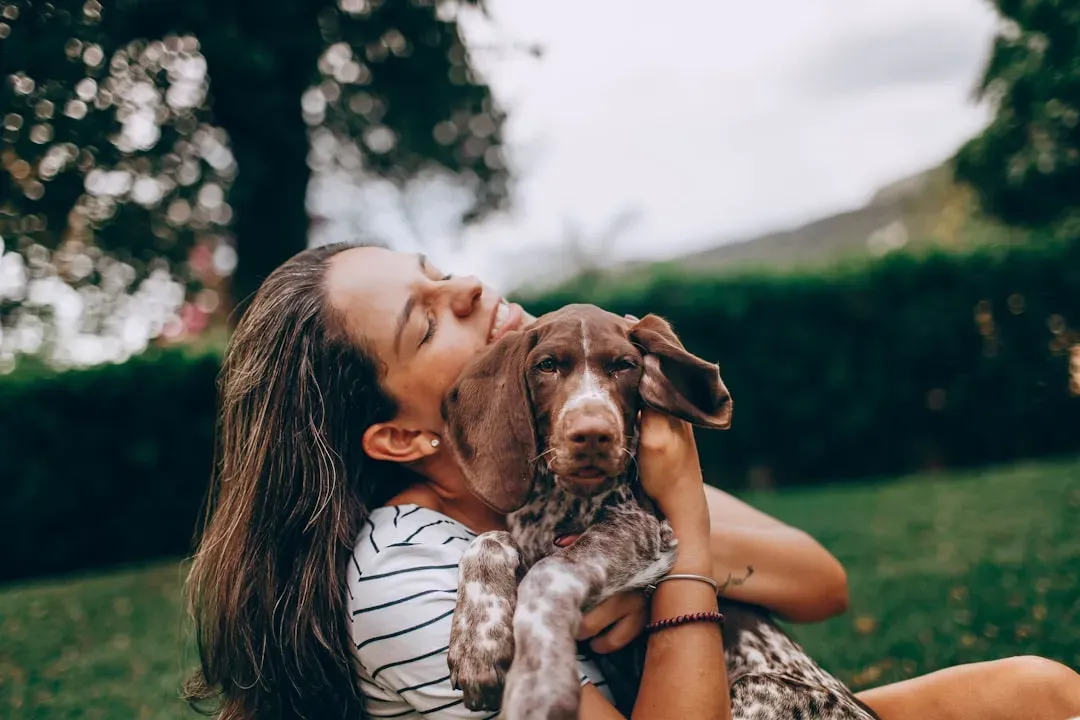
Here’s a cue that starts arguments in families: the dog’s affection suddenly turns brutally selective. Once they’ve decided who’s leaving, that person becomes the target of a last-minute affection campaign – nose nudges, pawing, leaning, forced lap time – while everyone actually staying home gets completely ignored.
People read this as favoritism, but it’s really timing. The dog knows exactly who’s about to vanish and pours every ounce of attention into that person during the final ten or twenty minutes. It’s also why some households notice the leaving person gets the biggest homecoming reaction later, while everyone else barely registers. Your dog has quietly ranked who’s going, who’s staying, and how urgent each goodbye feels.
#5 – The Dog That Suddenly Won’t Eat… Unless the Leaver Feeds Them
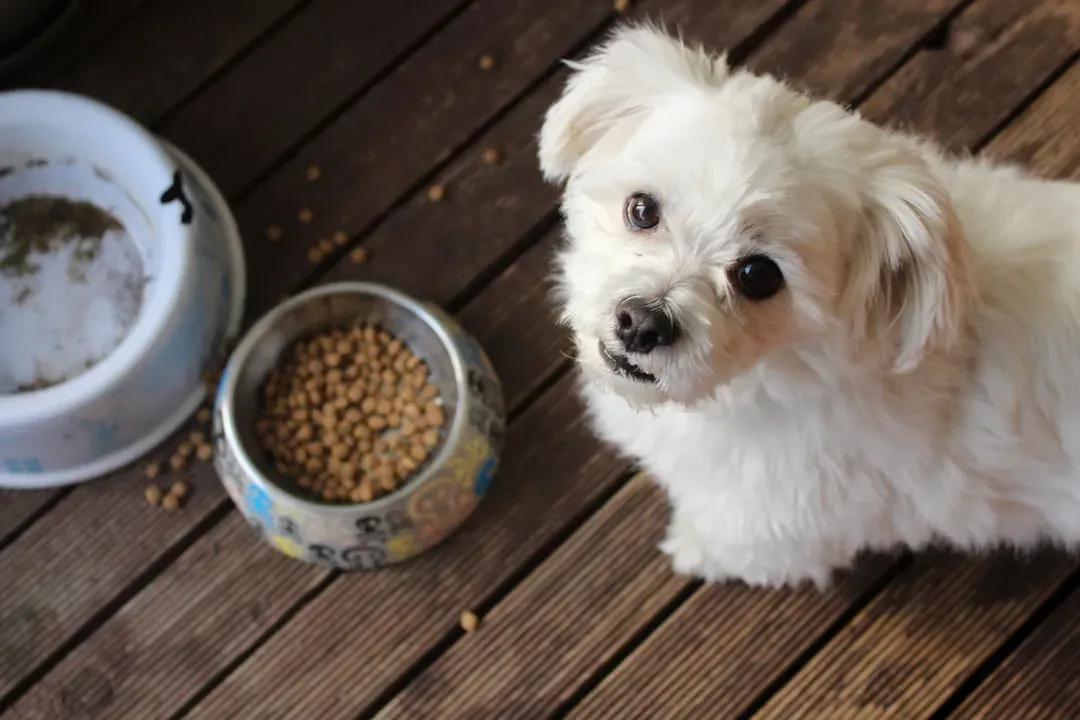
Loss of appetite is a classic stress response, and dogs are no exception. One under-discussed cue is a sudden, situational refusal to eat – but only when a specific person is the one walking out the door. Breakfast sits untouched when you reach for the keys, yet disappears normally when someone else heads out instead.
Some dogs hover near the bowl but keep glancing back at the leaver, unable to split their focus. Others ignore the food entirely until the person is fully gone, then eat in a rush. A few dogs will only start eating if the leaver personally hands over the food or says a specific word first – using the meal as one last tether to that person’s attention before the door closes.
#6 – Hyper-Focus on “Goodbye” Rituals (Even Tiny Ones)
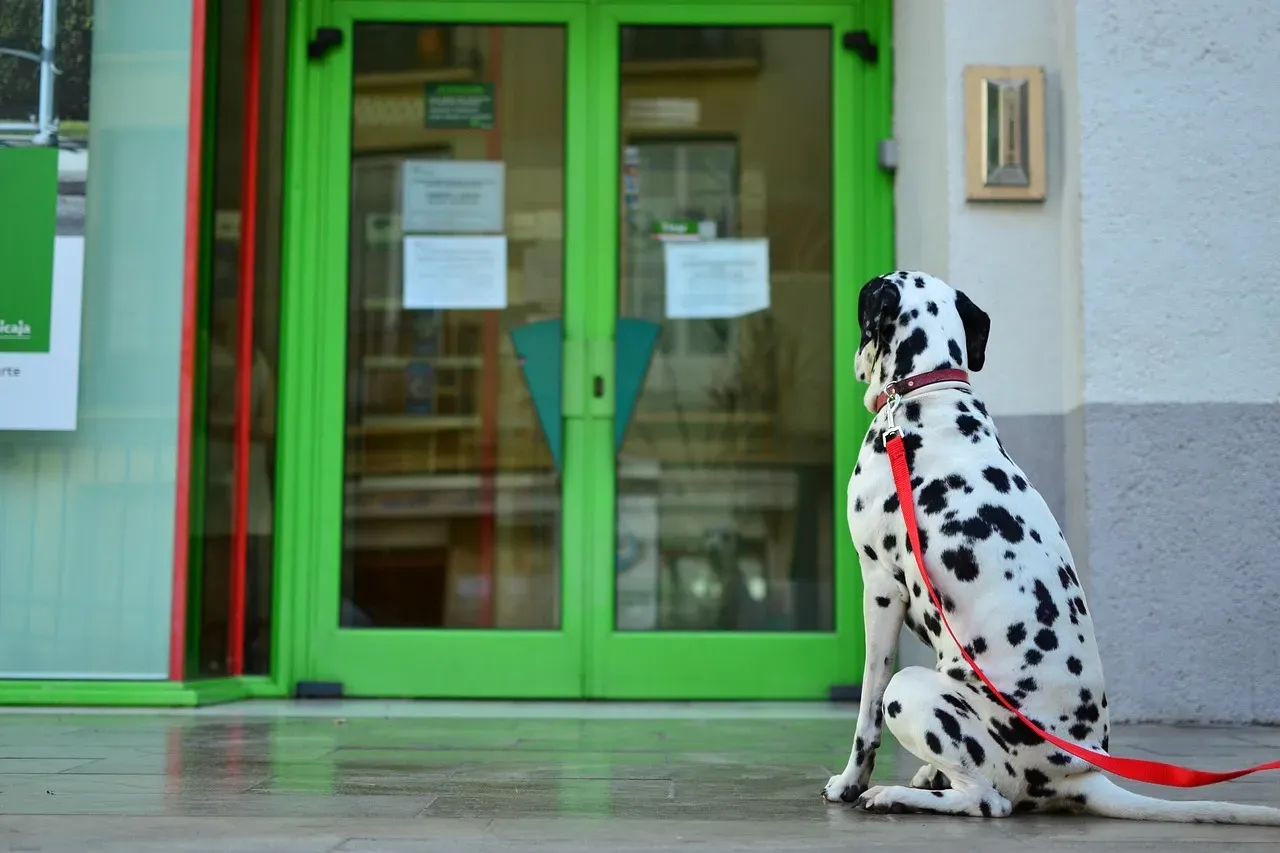
Once a dog has worked out who’s leaving, they become obsessed with the goodbye script. Humans are creatures of habit, and dogs weaponize that habit completely. Maybe you always say “be good” on your way out, or your partner gives a quick head scratch at the door. Eventually the dog starts waiting in that exact spot, staring at the leaver with an intensity that’s hard to ignore.
Tiny, forgettable rituals become massive emotional signals: the sound of a specific zipper, the drawer where the car keys live, the exact phrase said before someone steps out. The real tell is that the dog starts moving into position before you even perform the ritual – they’re not reacting anymore, they’re predicting. Skip the routine once, and you’ll see genuine confusion or even mild panic.
Fast Facts
- Dogs are highly sensitive to routine and repetition, which is why goodbye rituals become powerful cues.
- A skipped ritual can trigger visible confusion or mild stress in a dog that expects it.
- Positioning themselves at the “ritual spot” ahead of time shows anticipation, not coincidence.
- Small, repeated sounds – zippers, certain drawers, specific phrases – carry outsized meaning for dogs.
#7 – The Dramatic Sigh, Turn-Away, or “Cold Shoulder” Act
Not every dog falls apart when they know who’s leaving. Some do the opposite – they go emotionally icy. This is the cue owners most often misread. Instead of shadowing you, the dog hops on the couch, turns their back, and lets out a theatrical sigh. No eye contact, no goodbye, no drama. It looks like indifference.
In reality, it’s self-protection. Some dogs have learned that engaging at the goodbye only makes it hurt more, so they opt out of the ritual entirely to manage their own emotions. The timing gives it away – they don’t do this on a lazy Sunday afternoon, only when your pattern screams workday exit. Ironically, these are often the same dogs who lose their minds with joy the second you walk back in.
Dogs do speak, but only to those who know how to listen.
Orhan Pamuk
#8 – Pre-Exit Restlessness: Pacing, Window Checks, and Door Patrol
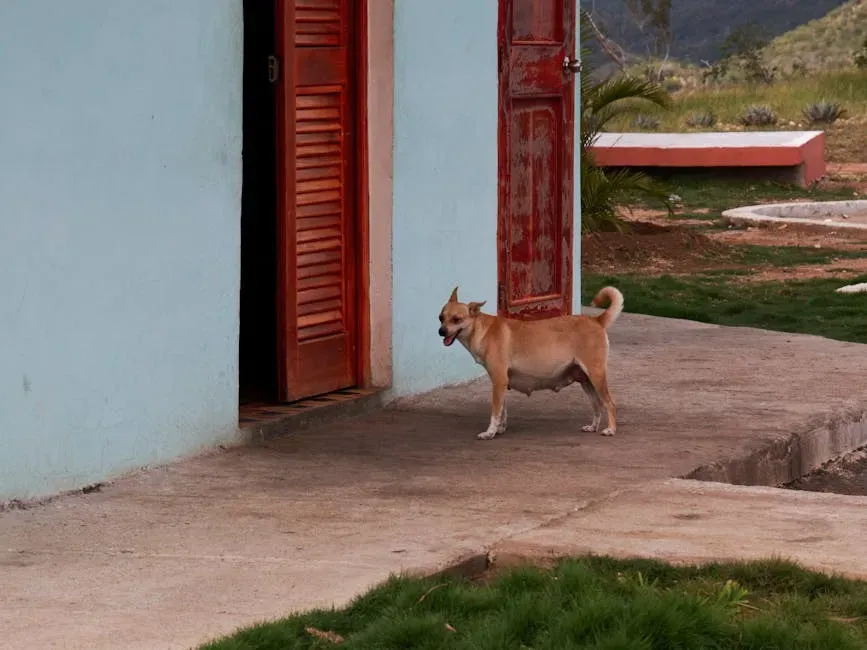
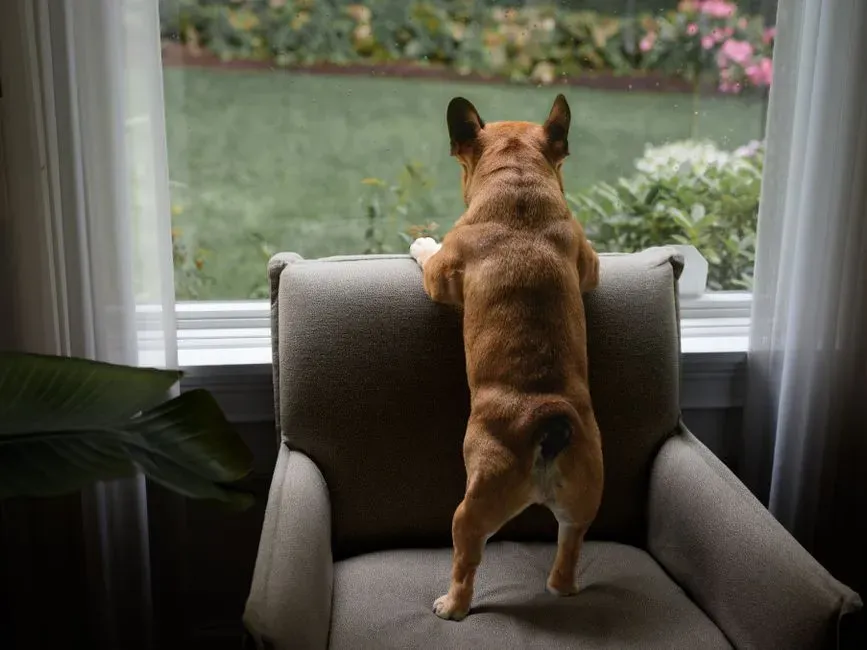
Some dogs can’t sit still with uncertainty. Once they’ve decided who’s leaving next, you’ll see restlessness kick in well before the actual goodbye – pacing, sprinting to windows, then back to the door in a full surveillance loop. It’s not random hyperactivity; it’s a dog running its own stakeout.
Look closely and the pattern gets specific:
- Standing at the front door, whipping their head back whenever the leaver moves.
- Checking the same two or three windows with the best view of the driveway.
- Whining or huffing only when the leaver crosses a certain threshold.
What’s wild is this often happens at almost the same time every single day, driven by the dog’s internal clock long before you’ve grabbed your coat. Their nervous system has already flagged “almost leaving time” – and their body follows without permission.
#9 – Redirected Mischief: Chewing, Stealing, or “Accidentally” Blocking
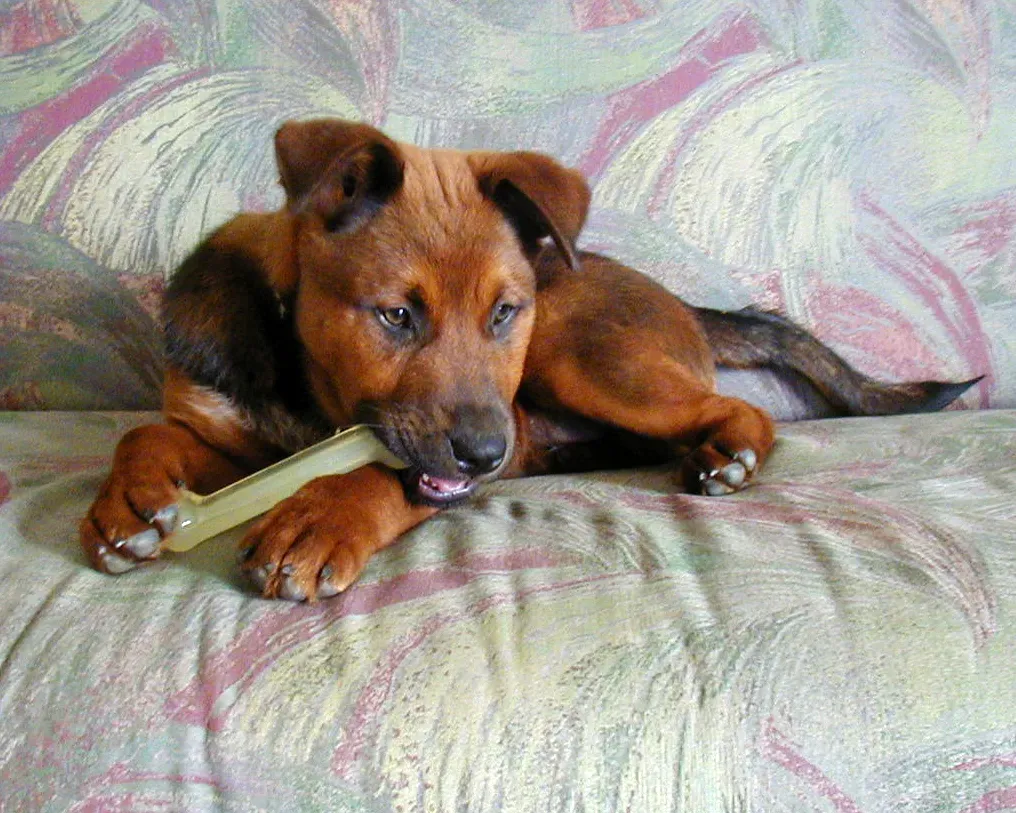
Here’s the cue people love to label as bad behavior, even though it’s usually emotional strategy. Once your dog figures out who’s leaving, they sometimes ramp up small acts of chaos right before or after the exit – shoes go missing, laundry disappears, a cushion mysteriously loses its stuffing. And it almost always targets the leaver’s belongings specifically.
It isn’t spite. It’s a stress-release valve, and a way to hold onto that person’s scent and attention a little longer. A dog stealing your sock and starting a chase as you head for the door isn’t being naughty for its own sake – they’ve learned that disrupting your routine is one of the only levers they have. Three extra minutes of chaos is three extra minutes with their person.
Why It Stands Out
- The mischief is targeted – almost always the leaving person’s belongings, not just anything nearby.
- Timing matters: most of it happens right before or right after the goodbye, not randomly through the day.
- It functions as a stress-release outlet, not defiance or spite.
- Chasing the dog for the stolen item often becomes its own bonus attention.
#10 – The “Other Humans Don’t Matter Right Now” Blind Spot
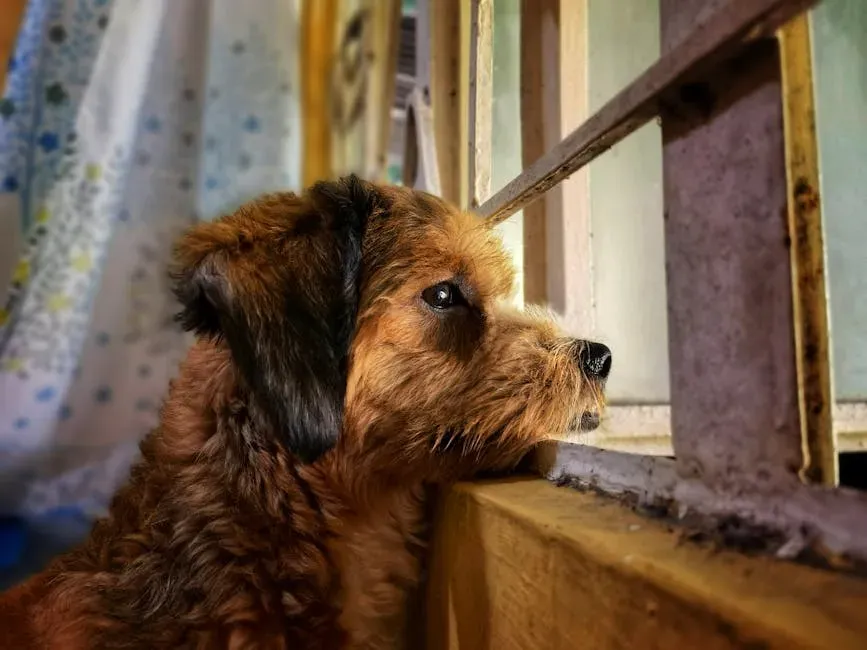
Once a dog locks onto who’s leaving next, something messy happens socially: everyone else in the house drops in priority instantly. Maybe three people live in the home, but when Mom is leaving, Dad and the kids might as well be furniture. Toys get ignored, invitations get ignored, and the dog stares down the hallway like nothing else exists.
This stings for the people staying home, but the truth is simple – dogs aren’t fair, they’re attached. Once they’ve identified the primary human in that moment, everyone else becomes background noise until the exit is over. Only after the leaving person is gone does the dog often turn back to the others, as if to say, “okay, I guess you’ll do for now.”
#11 – Waiting in the “Reunion Spot” Before the Person Is Even Gone
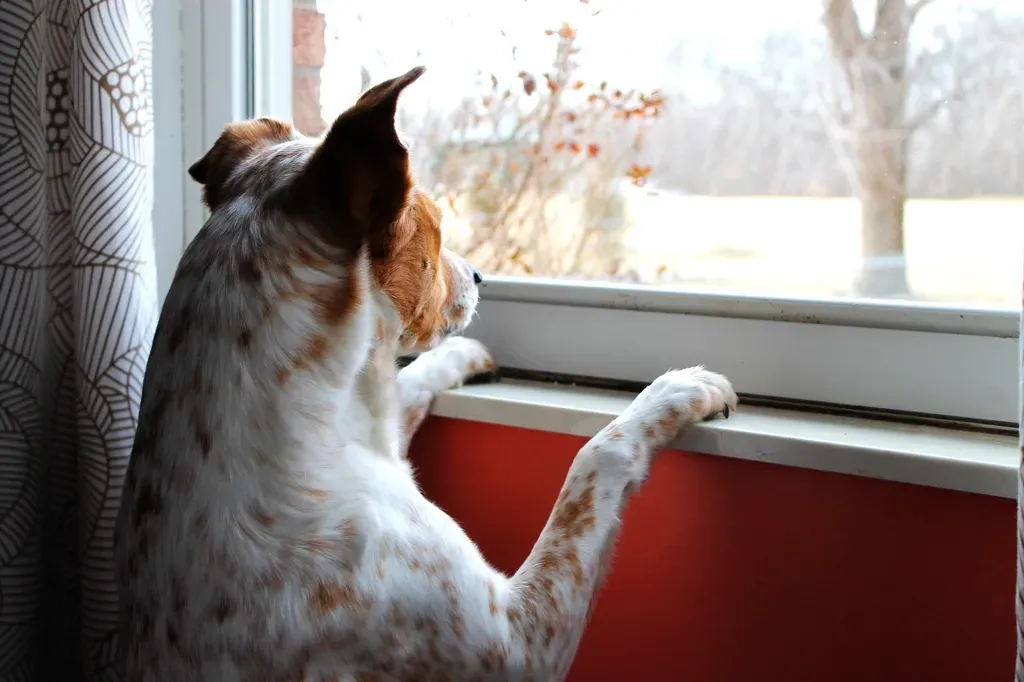
The most haunting cue of all doesn’t happen at the door – it happens in the place where your dog expects the story to end. Once they’ve learned who leaves and how they return, many dogs pre-position themselves in their reunion spot before the person is even fully out the door. It might be a specific corner of the couch, the top of the stairs, or a rug by the entryway.
It’s not mindless habit – it’s a quiet act of faith. The dog is saying, with their whole body, “this is where you reappear, and this is where I’ll wait.” In some homes it’s eerily precise, the same spot at the same time every weekday, because the dog’s internal clock and emotional map have fused into one. They haven’t just worked out who’s leaving – they’ve mapped exactly how the story ends, and they refuse to miss it.
The Bottom Line
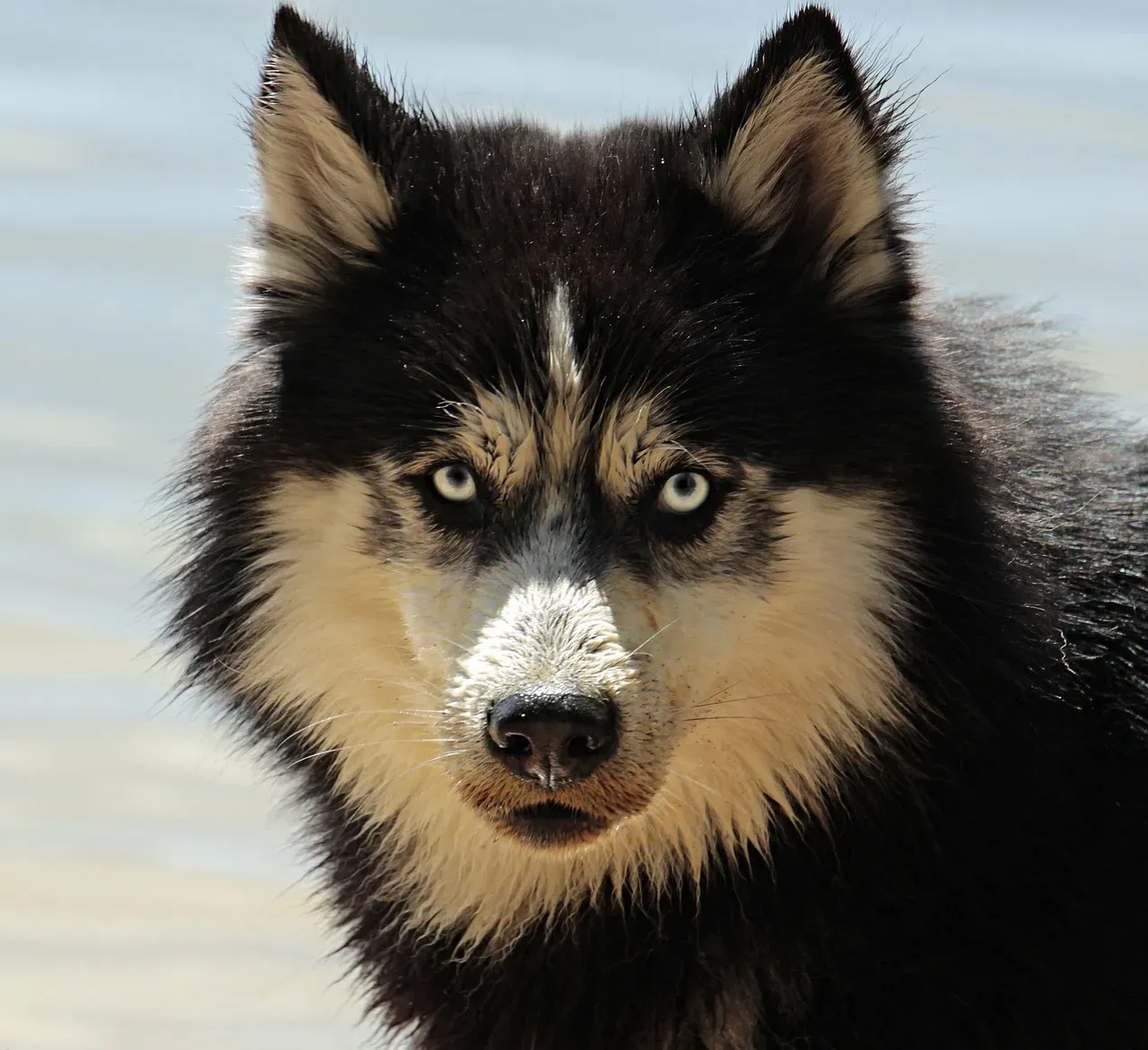
Once you start paying attention, it’s impossible to unsee it. Dogs don’t just notice someone is leaving – they figure out exactly who, long before the door opens, and quietly reorganize their entire emotional world around that prediction. From shadowing one human while ignoring the rest, to guarding shoes, skipping meals, going cold at goodbye, or staking out the reunion spot hours in advance, none of this is quirky. It’s evidence of a mind keeping score.
Here’s my honest take: we’ve spent years calling this clinginess, drama, or bad behavior, when really it’s one of the most sophisticated things a dog does. Your dog is probably clocking your exits more precisely than you’re clocking theirs. That doesn’t mean you owe them a guilt trip every time you leave the house – but it does mean the lazy stories need to stop. They’re not being difficult. They’re doing the only thing they can in a world where the door only opens one way for them.
So which cue does your dog show the most – and which one have you been pretending not to notice?