
22 Things People Do at the Vet That Every Nurse in the Room Quietly Clocks
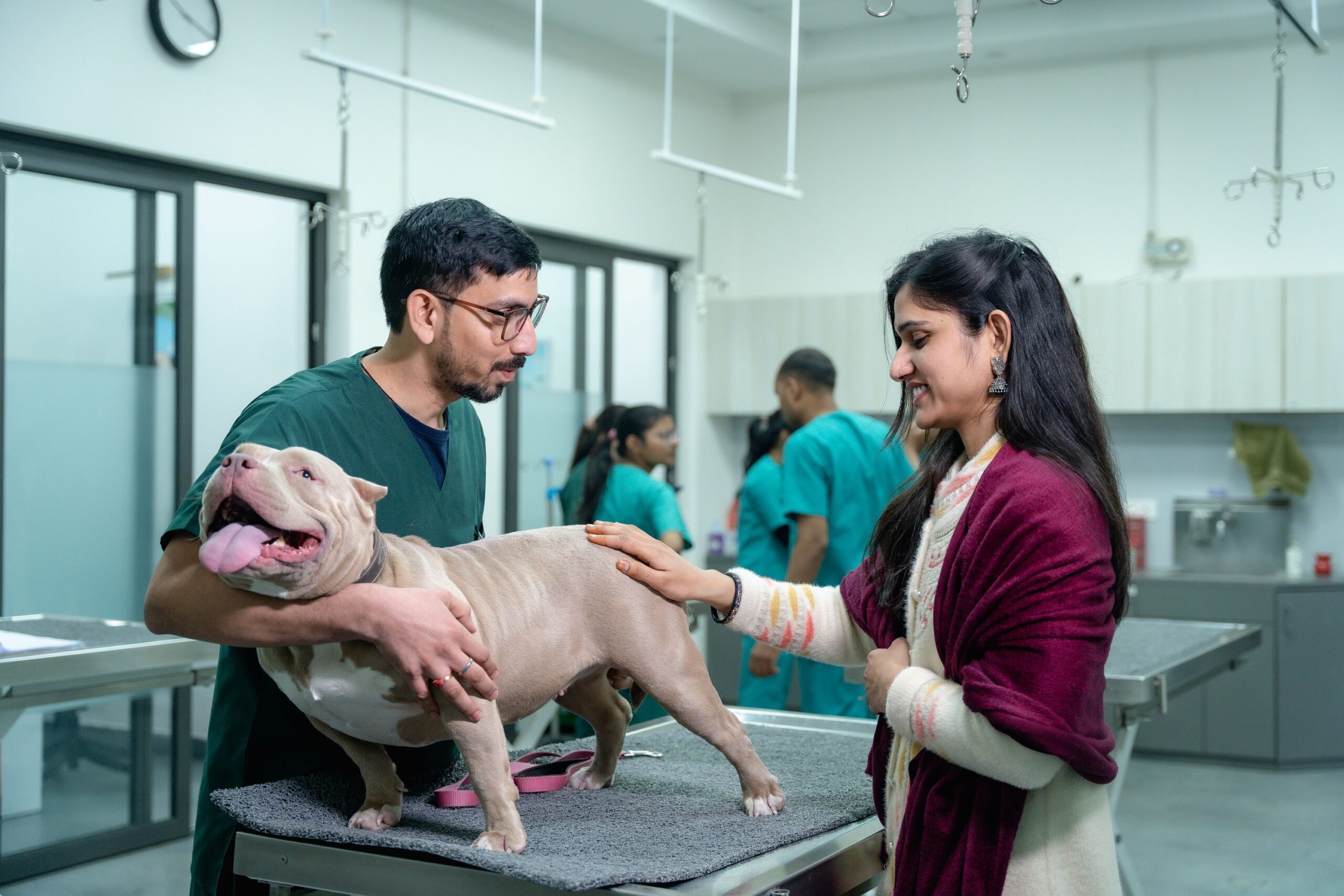
Walk into any vet clinic and you’d swear the appointment is just about the scale, the stethoscope, and maybe a shot. That’s the story most owners tell themselves. The truth playing out in that exam room is sharper than that: every nurse standing beside you is running a silent read on your dog’s breathing, your grip on the leash, the words you choose, and the story you’re not quite telling straight.
Some of it is harmless. Some of it changes how fast a diagnosis happens, how much the visit ends up costing, or whether anyone in that room gets hurt. Here are the 22 things vet nurses quietly clock every single shift – whether they ever say it out loud or not.
#1 – Saying “He’s Fine Now” After Weeks of Symptoms
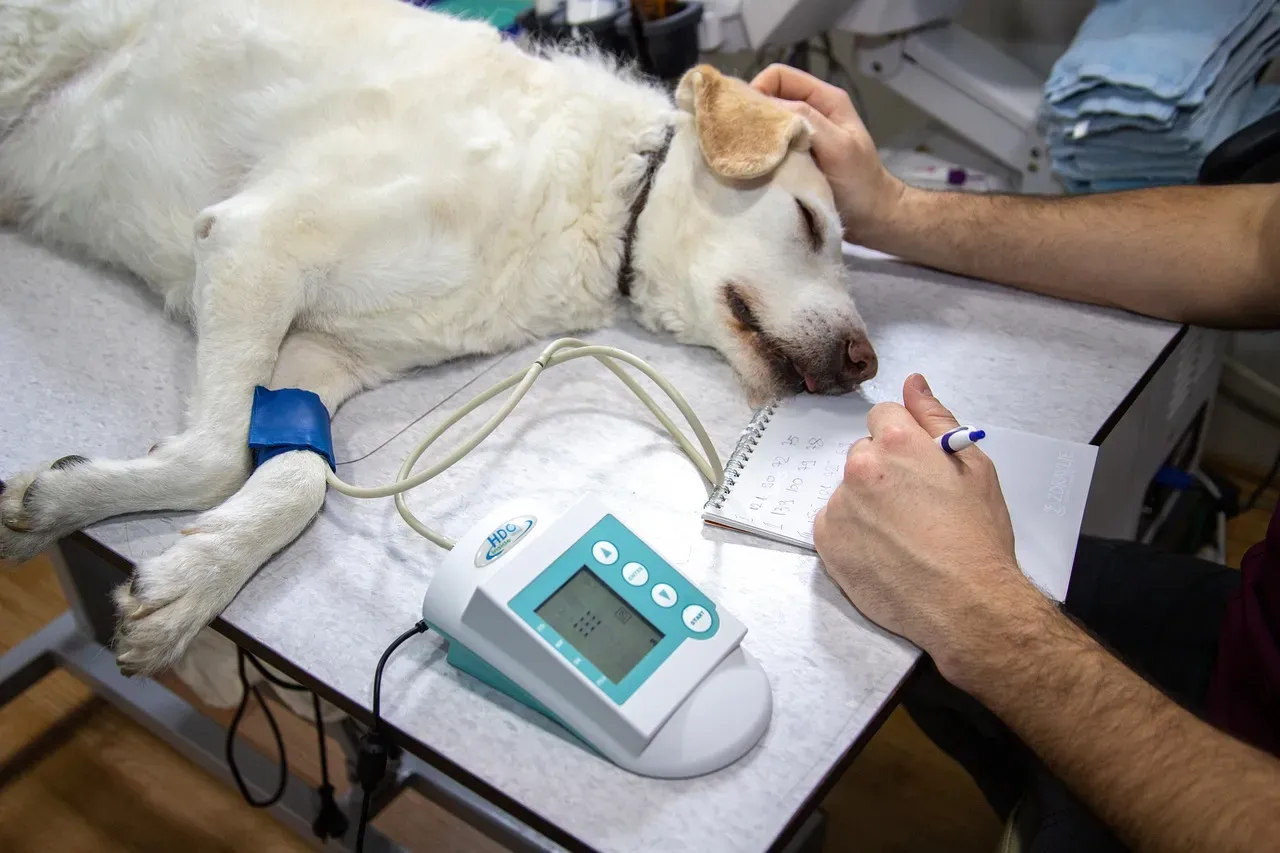
The minute an owner says, “He was really bad at home, but he seems fine now,” every nurse in the room quietly takes note. Pets don’t fake being sick, and sudden “improvement” on the exam table is almost always stress masking pain, or a slow-building problem finally boiling over. The body tells a more honest story than the five minutes you see on the table.
They’re clocking how long you waited, what you tried at home, and whether you’re downplaying things without even meaning to. Weeks of “off” behavior followed by “he wouldn’t eat today” signals delayed care, and that changes the prognosis, the cost, and how urgently they need to run tests. While you’re reassuring yourself he’s fine for now, the nurse is already wondering what’s brewing underneath.
But that’s nothing compared to what they think when you insist it’s “just allergies” at #2…
#2 – Pre-Diagnosing: “It’s Definitely Just Allergies”
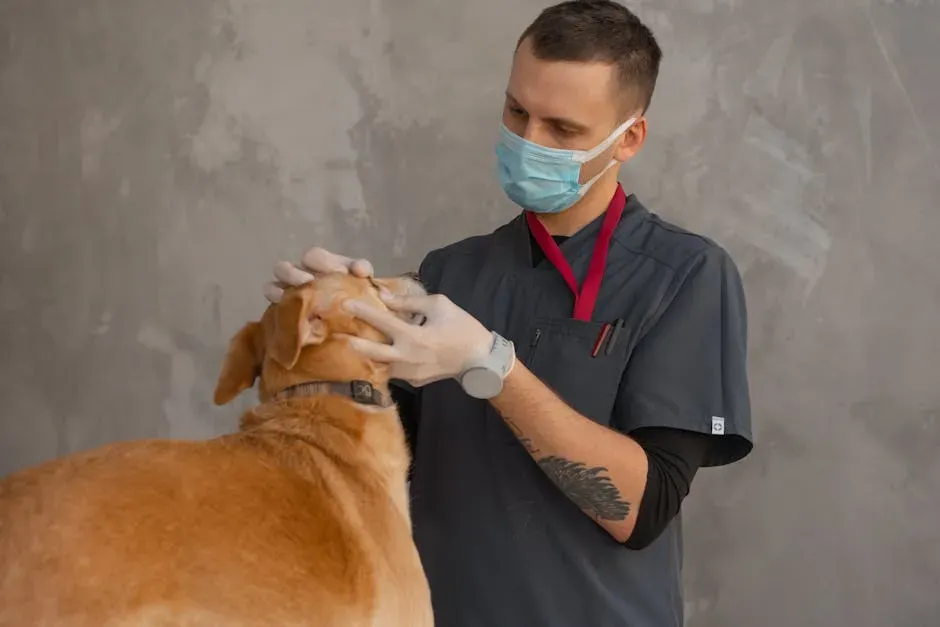
Owners love walking in with a label already stapled on: it’s allergies, it’s anxiety, it’s just old age. Nurses clock this instantly because it changes how honestly people answer questions. Once you’re convinced you already know the diagnosis, you start unconsciously filtering symptoms to fit your theory.
When “it’s just allergies” gets said over hair loss, constant licking, and chronic ear infections, nurses quietly wonder if you’re ready to hear this might be bigger, and pricier, than you planned. They watch how you react when the vet suggests tests that don’t fit your story – defensive, open, or checked out – because that reaction tells them exactly how much explaining still needs to happen before the real answer sinks in.
But that’s nothing compared to what happens when people “WebMD” everything at #3…
#3 – Whipping Out Google Mid-Appointment
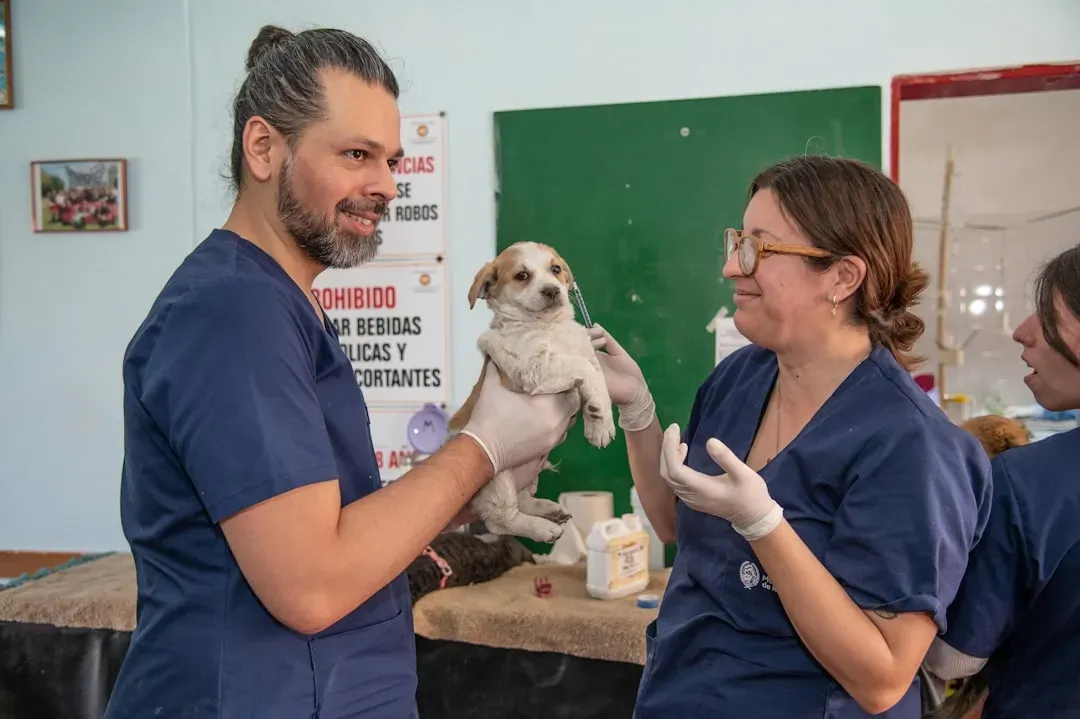
The second the phone comes out and “Well, Google says…” leaves your mouth, every nurse clocks it. Not because questions annoy them – quite the opposite. It’s because they’ve watched Dr. Google turn a manageable issue into full-blown panic, or stubborn resistance to real medicine, more times than they can count.
They can usually spot the rabbit hole before you even sit down: the frantic look, the stack of screenshots, the “this breeder group on Facebook said…” They’re not rolling their eyes at your questions; they’re mentally sorting what’s accurate, what’s half-right, and what’s about to derail the whole visit if nobody addresses it head-on.
But that’s nothing compared to the tension they feel when your pet is terrified and you laugh it off at #4…
#4 – Laughing While Your Pet Is Clearly Terrified
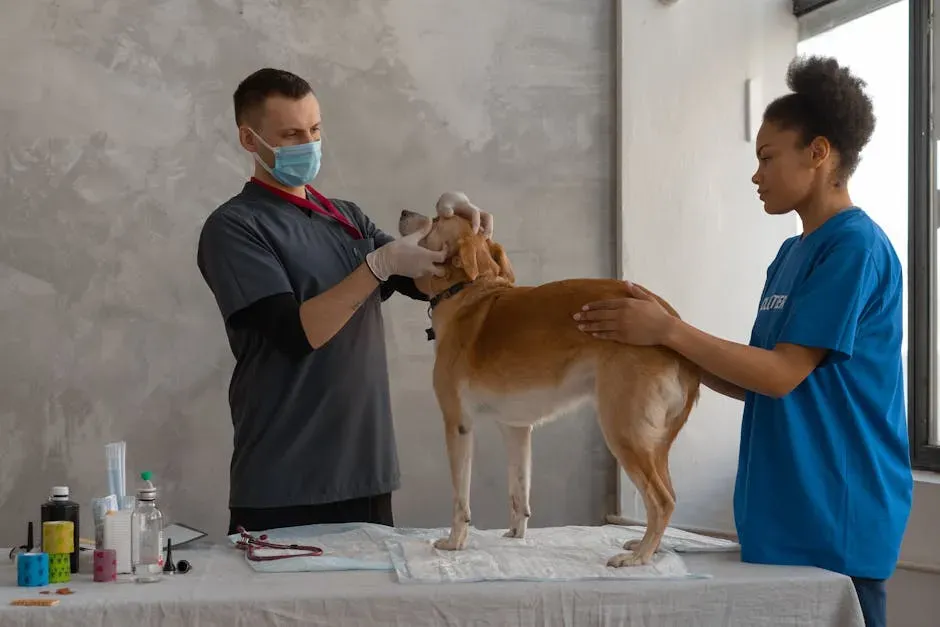
When a dog is trembling so hard the table rattles and the owner chuckles, “Oh, he’s such a drama king,” every nurse clocks it – and not fondly. Fear in that room isn’t drama. Chronic vet fear is a welfare issue, and often a safety problem for everyone standing there.
They’re not judging you for having an anxious pet; they’re judging how seriously you take that fear. Do you ask to go slow, or shrug and force him onto the table for a video? Fearful pets remember every rough visit, and each one compounds the next, turning ten minutes of vaccines into a lifetime of sedation-only appointments.
But that’s nothing compared to when owners insist “he doesn’t bite” at #5…
#5 – Saying “He Doesn’t Bite” While Holding Zero Control
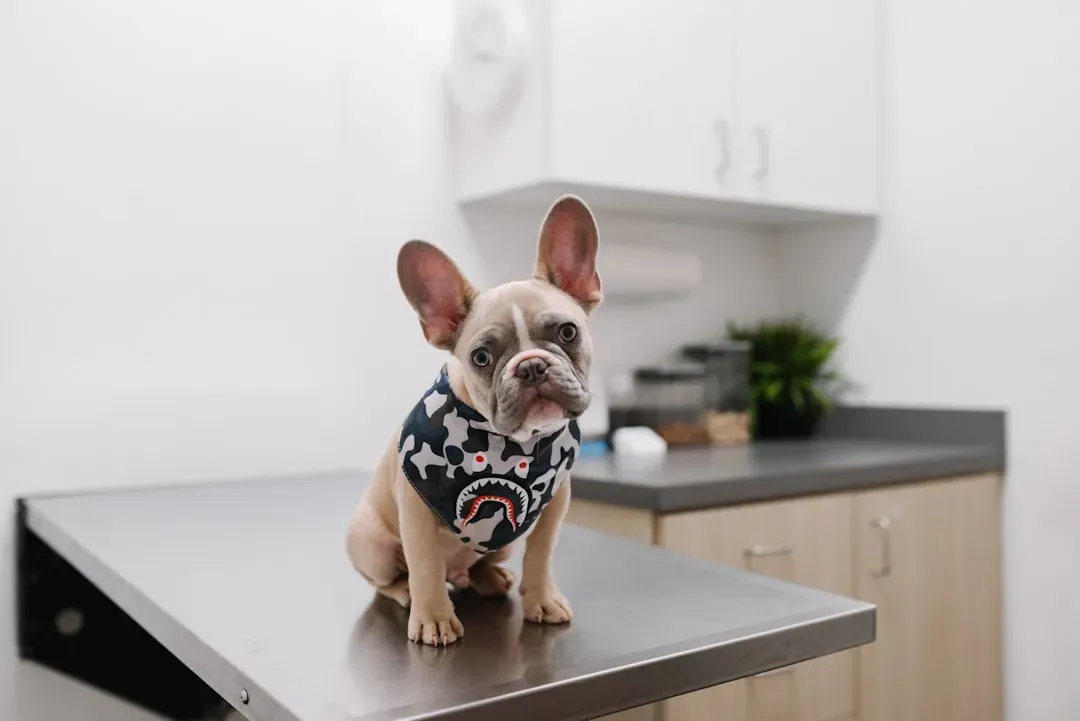
If you say “he doesn’t bite” while your dog is stiff, lip-licking, and side-eyeing the tech reaching for his paw, every nurse clocks it as a giant red flag. The phrase they actually trust is closer to: “He’s never bitten before, but he’s scared, so please be careful.”
Nobody assumes your pet is bad – they assume he’s an animal in an unfamiliar, stressful room with sharp teeth and a right to be afraid. When owners wave off growling, hard stares, or freezing, nurses quietly take on two jobs at once: stay safe, and gently push back against the magical thinking that “he’d never.” The irony is that pets handled with muzzles and clear limits usually get faster, kinder exams than the ones nobody prepared for.
Fast Facts
- Stiff, frozen posture is a bigger warning sign than an actual growl
- Lip-licking and yawning outside of mealtime or sleep often signal stress, not calm
- Whale eye – when you can see the whites around the eyes – means the pet feels cornered
- A tucked tail plus leaning away is the body already asking for space
But that’s nothing compared to what they see when cats come in loose in someone’s arms at #6…
#6 – Bringing a Cat in Loose, in Arms, or in a Laundry Basket
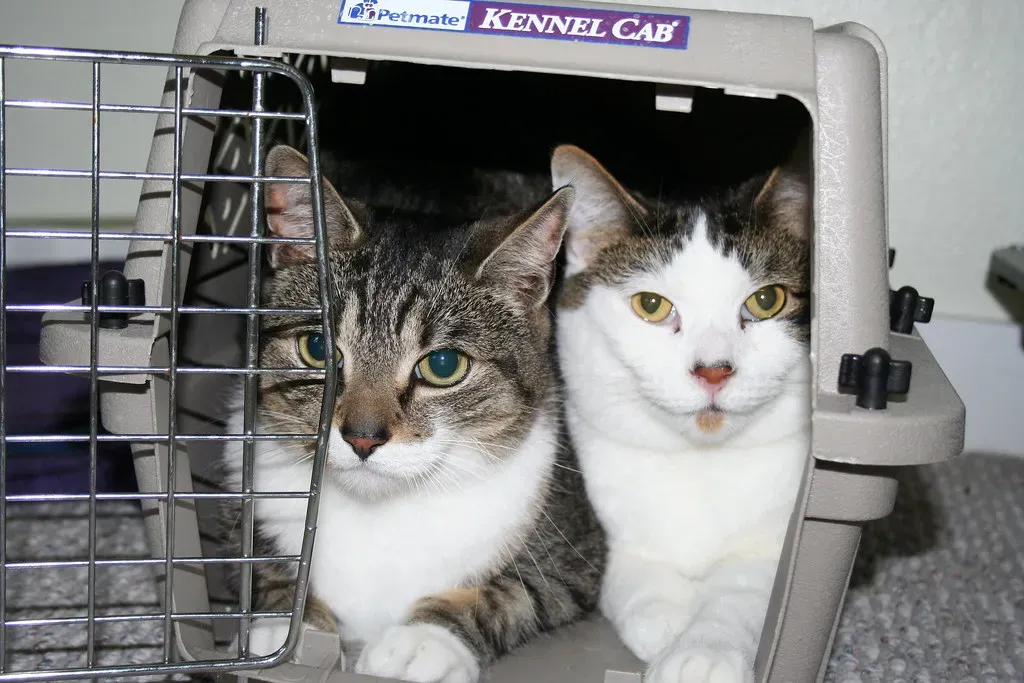
Nothing hits the emergency brake in a vet nurse’s brain faster than a cat arriving in someone’s bare arms, a cardboard box, or a laundry basket with a towel thrown over it. Loose cats in clinics are a code-red situation, even if yours is “so chill at home.” One sudden noise, one barking dog, and that chill cat can bolt, scratch, or fracture a limb trying to escape.
They’re also clocking how the trip already felt for that cat, crammed in last-minute, screaming the whole way over, because that stress skews heart rate, blood pressure, and every exam finding after it. The cats whose owners leave the carrier out at home, use pheromone spray, and cover it in a loud lobby come out faster, need less restraint, and get seen sooner the next time something’s actually wrong.
- Leaves the carrier out at home all the time
- Uses pheromone sprays and comfy bedding
- Covers the carrier in the lobby, or waits in the car if it’s loud
But that’s nothing compared to what goes through their minds when people apologize for “bothering” them with emergencies at #7…
#7 – Apologizing for Coming in “If It’s Nothing”

Owners who rush in worried and then apologize for “wasting your time if it’s nothing” get clocked too – just in a good way. Nurses know how many people Google symptoms for days and only show up once things are already dire. Someone who comes in early and feels guilty for overreacting is usually the person they wish everyone would copy.
A “simple infection” caught today beats a midnight emergency, a three-thousand-dollar surgery, or a heartbreak that could’ve been avoided. They’re mentally contrasting your guilt against the owner who sat on vomiting and lethargy for a week – and you are not that problem. The culture of minimizing pet symptoms is.
But that’s nothing compared to how they clock people who dread the scale at #8…
#8 – Refusing the Scale or Downplaying Weight Gain

The second someone says, “We don’t really need to weigh him, do we?” nurses clock the discomfort underneath it – about weight, yours, his, or both. Pet obesity is one of the most common, most minimized medical issues they see every single shift.
“He’s just big-boned” while the scale says otherwise puts nurses in delicate territory, because weight talk is emotional for humans and pets alike. The owners who can hear “he’s overweight, but we can fix this” tend to have healthier, more active dogs six months later; the ones who shut down come back with cruciate tears, diabetes, or breathing trouble that “came out of nowhere.”
Worth Knowing
- National surveys have found roughly 59% of dogs and 61% of cats in the U.S. classified as overweight or obese
- Yet only about 17% of dog owners and 28% of cat owners in the same surveys admitted their own pet was overweight
- That perception gap is exactly what nurses are quietly trying to close every time they mention the scale
But that’s nothing compared to the chaos created by kids climbing on everything at #9…
#9 – Letting Kids Run Wild During the Exam
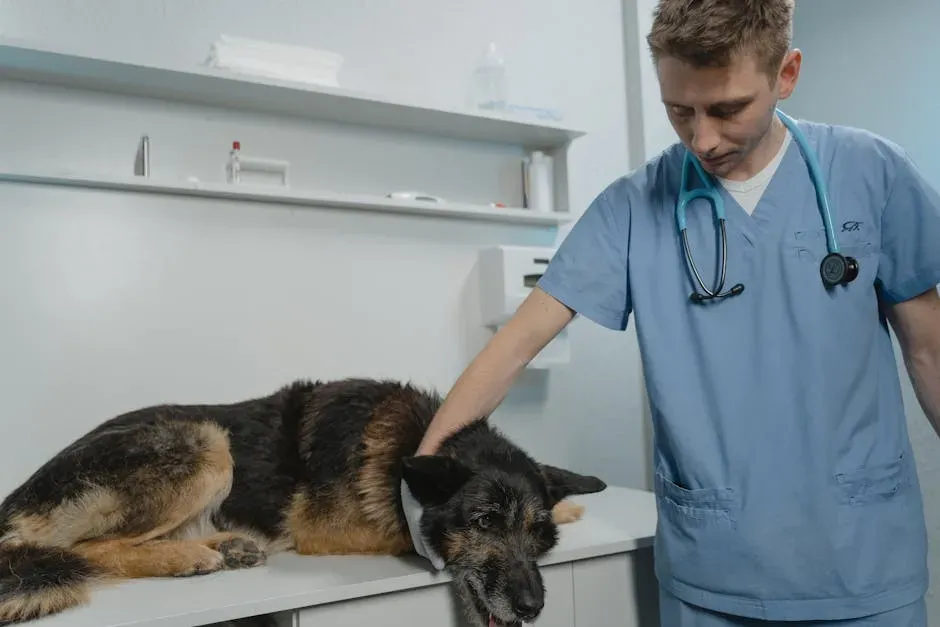
When kids are bouncing off walls, poking the dog, or reaching for the sharps container, every nurse clocks it – not because they dislike children, but because a tiny exam room is a limited safety resource. Suddenly they’re watching three living beings at once: your pet, your child, and their coworker holding a needle.
They quietly note the parents who set clear rules – “hands in your lap, this is a doctor’s office” – versus the ones scrolling their phones while chaos unfolds inches from a nervous animal’s face. The families who prep their kids beforehand get smoother visits and safer pets; the ones who don’t get remembered when the front desk quietly books them for thirty minutes instead of fifteen next time.
But that’s nothing compared to what they hear when people overshare about breeding plans at #10…
#10 – Casually Mentioning Backyard Breeding Plans
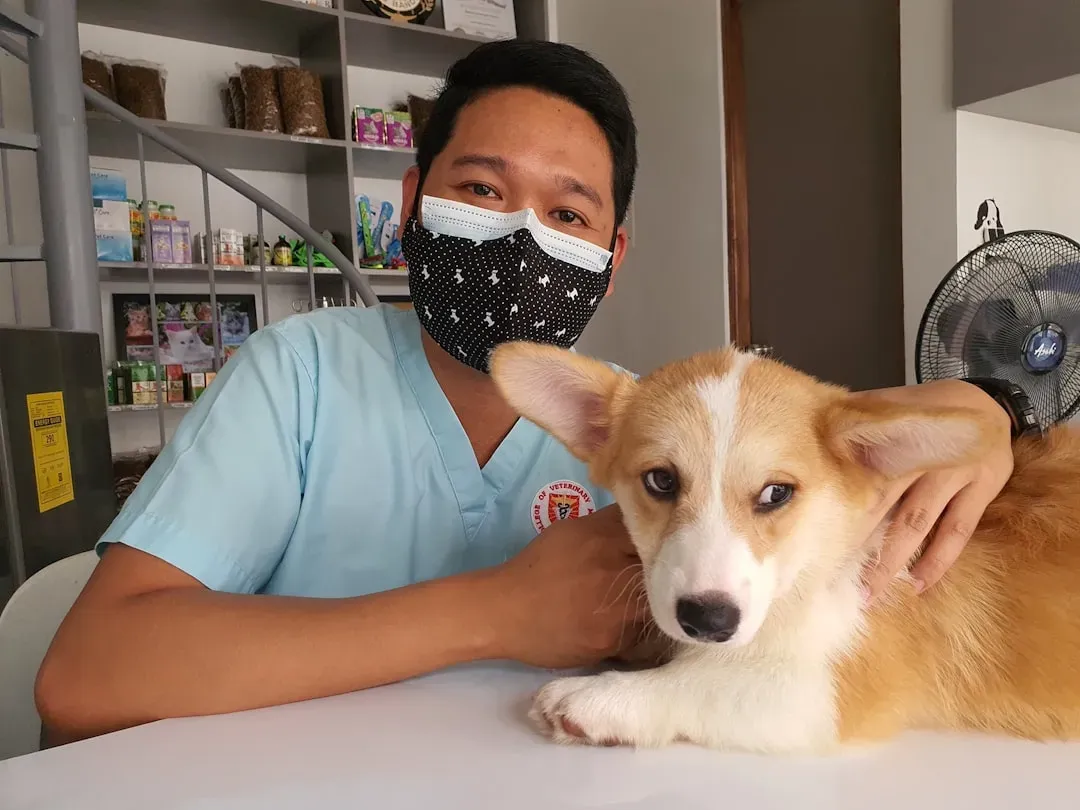
When someone drops, “We’re thinking of breeding her once, for the kids to see puppies,” the room’s energy shifts, even if everyone stays polite. Vet nurses have seen the ugly, expensive side of casual breeding more than any Instagram litter photo ever shows.
While you’re picturing fluffy babies, they’re replaying 2 a.m. emergency C-sections, cleft palates that couldn’t nurse, and mothers rejecting entire litters. They also know how many shelter pets are euthanized while “just one accidental litter” floods the local market, so when there’s no talk of health testing or mentorship, they know they’re not having a cute conversation anymore.
But that’s nothing compared to what they think when people admit they didn’t finish the meds “because he seemed better” at #11…
#11 – Admitting You Stopped the Meds Early

“We had antibiotics left, I stopped when he seemed better” gets clocked instantly, not as sabotage but as a familiar mistake born from good intentions. Incomplete antibiotic courses are a well-known problem, and not just for your pet – it feeds antibiotic resistance more broadly.
Nurses have seen the infections that came roaring back worse and pricier because meds stopped early, and the ear infections that “never go away” because drops only get used when things look bad. They quietly recalibrate what to explain next time: not just what to give, but why it matters all the way to the very last dose.
But that’s nothing compared to how their guard goes up when someone mentions “natural dewormers” at #12…
#12 – Bragging About “Natural” Parasite Remedies

“We don’t do chemicals, we use garlic, essential oils, natural flea collars” gets clocked as both a teaching moment and a potential ticking time bomb. They’ve scraped countless real fleas off anemic pets whose “natural” prevention did nothing but look nice on a shelf.
They’ve seen the allergic burns from DIY essential oil blends and the heartworm-positive dogs whose holistic preventatives turned out to be expensive placebos, none of which shows up in a wellness influencer’s reel. They’ll ask what exactly you’re using and where you heard about it, not to mock you, but to figure out how urgent real prevention has become.
But that’s nothing compared to how they feel when money becomes the only filter at #13…
#13 – Leading With “What’s the Cheapest Option?”
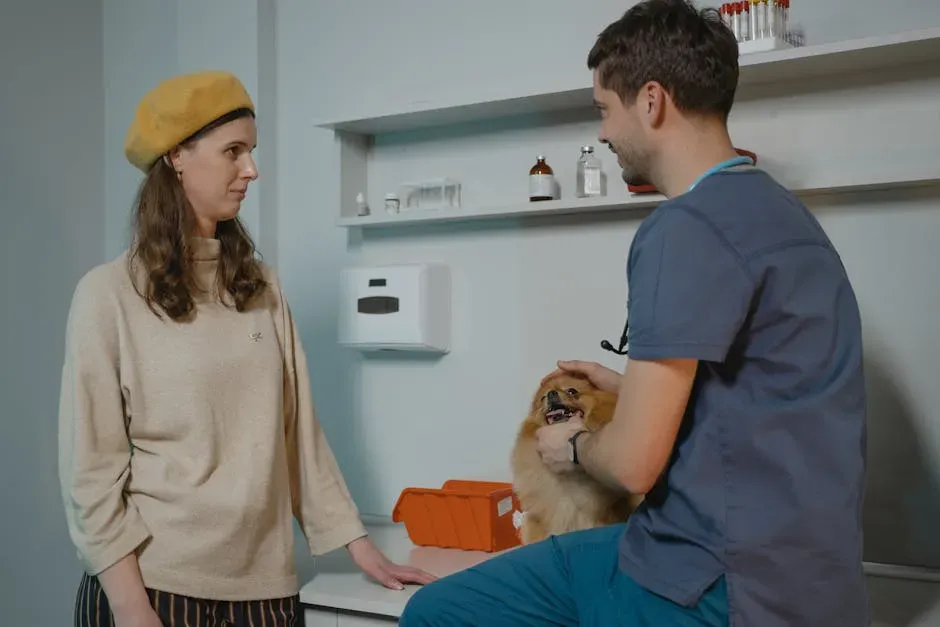
Asking about cost is normal. Opening with “what’s the cheapest option you’ve got?” sends a different signal, and nurses clock it fast – not because you have a budget, but because they worry the budget might be the only thing steering medical decisions.
They mentally shift into tiers – essential, phased, off-the-table – because they’ve watched “cheap now” turn into far more expensive patch jobs later. What they actually appreciate is “money’s tight, can we prioritize?” That one sentence turns a negotiation into a partnership.
Quick Compare
- “What’s the cheapest option?” – reads as budget steering the diagnosis, no matter what’s actually wrong
- “Money’s tight, can we prioritize?” – reads as a partner ready to make informed trade-offs
- One often leads to delayed care and bigger bills later; the other opens a real conversation about phased treatment
But that’s nothing compared to the emotional whiplash when people melt into guilt over “not noticing sooner” at #14…
#14 – Melting Into Guilt the Second Bad News Lands

When serious news lands – a mass, kidney failure, advanced dental disease – the reflex “I’m a terrible pet parent, how did I not see this?” gets clocked immediately, because it can derail the entire conversation that follows. While the vet explains options, the nurse is watching your face more than the chart.
They know how dental pain hides behind “still eating,” how quietly cats mask kidney disease, how stoic dogs stay until they suddenly aren’t – none of it was visible from where you were standing. The owners who say, “Okay, I feel awful, but what can we do right now?” make faster progress, not because they love their pets more, but because they let go of shame quickly enough to act.
But that’s nothing compared to what they feel in euthanasia appointments when people apologize for crying at #15…
#15 – Apologizing for Crying During Euthanasia

“I’m sorry, I’m being ridiculous,” sobbed over a dying pet, is a line every nurse has heard a hundred times, and it quietly breaks them every time. There is nothing ridiculous about crying over the end of a ten-to-fifteen-year relationship with a family member.
They watch how you touch your pet in those last minutes, the kids looking to adults to see if it’s okay to be sad, the people who climb onto the floor and hold their pet like a newborn until the very last breath. The only thing they clock negatively is someone rushing it, “let’s just get this over with,” because grief, done honestly, never needs an apology.
But that’s nothing compared to how sharply they notice who never shows up for follow-up care at #16…
#16 – Skipping Rechecks and Then Acting Shocked It’s Worse
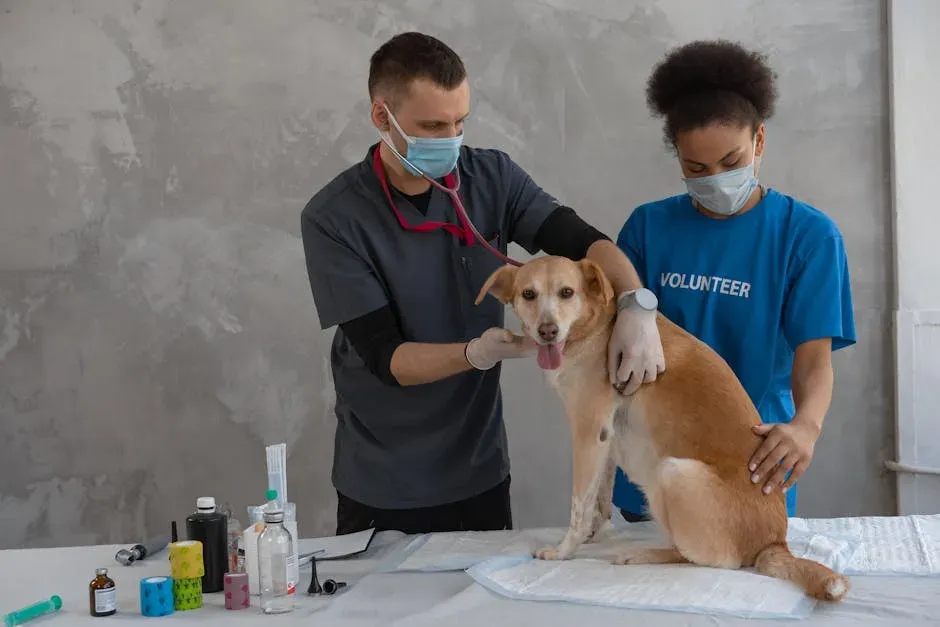
When a pet returns months later with a problem that was supposed to be rechecked in two weeks, nurses clock it instantly. “It seemed better so we didn’t come back” has a way of turning into advanced disease that’s now painful and far harder to fix. They mentally scroll the chart: was a recheck scheduled, declined, or missed twice without a word?
They don’t expect perfection – life gets in the way. What they do clock is how you frame it. “We dropped the ball, what now?” invites teamwork, while “it just got so bad all of a sudden!” over a year-long gap makes honest conversations a lot harder to have.
But that’s nothing compared to the chaos of people crowding around during procedures at #17…
#17 – Leaning Over the Staff During Procedures
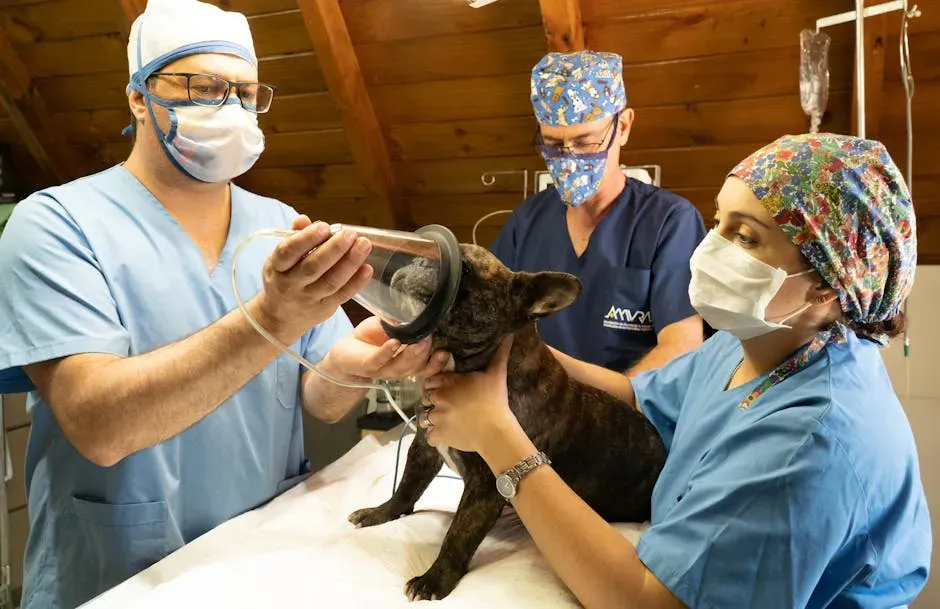
When an owner hovers inches from a needle, phone recording, while blood is drawn or a catheter goes in, nurses clock it immediately as a safety issue. One flinch, one faint, one sudden movement, and somebody gets hurt.
They’re quietly scanning you for paleness, fast breathing, the look of someone about to collapse onto their own dog. Owners who ask, “Is it better if I step back?” earn instant respect – not because staff need secrecy, but because they know you’re choosing your pet’s calm over your own curiosity.
But that’s nothing compared to what they quietly love seeing – owners who genuinely train for vet visits – at #18…
#18 – Actually Training Pets for Vet Handling (Yes, Nurses Notice)
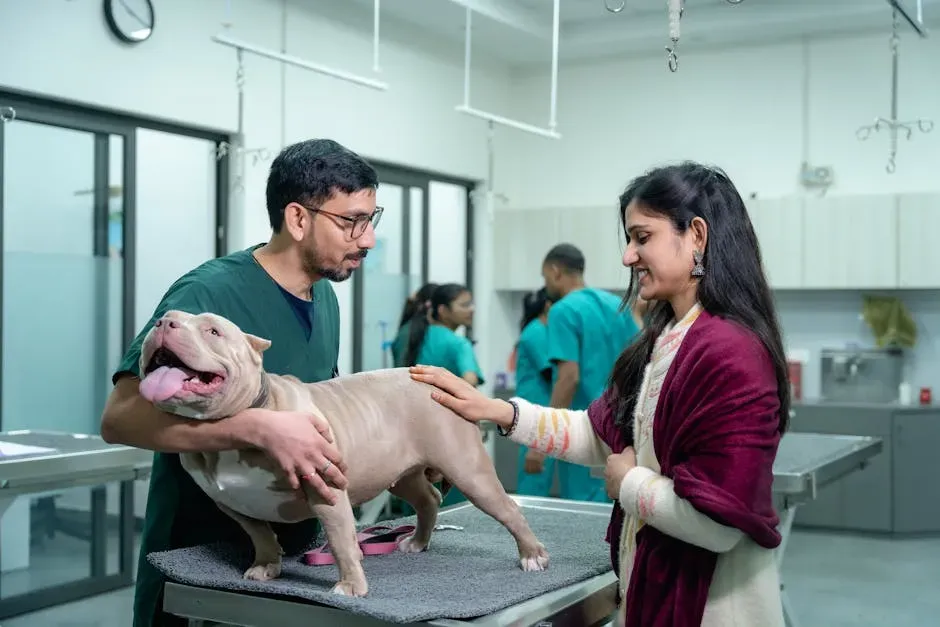
When a dog hops on the scale without drama, or a cat sits calmly for an ear check because you’ve practiced this at home, every nurse notices. It’s rare enough that these patients make their whole day. They clock the treats you brought, the cue words you use, the muzzle your dog wears because you desensitized him to it instead of forcing it on.
These aren’t naturally easy animals; they’re trained ones, and nurses know exactly how much quiet work that takes. When you say, “We’ve been working on this since last time was rough,” they hear that you turned a bad visit into a plan, and that pet gets a more thorough exam with far less stress and fewer chemical restraints.
But that’s nothing compared to how fast their guard goes up when people suddenly bring a pet “for a friend” at #19…
#19 – Showing Up With a Pet “For a Friend” or “Newly Acquired”
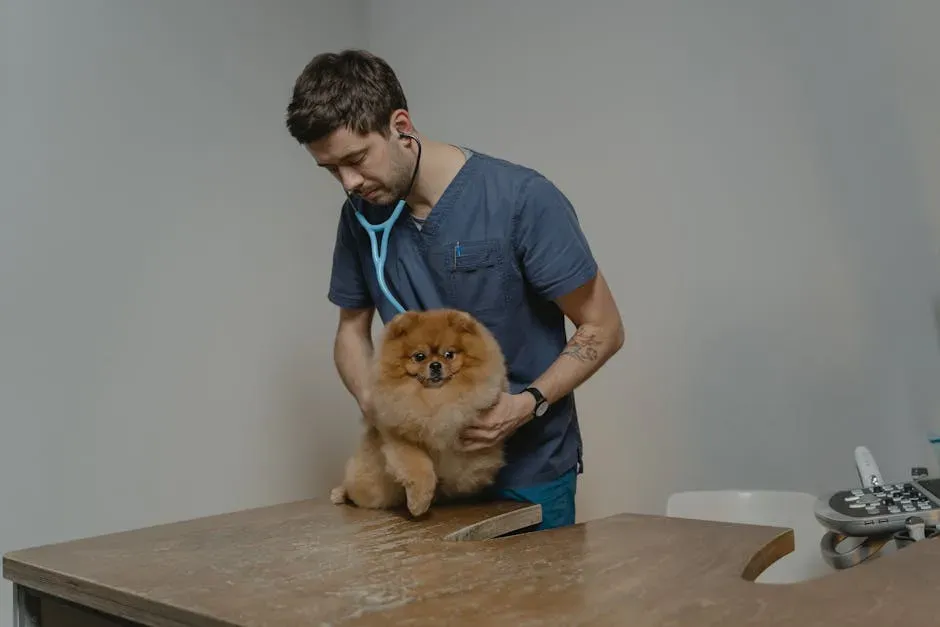
“This isn’t my dog, I just got him yesterday” or “I’m bringing him in for a friend” gets clocked as a potentially complicated situation, because ownership, consent, and payment matter in veterinary medicine more than most people realize. They’ve watched well-meaning neighbors bring in a sick animal with no authorization, only to find the actual owner can’t pay or disagrees with decisions already made.
They’re quietly working out who has the right to consent, who’s paying, and what “newly acquired” really means – rescue, impulse buy, backyard breeder, or online adoption with zero medical history. It changes everything from vaccine schedules to parasite risk, and most nurses will still help – they just need you to be honest about how little you actually know.
At a Glance
- Who legally owns the pet decides who can authorize treatment
- Payment responsibility needs to be clear before anything major happens
- “Newly acquired” changes the whole vaccine and parasite plan, not just the paperwork
- Being upfront about the gaps gets you better, faster help than pretending you know more than you do
But that’s nothing compared to the emotional landmine of people whispering, “Don’t tell my partner how much this costs” at #20…
#20 – Whispering “Don’t Tell My Partner How Much This Costs”
“Can you not mention the price in front of my spouse?” whispered at the counter puts every nurse in an impossible spot, quietly juggling medical transparency against a home dynamic they never asked to referee. Money secrecy around pet care is way more common than people admit, and it puts staff in the middle of it.
They worry about what happens after you leave, whether you’ll be blamed, whether the pet becomes leverage in an argument neither of you started with them, and they know secrecy makes long-term planning nearly impossible. The clients who instead say, “We need to talk privately about budget, then we’ll loop everyone in,” are the ones nurses can actually help plan for.
But that’s nothing compared to what every nurse remembers by name: the people who bring gifts or food “for the staff” at #21…
#21 – Bringing Food, Cards, or Small Thank-Yous

You’d be surprised how many vet staff cry in the break room over a simple thank-you card or a box of donuts. “This is just to say thanks for helping us last time” gets clocked, and remembered, for years. It’s a rare break in a job soaked with emergencies, euthanasias, and one-star reviews calling them money-hungry.
That card from the day someone sat with a dying pet often ends up taped inside a locker long after the family assumes it’s forgotten. The contrast with the clients who only ever say “you’re late” or “the last vet didn’t charge me for that” is stark – the work is identical, but the emotional residue nurses carry home is not.
But that’s nothing compared to the single biggest behavior nurses clock, every time, from every client, at #22…
#22 – How You Talk About Your Pet When You Think No One’s Listening
The biggest thing every vet nurse quietly clocks isn’t your Google searches or your budget. It’s how you talk about your pet when you don’t realize anyone’s listening. The way you soothe him in the lobby, the way you grumble about cat hair while still straightening his blanket, the offhand “he’s my best friend, honestly” said to your kid in the hallway.
They remember the owners who call their pets “stupid” or “a pain” but still show up, still pay, still sit on the floor in work clothes getting slobbered on without caring. That’s the real relationship, stripped of any performance, and it quietly tells them how hard to push for the tough, worth-it treatments down the road – because your vet team is treating both of you: the animal on the table and the human holding the leash.
Behind every quick injection, nail trim, or “routine” visit is a nurse who has quietly clocked a hundred tiny details about you and your pet without ever saying so out loud. They notice when you wait too long, when you minimize symptoms, when you lean too hard on Google, and when you’re drowning in guilt you don’t deserve.
They also notice the love: the training you did at home, the carrier you left out all year, the card you mailed after a hard goodbye. Most of what they clock isn’t about judging you – it’s about figuring out how to help you better, sometimes in spite of yourself.
Here’s the opinion part: veterinary medicine has never been customer service with animals. It’s medicine soaked in emotion, money, fear, and love, all crammed into one exam room, and the people in scrubs read those patterns every single shift, whether anyone thanks them for it or not. They know exactly which habits quietly shorten a life, and which ones quietly save one.
So which of these hit closer to home than you expected? The next time you walk into that room, the leash in your hand is telling a story – make sure it’s the one you actually want your nurse to read.